Joel Saget/AFP via Getty Images
Featured
Golshifteh Farahani’s Existence Is Resistance
In Extraction 2, Farahani’s character Nik Khan is in the fight of her life.
June 23, 2023
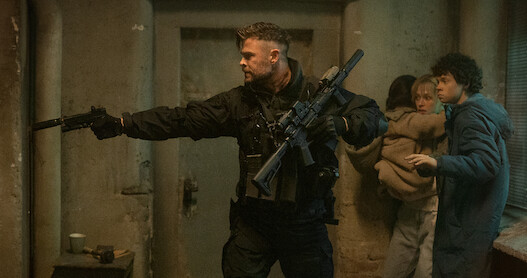
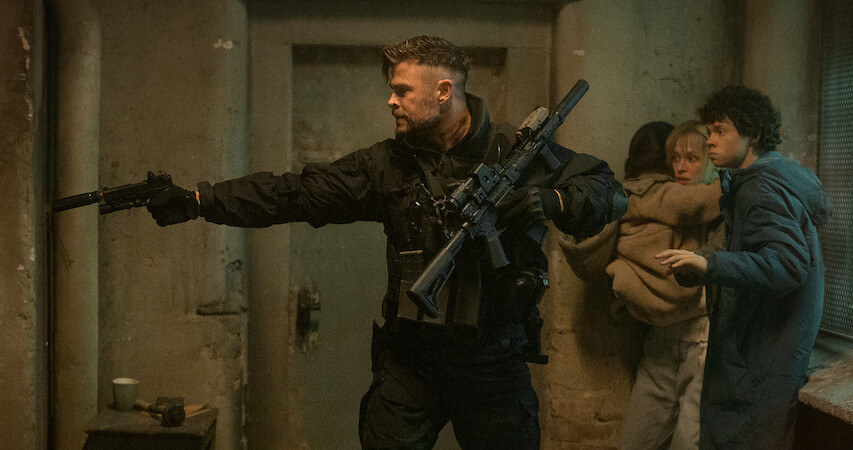
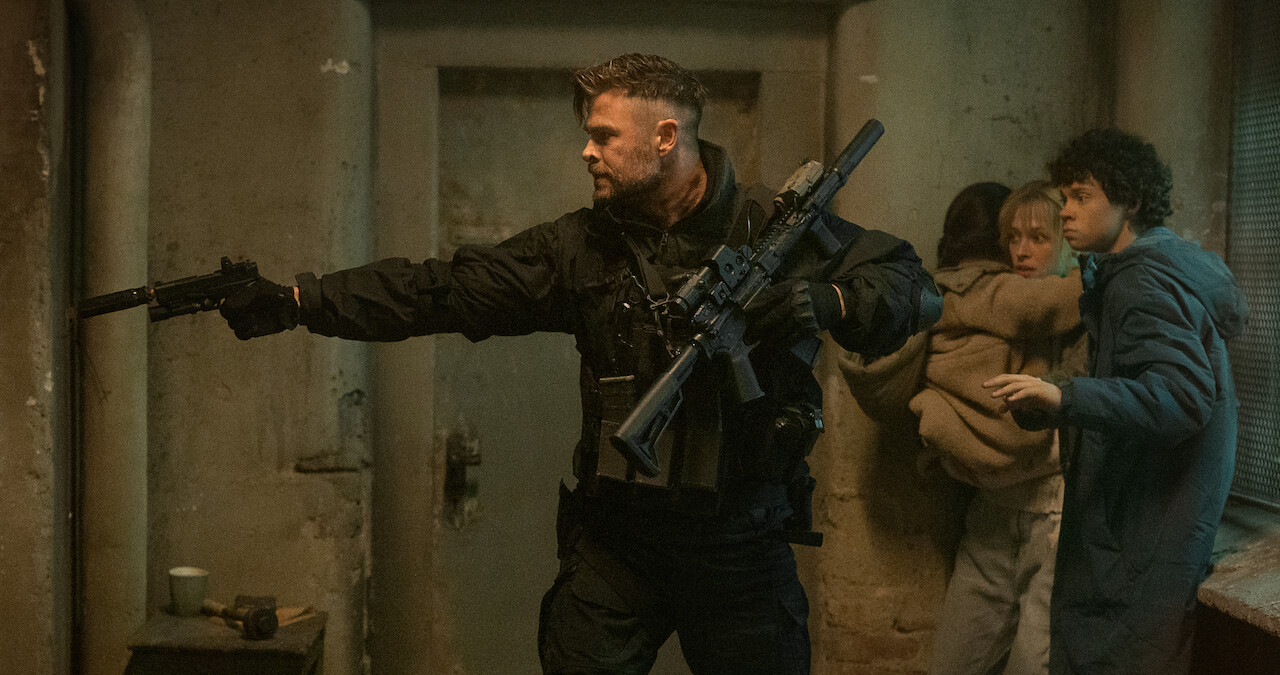
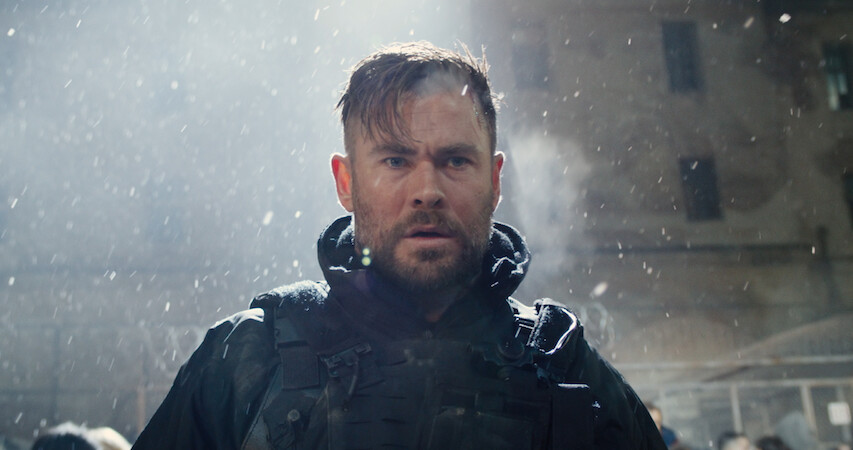
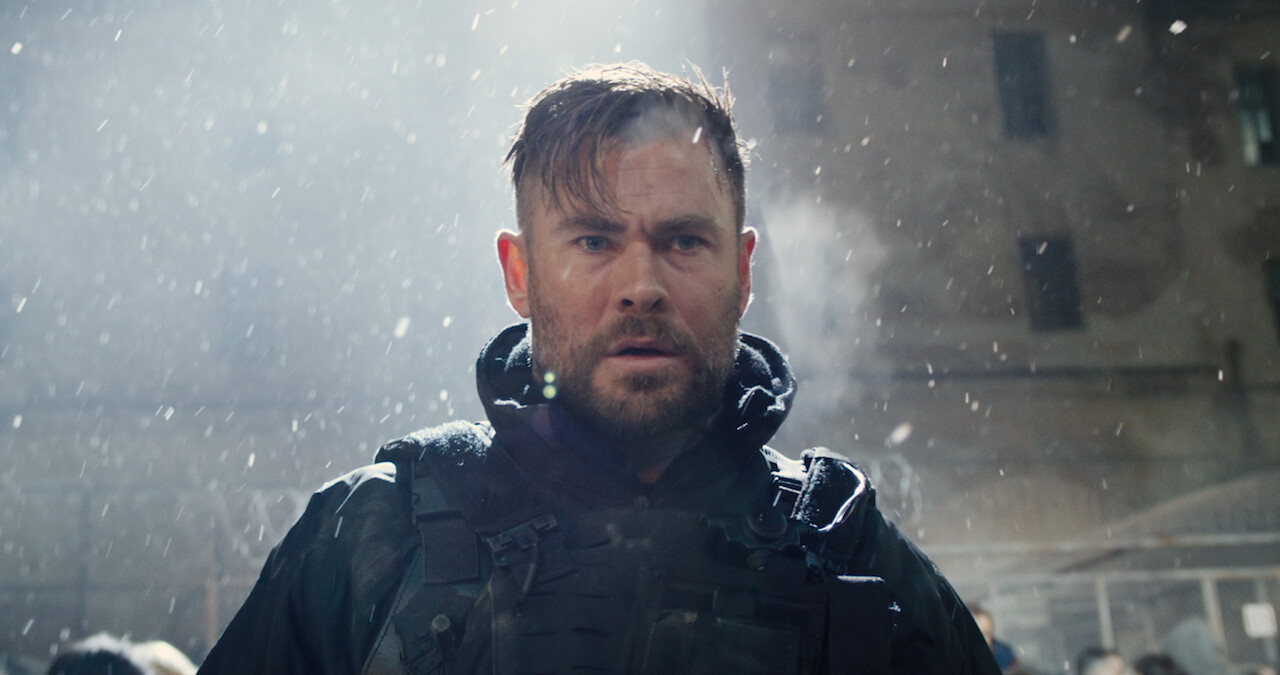
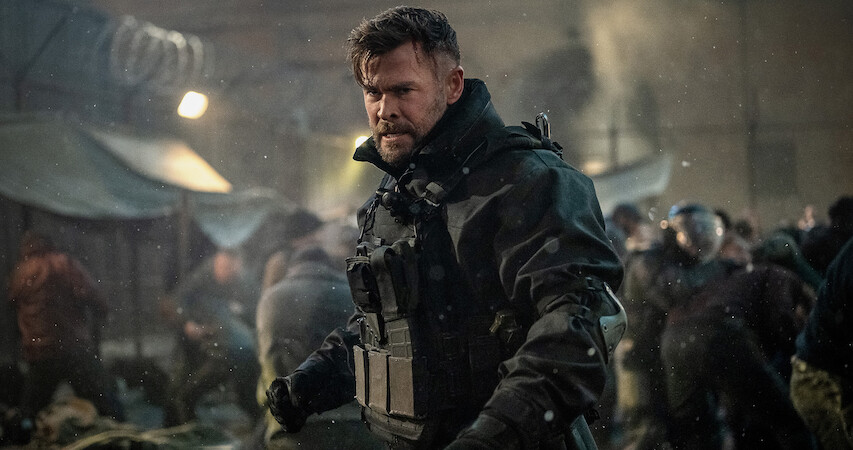
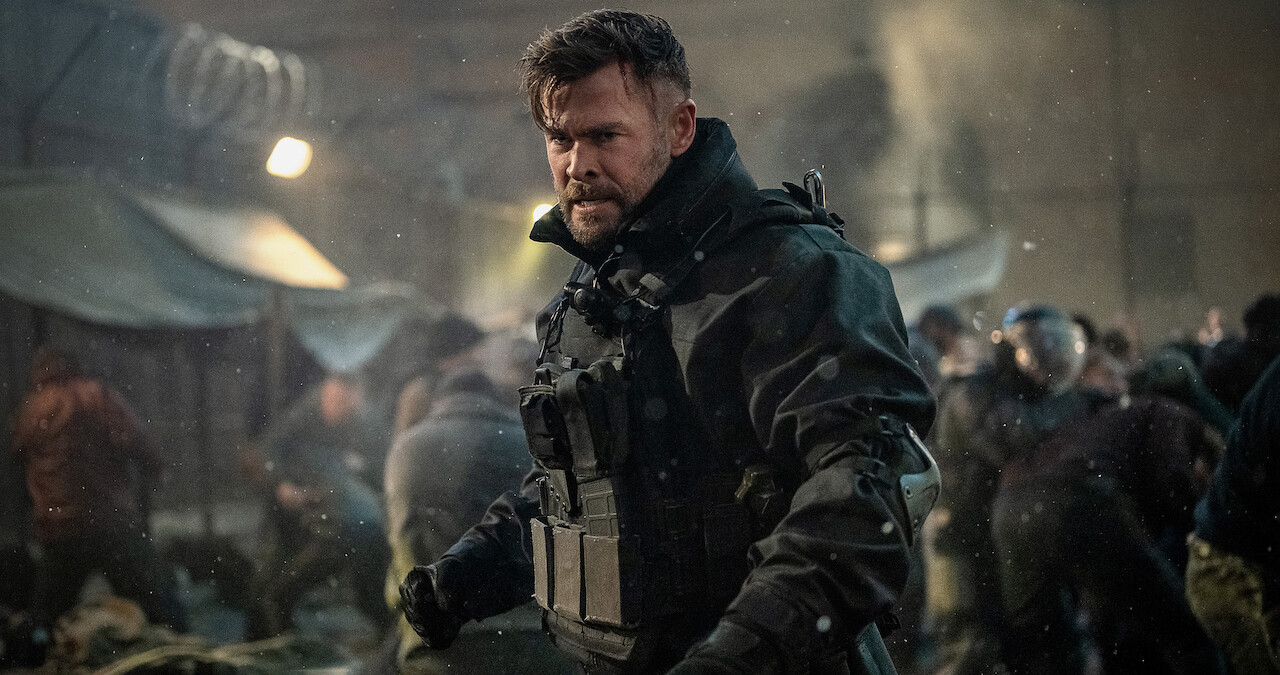
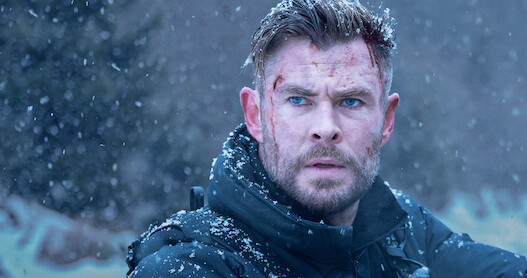
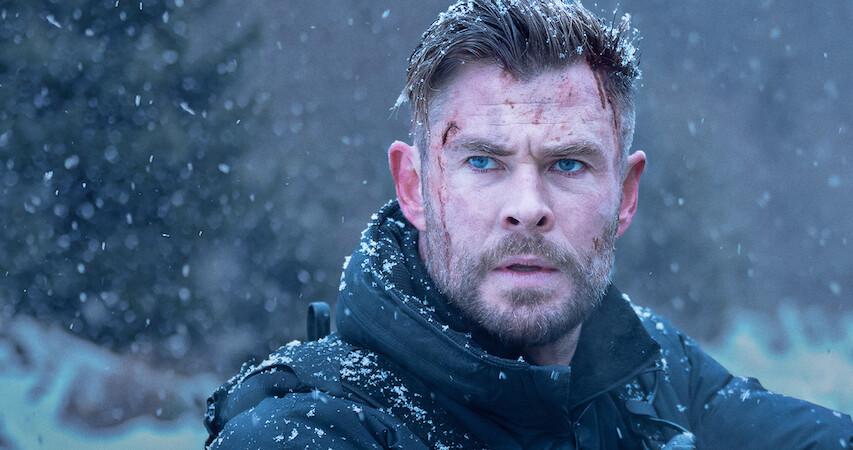
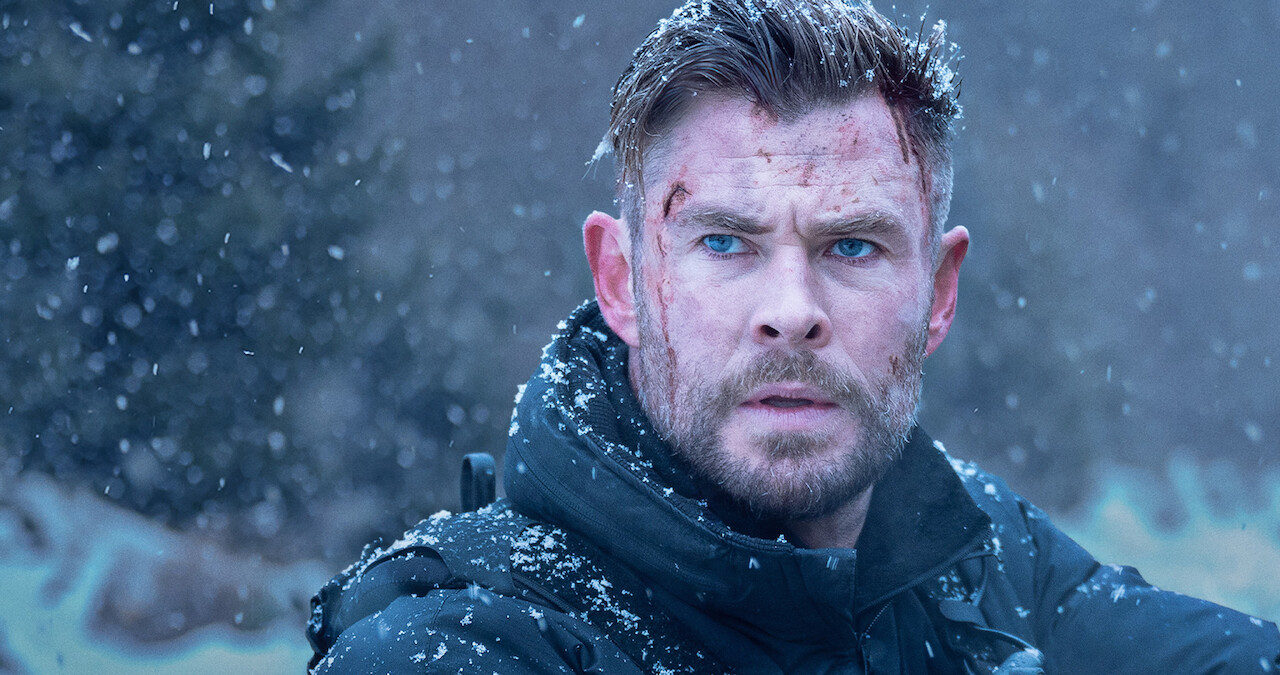
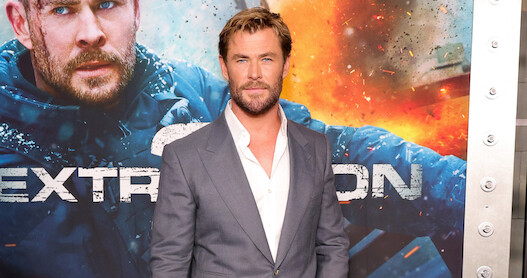
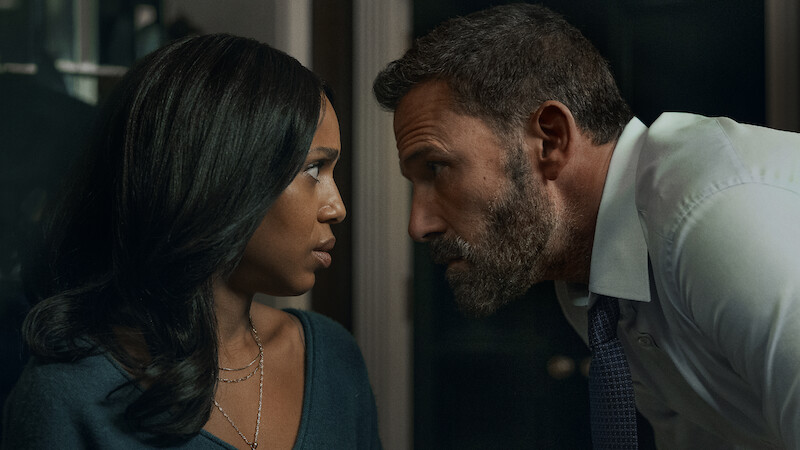
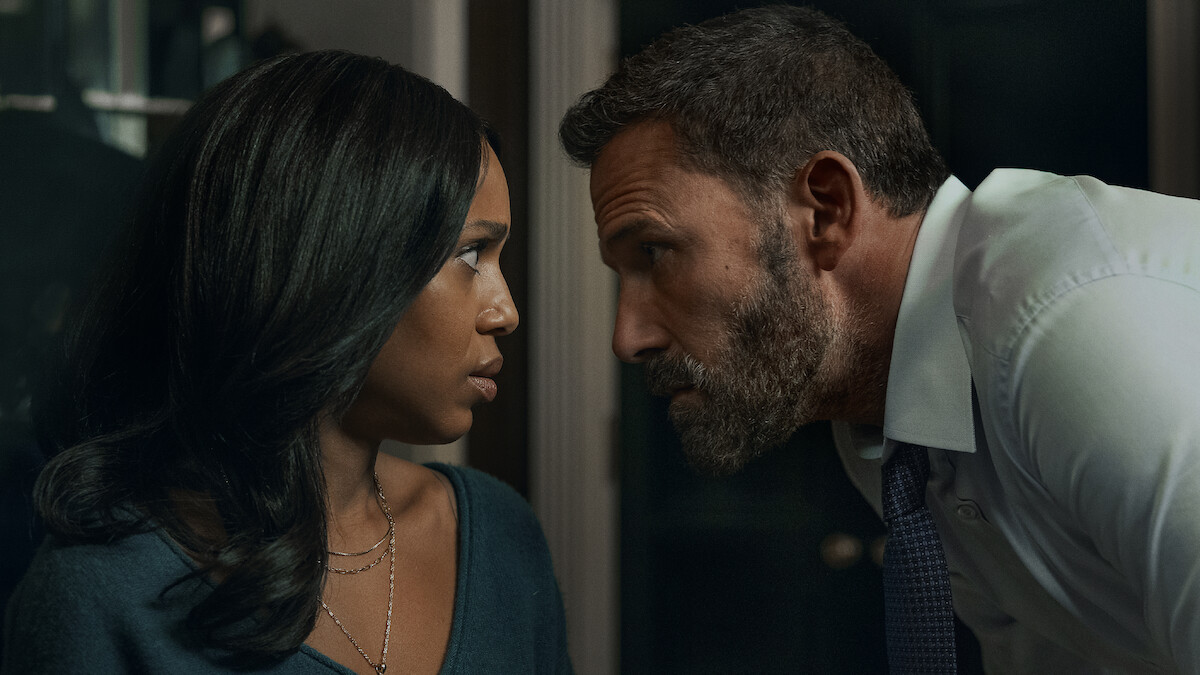
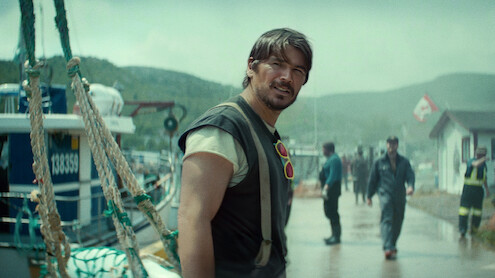
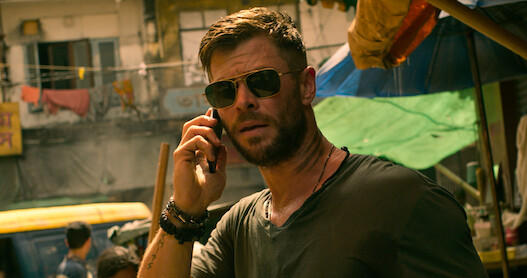
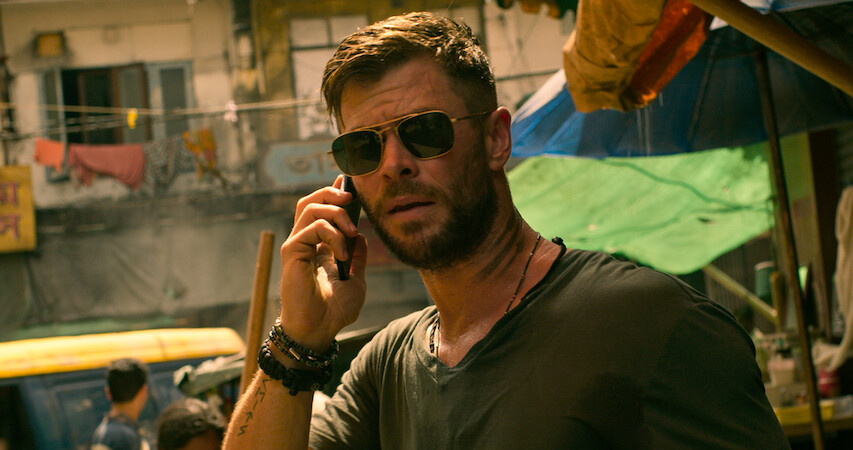
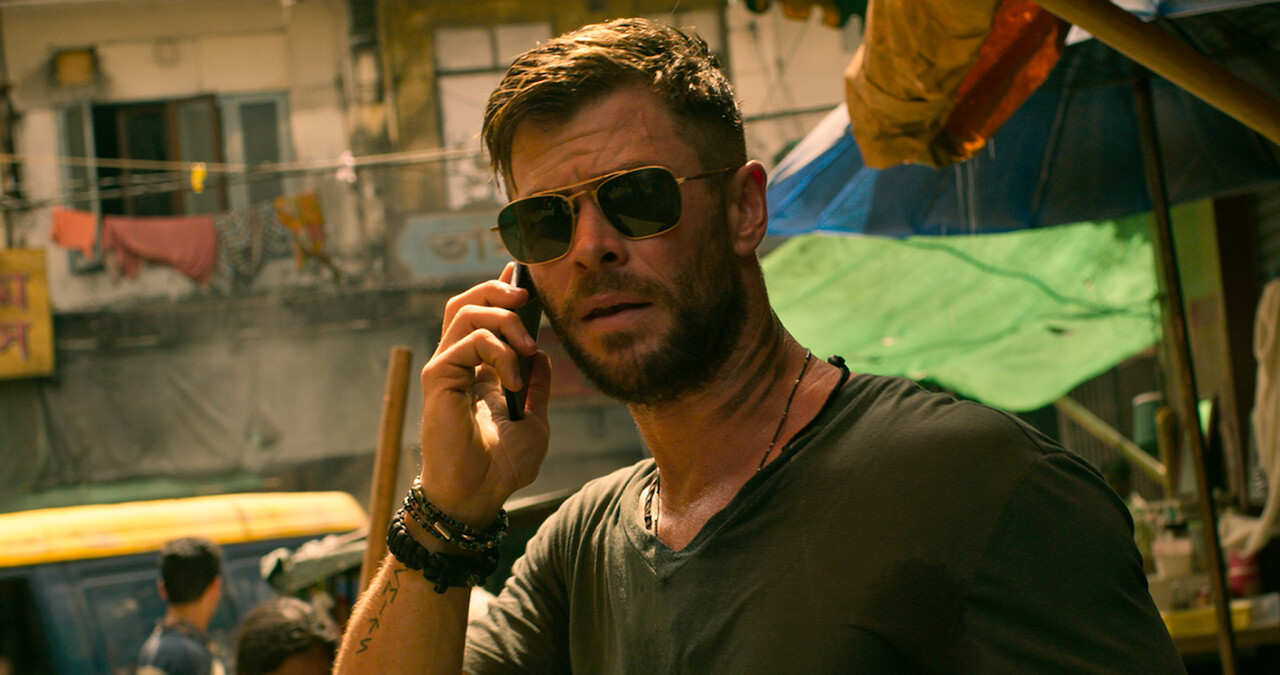
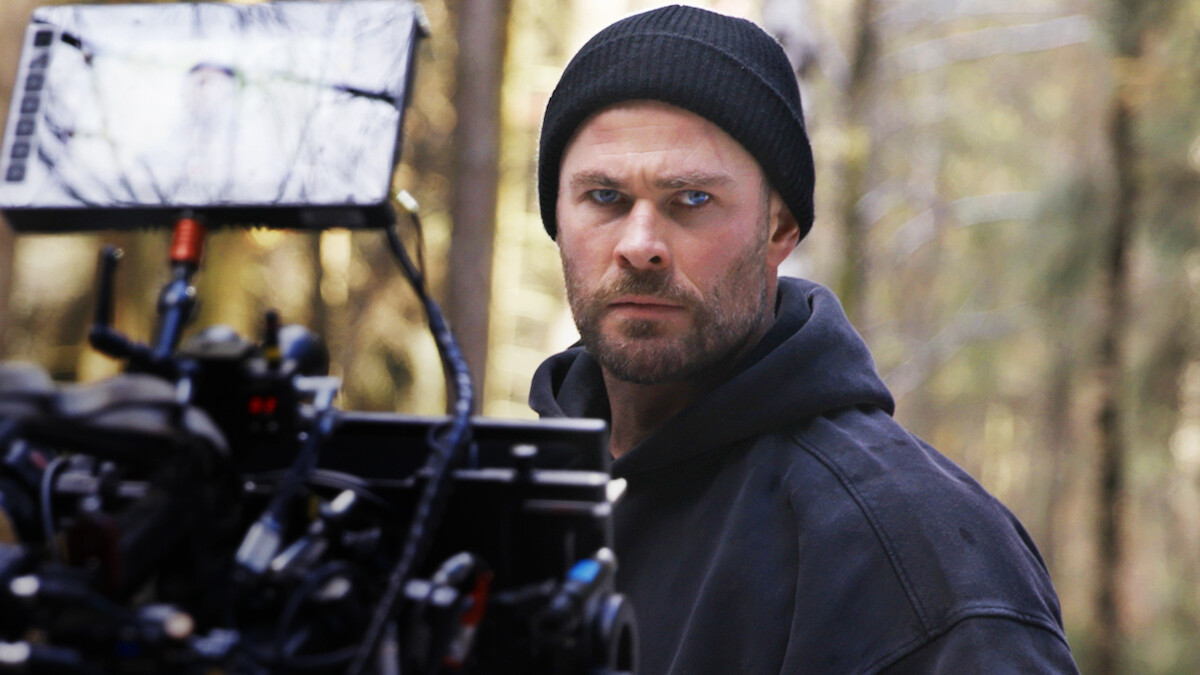
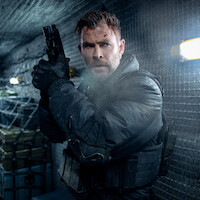
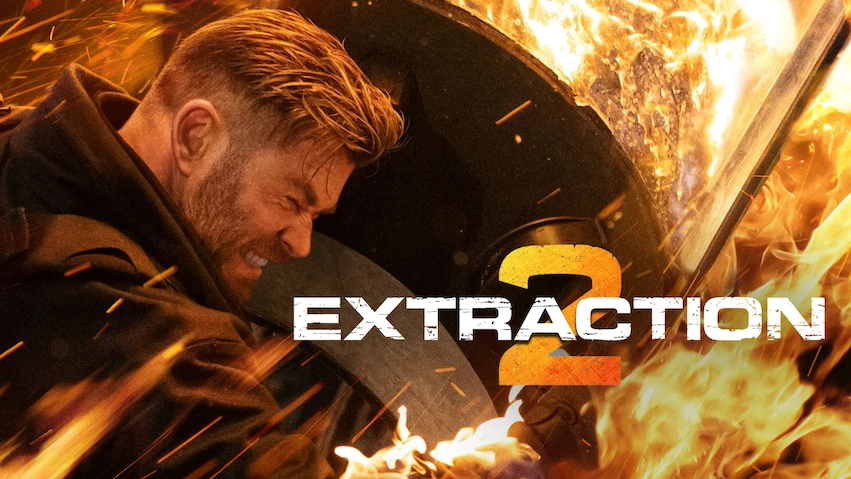
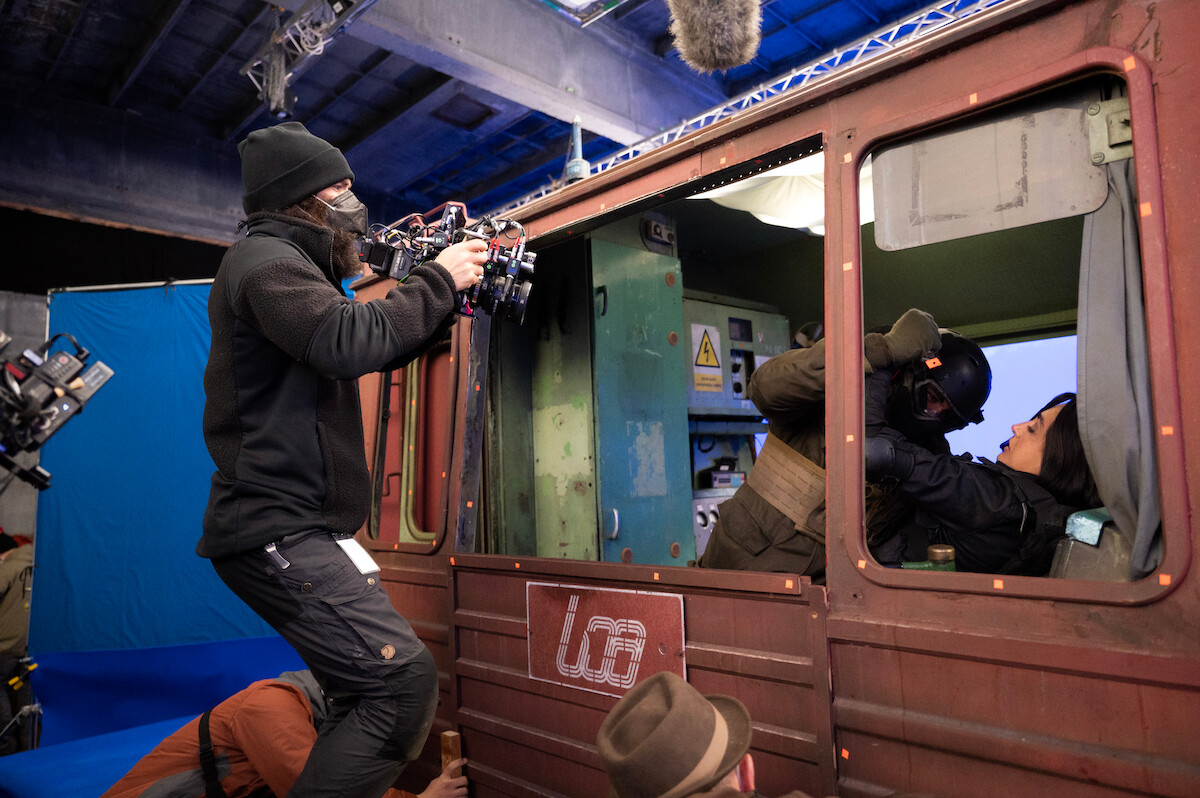
In the pivotal scene of Extraction 2, Golshifteh Farahani’s character, Nik Khan, is in a fight for her life. Opposite Chris Hemsworth’s Tyler Rake, shooting down a helicopter from a hurtling freight train, Nik takes on one, then two armored goons in what seems like a relentless high-speed battle. It’s one Nik survives — barely — but this indelible, high-octane action sequence wasn’t quite as happenstance as it feels on-screen. Farahani, whose character played a much more operational, behind-the-scenes role in the first Extraction, never expected to be handed such a physical role in the sequel.
“Like athletes, we were working eight, nine hours a day on every kind of martial art, kung fu, jujitsu, boxing, knife fighting, fighting with arms — everything,” Farahani tells Tudum. “And that was just to get ready to learn the choreography.”
This exhilarating ballet of bullets and brawn would turn out to be Farahani’s favorite scene to film, despite only having two days to prepare for it. “I was supposed to do that fight in three weeks, but then they said, ‘Ah, we have to do it the day after tomorrow.’ And suddenly everyone panicked. But I really didn’t want any [stunt actors] to do my work — I was really working hard for it,” she says. “I mean, that fight, I watch it and I’m like, ‘Yeah, woman, that is a beautiful fight!’ ”
All of Farahani’s physical work paid off in ways she both expected and never could have imagined. Specifically, she says, it offered her a sense of much-needed catharsis. As an Iranian actor with a global platform during one of her homeland’s most devastating uprisings, it felt good to step into her body again.
“Being put in a project where you have to concentrate so much on your body and keep training, it brings you back to your roots constantly. And I loved it,” Farahani says. It was also a welcome change from the roles she says that Middle Eastern actors are often offered, especially in Hollywood. “I managed somehow to break this box,” she says. “I managed to be so many things that have nothing to do with my nationality, or even my identity, or even my sexuality.”
For the first half of her career in the late ’90s and 2000s, Farahani found success in a string of well-received Iranian productions, such as The Pear Tree, Boutique, M for Mother and About Elly. In that short span, she had become one of her native country’s biggest and most beloved movie stars. It wasn’t until her appearance in Ridley Scott’s 2008 thriller Body of Lies, opposite Leonardo DiCaprio and Russell Crowe, that Farahani found herself at war in her own home. After appearing in the film, the Iranian government restricted Farahani from leaving Iran as a punishment for appearing without a hijab, the head covering worn by some Muslim women. In the decade and a half since then, Farahani has refused to be silent, continuing to appear in movies and magazines that displeased Iranian officials so much that she was no longer welcome in her own country. Today, Farahani isn’t just an actor — she’s a voice of hope for the women in Iran facing their own uprising.
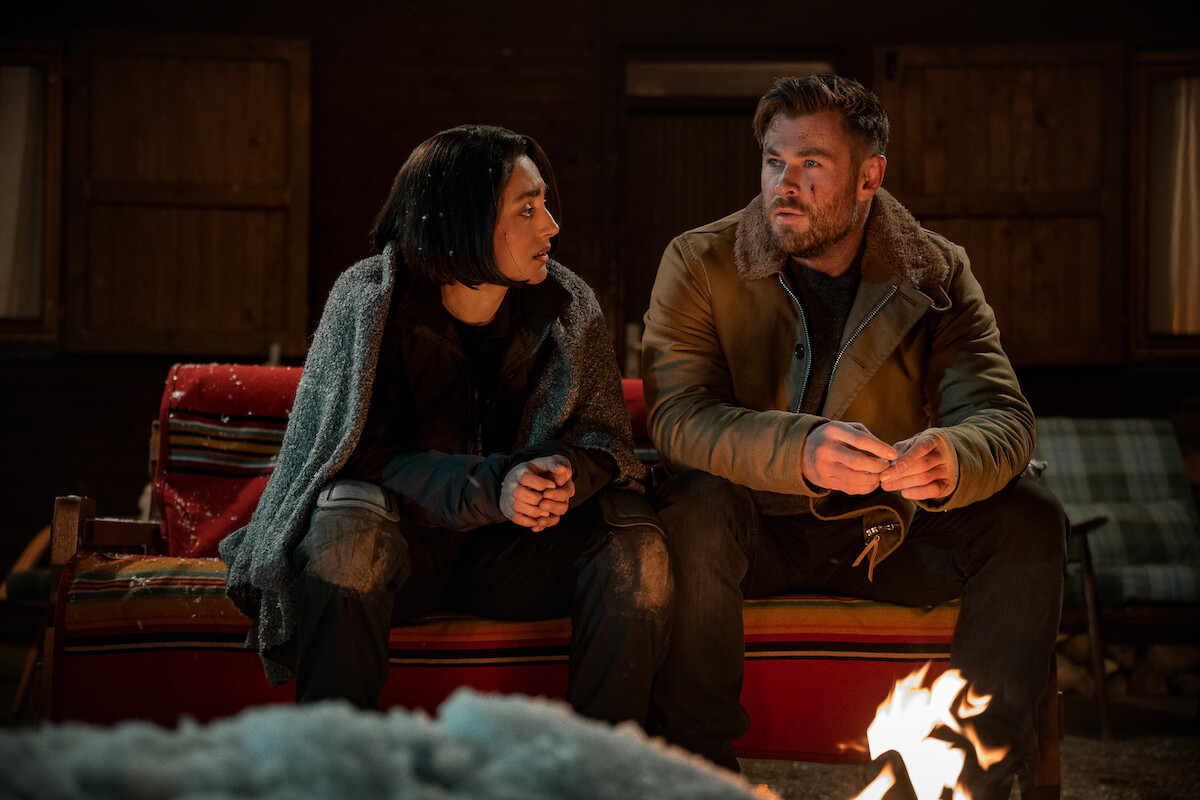
“The women of Iran need to be proud of themselves just to be alive. Because they’re going against the current. They’re going against everything that is against them,” she says. “They are living an absolute fight, day and night.”
As a result of her own rebellion, Farahani has become an unofficial face of the Iranian resistance. She shares resources with her massive fan base, lobbies for global action and refuses to let up on the fight for freedom in a country that exiled her.
“As a woman, no matter what you do, that you exist is your resistance,” she says. “When you exist as an artist, when you exist as a businesswoman, when you exist — this is your resistance.”
Ironically, it’s that strength to resist that Farahani calls upon to play Nik, a character she calls “one of the most exceptional” she’s ever seen — one simple fact binds the stories of the woman on-screen and the one off-screen together: “She’s a fighter.”
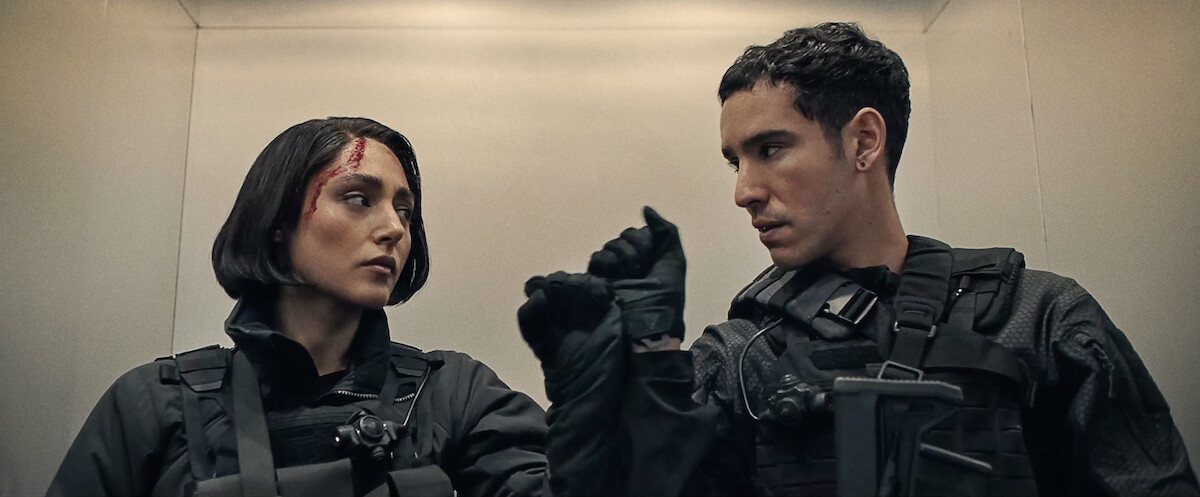
“[Nik] is a female hero in the movie, but she’s not a love interest of anyone, and she’s not in love with anyone,” Farahani says. “We don’t have these kind of fighters — female fighters — because they’re always somehow sexualized, related to some man or some love, but she’s just a character. She’s a friend. She’s more of a human being.”
As for the future of Nik, with the recently announced Extraction 3 now on the horizon, Farahani hopes to continue embracing the role of a woman who emulates her own core values of strength, resistance and inspiration for a new generation.
“I’m very happy to be able to play a character, where, well, little girls better not watch this movie — but maybe the girls that can watch this movie, they can say, ‘Oh, we want to fight like her. We want to be ruthless, too.’”