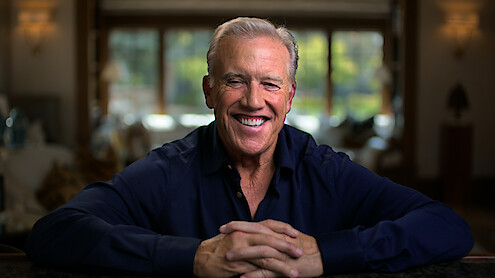
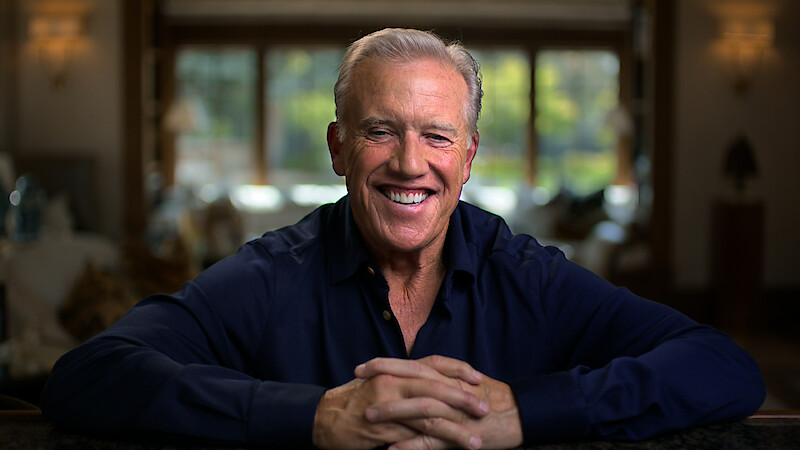
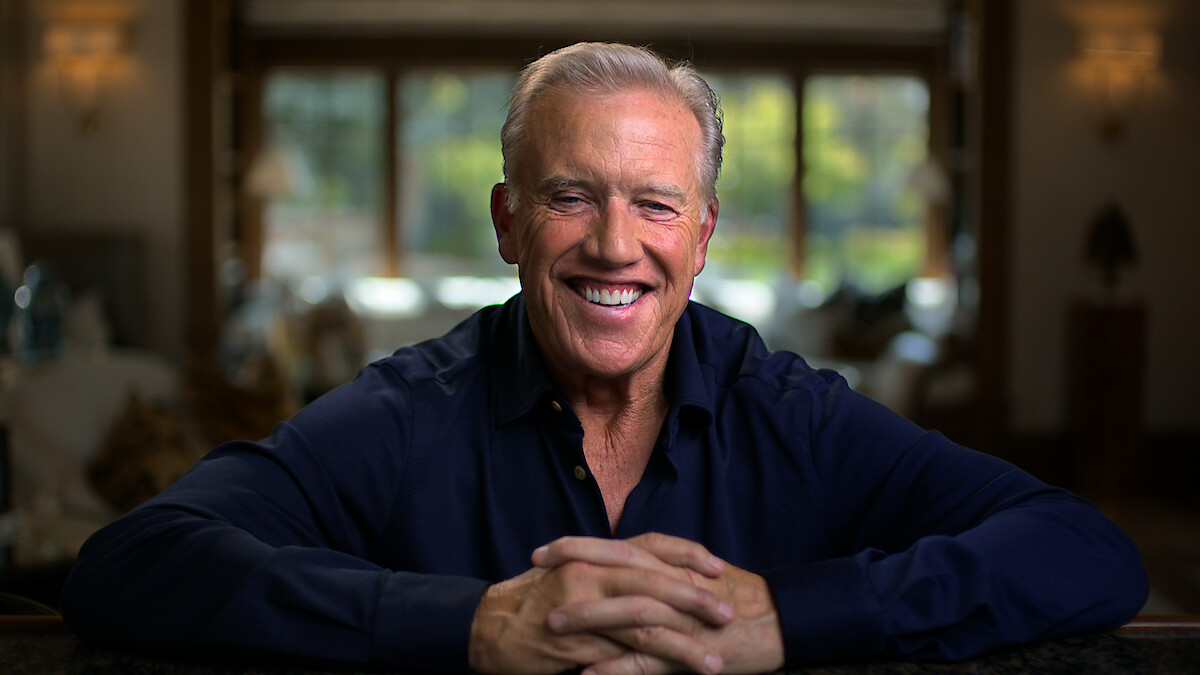
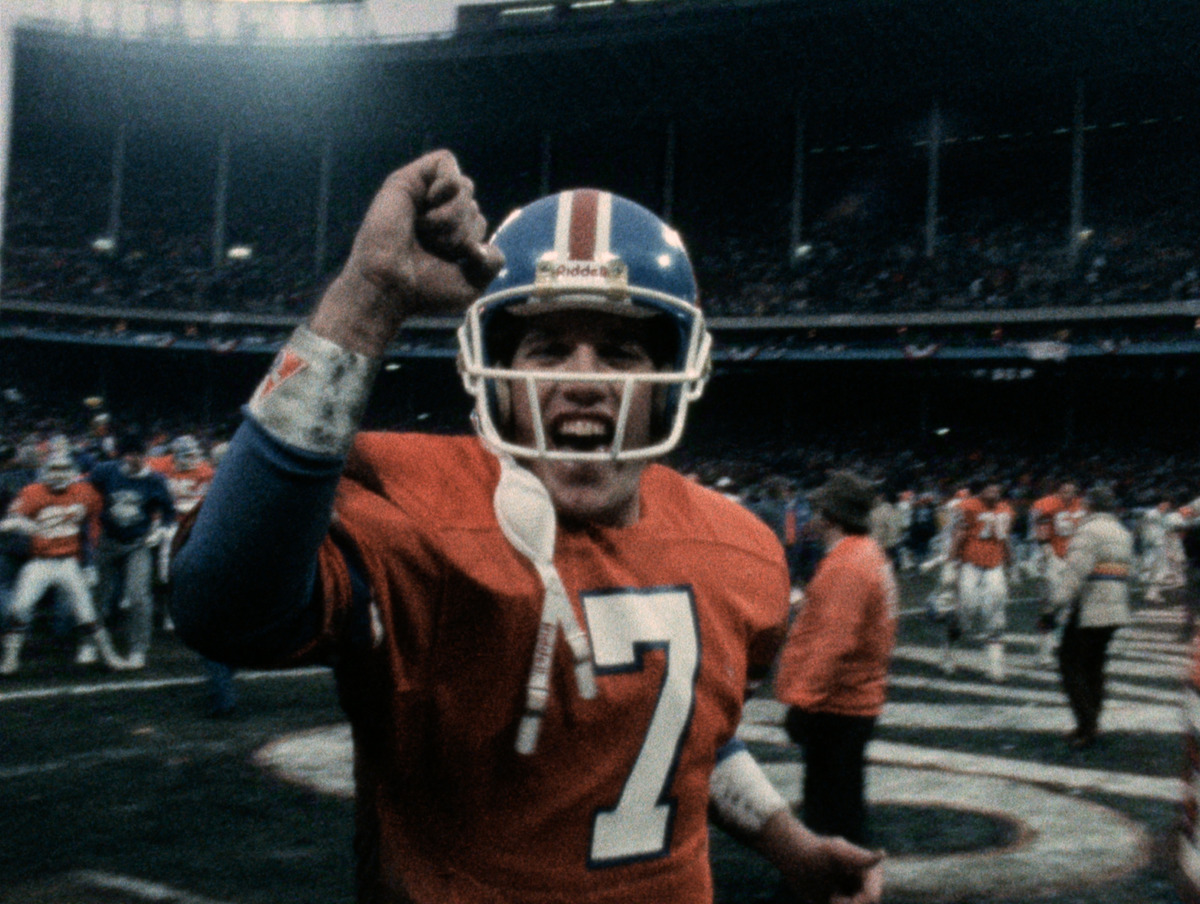
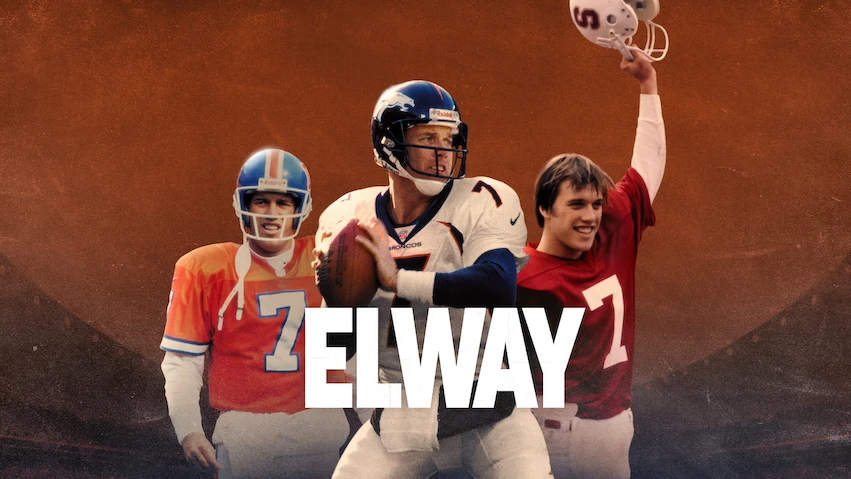
Elway, a documentary about NFL Hall of Fame quarterback John Elway, has dropped on Netflix — and this isn’t just another sports film. In this journey of perseverance, audiences step into locker rooms, huddles, and the quiet moments that shaped one of football’s most compelling legends.
The captivating story traces Elway’s journey from multisport phenom (he was drafted by the New York Yankees) to heavily-scrutinized NFL QB to Super Bowl champion in a 16-year career filled with heartbreak and redemption — often simultaneously.
Told in Elway’s voice and grounded in moments that have become folklore — from draft day drama or Super Bowl glory — Elway goes beyond the highlight reels to showcase its protagonist’s humanity.
Elway spoke with Tudum about the doc, answering to questions about success, self-doubt, and sacrifice, as well as quiet reflections on legacy after a lifetime in the spotlight.
Why is now the perfect time to tell your story?
John Elway: I had the opportunity to do this and put my legacy on tape rather than in a book. I thought, with 10 grandkids and four kids, that to be able to show them what their poppy was all about when he played football, that it was the right time. Plus, I knew I was done in football. I was no longer with the Broncos as a GM or as a player. My career was complete in football, so I thought the timing was perfect.
What aspects of your life are you excited for family or fans to see?
Elway: It was fun for me to go back and look at it, too, and to relive the excitement a little bit because you don’t get many opportunities to do that. I think it’s a good story for people to understand the trials and tribulations that even pro athletes go through, and [to see] how hard it is to be successful in the NFL. I think that Ken Rodgers did a tremendous job as the director, and I’m thrilled with the outcome. I hope people enjoy it. I think they will.
There’s a quote from your father in Elway that says, “You’re going to have to deal with failure and you’re going to have to deal with losing. I sometimes think how you lose is gonna determine what kind of winner you’re going to be.” How did your father help you deal with losing and early challenges?
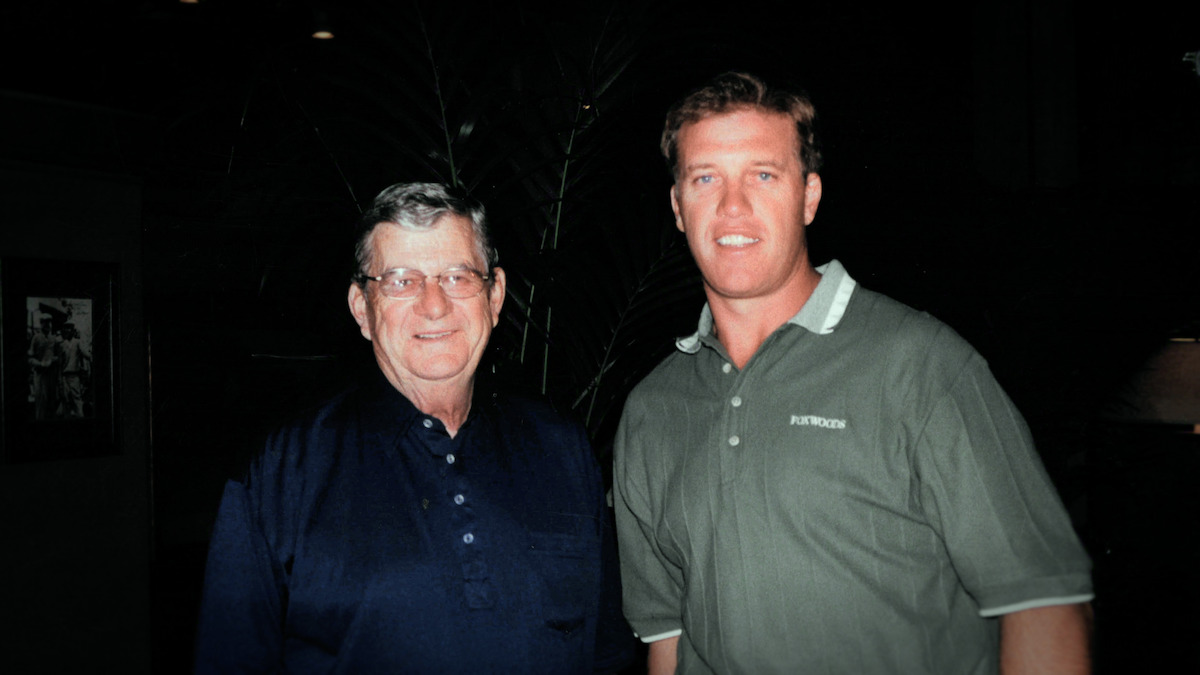
Elway: My dad was my best friend and my mentor and my hero. Having been a football coach, he taught me about how to treat people, but also how to handle losing and how to handle winning — that kept me going. You have your good times and your tough times, but to be able to have a guy like that as a sounding board, I’m not sure I would have made it through all that without him. It was also because of the great respect I had for him. It was always important for me to make him and my mom proud.
Elway shows that you were drafted by the New York Yankees and could’ve had an MLB career. Did you ever truly consider baseball over football?
Elway: I wanted to play football. The quarterback gets to touch the ball every down, and you’re in control of a lot of different things. I love playing baseball, but I was an outfielder, so it wasn’t quite as exciting as the quarterback position. If I couldn’t get out of [being drafted by] Baltimore, I was going to go play baseball for a year. You never know — if I’d had a good year in baseball, would I have stayed in baseball? I think ultimately my big goal was to play football.
There’s a brief moment in Elway where we see a photo of you in a basketball uniform. What was your experience with the sport of basketball?
Elway: Actually, basketball was my first love. I always thought I was going to be the next Jerry West because it was my favorite sport at that point in time. I hurt my knee junior year in the Christmas tournament and missed a couple of months; then my senior year in football, I tore my knee up and had surgery, so I couldn’t play baseball or basketball. So, basketball kind of eliminated itself. But when I first started, it was actually my favorite sport.
You faced a lot of criticism for not wanting to play in Baltimore and had some struggles early in your NFL career. What was that experience like?
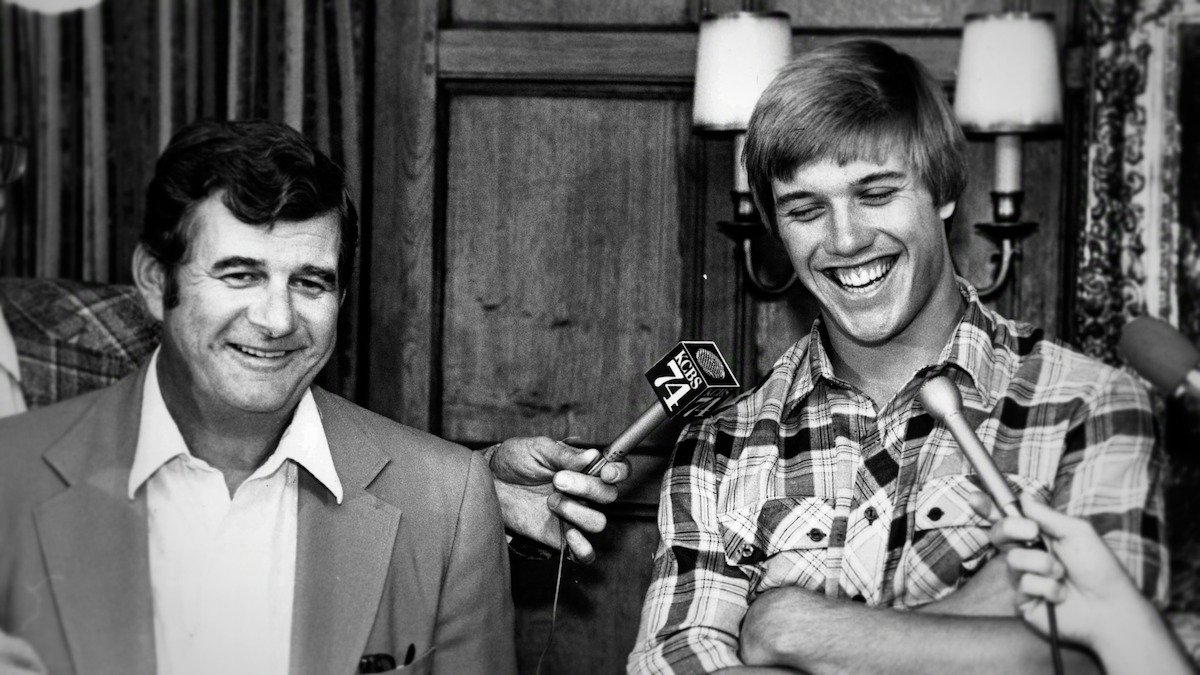
Elway: When I came out of Stanford and got drafted by the [Baltimore] Colts, I had no idea that the reaction would be negative about what kind of person I was or how I was trying to dictate to the NFL where I was going [to play]. I got a chance to explain exactly what I was thinking and what the plan was [in Elway]. People kind of looked at that as, “How dare he challenge the NFL and the draft?” The expectations got high, and I struggled in that first year.
I think [criticism] is part of being a quarterback in the NFL. It’s even greater now because of social media, but it still felt like they had social media back then because of the negativity in the press. The expectations were that much higher.
After early career struggles, when did everything click for you in the NFL?
Elway: I think it really happened gradually. I think in my fourth year, when we had “The Drive” in Cleveland, that kind of put me on the map, kind of legitimized me.
When you lost Super Bowls early in your career, did self-doubt ever creep in?
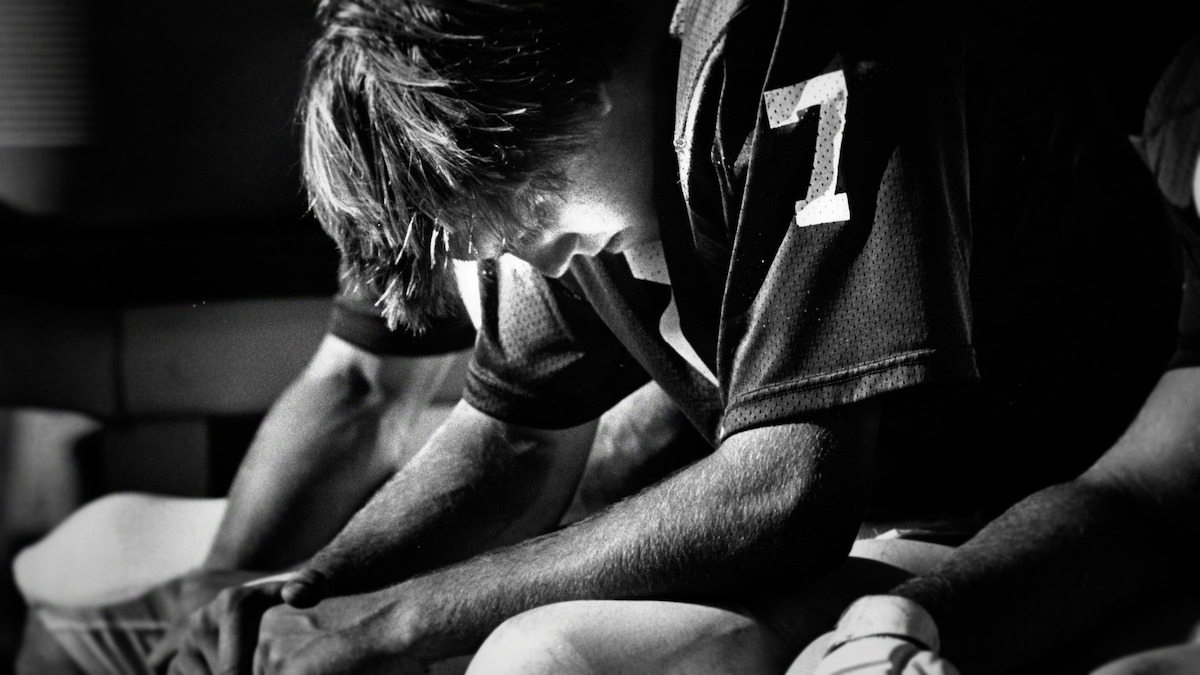
Elway: It’s the worst loss you can have, because you work so hard and you end up finishing second, but as long as I could still throw the ball, as long as I could play, I was bound and determined to win a world championship. For the eight years after we lost the last Super Bowl until we got back to one, that’s all we ever talked about: Would your career be complete without a Super Bowl? I lied the whole time and said, “Yeah, it would be.” But I knew deep down inside that it would only be complete if we were able to win a world championship.
Were there any aspects of the documentary that you found challenging to revisit?
Elway: The loss of my dad [Jack in 2001] as well as the loss of my twin [Jana in 2002), those are very difficult times. I think sometimes you kind of run away from it, but it’s still very emotional. It’s good to show that everybody goes through trials and tribulations. NFL players are put on pedestals but they go through the same tough things in life that everybody else does.
Winning that first Super Bowl after my 15th year and all that we’d been through — when I watched the doc, I got emotional. It brought back a lot of tremendous memories, but also brought back that pain. I think it was a great exercise for me to revisit that and realize how great it was.
How do you feel about the way quarterbacks are protected in today’s NFL, and how do you think you’d do in modern football?
Elway: In the long run, it’s a good thing to keep quarterbacks healthy because there were so many unnecessary hits. It’d be a lot of fun to play in today’s game. They’re throwing the ball, spreading the field a lot more than we did back in my day. But I’m still thrilled with when I played. I was happy with the guys I played with, and I wouldn’t change a thing. Plus, I got to play in Denver, which is an unbelievable sports town when it comes to athletics.
Which current NFL quarterbacks are you impressed by?
Elway: Obviously, [Patrick] Mahomes has been great. He’s a tremendous talent, but he’s also been blessed with a great head coach in Andy Reid — it’s so important for young quarterbacks to have a head coach and offensive coordinator who are on the same page. That’s where Sean Payton’s doing a tremendous job with Bo Nix. I think Nix has a very bright future. He’s going to be a great player in this league. His maturity level, you see it grow week in and week out. Jaxson Dart in New York — he’s going through a coaching change, but as long as he keeps his nose to the grindstone and keeps the concentration on football, which I’m sure he will, he’s shown a lot of good things.
What advice would you give quarterbacks facing a lot of criticism?
Elway: You got to keep your nose out of the newspapers. You got to stay off social media and you can’t listen to that stuff because it does no good for you. The main thing is, they’re all talented kids, but they’re not used to getting hammered and having that criticism in college or in high school. When you get to the NFL and now all of a sudden you’re getting paid, and the expectation levels rise, perseverance is a key thing. If they just keep battling away, and make sure that that’s their priority, they’ll get through these tough times. I always say, unless you have tough times, you can’t appreciate the good times. If you don’t go through the tough times, it makes the good times that much better.
What do you hope audiences take away from Elway?
Elway: Perseverance pays off. As long as you don’t let those tough times get you down too far. Battle through and you realize that you’re in control of your life, and you’re in control of what you do. No matter what you do, no matter what your job is, what your work is — if you have a dream, you chase that dream. Perseverance is the biggest payoff.