This article contains major character or plot details.
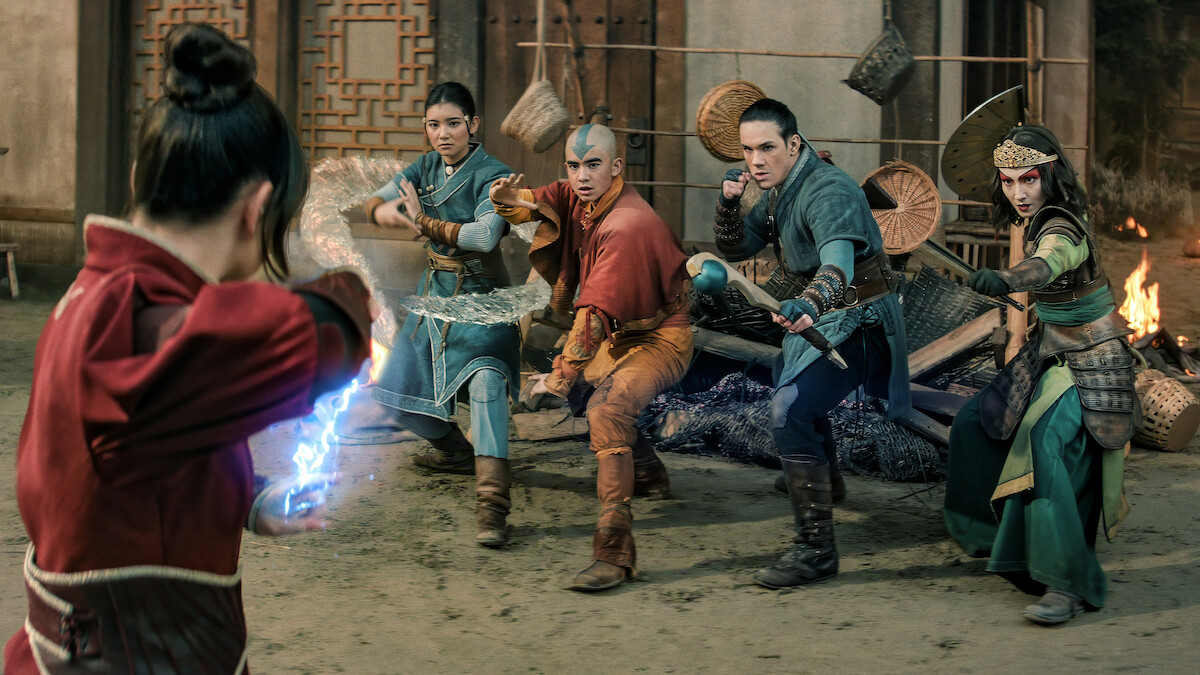
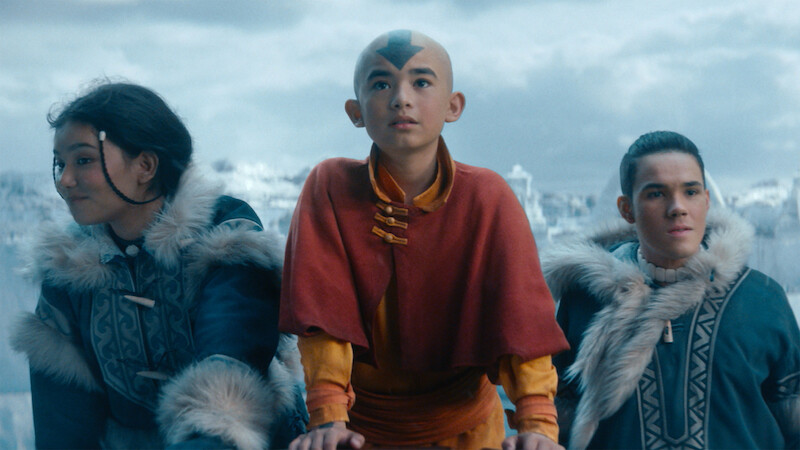
In the original Avatar: The Last Airbender animated series, “The Painted Lady” and “The Library” are fan-favorite standalone episodes. One shows Katara (Kiawentiio) disguising herself as a local spirit to help a struggling village. The other sends Team Avatar deep into Wan Shi Tong’s legendary Library in search of knowledge that could change the course of the war.
So if you sat down to watch Netflix’s Avatar: The Last Airbender Season 2 expecting those stories to play out exactly as they did in the animated series, you probably got a surprise.
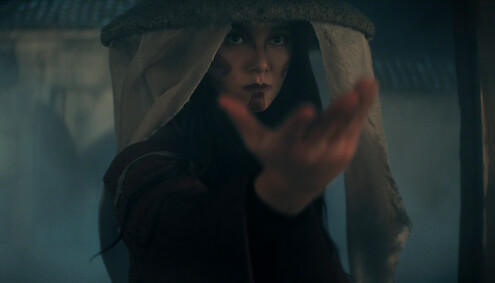
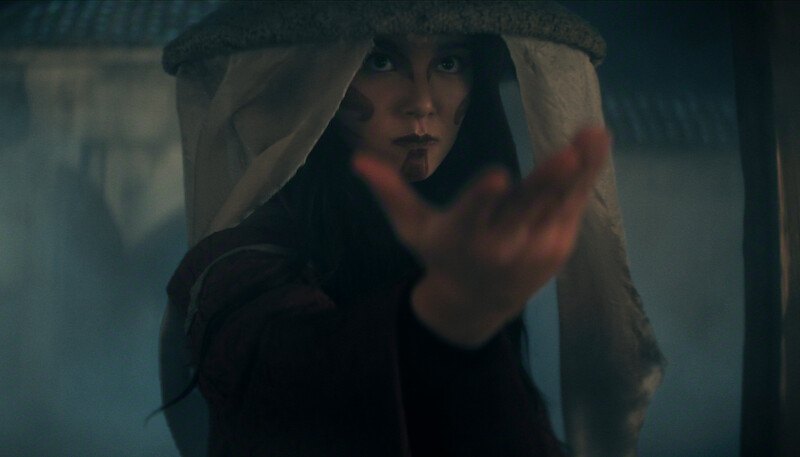
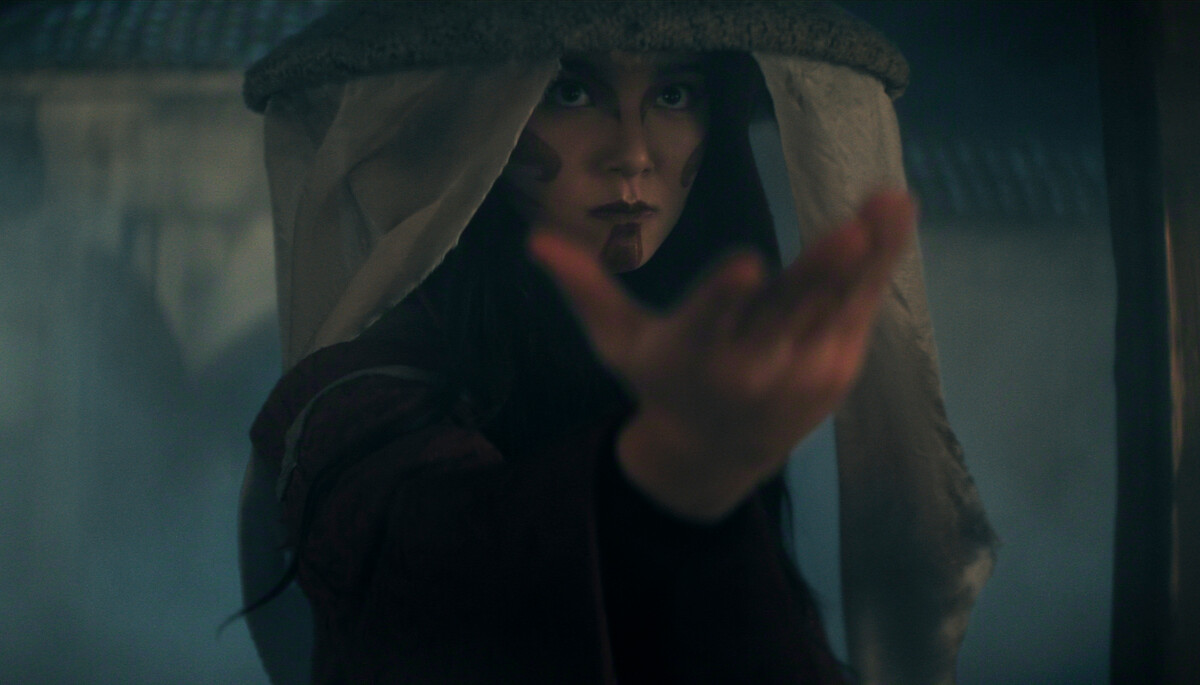
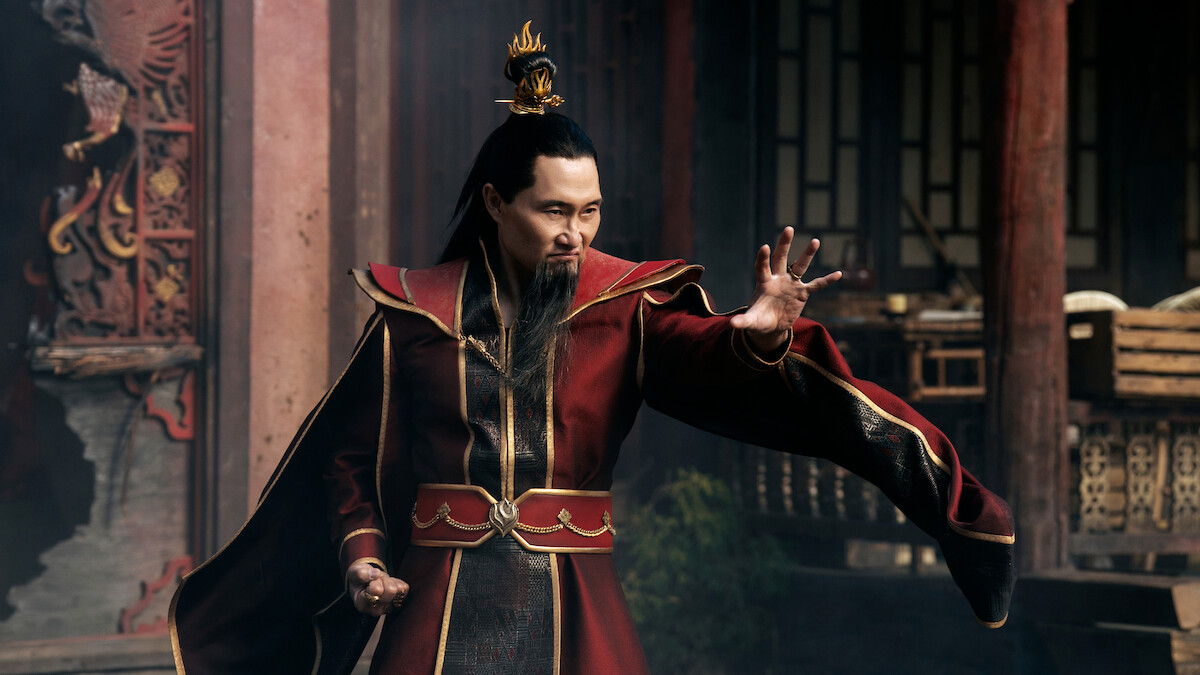
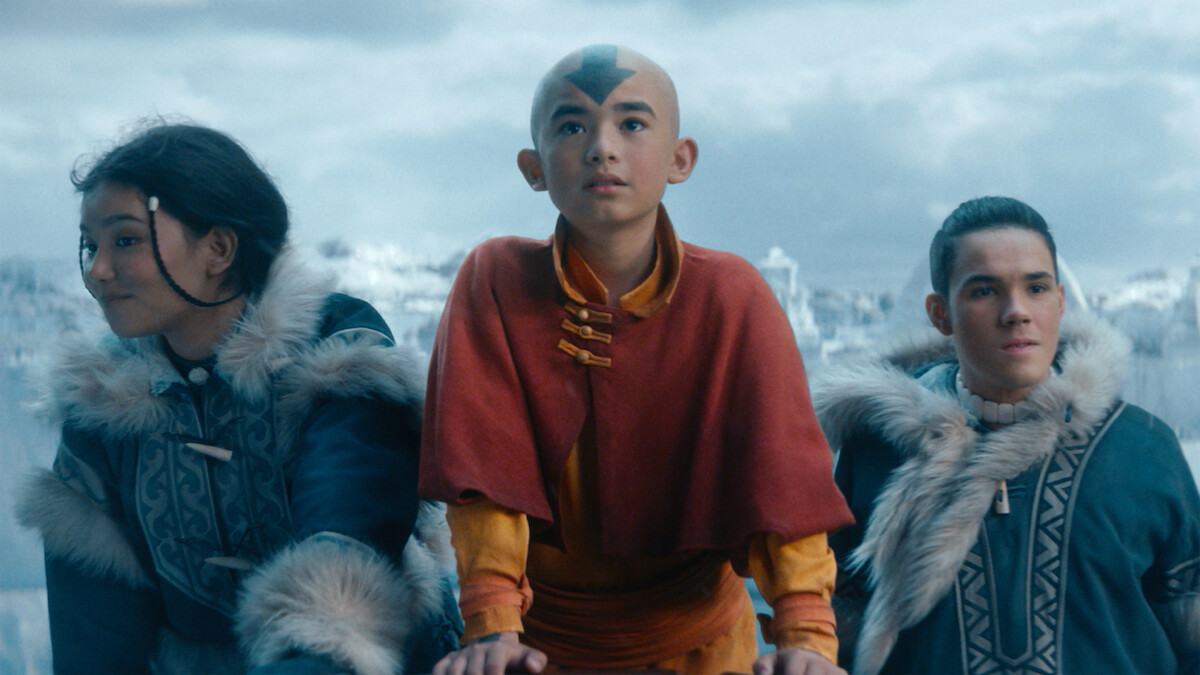
Instead of adapting either episode directly, the live-action series takes the ideas behind them and weaves them into some of Season 2’s biggest storylines. The Painted Lady is no longer a one-episode adventure in a Fire Nation village. She’s a symbol that follows Katara all season long, eventually inspiring her to become a masked protector of Ba Sing Se’s Lower Ring. And Wan Shi Tong’s Library isn’t just the place where Sokka (Ian Ousley) discovers the Day of Black Sun. It’s a Spirit World battleground whose secrets shape everything from Sozin’s Comet to Appa’s fate.
Those changes weren’t simply made to surprise longtime fans. According to executive producer and co-showrunner Christine Boylan, every adaptation choice started with the same question: What best serves the characters? “We charted each character’s growth arc,” Boylan tells Tudum. “Everything was to serve the character’s journey as they needed to go.” Co-showrunner Jabbar Raisani says that philosophy extended to the adaptation as a whole. “We wanted audiences to come into something that felt very familiar, but it had evolved,” he says.
Together, the changes to the Painted Lady and the Library storylines show how Season 2 builds on familiar stories from the animated series, reshaping when, where, and how they unfold for the live-action adaptation.
Why Avatar Season 2 introduced the Painted Lady early
In the animated series, the Painted Lady is a late-game adventure for Katara. She disguises herself as a local spirit to help a struggling Fire Nation village, proving once again that if Katara sees someone in trouble, she’s going to do something about it. Season 2 takes that same idea and expands it into a larger storyline.
Boylan says moving the Painted Lady into Ba Sing Se was one of the earliest decisions the writers made. Once Katara arrives in the Earth Kingdom capital, she’s no longer just Aang’s (Gordon Cormier) waterbending teacher; she’s confronted by a city built on inequality. “She’s somebody who notices injustice and inequality immediately,” Boylan says. “When she notices it, she wants to do something about it.”
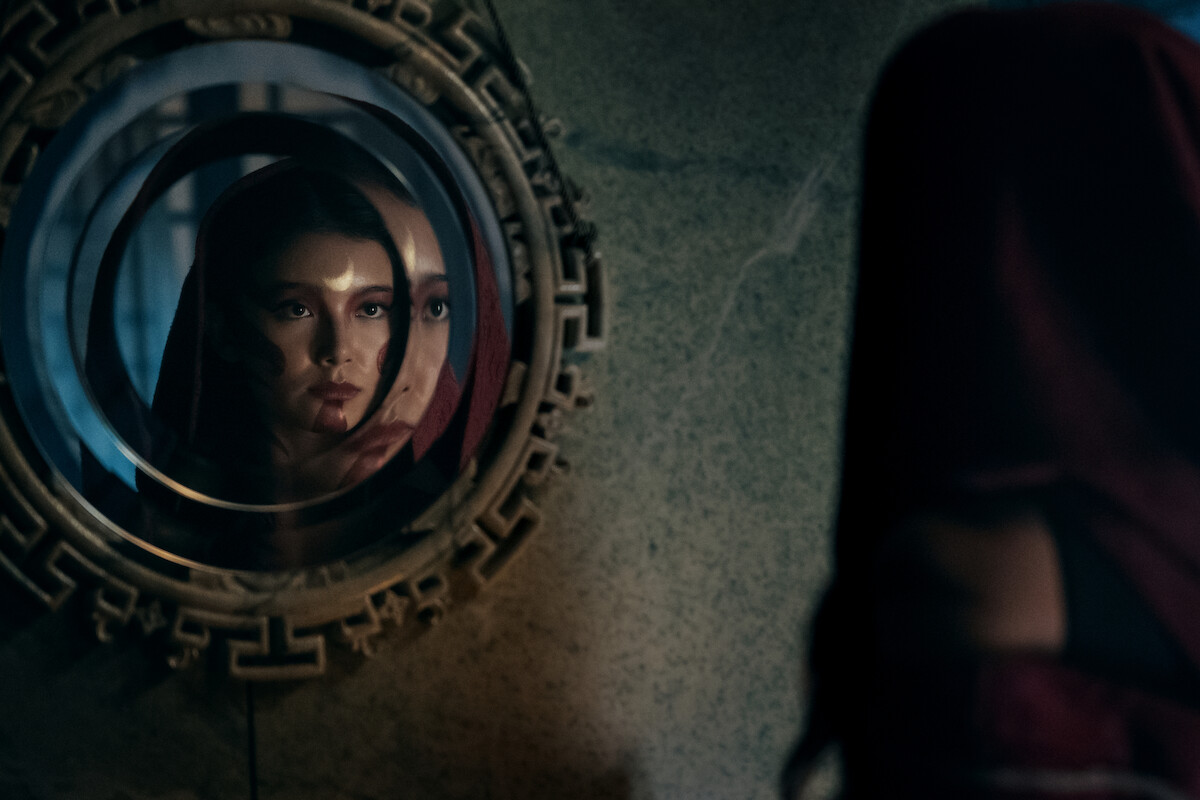
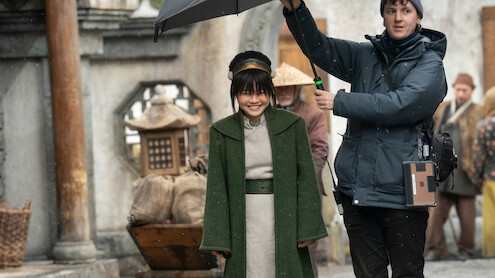
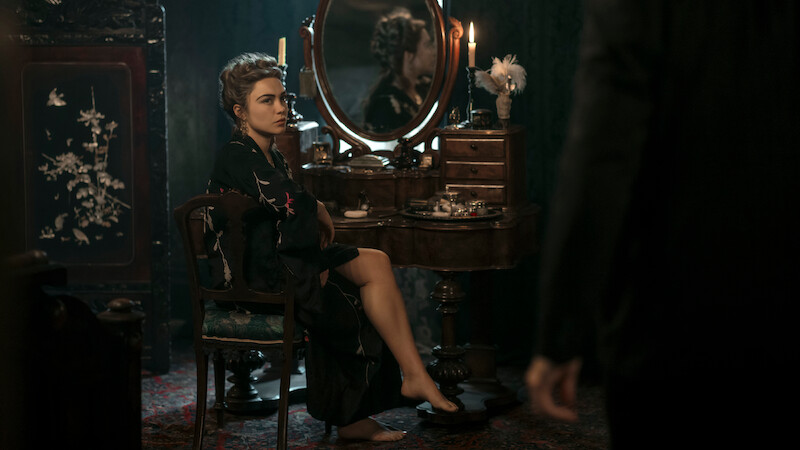
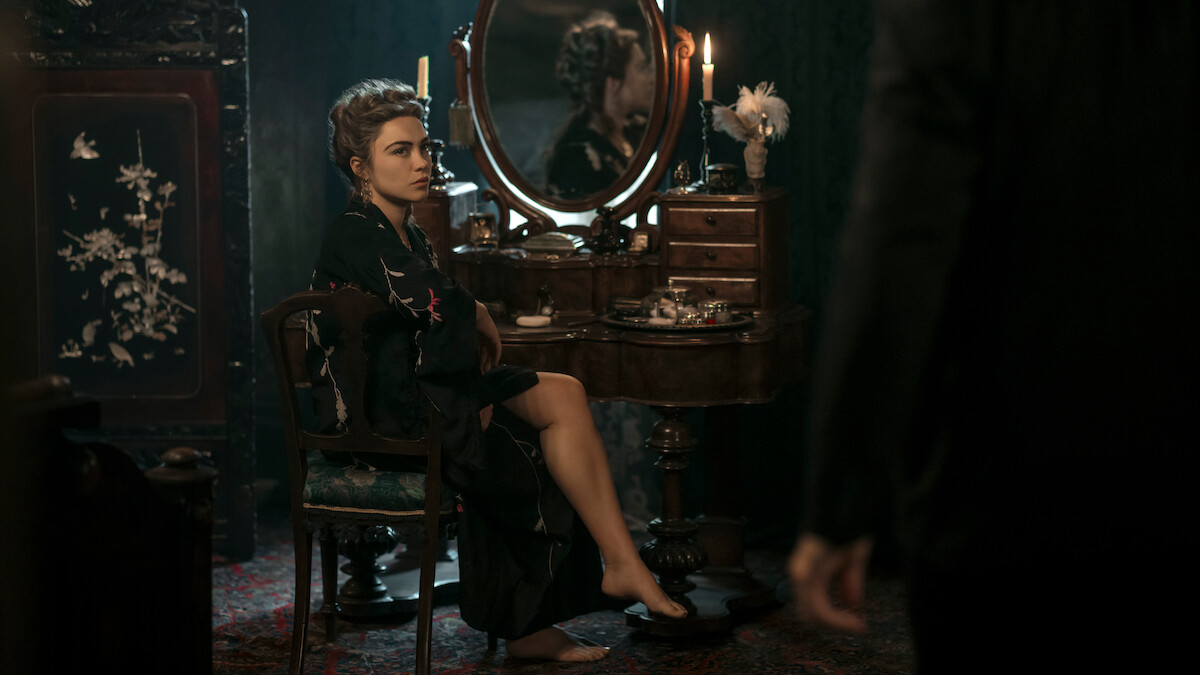
Instead of helping one village, Katara becomes a hero in Ba Sing Se’s Lower Ring, using the Painted Lady identity to secretly heal, protect, and support people the city has forgotten. “The Painted Lady is this beacon of hope for a lot of people. This sign of good fortune and faith,” Kiawentiio tells Tudum. “From the stories Katara has heard about this spirit, it’s super inspiring. Times are so dark, and she has this overwhelming compassion. Taking inspiration from the Painted Lady is what pushes her to go that far, to impersonate her.”
The change also ties directly into Katara’s greater journey through Season 2. Boylan sees the Painted Lady as more than just a disguise; it’s another side of Katara’s coming-of-age story. “Growth is not a straight line,” she says. “Part of growing up is exploring all of those identities and all of those parts of yourself. And because it’s wartime, they have to grow up fast.”
Why the Painted Lady and Blue Spirit team up in Avatar Season 2
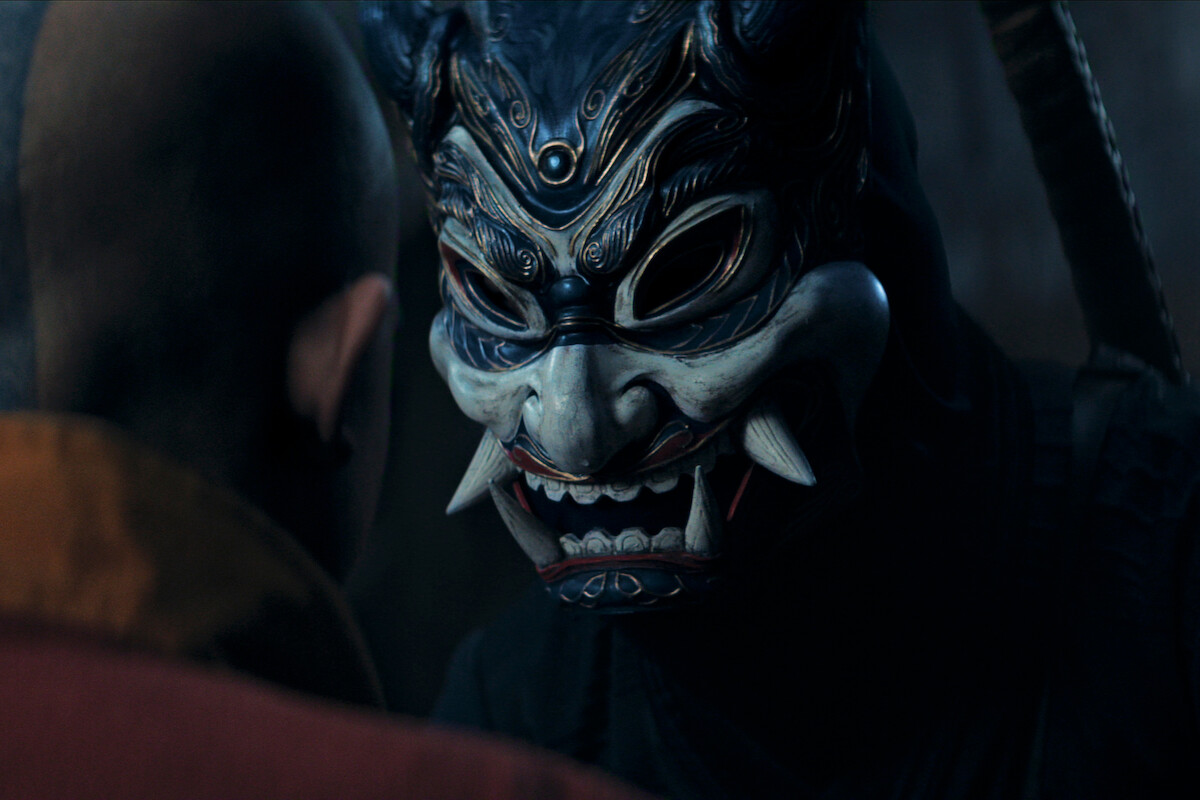
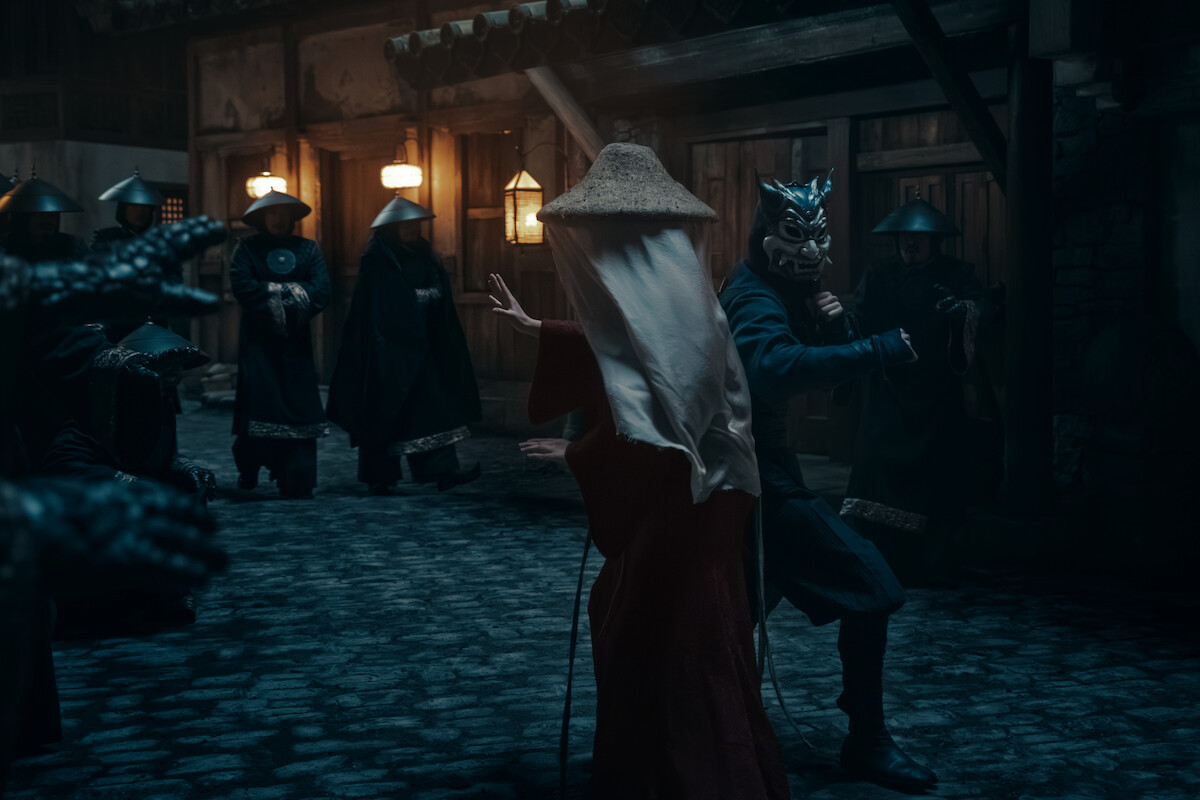
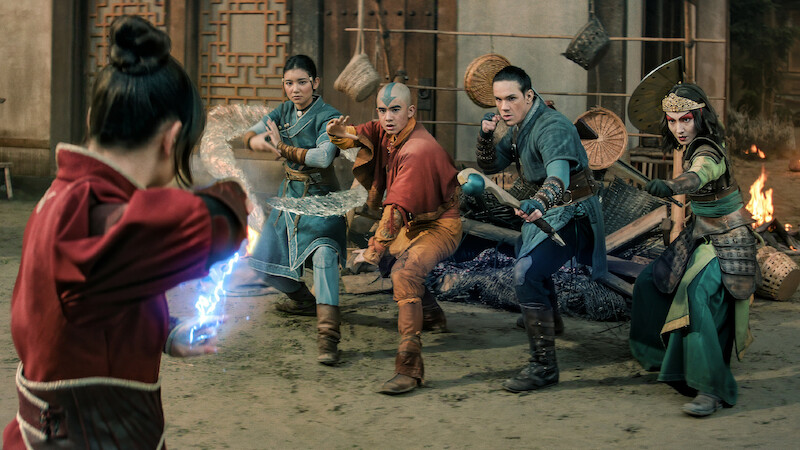
By introducing the Painted Lady now, the series also creates an entirely new dynamic between Katara and Zuko’s (Dallas Liu) alter ego, the Blue Spirit. Before they’re allies, before they’re enemies again, and before all the complicated feelings and betrayals, they’re just two masked vigilantes independently trying to protect people who can’t protect themselves.
Once the writers knew Katara would become the Painted Lady, pairing her with Zuko’s Blue Spirit felt inevitable. “Who else has a secret identity? Zuko,” Boylan says. “They’re both struggling with, ‘I’m hiding my true self.’ It seemed inevitable that they would fight together at some point.”
Raisani says the pairing also grew naturally from the version of the story they were telling. “It wasn’t an obvious choice, but it became a necessary choice,” he says. “She’s standing up for what’s right, and that’s where it fits in our version of the show.” Like viewers, Liu was surprised by the pairing. “I was just surprised that they even interact in our show, which is honestly so cool,” he tells Tudum. “I don’t think anyone is going to be expecting it.”
Liu says the connection works because both characters are trying to do the same thing while hiding who they really are. “The Blue Spirit and the Painted Lady are trying to protect without revealing their true identities,” he says. “They’re protecting the innocent, which is obviously very Katara. For Zuko, I think this is a very new feeling — and it’s nice to see that he’s enjoying it.”
The storyline also gives a new perspective on the Blue Spirit. While the mask was originally tied to Zuko’s pursuit of the Avatar, Season 2 uses it to highlight a different side of the character. “Getting to embody the good side of Zuko without having to show it through dialogue, and just focusing on how Zuko feels undercover — no one knowing his identity, hiding his scar and things like that — there’s a different type of confidence that comes with Zuko when he is the Blue Spirit,” Liu says.
Further reflecting on the Painted Lady–Blue Spirit partnership, Kiawentiio adds, “Everything is super mysterious and in the moment, which is an interesting way to put two characters who seem so opposite and yet mesh so perfectly.”
Why Wan Shi Tong’s Library changed in Avatar Season 2
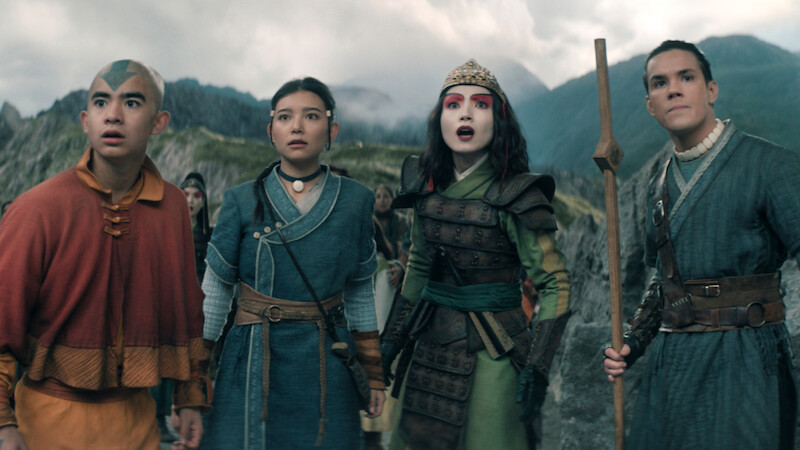
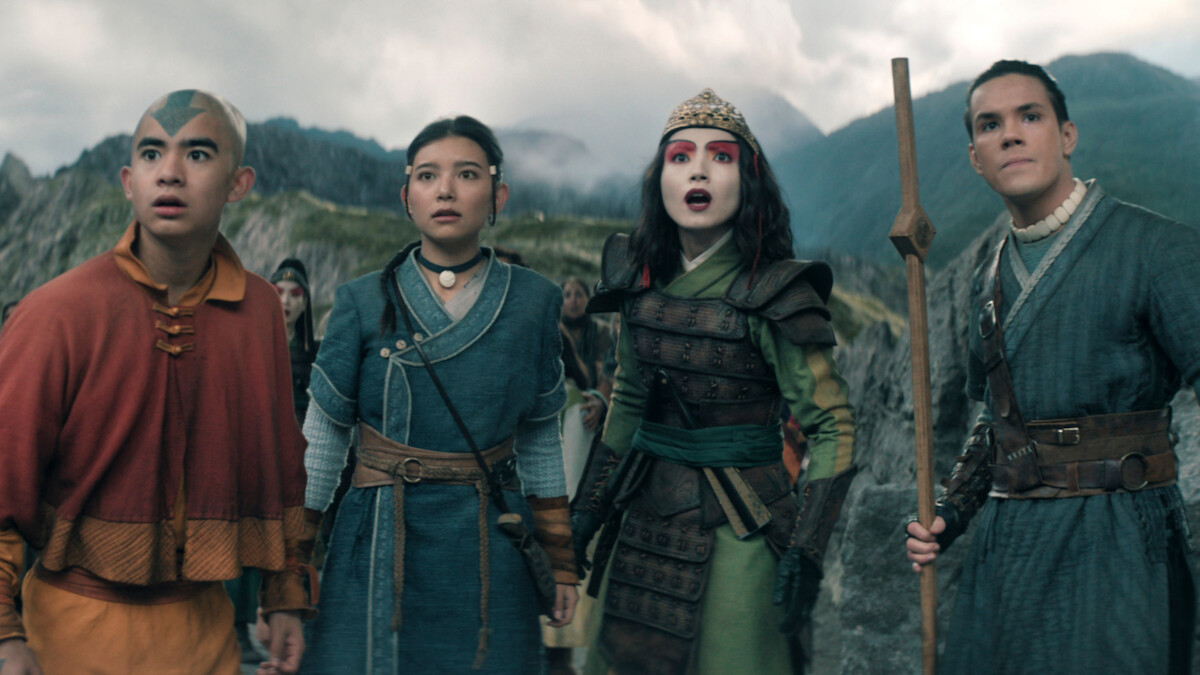
In Season 2, the Library gets a similarly ambitious makeover. Fans of the animated series remember Wan Shi Tong’s Library as one of Book 2’s most important episodes. It’s where Team Avatar learns about the Day of Black Sun, where Appa is kidnapped, and where Wan Shi Tong decides humans absolutely cannot be trusted with his knowledge. All of that is still here, but the difference is that Season 2 turns the Library into a much bigger piece of the story.
Rather than sending Team Avatar on a separate desert adventure, the live-action series ties the Library directly into Ba Sing Se, Sai’s comet research, and the growing realization that Sozin’s comet is getting closer. Once the writers decided not to return to the Si Wong Desert, Boylan says the Library naturally became part of Ba Sing Se. “All of that made it feel very natural to incorporate it into the Ba Sing Se story,” she says. “There was a reason to go into the library that folded into their reason for being in Ba Sing Se.”
Raisani says relocating the Library also created an opportunity to explore one of the animated series’ most iconic locations. “The combination of visual effects and practical builds in that library is phenomenal,” he says. “We were glad to fully realize the interior of the library, even if the physical location of the exterior is slightly different than the series.”
The group itself expands, too. Characters like Jet and Professor Zei become much more involved, giving the Library expedition a different energy than fans might remember. “He’s another war orphan,” Boylan explains, wanting to continue Jet’s emotional journey after Omashu. “He’s someone who was forced to grow up too soon.” Bringing him into the Library gives Jet “this extra chance to have meaning again,” turning the expedition into another chapter in his search for hope after years of loss.
The Library also becomes the backdrop for one of Season 2’s biggest emotional turning points: Appa’s disappearance. “We knew Appa was going to get taken,” Boylan says. “We knew we were going to put Toph and Aang — especially Aang — through that trauma, and that it had to happen roughly in the middle of the season, in terms of balance and maximum pressure on our characters.”
The change also means the live-action series doesn’t attempt to adapt the original’s “Appa’s Lost Days” as a standalone episode. Rather than recreating the animated desert storyline beat for beat, the writers folded that loss into the Library itself, allowing Team Avatar’s greatest discovery — the Day of Black Sun — to arrive alongside one of their greatest heartbreaks.
Building Avatar Season 2 around the characters
The Painted Lady and the Library are just two examples of a much bigger pattern in Season 2. Instead of lifting stories straight from the animated series, the live-action adaptation reshapes them to fit where each character is in their journey.
That long-term thinking extends beyond Season 2. Even before the series was renewed, Boylan says she challenged the writers room to think beyond the first season. “We’re writing as if there is a Season 3, no matter what,” she recalls telling the team. “That’s the ending we pitched, that is the ending we wrote.” When the series was ultimately picked up for both Seasons 2 and 3, the writers were able to “go back and add things and seed things in,” but, Boylan says, “the ending of Season 2 and the beginning of Season 3 were always in our heads from that first week in the room.”
Kiawentiio says that the balance between honoring the original and charting a new course is part of what excites her most about the adaptation. “There are definitely still the moments we all love and hold close that we got the opportunity to recreate,” she says. “But there’s also a bunch of new stuff.”
With Season 3 already on its way, the Painted Lady and the Library may be only the beginning of how the live-action series continues to reimagine some of Avatar’s most beloved stories.
All seven episodes of Avatar: The Last Airbender Season 2 are now streaming on Netflix.