This article contains major character or plot details.
The ending of Avatar: The Last Airbender Season 2 left a lot of questions unanswered — and yes, we’ll explore those below. However, one question you don’t have to ponder is: Will there be a Season 3?
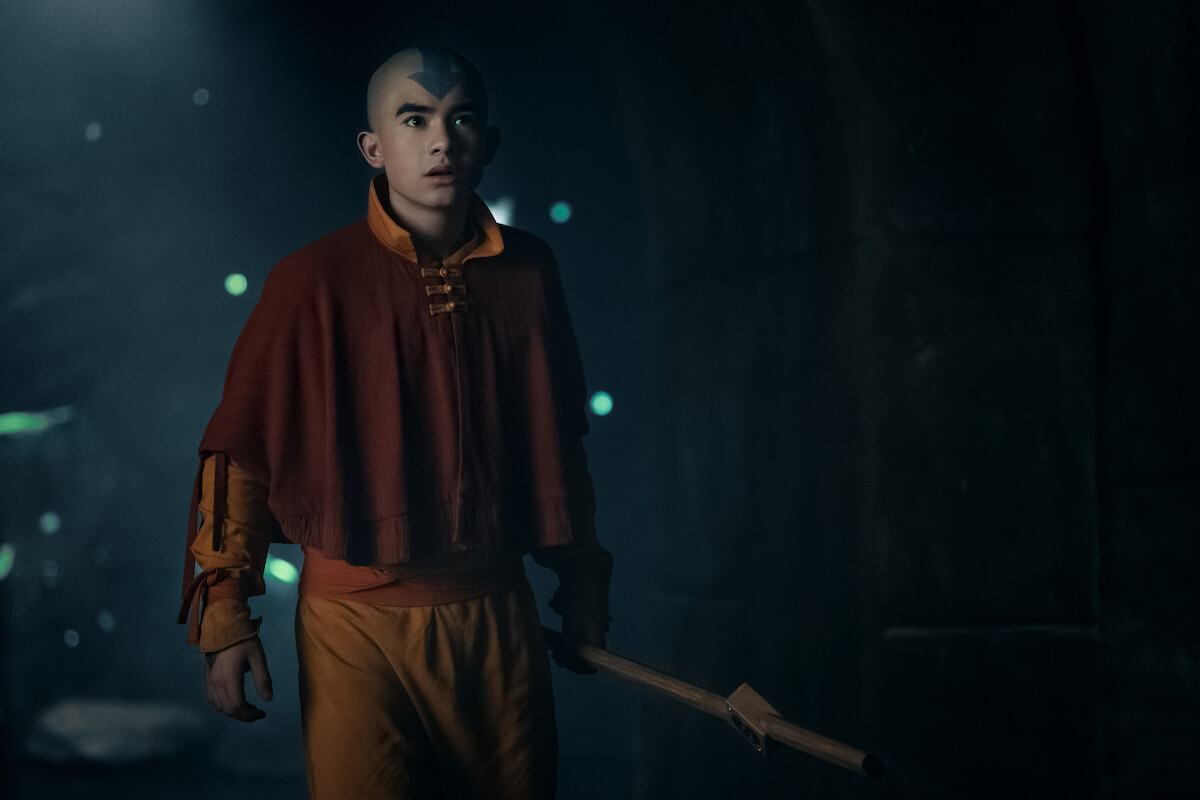
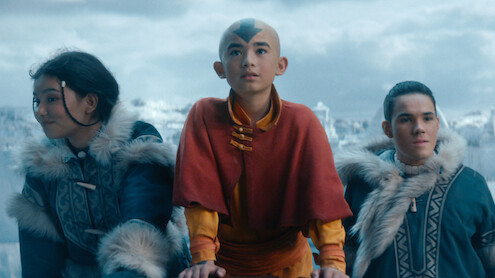
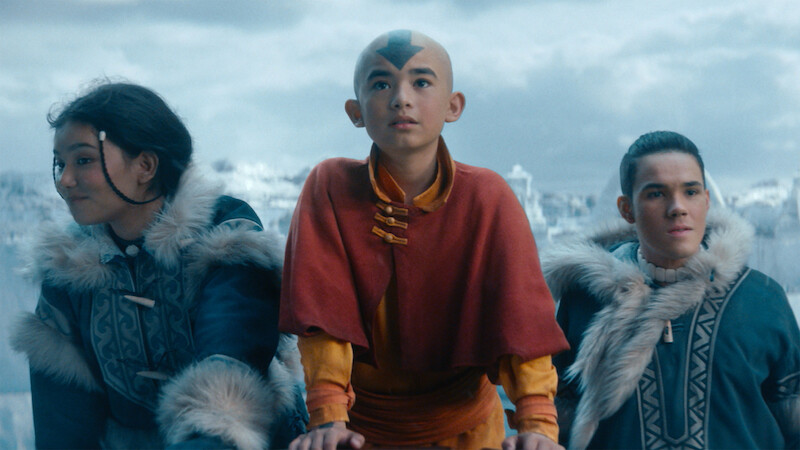
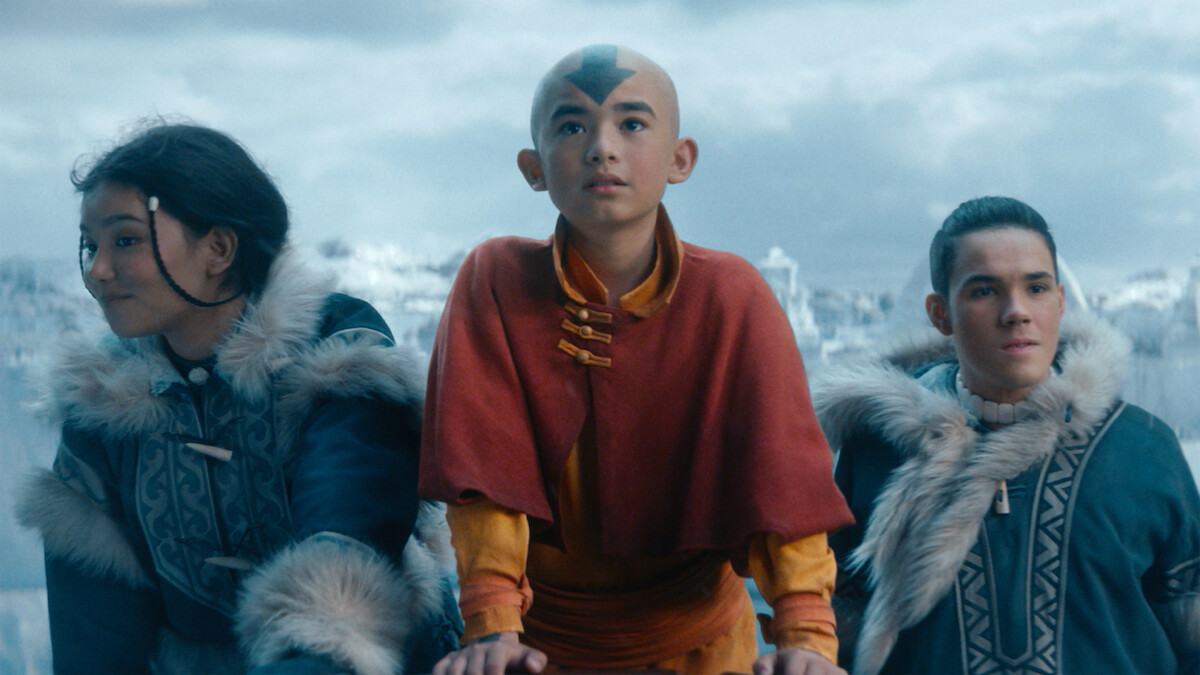
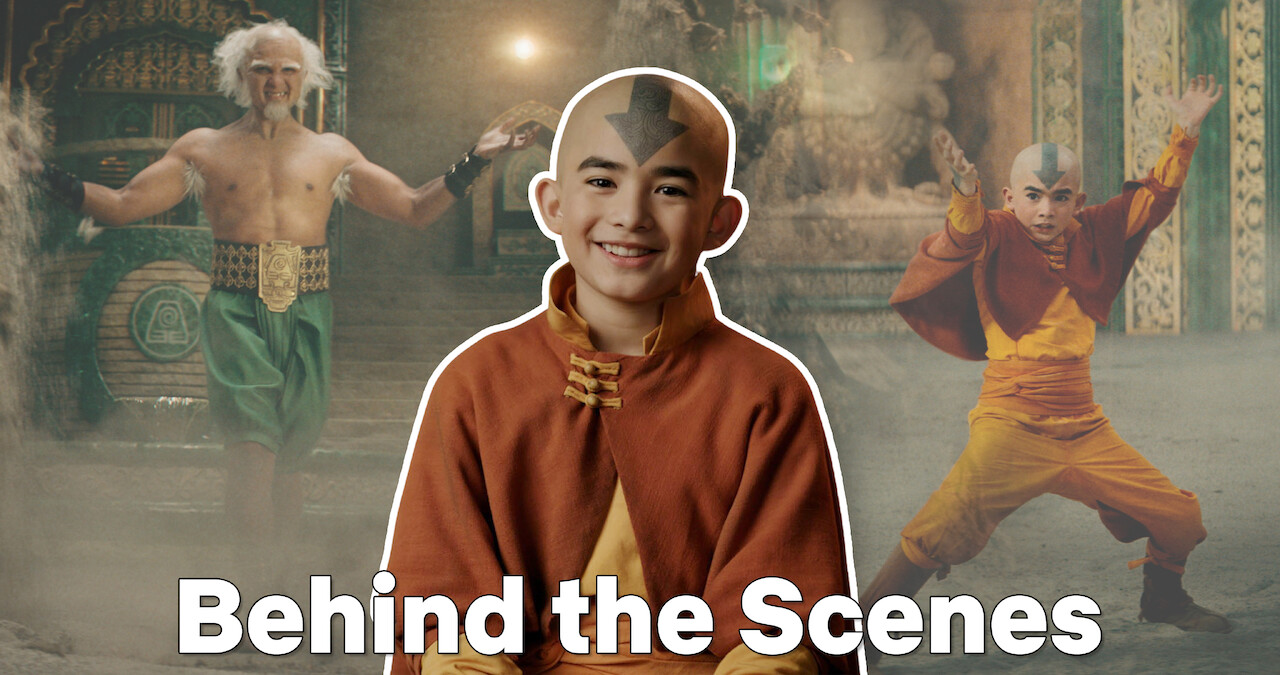
Not only will we be getting a third and final season to conclude Aang’s epic saga, but it was already filmed back-to-back with Season 2. From the beginning, the writers envisioned Season 2 of the live-action reimagining of the classic Nickelodeon animated series as the second chapter of one continuous journey — a bridge carrying Aang (Gordon Cormier) and his friends directly into Season 3 — even before they knew for certain there would be a Season 3.
“When we were in there, I said, ‘We’re writing as if there is a Season 3, no matter what,’” executive producer Christine Boylan tells Tudum. Once Netflix renewed the series for both seasons, the creative team could return to Season 2 and add to the foundation for what was to come.
Executive producer Jabbar Raisani describes the three seasons as a complete coming-of-age story: Season 1 introduced children still figuring out who they were, while Season 2 illustrates that “growth is not a straight line.” Season 3 will reveal who those children become — even if the characters run away from their destinies at first. “Only when you face it, and you integrate it, can you become the full person you are [meant to be],” says Boylan.
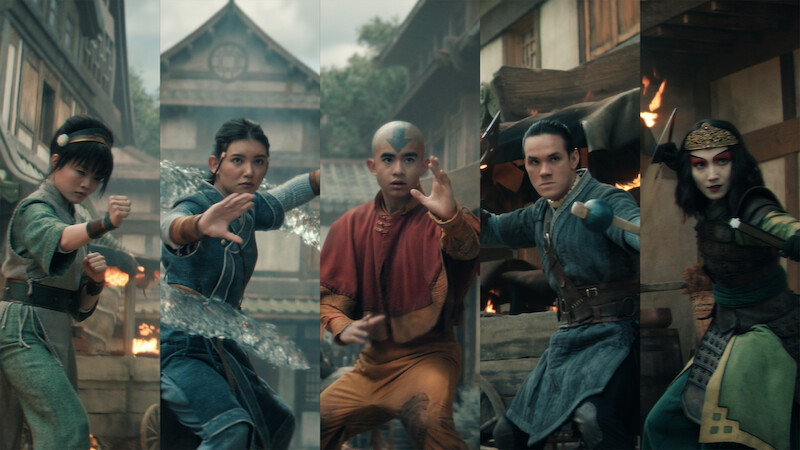
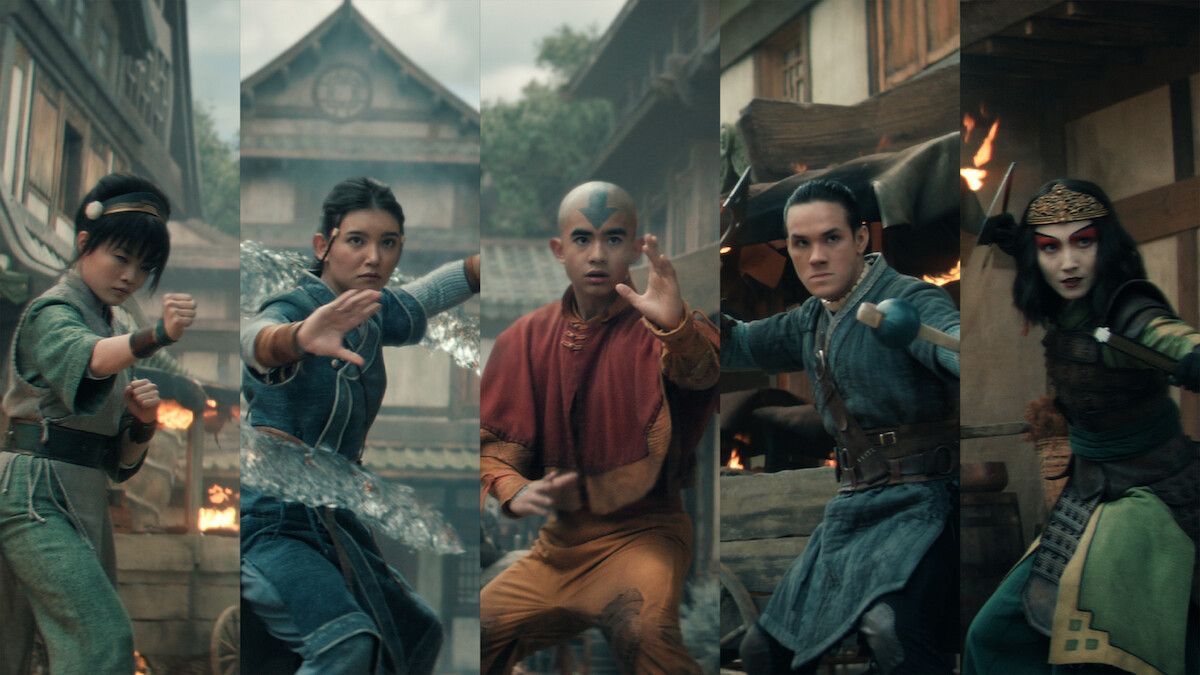
But first, the heroes will have to survive their darkest point yet: Ba Sing Se has fallen, Zuko (Dallas Liu) has chosen Azula (Elizabeth Yu), and the Avatar lies motionless in Katara’s (Kiawentiio) arms. Read on to dive deep into the seismic Season 2 finale, which lays the groundwork for a fiery third season.
Is Aang dead at the end of Season 2?
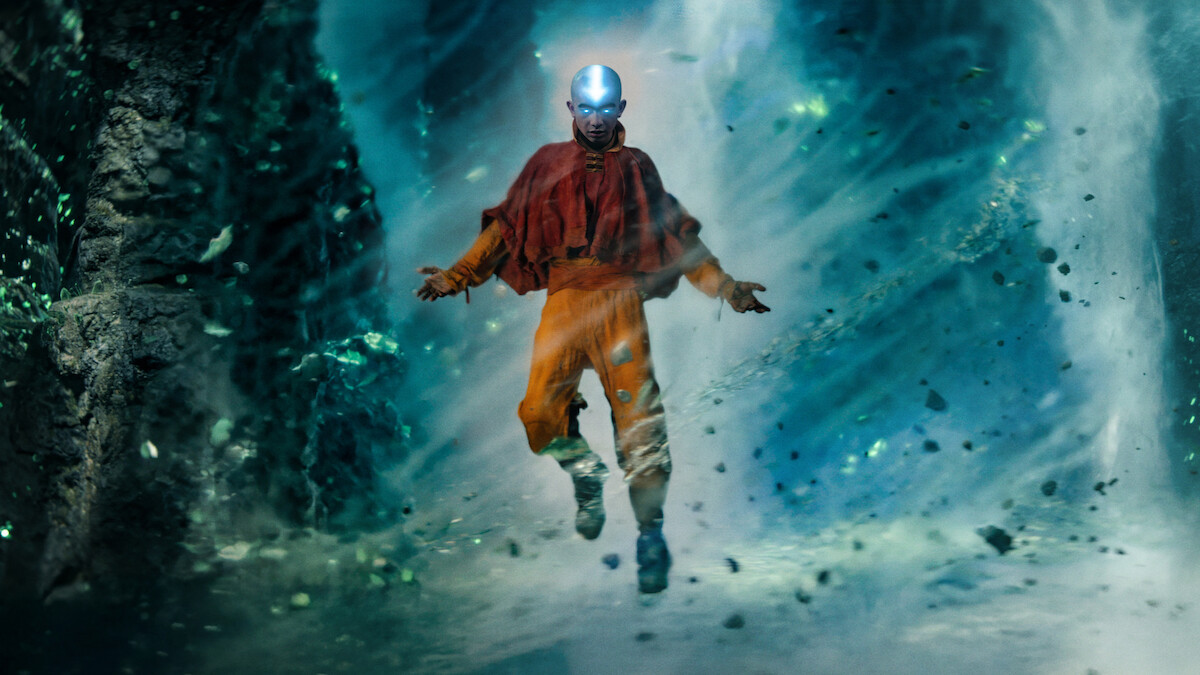
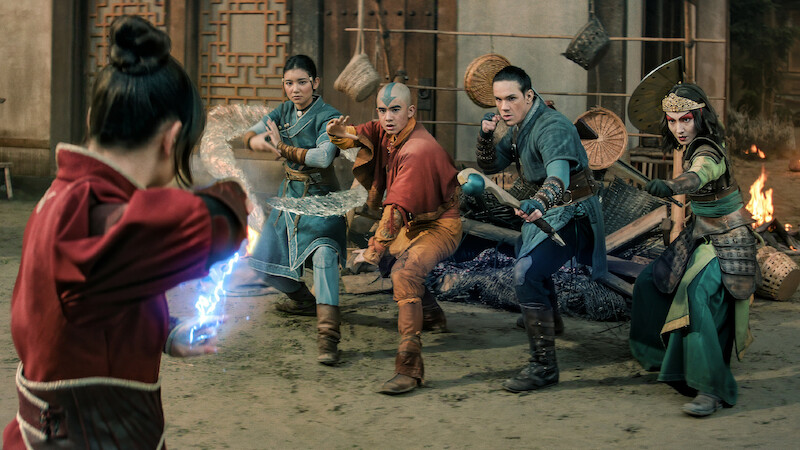
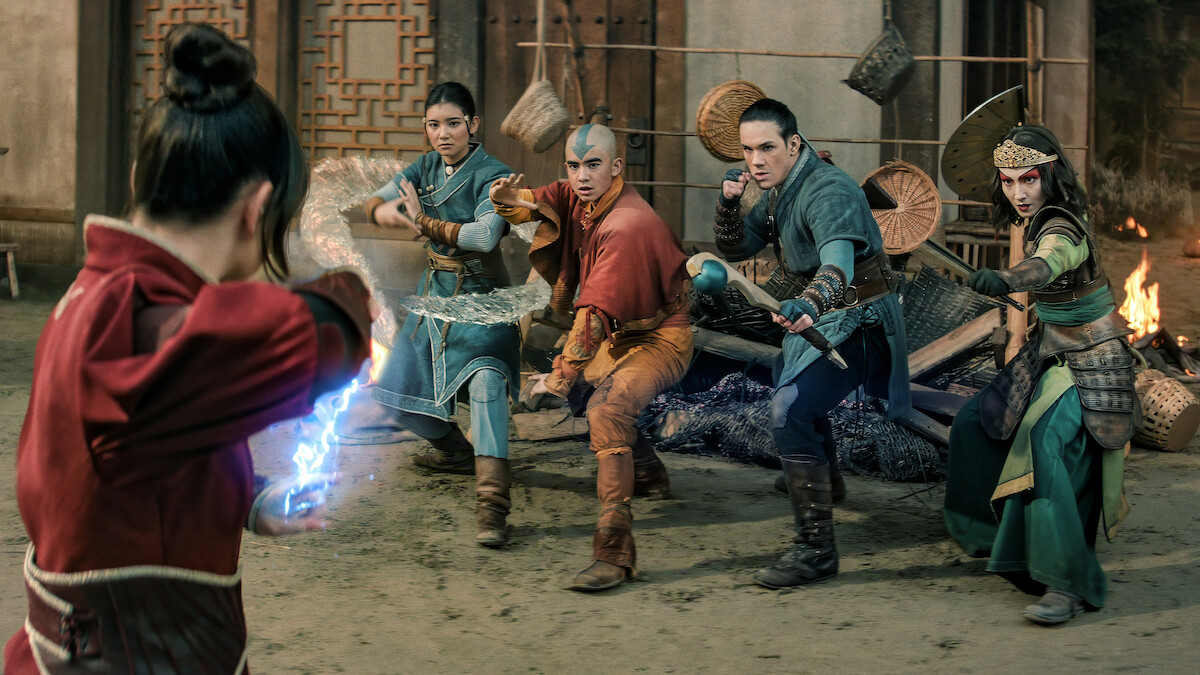
After refusing to kill Azula during their confrontation, Aang is struck down while still in the Avatar State. Katara reaches him and uses the precious water she collected from the Spirit Oasis to try to save him, but the season ends without offering a clear answer about his fate.
So how worried should everyone be?
“Definitely worried,” Cormier tells Tudum. “The stakes are extremely high.”
As Cormier puts it, Aang “does die or almost dies, depending on how you interpret it.” But the danger goes beyond whether his body can recover. Aang was attacked in the Avatar State, which means his death could have ended the Avatar Cycle entirely — extinguishing the world’s greatest symbol of hope at the moment he is needed most.
“Our show is about hope, and the Avatar represents hope,” Cormier says. “Maybe hope gets crushed, maybe hope succeeds. That’s what makes Season 3 so exciting.”
Why does Aang spare Azula?
Even before Azula’s attack, the Season 2 finale tests Aang’s commitment to the Air Nomad values he has been desperately trying to uphold. When given the opportunity to kill Azula, he chooses mercy. According to Boylan, there was never a chance that Aang would make any other decision. “Aang killing Azula in that moment — that’s not Aang,” she says.
“He believes all life is sacred,” Cormier agrees. “He’s a huge pacifist, doesn’t eat animals, [is] probably the most anti-killing person in the Avatar universe. He’s the last airbender, possibly the last monk. The pressure to uphold what he’s been taught is so strong that he can’t pull the trigger.”
That choice preserves Aang’s sense of self — but leaves Azula alive with the ability to strike back. If Aang awakens in Season 3, Cormier says he will have to reckon with more than just his physical injuries.
“He’ll be faced with mental challenges — remembering who he is, accepting he could have died in the Avatar State and ended the Avatar Cycle,” he says.
Why does Zuko choose Azula over Aang?
For one flickering moment, it appears Zuko may finally be ready to choose a new path.
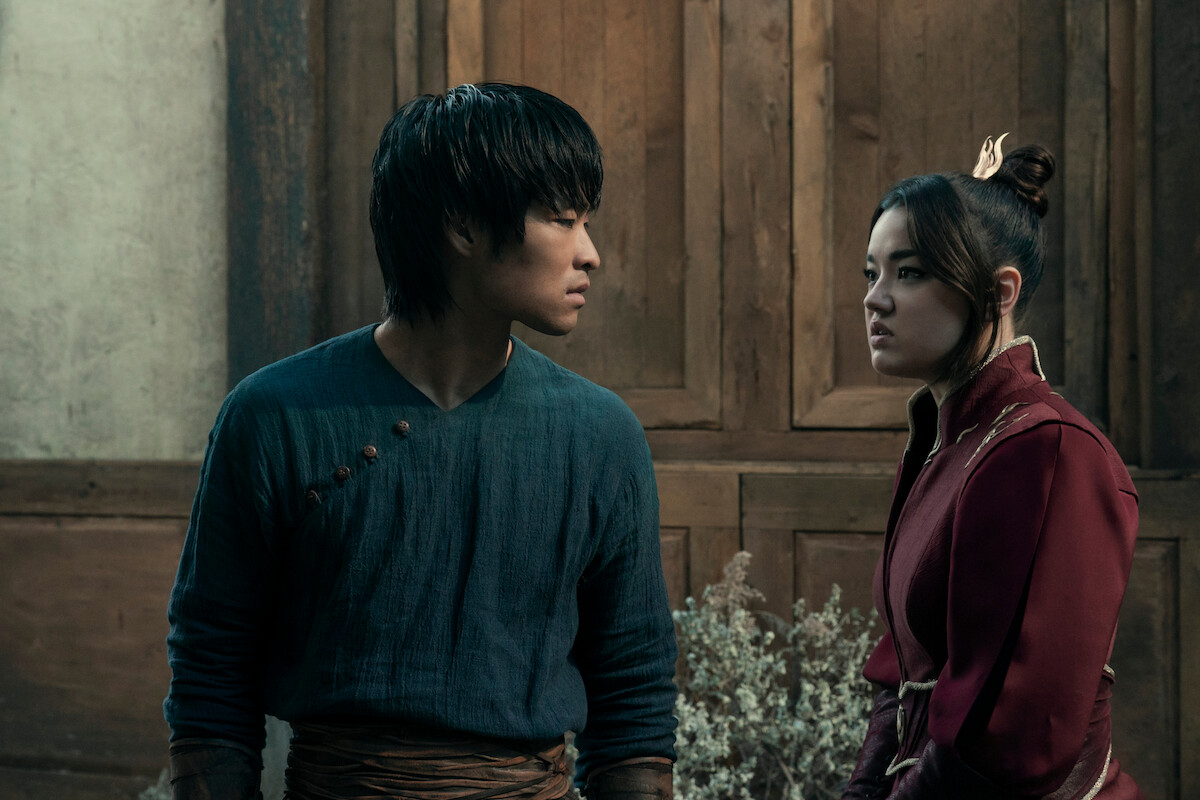
While imprisoned with Katara, he opens up to her about his pain, and she nearly uses the Spirit Oasis water she has been saving to heal his scar. Their connection gives Katara enough faith in Zuko to imagine him joining the fight against Azula — and to convince the others to trust him too.
Then Azula offers Zuko the one thing he has wanted from the beginning: a way home.
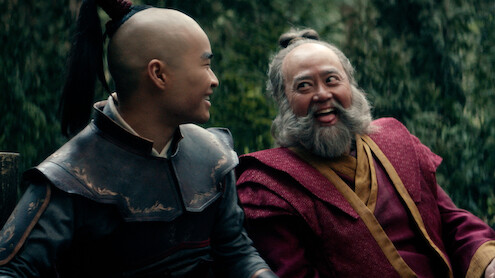
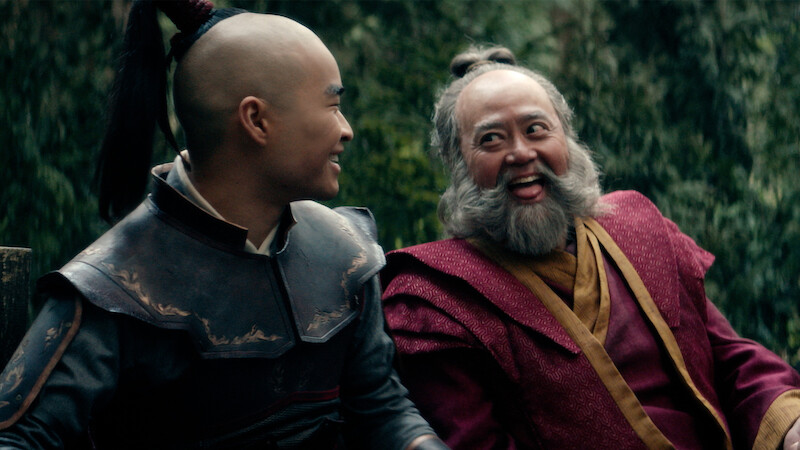
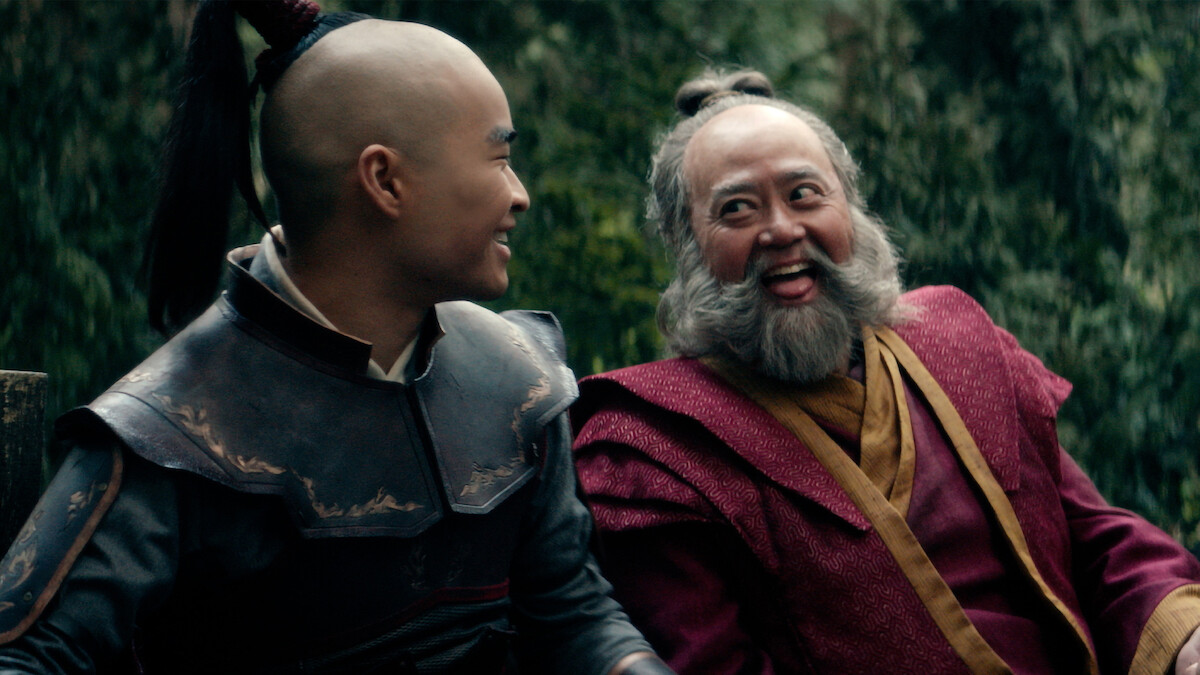
Liu says Zuko’s decision comes down to the conflict that has always defined him. One path leads toward Iroh (Paul Sun-Hyung Lee), the Avatar, and what Zuko increasingly understands to be right. The other leads back to the Fire Nation, his family, and the life he has spent years trying to reclaim.
When forced to decide, “he collapses and chooses what feels safe,” Liu says. “The conversation with Katara in the prison cell never mattered — family is number one for Zuko,” Liu says. “Blood is number one.”
Yu sees that attachment as something neither sibling can easily escape. “It’s hard to train that out of someone, especially after all the trauma they both experienced,” she says. “There’s a deep connection there.”
Zuko’s apparent change of heart is particularly painful when Katara confronts him. He insists that he has changed — but that’s not the whole truth. “He’s doublespeaking,” Liu says. “‘I’ve changed,’ as in, ‘I’m going back to my old ways.’ What I’m saying is, ‘I’m going home.’”
Kiawentiio describes Zuko’s choice as “a huge betrayal.” Trusting him requires Katara to lower the defenses she’s built over years of loss, and his reversal makes her question him and her own judgment as well.
“She trusted him so much she almost used the magical Oasis water on him, which she’d been saving all season,” Kiawentiio says. “If she had done that, who knows if Aang would have survived.”
The very thing that could have healed Zuko instead becomes Aang’s only chance at survival. That consequence, Kiawentiio says, “becomes more important later.”
What does Azula’s victory mean for Season 3?
While nearly everyone else leaves the battle emotionally shattered, Azula ends Season 2 believing she has won.
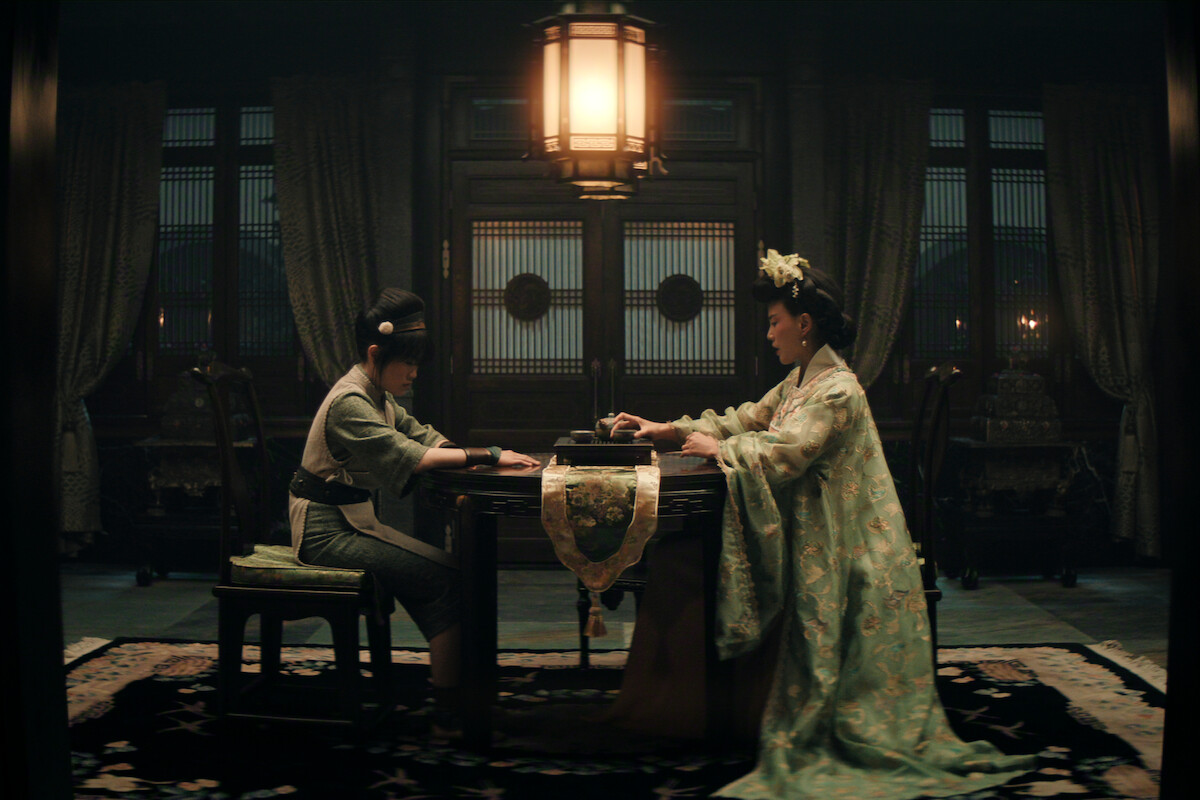
She has brought Zuko back to her side, defeated the Avatar, and demonstrated to her father, Fire Lord Ozai (Daniel Dae Kim), that she can accomplish what her brother could not. Yu describes Azula’s state of mind simply: “I proved you right, Dad. I did it.”
Azula’s success returns her to the palace with another mission completed — and a reason to start considering what comes next. But getting there required her to fight the brother she had just persuaded to join her.
Yu says filming the siblings’ confrontation allowed her and Liu to merge Azula and Zuko’s emotional conflict with the distinct ways they move and bend. While Liu drew on years of martial arts and stunt experience, Yu approached the sequence through the emotions driving Azula.
“He knew a language I didn’t speak and was gracious in helping me understand that so much of our characters comes through in how they fight and bend,” Yu says. “He connected the emotional point of the scene to a move, which was mind-blowing.”
The resulting battle reinforces that Zuko and Azula may share blood, history, and trauma, but their responses to violence are very different. Zuko is horrified when Aang falls. Azula does not hesitate.
The executive producers promise fireworks in Azula’s storyline for next season. Boylan teases, “I’m excited about the storyline that she has in Season 2; I’m obsessed with the storyline she has in Season 3.”
How does Toph invent metalbending?
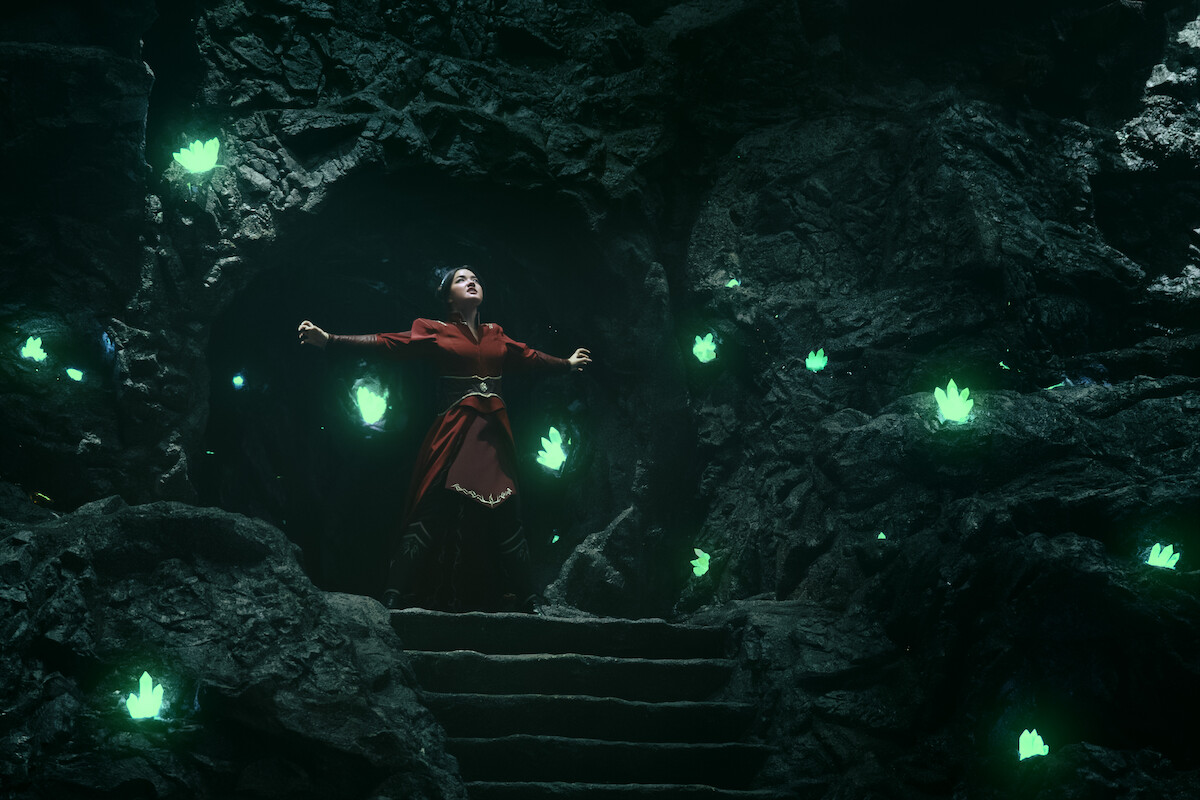
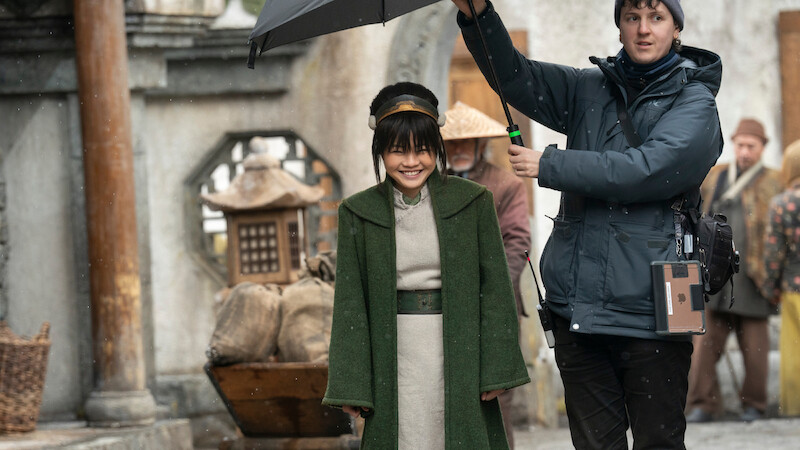
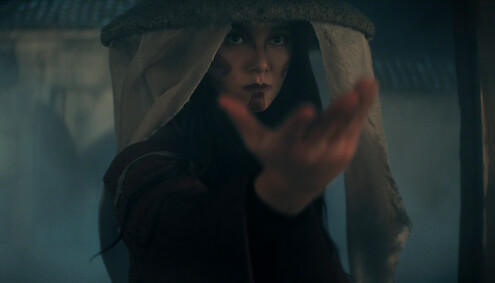
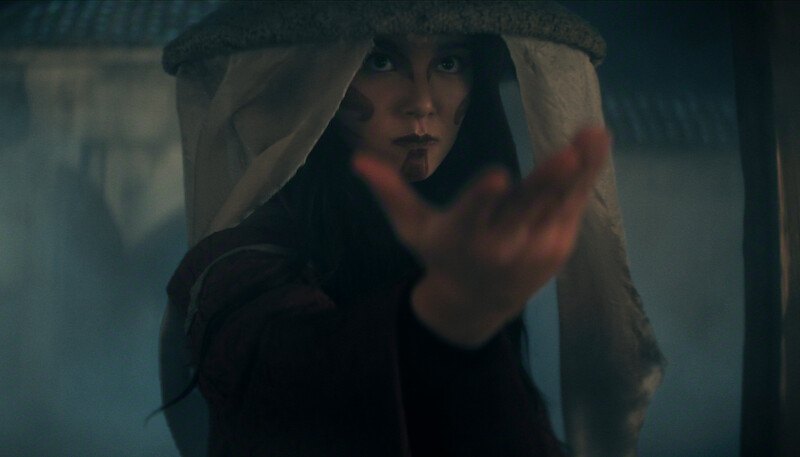
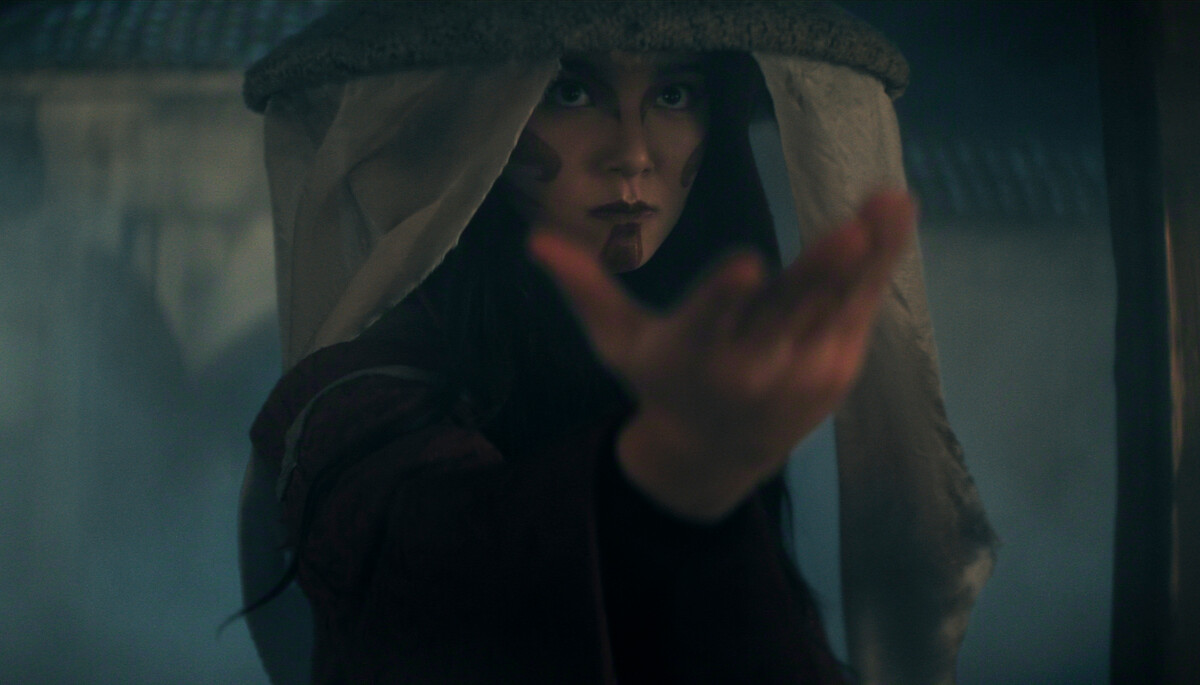
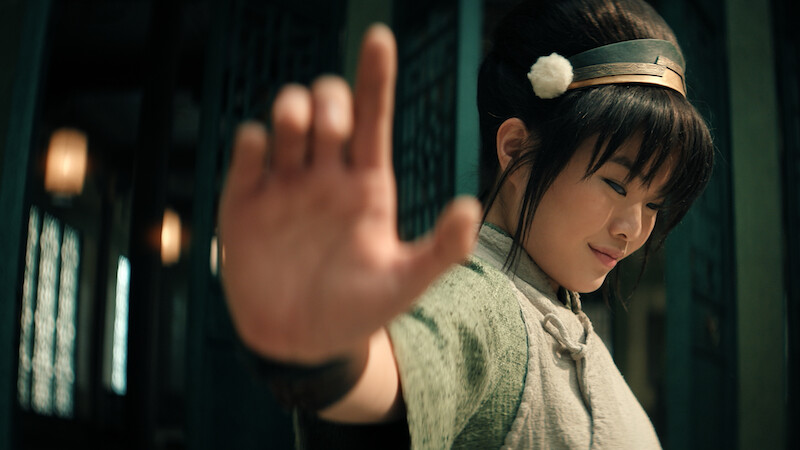
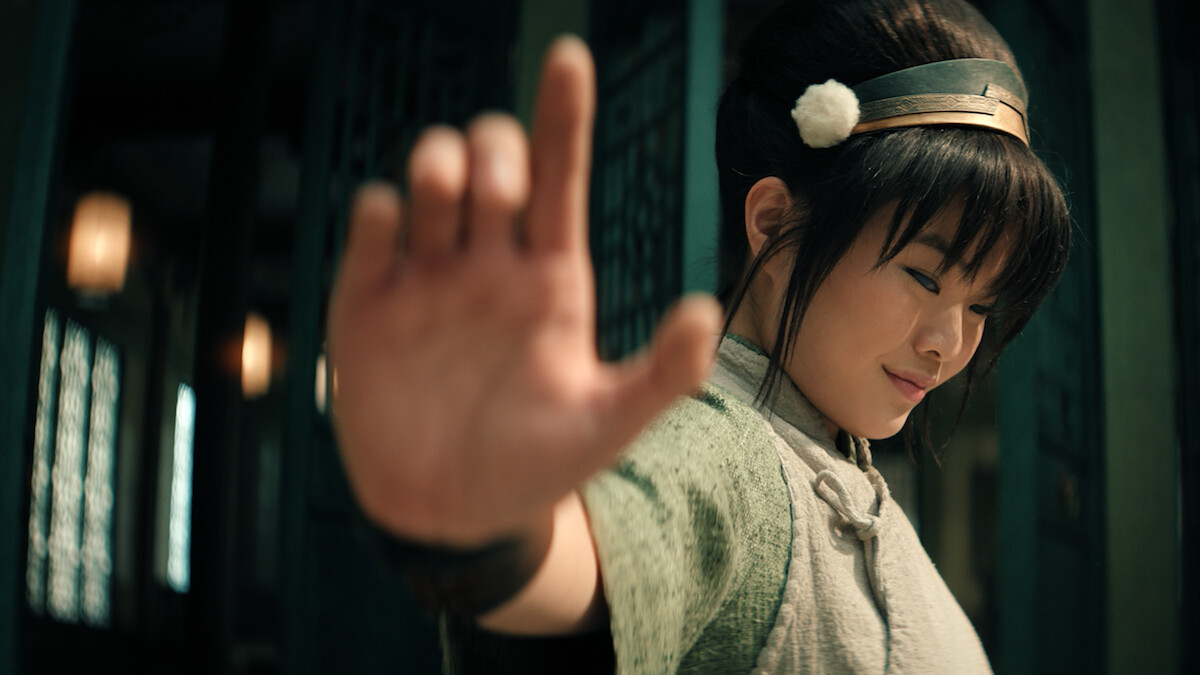
Aang isn’t the only member of the group whose choices in the finale will reshape the future. After being separated from her friends and captured, Toph (Miyako) realizes that metal contains traces of earth. She then becomes the first known earthbender to bend metal.
Miyako was so thrilled to see the landmark scene in the script that she emailed Boylan to thank her. “I was a little sad not to be with the Gaang for that arc, but it’s important for Toph to have a solo mission,” Miyako says. “Her situation with her family heavily influences some of her decisions and puts her on a path to discover metalbending.”
Toph’s separation forces her to confront the complicated love she has for her parents, particularly her mother. “Toph loves her family, but when given the choice, she chose to help save the world,” Miyako says. “That was best for her.”
Metalbending gives Toph an escape, a new source of confidence, but it doesn’t resolve everything about her past or her challenges with her family. Toph will enter Season 3 holding onto guilt she has not figured out how to shed.
“She doesn’t know how to tell that to her friends, but she’s working through [her guilt] through earthbending and metalbending, while trying to be there for Aang,” Miyako says.
Toph’s discovery also opens the door to more of the metalbending moments viewers have been waiting to see. According to Miyako, being the only bender of her era to create an entirely new discipline “gives us the opportunity for very fun fan-favorite moments in Season 3.”
Where does the finale leave Katara and Sokka?
Katara enters the finale prepared to believe in people: Zuko’s ability to change, Aang’s ability to prevail, and her own ability to help protect them both. By the end of Season 2, that confidence has been shaken.
Along with Zuko’s betrayal and Aang’s apparent death, Kiawentiio points to Katara’s experiences as the Painted Lady as part of the emotional weight she carries forward. “It’s a lot of trauma in a short time,” she says. “Going into Season 3, all of that is bubbling up. There’s a lot of self-doubt, insecurities, and projections onto friends. There’s a big storm brewing for Katara.”
Katara’s feelings for Aang further stir up that storm. Cormier says their bond has strengthened Aang throughout the season, even if Aang remains unable to articulate what he feels.
“Aang cannot flirt; he’s got no game,” Cormier says. But the larger issue is one of priorities. Aang believes becoming romantically distracted could prevent him from focusing on his responsibility to the world.
“Staying friends strengthened him,” Cormier says. “She gave him strength and motivation.”
Meanwhile Sokka (Ian Ousley) spends much of the final confrontation away from the friends he usually fights alongside. Ousley says he initially had the same reaction he imagines some viewers might: “Sokka runs out of the fight on the first page?”
But Sokka’s decision to protect Earth King Kuei (Justin Chien) ultimately completes his exploration of leadership in Season 2. He trusts his friends to handle the battle while he takes responsibility for someone more vulnerable — though that doesn’t mean he’ll emerge without regrets.
“He may struggle with the decision he made, with what it means to be a warrior, a man, and an older brother to Katara and Aang,” Ousley says. “He might feel like he’s let Aang down, and that could be eating away at him at the beginning of Season 3.”
Season 2 of Avatar: The Last Airbender is streaming now, only on Netflix. Check back on Tudum to learn when Season 3 will come blazing your way.