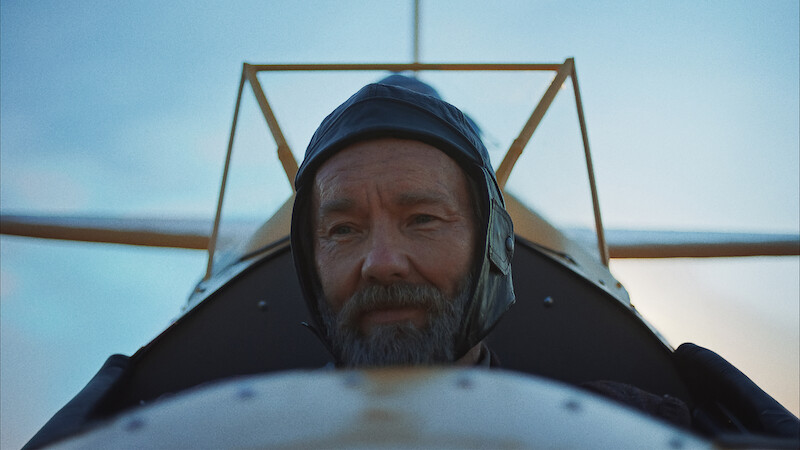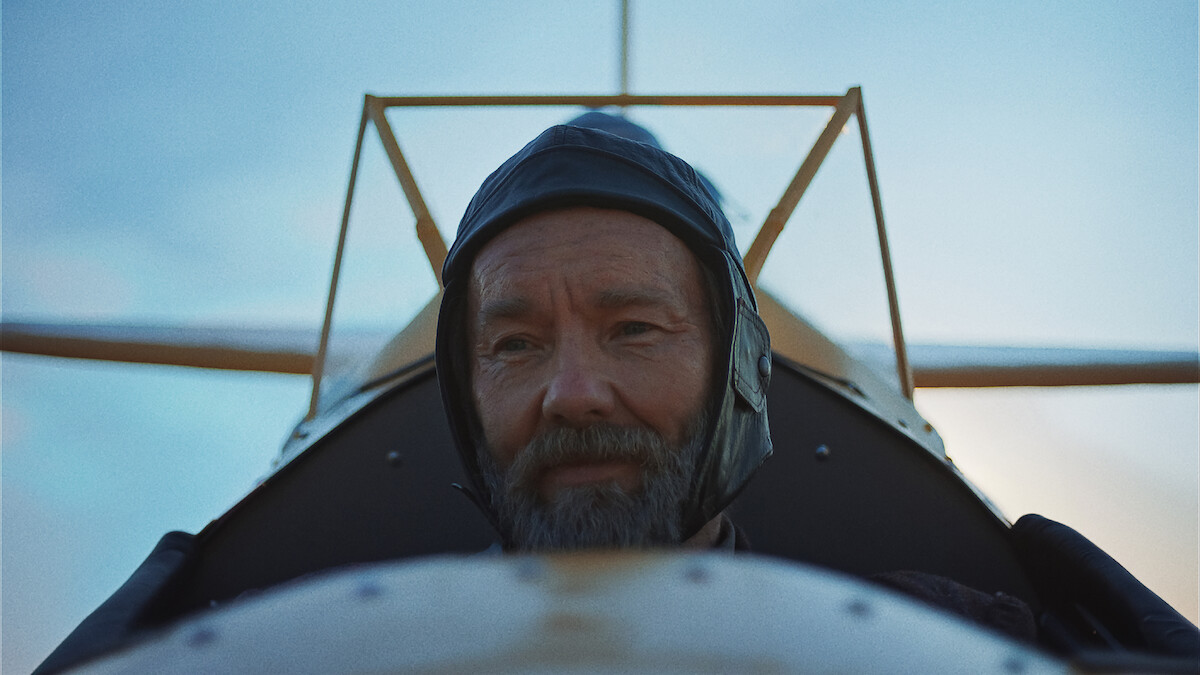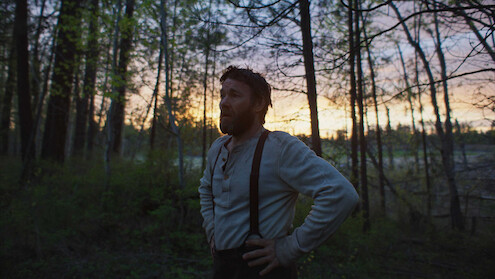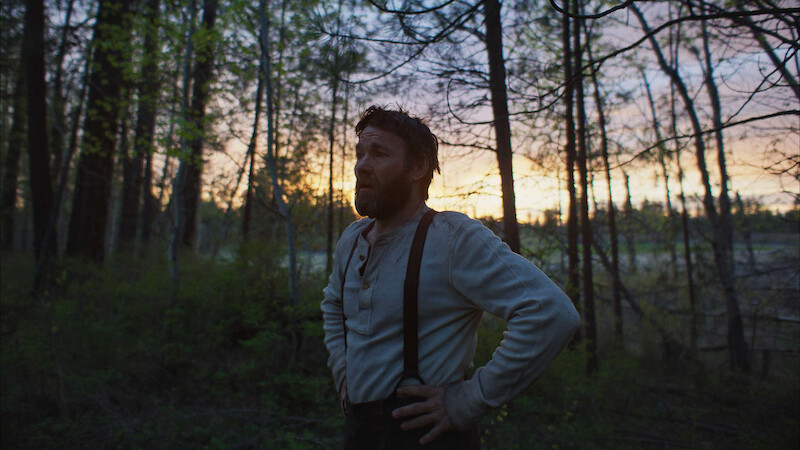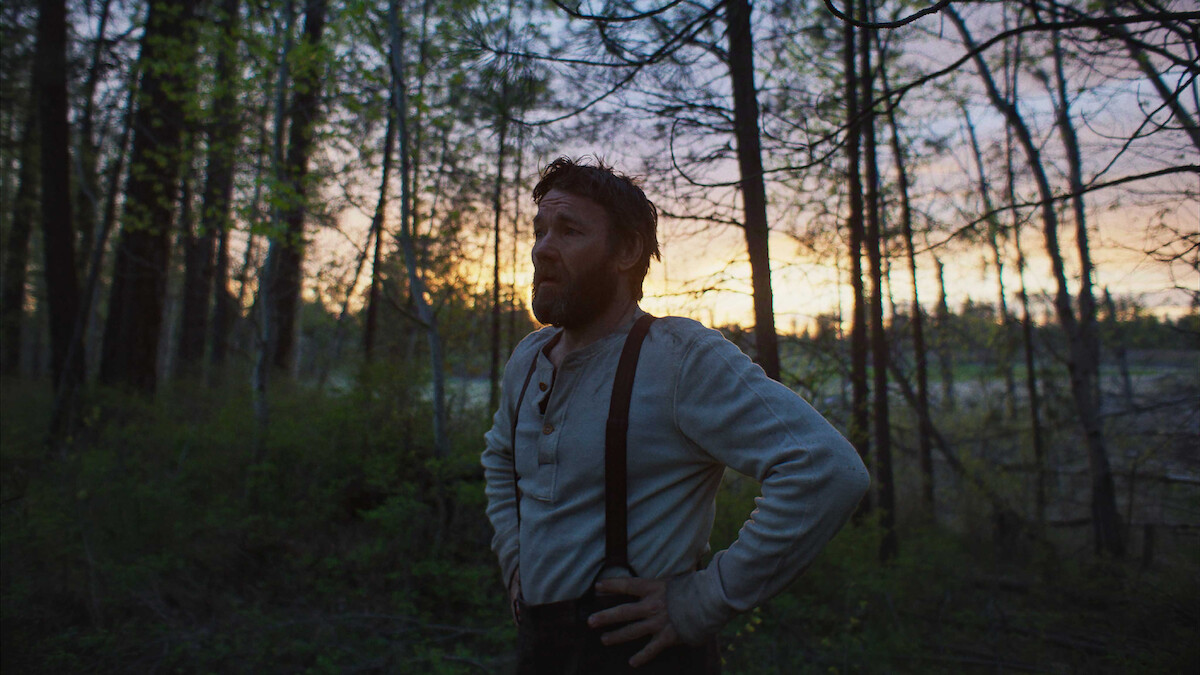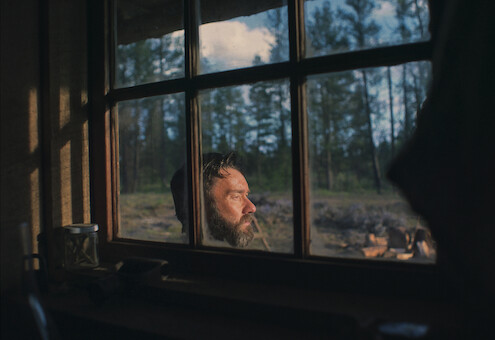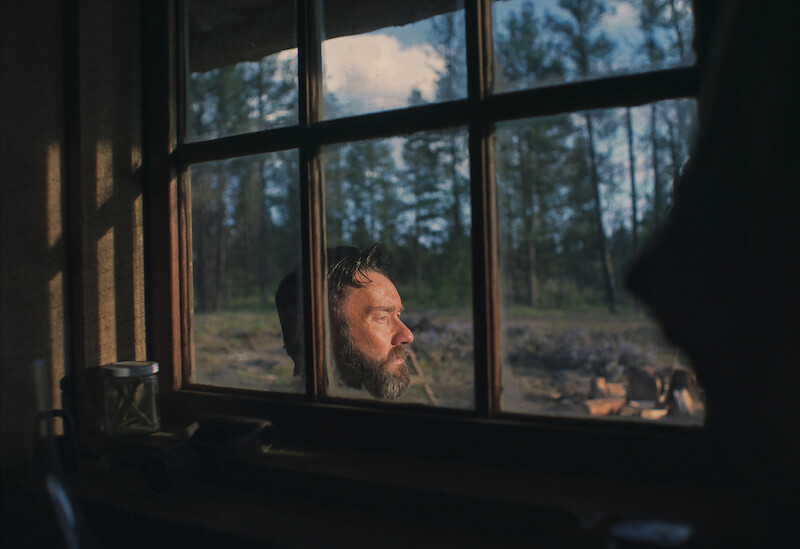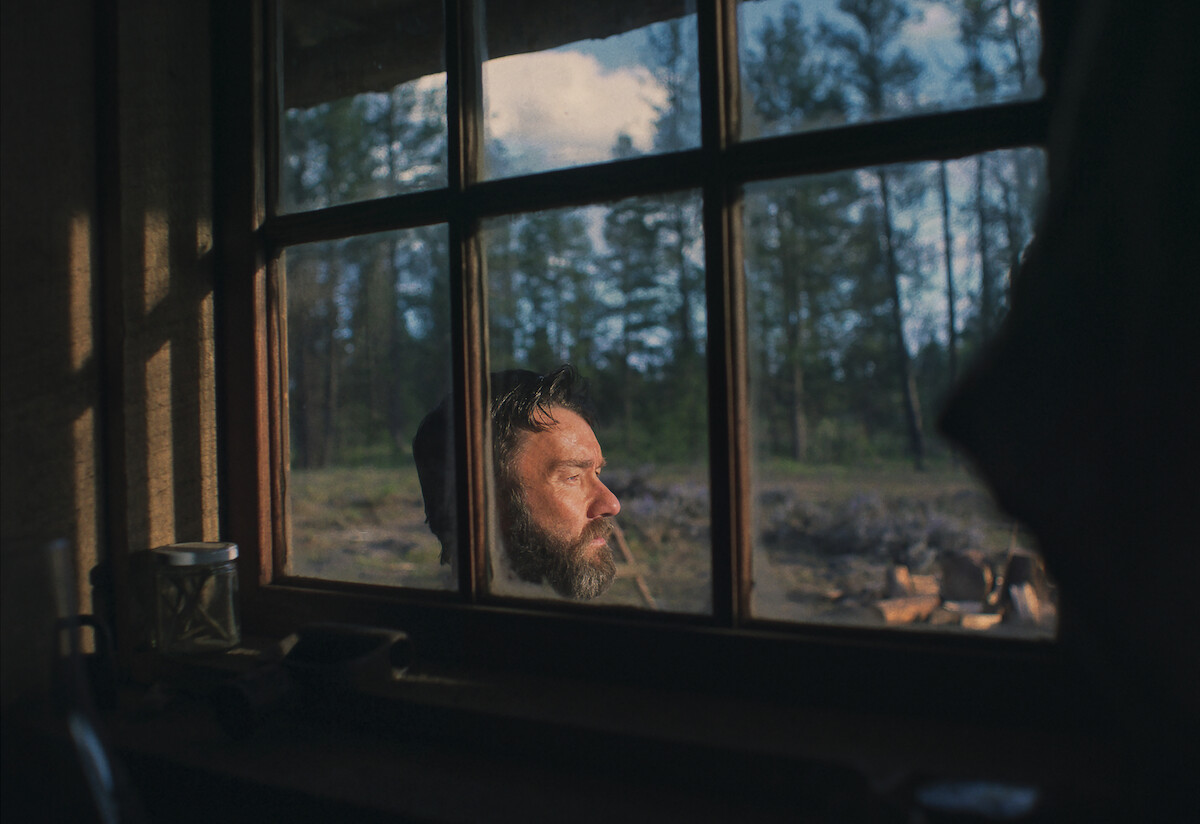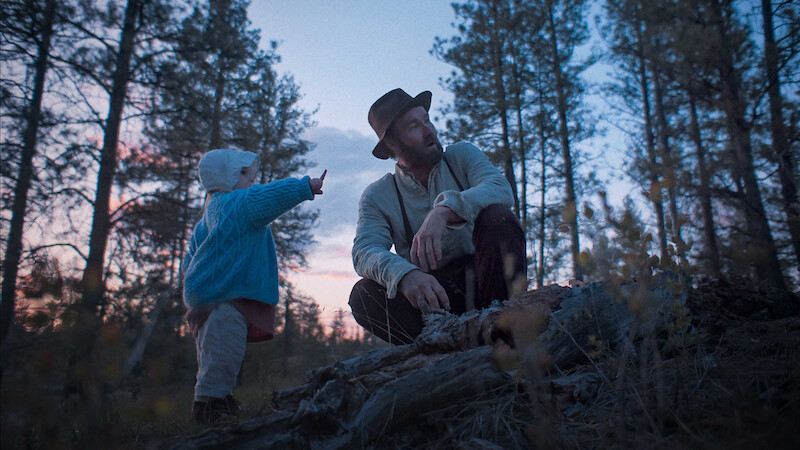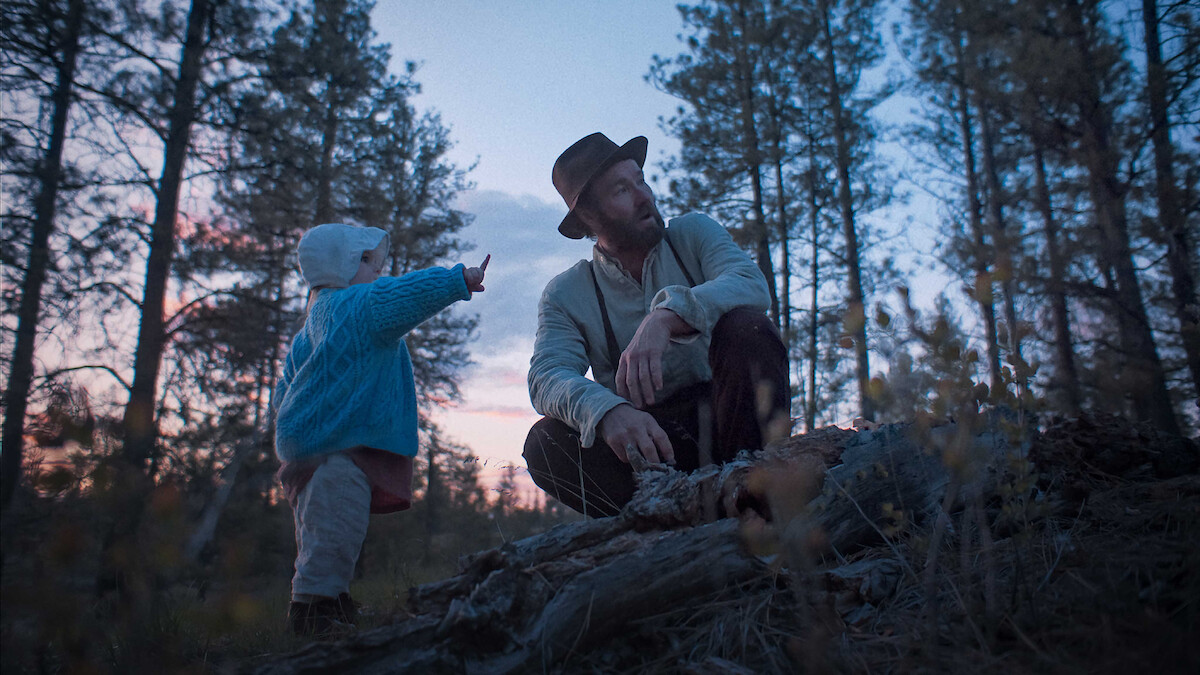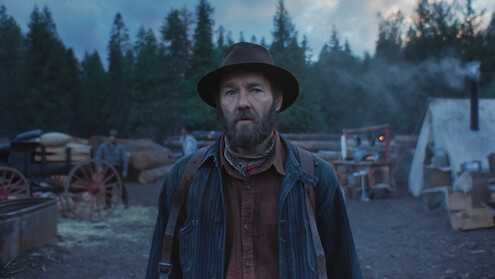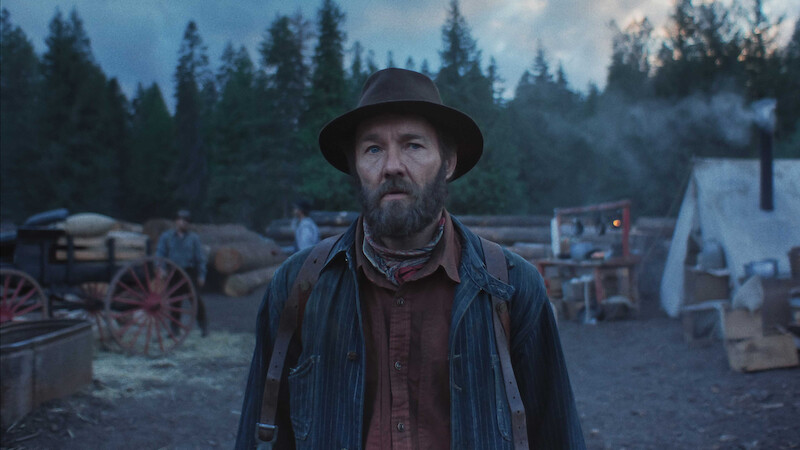
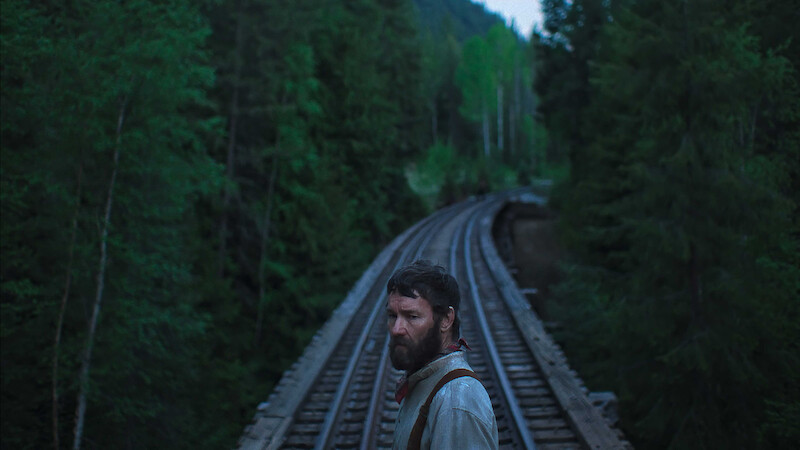
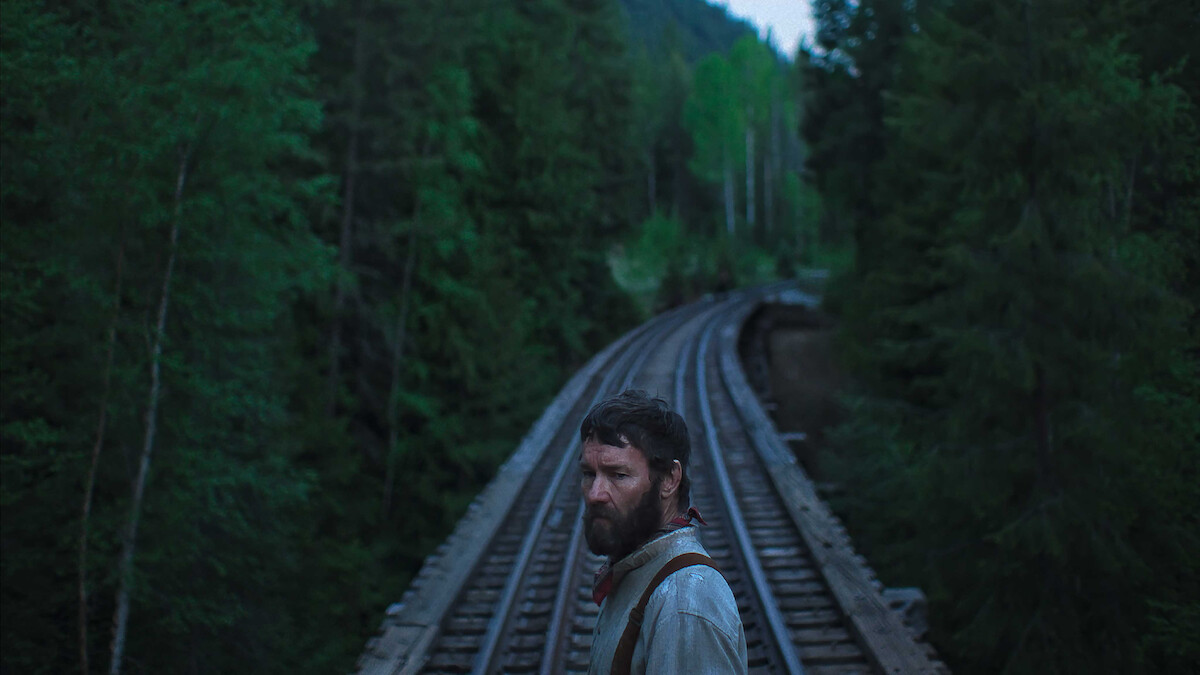
Joel Edgerton stars in the moving film from director Clint Bentley.

In just over a hundred pages, Denis Johnson’s novella Train Dreams encapsulates the majesty and degradation that exist not only within the natural world and the man-made structures that populate it, but also within ourselves. Director Clint Bentley’s (Jockey) film adaptation, with a script by Bentley and Greg Kwedar (the duo behind the Academy Award–nominated screenplay for Sing Sing, which Kwedar also directed), pays tribute to the elegiac spirit of the novella that inspired it, mirroring its spare and lyrical style while using a singular visual language to add different textures and sensations to the narrative.
No, neither the film nor Johnson’s novella is based on a true story, though they speak to the experience of real men and women living in the early 20th century in the Pacific Northwest.
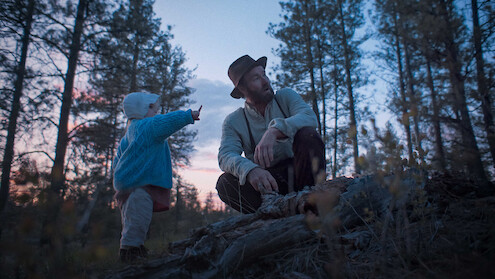
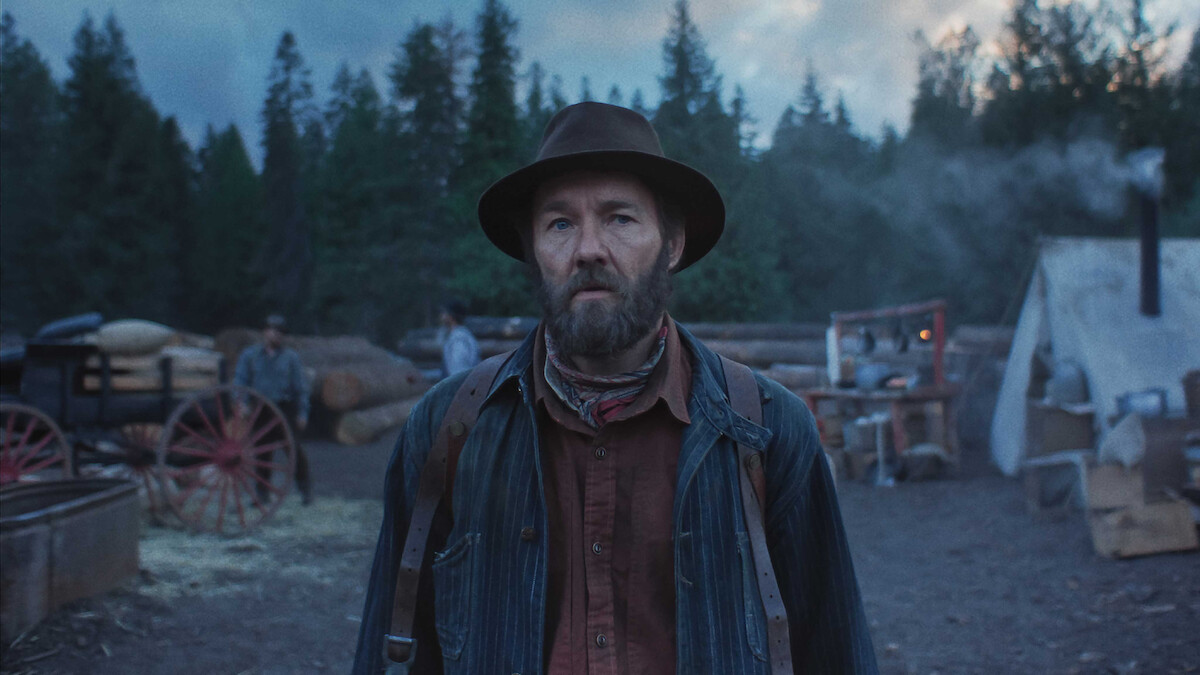
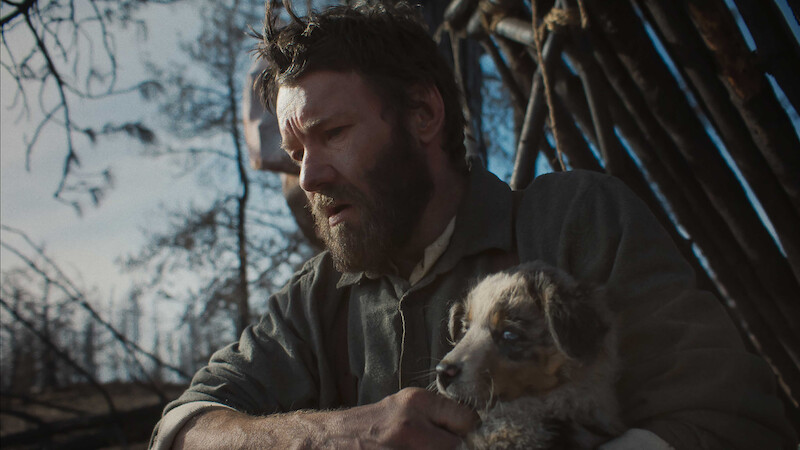
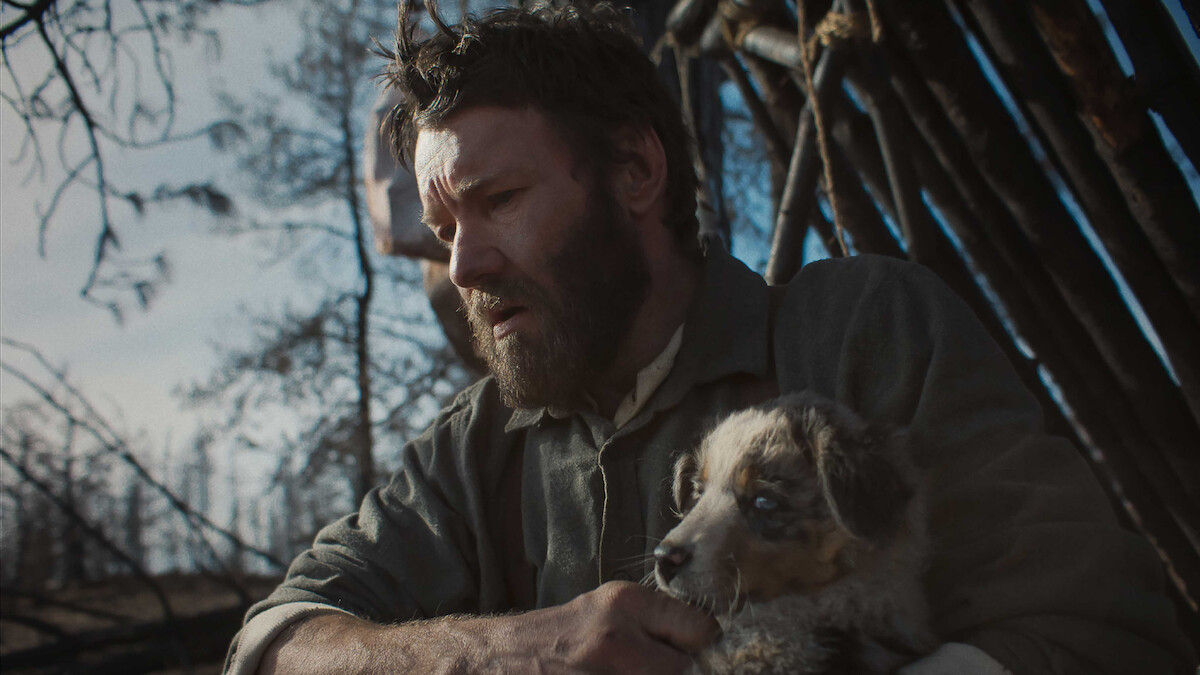
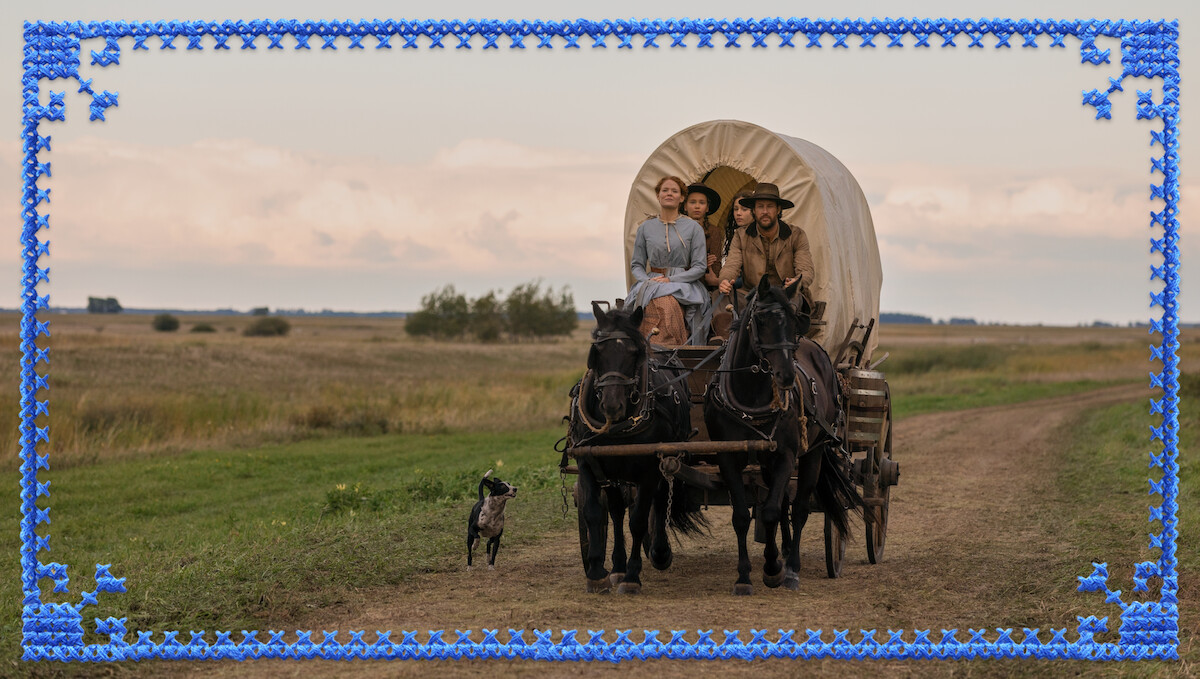
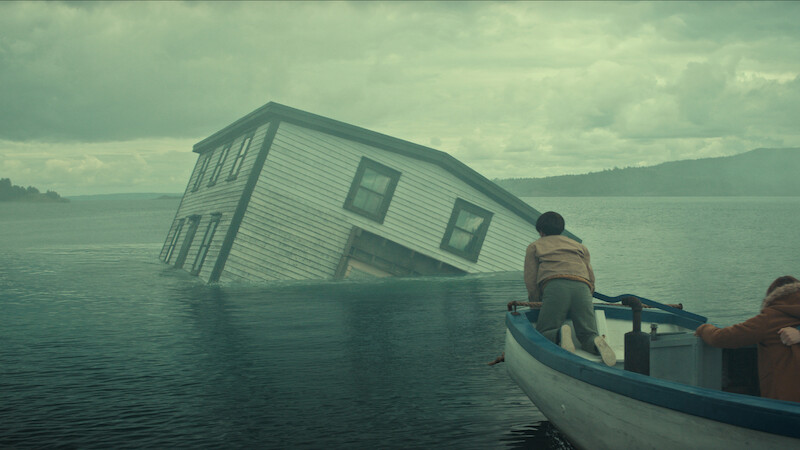
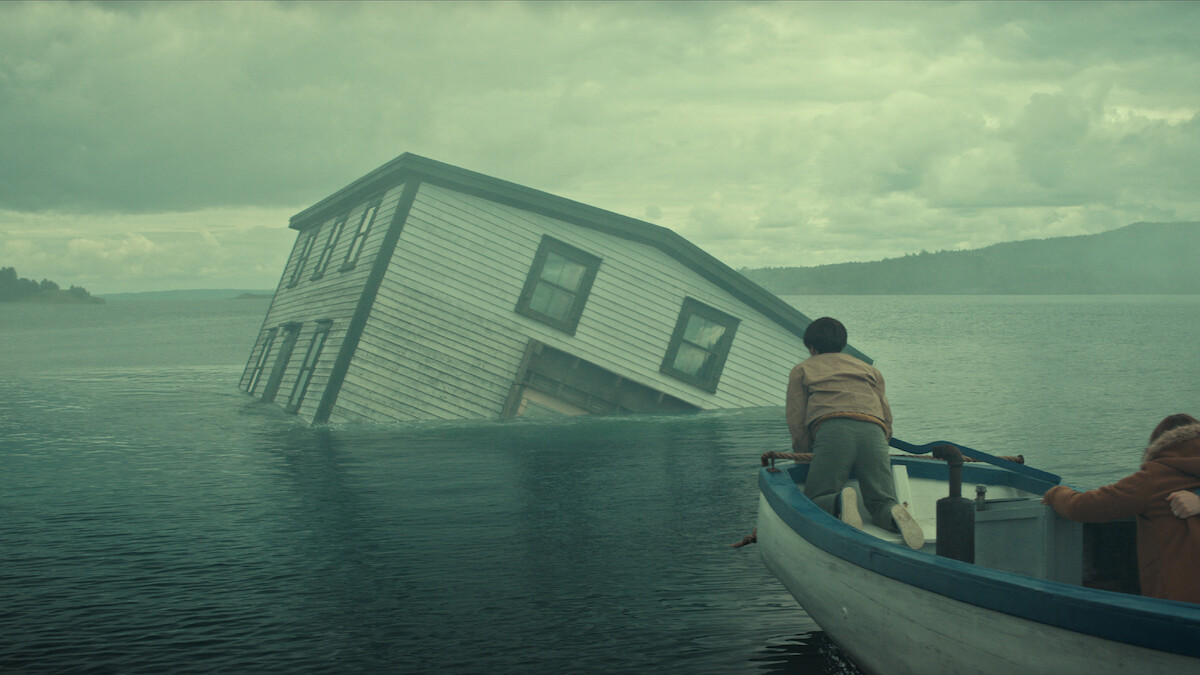
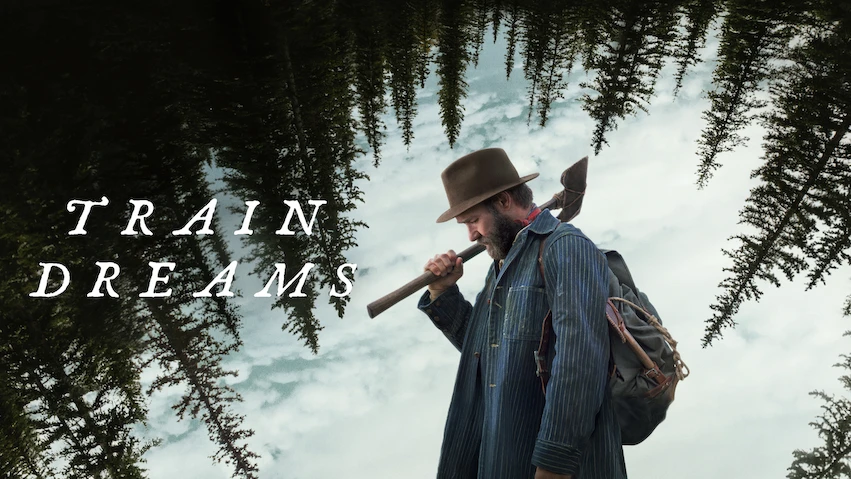
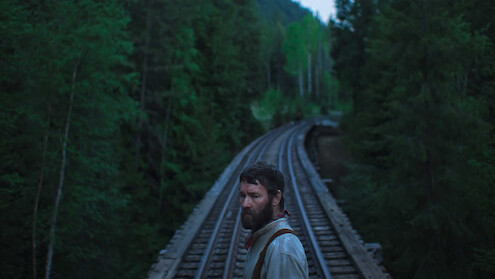
Train Dreams, which was first published in The Paris Review in 2002 and released as a stand-alone book in 2011, tells the story of the life of Robert Grainier (played by Golden Globe–nominee Joel Edgerton), as he grows into a man amongst the towering forests of the Pacific Northwest in the early 20th century, working amid those trees, laying down railroad tracks and building a home with his wife, Gladys (Academy Award–nominee Felicity Jones). An ode to a vanishing way of life, an ever-evolving world, and to the extraordinary possibilities that exist within even the simplest of existences, Train Dreams captures a time and place that are now long gone, and the people who built a bridge to a future they could only dream of.
There are elements of the film that are pure cinematic translations of Johnson’s work — such as intimate scenes between Robert and Gladys, or longtime railroad worker Arn’s (Academy Award–nominee William H. Macy) observation that “a standing tree is a friend” — but there are departures as well, in which the film’s story takes its own path. Still, both works of art are aligned in their capturing a moment in time, to amplify the importance of connection between individuals, despite the vast expanses of space and experience that might seem to come between us.
Here, Bentley and Kwedar talk about their experience bringing Train Dreams to the screen.
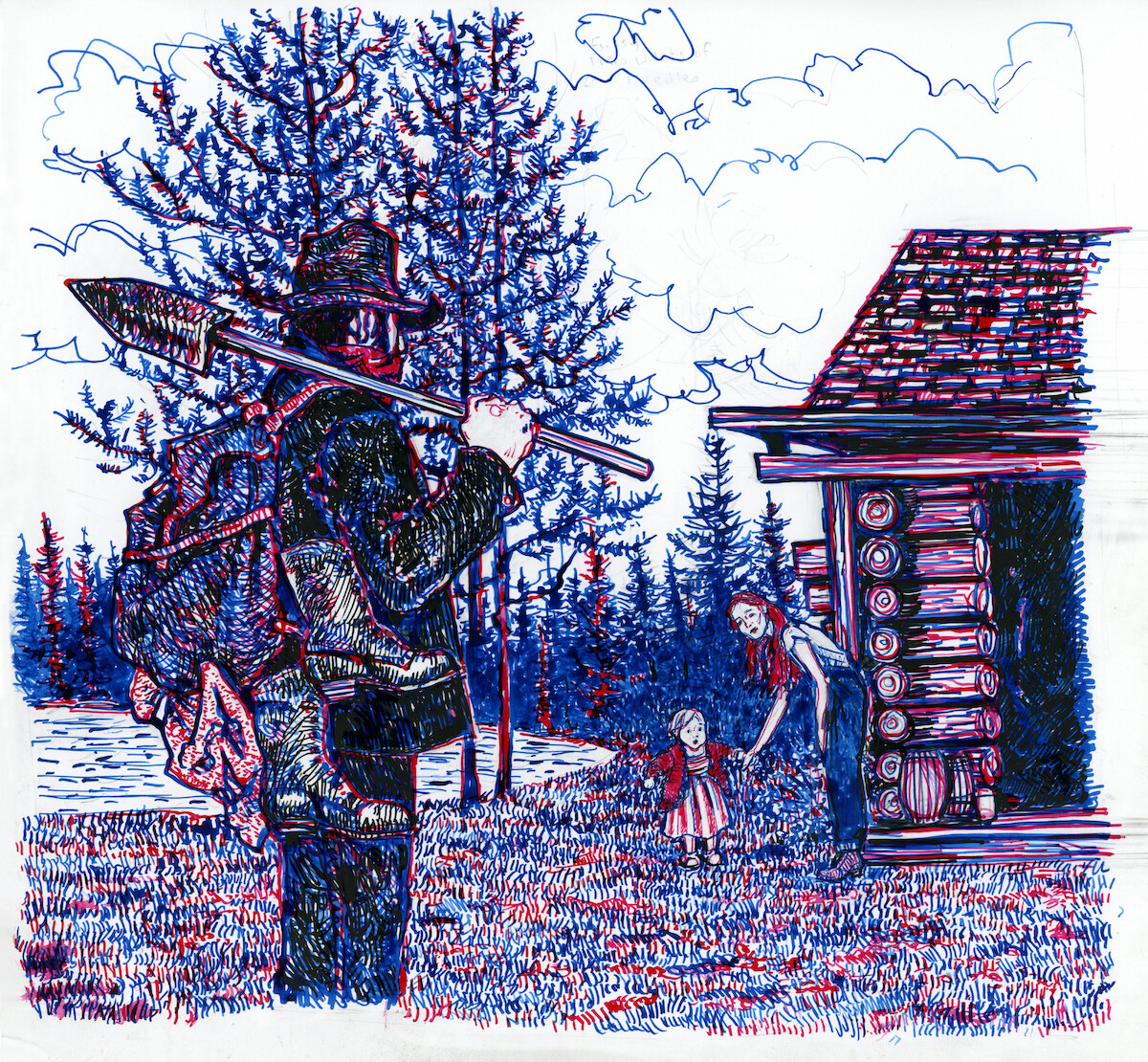
Clint Bentley: The challenges and the exciting aspects of translating the book to film were kind of one and the same. It’s a really slim book, yet it covers an entire life, and it covers a very specific time in the world. A period of great change. It’s a book structured around memories, and it’s kind of all over the place. Trying to retain that spirit of the book and fit that into a structure that can work in a film without losing the aspects and the qualities of it that are really charming and are really special — some of the wooliness of it and the strangeness of it — was always the challenge, but that was also the excitement.
Greg Kwedar: The first thing I did was I read it for my own joy, and just experienced the book. The things I remember the most that I wrote down at the end were like, “Oh, this is a book about language in a way, the language of working men, the language of love, the language of sadness, the language of solitude, the language of community.” Our job was just to study that as closely as we could, to get underneath these words, sometimes get in between them, sometimes go beyond them.
Bentley: Greg and I have been working together now for about 15 years, and we’ve written many scripts together. This one was unique because we had never adapted a work of fiction before. We try to bring a deep level of research to what we do, and this film was no different, but it’s hard to research something that’s about a time gone by.
We went up to the area where Denis Johnson lived and where the story is set while we were writing, and stayed in a cabin along the river where Grainier would’ve lived. We met loggers in that area and people whose parents and grandparents had been loggers. It was a really unique writing process and really rewarding. I wanted to make sure that we were completely loyal to the spirit of the book that Denis had written, but also let the adaptation take its own path to become the movie that it needed to be. It was a constant exploration of trying to find what that balance was. I read the book five or six times, really trying to internalize it, and then I left it behind to let the script evolve into the story I wanted to tell.
Kwedar: Clint and I were in a meeting once, and we were talking about our work, and Clint said, “Our movies have a message. It’s just not one that you can write down.” I think this book was the right pairing [for us] because, in just a few short pages, it captures an infinite quality — one that feels so lived in and so specific, but is ultimately one that defies our human vocabulary.
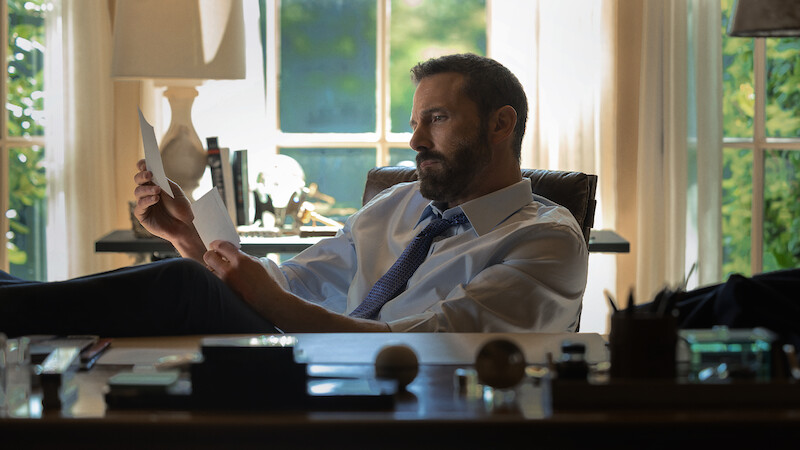
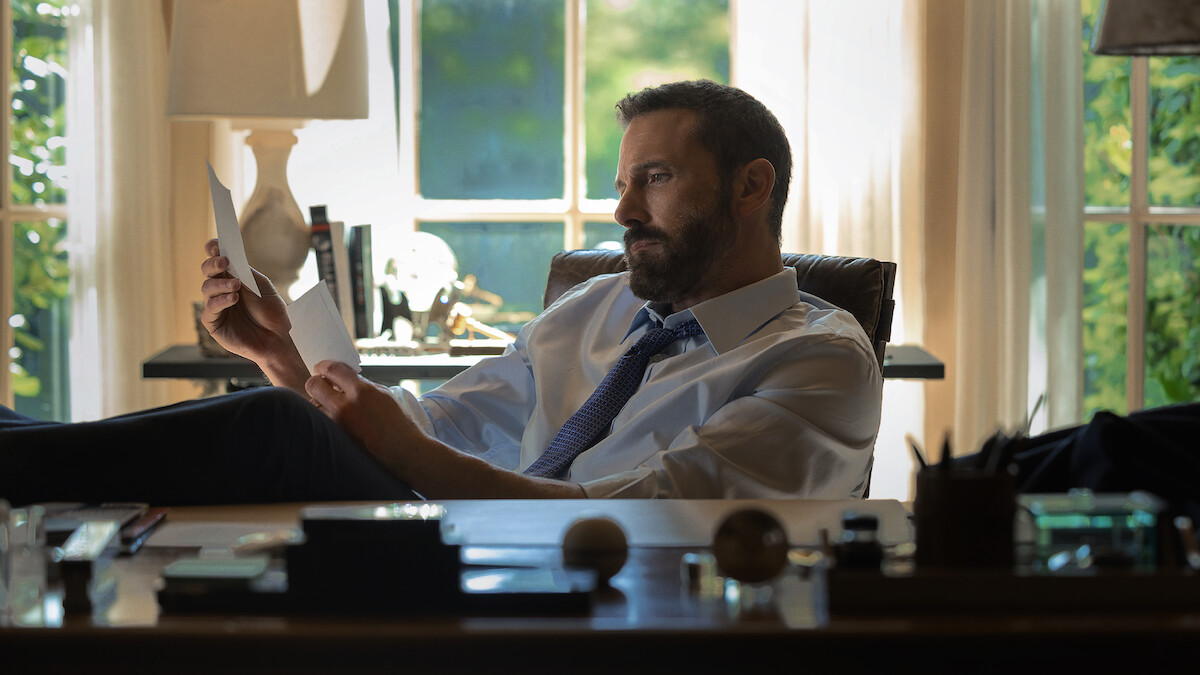
Bentley: I’ve been a fan of Joel’s for so long. He’s just an amazing actor, and a brilliant filmmaker and storyteller on top of that. But he just felt perfect for this character of Robert Grainier because what Joel does so beautifully is that he can do so much with so little, and he can give such a subtle performance that he can completely disappear into a character, and yet you still feel the strength of his presence. Robert Grainier is a character who could fall into the background because he’s a man of few words, and he’s a quiet person. He’s watching a lot of the time. Joel is just such a magnetic actor that you can just watch him staring off in the distance, and you always are wondering what he’s thinking or what he’s doing.
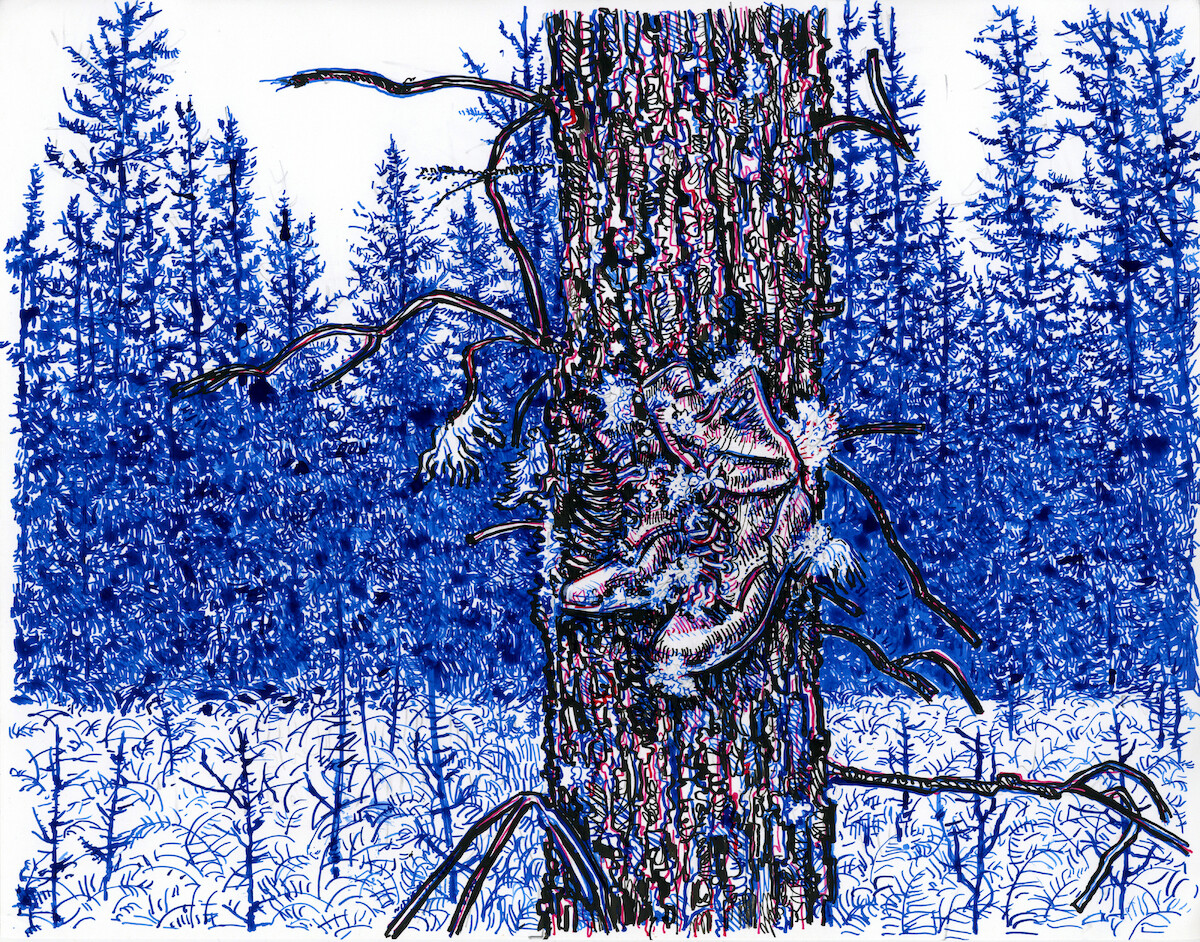
Kwedar: I think the whole movie, in its totality, may come close to that sensation you have when you’re standing at the foot of one of these great old-growth trees. That breathless sensation of both how small we are and how we’re just a blip, but not in a way that feels meaningless. There’s a comfort that comes from it. That you’re wrapped in the same story that the tree is part of.