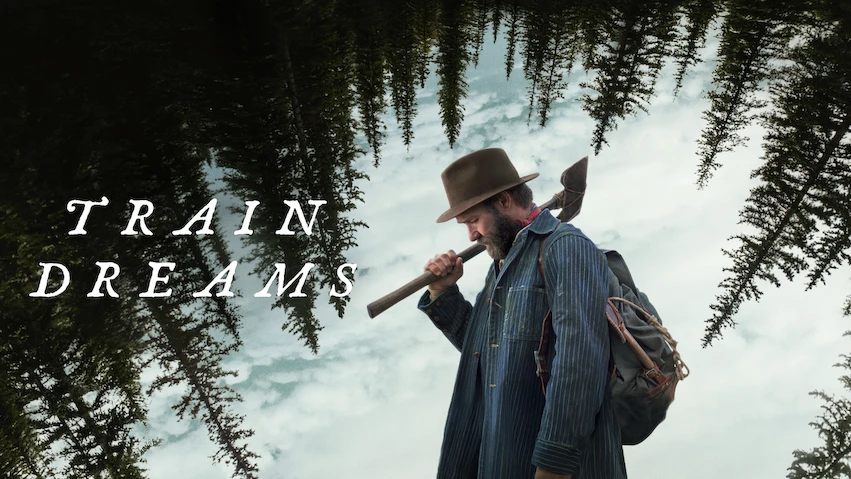
Train Dreams was a project Clint Bentley was called to before he was even a filmmaker. In 2011, the director and writer first encountered the source material, Denis Johnson’s beloved Pulitzer Prize–finalist novella about a logger named Robert Grainier living at the turn of the 20th century. “I fell in love with it immediately, and then fell in love with Denis Johnson’s writing and read everything,” Bentley says. It wasn’t until years later that the opportunity came into view to adapt it with his creative partner and co-writer Greg Kwedar. Together, Bentley and Kwedar had been nominated for an Academy Award for Best Adapted Screenplay for Sing Sing. “I read [Train Dreams] again, thinking about it as a movie. I was just blown away, and it seemed like it had such potential,” Bentley says. “It felt beautiful, and the story of Robert Grainier really, really spoke to me.”
To bring his adaptation to life, Bentley turned to a troupe of collaborators who could capture Grainier’s ordinary and unexpected story onscreen. Here, some of the artisans behind Train Dreams reflect on what made the film a sonic and visual wonder.
Cinematographer Adolpho Veloso
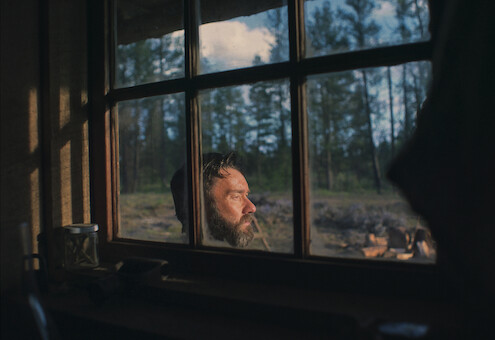
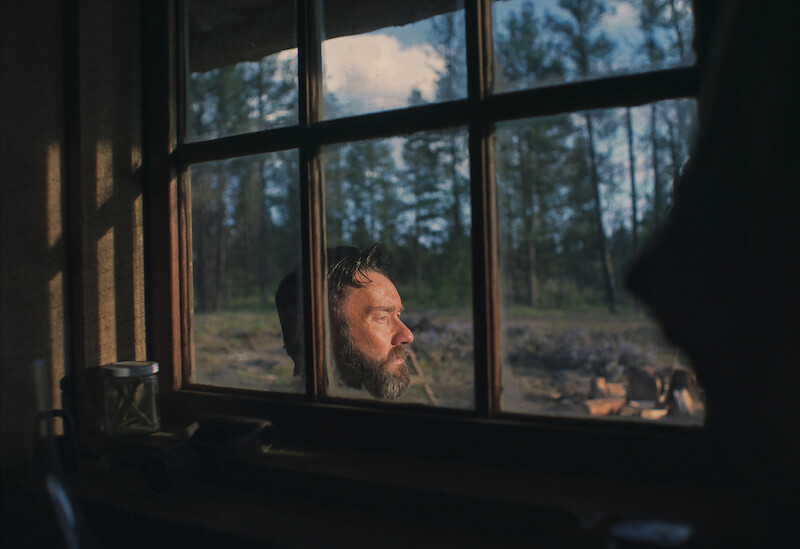
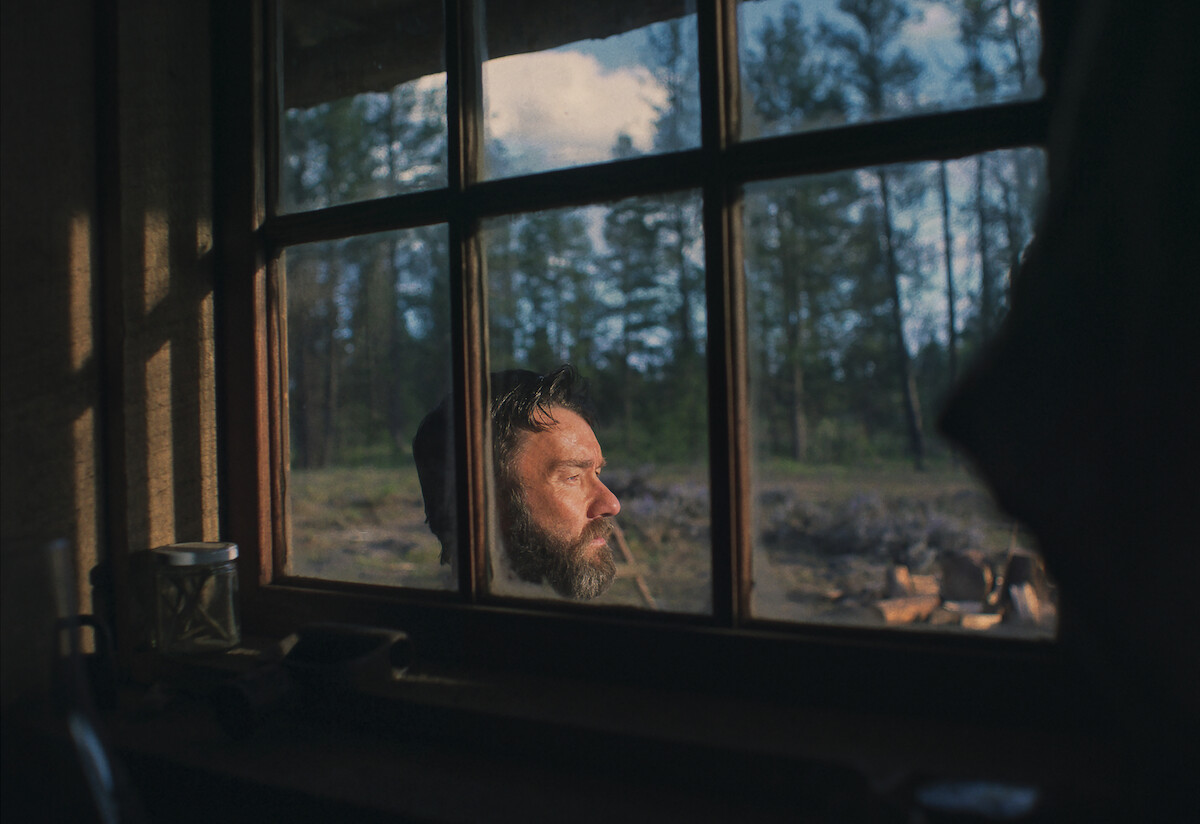
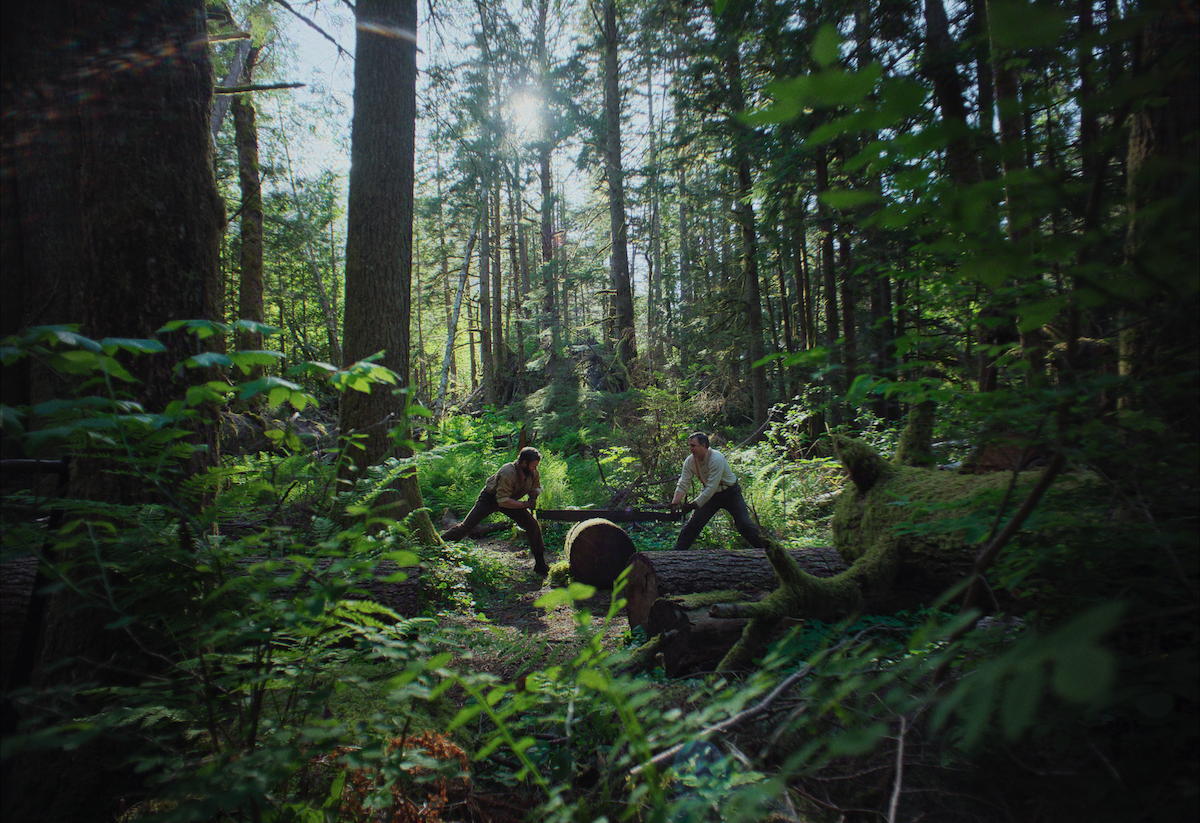
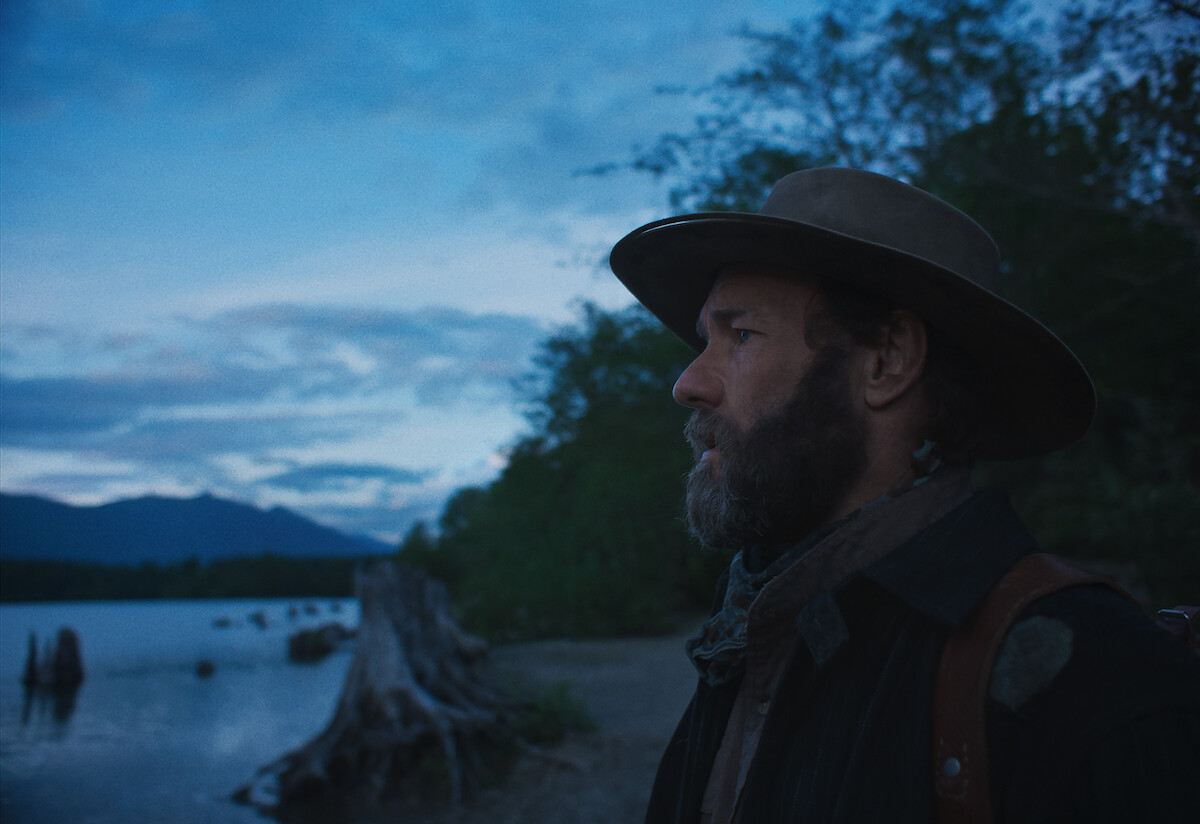
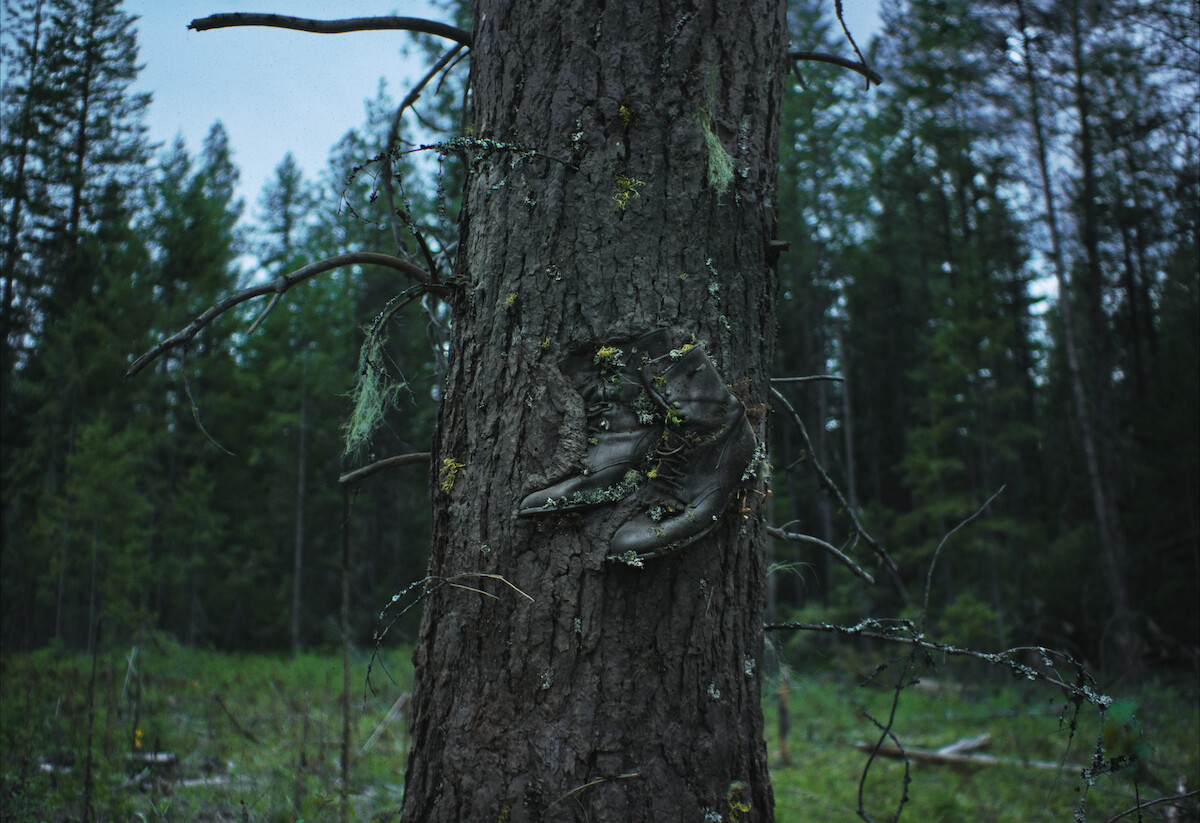
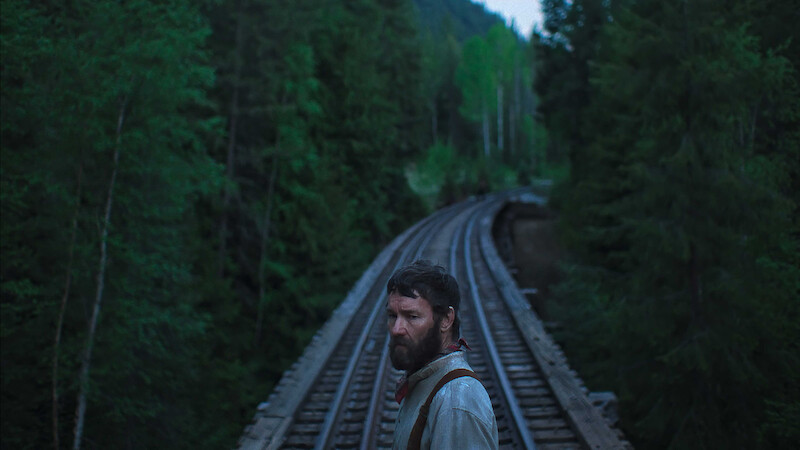
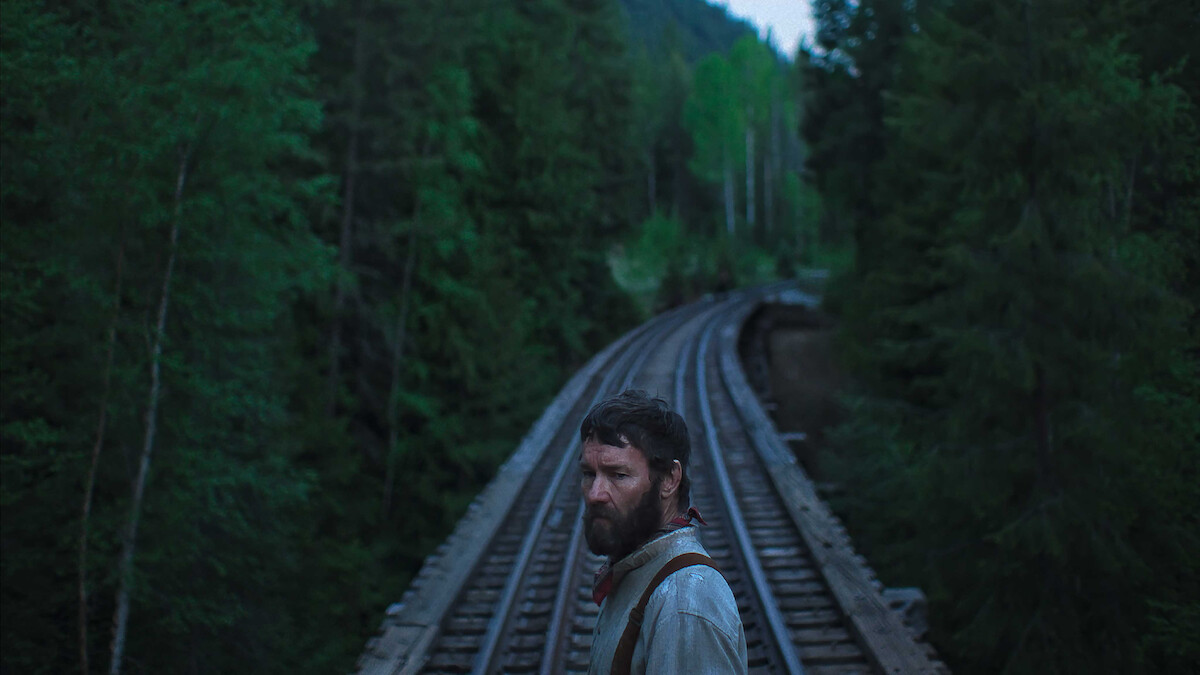
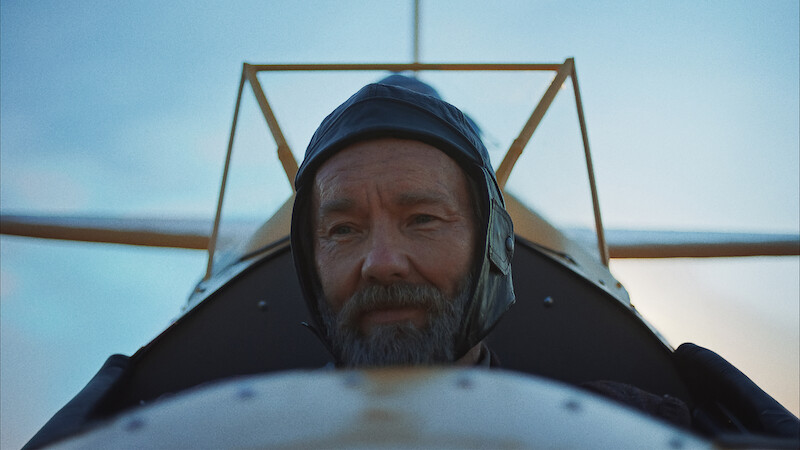
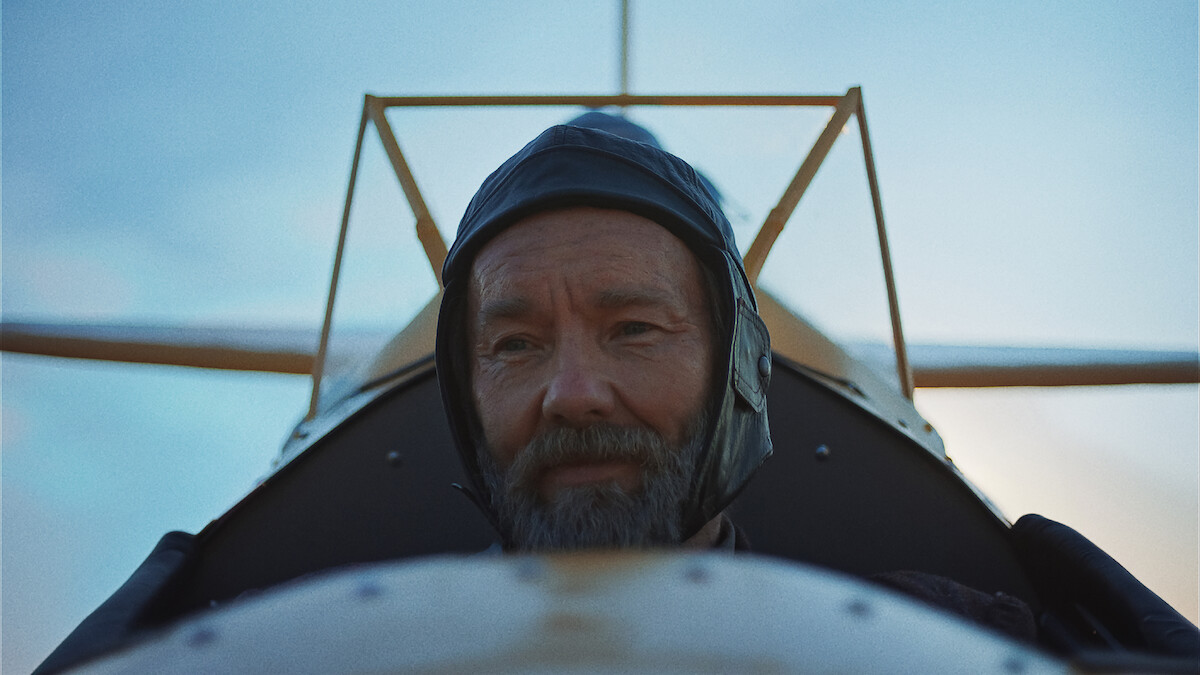
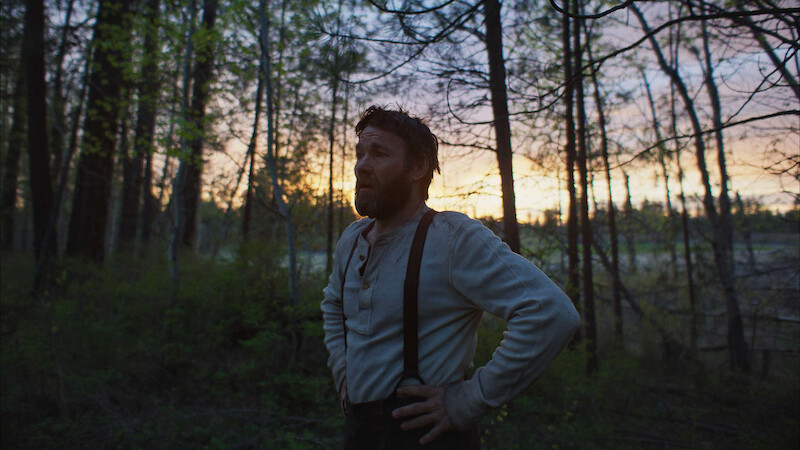
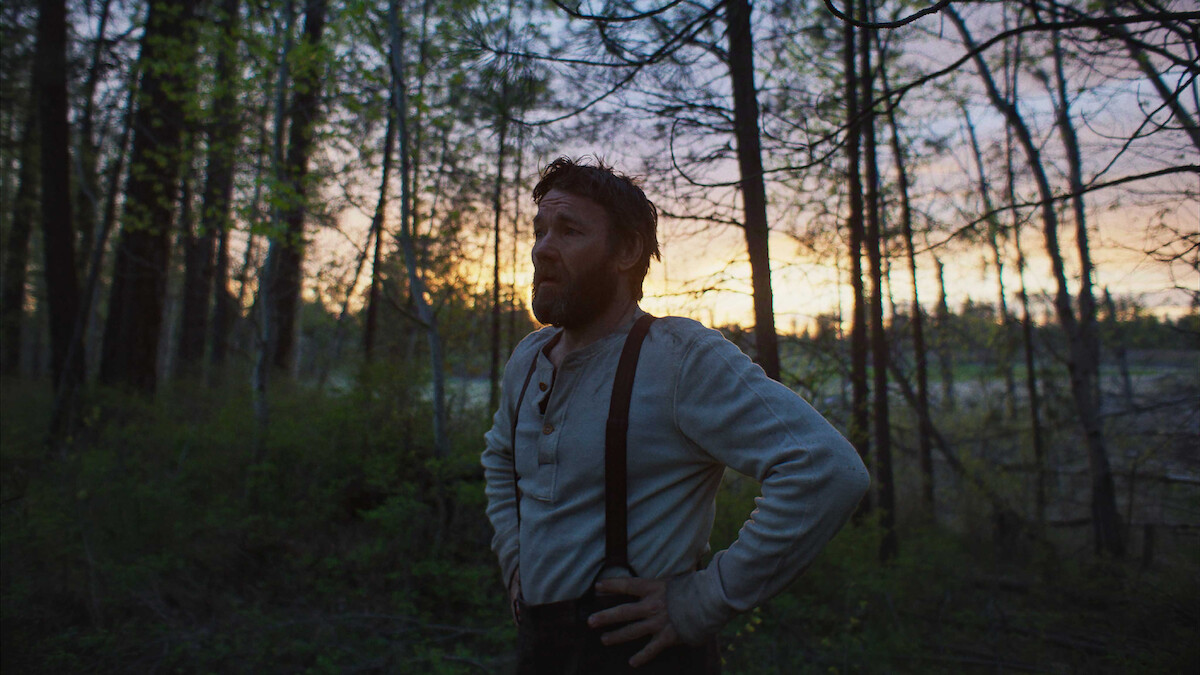
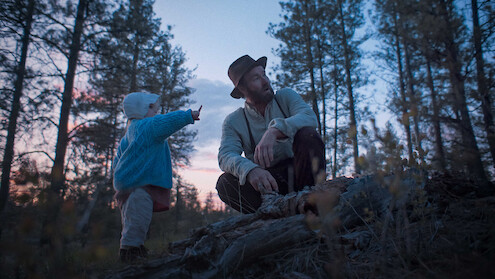
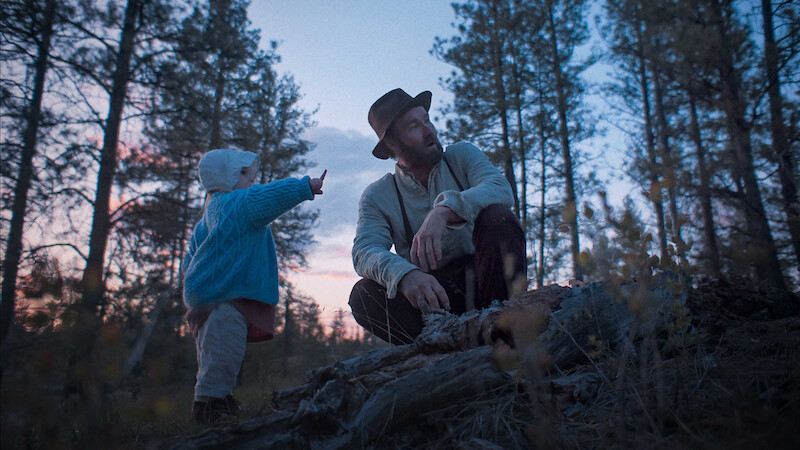
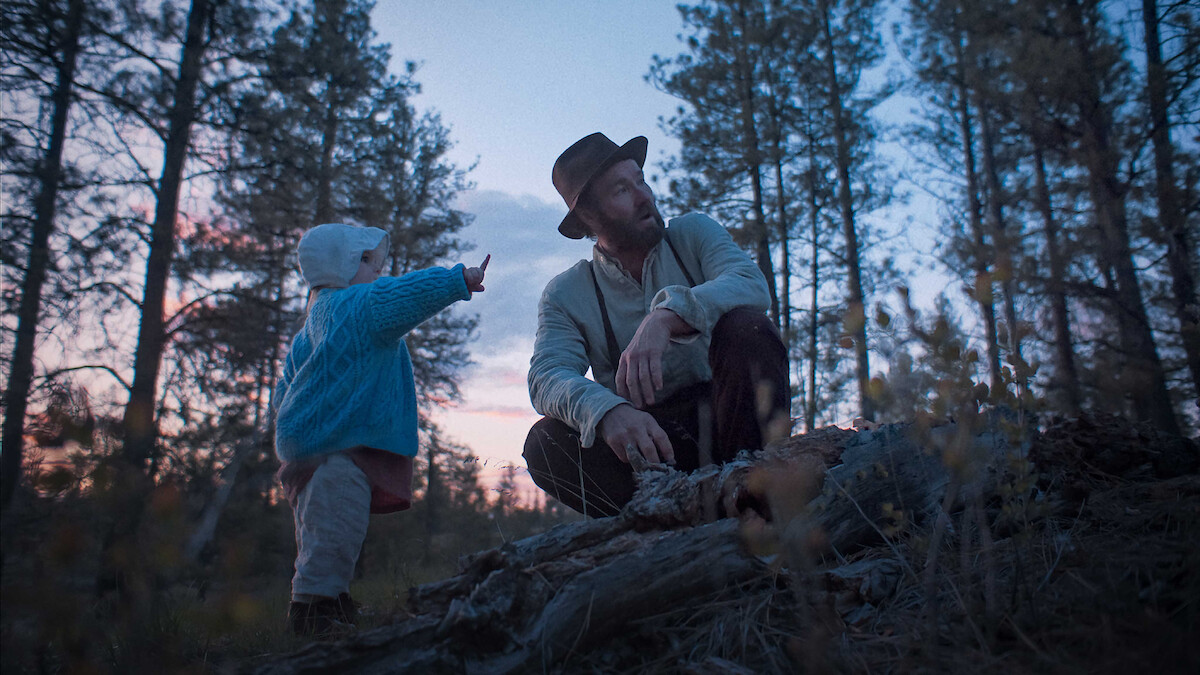
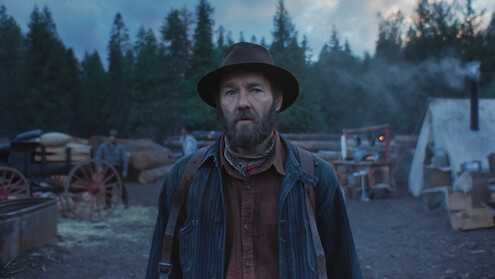
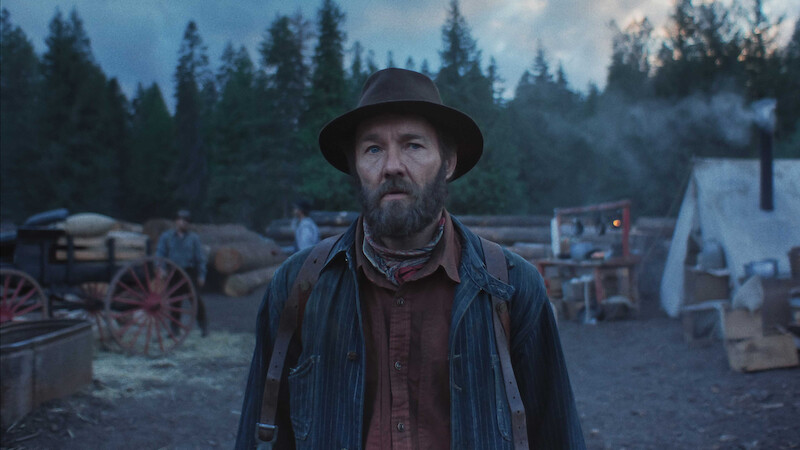
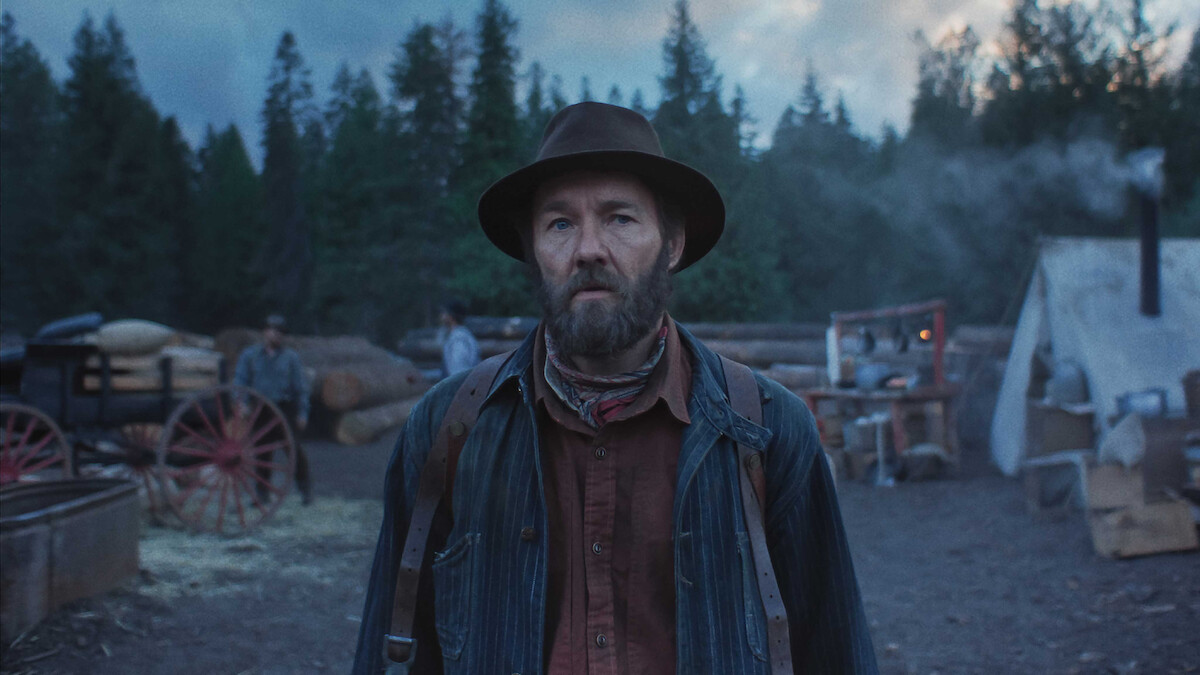
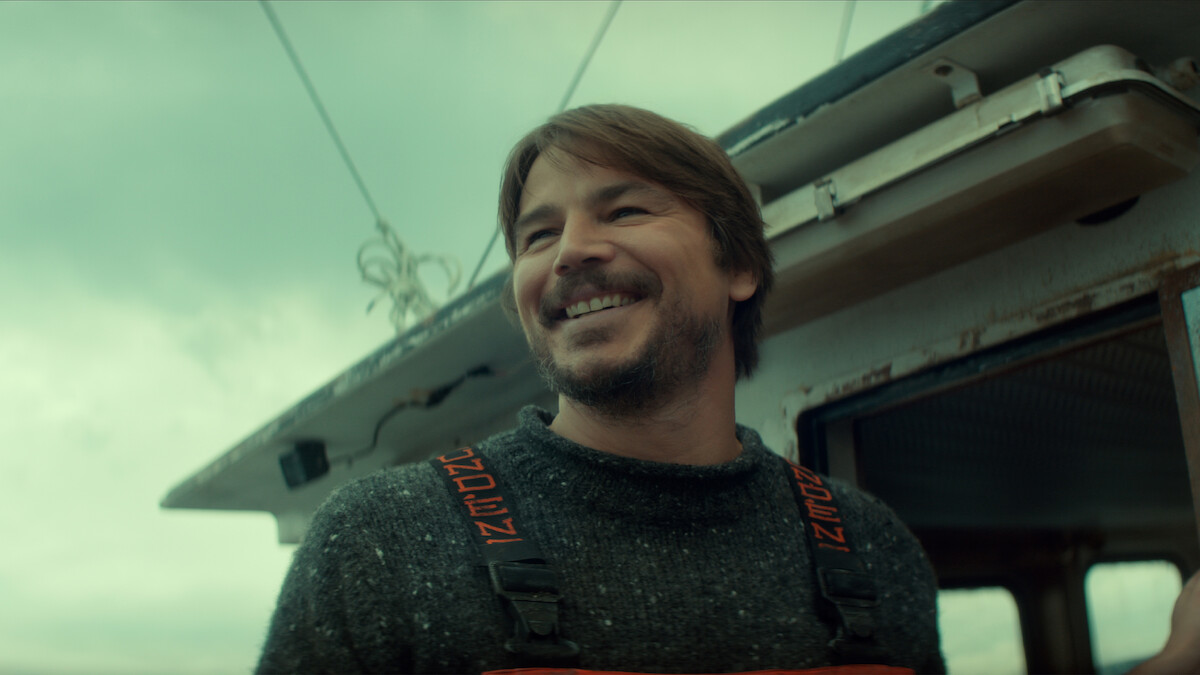
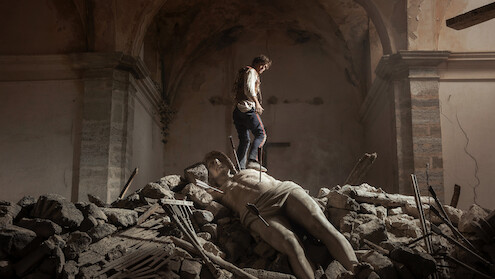
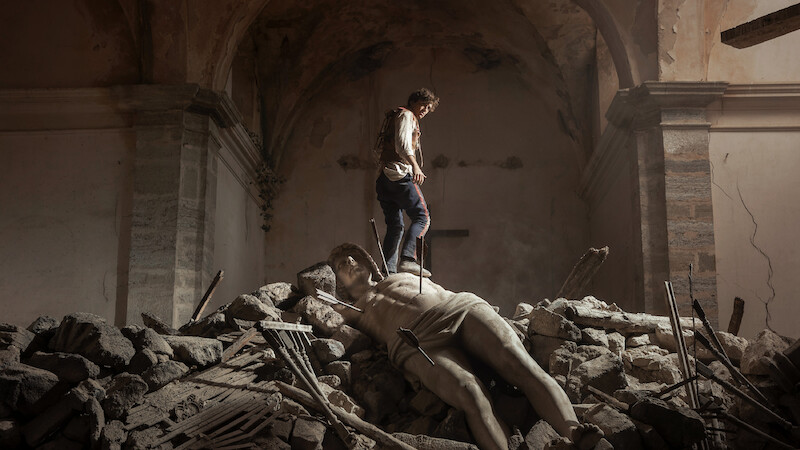
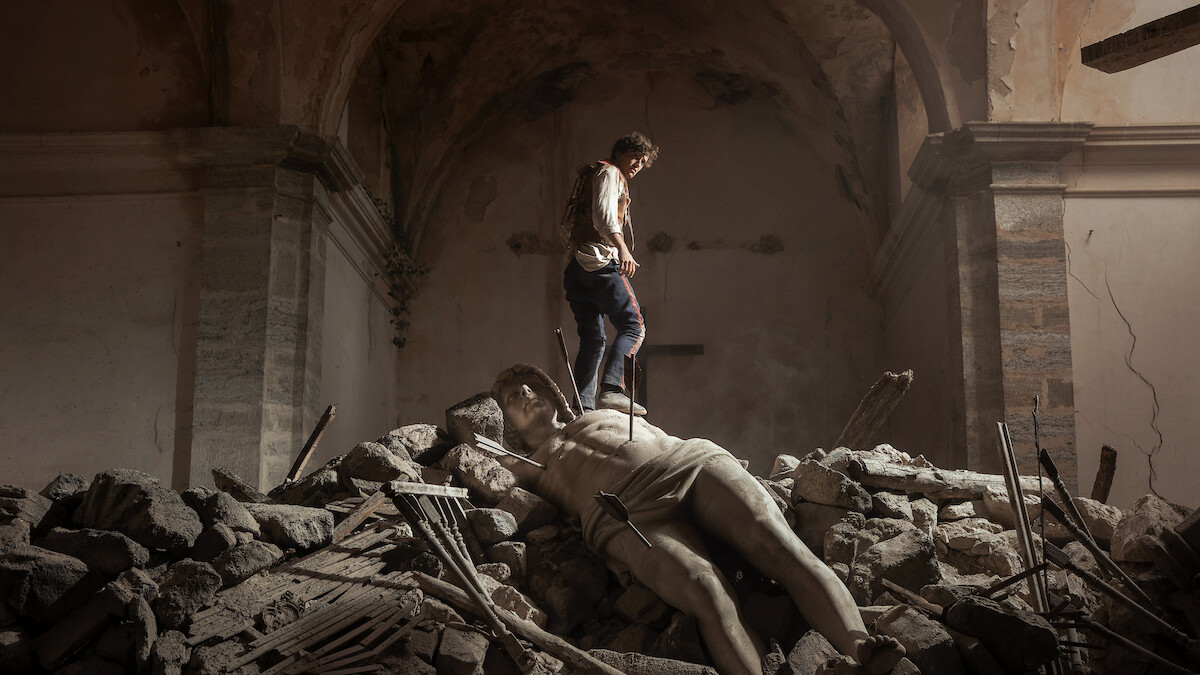
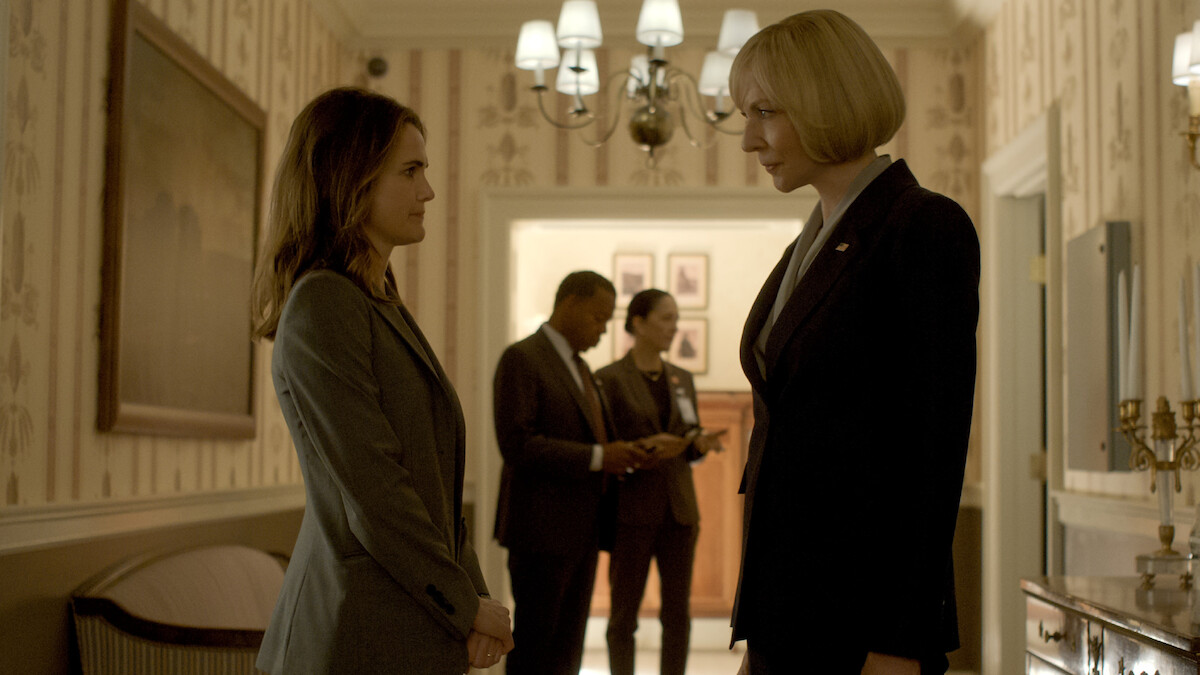
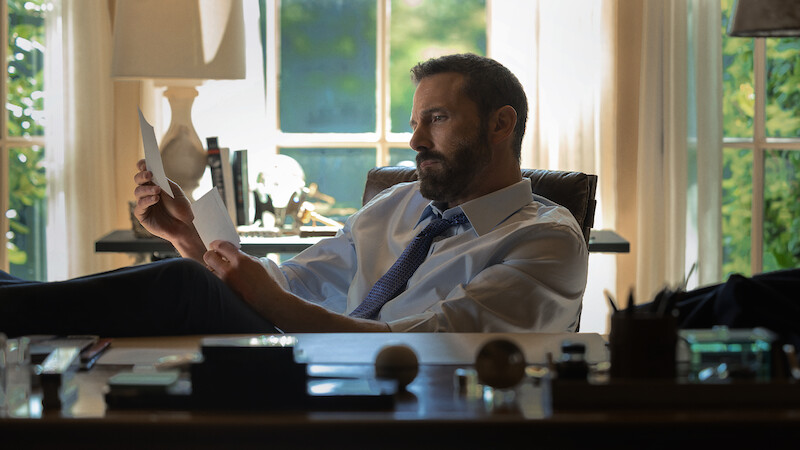
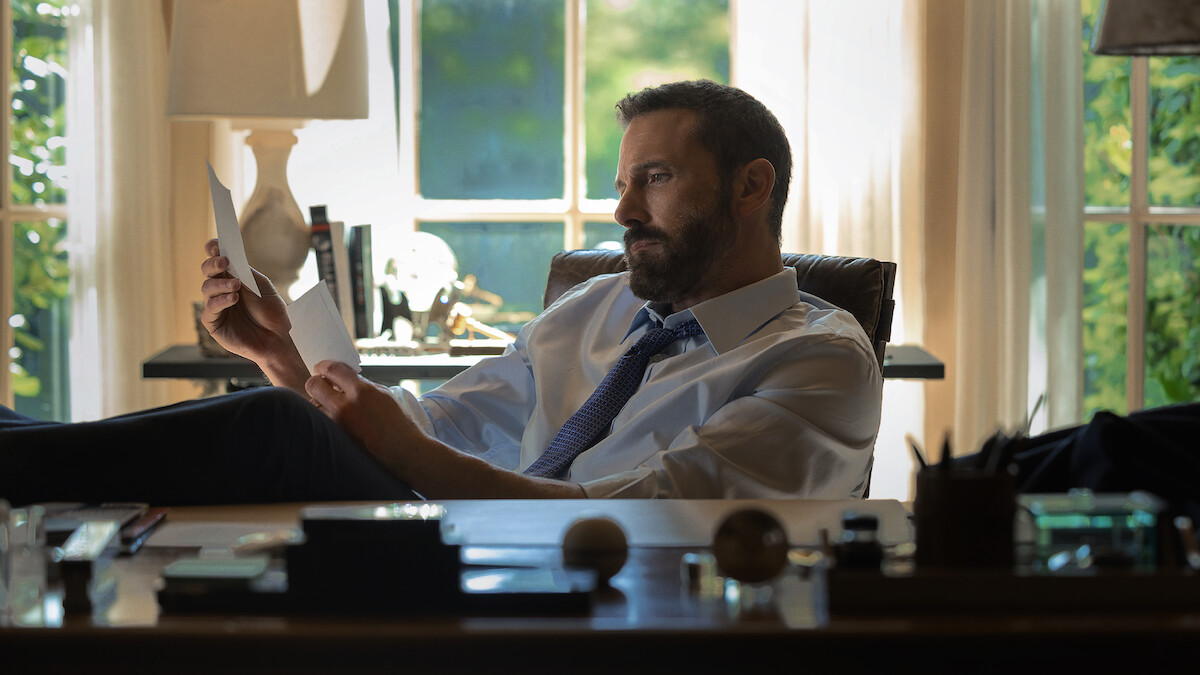
Trees cascade toward a fading horizon, twilight filters through the jagged silhouettes of old-growth pines and towering firs, and a timber home roars under a hurricane of flames. These are the striking images brought to life by Director of Photography Adolpho Veloso in Train Dreams, Clint Bentley’s film about an ordinary logger Robert Grainier (Joel Edgerton) and his wife (Felicity Jones), adapted by Academy Award–nominated writing duo Bentley and Greg Kwedar from the novella by Denis Johnson. The story is set amid the vast forests of early 20th-century America and the extraordinary expansion of the railroad. Veloso embraces both the immensity and fragility of the Pacific Northwest, rendering nature not as a backdrop but as a living, breathing force. “We wanted to play nature as a character,” says the cinematographer, who also worked with Bentley on his 2021 film Jockey. “It was really important to capture nature in its beauty — and also in its danger.”
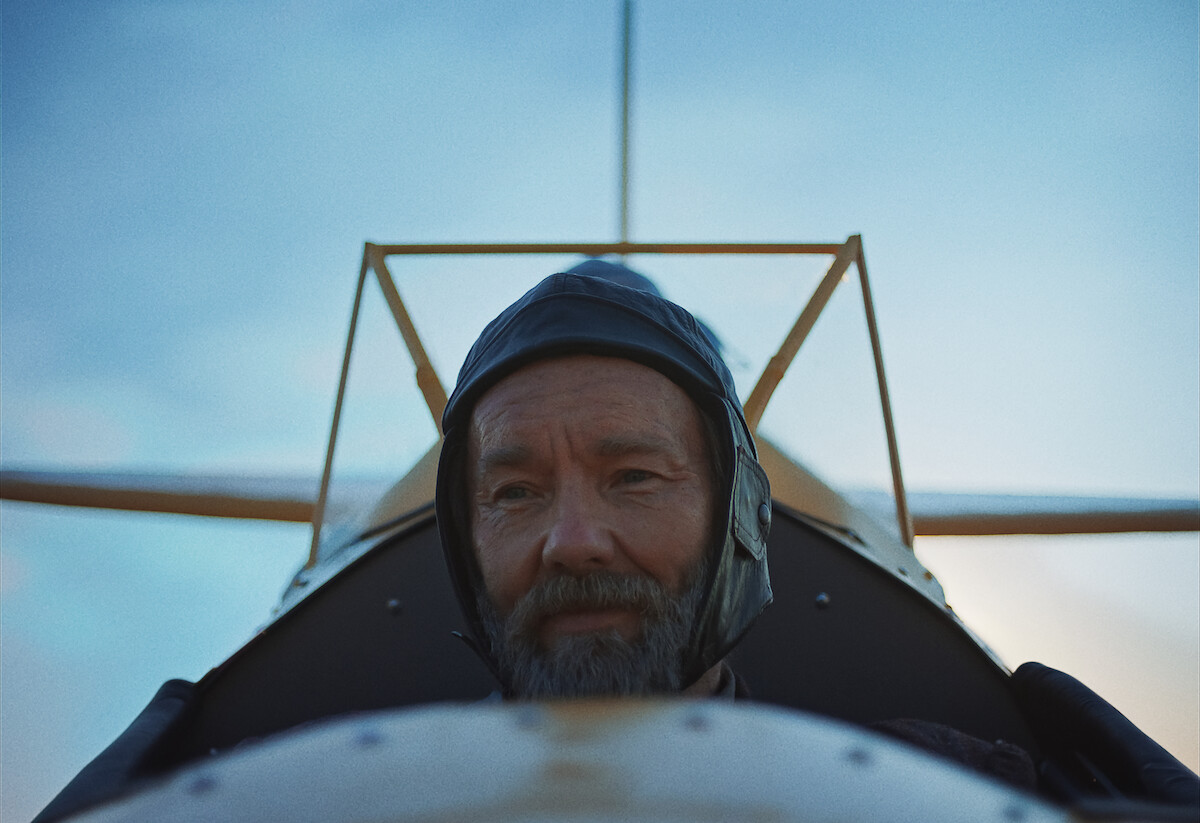
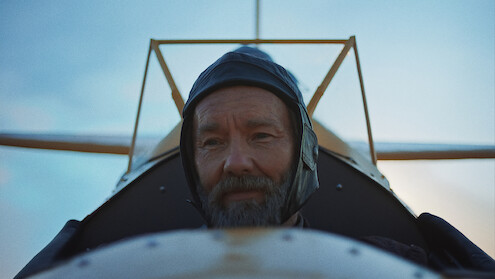
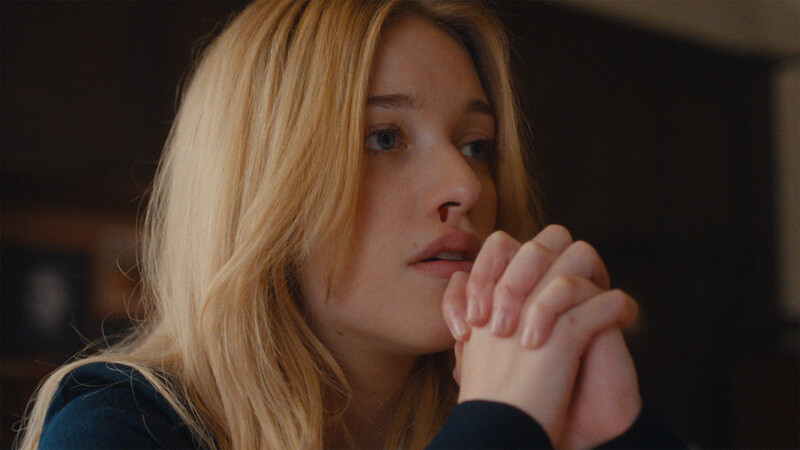
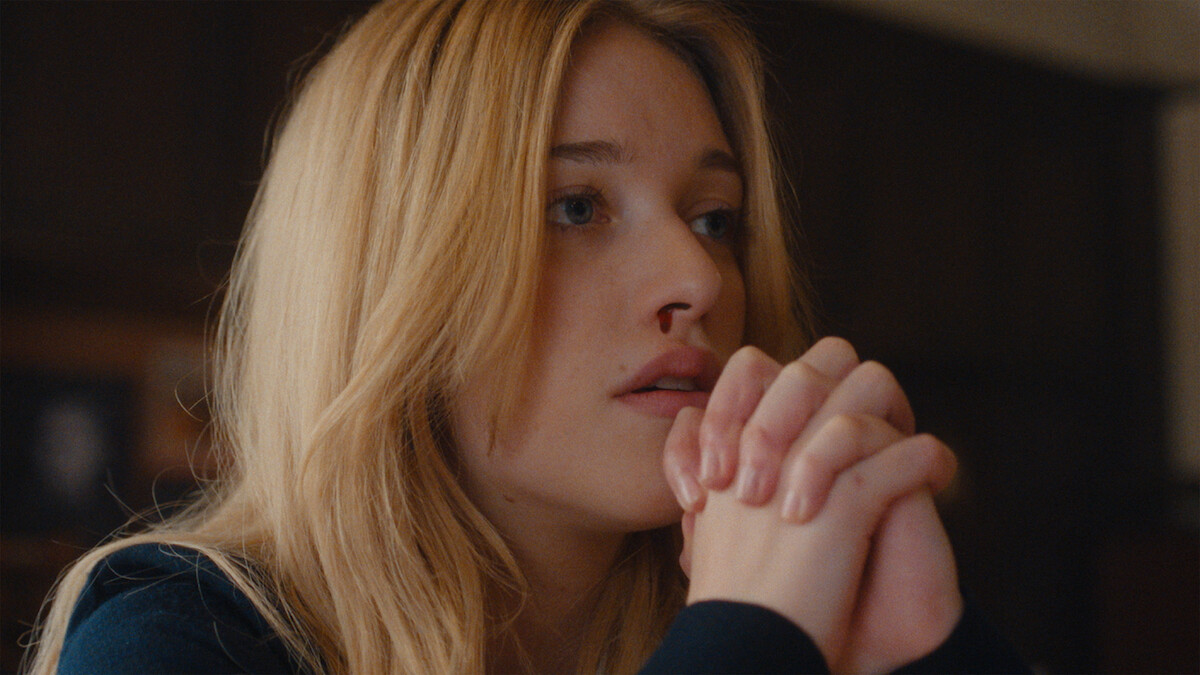
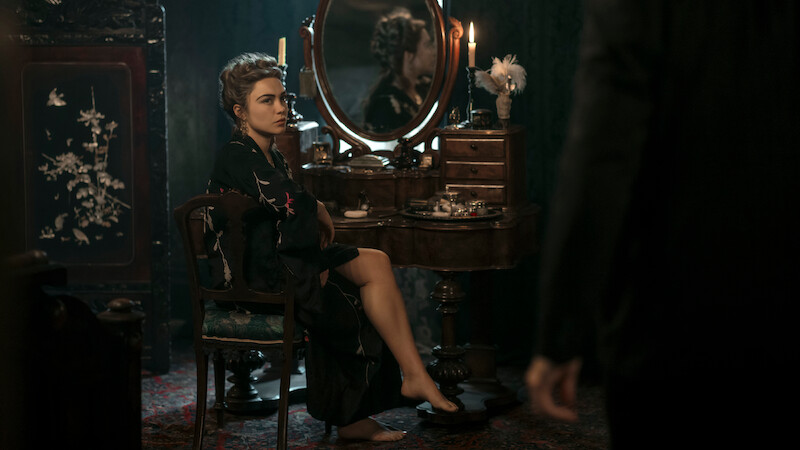
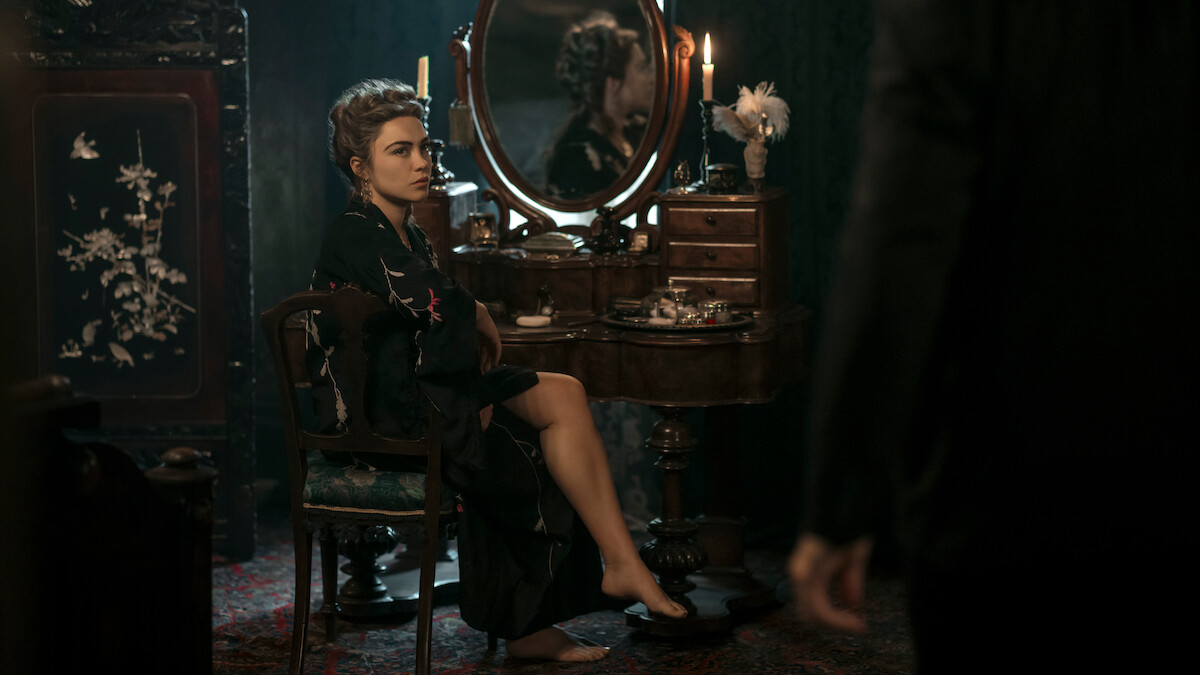
Train Dreams is ultimately rooted in human life, and Veloso brings focus to the weathered faces of men and women who ventured west and carved out an existence at the edge of the wilderness. In contrast to the film’s sweeping landscapes, he brings the camera in close, almost reverently lingering on faces illuminated by the flicker of candlelight — “to make the audience really be able to connect,” he says. “Then, when you cut to a superwide, where you see nature in its majesty, you realize how small we are.” To portray the hardship and dignity of lives lived in such harsh conditions, Veloso turned to still photography for inspiration. “Dorothea Lange’s work was a big influence,” he says. “Her pictures from the Great Depression — trying to capture beauty within all that desperation.”
For all its visual grandeur, the film carries a raw immediacy in every frame. “Period movies can make you feel distant, because people are talking in a different way, they dress in a different way,” Veloso says. “I felt like having naturalistic light could help.” Nowhere is this more striking than in the sequences that portray a devastating wildfire, images that remain seared into memory. The screen erupts in torrents of red and gold, the flames rendered with such intensity they feel alive. “There is something magical about fire. You can be hypnotized by it,” Veloso muses. “It’s our light source, it’s our warmth, but it’s also something that can destroy everything. We tried to be as faithful as possible to its real power. The destruction that comes after it is just horrible, but also very important to see.”
Composer Bryce Dessner
Train Dreams is a film about humanity’s place in the vast natural world. For composer Bryce Dessner, whose work appears in films like The Two Popes, and Bardo, False Chronicle of a Handful of Truths, that meant scoring moments of tranquil wonder: a sunrise before a day of logging, a meteor blazing across the night sky, a solitary swim in the river that feels like an impromptu baptism. “I was thinking about orchestral music from that period — how strings and texture could blend in an organic way — but also about how there is a kind of epicness to the cinematography in this film and the sense of nature,” says the Grammy winner and member of the rock band The National. “A lot of the film, there’s very little dialogue. It’s very much immersed in the environment, so that even just the sweep of the forest — the sense of the earth — was really important for me in the music.”
Dessner previously worked with Bentley and Kwedar on Jockey and Sing Sing, and his experience on this latest film underscored the value of real collaboration. “Honestly, it is very rare to have a creative experience as rewarding as working on the score for Train Dreams,” he says. “It’s wonderful to have that kind of trust and confidence with artists, where they really give me a lot of range to work. There’s always a possibility of trying things or taking risks.”
Of course, the setting was a big influence on Dessner’s score, which features swelling, creaking string instruments and sparse, sweet piano. “I chose to approach this film differently than the last few scores I have composed,” he says. Ultimately, he turned to historic American analog recording studios, including the famous Flora studio in Portland. “I wanted to get closer to the sound world of early American folk music and recordings, and much of the score I am playing myself on old upright pianos, using RCA and ribbon microphones,” he explains. “Typically, film scores are recorded in high-end, state-of-the-art, new environments. For this, I wanted to capture some dust in the sound in a way — a more rustic sound.”
Original Song “Train Dreams”
Because Train Dreams is set in such a specific period of American history, it’s all the more astonishing when, as the credits roll, we hear the unmistakable voice of Nick Cave carrying us out of the story. Dessner collaborated with the iconic Australian musician — known best for his work with his band the Bad Seeds — on an original title track for the movie, and though Cave is an undeniably modern artist, the song wonderfully expresses the melancholy and sweetness at the center of the story. “I sent some music of mine that I loved for the tone of the ending as an idea to start the conversation, and Nick beautifully wrote his lyrics and melody over the idea, adding more layers and instruments in the studio,” Dessner says of the track, which was co-produced by Luis Almau. “I felt immediately like Nick’s voice and lyrics captured so perfectly the feeling of the film.”
For Bentley, it was the meaning as much as the music: He knew Cave possessed a rare, bardlike gift for distilling an entire life into song, and that he could capture the heart and soul of the film’s main character. “When we started thinking about making a song for the film, Nick felt like the perfect artist to do it,” the director says. “There’s a deep poeticism alongside rock and roll. That felt like the perfect fit for a film like this that’s telling the story of this person who lived a beautifully resonant life, even if it did include heartache and pain.”
Bentley was elated with the result: a delicate weave of plucked guitar, drifting piano, and ghostly harmonies, all in service of Cave’s commanding baritone, which comes through like a beacon. “I was blown away,” he says. “It surpassed anything I felt like it might be. It took all the feelings that I was trying to communicate at the end of the movie and expanded them into another place. His lyrics are so evocative, and there’s a deep mystery to the song.” The title track drives home one of the film’s deepest truths: A story worth telling can take many forms and will echo beyond time and place. “There’s no one thing that defines a Nick Cave song — sonically, lyrically, or otherwise. He’s got songs about everything, all the varieties of our experience here,” says Bentley. “It all just feels so natural.”
Sound designer Lee Salevan
The hum and melody of nature color the striking landscapes of Train Dreams. And so, for sound designer Lee Salevan (A Quiet Place: Day One, Sing Sing), the goal was to capture a gripping, vibrant atmosphere by grounding it in real-world flora and fauna. “After seeing what Clint and Adolpho shot,” he says, “I knew we had to make the world sound as big and beautiful as the picture.”
That often meant letting the rhythms of the earth pulse through the audio, as if the land itself were part of the score. “Wildlife plays a very important role in the soundscape. An idea we talked about a lot is magical realism,” Salevan says. “We experimented with being more impressionistic during key moments, letting the world blur together to envelop a moment or to create a more magical environment.” Sometimes that meant layering in sounds that had no real roots in the Pacific Northwest, but still felt right for the story. “In one scene, we used some European birds that have hauntingly beautiful calls,” he says, “because it was supporting the emotion of the scene.”
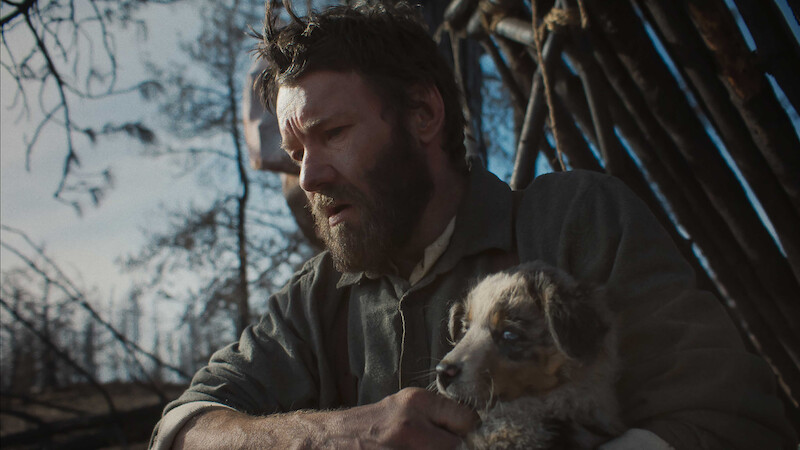
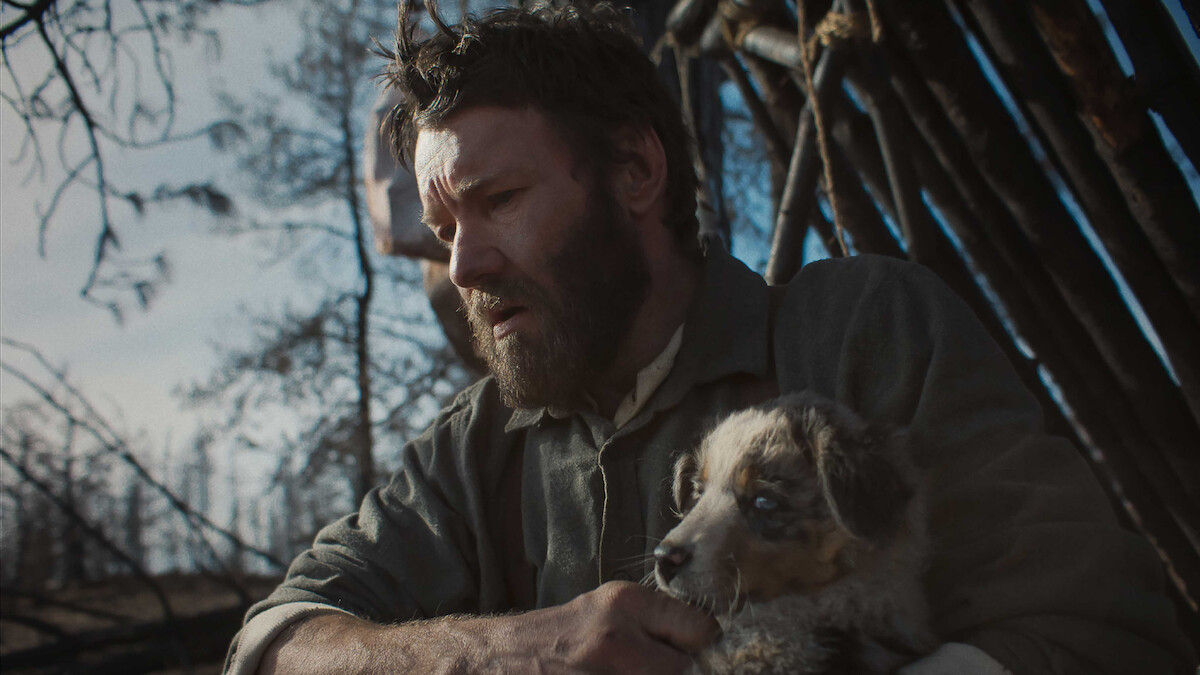
The aura of Train Dreams is also often hushed. We are witnessing the story through the eyes and ears of one man: Edgerton’s Robert is a reserved character who speaks volumes with just a flicker of a facial expression. “Silence can represent so many ideas in film, like isolation and heartbreak, but also intimacy and love.” Salevan says. In an emotional scene after the wildfire, Salevan found that voiceless calm best conveyed the drama. “When silence is coupled with or against loud sounds, those silent ideas become even more powerful,” he says. “The one big moment in our film is directly after the fire when the simple dusty breeze and gentle movements from Robert become absolutely heartbreaking — without having to use score or dialogue.”
This feature originally appeared in Issue 22 of Tudum Magazine.