News
BEEF Season 2: The Meaning Behind the Episodes Titles and Art
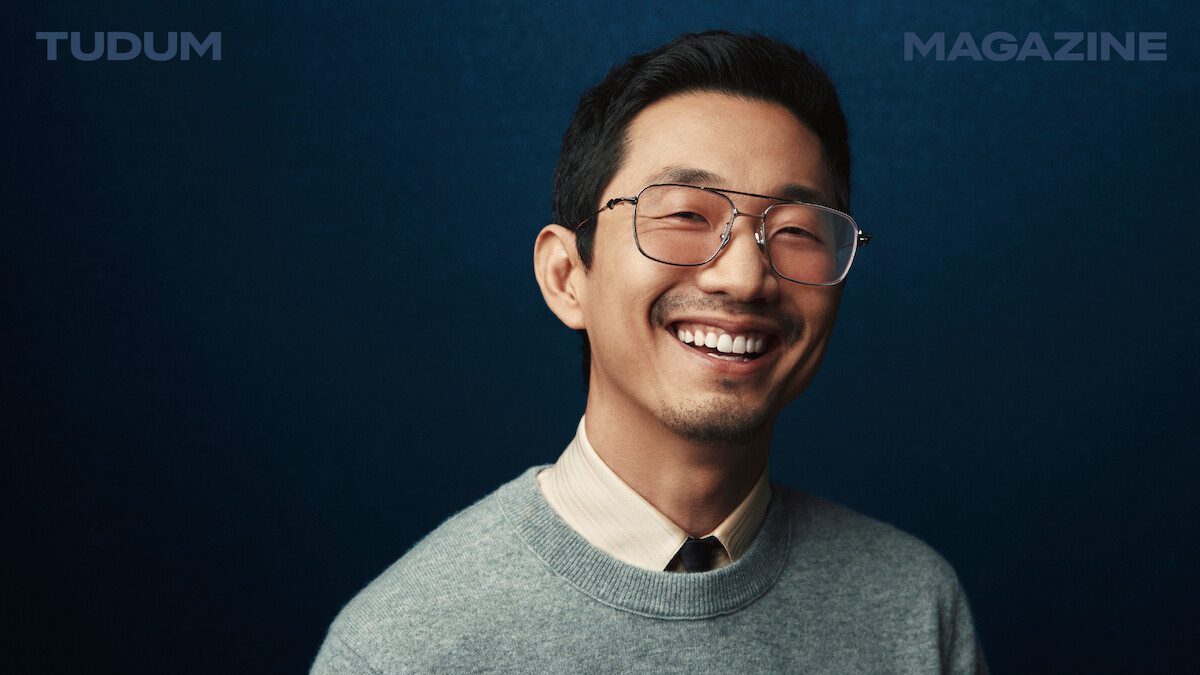
Go behind the references with creator Lee Sung Jin.
By Alex Frank
April 16, 2026
The eight episodes that make up BEEF Season 2 never shy away from asking the big questions about life and love: Who really are we? Where are we going? What is our purpose? And who is the person we’re meant to spend the rest of our lives with? Thankfully for the show’s fans, creator Lee Sung Jin sneaks allusions to those existential queries right into the episode titles, each of which references a literary quote about the struggles, joys, and juxtapositions of human life.
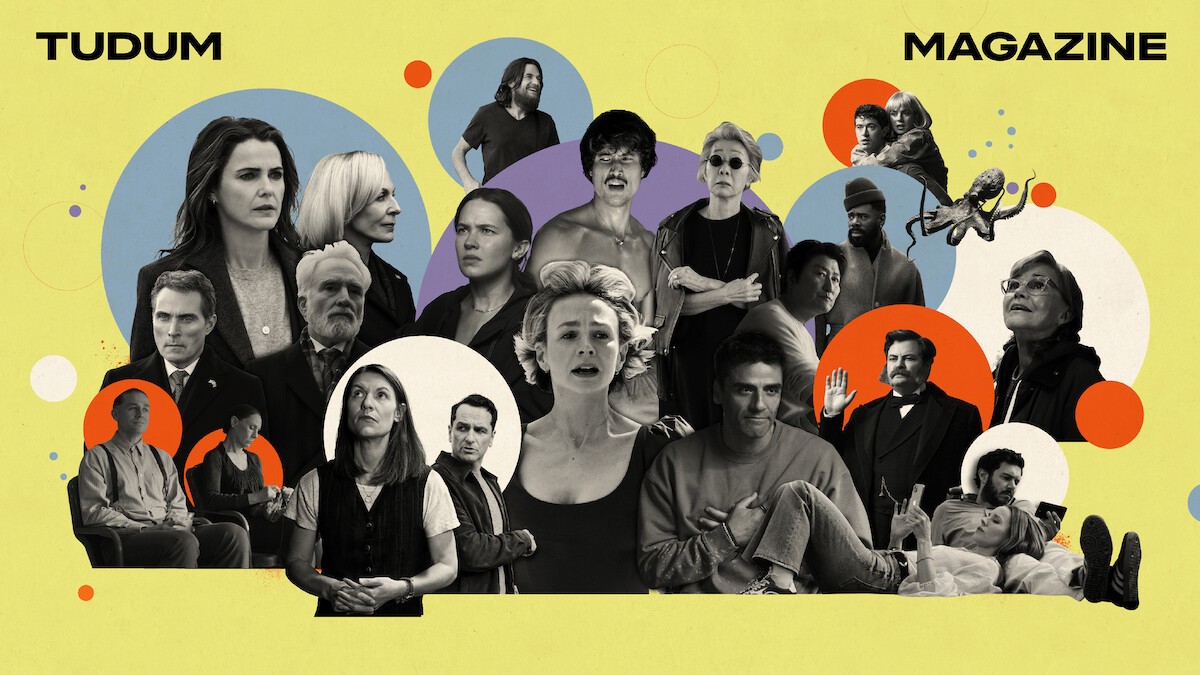
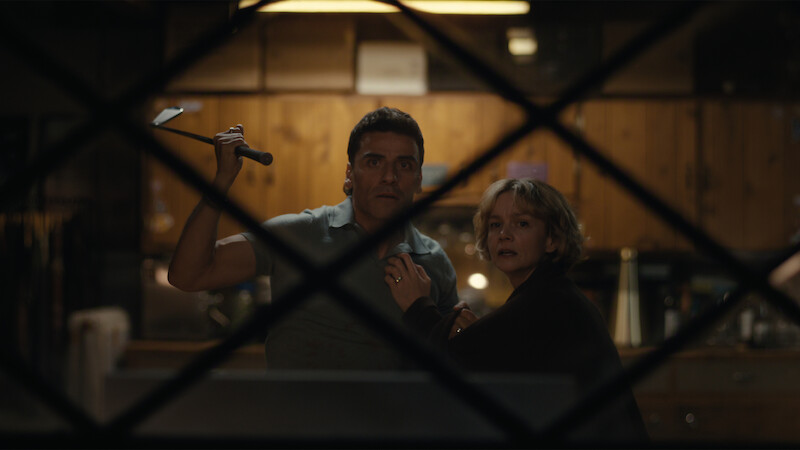
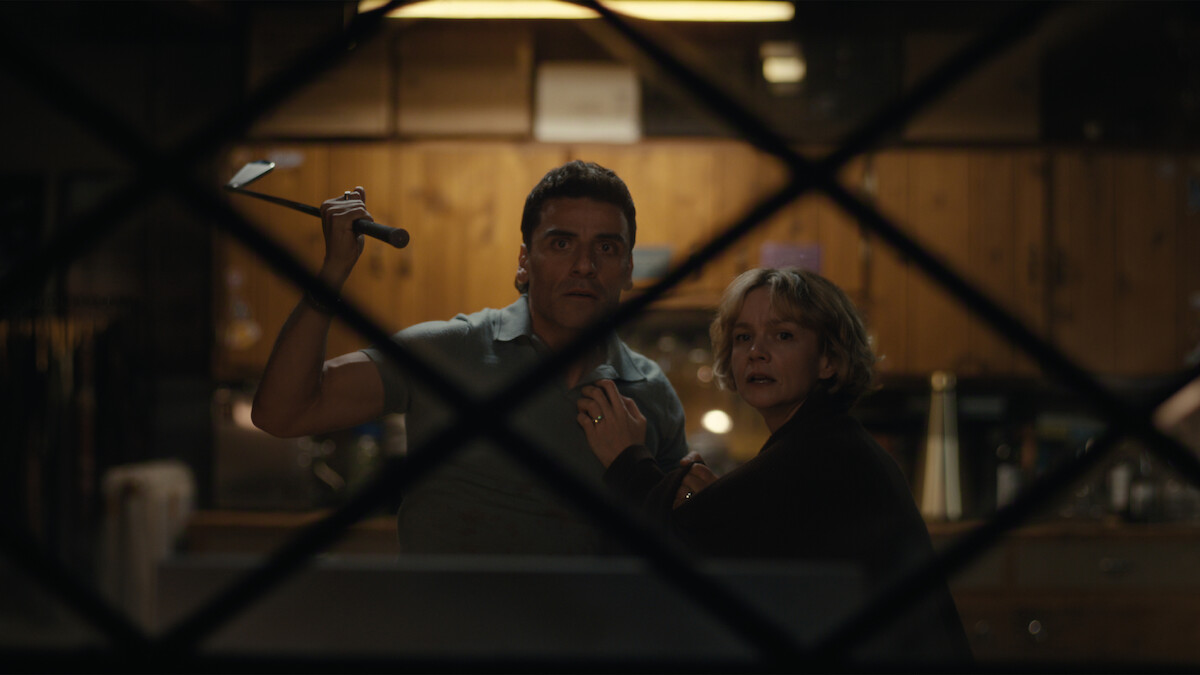
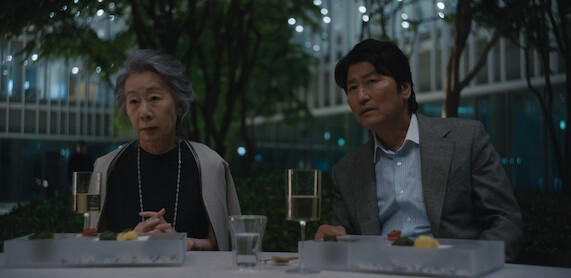
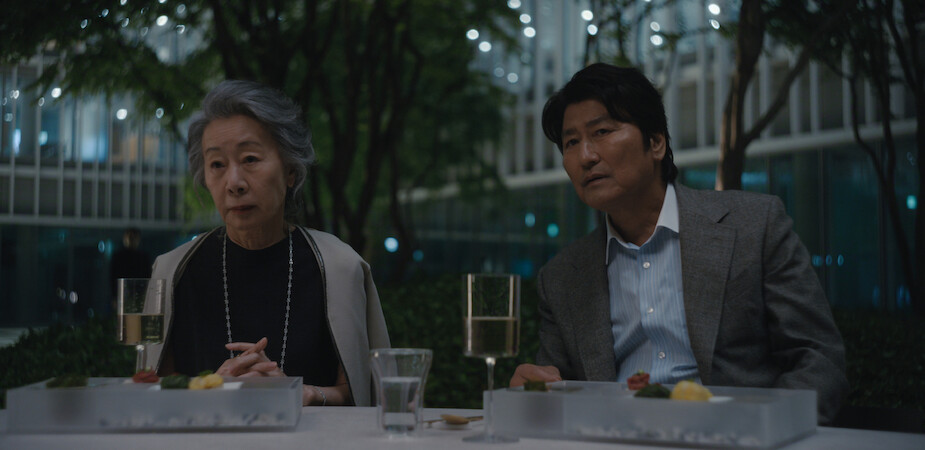
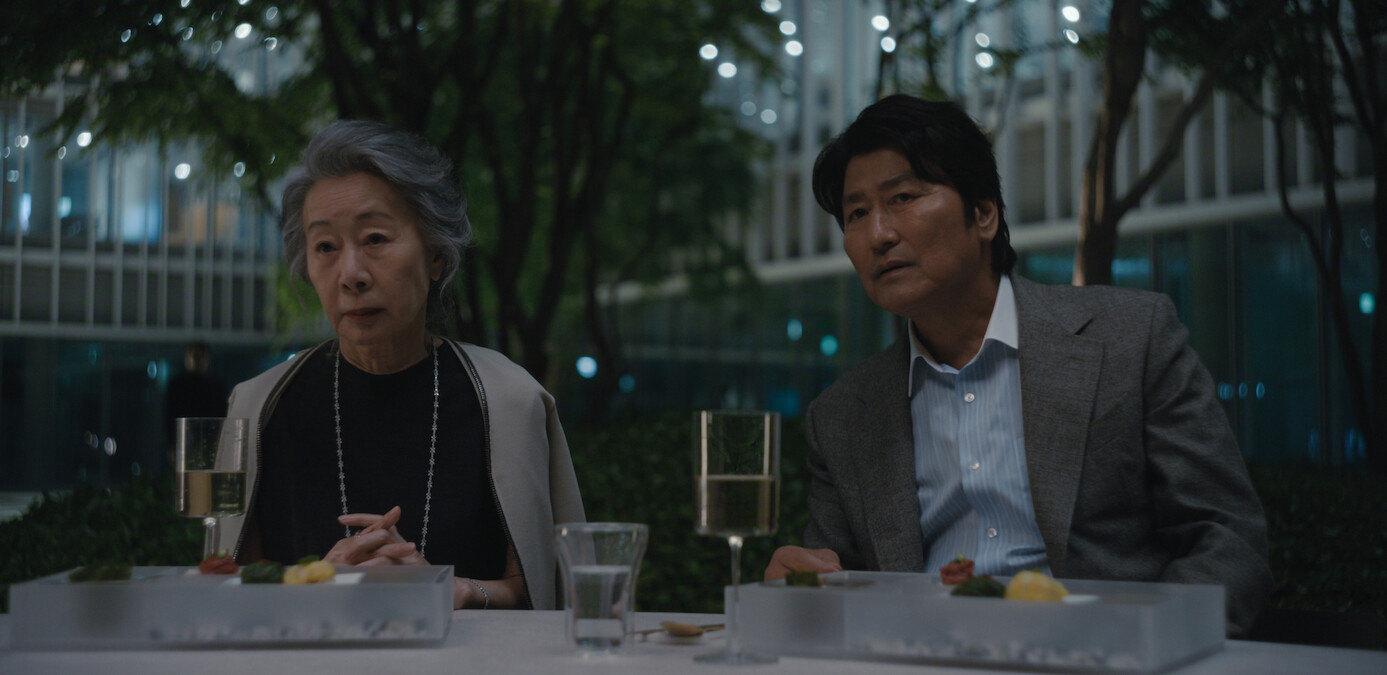
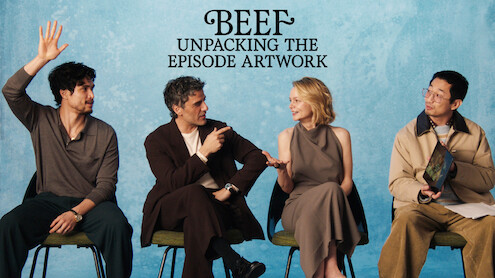
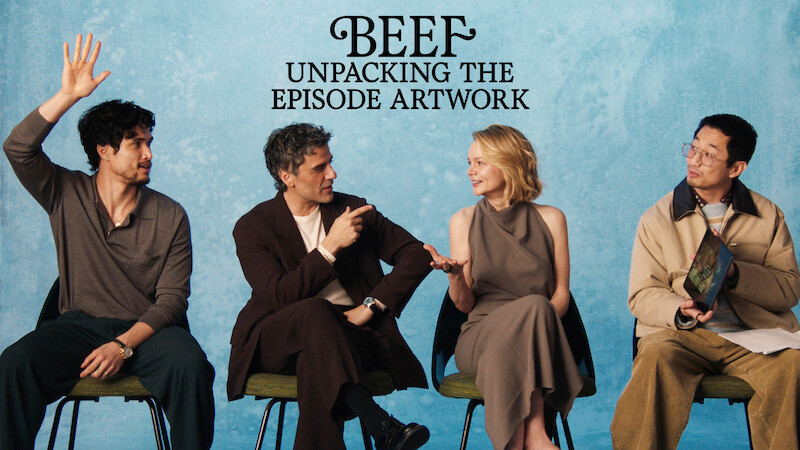
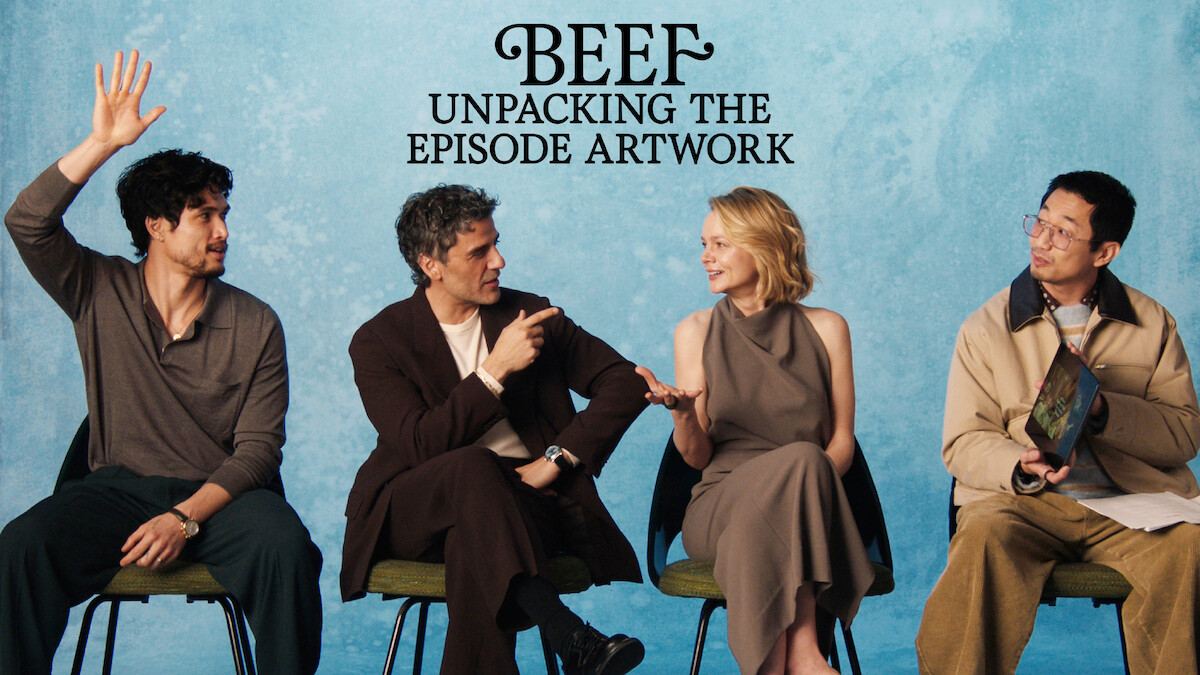
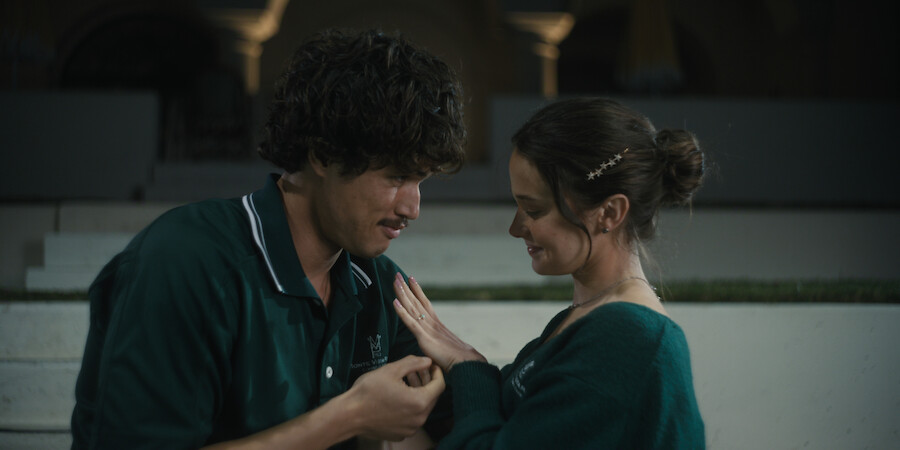
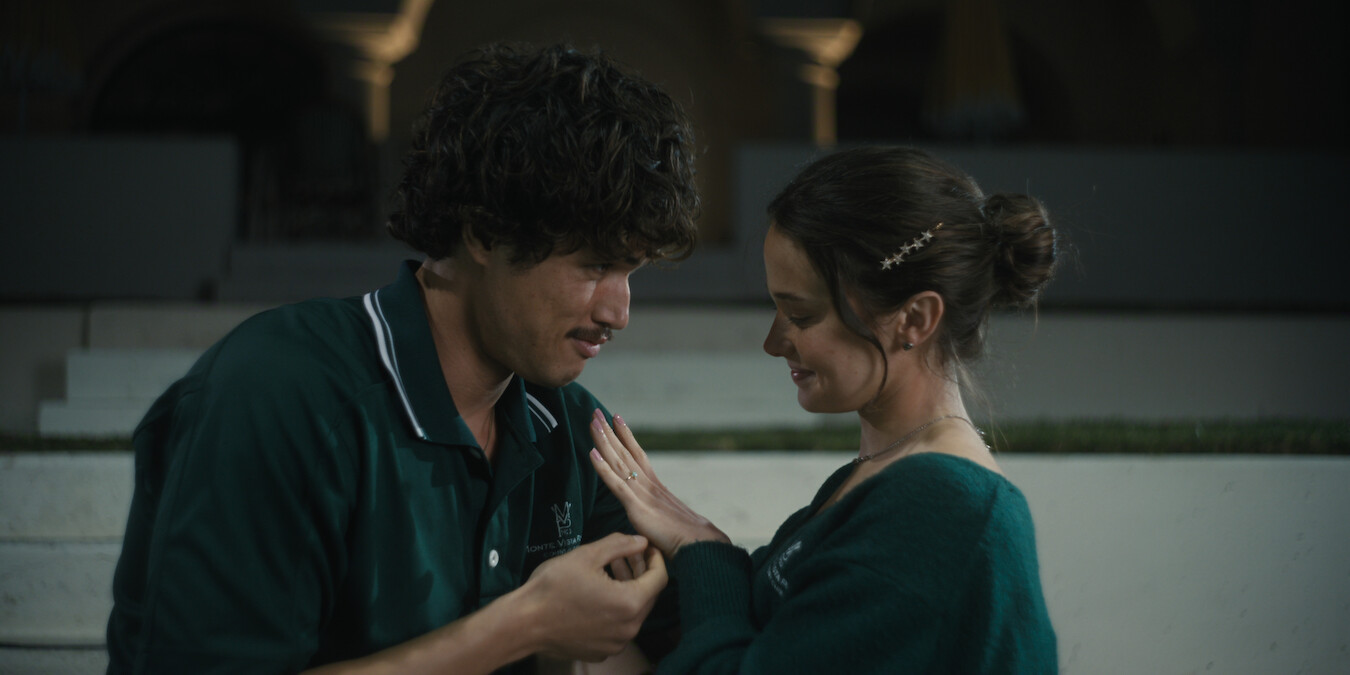
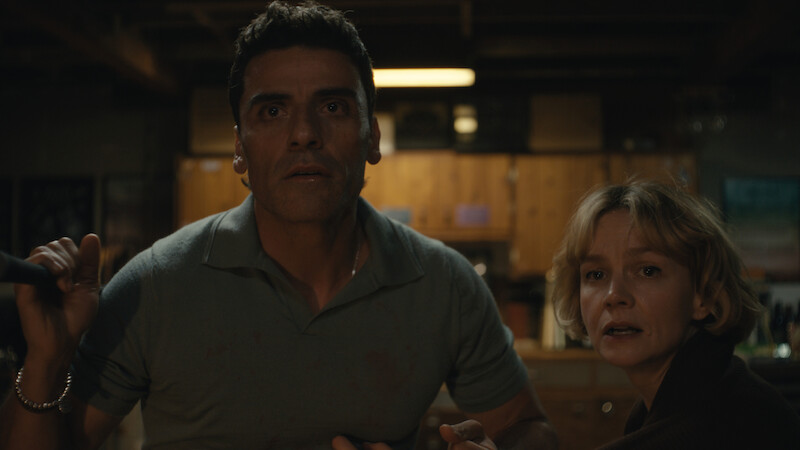
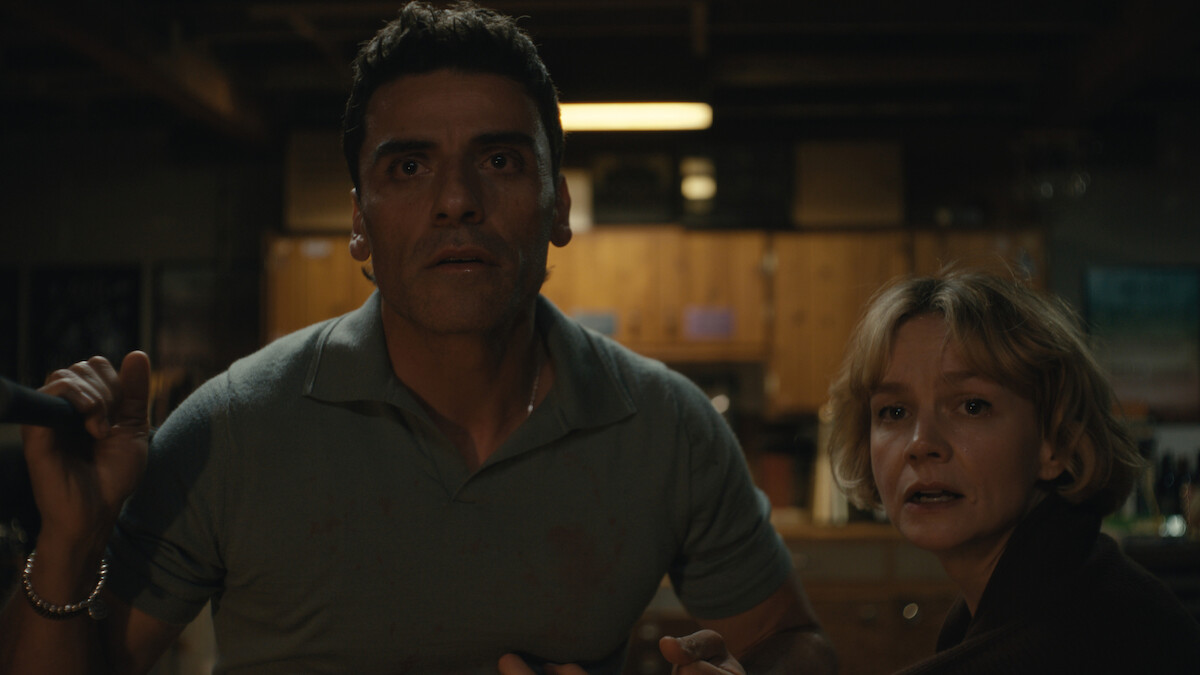
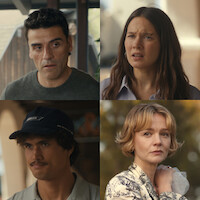
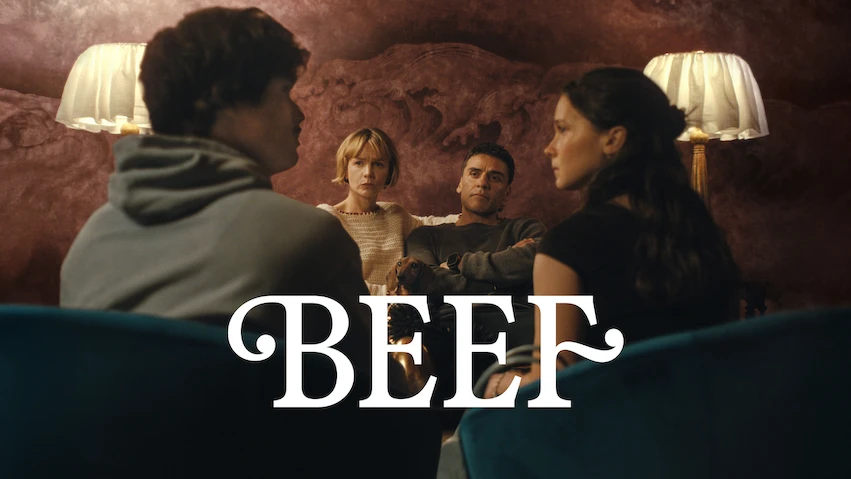
This season centers around the trials and tribulations of three couples: newly engaged Ashley Miller (Cailee Spaeny) and Austin Davis (Charles Melton), married couple Joshua Martín (Oscar Isaac) and Lindsay Crane-Martín (Carey Mulligan), and billionaire Chairwoman Park (Youn Yuh-jung) and her second husband, Dr. Kim (Song Kang-ho). To add even more depth, Lee also made sure to assign a corresponding piece of fine art to each episode, shown on the title card and rife for viewer interpretation.
Want to get the inside scoop on each Season 2 episode title? Read on to discover a bit of the backstory — but don’t forget that everything is up for analysis, and it’s ultimately on you to unpack what matters most when it comes to BEEF.
For even more on the episode titles and featured artwork of BEEF Season 2, keep reading.
“Marriage is imperfect. We start with a desire for oneness, and then we discover our differences. Our fears are aroused by the prospect of all the things we’re never going to have.” — Esther Perel, Mating in Captivity: Unlocking Erotic Intelligence
Perhaps the most overarching theme of the season is the human search for purpose, comfort, meaning, and security within the bonds of a relationship. The characters in Season 2 all share one thing in common: a lingering and unquenchable desire for more, more, more. Or, as Perel — the popular psychologist who is perhaps the millennial generation’s most important voice when it comes to wrestling with dissatisfying relationships — would say, “the things [they’re] never going to have.”
In Episode 1, we see two couples — Ashley and Austin, Lindsay and Josh — struggling with the limits of what’s possible within their own lives, whether that’s financial, familial, or just on the basic level of day-to-day happiness. Sure, these are people who seem to have the fundamentals covered. But for the characters themselves, is that enough?
What is the art on the title card? The Money Lender and His Wife by Quentin Matsys, 1514
“There can be no peace of mind in love, since what one has obtained is never anything but a new starting point for further desires.” — Marcel Proust, Within a Budding Grove
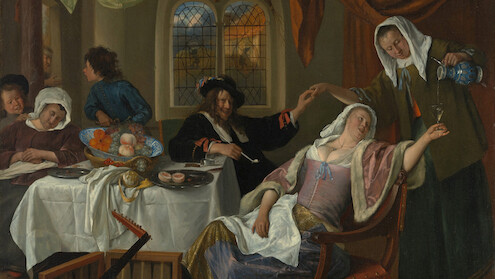
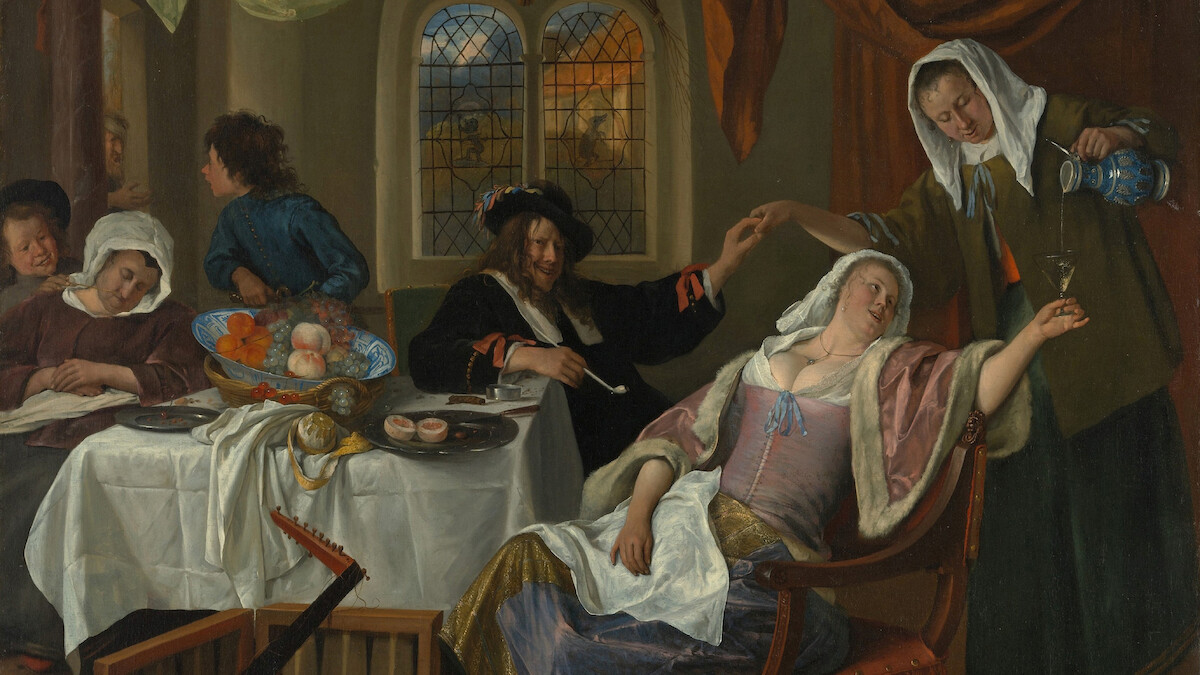
French novelist Proust often focused on how difficult it can be to be happy in the present when a sense of past and future is always flooding the mind. Ashley, Austin, Lindsay, and Josh are all seeking a sense of place in the eyes of their romantic partner. But in Episode 2, we see that even when they get what they want, each character often finds that the present isn’t enough — it merely serves as the launching pad for chasing the next new thing.
Ashley has finally coerced her way into a better job at the country club, but as soon as she’s given more responsibilities, she realizes the downsides. The new gig compounds the stress on her relationship with Austin and ignites sartorial anxieties she’d never even considered before. Meanwhile, Austin, a college football star who lacks direction now that he’s off the field, is fumbling to keep up with Ashley’s professional ascent. And over in their under-construction bed-and-breakfast, Lindsay and Josh are trying to assuage their ennui with, in Josh’s case, gambling and, in Lindsay’s case, flirting with the handsome new tennis instructor, Woosh (Matthew Kim, aka musician BM).
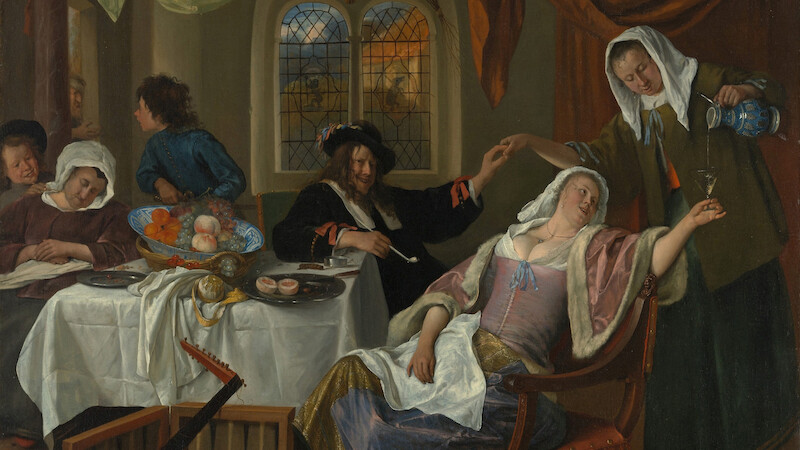
What is the art on the title card? The Dissolute Household by Jan Steen, c. 1663–1664
“The Increasing Flimsiness of Any Certainties About the Future” — Lynne Segal
Feminist theorist Segal often wrote about how uncertain the future can feel when there isn’t true solidarity between people — or a broad vision of what that future can be. In Episode 3, many of the characters begin to question whether their plans — for themselves, their partners, and their lives together — will unfold as expected. Dr. Kim’s hand tremor leads to an accident on the operating table that could spell trouble for his marriage, Ashley begins to see that Austin might have eyes for others and a career entirely separate from her, and Lindsay and Josh realize their dream of having their own bed-and-breakfast might be out of reach.
What is the art on the title card? The Ages of Woman and Death by Hans Baldung Grien, c. 1541–1544
“Oh, the comfort, the inexpressible comfort of feeling safe with a person; having neither to weigh thoughts nor measure words, but to pour them all out, just as they are, chaff and grain together, knowing that a faithful hand will take and sift them, keep what is worth keeping, and then, with a breath of kindness, blow the rest away.” ― Dinah Maria Mulock Craik, A Life for a Life
Nineteenth–century novelist Craik was probably being pretty earnest when she described the “the inexpressible comfort” that a strong relationship can provide. And in Episode 4, Ashley and Austin do find a bit of comfort in each other: the majority of the plot takes place inside a hospital, when worsening ovarian issues following a (self-induced) car accident land Ashley in the hospital. Austin steps up to the plate in his role as caretaker — even if he gives away Ashley’s preferred red Gatorade to another patient — and sticks with her throughout the crisis. But, as evidenced by Ashley’s rage by the end of the episode, that comfort might not be enough to save the true objects of her ire — Josh, Lindsay, and, by default, their little dog, Burberry — from her wrath.
What is the art on the title card? The Temptation of Saint Anthony by Joos van Craesbeeck, 1650
“I must get my soul back from you; I am killing my flesh without it.” ― Sylvia Plath, The Unabridged Journals of Sylvia Plath
Plath is the tragic poet whose life ended in suicide, and so using her words as a title gives Episode 5 an added heaviness. The chapter is, ultimately, a dark series of events, with Lindsay and Josh frantically searching for their lost dachshund, Burberry, who was accidentally released when Ashley broke into their home. The story culminates in the saddest of ways: at a veterinary hospital after Burberry is attacked by a coyote, with Josh and Lindsay collapsing into despair after the devastating death of their innocent pup.
What is the art on the title card? Nightmare by Nicolai Abraham Abildgaard, 1800
“Into my heart an air that kills / From yon far country blows / What are those blue remembered hills / What spires, what farms are those?” — A. E. Housman, A Shropshire Lad
Like Proust, Housman was a turn-of-the-century writer known for exploring themes of lost youth and wistful nostalgia. Episode 6 is probably the most quietly introspective moment of the season, in which all the characters are taking stock of their status in the world. Most notably, Josh takes psychedelic drugs derived from toad venom to heal his neurosis, only to end up with haunting visions of his deceased mother wrapping a hug around him. The episode is also peppered with moments of unlikely cohesion and peace, with Josh and Austin forming a bond and even Lindsay breaking down her walls to offer Ashley some sage relationship advice.
What is the art on the title card? Landscape with the Fall of Icarus by Pieter Bruegel the Elder, c. 1560
“Love knows not its own depth until the hour of separation.” ― Kahlil Gibran, The Prophet
Episode 7 is all about comings and goings — between continents, in airplanes, across flight classes, and splintered through fraught phone calls and text exchanges. As the Chairwoman’s interpreter, Eunice (Seoyeon Jang), Austin, Ashley, and Lindsay head across the Pacific Ocean to Korea, the characters find themselves at the “hour of separation,” as philosopher Gibran would label it in The Prophet, his collection of poetic essays that have come to be seen as spiritual roadmap. The lovers and enemies of BEEF begin to see each other in radical new dimensions, whether as diabolical dog-killers or potential new romantic interests. The conclusion of Episode 7 makes us wonder: Can distance, whether geographic or spiritual, make the heart grow fonder? Or does a little bit of space just give us a view of everything that’s completely wrong?
What is the art on the title card? The Eavesdropper by Nicolaes Maes, 1657
“This is the way it’s always been done. It works. It will stay this way. And you will obey.” ― Marion Woodman, Coming Home to Myself: Reflections for Nurturing a Woman’s Body & Soul
By the conclusion of Season 2, after all the striving and scamming and conniving and mischief, we begin to wonder if these characters are on a journey toward peace, attainment, and self-acceptance — or stuck on an endless spin cycle, one that always ends and regenerates in exactly the same way, “the way it’s always been done,” in the words of psychologist and philosopher Woodman. By the final minutes of the final episode, most of the cast seem to have accepted their respective roles in the world, whether as charming people pleasers, regretful widows, or countryside mothers. Then, there’s Ashley and Austin, the next iteration of a story that’s destined to repeat itself, generation to generation.
What is the art on the title card? The Four Seasons by Giuseppe Arcimboldo, 1563, 1572, 1573