



The Emmy-nominated duo on the creative trust at the heart of the anthology.

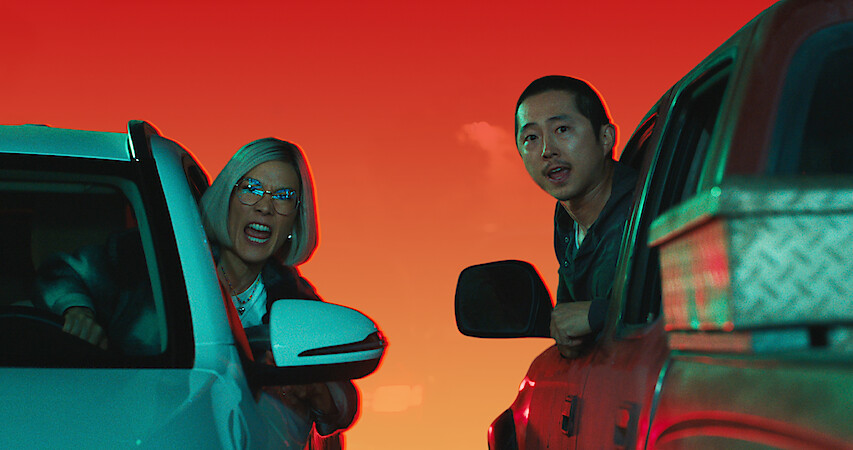
Feuds don’t always begin with a bang. Sometimes all it takes is a misunderstanding and the faintest spark of leverage to ignite an angry inferno.
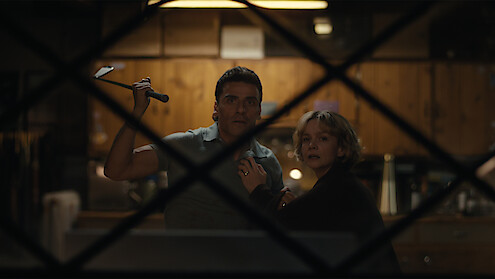
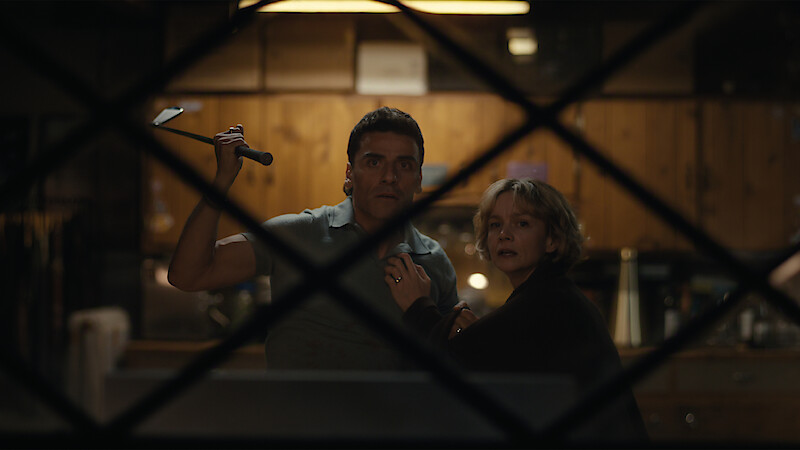
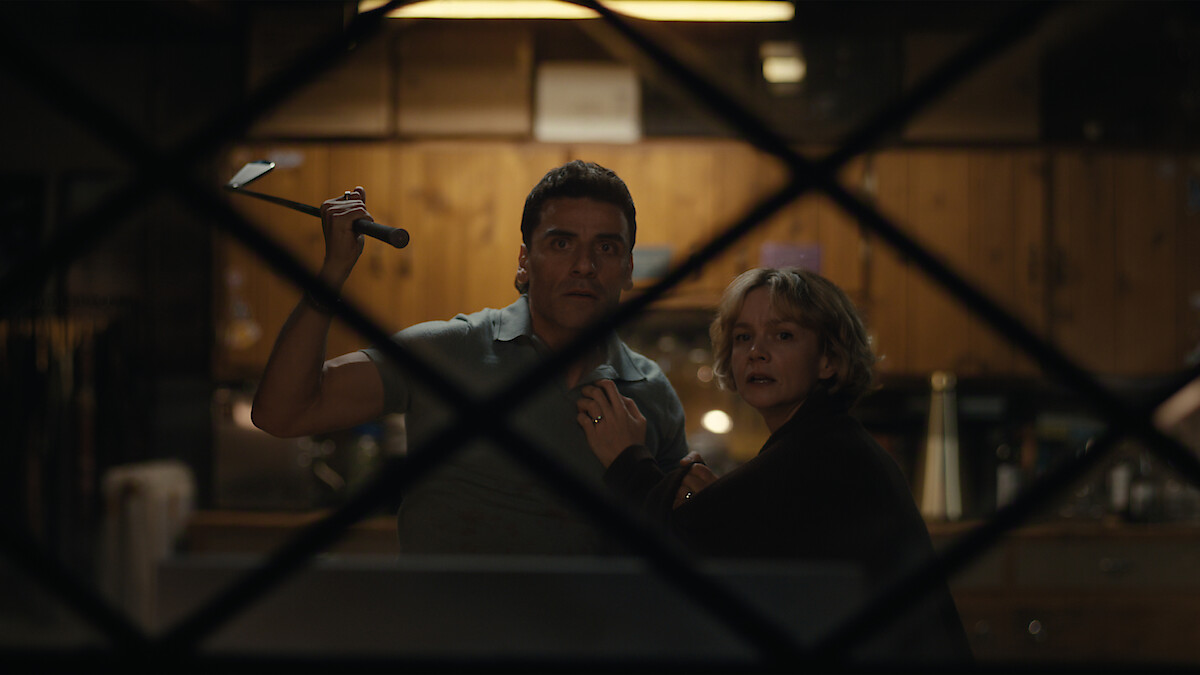
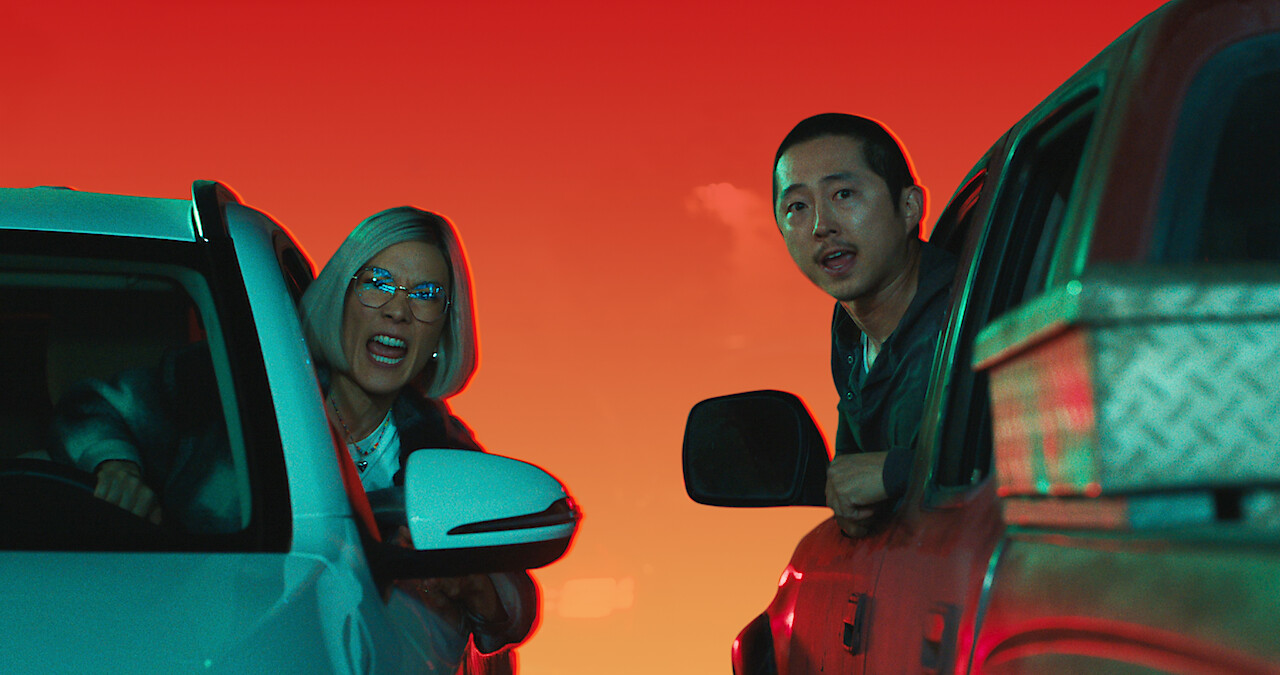
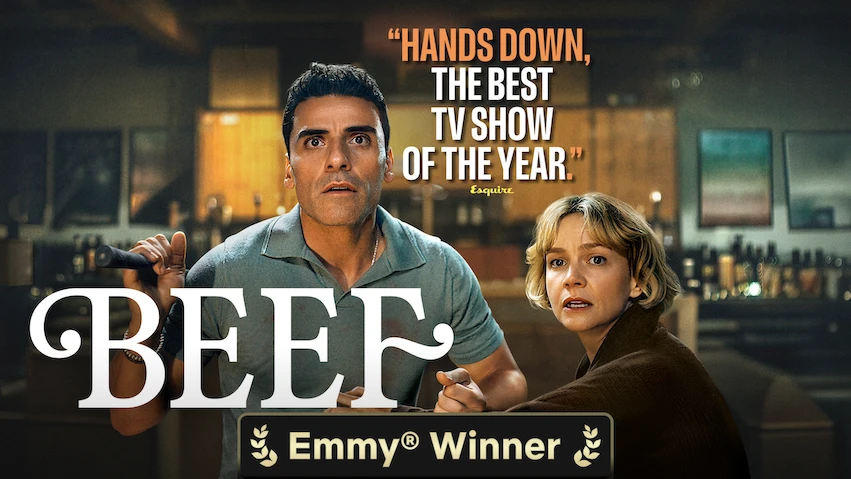
In BEEF Season 1, a brief road rage incident spirals into a rapidly escalating, all-consuming war between two strangers determined to drag each other to the depths of misery. In the second season of the Emmy-winning anthology, the fuse is lit at Monte Vista Point, an exclusive Montecito country club, where low-level employees Ashley and Austin capture incriminating video of a heated argument between the volatile but magnetic club manager, Josh Martín, and his tightly wound wife, Lindsay, using the footage as currency to advance their careers.
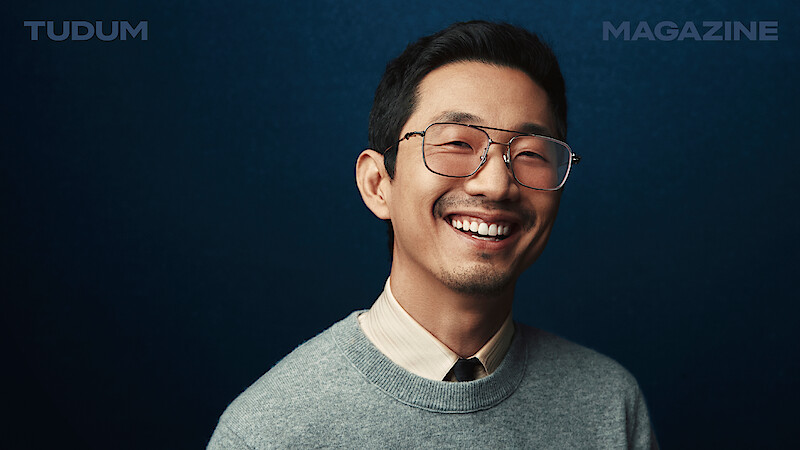
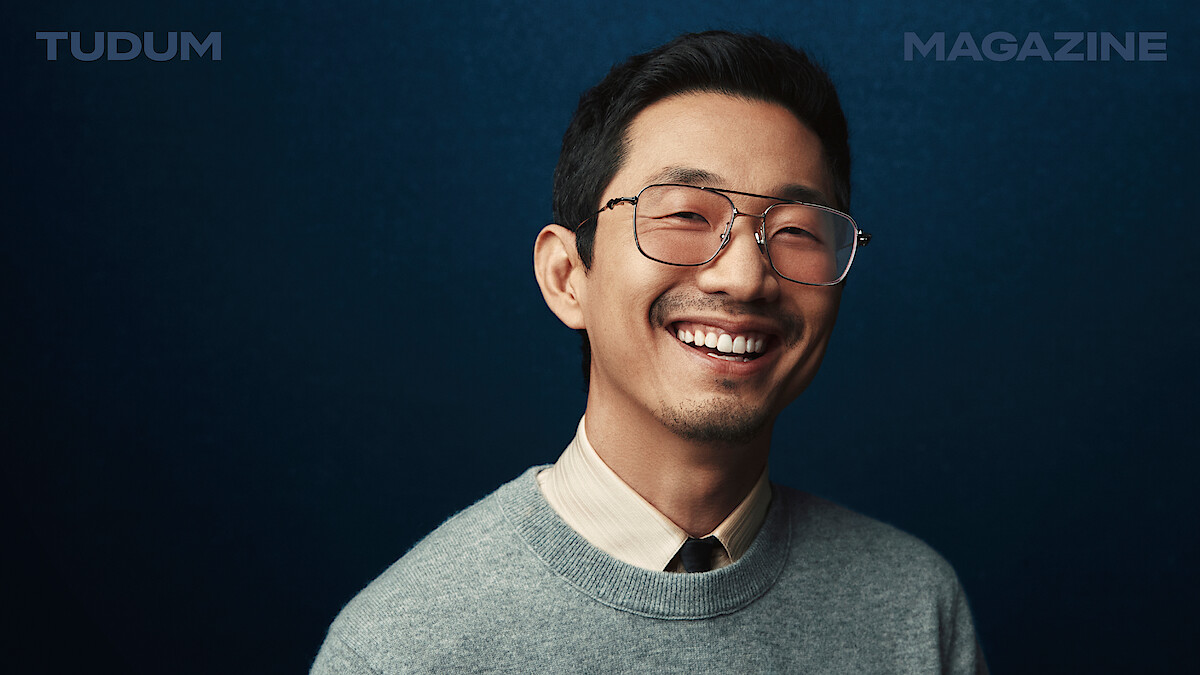
For creator Lee Sung Jin, the combustible premise is surprisingly familiar, “ripped from the headlines” of his own life, and loosely based on an experience he had witnessing neighbors have their own spat. “We’ve all been seen at our worst in the privacy of our own home,” he says. He initially considered keeping things closer to home and utilizing a “Rear Window setup” before shifting to the boss-subordinate conflict, centered around two couples navigating vastly different stages of adulthood: “We thought, what if we actually made them closer in age and highlighted the generational divide between a millennial and Gen Z couple?”
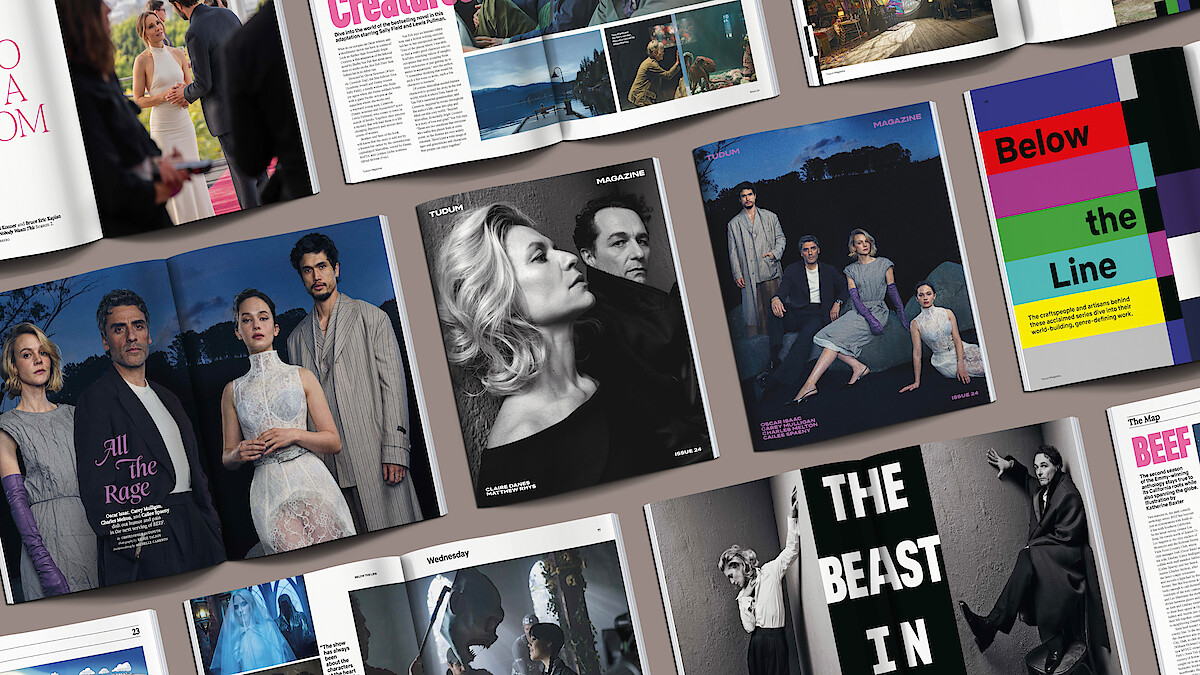
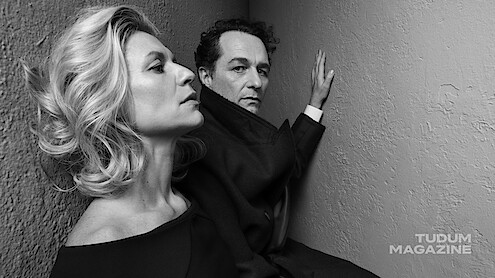
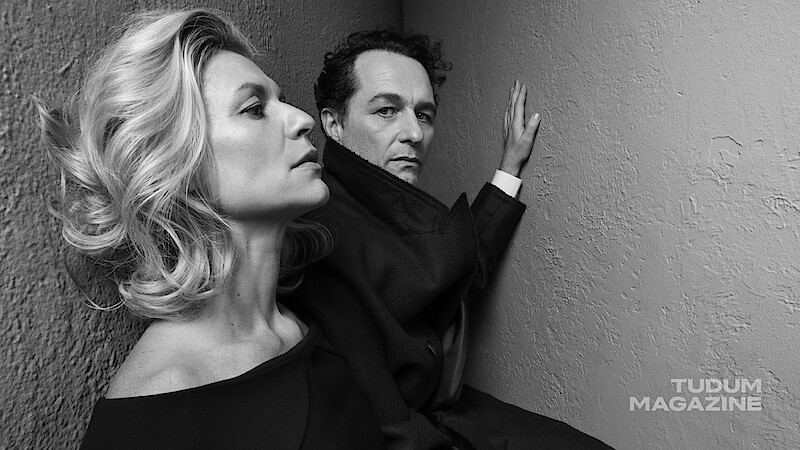
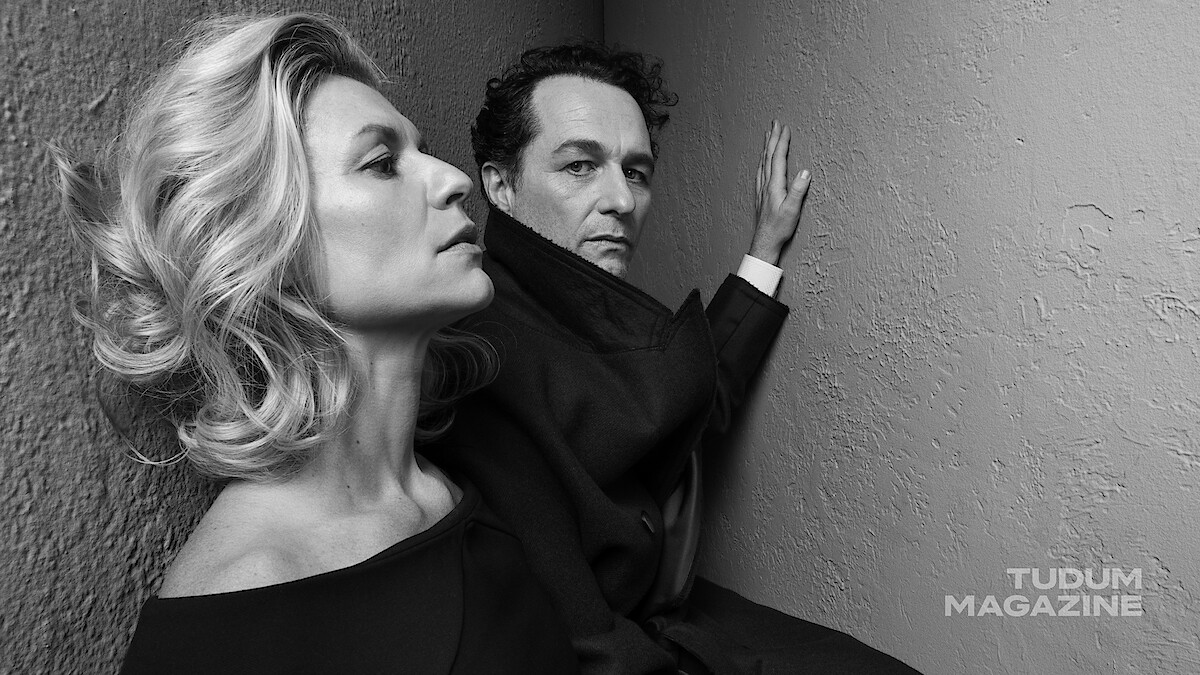
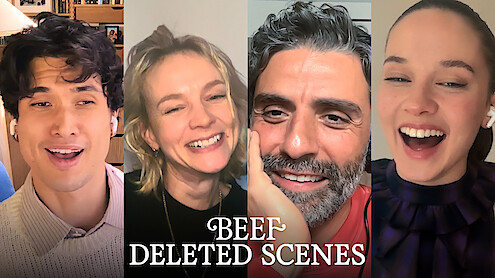
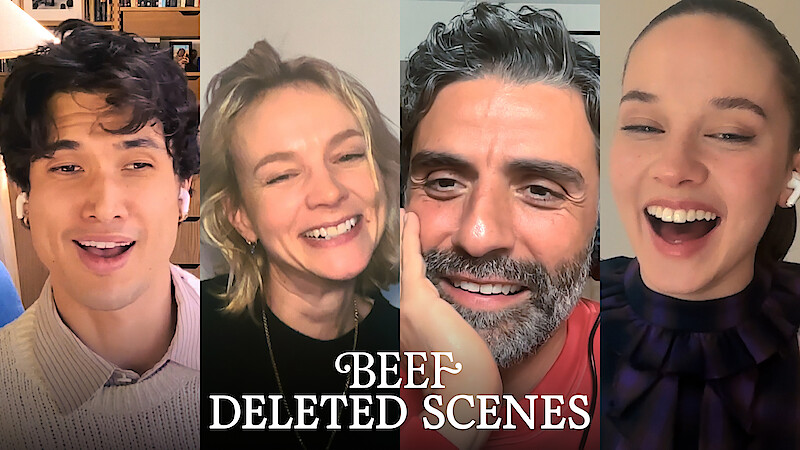
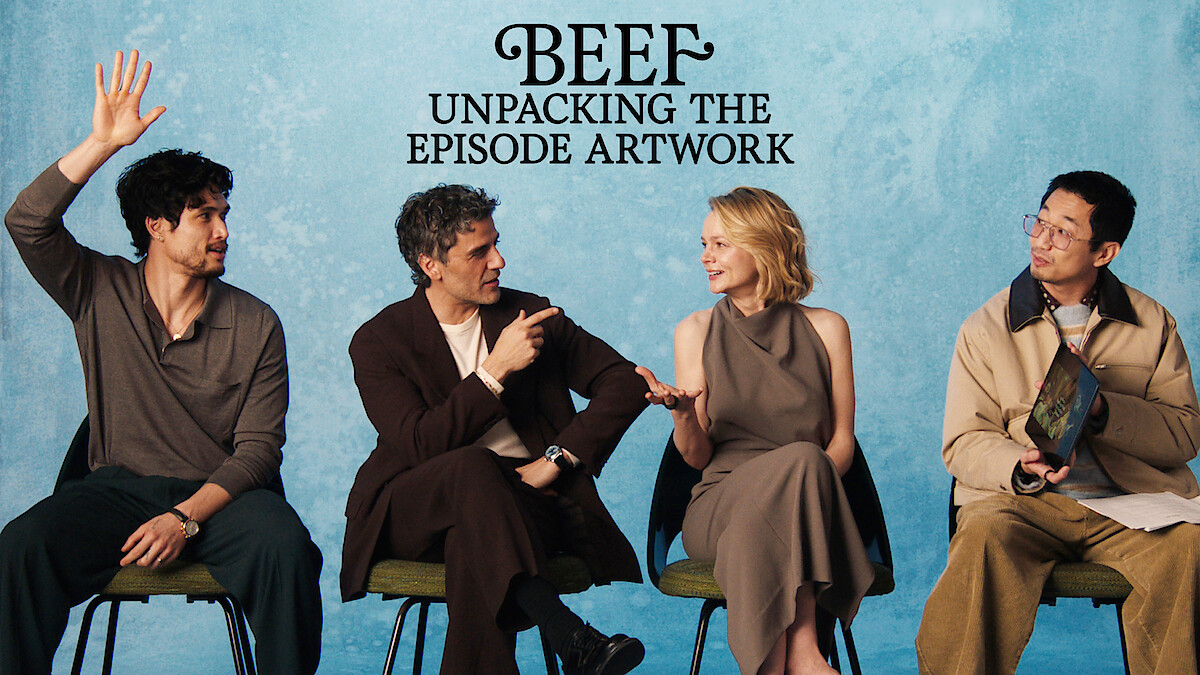
Enter Oscar Isaac, Carey Mulligan, Charles Melton, and Cailee Spaeny, the electric ensemble at the core of Lee’s expansive follow-up. What begins as an unsettling secret quickly spirals into a web of blackmail-driven favors, bold manipulation, and life-threatening stakes, making for an explosive, corrosive new grade of “beef.” Episode by episode, tensions simmer beneath polite smiles and fraudulent formalities until everything boils over and monumental decisions must be made.
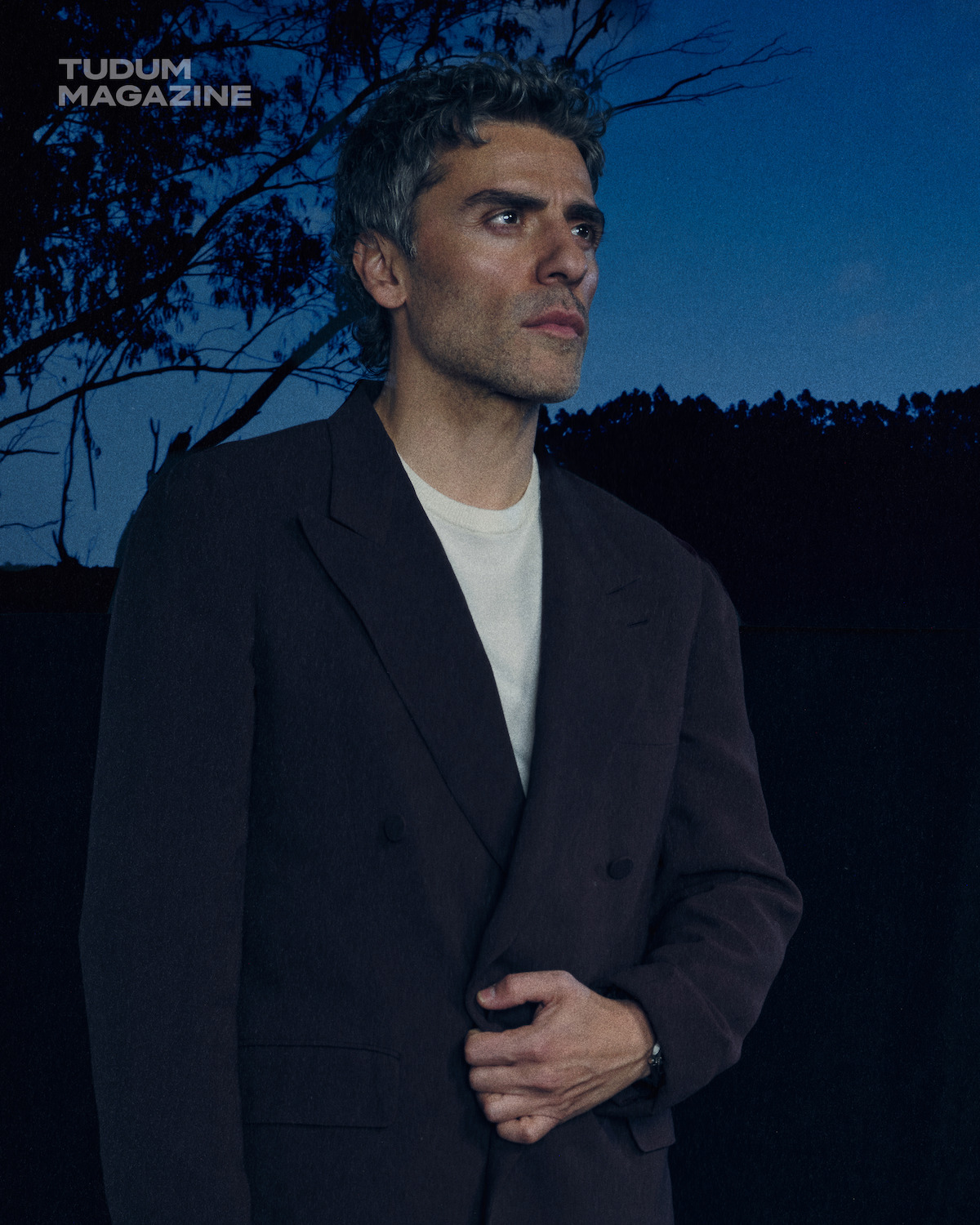
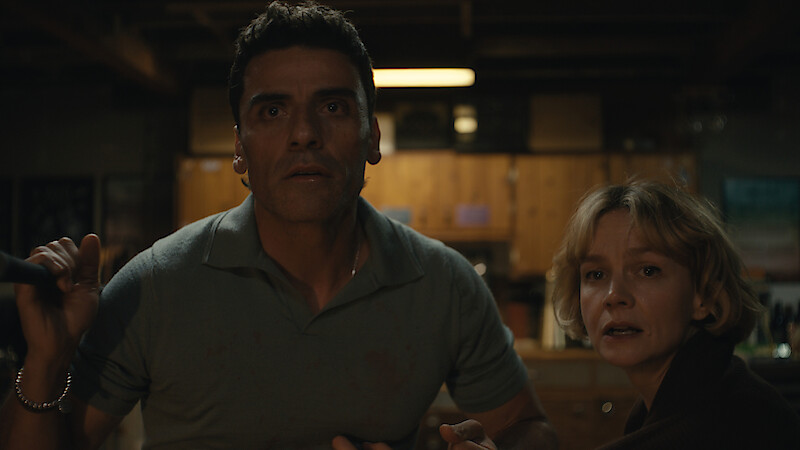
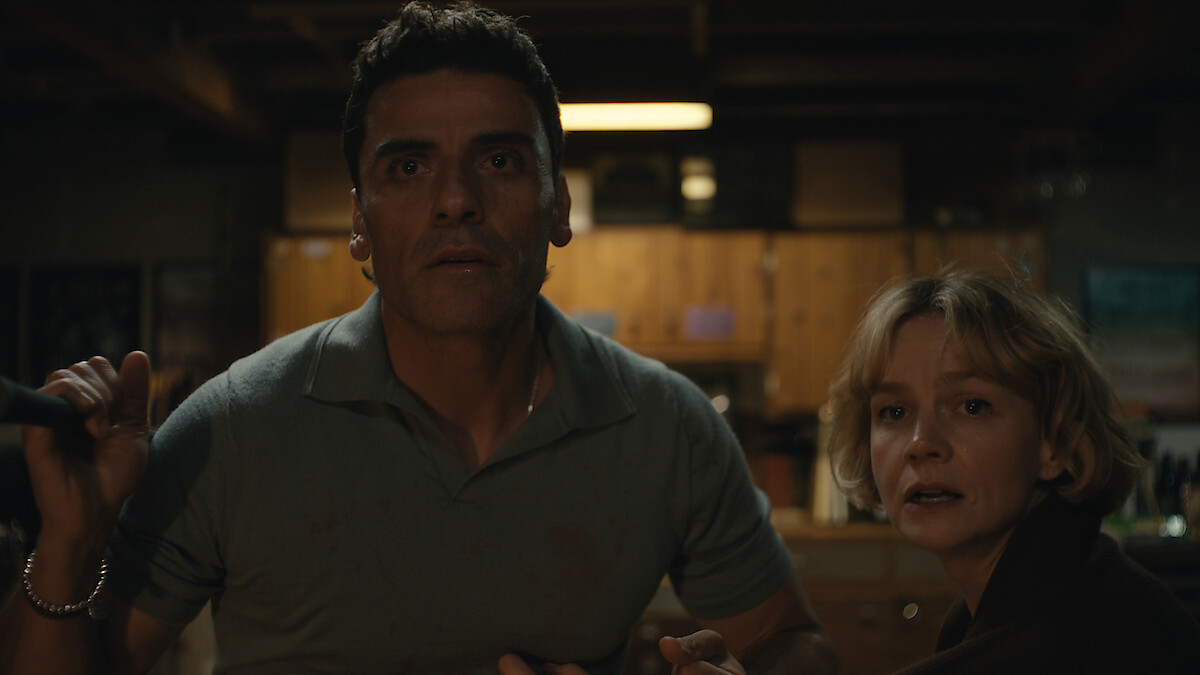
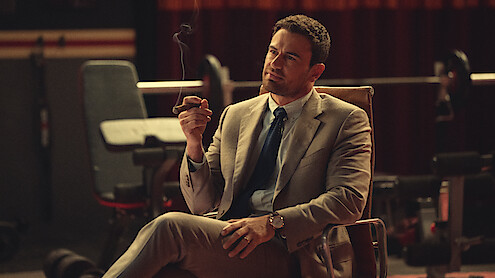
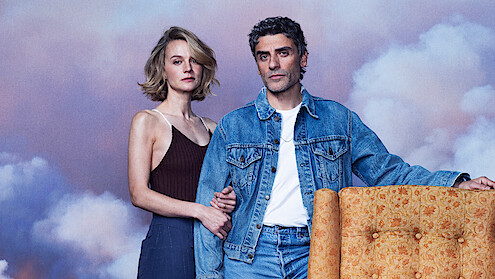
In his earliest moments, Josh (brought to life by Emmy winner Isaac) seems captivatingly composed, the charming type of guy who’s sharp enough to know everyone’s name — and resourceful enough to solve their problems — at the helm of Monte Vista Point. Isaac labels Josh as the “fixer” who “knows everything” until his polished exterior quickly begins to crack, and ongoing tensions with his wife (Mulligan) result in an animated domestic dispute. “It was really fun to build the facade that you see crumble quite quickly,” Isaac shares.
Josh and Lindsay’s complicated marriage is made more fraught by their shared ambition for more: more money, more for their careers, and more for each other. “Possibilities were endless. They believed in each other,” says Isaac, imagining the couple’s earlier days. “They had huge dreams and decided to go for it. Now they find themselves feeling stuck.”
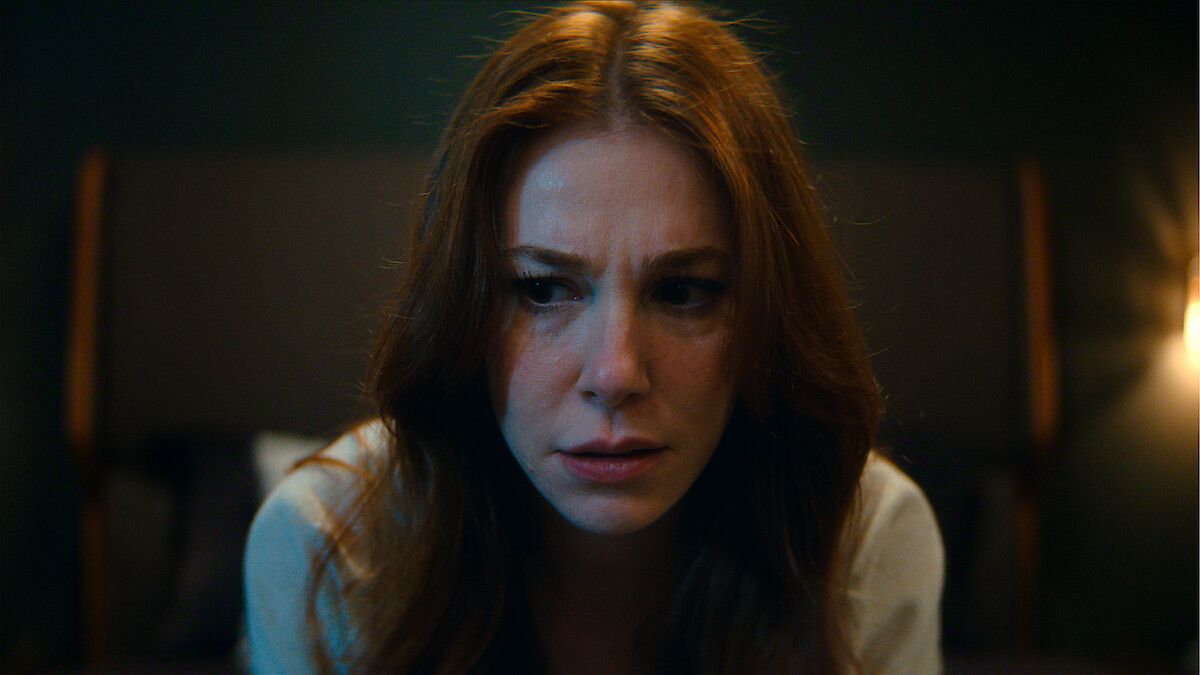
The ominous sense of time slipping away is part of what drew Mulligan to the role of Lindsay, a fledgling interior decorator at a crossroads in her life, in the first place. “I recognized so much in her in this dilemma of reaching a point in life and realizing that maybe it’s not where you imagined you would be,” says the Academy Award– and Golden Globe–nominated actress. “There’s a sense of the passage of time. I think that can make people crazy. I saw a bit of crazy in her that I thought would be fun to play.”
Stagnation is a logical explanation for the emission of pent-up frustration on display during Lindsay and Josh’s big confrontation — a scene that came together with an abundance of effort. “The fight went through so many iterations and rehearsals, lots of improvising, lots of talking about things that had happened to us personally, friends, people we know,” Isaac recalls, examining Josh and Lindsay’s verbal jousting in depth. “What are the things that they’re not expressing that they wish they were expressing? Ultimately, you’re seeing these two people who are desperate to reach out to each other but have so much baggage and resentment that they’re unable to.”

Despite the toxicity corroding their connection, the relationship wasn’t always fractured and contentious. “Josh and Lindsay did have a real love story,” Mulligan says. “They had this huge romance when they met in their 20s. The reality of life has hit them, so now Lindsay feels like an annoyance to him. They don’t connect. They’ve fallen into these stereotypes of their lives. The essence of young love is faintly in the background and they keep grasping for it.”
Mulligan and Isaac previously worked together on Drive (2011) and Inside Llewyn Davis (2013), and the pair relished their fiery, ferocious scenes. “Oscar is the most fun person to fight with. We had a really good time,” says Mulligan. “A lot of our stuff is pretty spicy, but we’ve known each other for 15 years and we’ve worked together a lot, so there’s a lot of relational stuff that’s out of the way when you’ve known someone that long.”
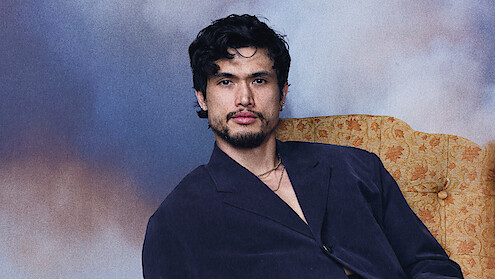
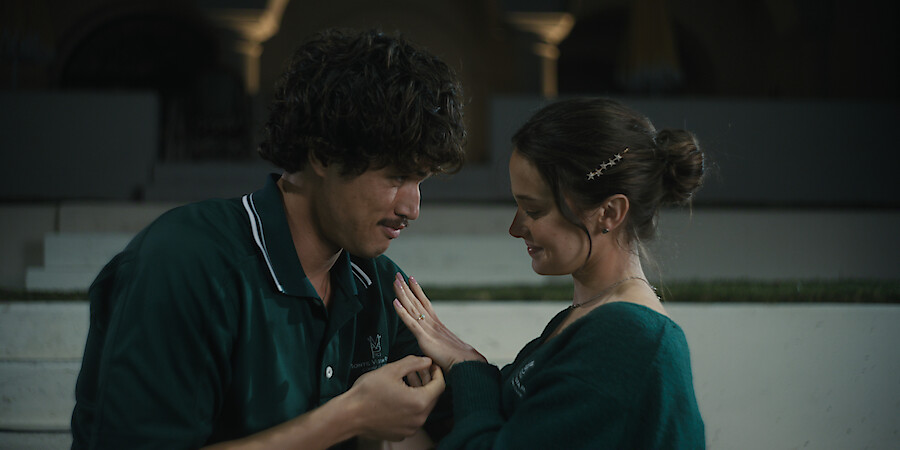
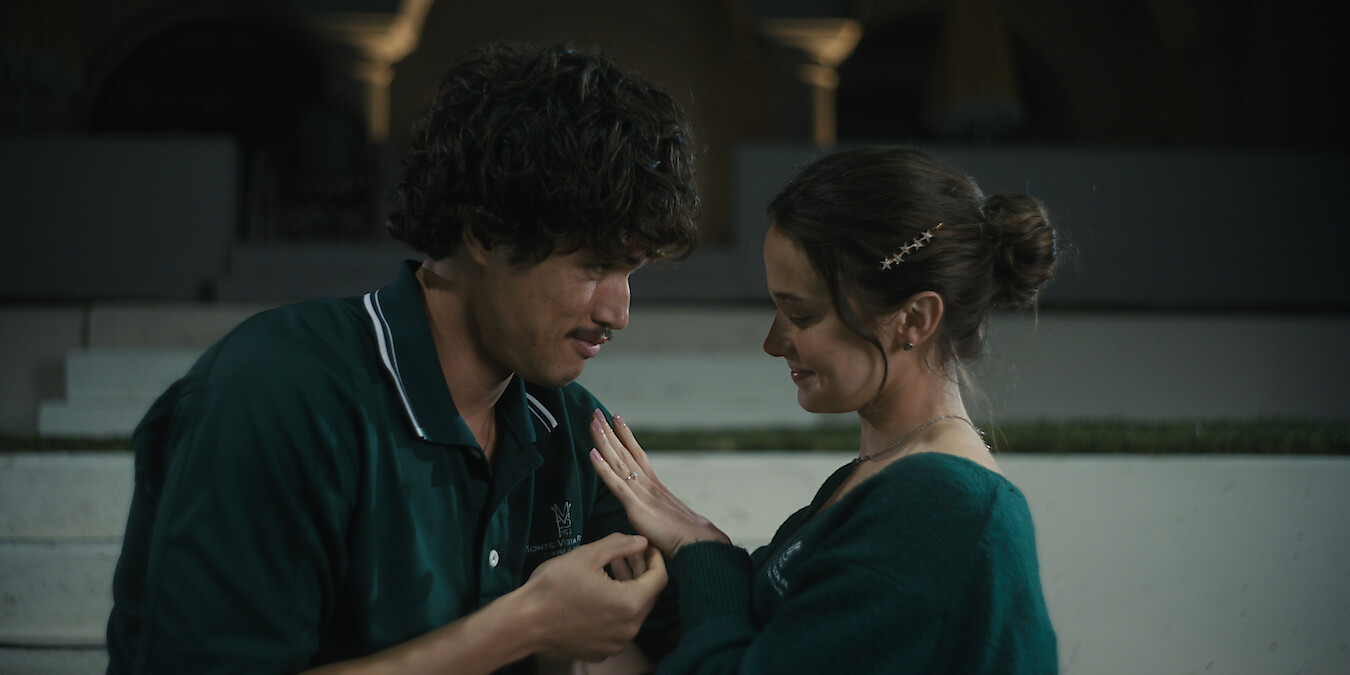
Their lived-in dynamic contrasts with the relationship of the couple at the other end of BEEF’s central feud. Ashley and Austin, brought to life by Spaeny and Melton, are in a hazy, optimistic state of early love, newly engaged and yet to face the destabilizing challenges life can throw at a partnership. “We find them in rose-colored glasses,” Spaeny says. “They’re very in love and they’re sold that all they need is the simple life. They’re quite naive and they’re also sort of anxiously attached to each other.” They have some abandonment issues they have yet to interrogate, and orbiting the crumbling marriage of Josh and Lindsay shakes their worldviews. “What’s interesting is we journey with them through certain circumstances that bring out different parts of them,” Melton explains. “Maybe parts they hadn’t yet seen in each other.”
After witnessing the catastrophic exchange between their boss and his wife, Austin is eager to find the right thing to do, whereas Ashley slowly realizes that blackmailing Josh for a better job with actual benefits — ones that are crucial as she navigates a health problem that could affect her fertility — might be the best way to set her and her beau up for a better life. But ambition rarely stops at the first milestone. “Once she gets that first taste, there’s sort of no end to it. We could always have something better,” says the Golden Globe–nominated Spaeny. “That obsession drives her crazy, because she’s set on thinking she deserves a certain kind of life.” As she climbs the ranks at the club, Ashley morphs into an unsettling mirror of Josh himself. Austin, meanwhile, continues to struggle with his desire to do the right thing, even if it doesn’t align with what’s best for him and his partner. As Melton notes, “One of Austin’s dilemmas is, ‘If I’m doing the right thing and it’s not good, is that OK? What if I’m doing the good thing but it’s not the right thing?’”
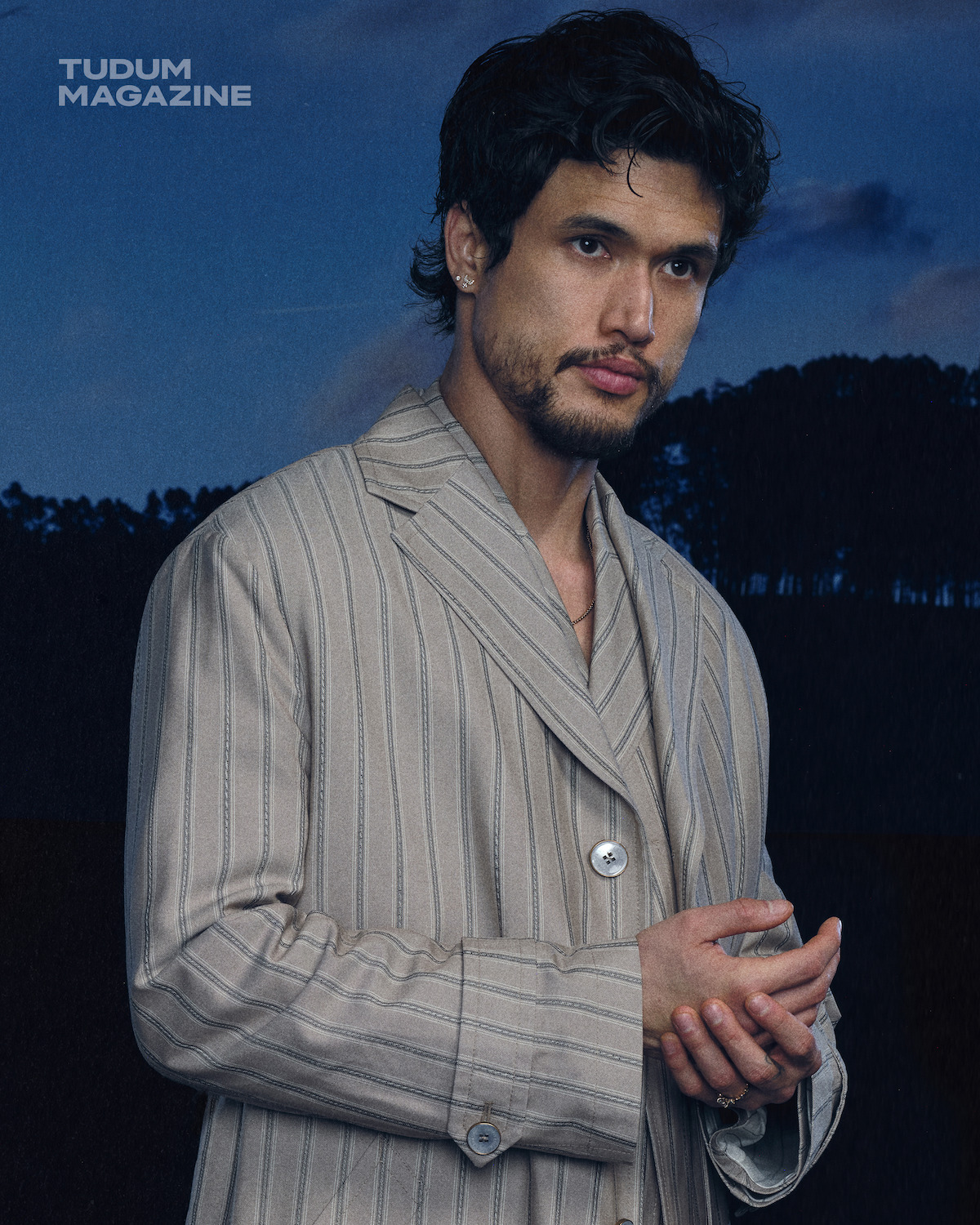
The moral tug-of-war is part of what makes Austin so endearing and authentic. “I think we all got a little Austin in us,” Melton adds. “Austin wants to be useful. His purpose is in being of use. That’s one of his main things. When he feels he’s not needed, that’s like, ‘What about me?’ ” That depth brought Melton closer to the character than he expected: “It’s the most naked I’ve felt doing a job. I have more similarities with this role of Austin than I’ve had in previous things.”
The role also gave Spaeny an opportunity to explore the awkward, sensitive edges that make BEEF feel so human. “The only way to do BEEF right is if you play the most embarrassing parts of yourself honestly. If you’re doing that next to someone who doesn’t trust you or is judging you, it’s not going to work,” she says. Fortunately, Spaeny had a collaborator who made vulnerability second nature. “That’s what’s so great about Charles: There’s no judgment. I’ve never had as much fun as I had with Charles.” The feelings are mutual. “Cailee’s such a talented actress and a better human,” says Melton. “We are extremely close, she’s like my best friend. I’m always finding things creatively with her. “
Josh and Lindsay’s early quarrel isn’t just the impetus that sets BEEF’s story in motion; it also establishes the tense atmosphere that lingers throughout the season. “Tone is everything and BEEF has this satirical, cringe element to it, but it has a lot of empathy as well,” says Isaac. “It shows you absurdity, but it’s not pointing and laughing. It’s from a place of understanding that we’re all like that at times.” Spaeny agrees: “Tonally, BEEF is unlike anything else I’ve done before. It's absolutely heartbreaking and hilarious at the same time.”
Mulligan also praises BEEF’s particular ability to intertwine humor and drama. "What’s so brilliant about the writing is that so many of the things that happen in the show are true to life,” says the performer. “A lot of great tragedy carries real comedy. There’s a fine line between something that makes you laugh and something that makes you cry.”

The new BEEF troupe members were thrilled to play in Lee’s world, already counting themselves as fans of it, and Lee brought them along for the ride as he crafted the season. An ongoing dialogue with Lee was an incredible resource as the cast sat with their characters. “We’d have long conversations over Zoom a couple times a week, and it almost became like my therapy session,” says Isaac. Lee feels similarly. “Writing BEEF characters can be both exhausting and cathartic,” says the creator. “There’s a very therapeutic thing that happens when you’re shining a light on all the shadows inside.”
For Melton, the journey began two years prior to production, when he connected with Lee — known as “Sonny” by the cast — at an intimate dinner. “We sat next to each other and he told me about Season 2,” Melton recalls. “I had just watched Season 1 and it was my favorite show that year. Sonny’s such a brilliant mind. We hit it off and he talked about this character and his whole concept.”
“The character of Ashley was something Sonny and I found together,” says Spaeny. “It was all about excavating ourselves, our own personal stories, and what we wanted to say. Sonny’s giving up as much about his own experience as we are, so it felt like a really safe space.”
Melton extends that same sentiment to the entire ensemble. The Golden Globe nominee says that working alongside Isaac, Mulligan, and Spaeny felt like acting through instinct. “It’s kind of like learning to dance with someone. Everyone’s a different dancer, and we’re just playing and flowing.”

As a result, the foursome imbue BEEF with raw vulnerability and aching authenticity as they explore modern relationships, the effect of late-stage capitalism on one’s sense of self, and how love and ambition can cannibalize each other. “[For] so many of our characters in Season 1 and Season 2, it’s all about what you present to the world versus what you keep inside,” says Lee. The couples struggle to stay on track as they continue the never-ending race of keeping up with their peers, hoping that success will save them from themselves. “It’s about ego construction, which we all do, right? That’s part of living in this world,” says Isaac. “At a certain point, everyone’s construct is going to fall apart — the way people reconstruct is the challenge.”
Mulligan also points to Season 2’s overarching messages regarding life’s larger meanings and the impressions we make while we’re here. “What is it that defines you? Your relationships? Your career? Your status? Money? What is it that makes you a person?” she says. “At what point in your life can you settle on what you’ve got? For me, this season is about identity.”
The end result, Melton believes, is a season that continues BEEF’s exploration of the simplicities and complexities of modern relationships: “We all want to be seen. Austin wants to be seen. Lindsay does, Josh does, Ashley does. It taps into complex versions of relationships and feuding.” He adds that he believes audiences might find themselves exploring the layered questions that BEEF’s characters ask themselves about personal priorities. “Do you want a million dollars? Do you want a billion dollars? Or do you want the happiest family with kids and a steady paycheck, but maybe you have to struggle month to month? What do you choose?”
Much like the award-winning Season 1 that preceded it, BEEF’s second installment offers zero easy answers, only thought-provoking reminders that beneath every pleasantry, quiet compromise, and carefully assembled image, there’s often the potential for fresh beef.