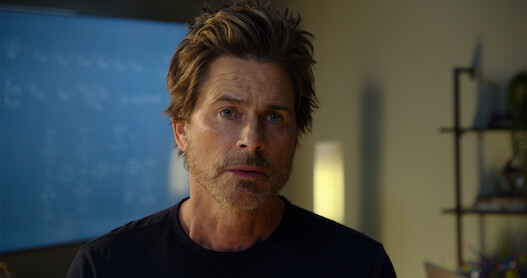
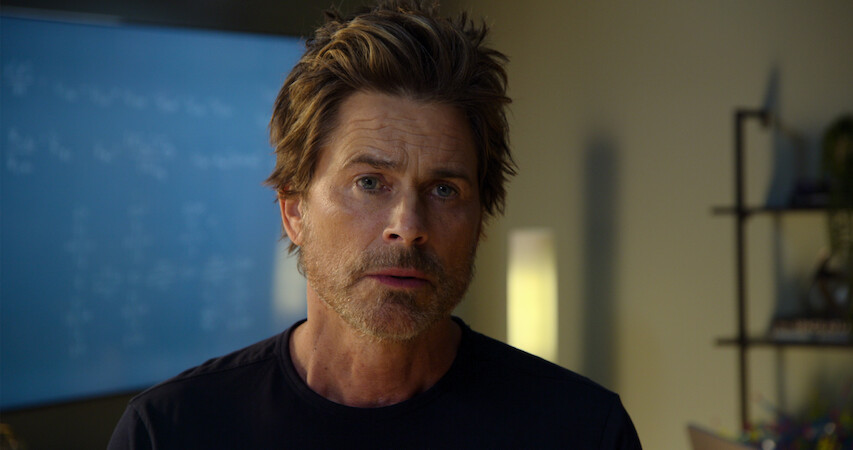
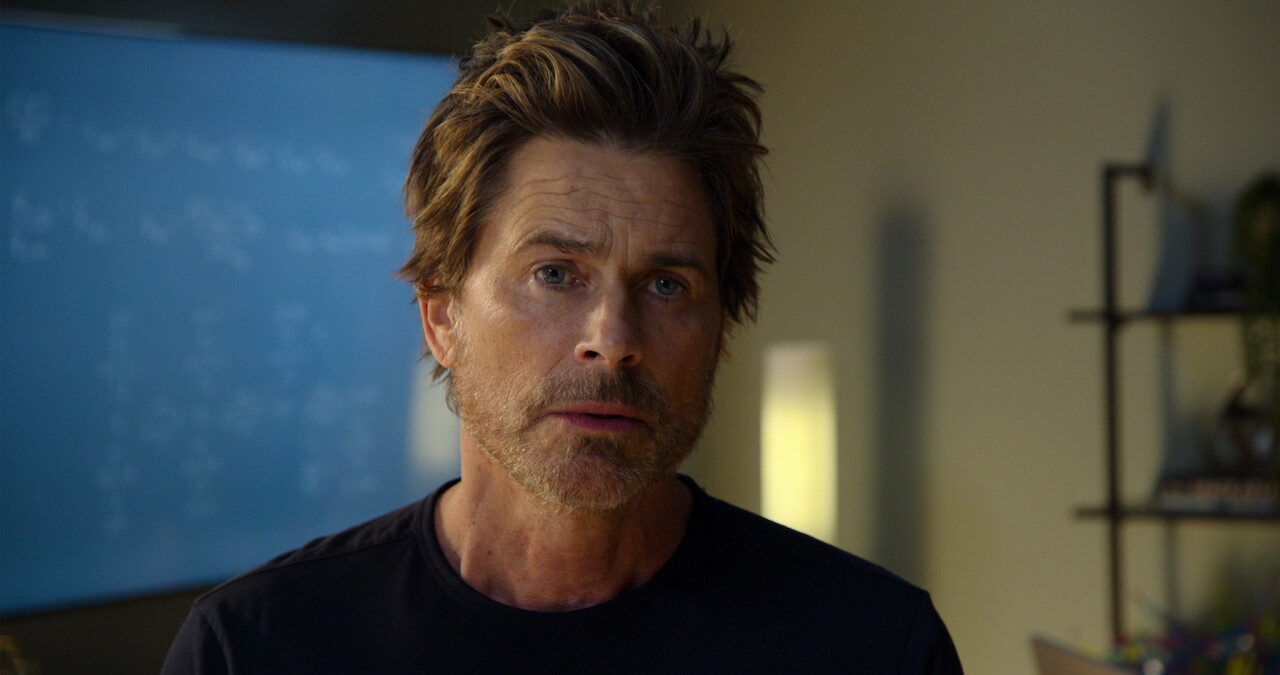
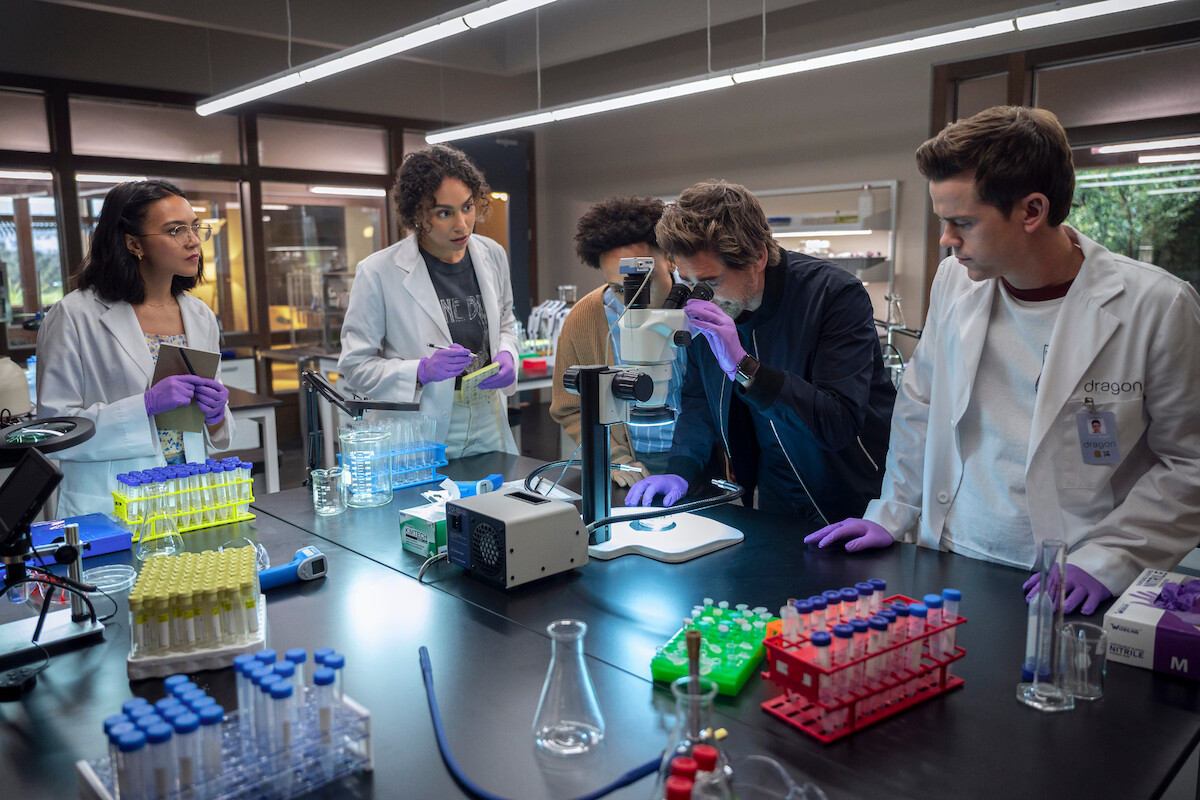
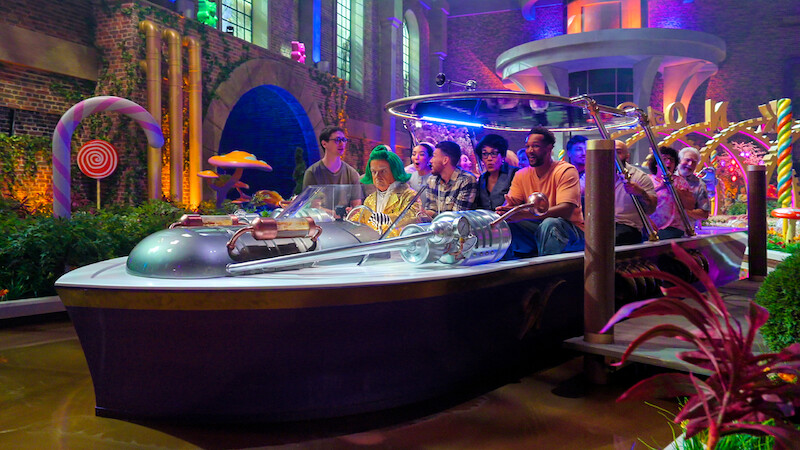
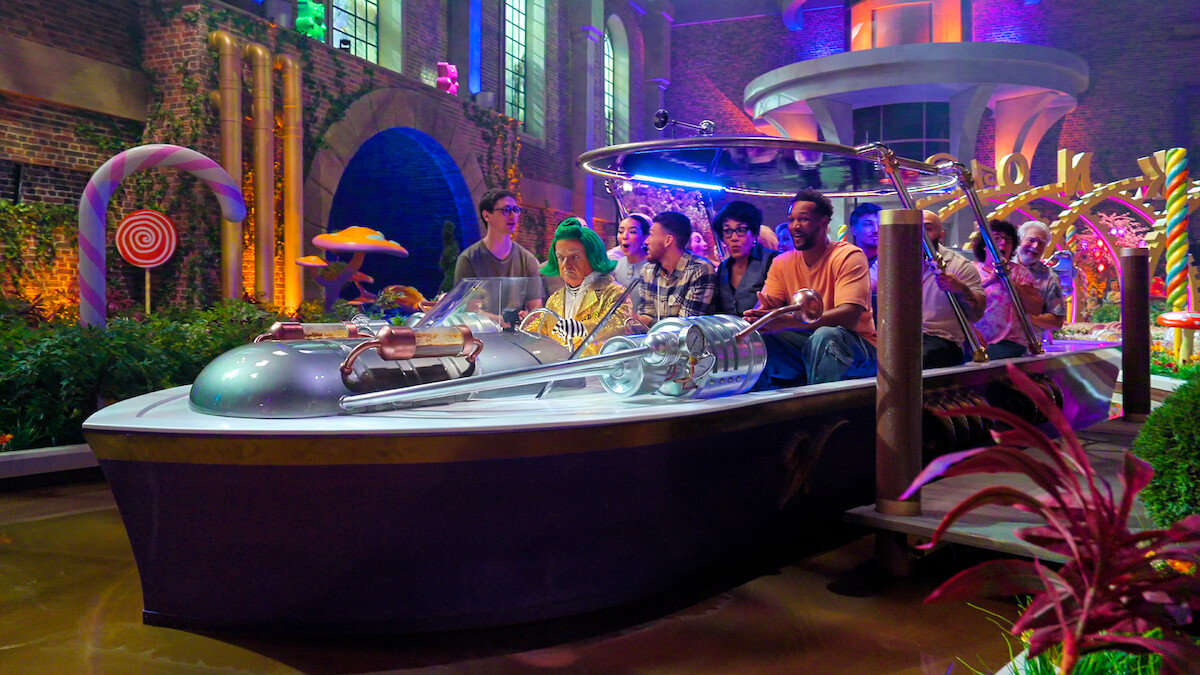
In Unstable, Ellis Dragon (Rob Lowe) is the genius biotech innovator behind so many of the world’s planet-saving inventions, including the bruiseless avocado, sugarcane plastic and carbon-capturing concrete. Do these inventions actually exist? Who has actually invented them?
Does the bruiseless avocado exist?
The bruiseless avocado does exist! Well… sort of. At least, a process that prevents avocado browning for at least 10 days exists, which is close enough. Why does this matter? Well, around 8% of planet-warming emissions can be traced back to food waste, making this a planet-saving solution. The origins of the bruiseless avocado can be traced to an Australian company that invented a process that switches off the enzyme in the avocado that causes browning. While this process is mostly used by food service companies, including fast-food restaurants or airlines, those of us at home can still make a difference by taking steps to reduce our own food waste and thinking carefully about what we’re eating — and avocados aren’t normally a very sustainable choice.
Does sugarcane plastic exist?
Sugarcane plastic is real! In 2008, a Brazilian company launched a plastic sourced entirely from sugarcane. Since then, it has made its way into Lego blocks, soda bottles and more. But is sugarcane plastic really as good for the planet as Ellis Dragon claims? It’s complicated. It isn’t fully biodegradable and, if produced irresponsibly, can harm biodiversity in areas where land is cleared to plant sugarcane. But it is a more sustainable alternative to our current fossil fuel–based plastic. (Fun fact: Sugarcane captures carbon from the atmosphere!) It can also be recycled within established recycling systems. Avoiding plastic is always best, but when that isn’t possible, recycled plastics or bioplastics like those made from sugarcane are better options.
Is carbon-capturing concrete real?
Throughout the series, Ellis is determined to invent carbon-capturing concrete that will “lock up greenhouse gasses for centuries, saving the planet.” Well, the good news for the planet is that this technology actually exists! Several companies are working to lower concrete emissions by altering its main ingredient, cement, which shockingly accounts for about 8% of global carbon emissions, more than double the impact of flying. A number of companies are improving the manufacturing process by reducing emissions and locking carbon into the concrete itself.
Much like Ellis Dragon’s company (humbly named, ahem, Dragon), clean-tech companies are behind real-life inventions that play a critical role in helping us tackle climate change.
So Dragons do exist — at least Ellis Dragons do.