Who Was Jack the Ripper? Unsolved Mysteries Volume 4 Offers Several Theories - Netflix Tudum
Deep Dive
Are You Ready to Solve the Mystery of Jack the Ripper?
Unsolved Mysteries Volume 4, Episode 1 offers theories on the identity of the notorious serial killer.
By Roxanne Fequiere
July 31, 2024
Jack the Ripper is a name that’s known the world over. In television, movies, comic books, and more, the unidentified serial killer who once roamed the poorly lit streets of 19th-century London has morphed into a horror-inducing concept — like vampires or Frankenstein’s monster — that supersedes the reality of his brutal reign of terror. Though there’s no way of knowing just how many people Jack the Ripper actually killed, most historians agree he’s responsible for the murders of at least five “unfortunates,” a term used in his time to refer to poor women with no lodging or income who were often forced to engage in sex work.
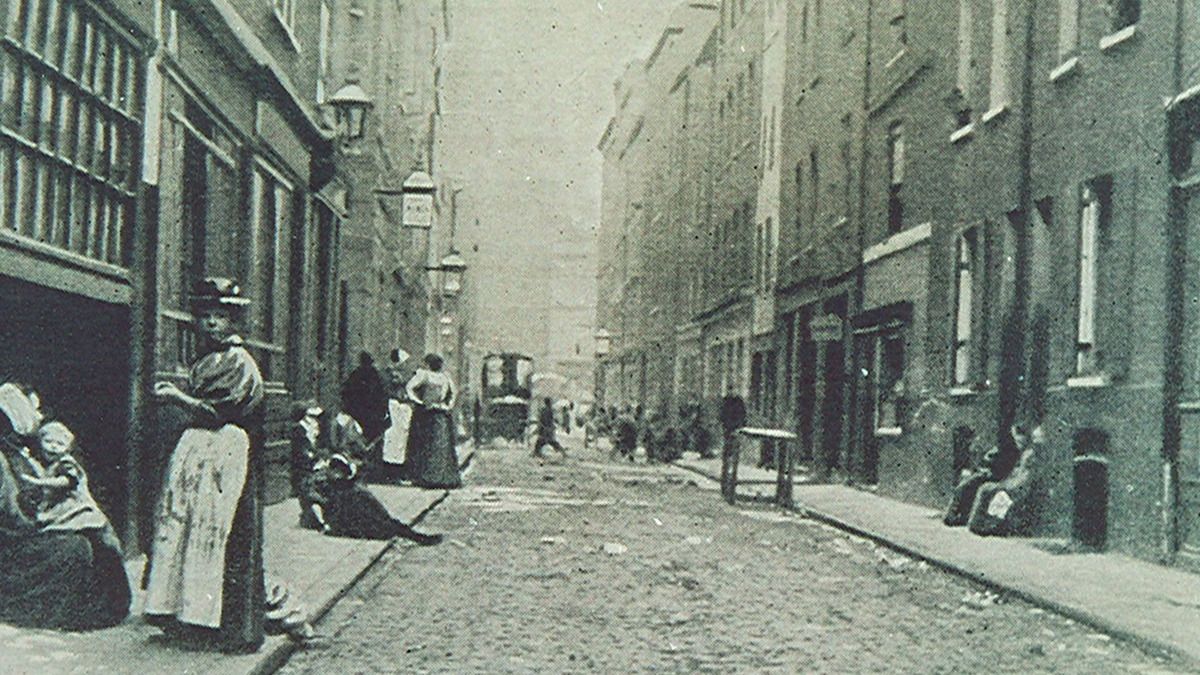
In London1888, the tools available to law enforcement were extremely limited. Despite their best efforts, authorities were unable to bring the perpetrator of these crimes to justice. As the legend of Jack the Ripper has grown in the more than 130 years since the gruesome summer and fall of 1888, many names and theories have emerged as historians and true crime buffs attempt to figure out who did it. Unsolved Mysteries Volume 4, Episode 1, “Who Was Jack the Ripper?” explores the theories behind the identity of the notorious killer — as well as many details of what happened on those fateful English nights.
Who did Jack the Ripper kill?
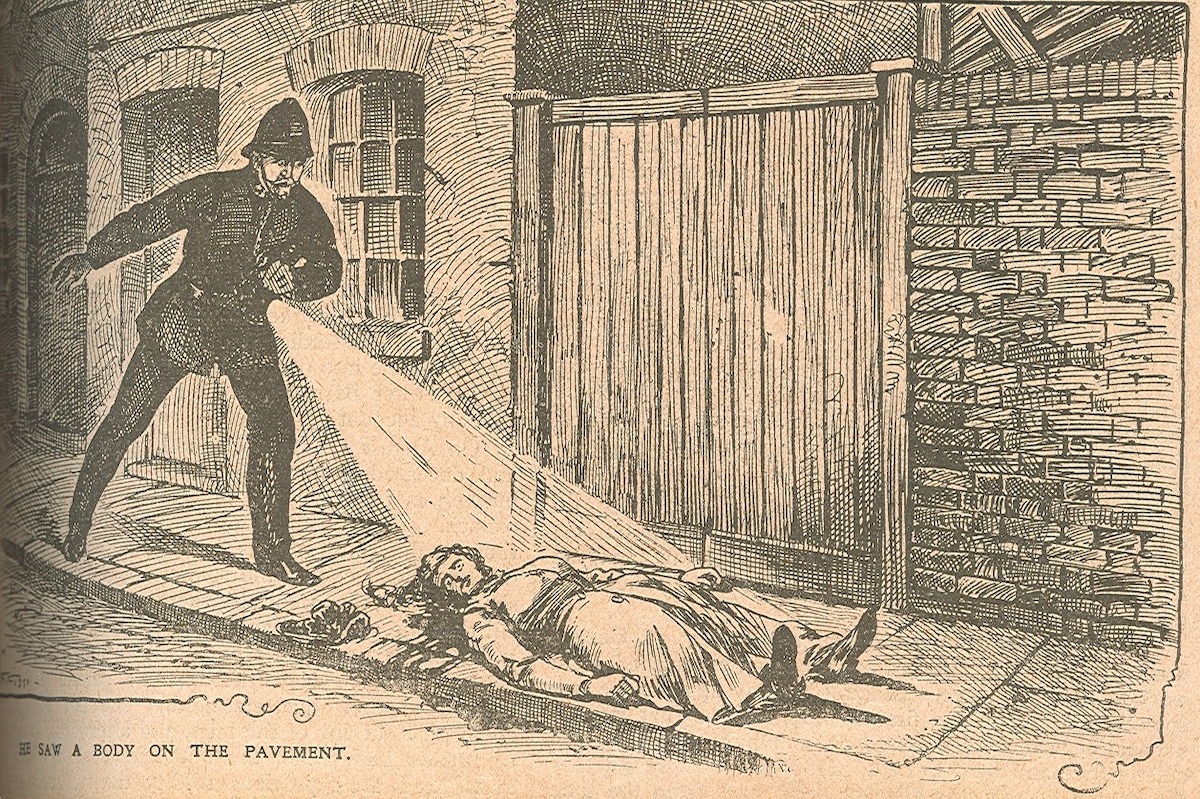
During the early hours of Aug. 31, 1888, in the Whitechapel district of London, a police officer discovered the body of Mary Ann “Polly” Nichols. Her throat was slit, and she was disemboweled. In the following months, four other women were also found dead. Like Nichols, Annie Chapman went out to find sex work in order to pay for lodging for the night. Elizabeth Stride and Catherine Eddowes were murdered on the same night, but the killer did not perform his trademark postmortem mutilation on Stride. Mary Jane Kelly was the only woman found dead in her bed rather than outside. Her murder was the most brutally horrifying of all.
Who was Jack the Ripper?
Though the identity of Jack the Ripper has never been uncovered, there are many theories as to whom he might have been. After the initial string of five murders in 1888, the killer seemingly vanished into thin air, leading people to believe he’d left town, died, or been committed to an asylum. Despite this possibility, the police continued to follow a number of leads. Montague John Druitt, a barrister and teacher from South London who was found dead by suicide in the River Thames at the end of 1888, told loved ones that he felt he was going mad and would rather end his life than suffer the consequences. Druitt’s own family said they thought he could have been the killer, but there were no credible eyewitness accounts placing him in Whitechapel around the time of the murders.
Metropolitan Police files show that detectives investigated 11 separate murders of women between April 1888 and February 1891, which became known on the docket as the “Whitechapel Murders.” Five of them, occurring between August and November 1888, are generally agreed to be the work of a single killer, “Jack the Ripper,” and are known collectively as the “canonical five.” Some of the additional six may or may not have victims of the same murderer.
An American doctor named Francis Tumblety was actually arrested under suspicion of being Jack the Ripper. Upon returning to the States, he explained he’d gone to Whitechapel for voyeuristic purposes after having read about the district’s mysterious murders. While poking around the area, he drew the attention of authorities, who thought he might have been the killer. The name Kosminski also turns up in the case files as one of the suspects that detectives took a particular interest in. Research reveals that a man named Aaron Kosminski had been admitted to an asylum in 1891, but that fails to explain why Jack the Ripper apparently did not murder again after 1888.
A royal doctor, named Sir William Withey Gull, has been named in film and on TV as the true identity of Jack the Ripper. As the story goes, Gull was tasked with murdering the five women because they were attempting to blackmail the crown. This appears to be a flight of fantasy cooked up by Hollywood, however — Gull had the first of several strokes the year before Jack the Ripper’s murders began, and he likely wouldn’t have been able to move freely around Whitechapel the following year.
What was the Bond report?
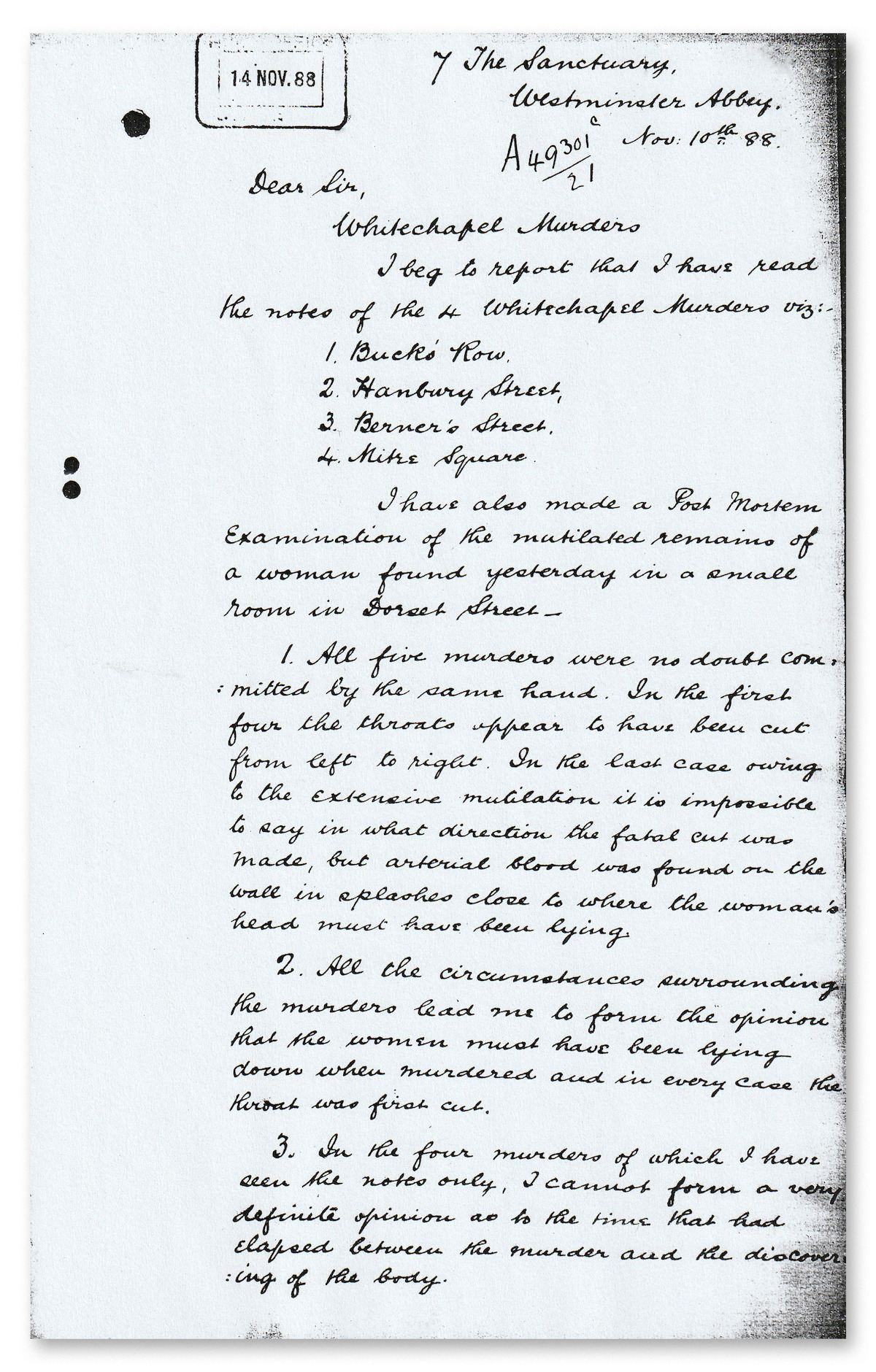
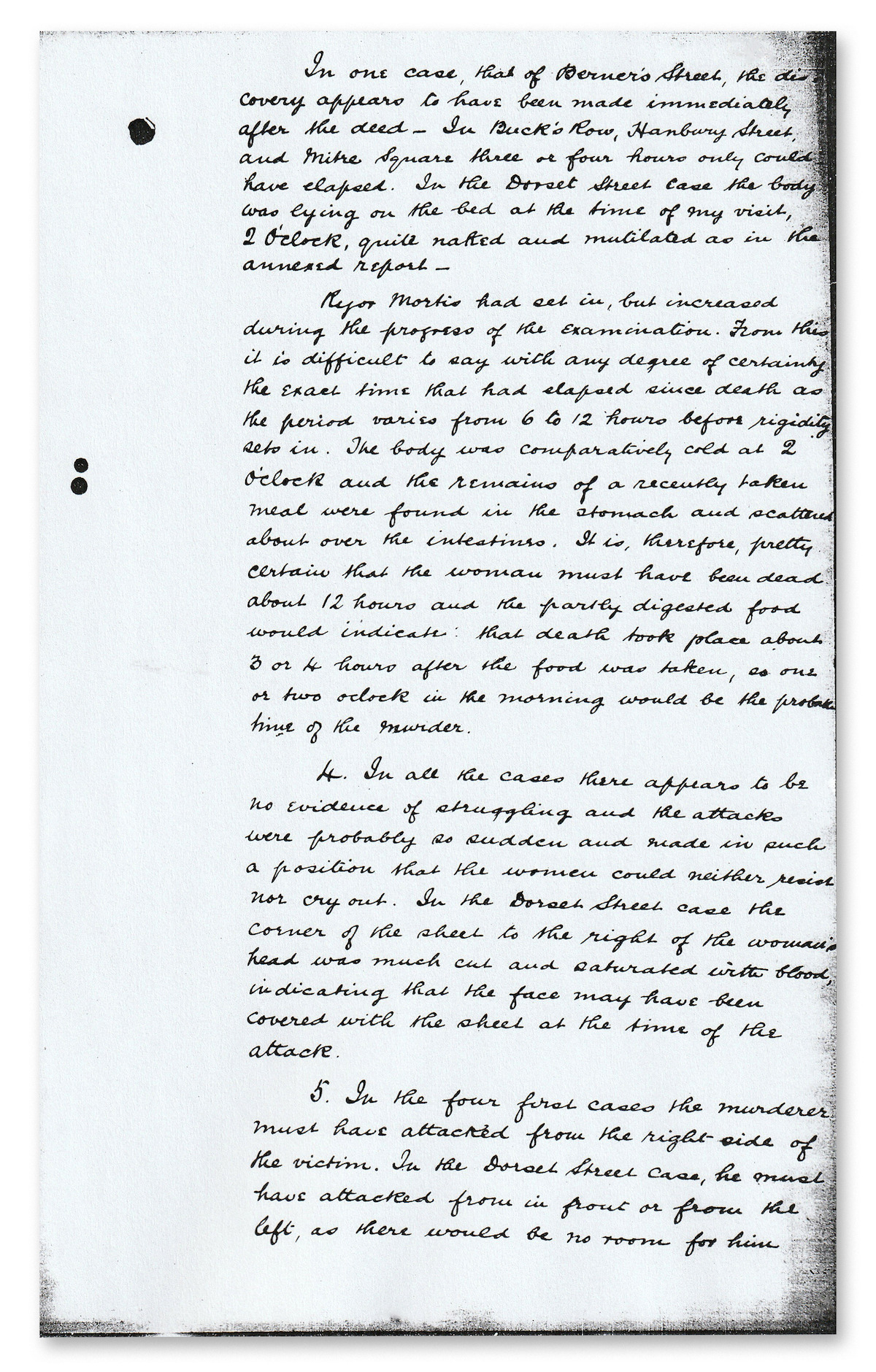
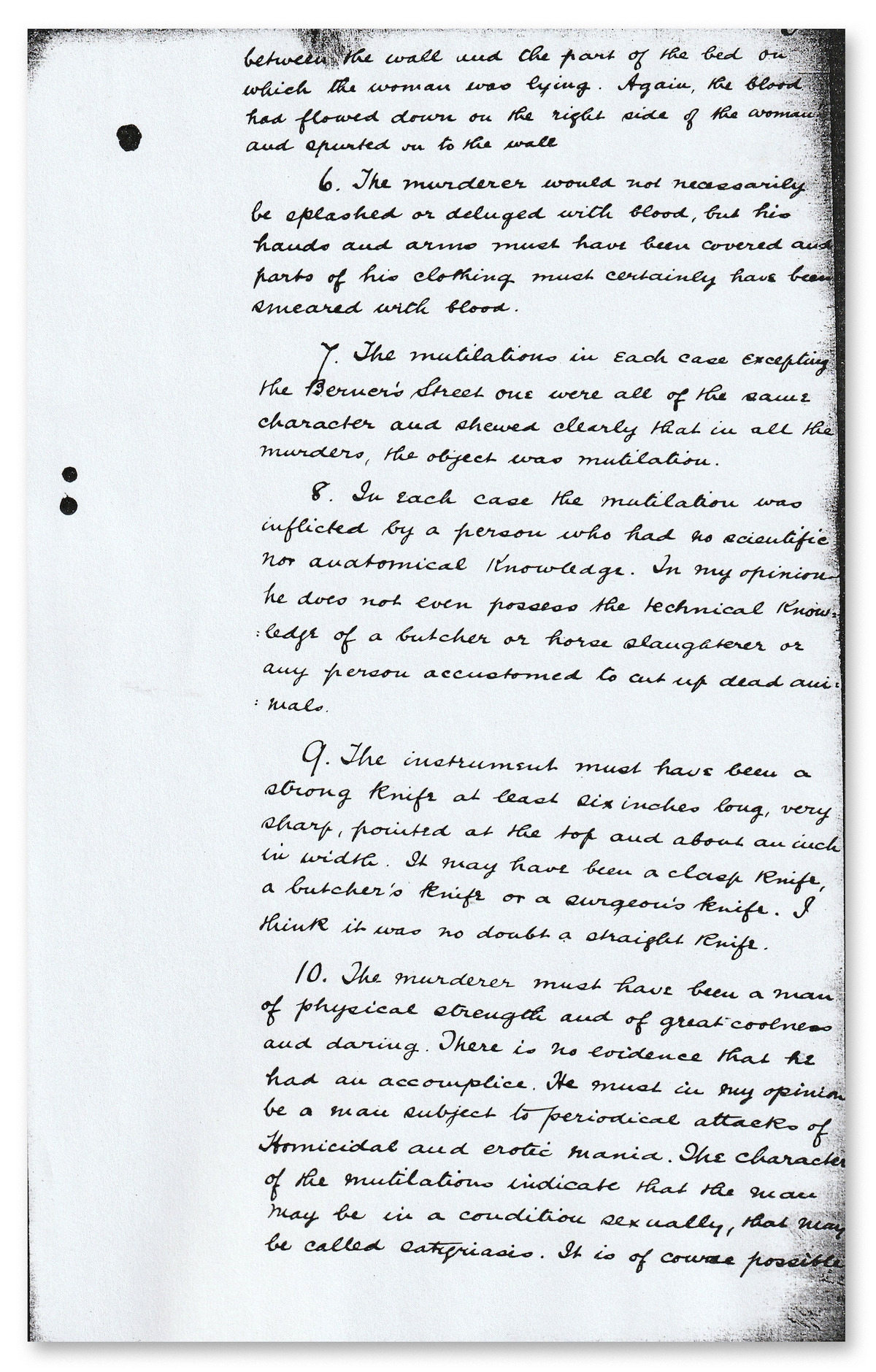
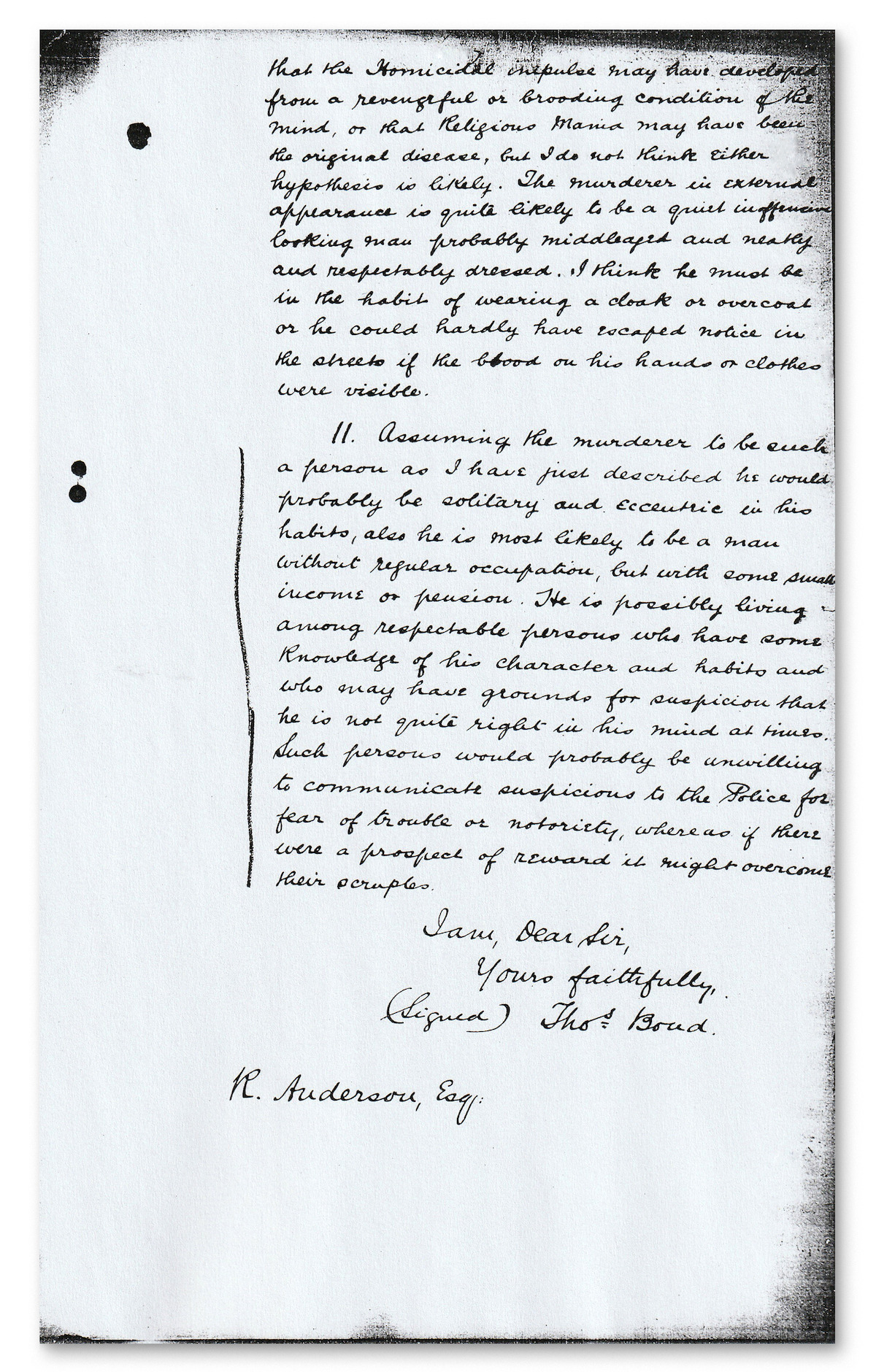
Dr. Thomas Bond was consulted on a number of notorious criminal cases of the time, and after Jack the Ripper had committed his fifth murder, Scotland Yard reached out to him with the details of the case in order for him to make an assessment. Bond’s report is likely one of the first attempts at a psychological profile of the mind of a killer, a practice that’s commonly performed today. The report notes that each murder had some similarities: Each victim showed no sign of struggle, suggesting the women had all been surprised by their attacker, and almost all of the women had been mutilated after death. Bond also made guesses as to Jack the Ripper’s demeanor — likely reticent, with a decent income and a room of his own.
Bond’s report went missing over the years, likely pilfered from the Jack the Ripper case file by a person or persons eager to have a piece of history. It was sent back anonymously to Scotland Yard in 1987 and refiled with the rest of the evidence and relevant documents.
What was the “Dear Boss” letter?
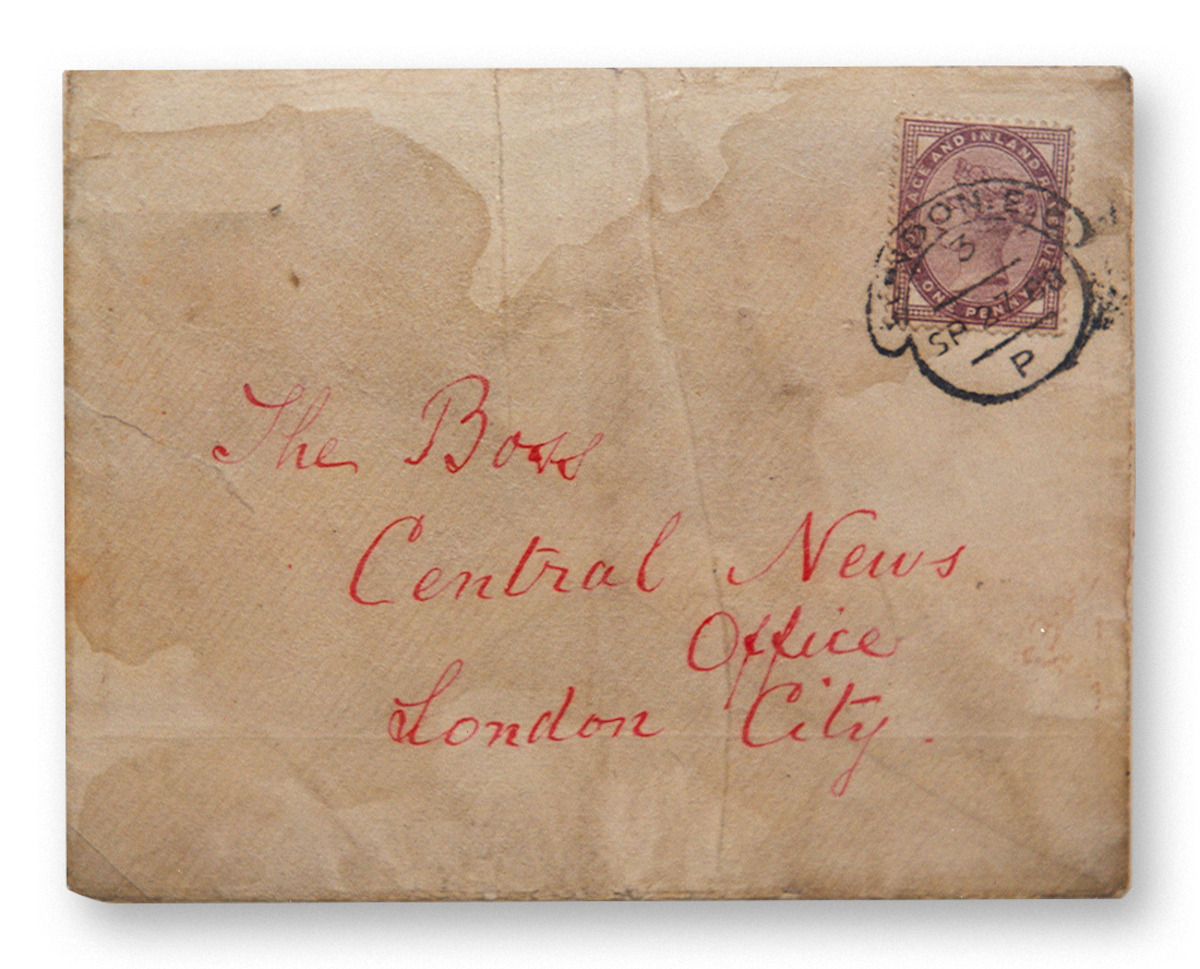
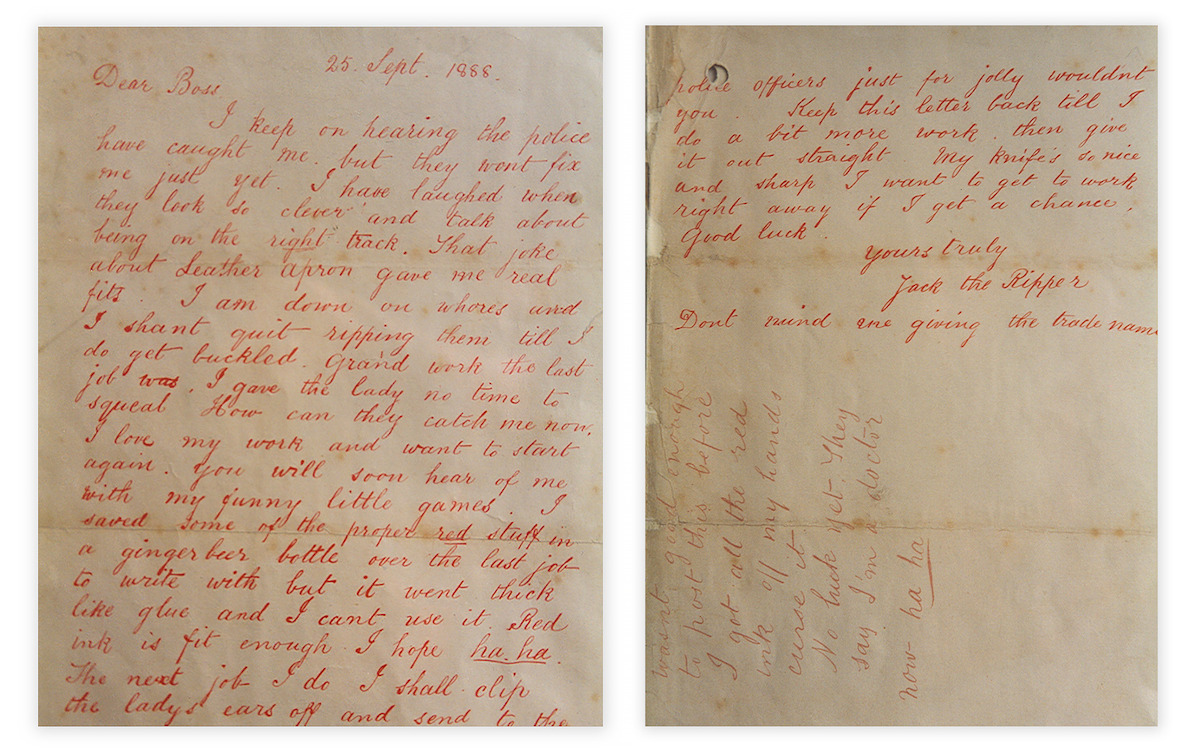
After the first two grisly murders of Nichols and Chapman in Whitechapel, newspapers were eager for the police to share what they knew about the crimes. However, law enforcement kept much of what they knew to themselves. In September 1888, a letter written in red ink arrived at the Central News agency purported to have been by the killer himself. Opening with the salutation “Dear Boss,” the writer claimed that the police’s efforts to find him had amused him and that he couldn’t wait to kill again.
While many argued that the letter was a hoax, it remains notable. Before the letter’s arrival, the papers had referred to the killer as the Whitechapel Monster, among other titles. But the alleged note from the murderer was signed “Jack the Ripper,” and the media ran with the self-appointed moniker. When the contents of the letter were made public, it inspired a wave of copycat letters that inundated the police and slowed down the investigation as they tried to evaluate the veracity of each one.
Want more evidence?
See more bonus material for “Who Was Jack the Ripper?” below, including the “Dear Boss” and “From Hell” letters, illustrations of the crime scenes, behind-the-scenes clips from the making of this episode, and more.
The “Dear Boss” letter
The envelope of the “Dear Boss” letter, mailed to London’s Central News Agency on Sept. 25, 1888, by an individual claiming to be Jack the Ripper
(L-R) Partial text and signature page of the “Dear Boss” letter, mailed to London’s Central News Agency on Sept. 25, 1888, by an individual claiming to be Jack the Ripper
The “From Hell” Letter
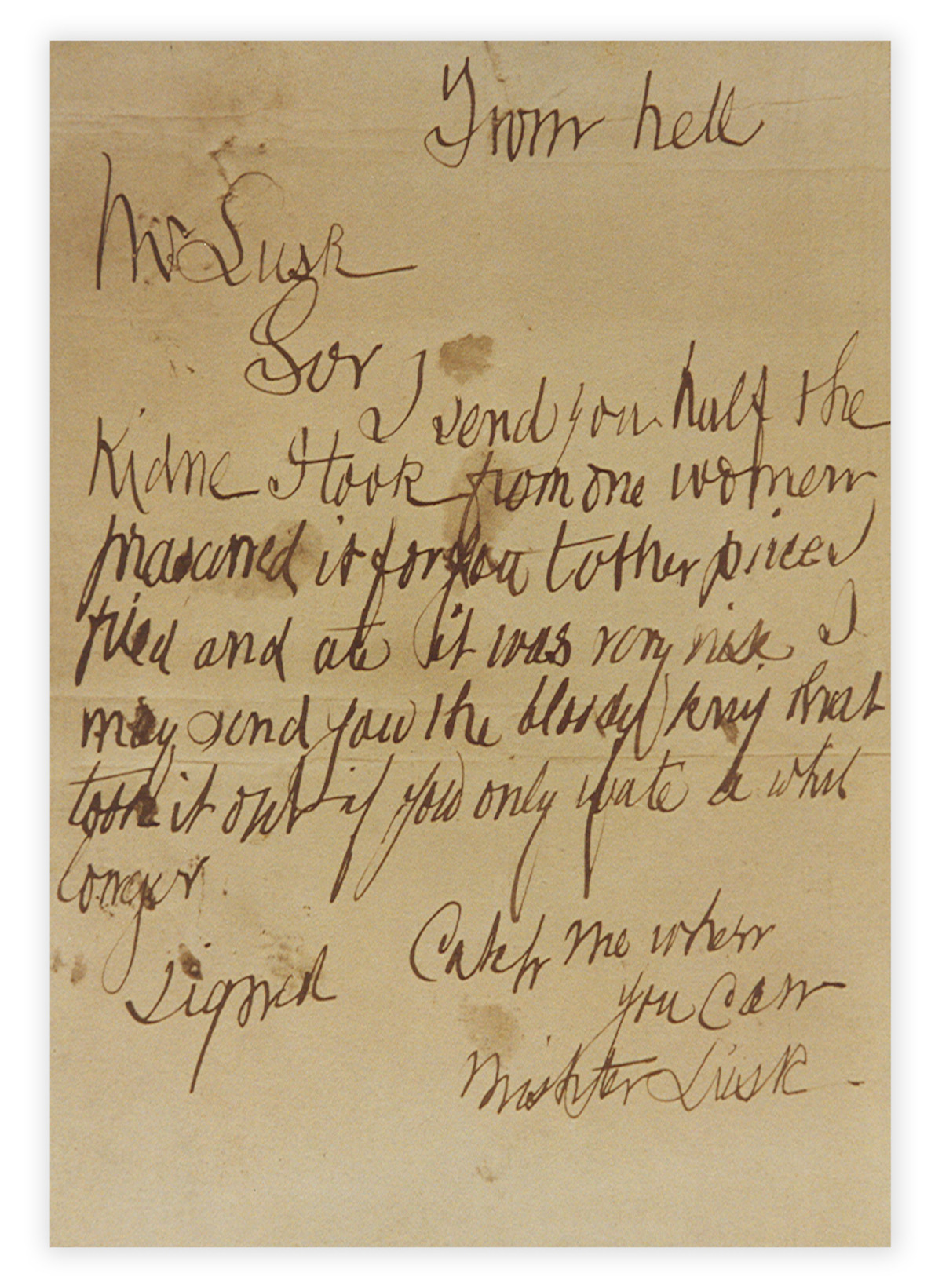
Sent with half of a preserved human kidney to George Lusk, chairman of the Whitechapel Vigilance Committee, on Oct. 15, 1888. The author claimed the kidney belonged to Jack the Ripper victim Catherine Eddowes, whose body had been found on Sept. 30, 1888.
Report of Scotland Yard Police Surgeon Dr. Thomas Bond to Assistant Commissioner Sir Robert Anderson, Nov. 10, 1888
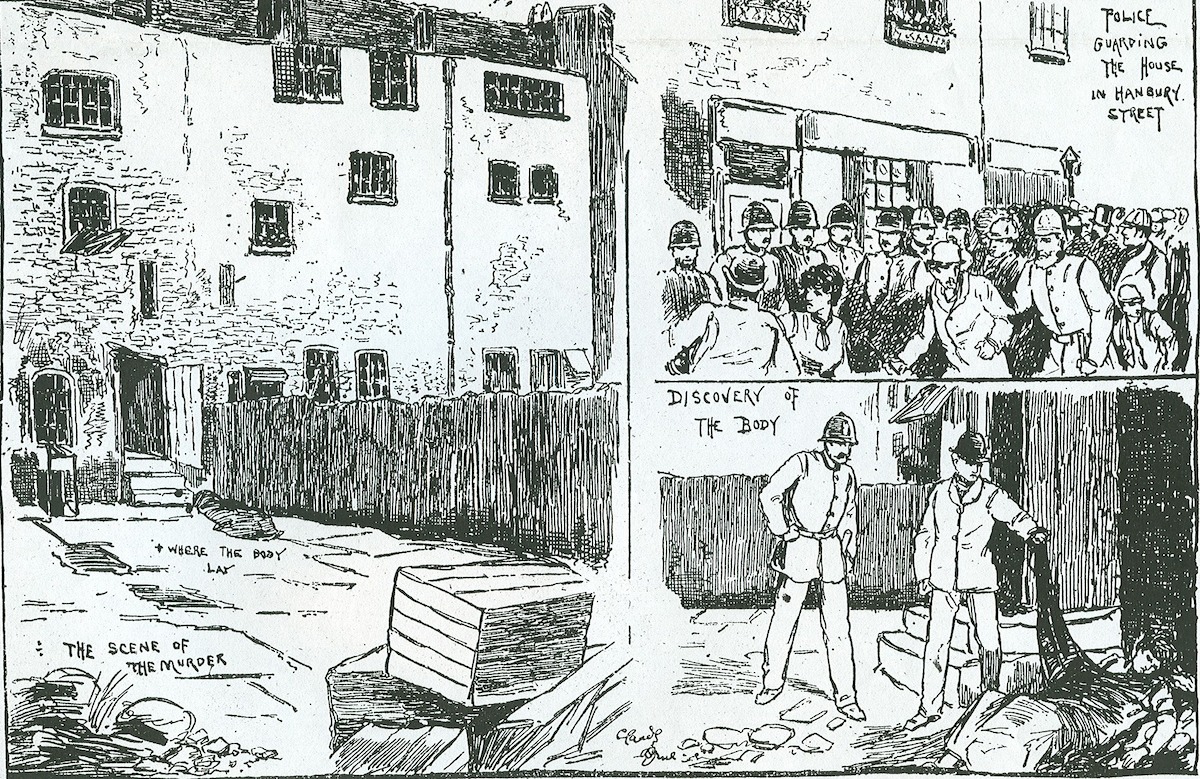
Annie Chapman’s mutilated body is discovered in the backyard of 29 Hanbury Street on Sept. 8, 1888.
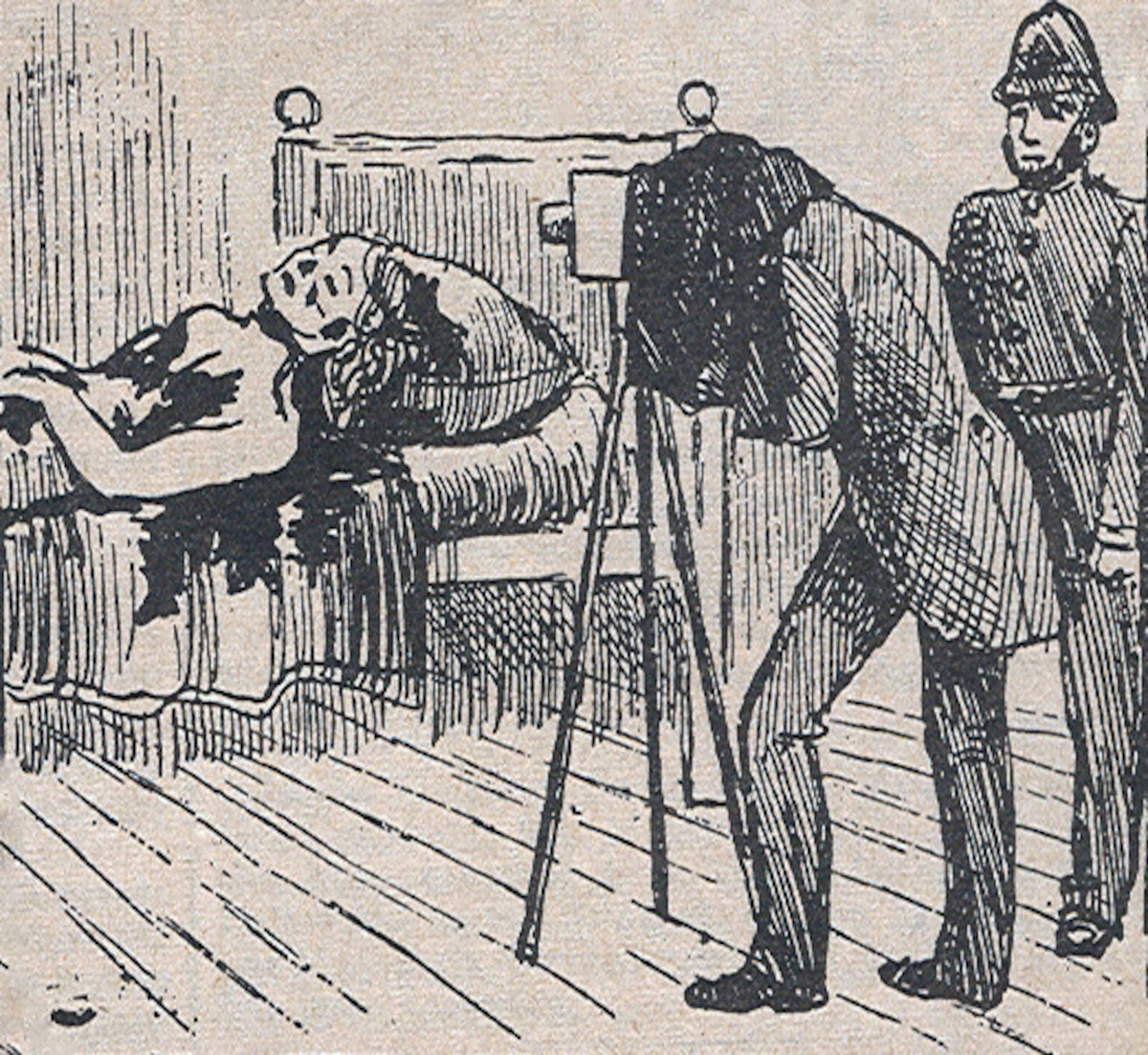
A police photographer photographs the crime scene of the murder of Mary Jane Kelly, in her room at 13 Miller’s Court, on Nov. 8, 1888.
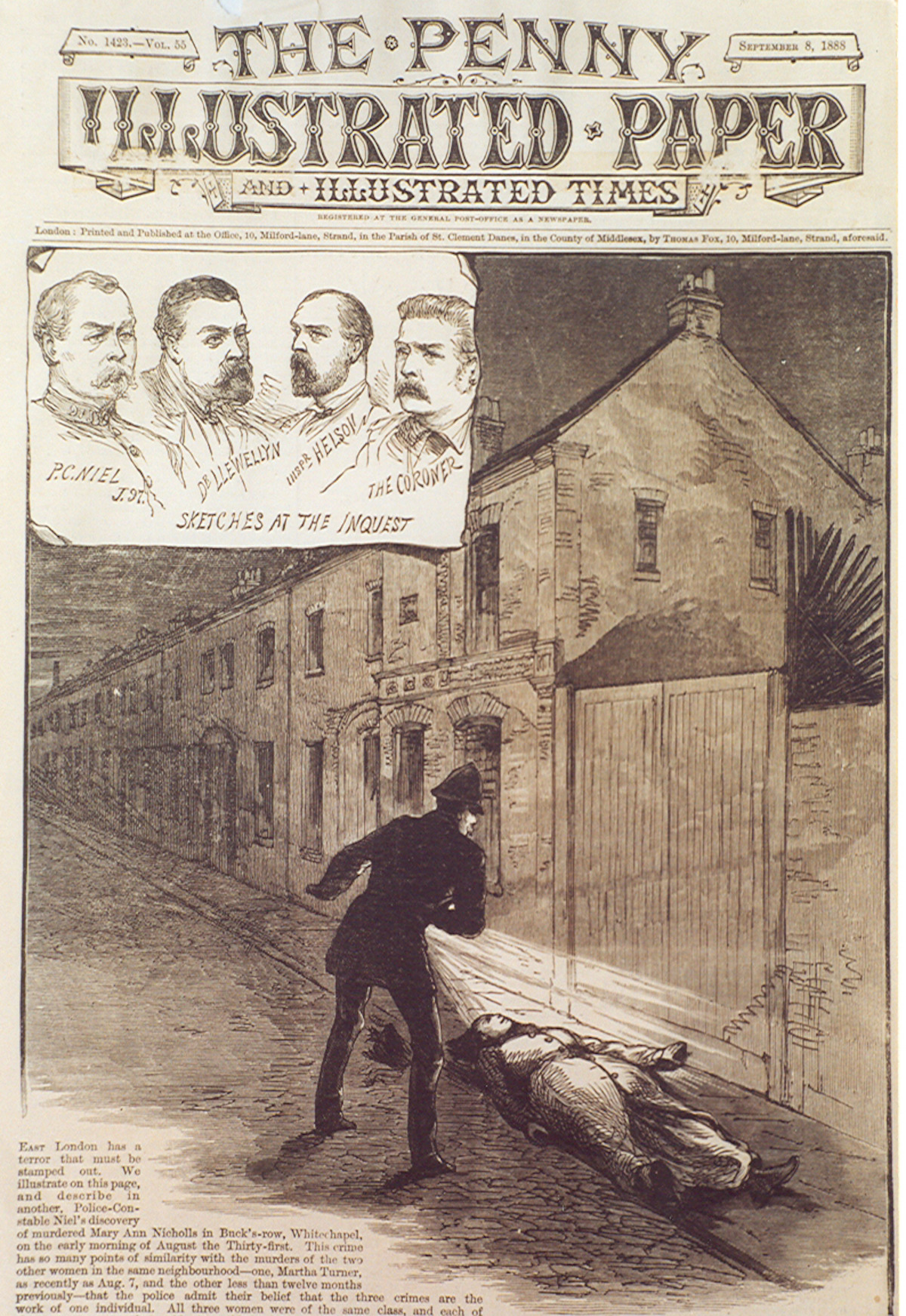
Cover illustration from The Penny Illustrated Paper, Sept. 8, 1888, depicting Police Constable John Neil’s discovery of the body of Mary Ann Nichols on Aug. 31, 1888.
Police Constable John Neil discovers the body of Jack the Ripper’s first victim, Mary Ann Nichols, in a dark gateway in Buck’s Row on Aug. 31, 1888.
1 / 5
Photograph of Jack the Ripper suspect, Russian con artist and petty thief Michael Ostrog.
Photograph of British artist Walter Sickert, who became a Jack the Ripper suspect decades after his death in 1942.
Photograph of Jack the Ripper suspect, American quack Dr. Francis Tumblety, c. 1875.
Photograph of Jack the Ripper suspect George Chapman, aka Severin Klosowski, a Polish immigrant who was convicted of murdering three women by poisoning and executed in 1903.
Photograph of Jack the Ripper suspect Montague John Druitt, an English barrister and educator whose body was found in the River Thames on December 31, 1888, a presumed suicide.
The Macnaghten Memoranda was written by Assistant Chief Constable Sir Melville Macnaghten in response to an 1894 article in The Sun newspaper, which suggested that a Mr. Thomas Cutbush was Jack the Ripper. In it, Macnaghten names three suspects, Mr. M. J. Druitt, Aaron Kominski, and Michael Ostrog, “...any one of whom would have been more likely than Cutbush to have committed this series of murders.”
From the 1870s on, the popular press played a pivotal role in creating the public image of London’s East End as a hotbed of crime and vice, so much so that exploratory visits to the area became a fashionable pastime of the wealthy. The same newspapers fanned the flames of the Jack the Ripper investigation in 1888, making the story into an international sensation.