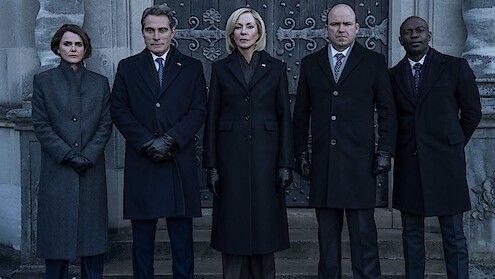
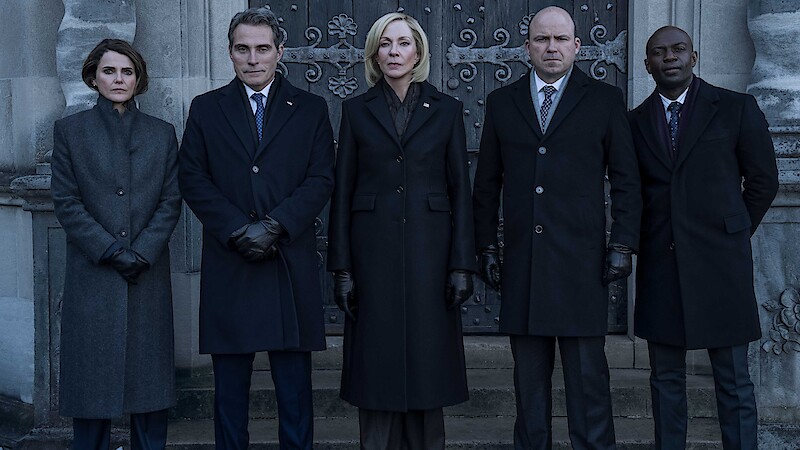
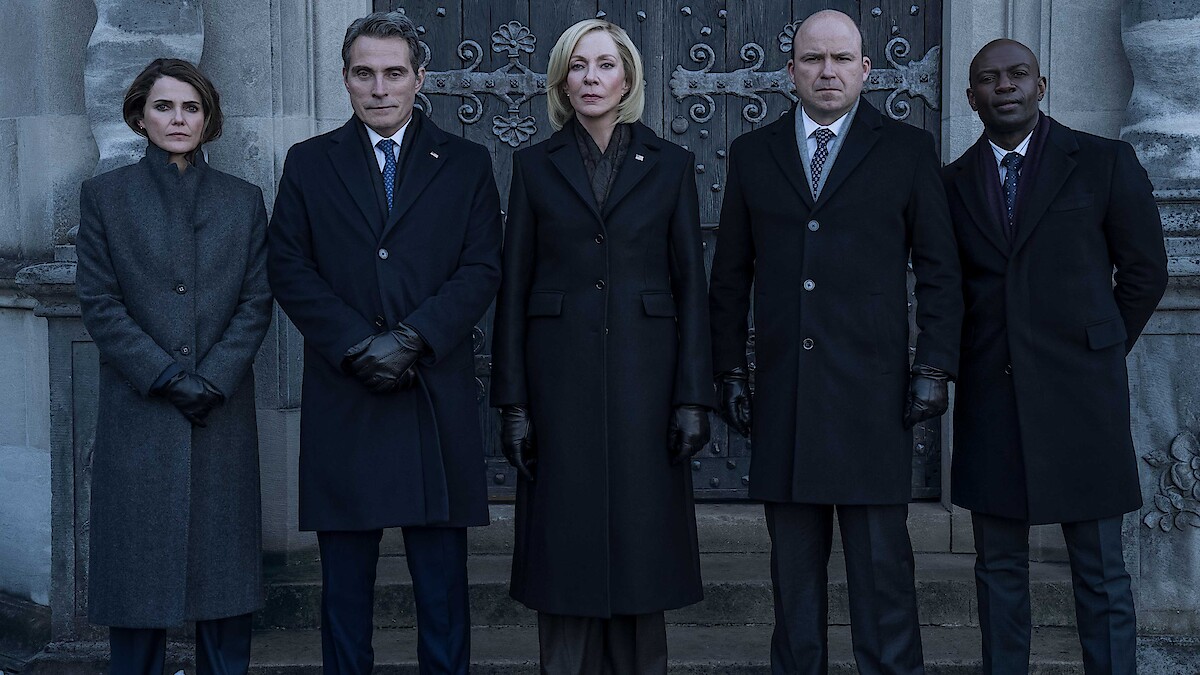
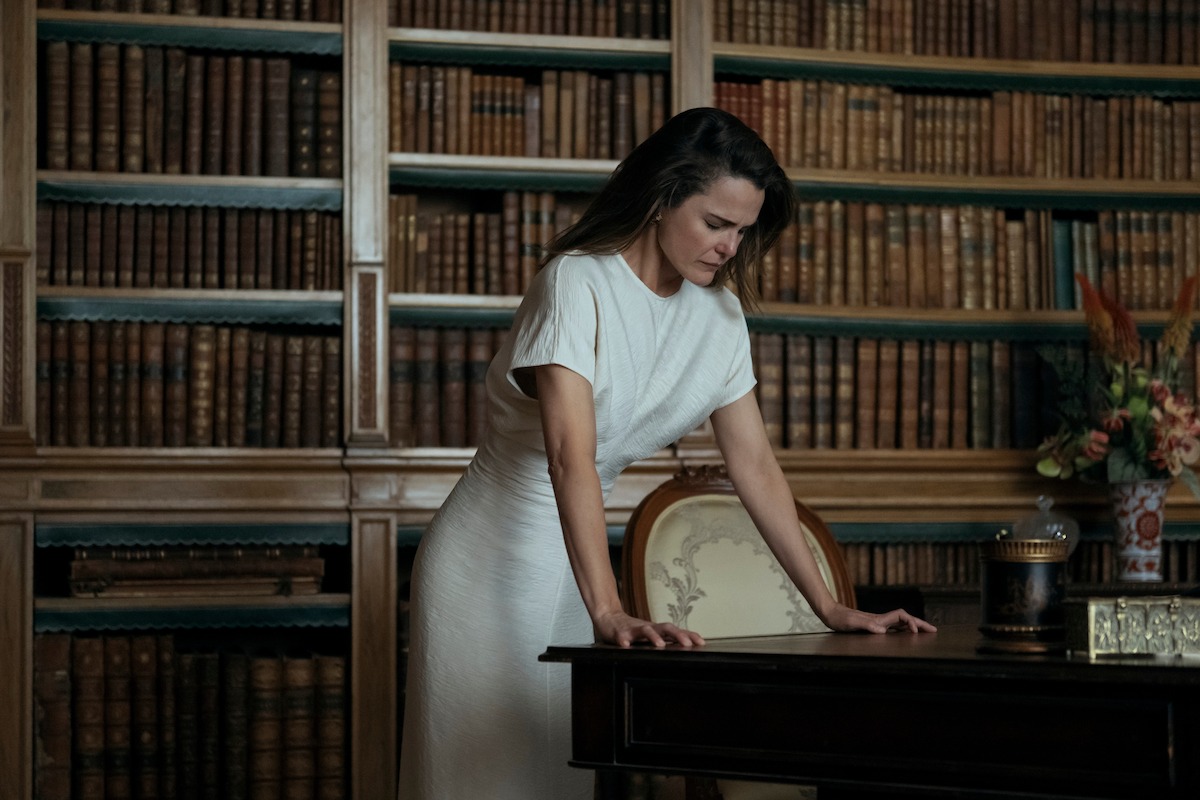
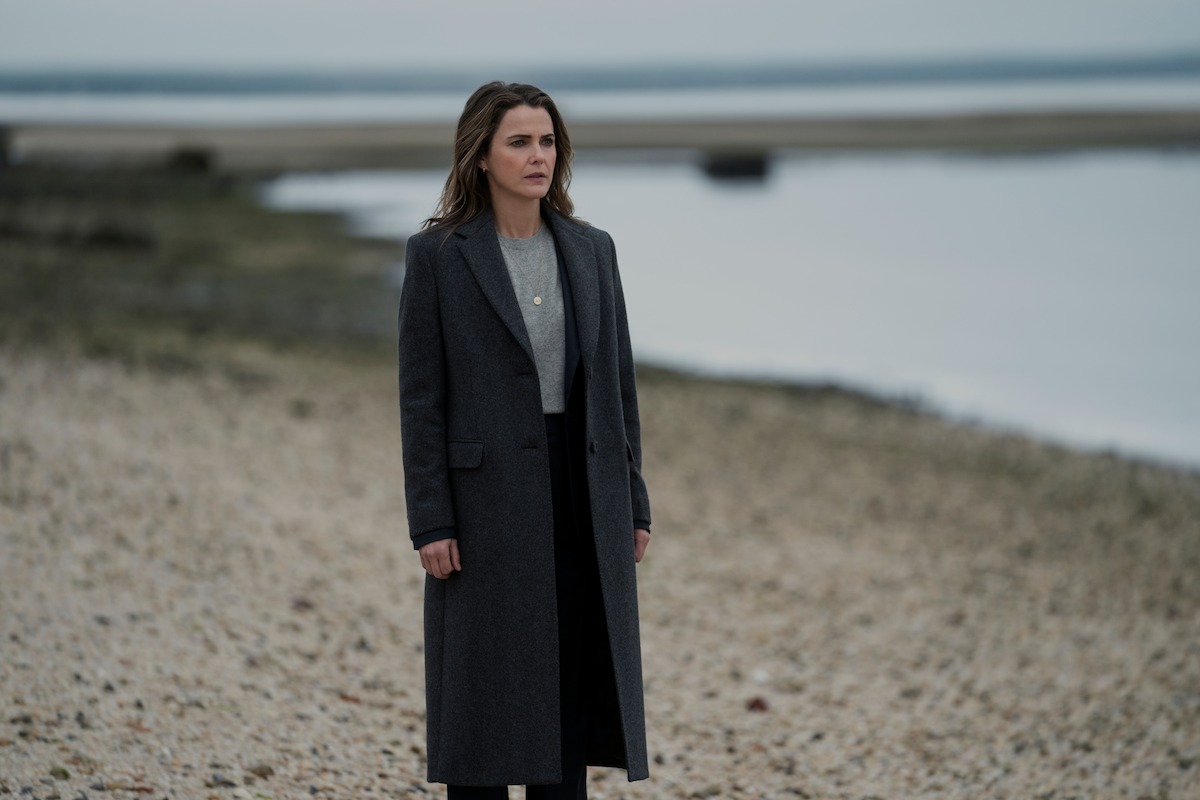
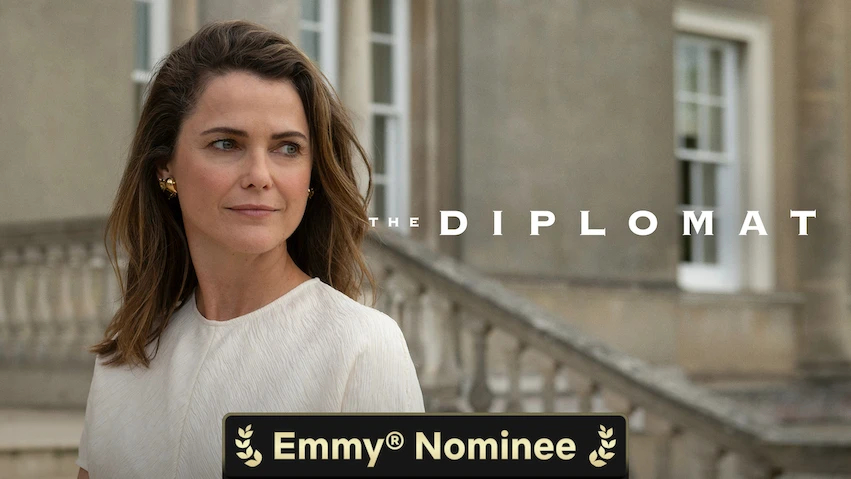
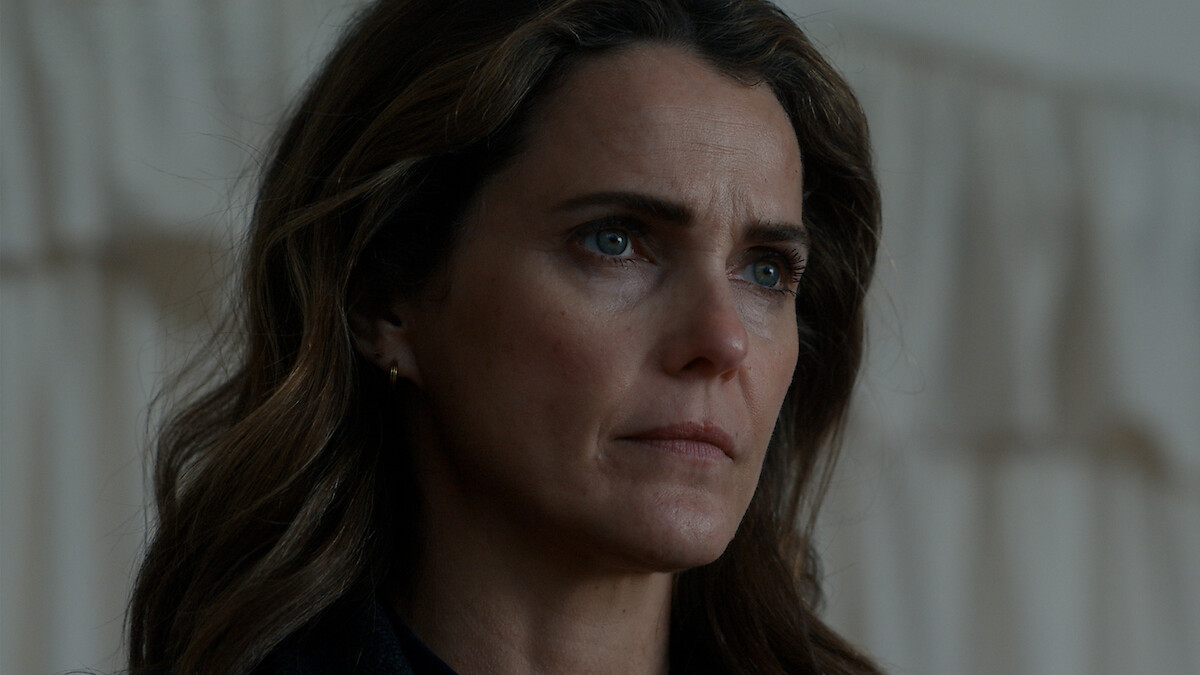
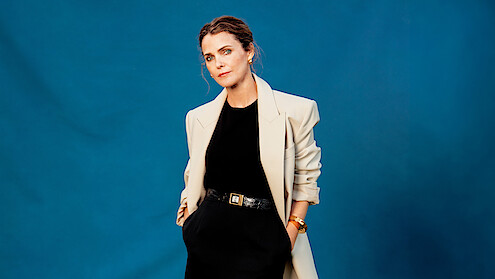
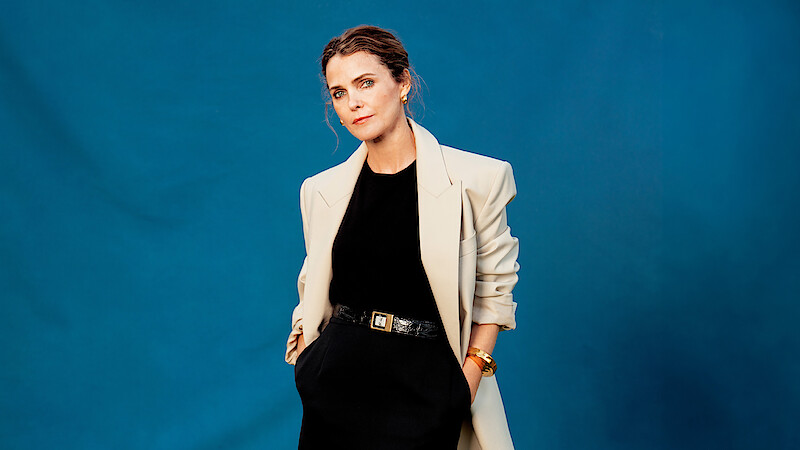
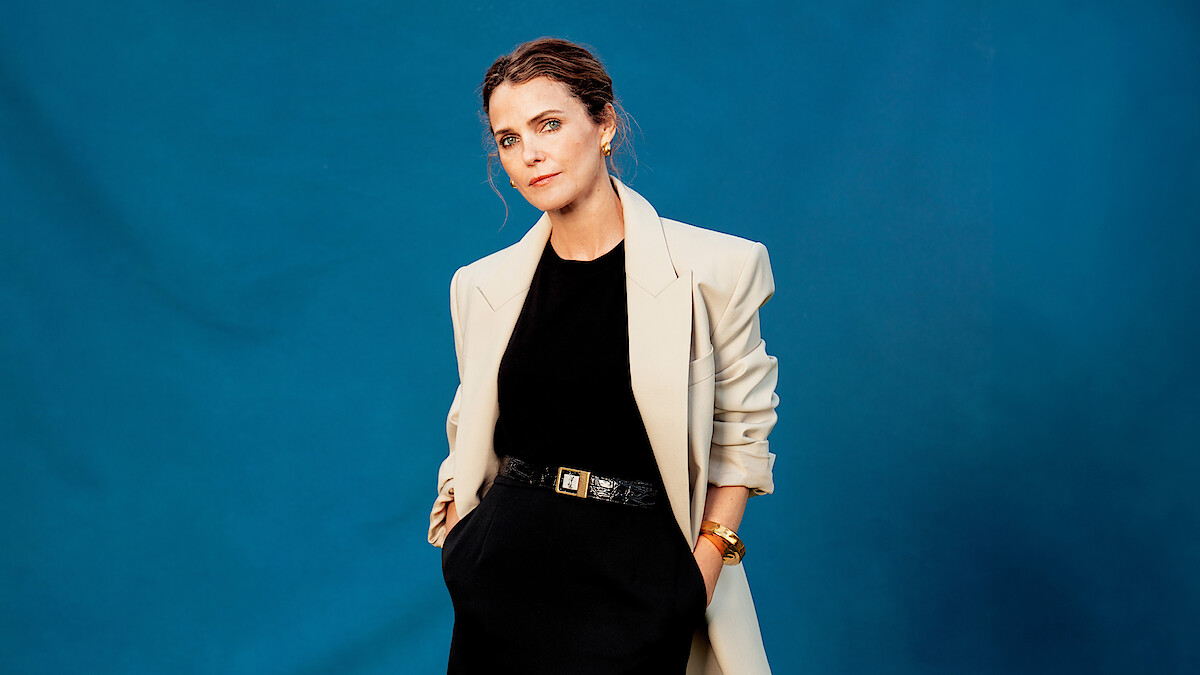
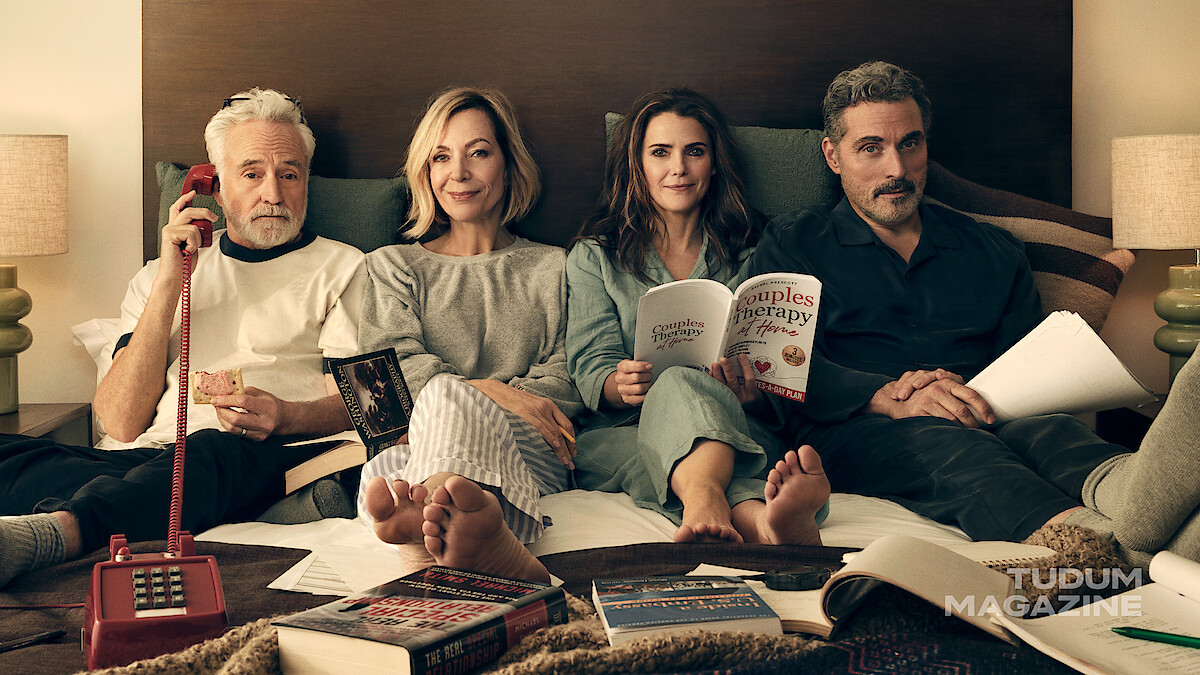
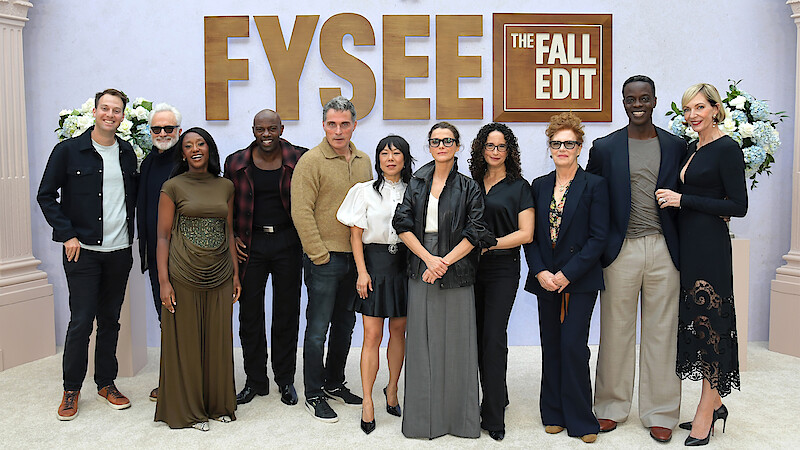
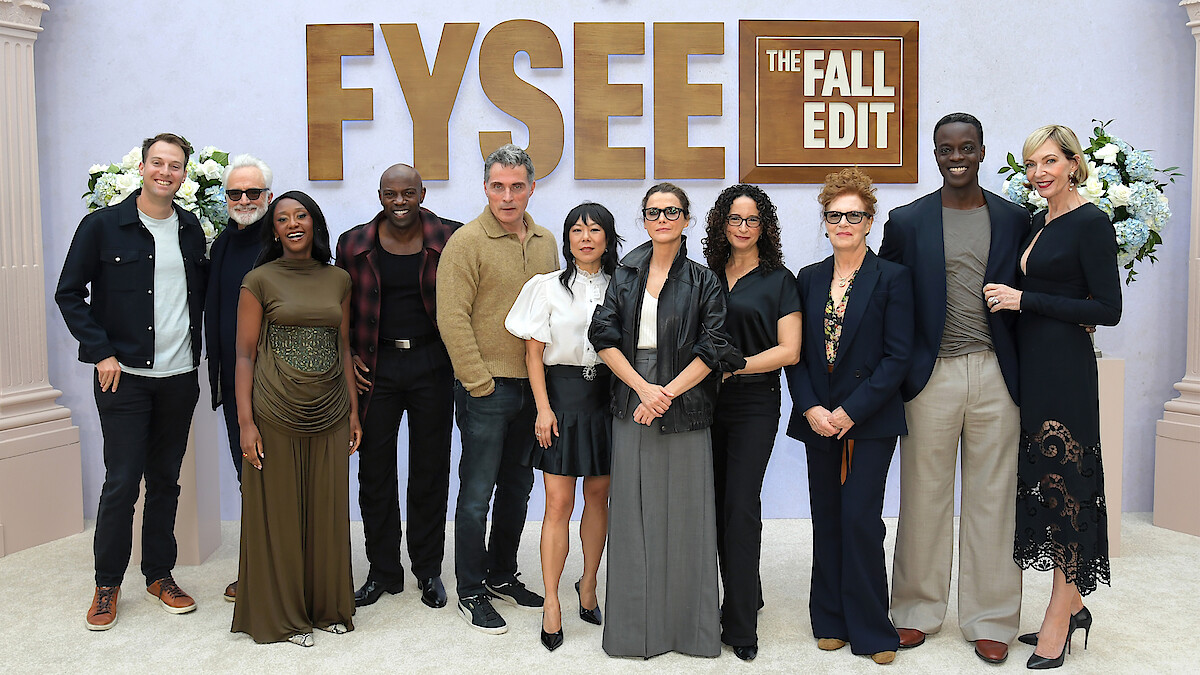
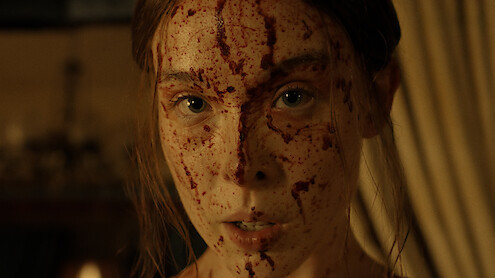
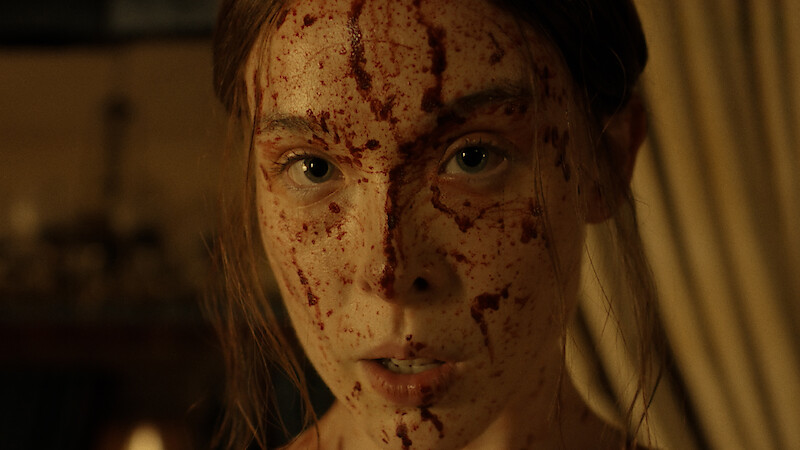
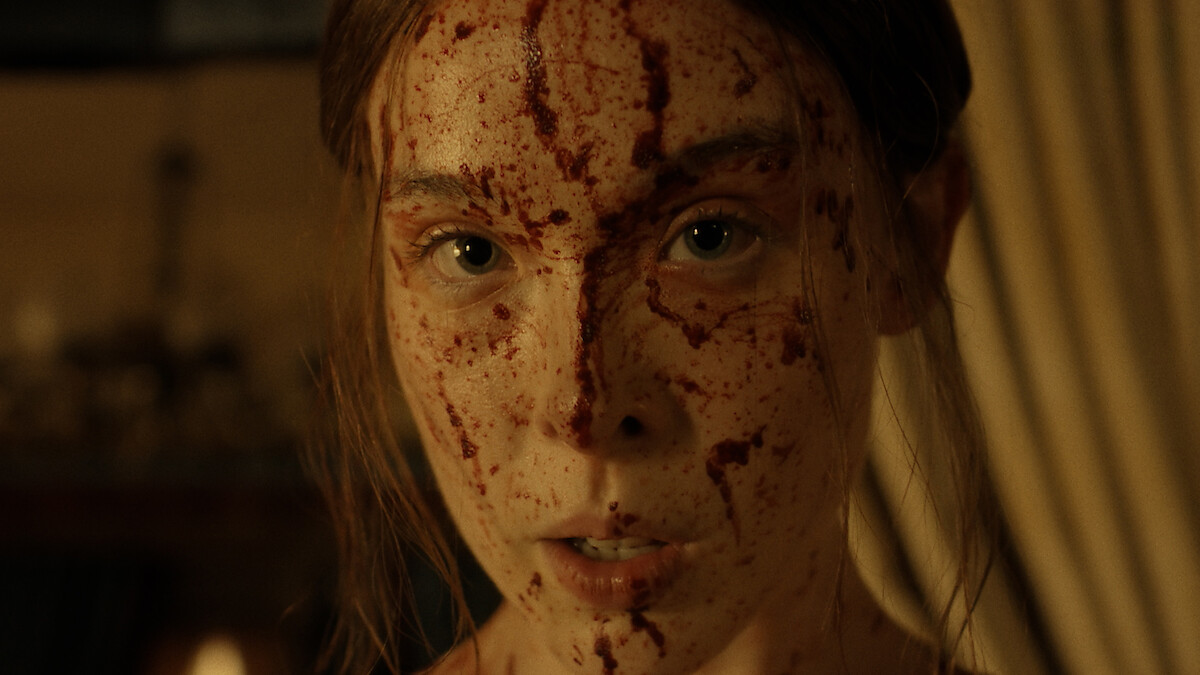
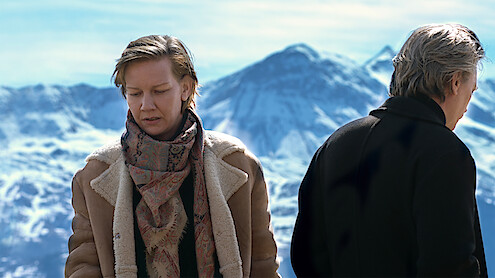
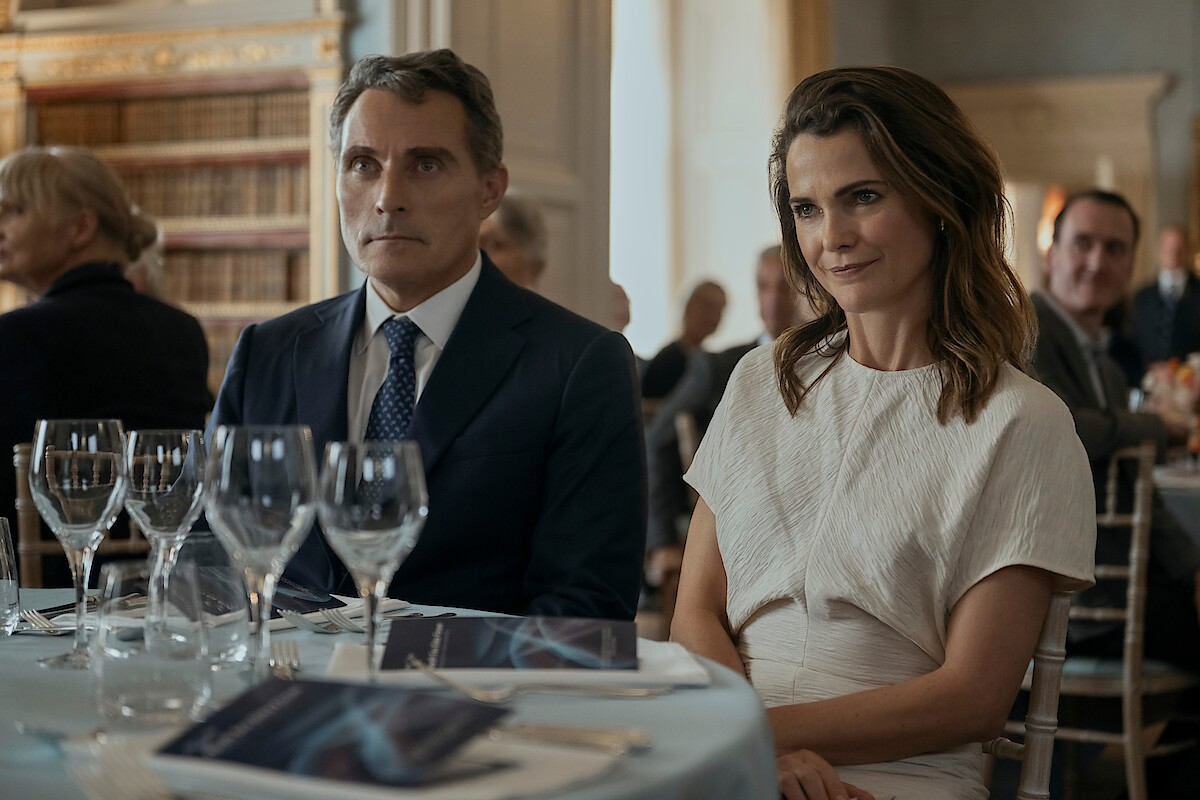
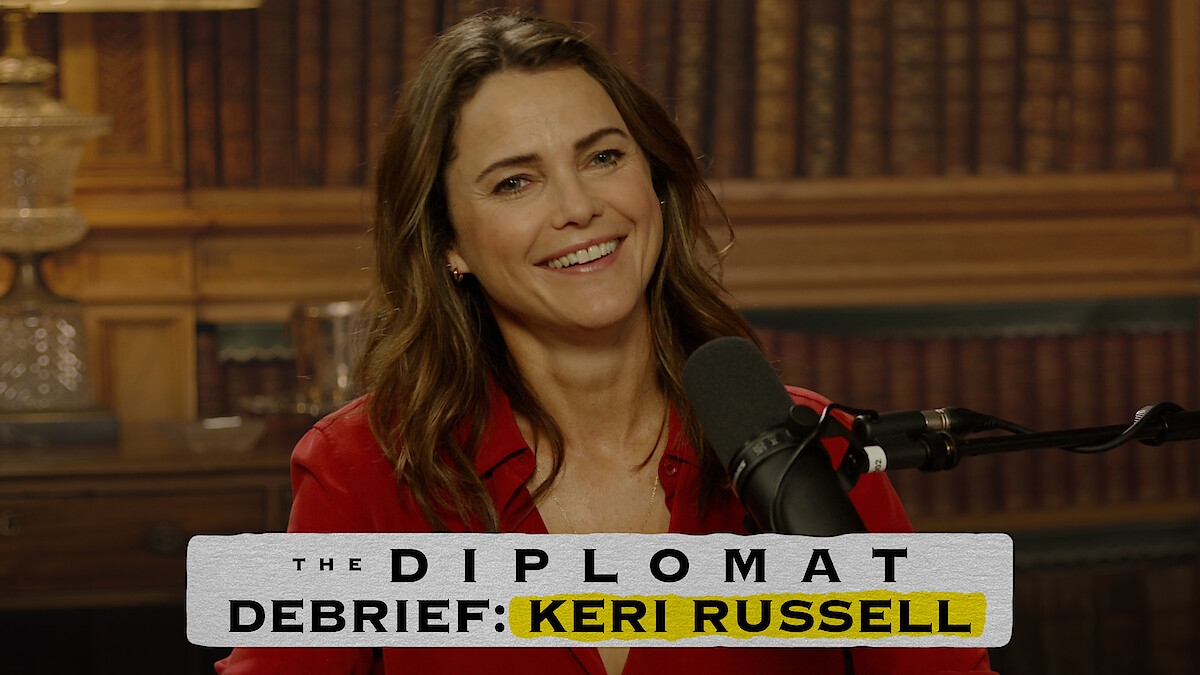
The three seasons of Emmy Award– and Golden Globe–winning The Diplomat are an intricately braided thrill ride through international intrigue, all woven around the wild twists and turns of one key character, Kate Wyler. Played by Keri Russell, Kate is a seasoned Foreign Service officer with deep experience in conflict zones who is unexpectedly appointed US ambassador to the United Kingdom, where she must navigate high-stakes international crises while grappling with the strains of a complicated marriage. The trick of this series has always been to provide a sense of continuity to Kate’s claustrophobic and tumultuous world, mimicking the real and unending flow that is nonstop foreign affairs. “We’re always trying to do better. We’re always trying to make it bigger and more beautiful and more interesting and surprising,” says the show’s creator, Debora Cahn. “Really the first three seasons are one story. Season 3 is really a part two of everything that happened last season. We’re always looking for ways for the story to surprise us. It often does. We change plans a lot in the development of the season. But this was baked into it from the get-go.”
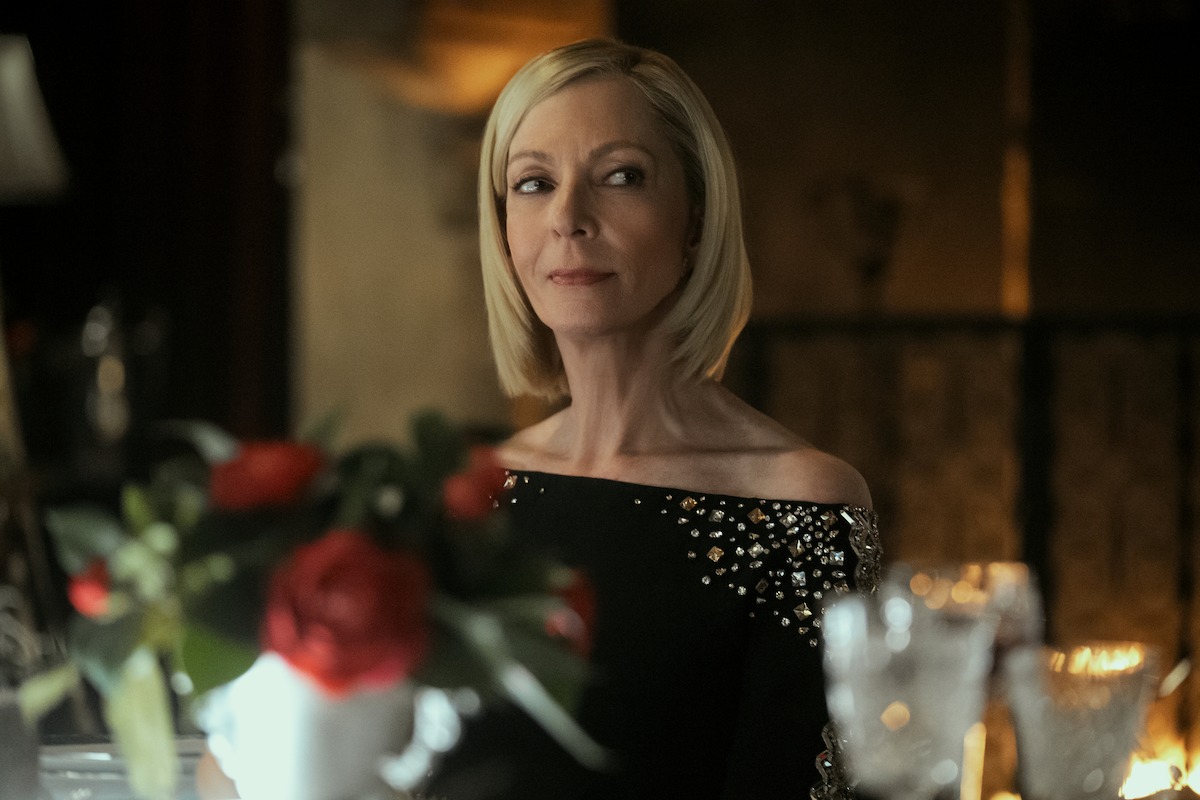
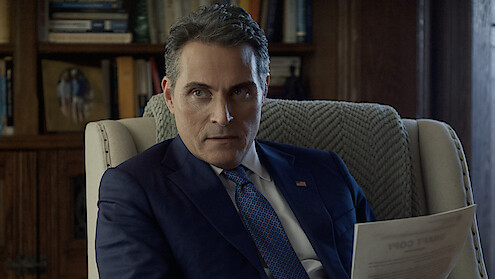
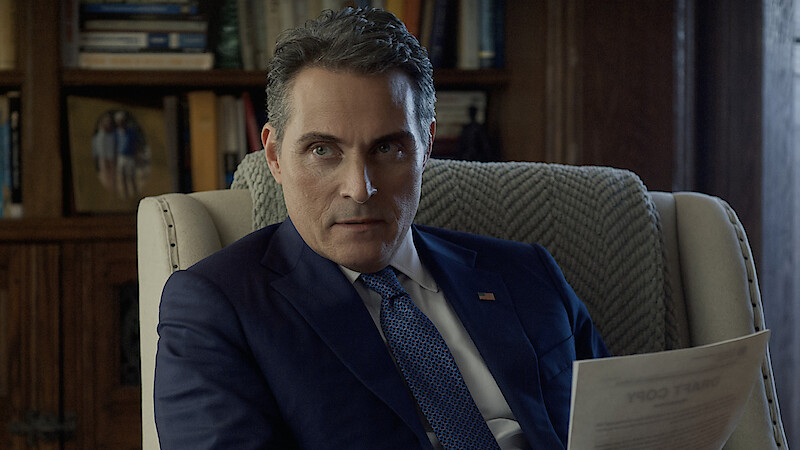
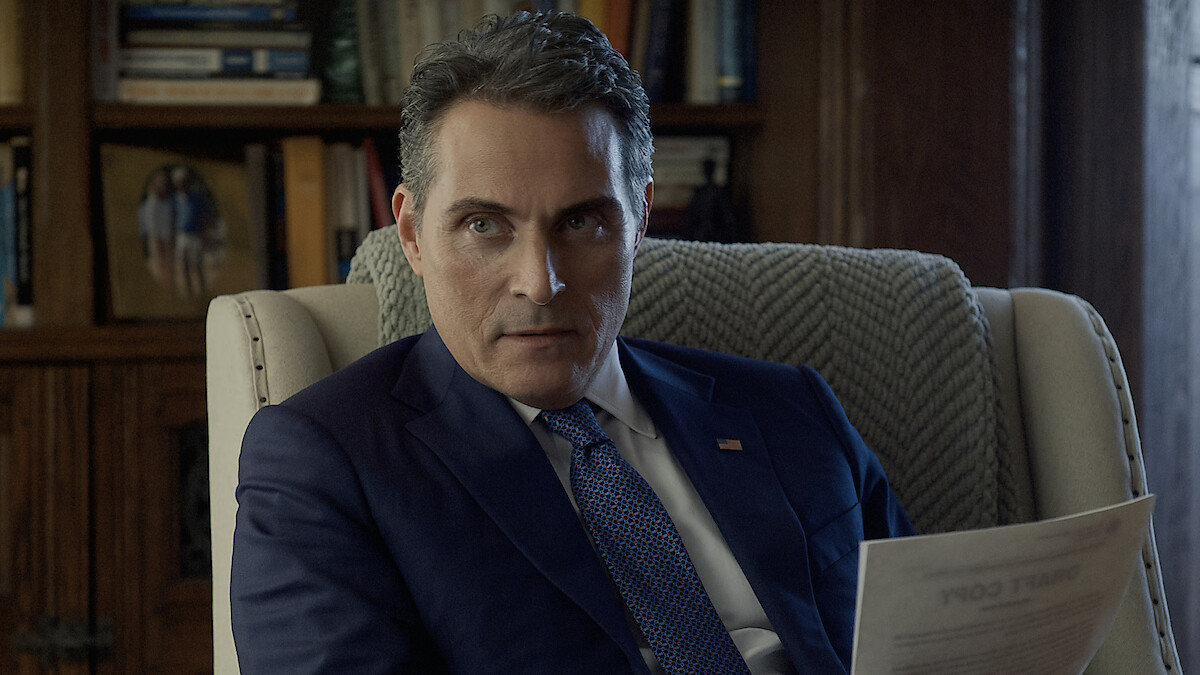
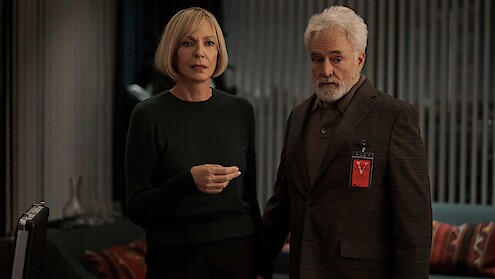
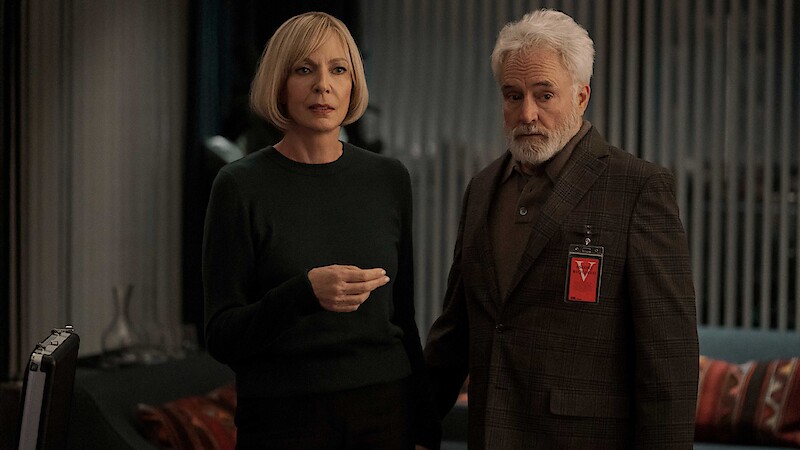
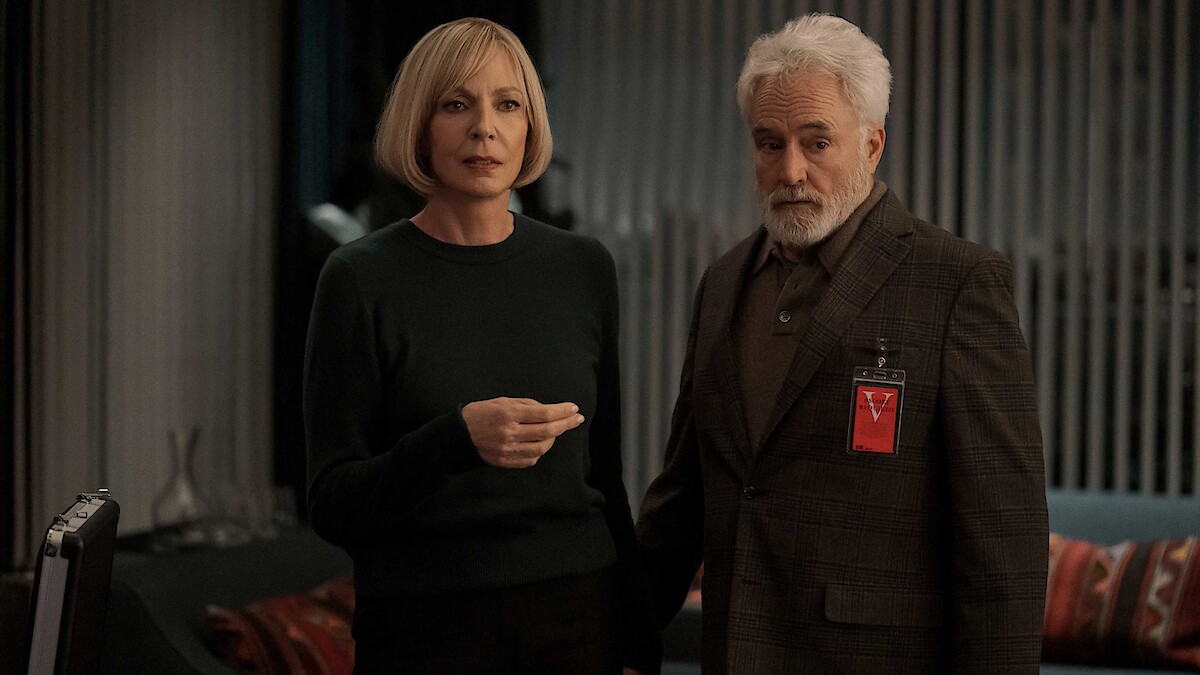
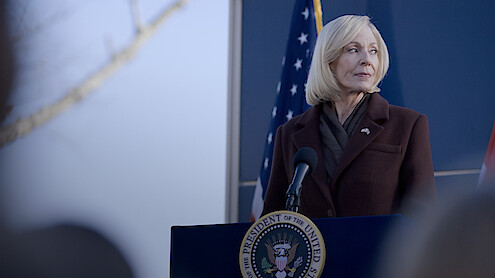
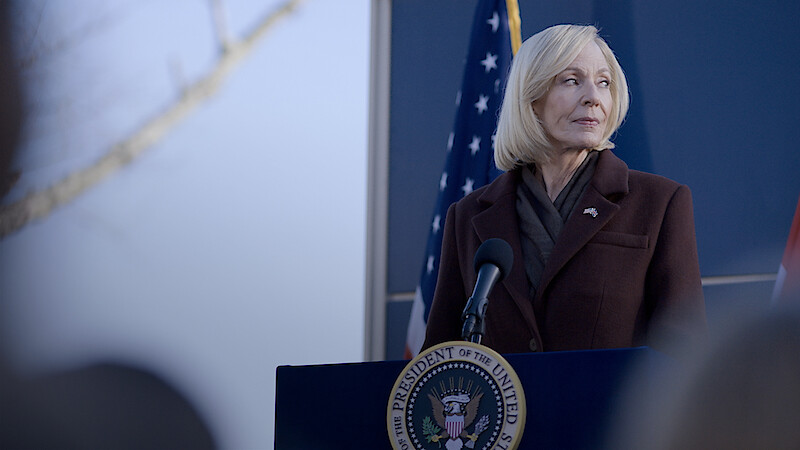
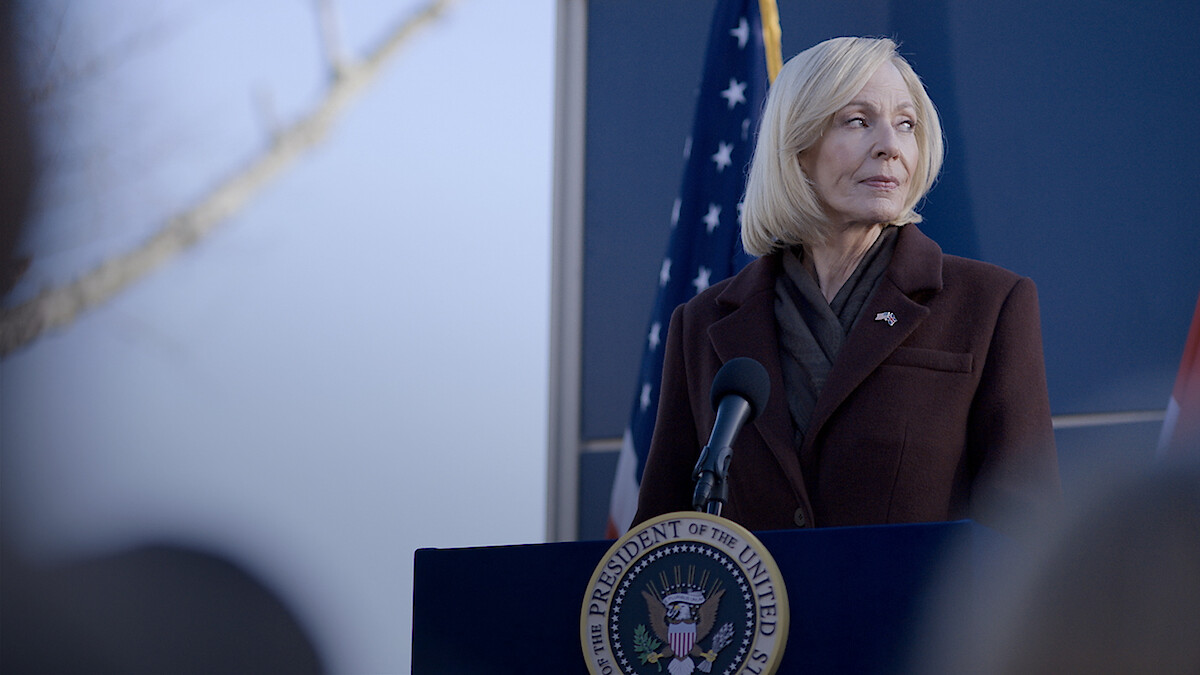
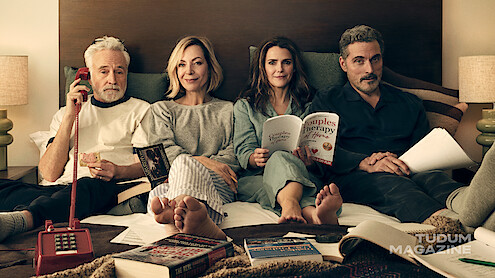
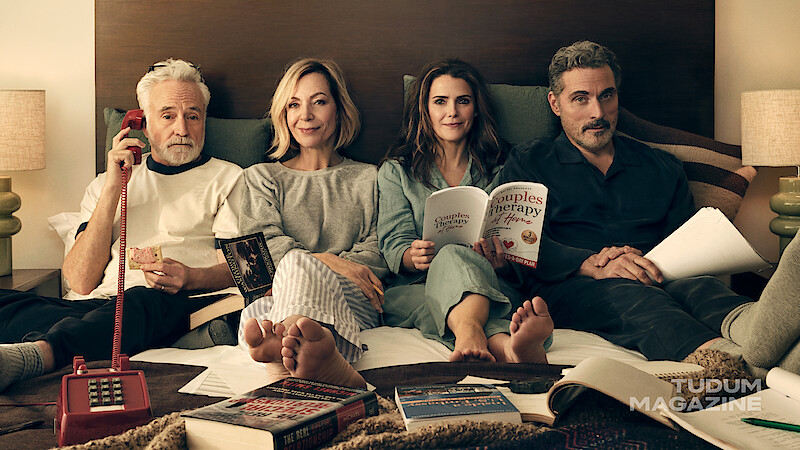
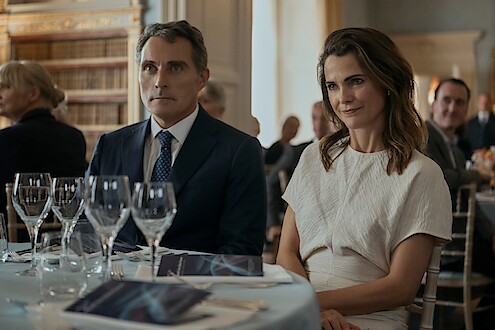
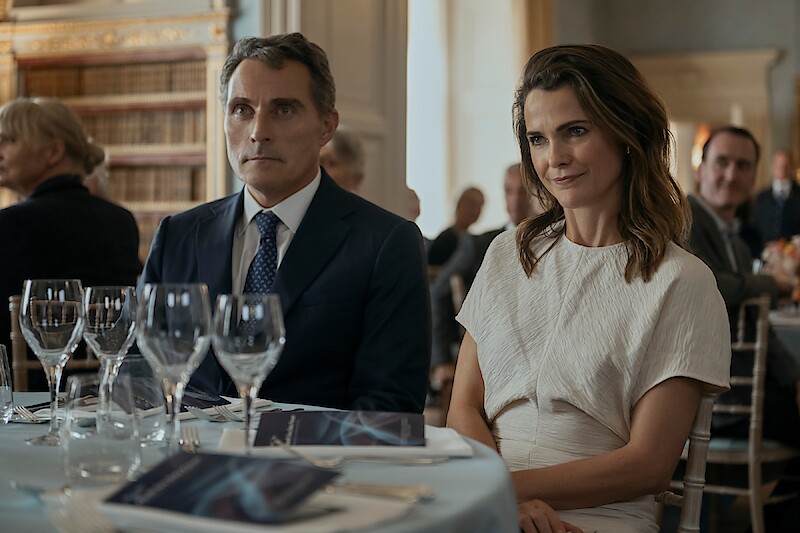
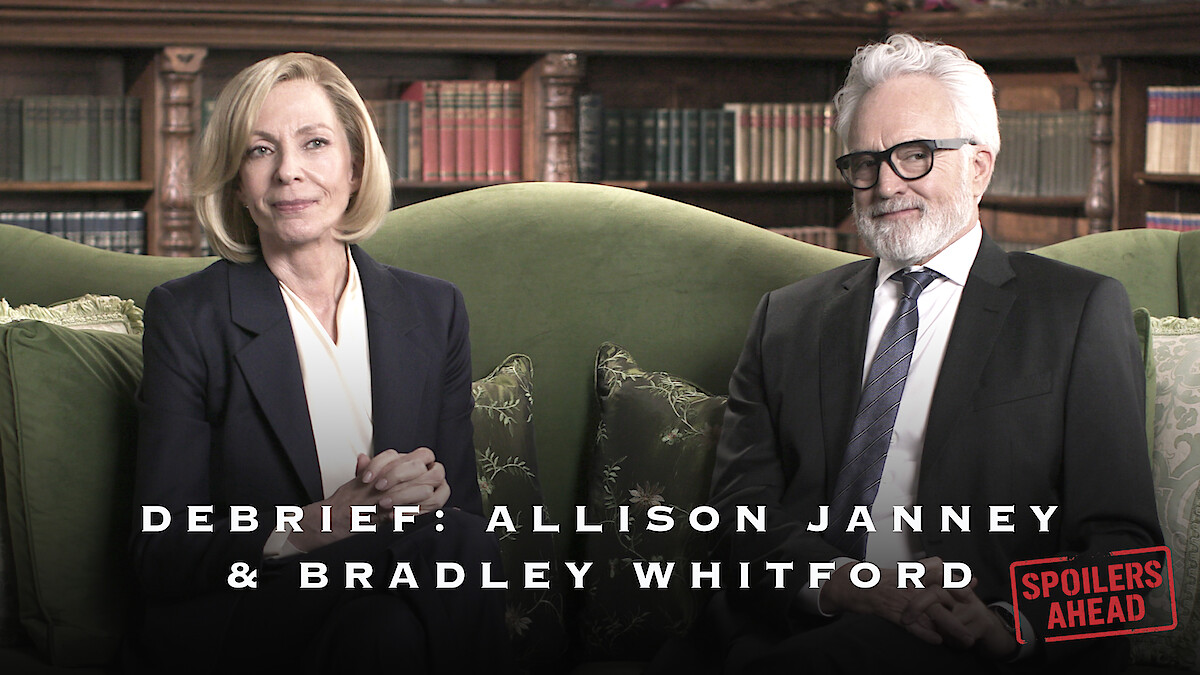
Season 3 of The Diplomat opens with Kate discovering that ambition can be its own catastrophe. After implicating Vice President Grace Penn (Allison Janney) in a terrorist conspiracy — and privately confessing she wants the job herself — the political landscape resets when the president suddenly dies. Kate’s husband, Hal (Rufus Sewell), doubles down on his long-running project to engineer Kate’s rise. Forced into a position she never sought, Kate finds her personal alliances becoming just as dangerous as her professional ones. Her relationship with British foreign secretary Austin Dennison (David Gyasi) deepens in ways that complicate diplomacy, while an unlikely connection with First Gentleman Todd Penn (Bradley Whitford) pulls her even closer to the center of a presidency she no longer trusts.
In Season 3, the audience sees Kate’s world expand as her sphere of influence grows. Yes, the show features the settings we’ve come to love — including Winfield House, the stately manor where Kate lives, filmed at the real life 18th-century Palladian mansion Wrotham Park in Hertfordshire, England — but it also has some new and exciting backdrops in and around London, including one of the city’s most touristic destinations, Trafalgar Square, for a pivotal scene. “That’s a situation where I was like, we should find some cool exterior for this, maybe a park, maybe a park bench, I don’t know — something that has the grandiosity of Trafalgar Square, that would be great, but obviously we can’t shoot there,” Cahn says. “And [executive producer] Janice Williams was like, ‘Why not? Don’t ask, don’t get.’ And sure enough, we shut down Trafalgar Square. It was an unbelievable day.”
Kate also hops across the pond in Season 3, and that meant the crew did as well, filming in New York for scenes set at President Penn’s Hamptons home. There are also fresh new recreations of important English landmarks, including one of Britain’s most iconic state residences, with stunning production design by Curt Beech and Jeff Tessler. “Episode 8 takes place in what is supposed to be a version of Chequers, the prime minister’s grace-and-favor country house in the UK. I think everyone was probably a bit skeptical — like, how do we find that? And our locations department brought quite an extraordinary match,” says Williams. “In many cases, the art department needed to transform the whole edifice, certainly the inside, and sometimes out. They did really great work. And it also was an opportunity to go to a place and let the place tell us a little bit about what the story should be, how it should unfold, how things should play out.”
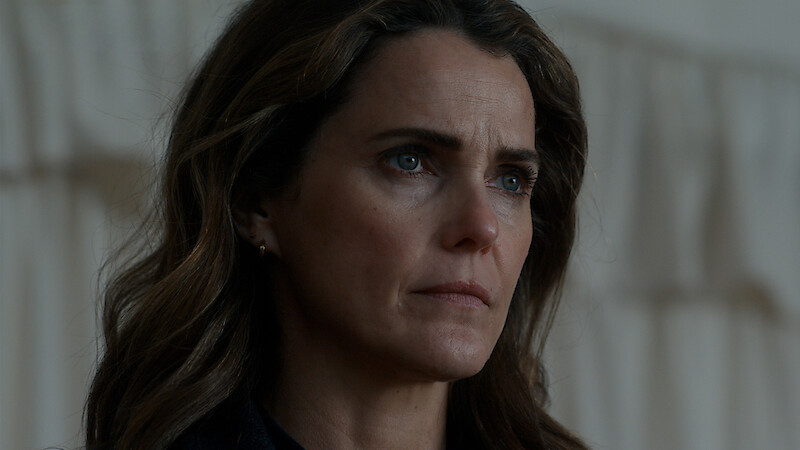
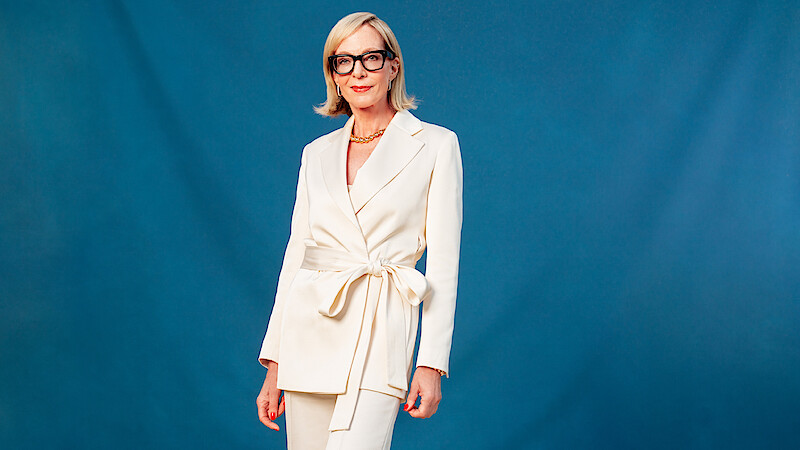
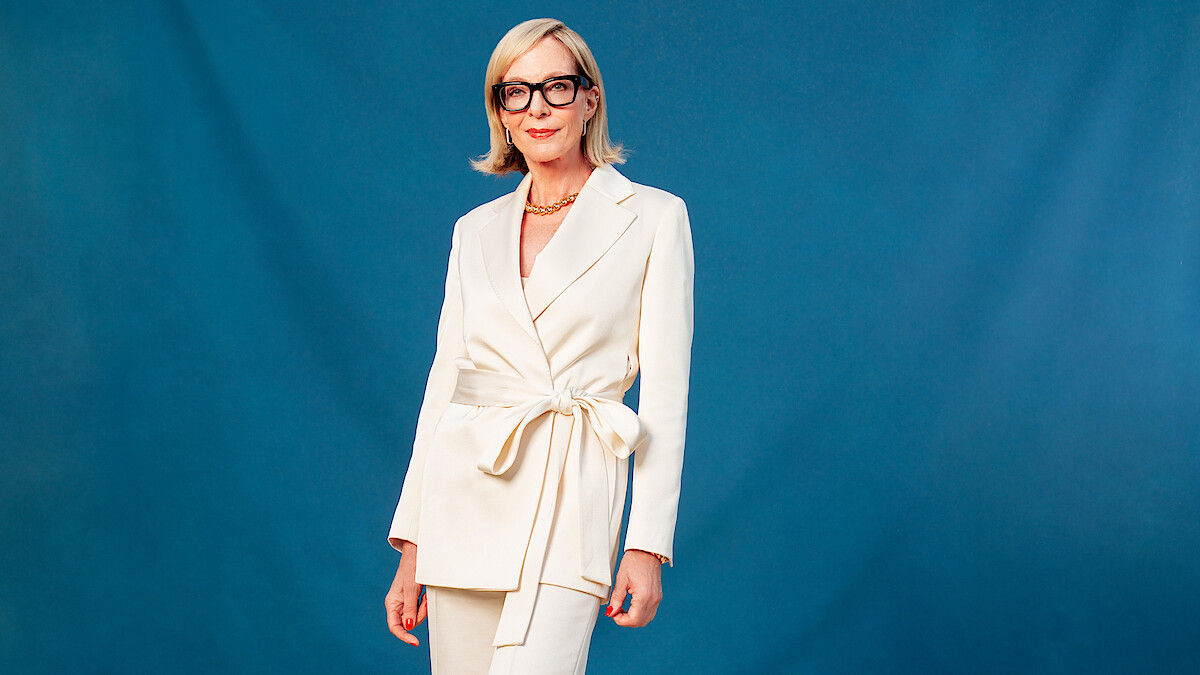
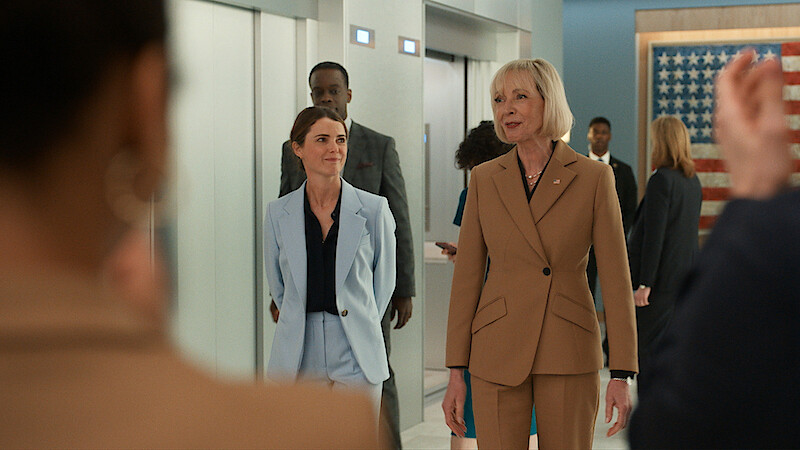
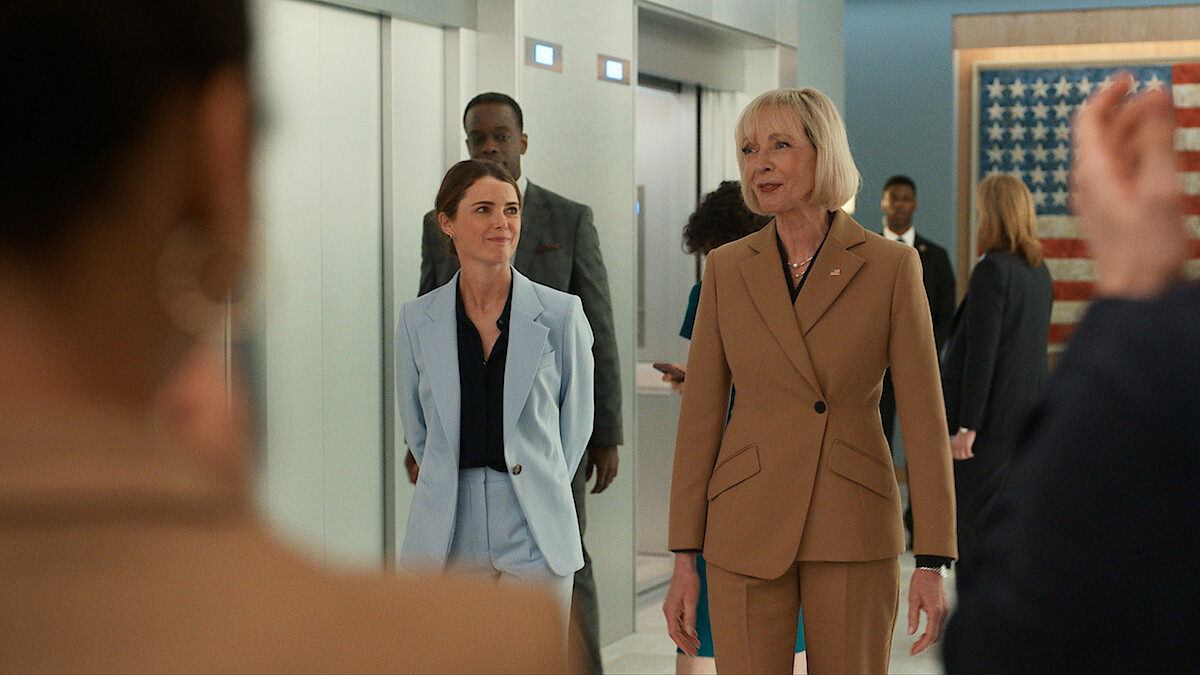
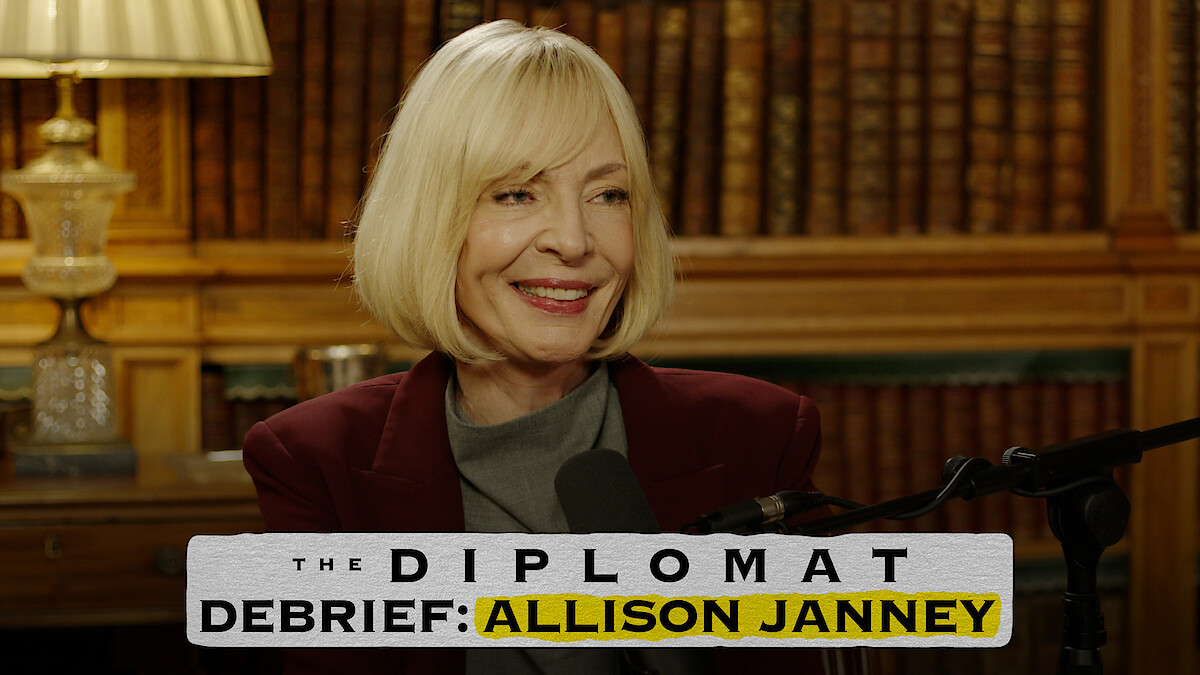
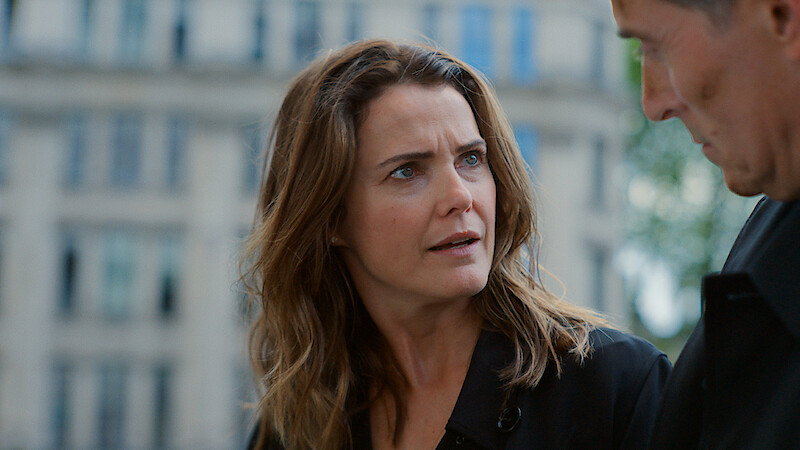
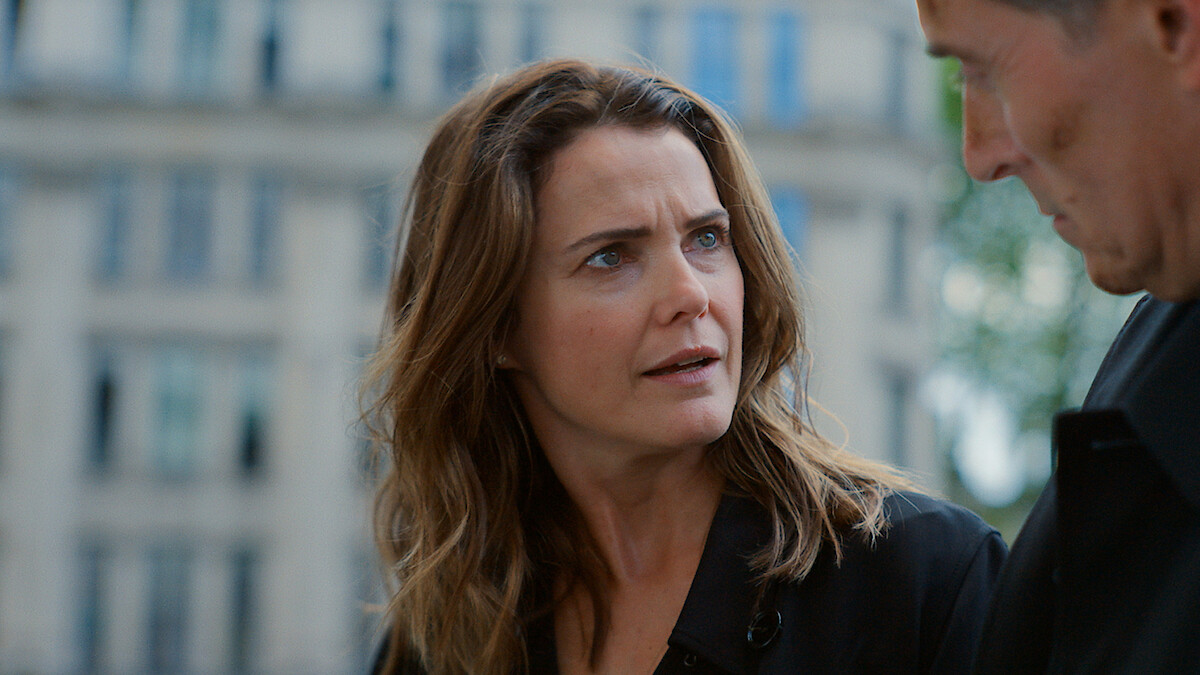
Kate’s hair — done by Roo Maurice — has also been an important part of storytelling throughout the seasons. In contrast to the impeccably polished President Penn — who never seems to have a strand out of place — we see Kate vacillating between devil-may-care frizz and more controlled, pulled-back looks, particularly after Penn emphasizes to Kate how integral appearances can be in a high-profile position in public service. “Basically, Grace tries to educate Kate on the importance of looking good in addition to doing your job well,” Janney says. “Her appearance is important because her face will be in the media an average of 12,000 times a day, and her picture will be in every classroom and embassy.”
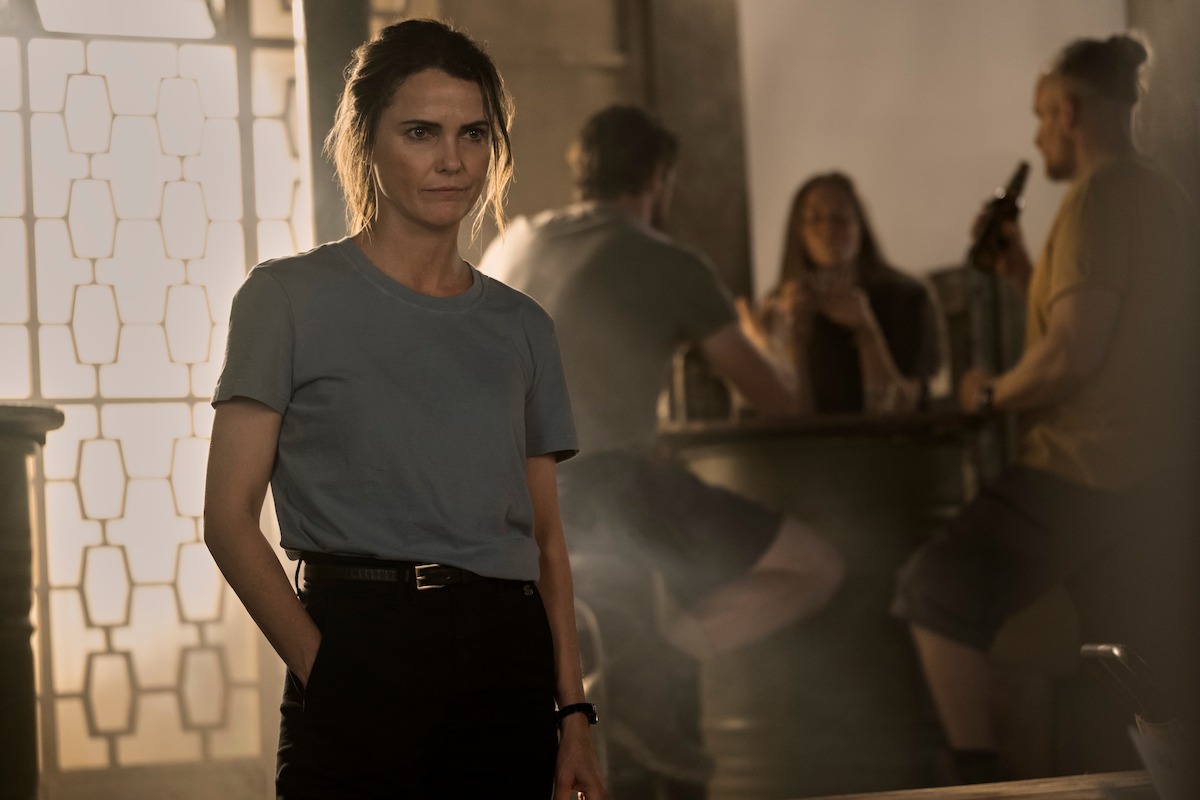
Russell, no stranger to the public’s long-running fascination with a woman’s hair, finds it intriguing how viewers scrutinize her appearance in the same way they would an actual diplomat’s. "That is something people comment to me, about my hair," she says. “I love the whole narrative around how she looks, how she dresses. It's everything I want it to be." In Season 3, with costume design by Jenny Gering, we also still see Kate chafing at the more formal sartorial aspects of diplomacy. ”I was not informed in advance about the sash,” she says of a particularly fussy dress she’s given for a dinner with the prime minister. As always, Kate is most at ease in the functional black pantsuits that define her working life. "For me, it is so freeing to just get to just be regular, and just be me, and be not finished, or be whatever version of that that's good enough,” says Russell of her character. “I love that space. I think the moment you start having to do too much, and [are] wearing your clothes too tight, for me, I lose all the freedom and the fun and spontaneity. You’re just so worried about the way you look, and it’s so stupid. You miss 80% of the good times."