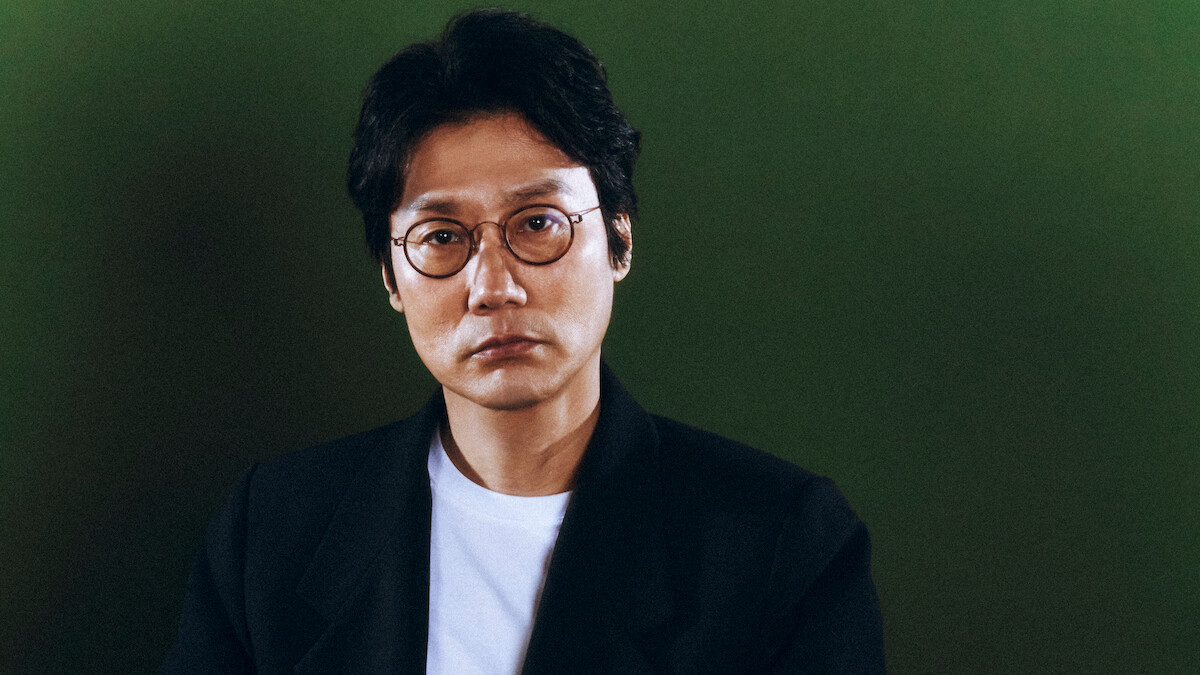
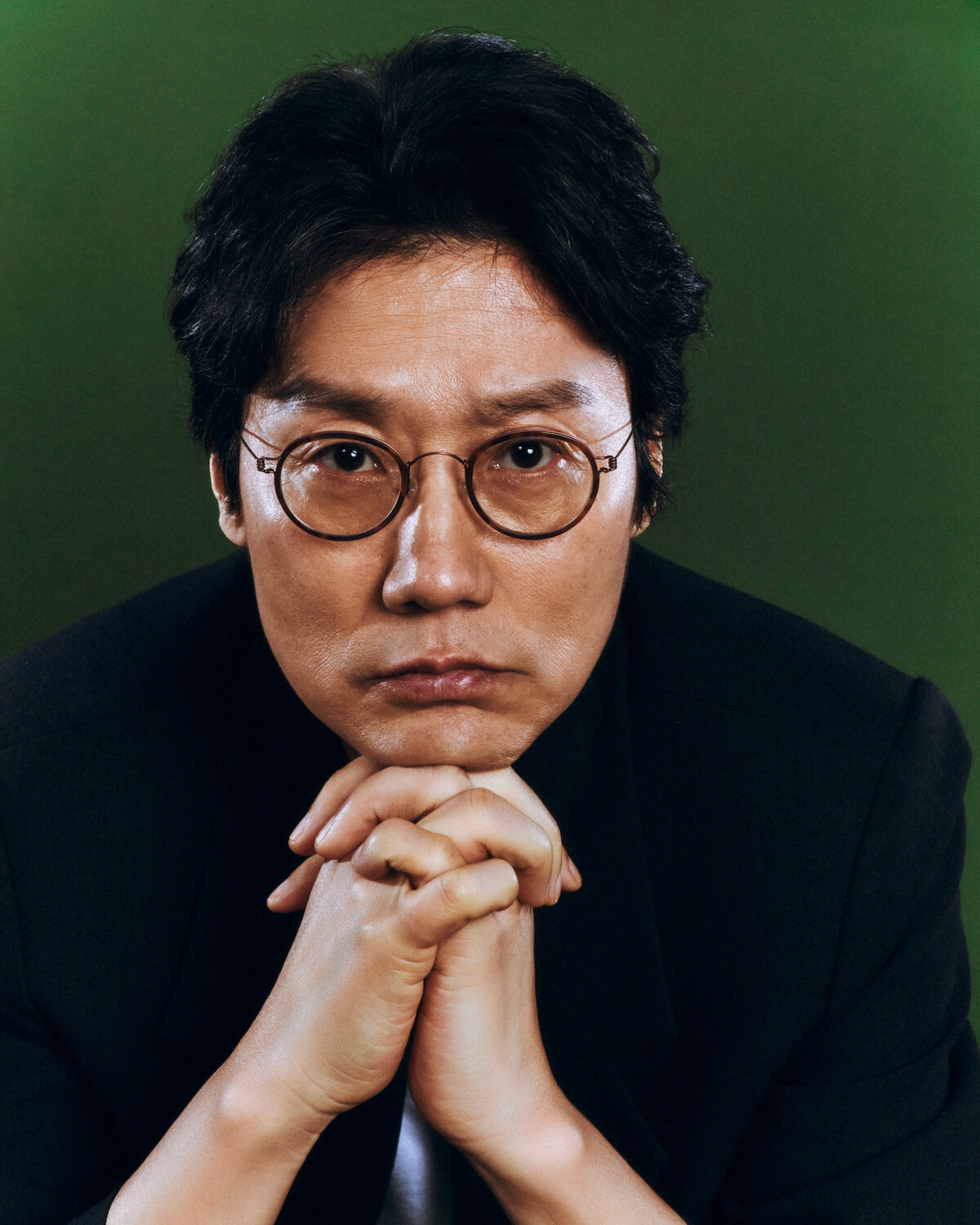
PHOTO BY GO WON-TAE
Behind the Scenes
Hwang Dong-hyuk Says Farewell to Squid Game
The creator weaves a tale of hope with the ending of the drama series.
By Miranda Tsang
April 8, 2026
Something changed in Hwang Dong-hyuk as he was writing the third and final season of his award-winning series Squid Game. The writer-director had created a show whose societal critiques resonated with viewers around the world — so much so that when it first began streaming in 2021, it became the most-watched show on Netflix (a status it holds to this day, five years from its debut).
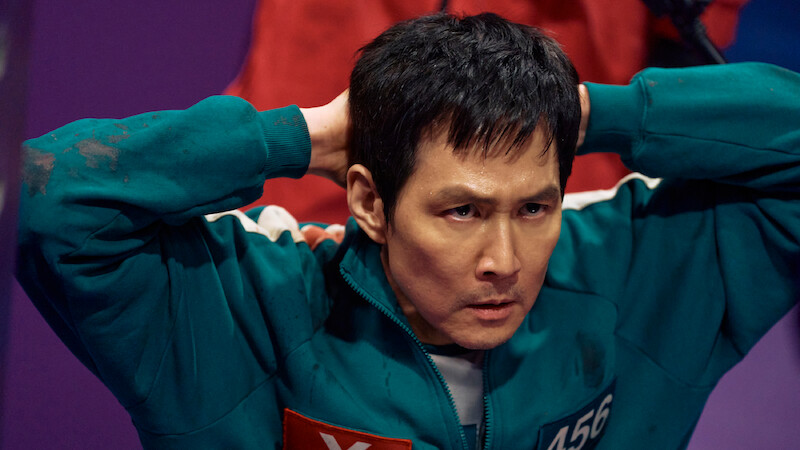
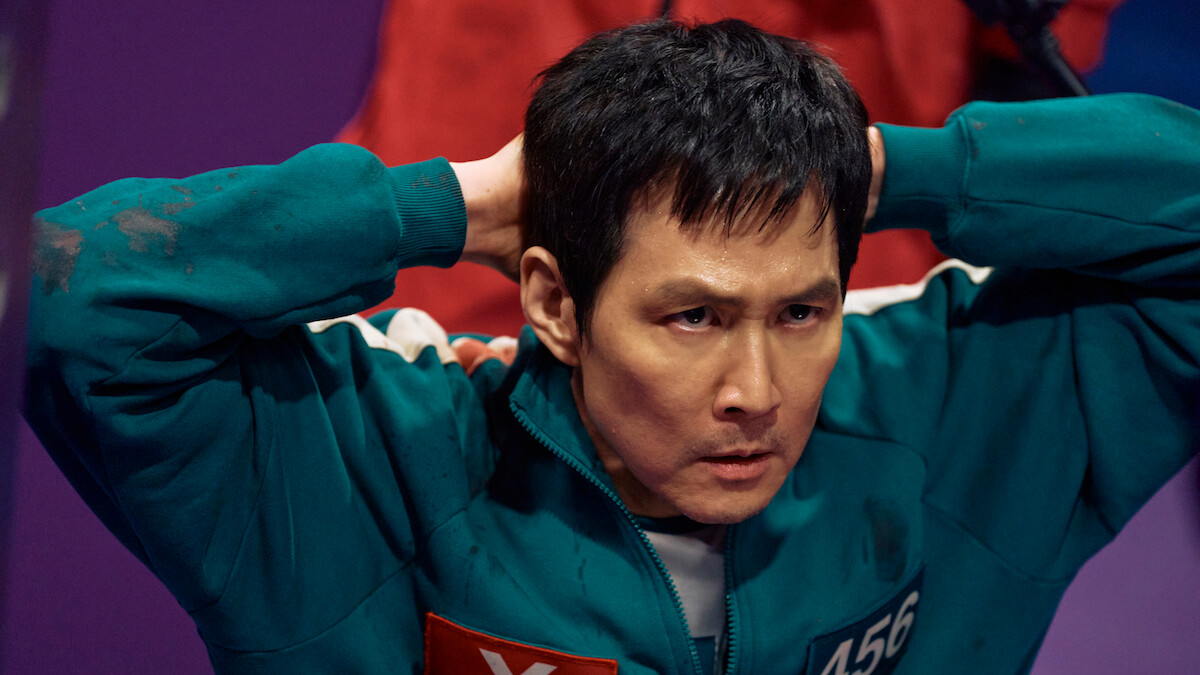
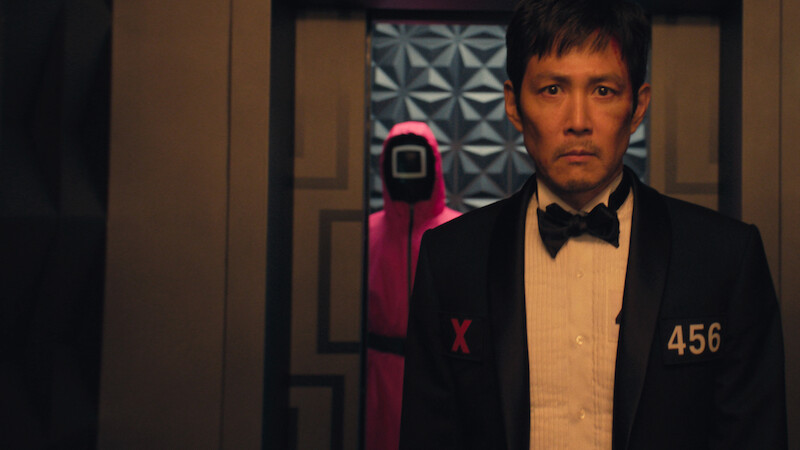
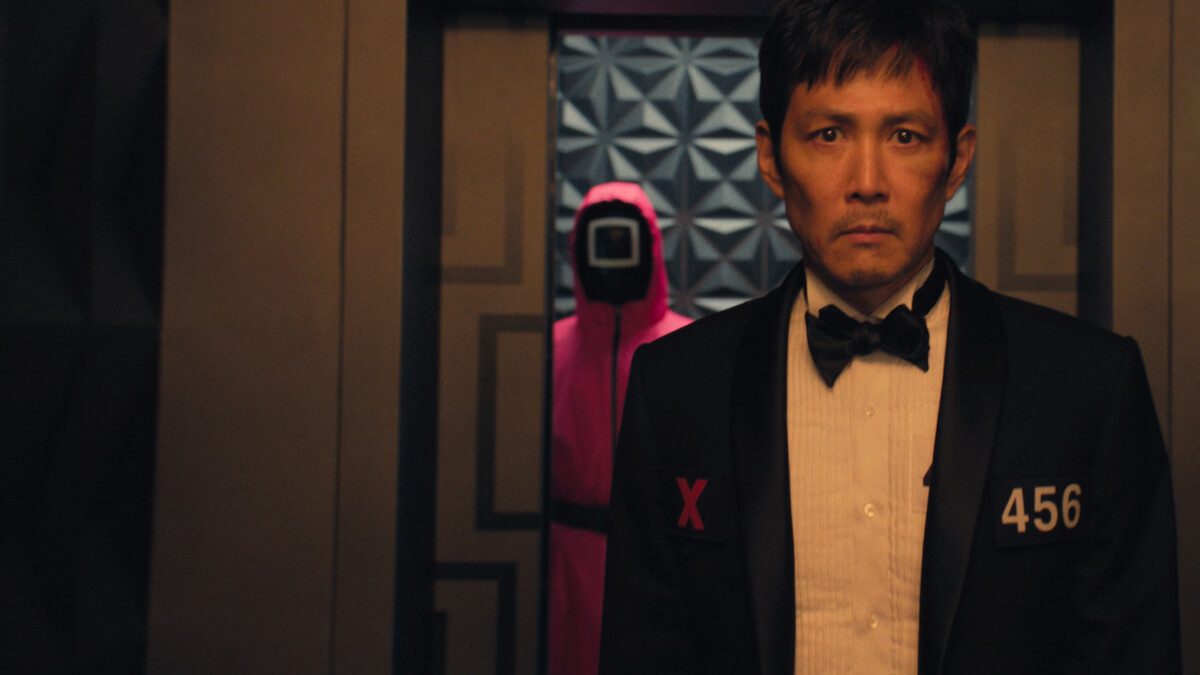
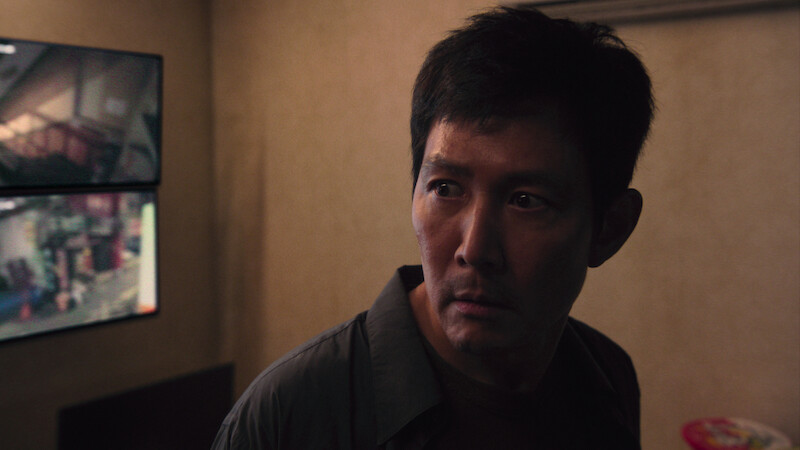
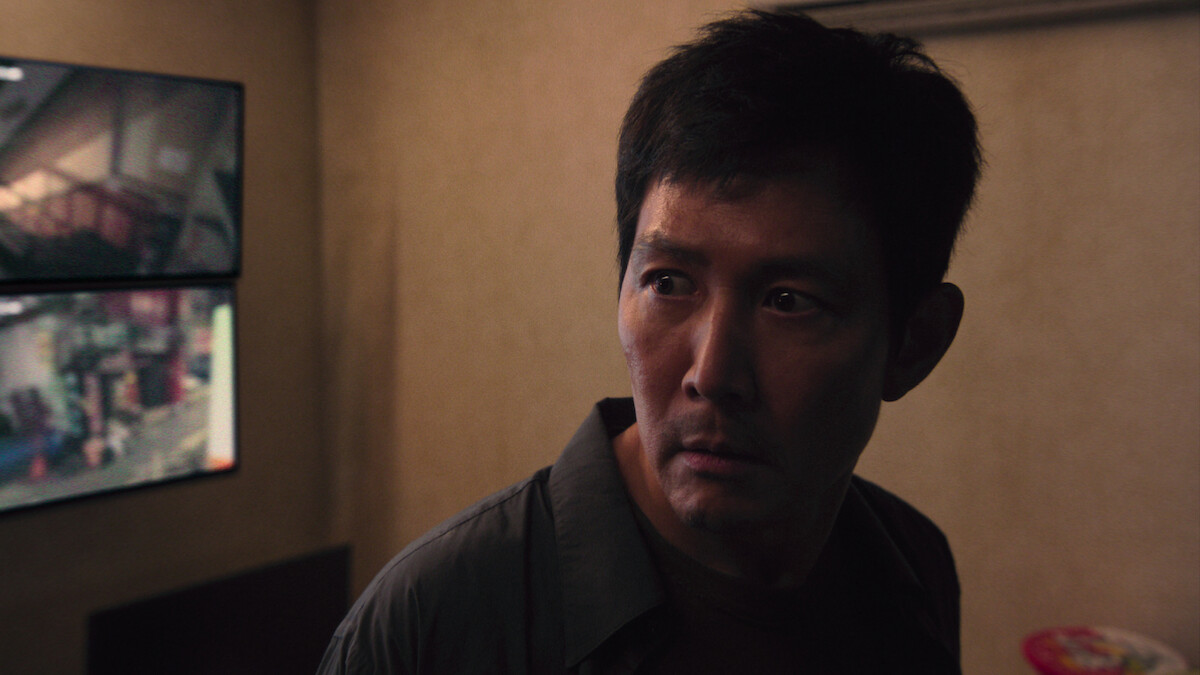
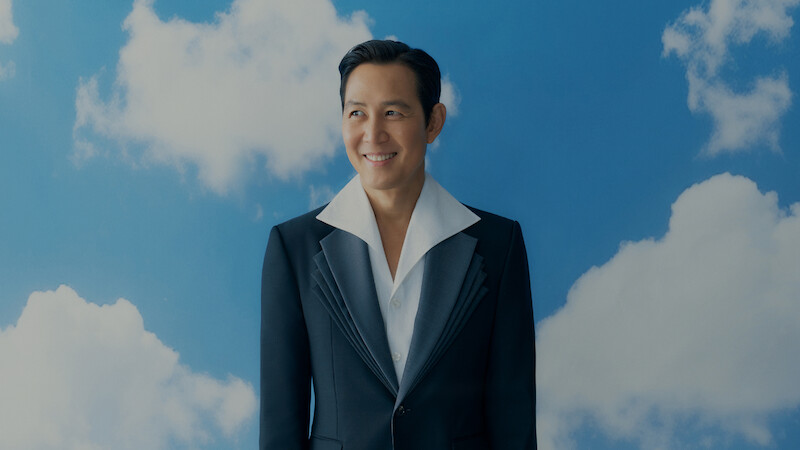
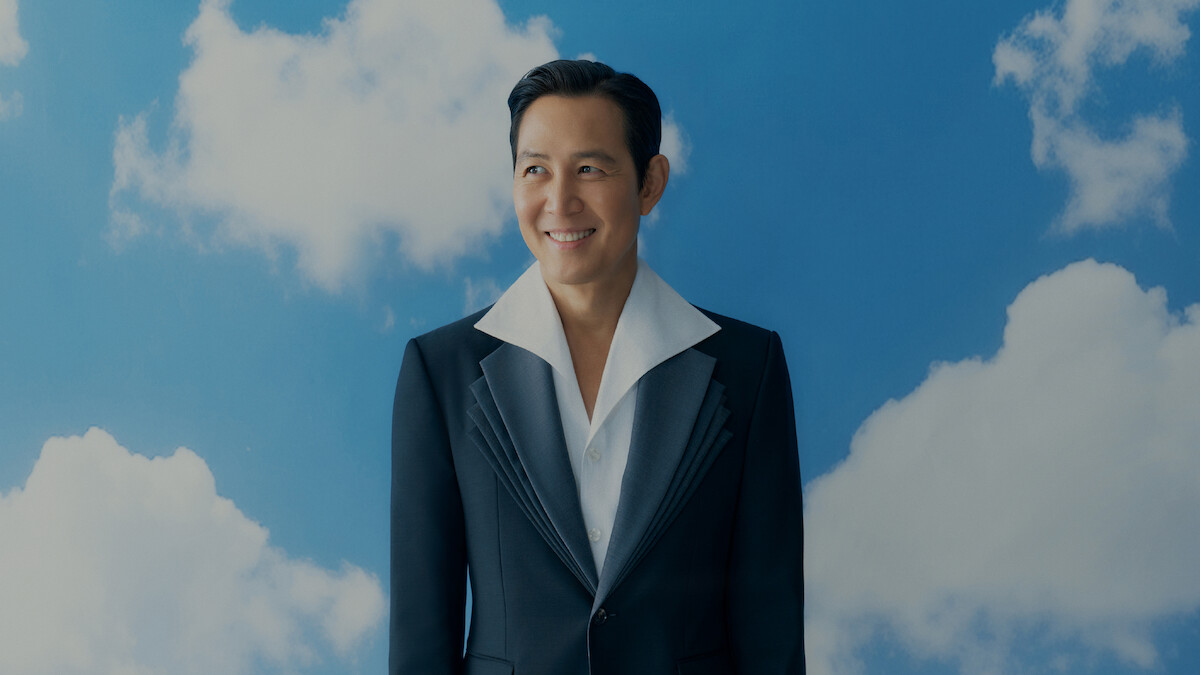
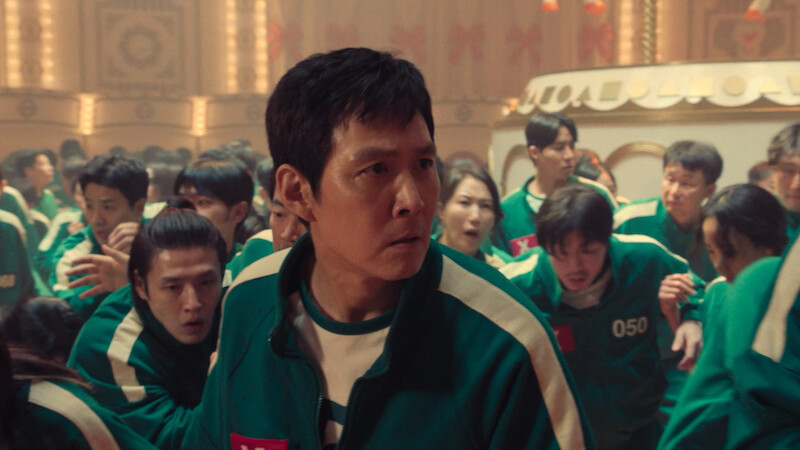
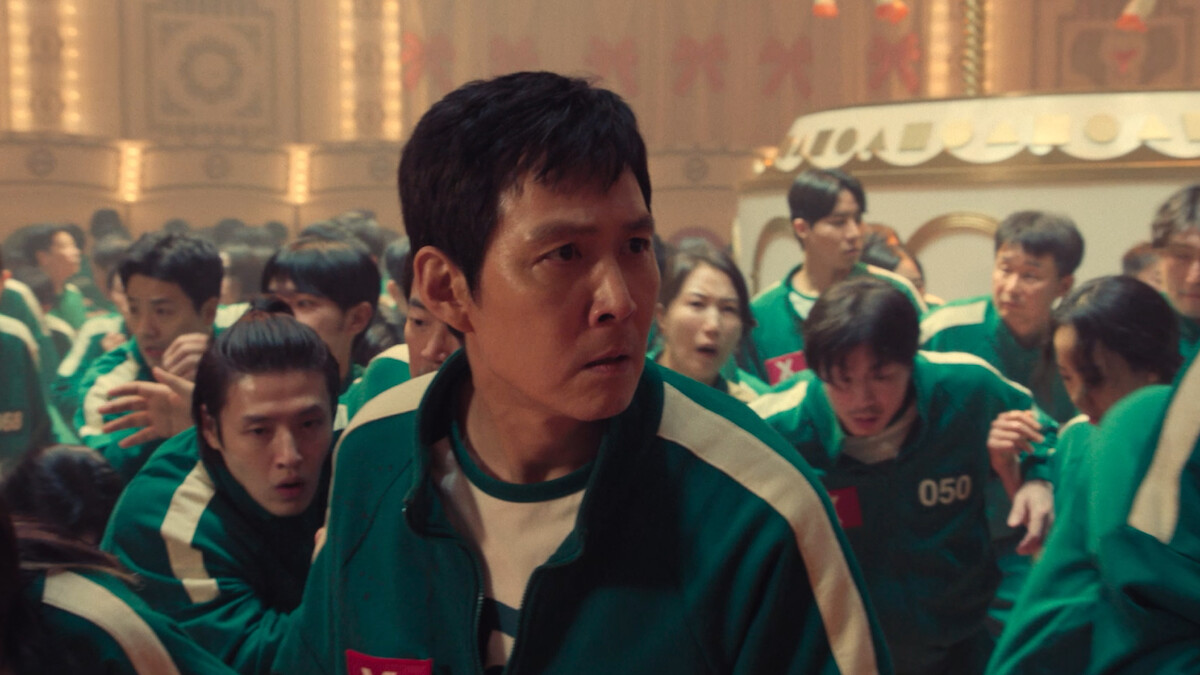
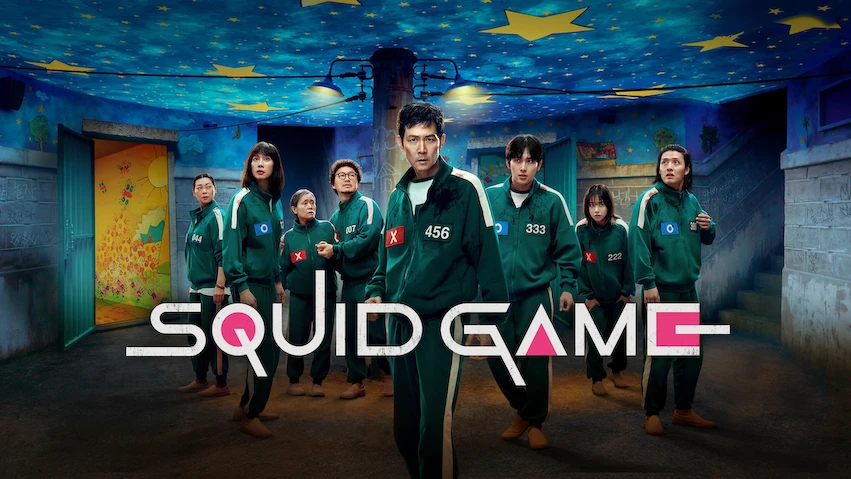
Squid Game centers on a desperate gambler named Seong Gi-hun (played by Lee Jung-jae), who enters a battle royale called Squid Game in order to win its massive 4.56 billion won jackpot — it’s his Hail Mary, a final bet on himself, as the loan sharks close in on him and his disappointed family begins to slip away.
The competition takes place on a remote island, and it consists of a series of children’s games writ large—from Red Light, Green Light (refereed by a now-famous, towering doll with motion-detecting eyes) to the eponymous Squid Game. Players enter playground-style arenas to take part in familiar childhood activities. But as each game ends, it isn’t simply time to come in from recess — losing has life-or-death consequences. Each game whittles down the competition significantly as the jackpot increases.
Despite the odds, by the end of the first season, Gi-hun has won the Squid Game, besting a childhood friend, Cho Sang-woo (Park Hae-soo), in the final challenge. Yet when Gi-hun arrives back home a rich man, he discovers that his mother is dead and his daughter has gone to LA — and he can’t shake the guilt that the prize money came at the cost of his fellow players’ deaths. Season 2 jumps three years ahead as Gi-hun reenters the Squid Game, seeking vengeance for all his fellow players and determined to put an end to the games altogether.

The show was an instant phenomenon; from those ubiquitous pink guard Halloween costumes to the rising popularity of dalgona candy and green tracksuits, Squid Game was a huge hit around the world. Hwang, already an established writer and director in South Korea, first conceived of the series a decade before it appeared on Netflix; then, all of a sudden, his idea was a reality, and it was everywhere. “Seeing scenes come to life — even better than I imagined — was deeply moving,” remembers Hwang. “The moments when I thought, ‘What I had envisioned in my head is actually materializing right in front of me …’ I’ll miss and hold onto that feeling for a long time.”
Critical acclaim followed. Squid Game made Emmy history as the first non-English — and first Korean — show nominated for a Primetime Emmy, and Lee Jung-jae and Lee You-mi became the first Asian actors to win Outstanding Lead Actor in a Drama Series and Outstanding Guest Actress in a Drama Series, respectively. Hwang took home the Outstanding Director for a Drama Series prize. All in all, the series earned 14 Emmy nominations and won six of those. The show’s third season has already been nominated for an Actor Award for Outstanding Stunt Ensemble and won a Critics Choice Award for Best Foreign Language Series.
The series’ final season feels special: As Hwang began writing Season 3, something shifted for the creator and for his story — it wasn’t all about revenge anymore. “Season 3 is really about Gi-hun’s transformation, and how he overcomes what stands in his way,” says the director. “I wanted it to delve deeper into the fundamental questions we face, compared to what its predecessors explored.”
Throughout its run, Squid Game’s story has highlighted some of the more negative aspects of humanity, such as in the players’ desperation, or the pink guards who traffic the organs of the deceased, or the VIPS who enjoy watching players fight to the death as if they’re animals. But the series has also spotlighted the tender moments between players who form strong friendships even while pitted against one another, and Gi-hun’s moral compass growing stronger as he is repeatedly tested throughout the games.
“Do I see human existence in a pessimistic or optimistic light? Do I have a hopeless or hopeful view of the future?” Hwang remembers asking himself while developing Season 3. “I eventually came to believe that, no matter how hopeless and dark the world and the events around us may seem, perhaps we still have a chance if we can find even a glimpse of hope within ourselves.”
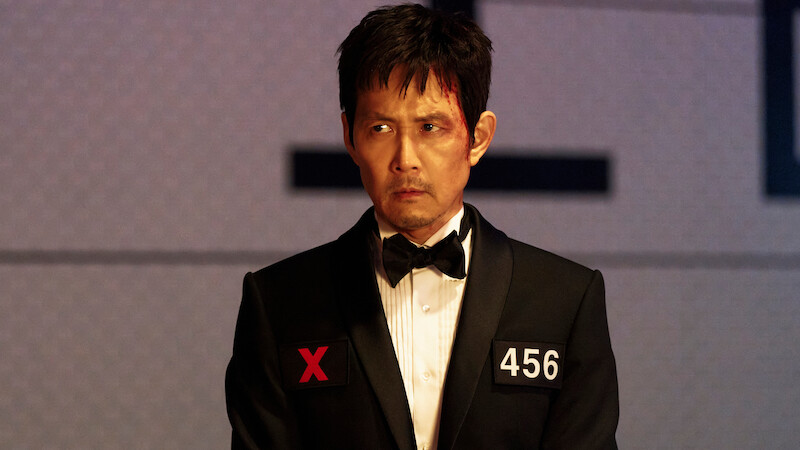
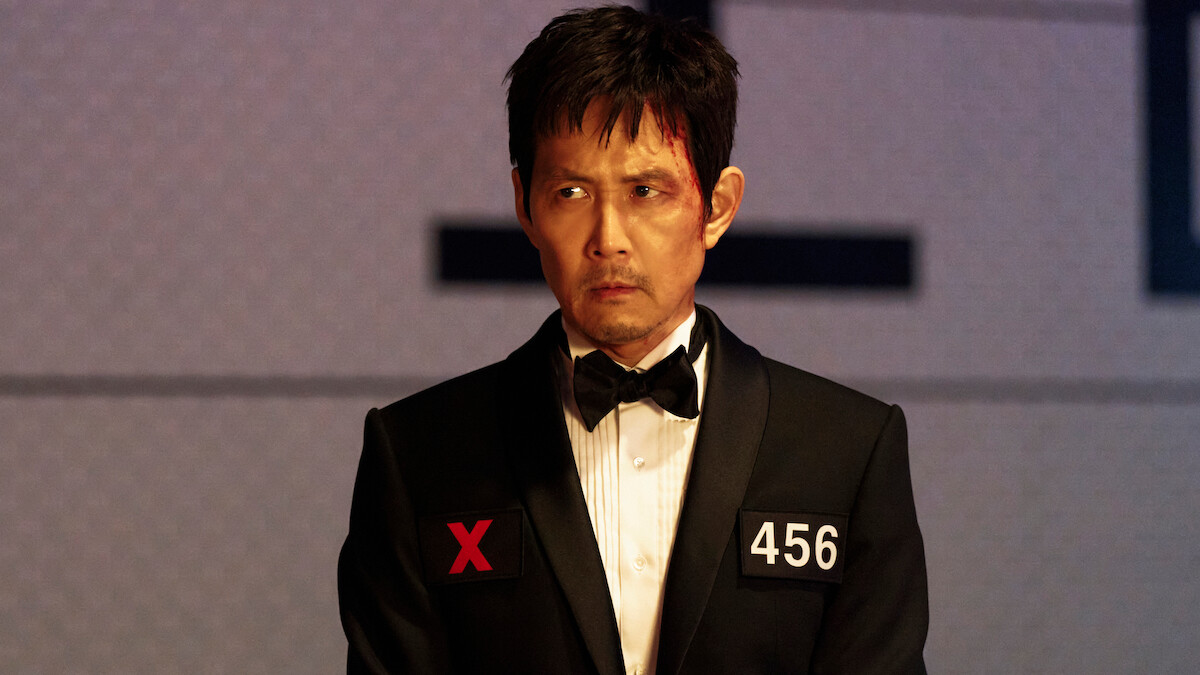
Though he originally saw Gi-hun surviving the Squid Games for a second time in the finale, Hwang decided to close his hero’s chapter more definitively, while leaving viewers with a message of hope. During the third season, one of the players gives birth, and the baby becomes an official contender in the Squid Game, taking its mother’s number when she dies. When the final game arrives, only Gi-hun and the baby remain; Gi-hun makes the difficult decision to sacrifice himself so the baby can win and survive.
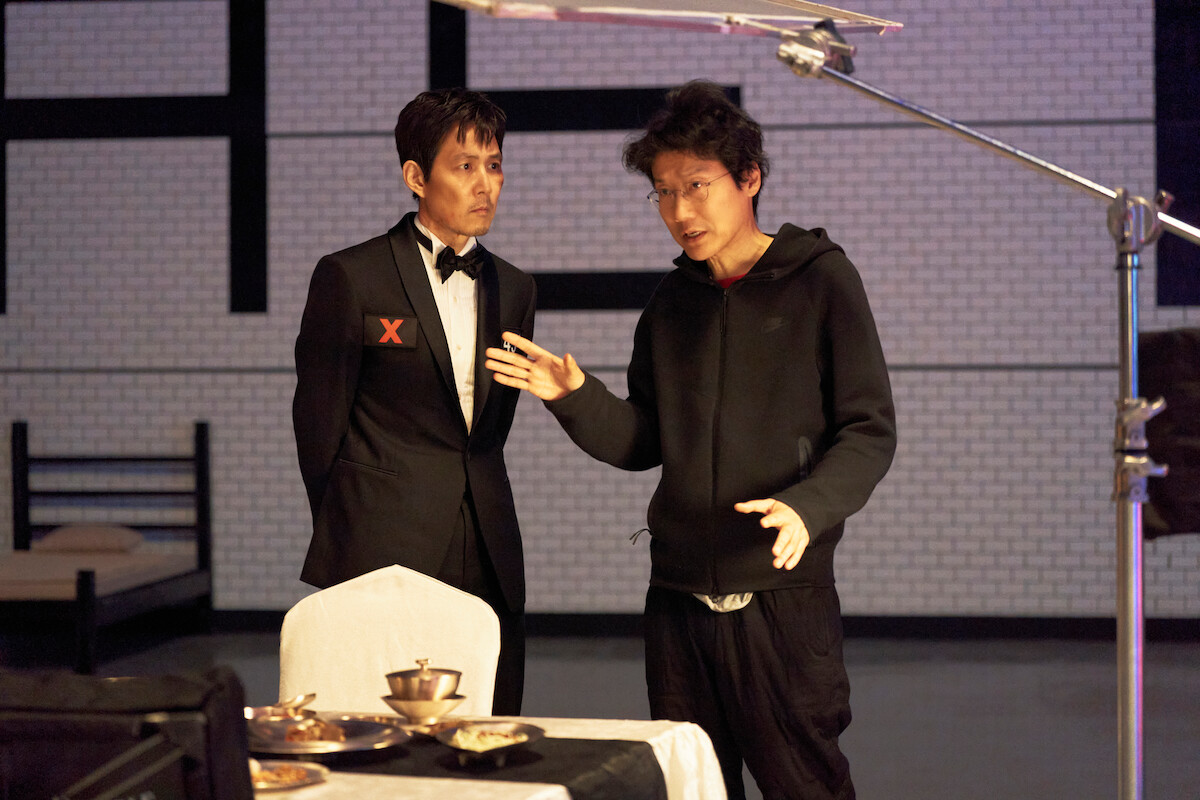
For Hwang, the baby represents all future generations. “I believe we also have the responsibility and duty to try everything that we can in our power to leave a better world for the future generation,” he says of his show’s enduring message. “The baby coming out [as] the winner was in line with the meaning of Squid Game.”
Hwang likens the arc of his series to the Greek myth of Pandora: “They say that when Pandora’s box was opened, after all the disasters and calamities sprang out, the last thing left in the box was hope,” he says. “Season 3 shines a light on whether we still have hope, and the willingness to preserve it and cast it upon the world.”
As the writer-director looks back on his journey with Squid Game, it’s clear that, like his series, he too has grown in hope and optimism. “Working with such an amazing cast and crew for so long created countless great memories,” Hwang recalls. “All those layers of memories will stay with me for a very long time. Traveling abroad and going to awards ceremonies was memorable too, but beneath it all are the memories we share and the joy we felt as we made something together.”