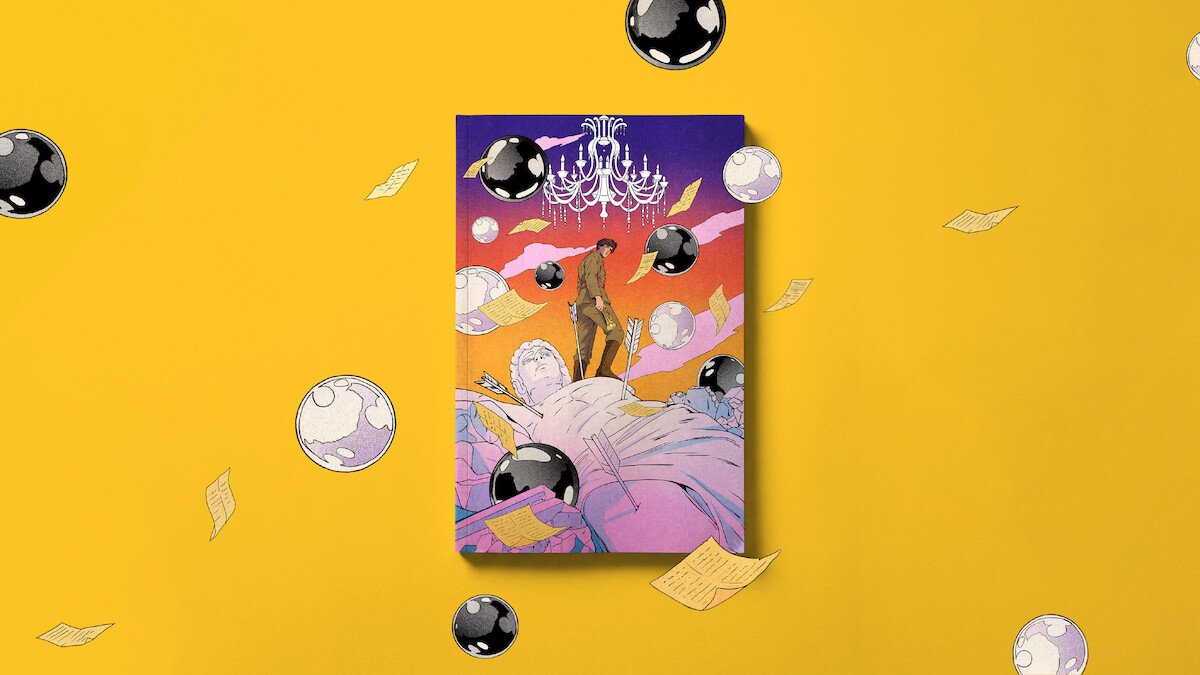
ILLUSTRATION BY TIM O’BRIEN
Deep Dive
What Do Horses Mean in Peaky Blinders?
Cillian Murphy and Steven Knight explain the horse symbolism in Peaky Blinders: The Immortal Man.
By Thea Glassman
March 20, 2026
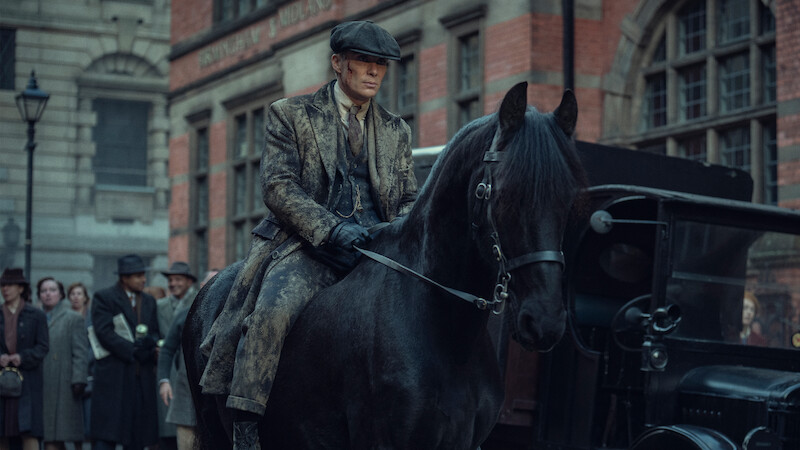
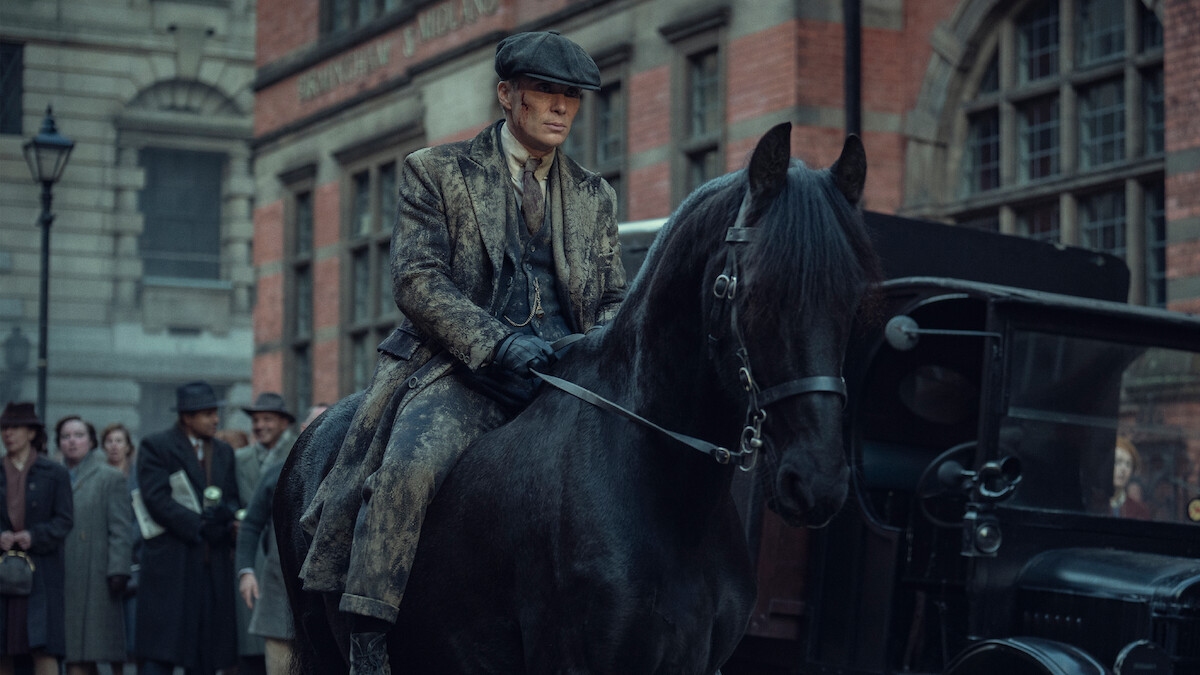
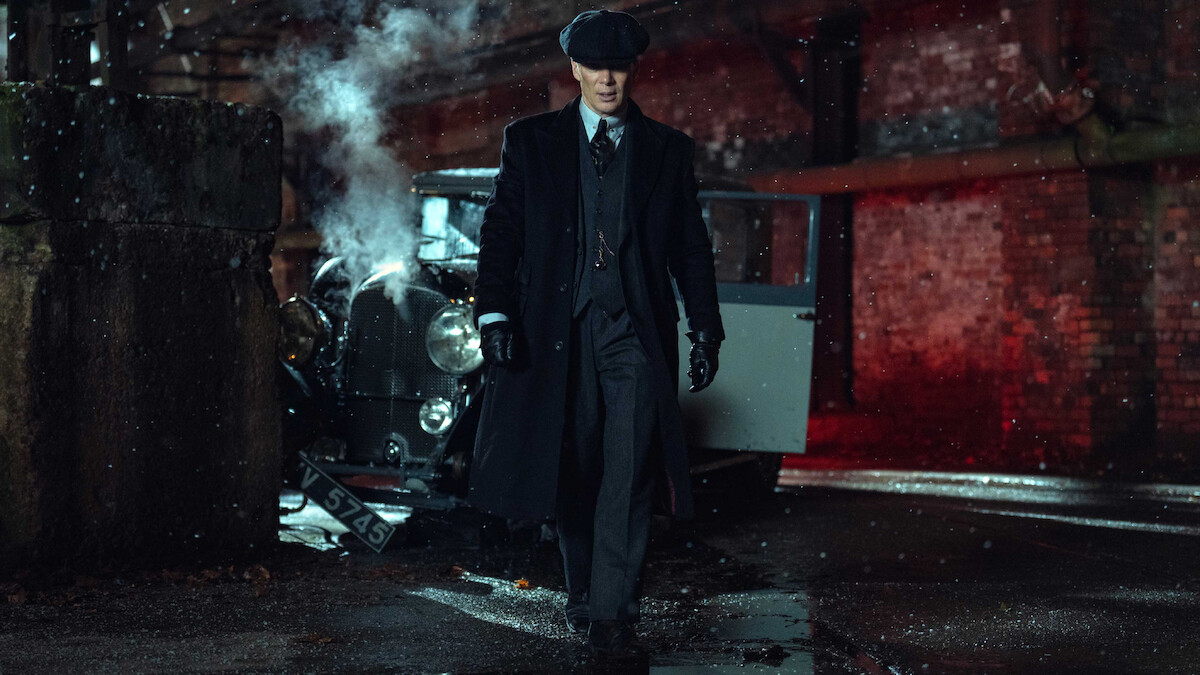
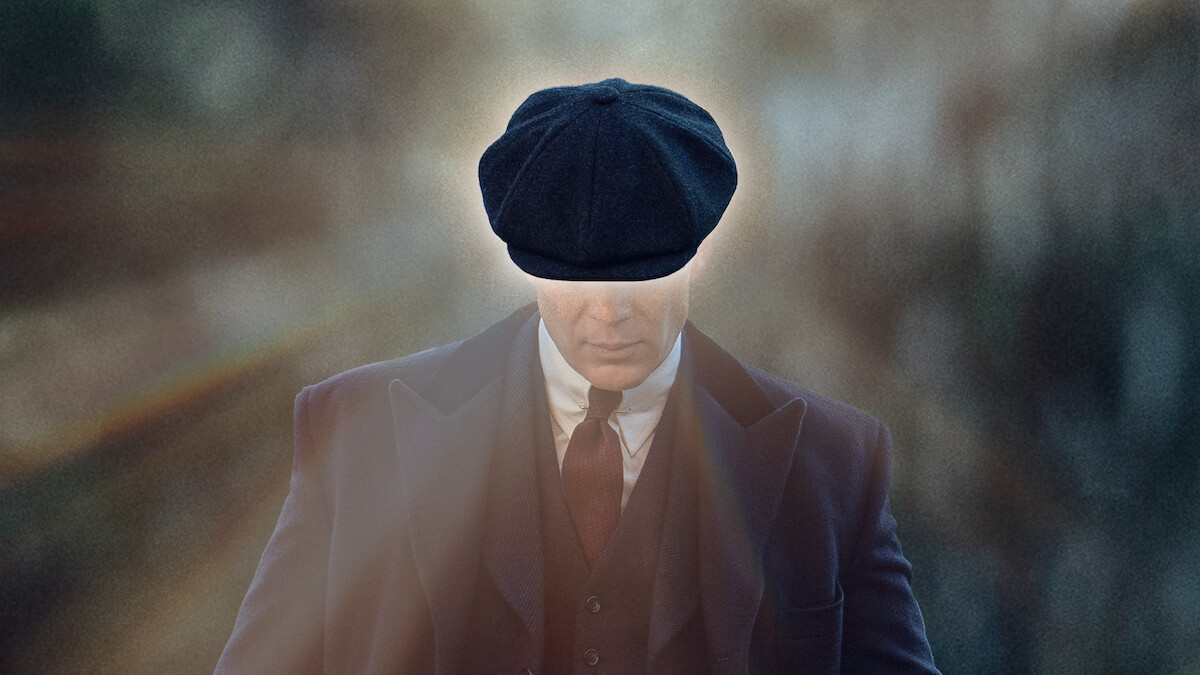
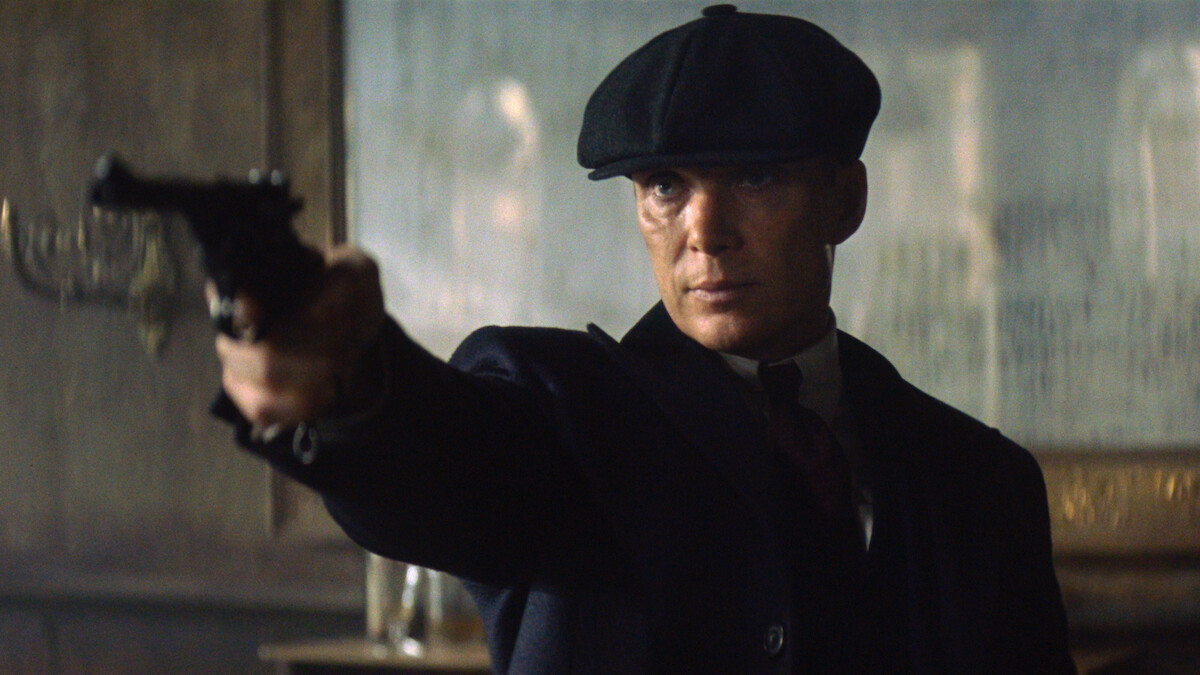
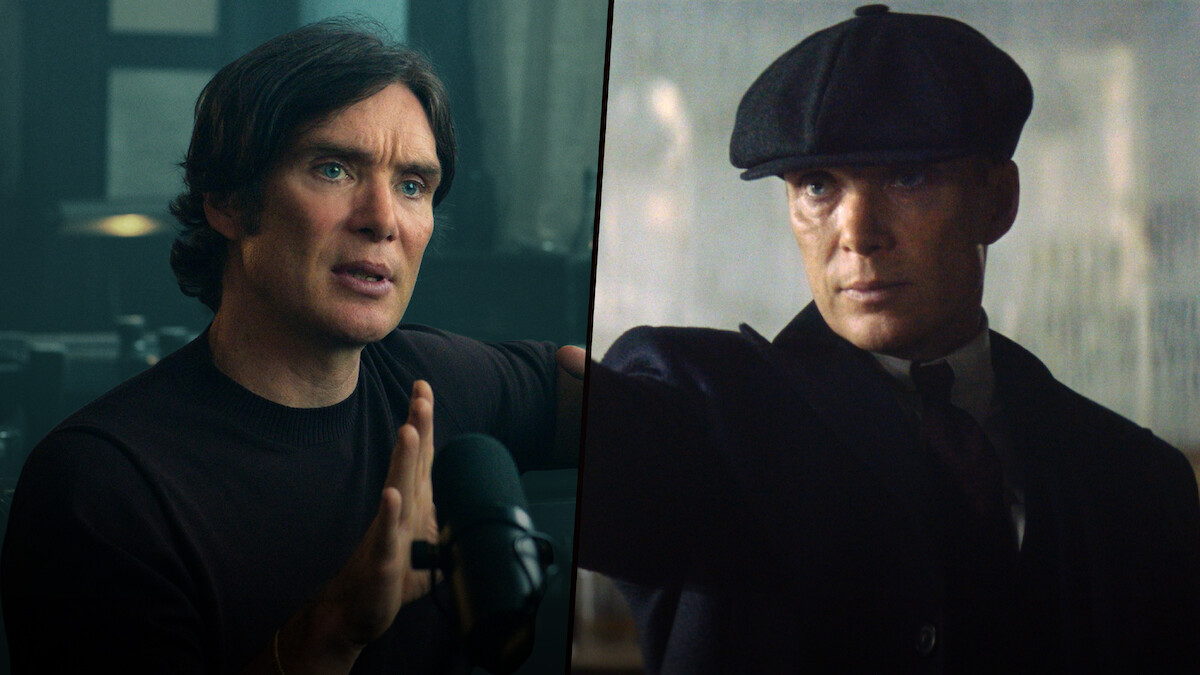
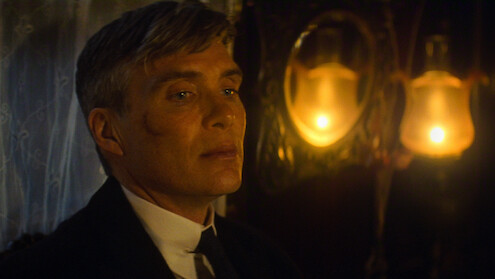
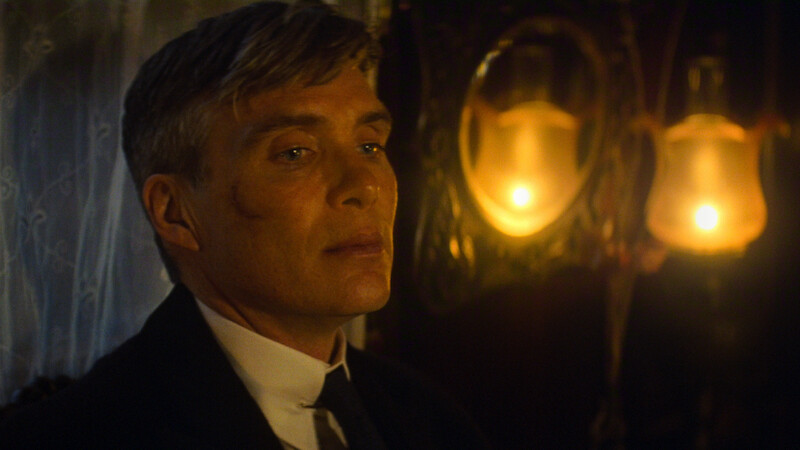
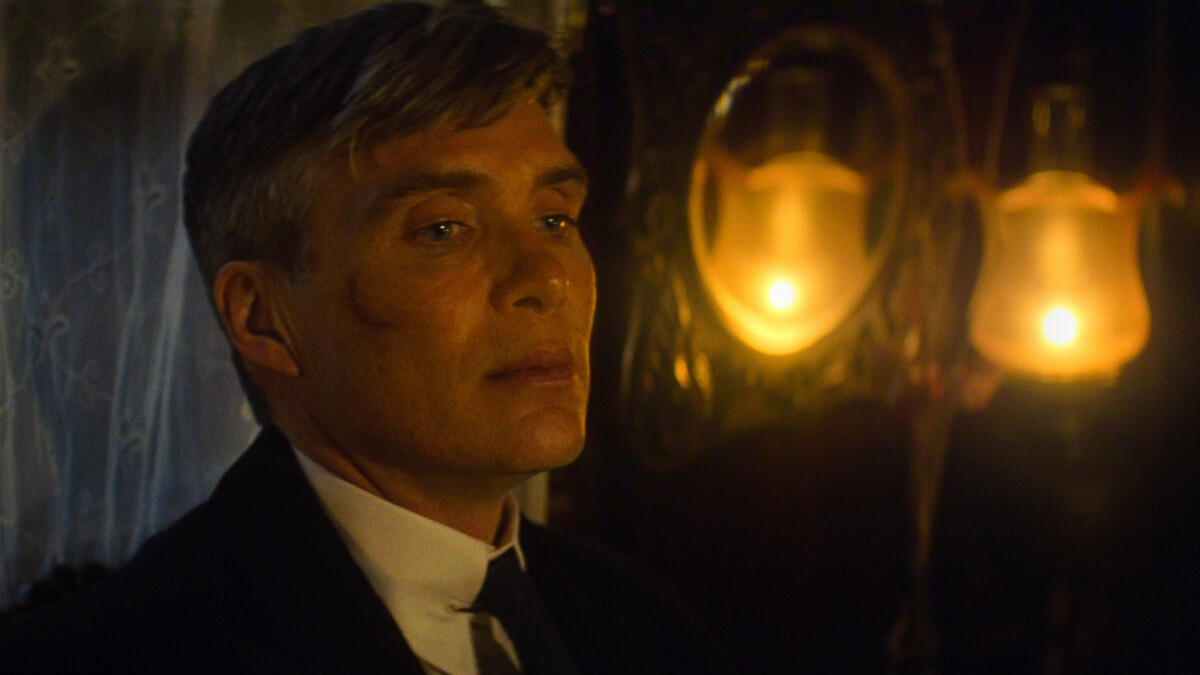
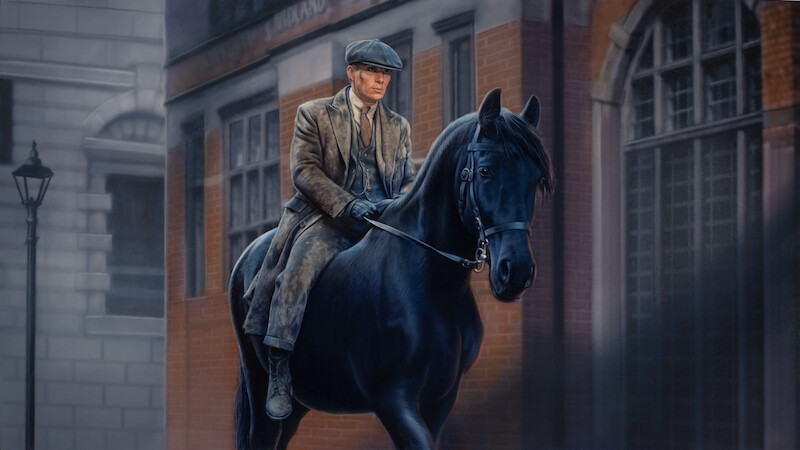
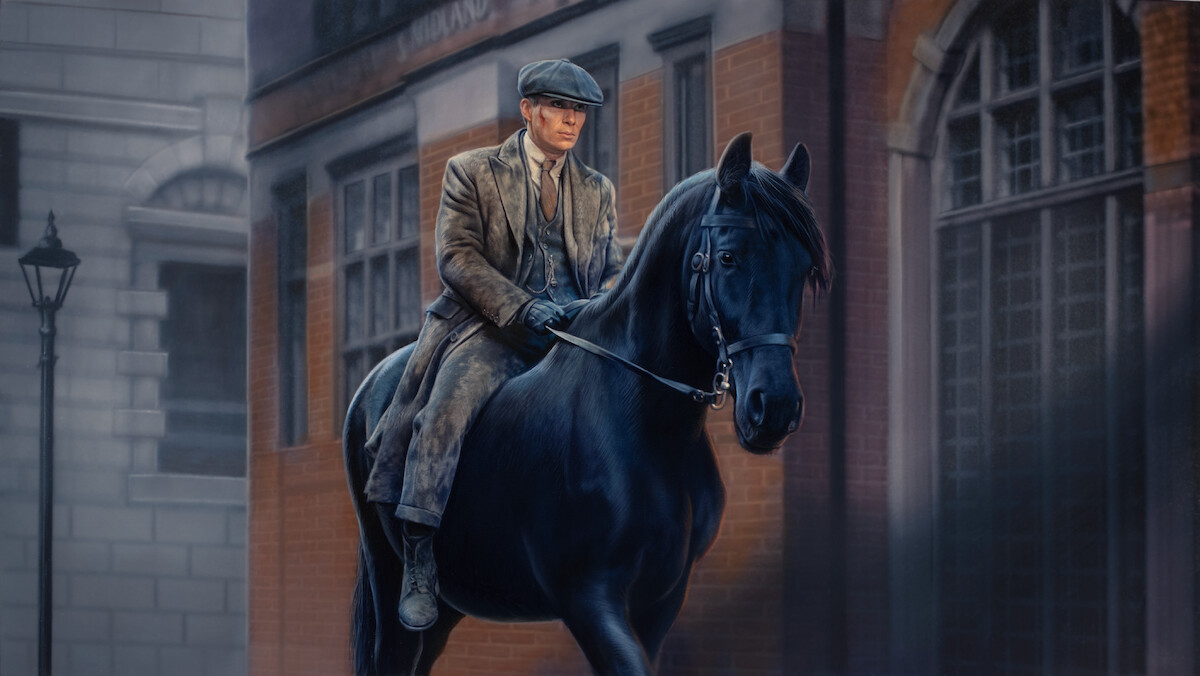
There are horse girls, and then there’s Tommy Shelby. The tough-as-nails gang leader, played by Cillian Murphy in Peaky Blinders and the film sequel Peaky Blinders: The Immortal Man (now streaming), has a surprising soft spot for the majestic beasts in his life. When we first met Tommy — six seasons ago — he rode confidently through the streets of Birmingham on a black horse as terrified locals scattered from his path.
Tommy exits the original series in a similar fashion, leaving Birmingham behind on a white horse as he embarks into the unknown. And then, of course, there’s the ending to Peaky Blinders: The Immortal Man, which puts a final, heartbreaking bow on Tommy’s longstanding connection to his favorite animal. (More on that very shortly!)
So what, exactly, do horses mean to Tommy, and why do they play such a pivotal role in his life’s journey? Saddle up because we’ve got answers, courtesy of Murphy and Peaky Blinders creator, writer, and executive producer Steven Knight.
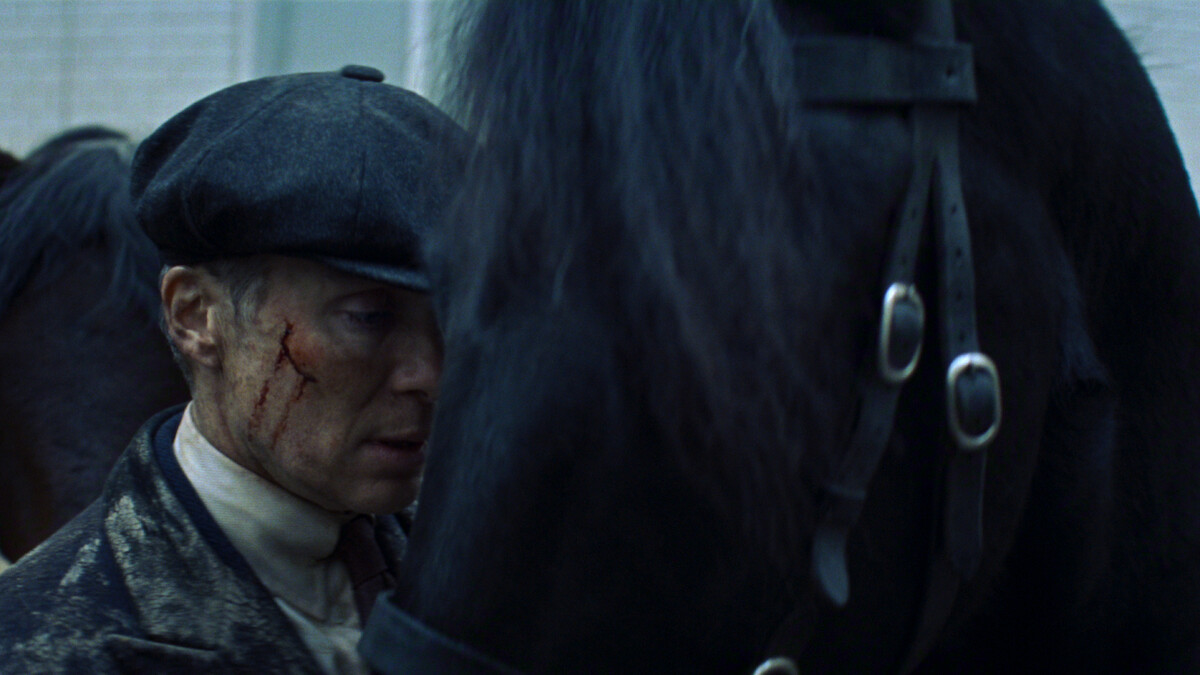
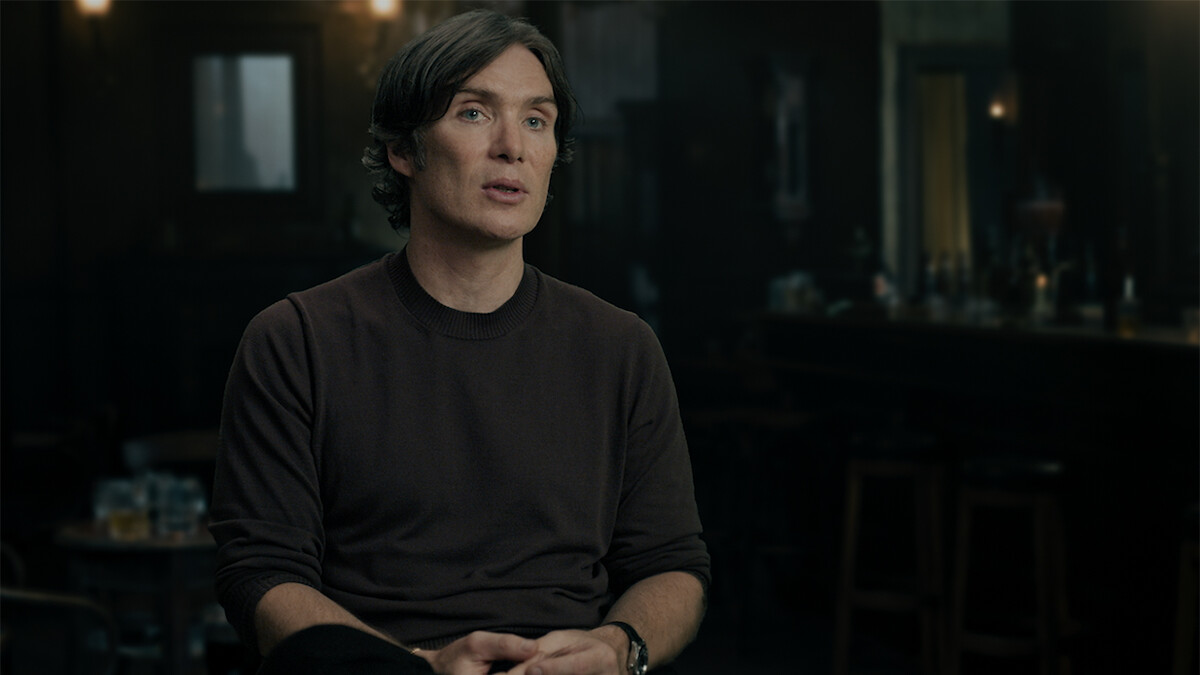
Before World War I, Tommy — according to creator Knight — led a “rural, bucolic life,” living amongst gypsies and attending horse fairs. “When he comes back from the war, the only thing he can cling to that’s still part of him from before the war is horses, which is why he always stays close to them,” the writer explains. “For him, it’s symbolic of a more innocent, pre-modern time.”
Ahead of shooting Season 1 of Peaky, Murphy and Knight spent time with Romani gypsies and observed the tight bonds the group formed with their horses, a dynamic that quickly bled into the show.
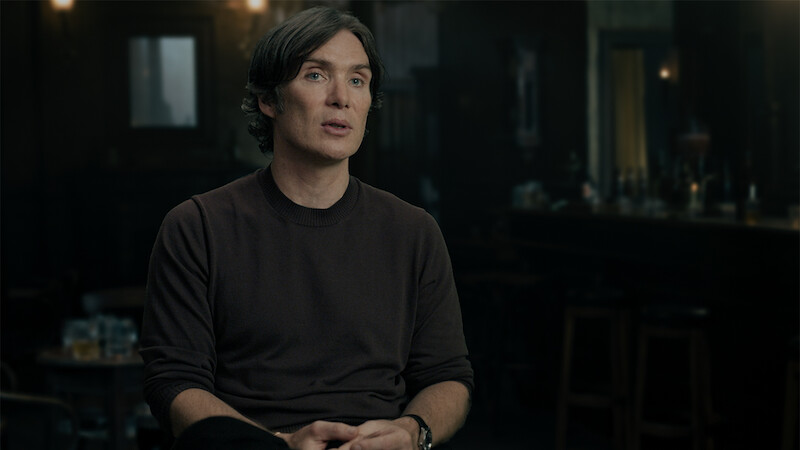
“We hung out with them for the day and I remember there was a kid riding a horse bareback,” Murphy shares in an episode of Peaky Blinders: The Immortal Man podcast. “We saw him and [said], ‘Tommy has to come in bareback at the beginning’ … because these kids and these horses are just extraordinary in that way, the connection they have.”
“When [Tommy] comes back from the war, the only thing he can cling to that’s still part of him from before the war is horses, which is why he always stays close to them,” says Knight.
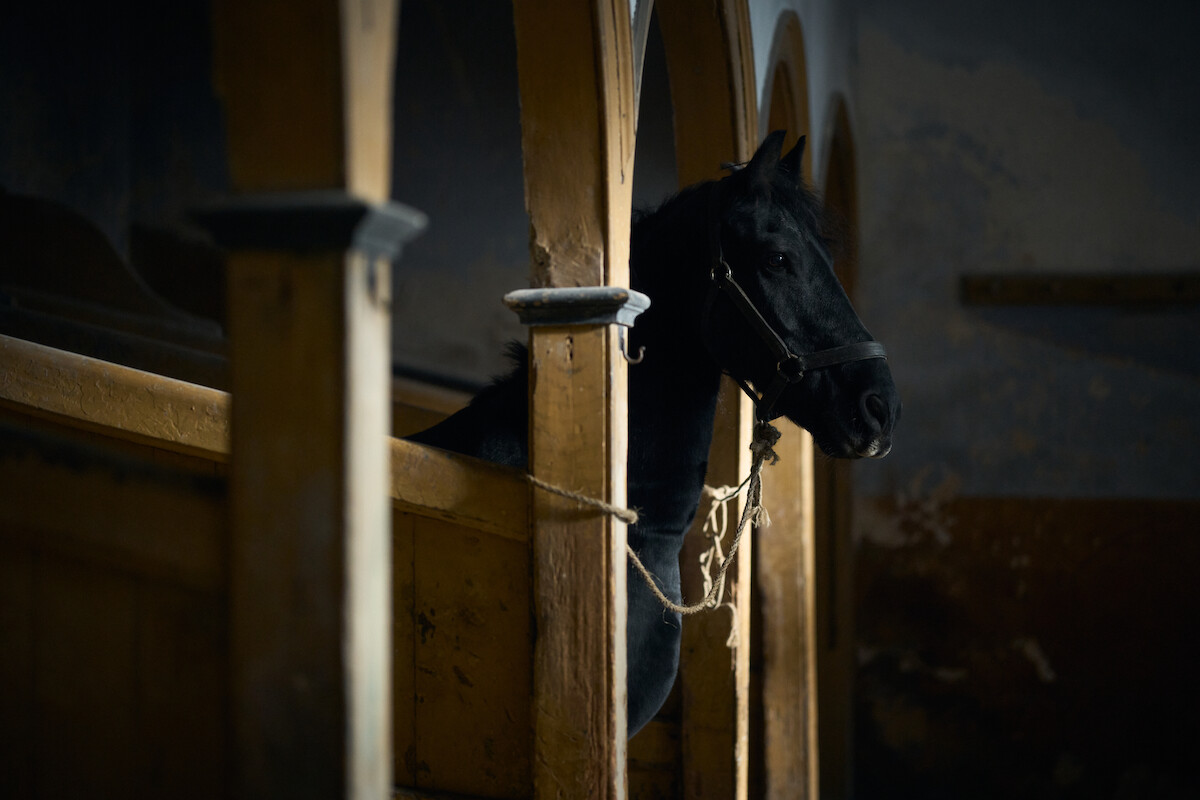
Tommy is known to ride black and white horses, and Knight made the telling decision to bookend the series with each color.
“He arrives on the black horse [in Season 1] and leaves on the white horse [in Season 6], which I thought was quite neat,” Knight tells Tudum. “The Romani gypsies treasure piebalds — which are black and white. To them, a piebald horse represents good and bad in one thing, so it’s a reflection that you’re all good and all bad.”
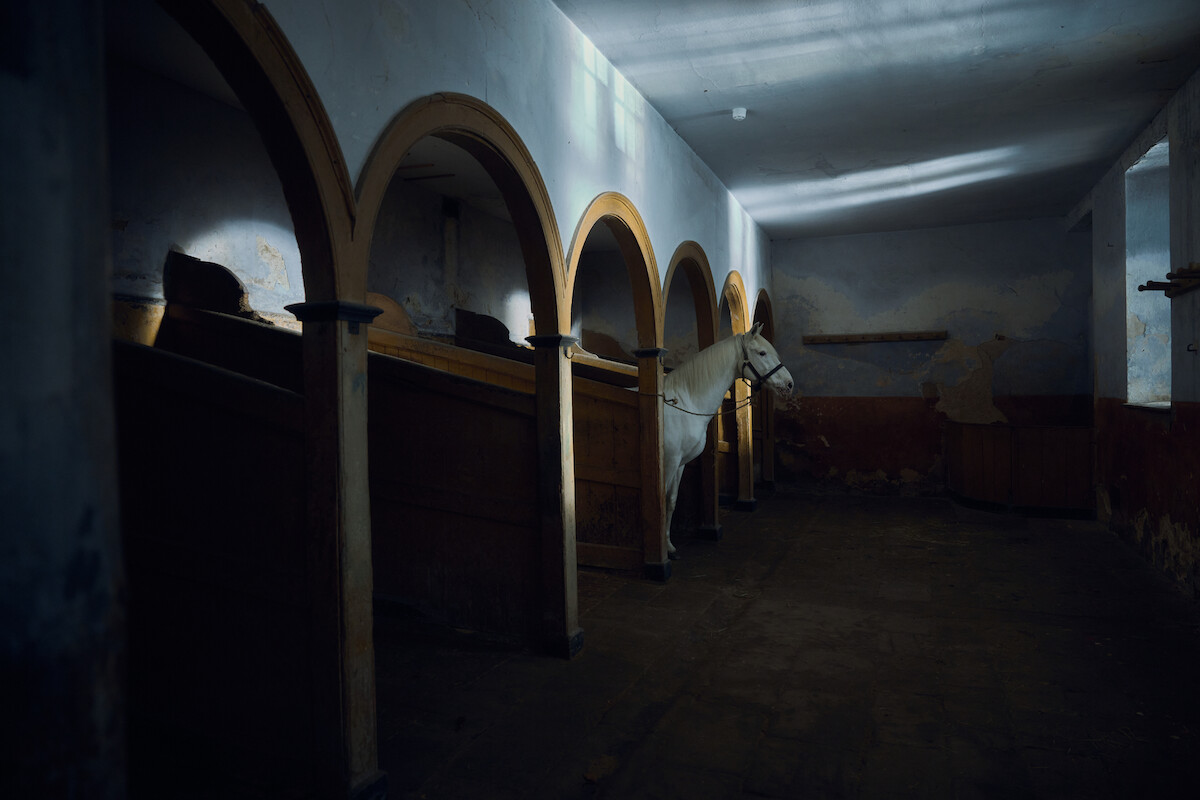
As Tommy rides off on his white horse at the end of the series, Knight chose the haunting, sparse song “All the Tired Horses” to follow him out.
“We couldn’t get the Bob Dylan version, but that was actually a blessing because we got Lisa O’Neill to do her version of it, and it’s one of the most remarkable cover versions I think you’ll ever hear,” Murphy says. “It’s so full of soul and pain and yearning and honesty. … It couldn’t have been a better last piece of music for the TV show, as he rides off in the distance.”
Adds Murphy, “It’s still one of my favorite pieces on the whole show.”
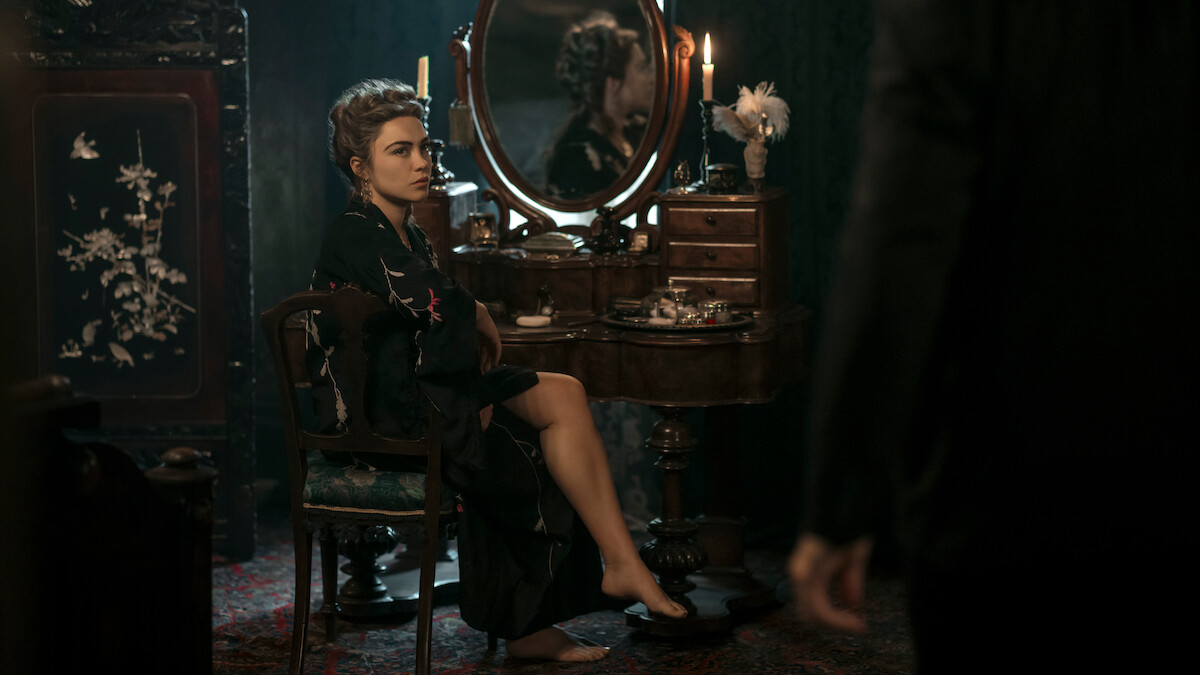
In the last moments of his life, Tommy asks his son Duke (Barry Keoghan) to kill him. Already fatally wounded by a shot to the chest, Tommy says, “I’m a horse, you’d do it for a horse.”
This is a callback to the series, when Tommy mercy-killed two horses to save them from their own pain. As he put it in Season 5’s “Black Tuesday,”“Sometimes, death is a kindness.”
Tommy’s final words are also a hat tip to a declaration he once made that he is a horse. “One of my favorite lines in the TV show was always, ‘I am a horse,’” Murphy tells Tudum. “When he collapses in Duke’s arms … [it] goes all the way back to Tommy’s love for horses and how he trusts them more than human beings.”
Continues Murphy, “The cold brutality with which he can finish a horse … he’s kind of asking Duke to treat him like that … it’s very animalistic and very atavistic.”
Tommy’s death scene had a deeply personal connection to Knight, whose father, a farrier, spent his life working with horses. “He used to take us with him when he went out shoeing,” Knight tells Tudum. “When my dad was close to passing away, he said to us, ‘I keep dreaming that I’m a horse.’”
That vision, Knight notes, was “really comforting” to his father. “I’ve always kept that in my mind and when it came to Tommy, I thought, ‘This is where he is now. He knows he’s dying, and the thing that’s giving him comfort is that it’s like being a horse.’”
Watch Peaky Blinders: The Immortal Man now on Netflix.