This article contains major details from the documentary.
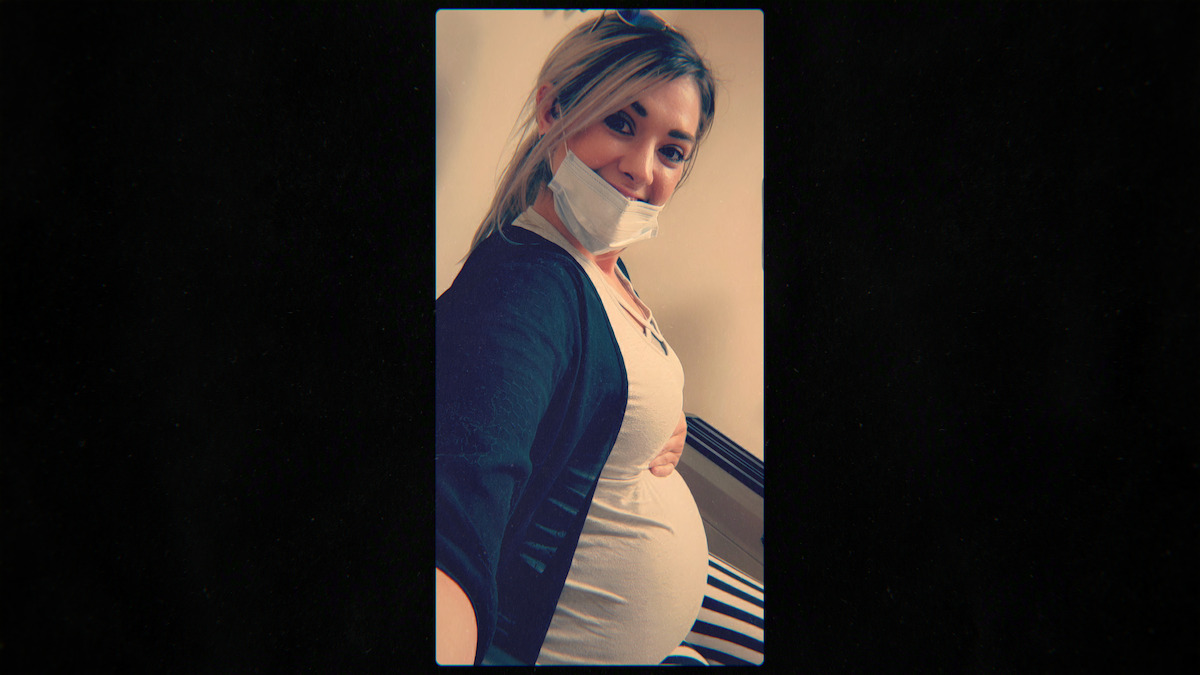
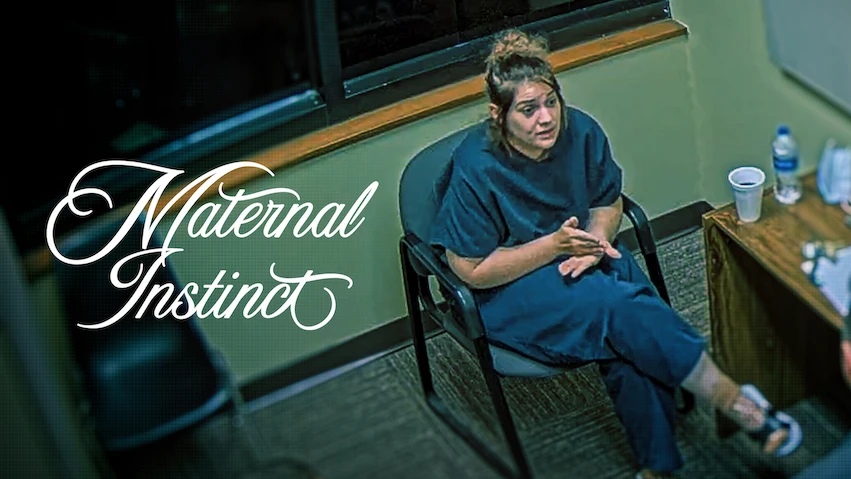
The conclusion of the documentary Maternal Instinct leaves viewers to sit with the details of a true crime case that’s almost too shocking to be real. Directed by Jessica Dimmock and produced by Joshua Levine, Samantha DeMaria, and Jon Bardin, the film tells the story of Taylor Parker, a young woman living in a small East Texas community whose elaborate fake pregnancy scheme led her to murder Reagan Simmons-Hancock, a 21-year-old expectant mother. In 2025, the Texas Court of Criminal Appeals affirmed Parker’s capital murder conviction and death sentence. Dimmock spoke with Tudum about what sets this case apart, the cultural dynamics Taylor exploited to keep her ruse going, and what she hopes viewers take away from Reagan’s story.
How common are fetal abductions?
Jessica Dimmock: Fetal abduction is rare, but pregnant women are actually quite vulnerable — and this is not something that most people know. What I learned in making this is, statistically, women getting hurt or murdered while they’re pregnant is pretty common. The statistics that I have read say that the most common cause of death for a pregnant woman [in the US] is homicide. It has been eclipsed at this point by accidental overdoses, so that statistic has gone to number two. It’s very common, though. More than any specific disease [or complication], the most common way to die while you’re pregnant is that someone very close to you kills you.
What sets Taylor Parker’s story apart from similar cases?
Dimmock: The length of Taylor’s selfishness and cruelty feels very unique to her, [and] really sets her apart. The idea that you could do this to someone who you’re just casually friends with, and the way in which she did it — there was a barbarity to Reagan being stabbed over 100 times. I will never understand why Taylor did this. The idea that [Taylor] is a mother herself and could do this while Reagan’s three-year-old daughter was at home is a part that I will never be able to get over. Once you become a parent especially, there’s just an internal protection that you feel toward children. I know that I have it; I’m a mom. I will never understand how she could have done that with [Reagan’s] three-year-old there and left her.
Why wasn’t Taylor Parker’s diagnosis, which was presented by her defense, included in the documentary?
Dimmock: Taylor didn’t go into this crime having an established diagnosis, so it's hard to understand the validity of one diagnosis. That being said, there's definitely something very wrong with her. At trial, the defense put on experts who testified that she had several psychiatric disorders, but the State's experts argued her actions were attributed to psychopathy. There’s no way to know for sure. She did not attempt an insanity defense. For [Reagan’s] family, that’s an important distinction: It doesn’t matter what was wrong with her. The jury found her guilty and sentenced her to death.
How did Taylor manage to fool so many people for so long?
Dimmock: Jessica [Brookes], Reagan’s mother, says at the beginning of the film that in a small town you can trust easily. And [Taylor] really exploited that sense of trust and used that to her advantage. I also found it shocking that she was so bold, that she would do it in a place where everyone knew each other, because people were talking — and their sleuthing was working. They were finding each other and they were finding her relatives. But she was very good at keeping people away from each other. She had an ability to tell two different lies about the same circumstance to two different people so they would not trust one another. There might be a culture of not wanting to rock the boat, or people feeling it wasn’t their business, that she was relying on — and it didn’t work because some people made it their business.
Why didn’t you interview Taylor?
Dimmock: For so much of this story, we’re on Taylor’s ride from other people’s perspective. I never got a sense from any of our reporting that she acknowledges what she did, that she’s remorseful, or that she can be truthful about it. To give her any extra time to spin and lie just did not feel like the film I wanted to make. I wanted to hear from all of the people whose lives she damaged and broke forever, and not give her any more room to talk.
Have you had any contact with Taylor or her legal team since the film came out?
Dimmock: Nothing since the film came out. As part of our legal obligation and due diligence, we did reach out through her lawyers shortly before the film was released, and they declined to comment.
Has Taylor expressed any regret?
Dimmock: I have no idea what she thinks. I do know that while she was in jail awaiting trial, she continued to come up with elaborate tales about what happened that basically still made it not her fault. The lies continued — and the best way to predict how someone’s going to act is how they’ve acted in the past.
Who was Reagan Simmons-Hancock? What should people know about her?
Dimmock: Reagan was so many of the best things that we are, the best in people. She was a great mother, a great daughter, a fantastic sister, and a loving wife. She was all of the things that Taylor wished she could be and, truthfully, just wasn’t. [Reagan] was just 21, starting her life, already a mother to one and about to be one again. The idea that Taylor felt that she could just take Reagan’s baby and her life is really unfathomable. The loss of Reagan should never be forgotten in this story.
How do HIPAA and its limitations factor into this case?
Dimmock: Given that we know that pregnant women are vulnerable, there was a failure in the very laws that were designed to keep [them] safe in this case. The HIPAA [Health Insurance Portability and Accountability Act] laws failed Reagan. Medical practitioners were following the law. They did nothing wrong, but they couldn’t warn people close to Taylor about what she was doing. Looking back, knowing the vulnerabilities of pregnant women and that people in positions of power did know and couldn’t do anything about it, there was a systemic failure there. I hope that we can modify the laws as they exist now so that something like this never happens again.
Maternal Instinct is now streaming.