Reiner Bajo/Netflix
Deep Dive
‘Making All Quiet on the Western Front’ Takes You into the Trenches
820 feet of them, to be exact.
Feb. 20, 2023
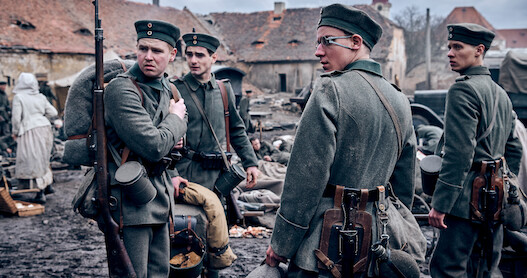
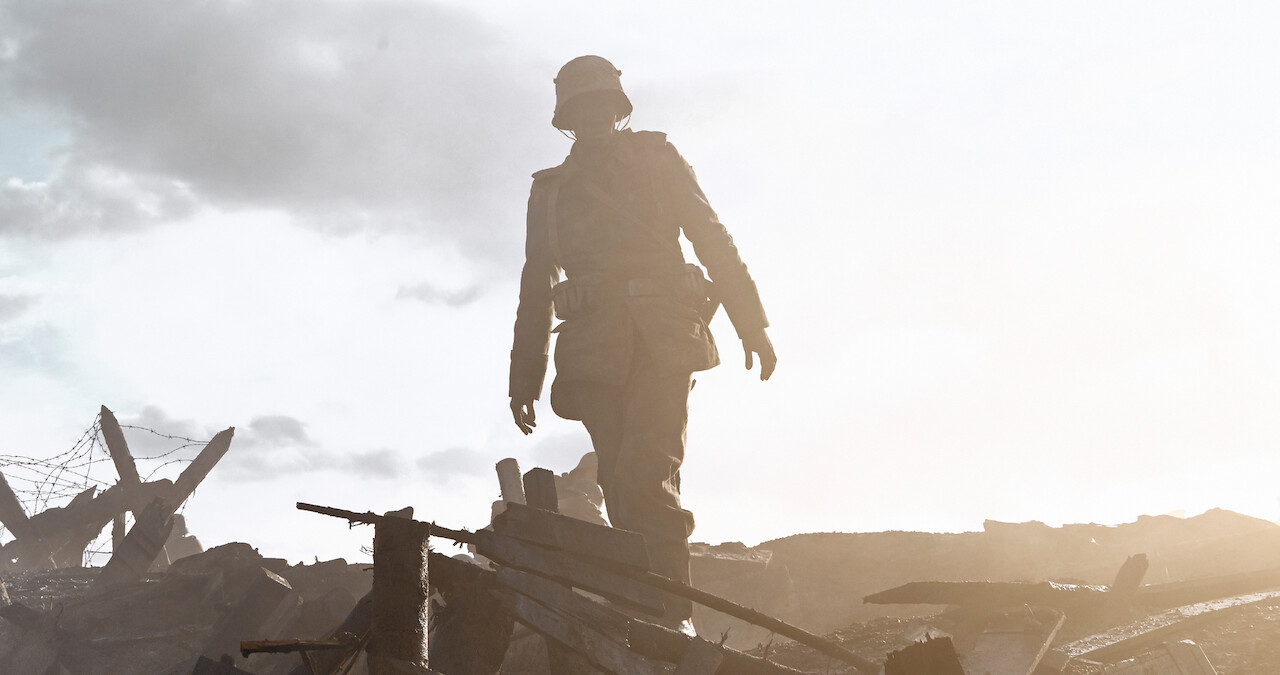
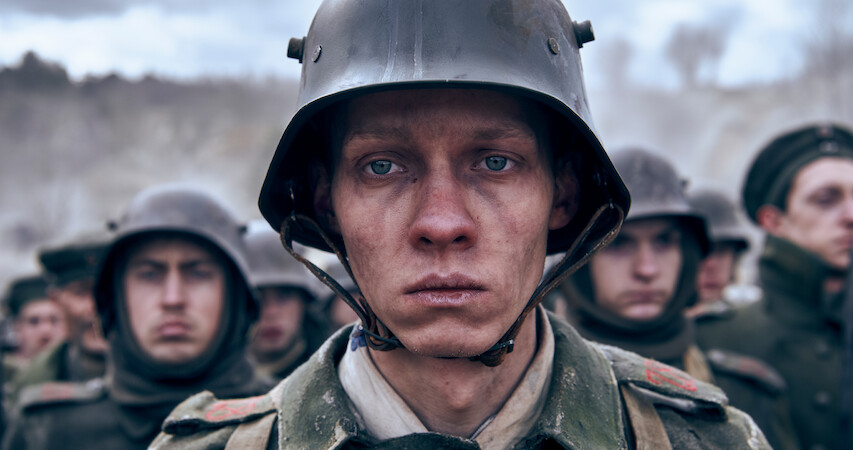
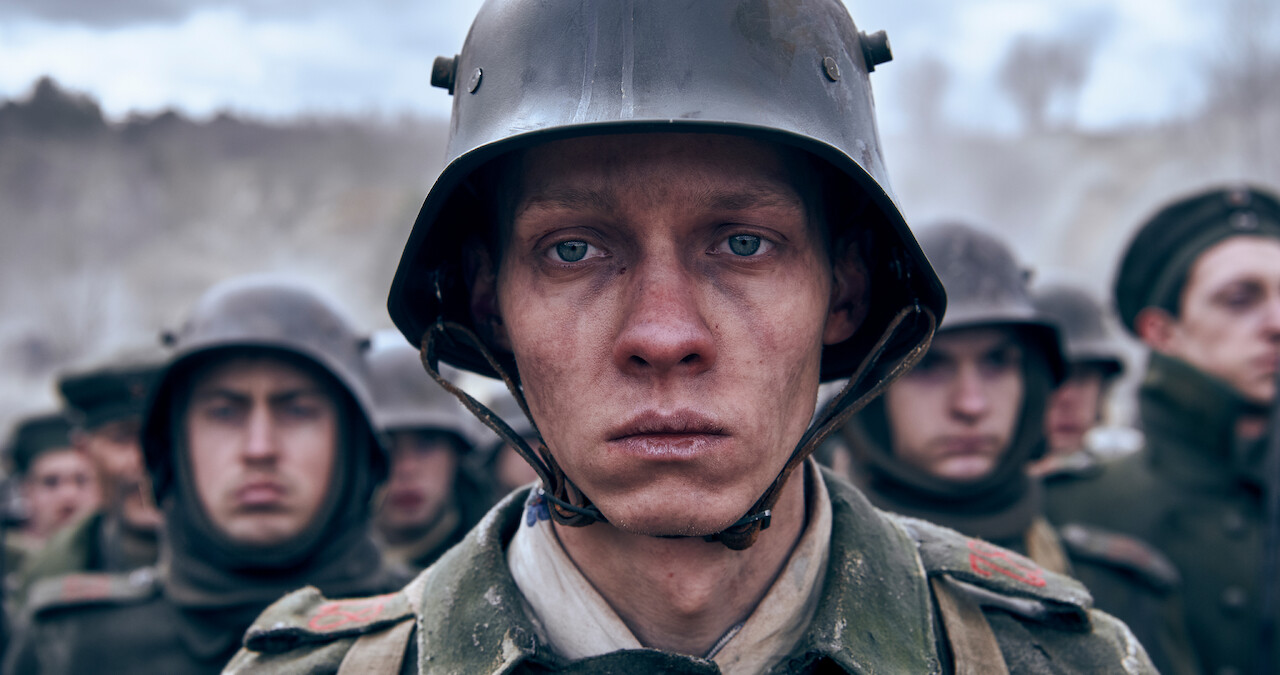
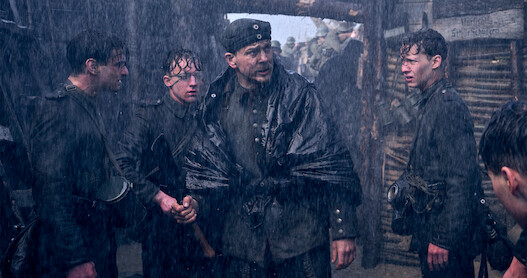
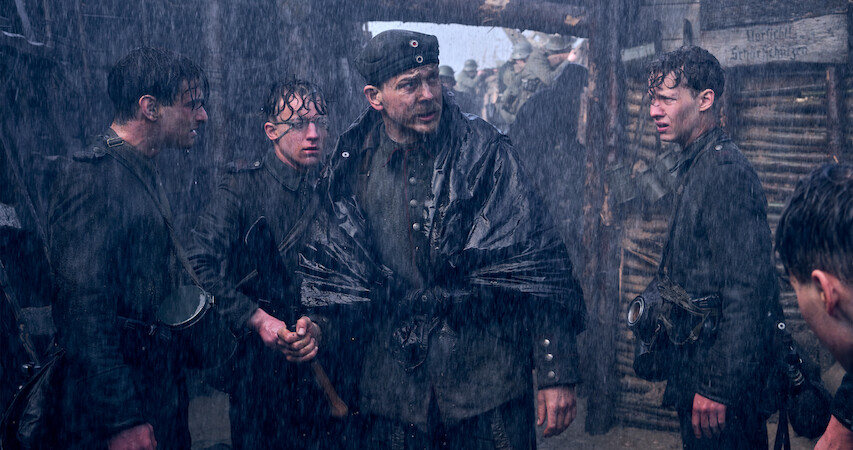
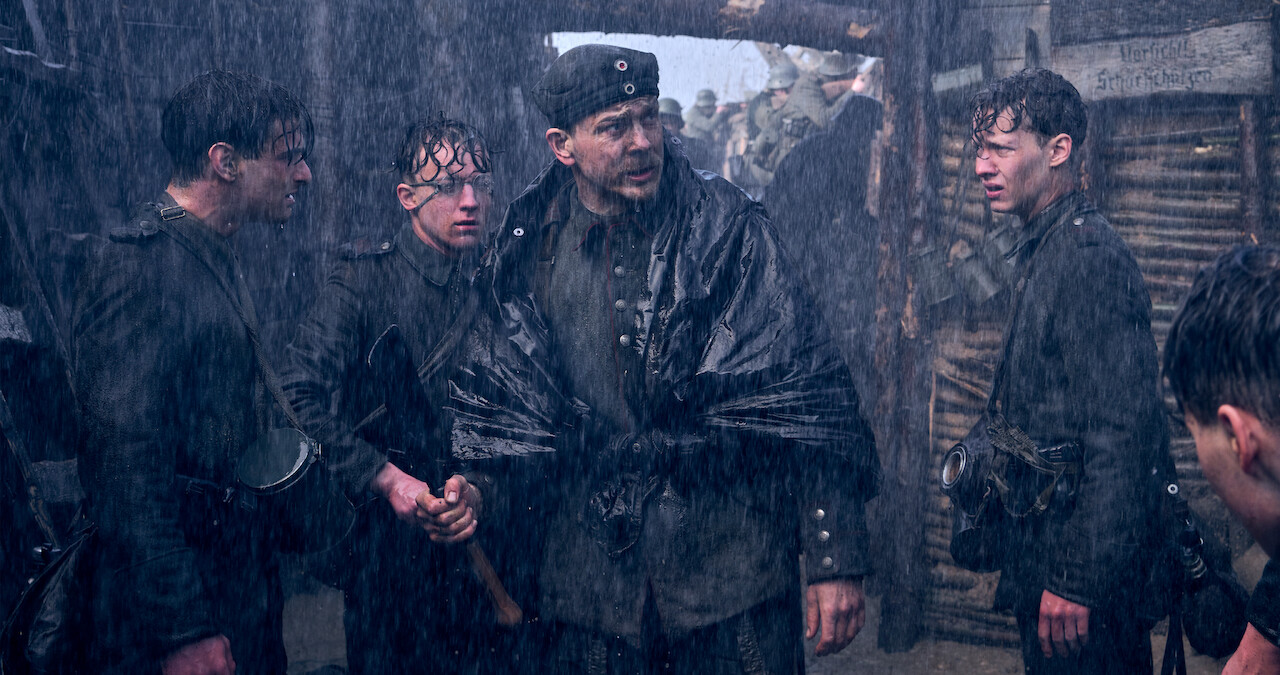
The horrors of World War I come to life in All Quiet on the Western Front, the first German-language adaptation of Erich Maria Remarque’s 1929 bestseller. Told through the eyes of 17-year-old German soldier Paul Bäumer (Felix Kammerer), the film takes you straight into the muddy trenches of France, where he and his school friends arrive in 1917 — three years into the conflict. There, the schoolboys-turned-soldiers are confronted with the daily grind of life on the front: mud, death and the seemingly never-ending system of trenches that provide shelter from the enemy.
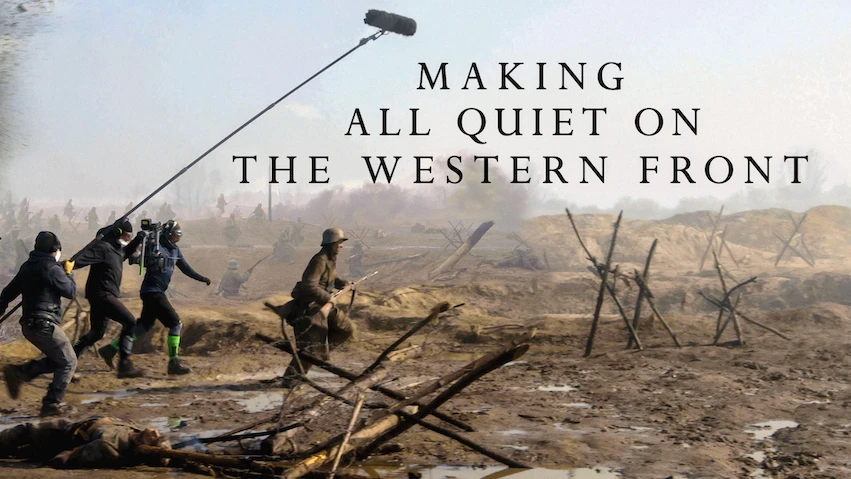
Directed by Edward Berger, the film just won seven BAFTAs and is nominated for nine Oscars at the 95th Academy Awards, including best picture and best international feature film — and if you’ve seen it, you’ve probably got questions. How big was that set? Where was the movie filmed? How heavy is a World War I rifle? In a new behind-the-scenes documentary, Making All Quiet on the Western Front, the cast and crew explain how they painstakingly re-created a world blown to pieces by violence. Here’s what went into it, by the numbers:
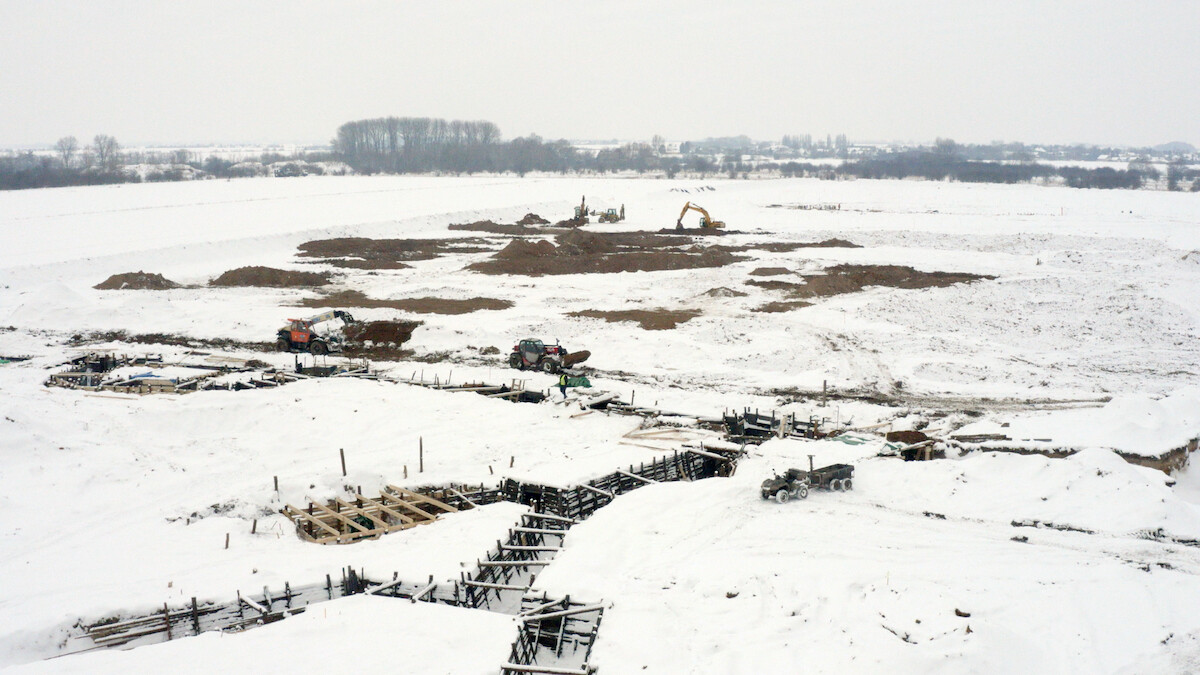
Building the trenches for All Quiet on the Western Front.
Because most of the film’s action takes place on the battlefield, production designer Christian Goldbeck and Berger worked for weeks ahead of production to plan out their epic re-creation of the Western front.
“It was like a jigsaw puzzle,” Goldbeck explains in the documentary. “We spent nearly two months at the drawing board, going through scene by scene, mapping out the layout of the trenches and creating the right spacing on the battlefield.”
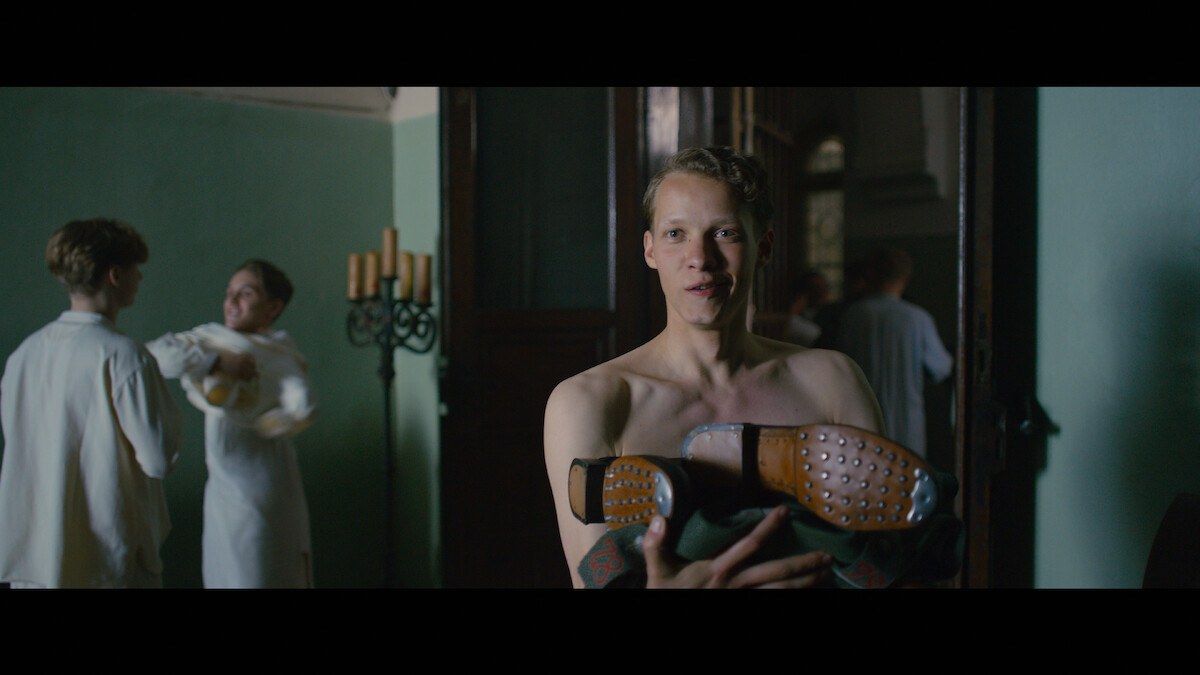
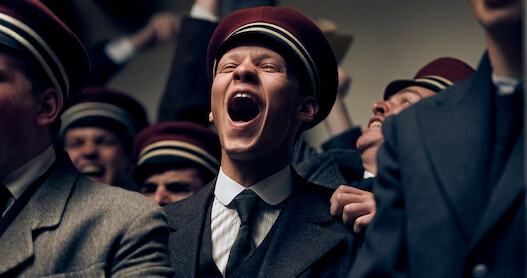
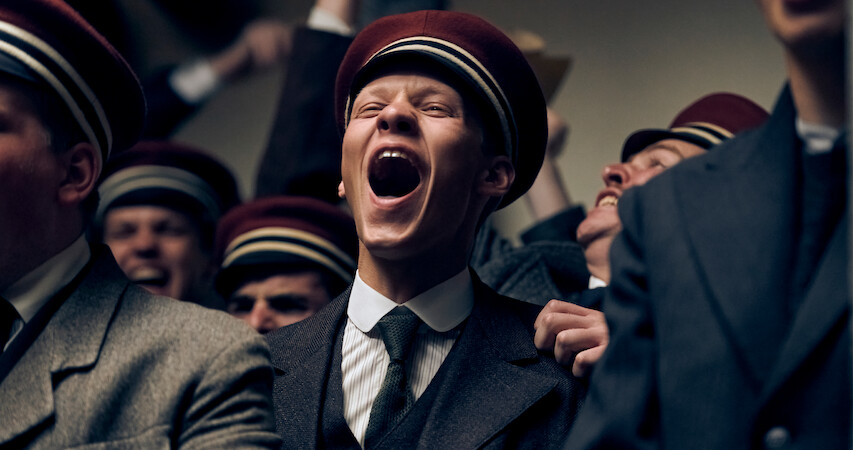
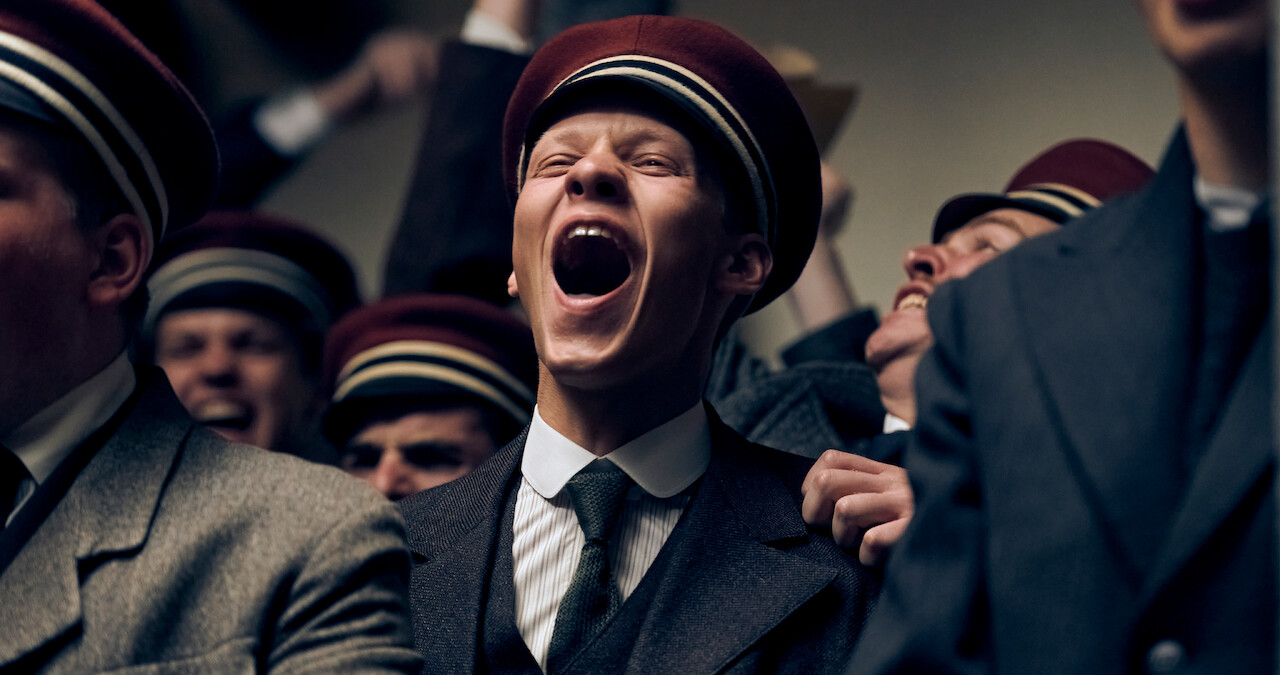
Protagonist Paul Bäumer holds his new uniform before setting off for the front.
In composing his Oscar-nominated score, Bertelmann sought to convey a minimalistic sense of dread and anticipation. “My favorite track is called ‘Remains,’ ” the composer says. “It’s the music in the scene where the soldiers are handed their uniforms, put them on and go off in a euphoric mood, singing while they march to the front. That music represents a lot of what is in the movie.”
The track features a memorable three-note motif, which the composer came up with on his grandmother’s refurbished harmonium — a small reed organ that produces the spooky sounds that pierce through the pervasive gunfire and explosions of war.
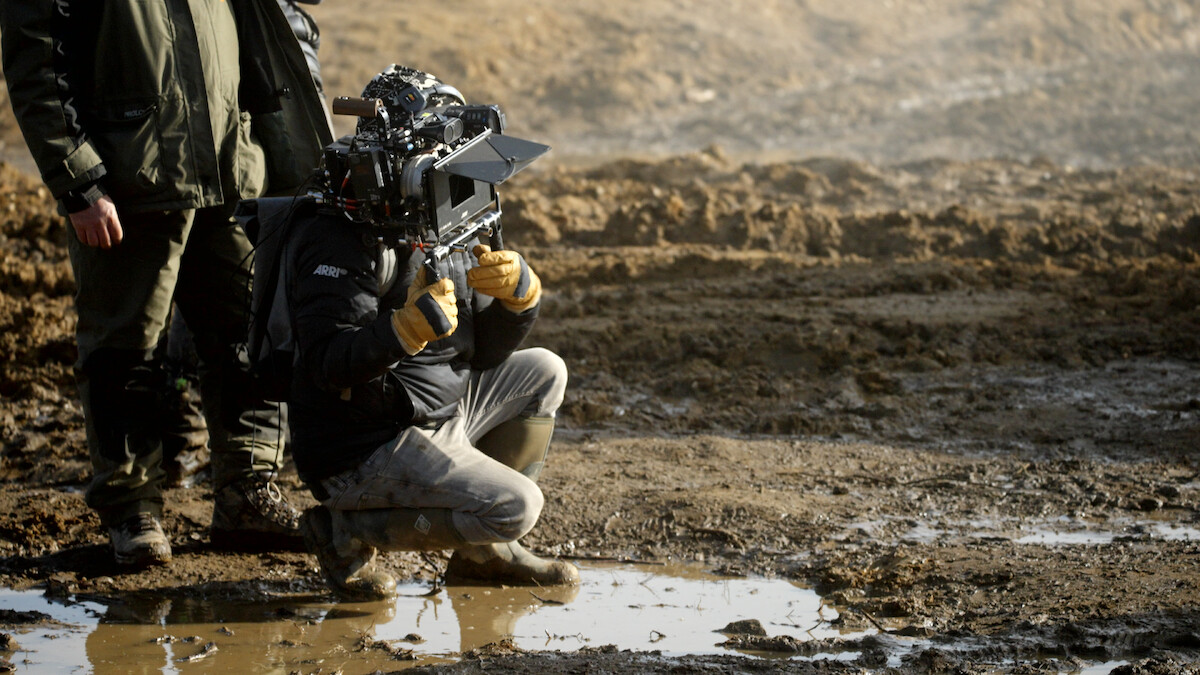
Filming in the mud for All Quiet on the Western Front.
A stretch of land spanning three soccer fields, nestled between two runways on an airfield 45 minutes from Prague, was chosen as the movie’s French hinterland. For reference, one soccer field is roughly 360 feet long by 225 feet wide — that’s a lot of mud. Just ask cinematographer James Friend, who accidentally got stuck in it one night.
“James once sank into the mud up to his waist. He thought he was going to die because there was no one around and it was already dark,” Berger says in the documentary.
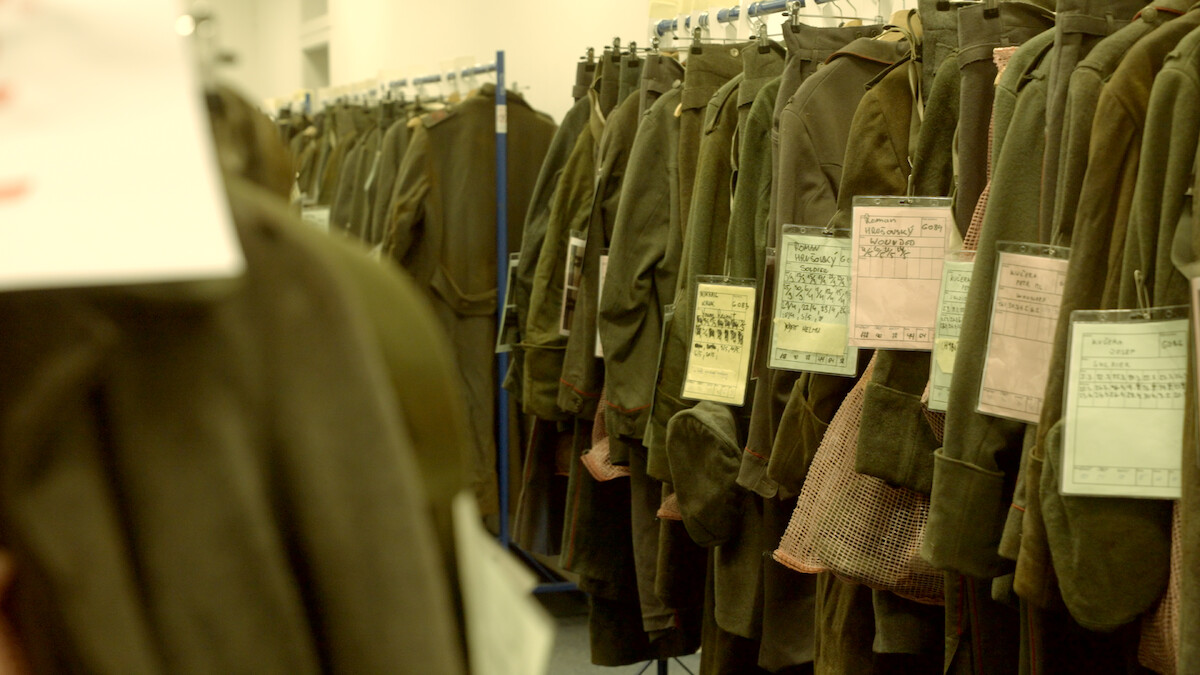
Costume racks full of uniforms for All Quiet on the Western Front.
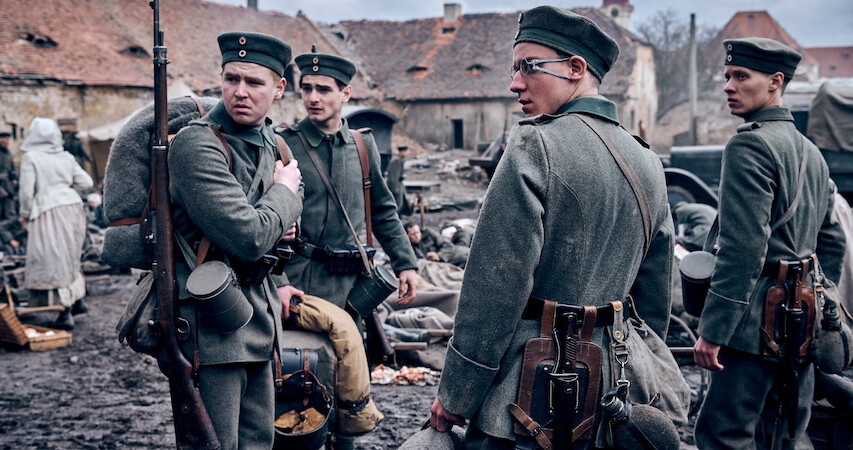
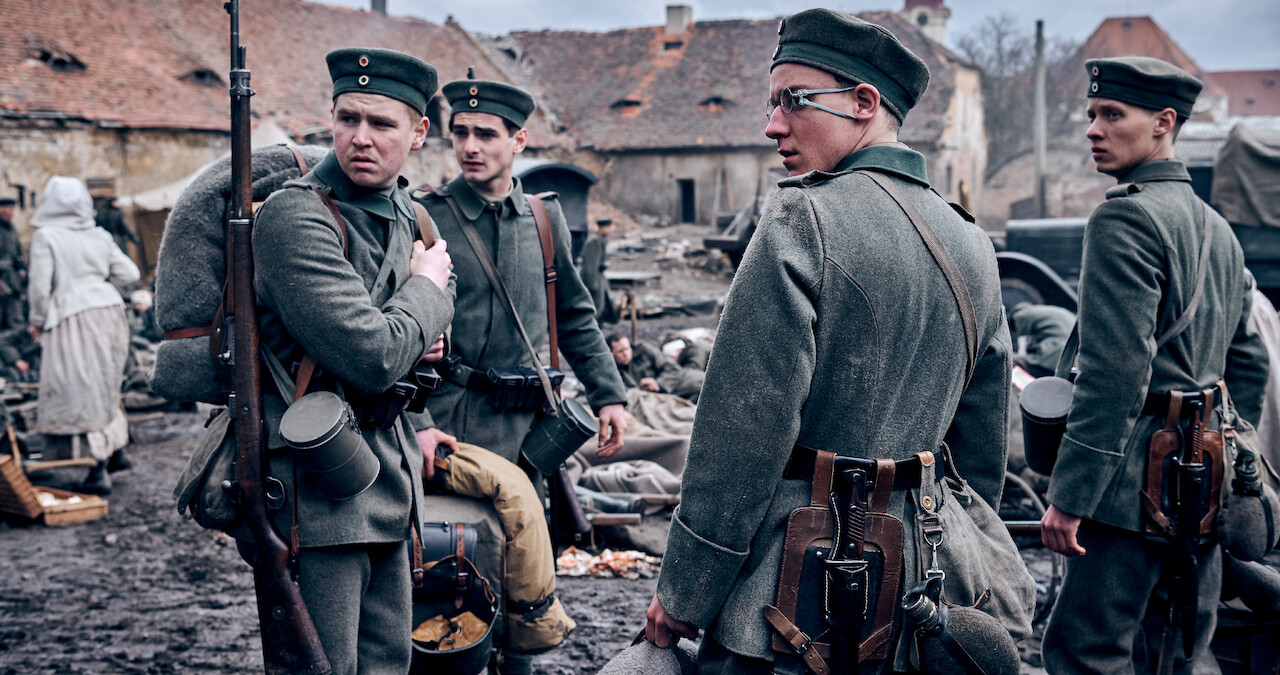
Early on in the film, protagonist Paul Bäumer and his friends receive the standard uniforms they will wear to war. What they don’t know is that the jackets they so proudly change into have already been to the front — on the back of a fallen soldier.
From then on, Paul is never seen wearing anything else. But behind the scenes, costume designer Lisy Christl had two to three clothing rails of uniforms in various states of distress for Kammerer to use, depending on the needs of the scene.
“It became clear very quickly that Edward [Berger] really wanted to feel and see this misery,” she says. “We had uniforms in all these different stages: With bullet holes, without bullet holes, with stab wound, without stab wound, with blood, more dirty, very dirty, brushed clean again.”
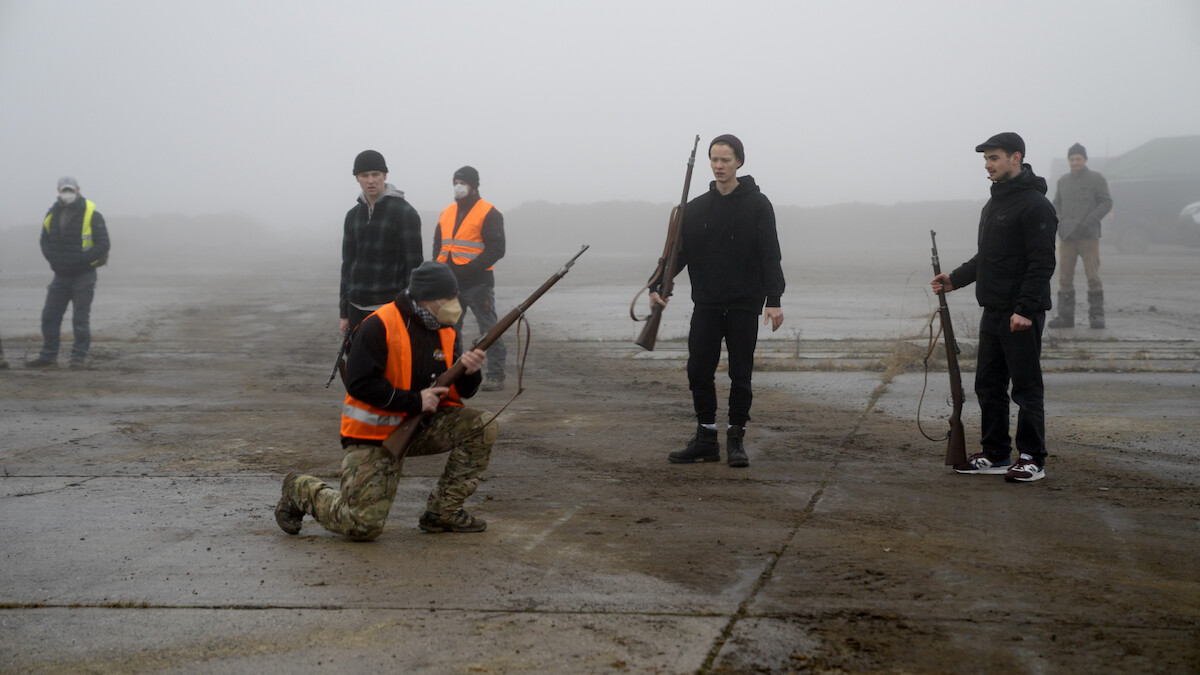
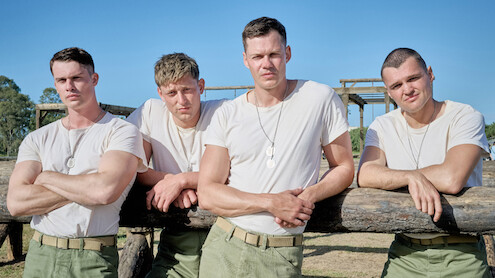
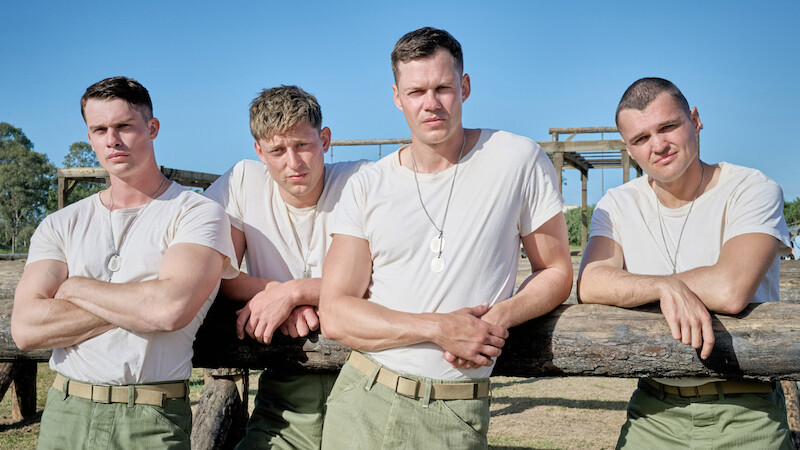
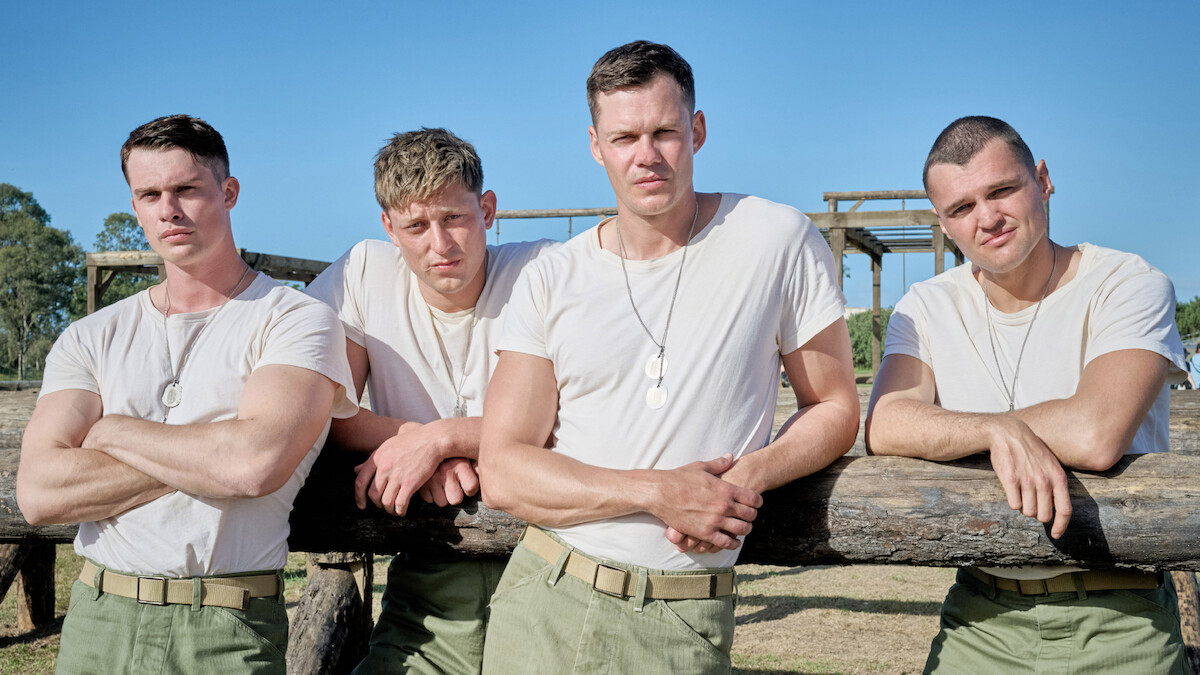
Actors go through World War I bootcamp ahead of filming All Quiet on the Western Front.
Before filming even began, the cast went through bootcamp to learn how to convincingly portray a World War I recruit. “We had to be able to use the weapons as if they were a part of our body,” Edin Hasanovic, who plays Tjaden Stackfleet, says.
Led by stunt coordinator Marek Svitek, the actors learned how to run, fall on the ground, shoot rifles and machine guns, and trek through muddy fields riddled with shell holes and explosions. All while carrying the significant extra weight of a uniform and weapons totalling roughly 33 pounds.
“When you’re 15 kilos heavier because you’re holding an 8-kilo rifle and you’re wearing a heavy belt, heavy boots that will probably get soaked with water, or fill up from the top, wet pants that can easily weigh 4 or 5 kilos, you realize ‘I’m not actually acting anymore,’ ” Moritz Klaus, who plays Franz Muller, says.
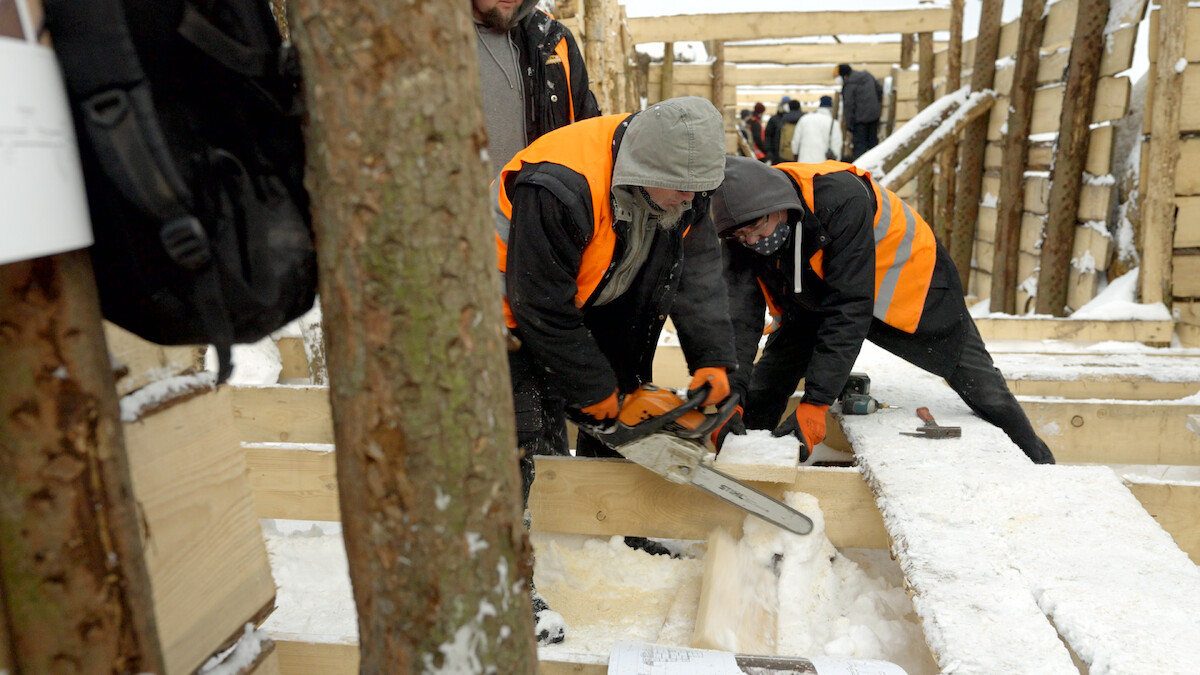
Building the trenches for All Quiet on the Western Front.
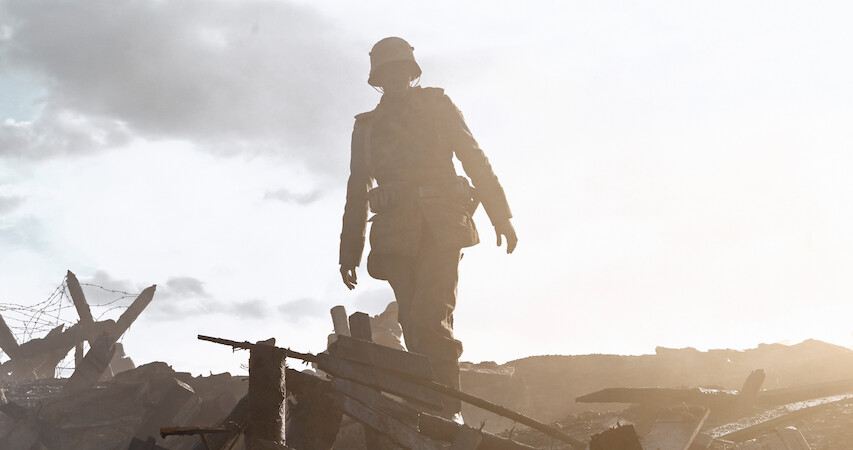
How do you create trenches where there are none? You dig. A lot.
Ahead of filming, the production team created an interlocking system of trenches spanning 250 linear meters — or just over 800 feet — framing the battlefield. Each trench had to be wide enough to accommodate hundreds of extras running around, not to mention withstand the weight of a tank assault.
“These trenches were packed in World War I,” says Friend, the cinematographer. “You don’t just have to get one cast member in. You’ve got to get six cast members and then a hundred extras, and a camera while there’s explosions going on and it’s raining, and they’re going to have guns in their hands.”
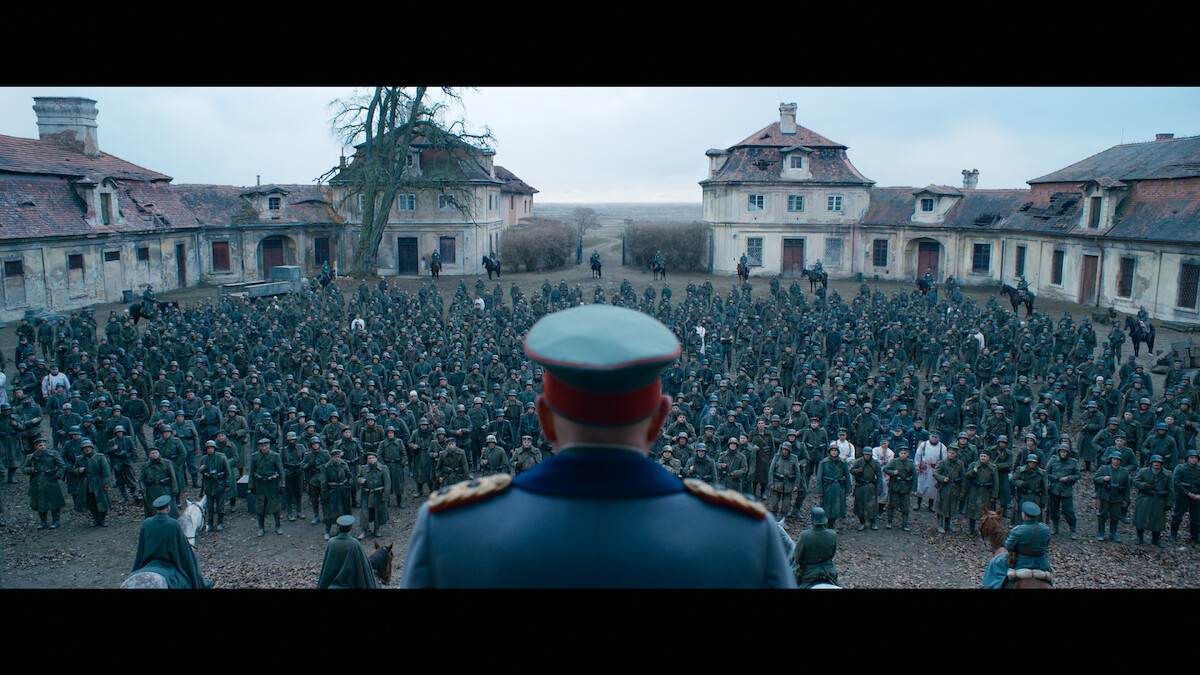
Hundreds of extras were needed to convey the scale of the slaughter.
Speaking of extras… each one had to be fitted for a costume and made to look as though they’ve been living rough for months — or even years — on end. Christl estimates her team made between 800 and 900 costumes just for the extras populating the battle scenes, while makeup head Heike Merker explored the science of dirt.
“What even is this clay? This earth that they always crawl through and have fights on. Then it rains, and it gets rinsed off again. Then they are bombed and are under the ground. That’s a completely different patina or materiality altogether,” Merker says, adding: “I had no idea I could develop so many variants of mud.”