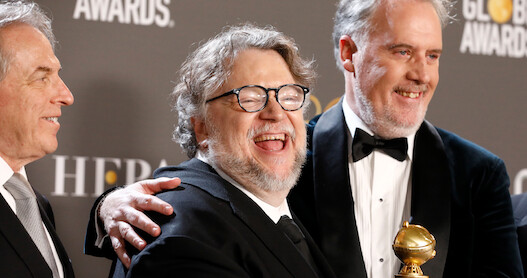
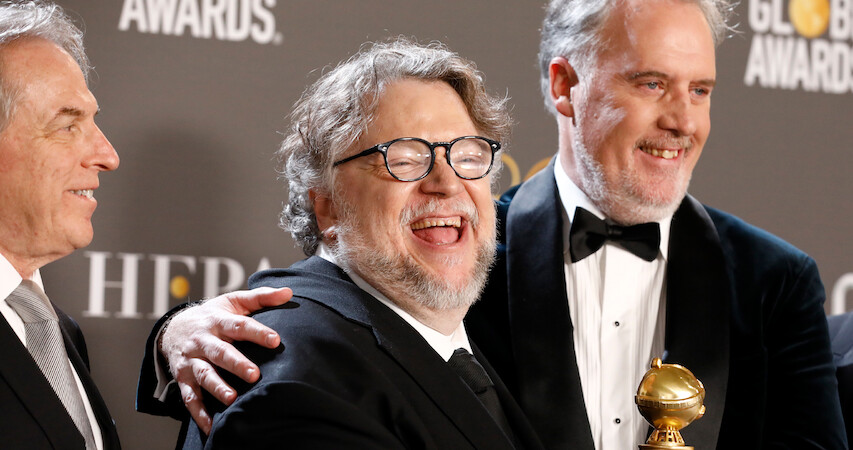
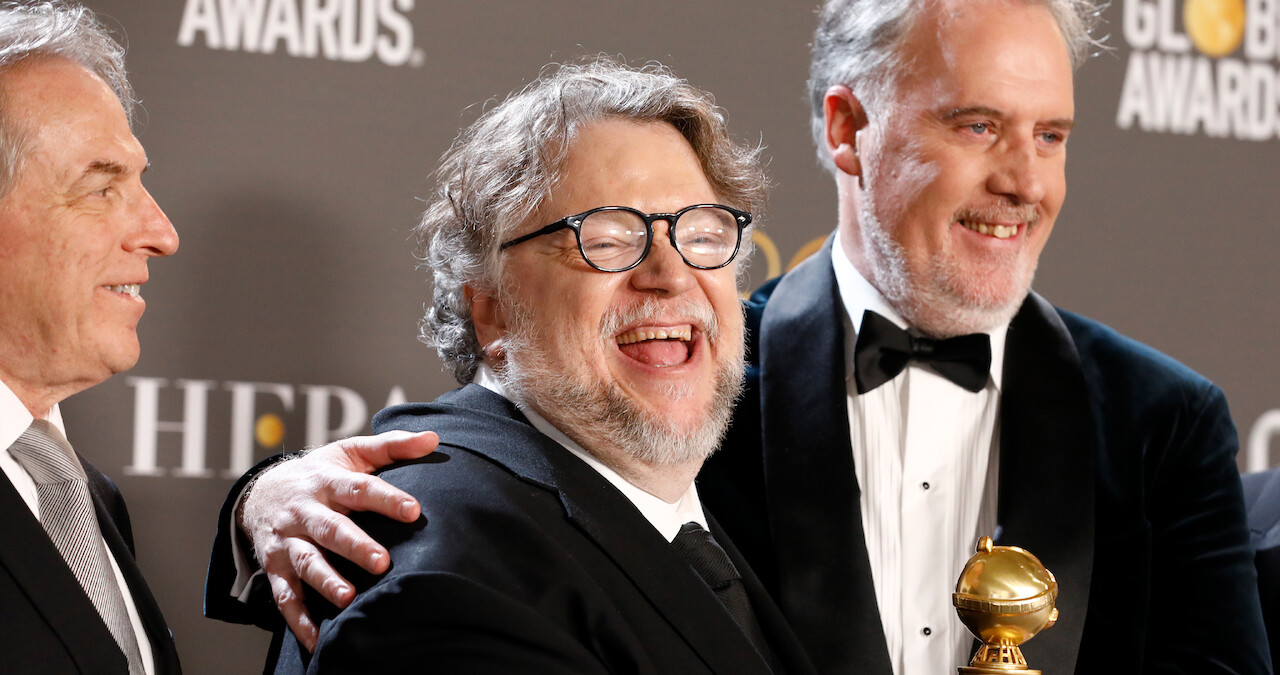
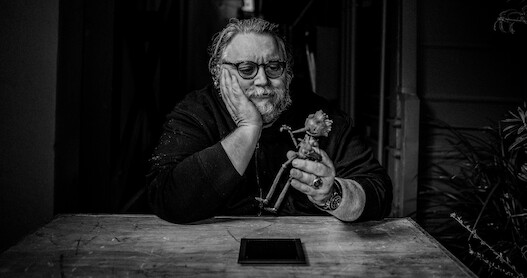
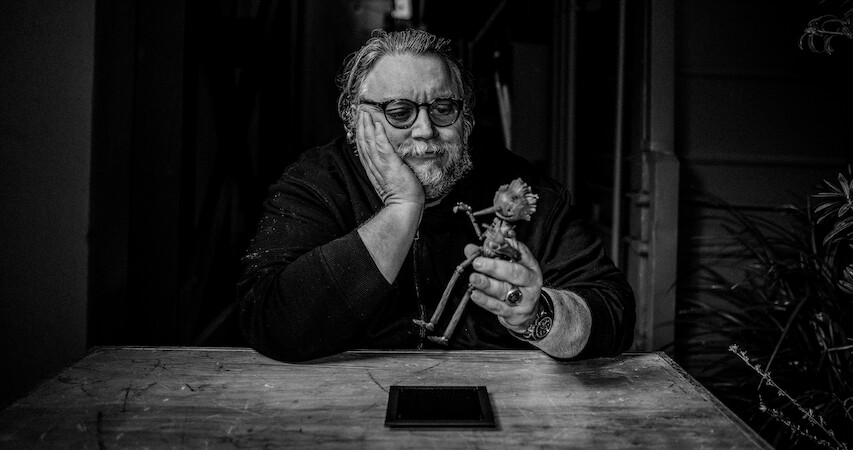
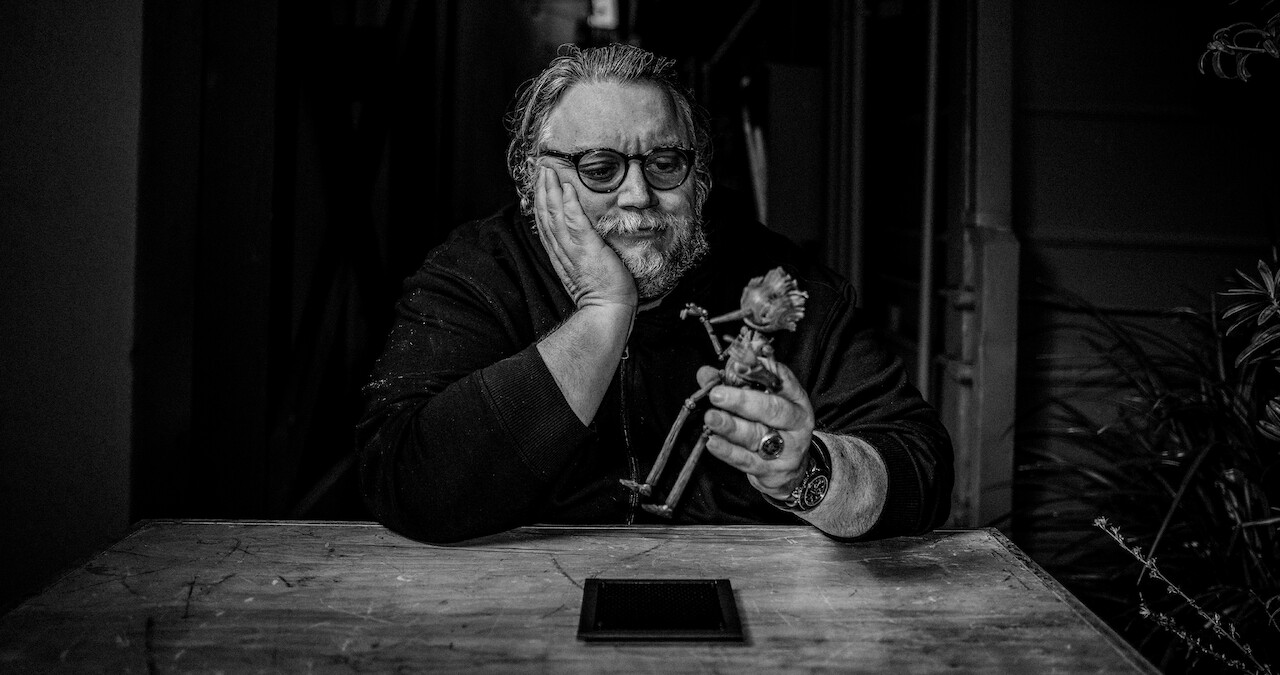
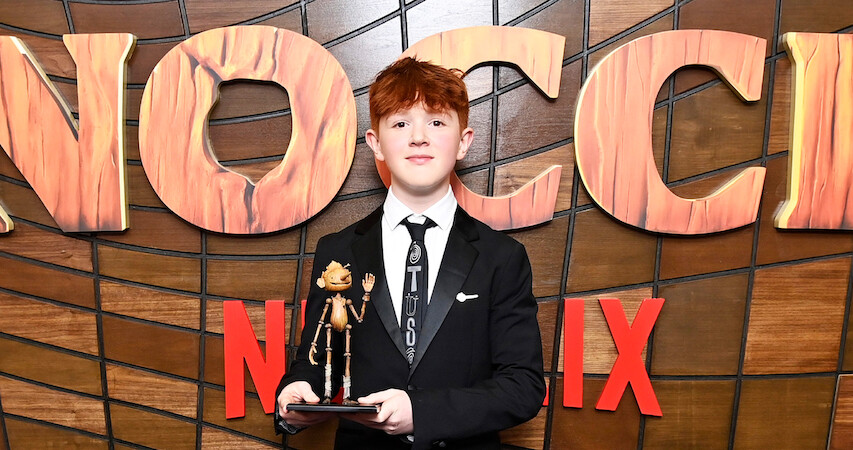
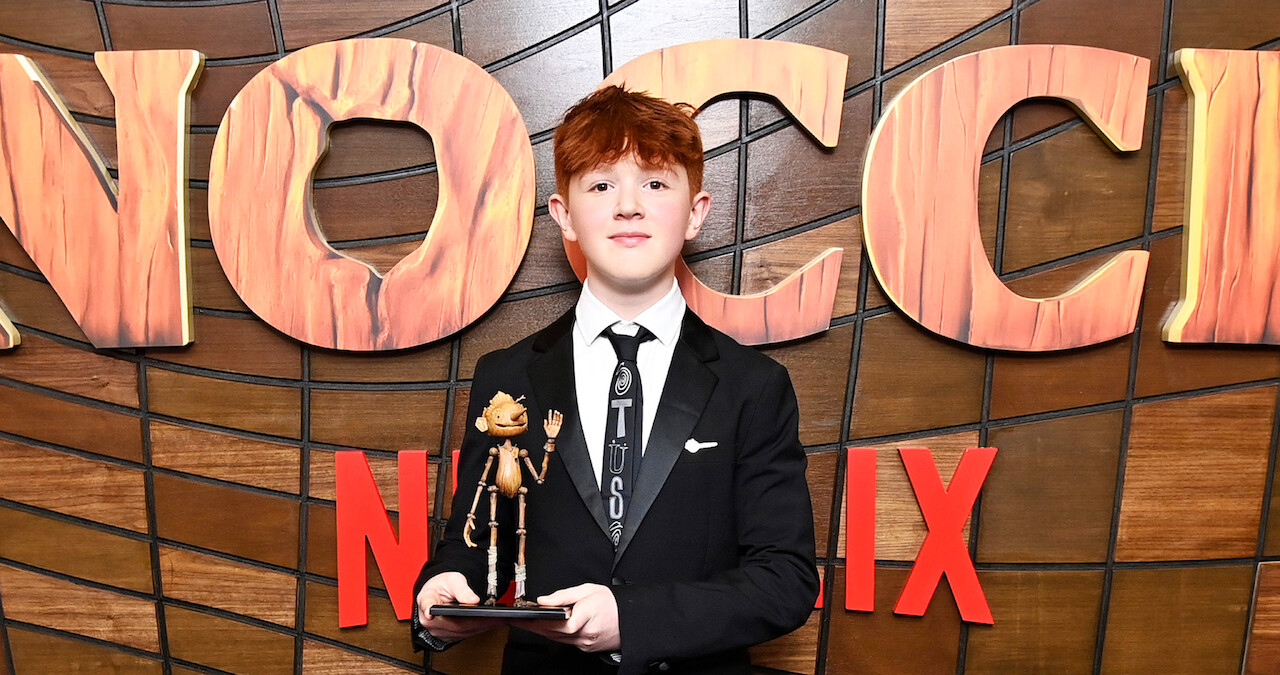
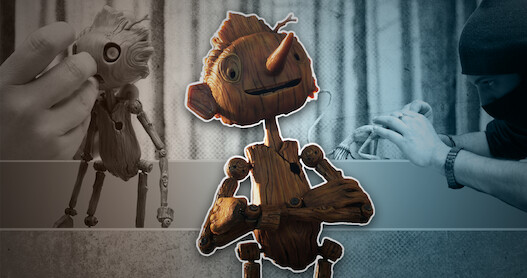
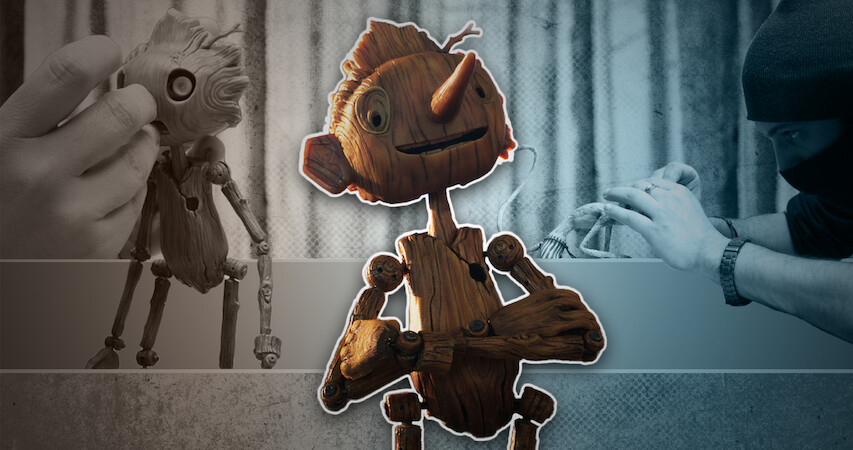
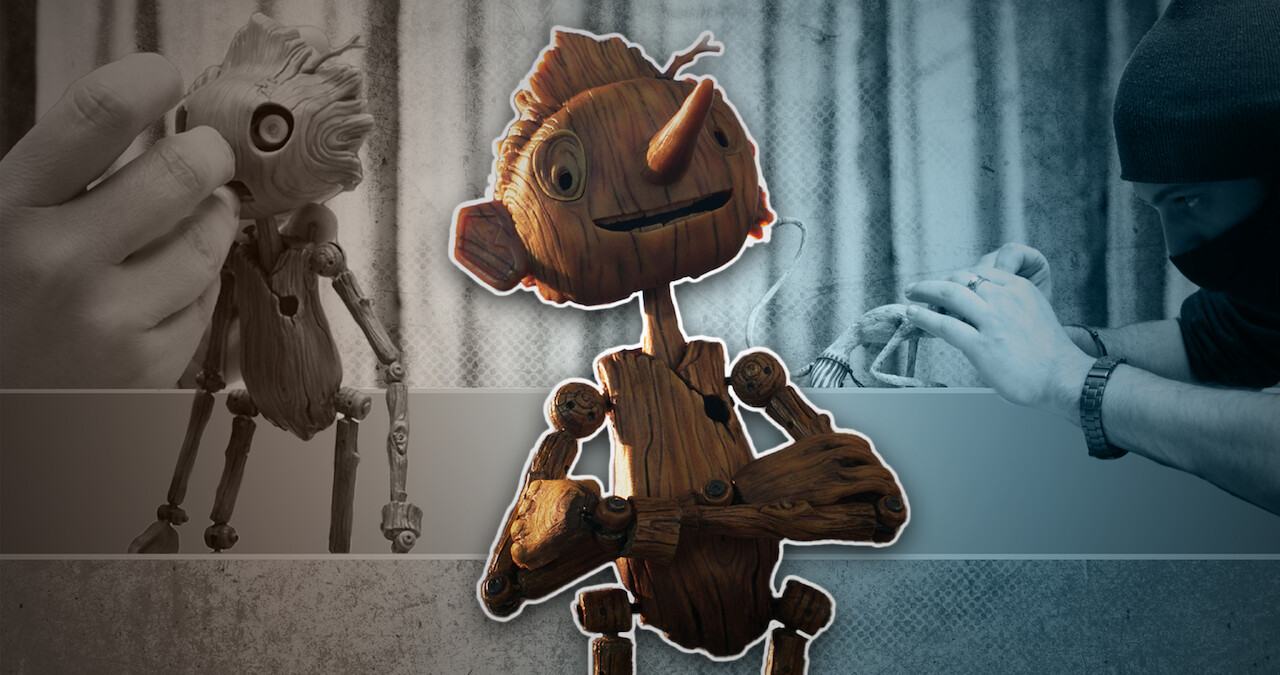
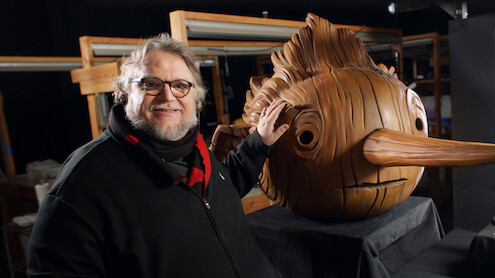
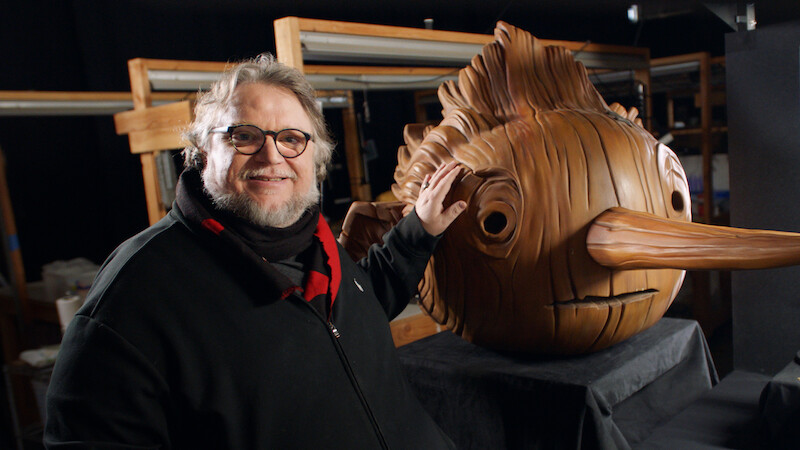
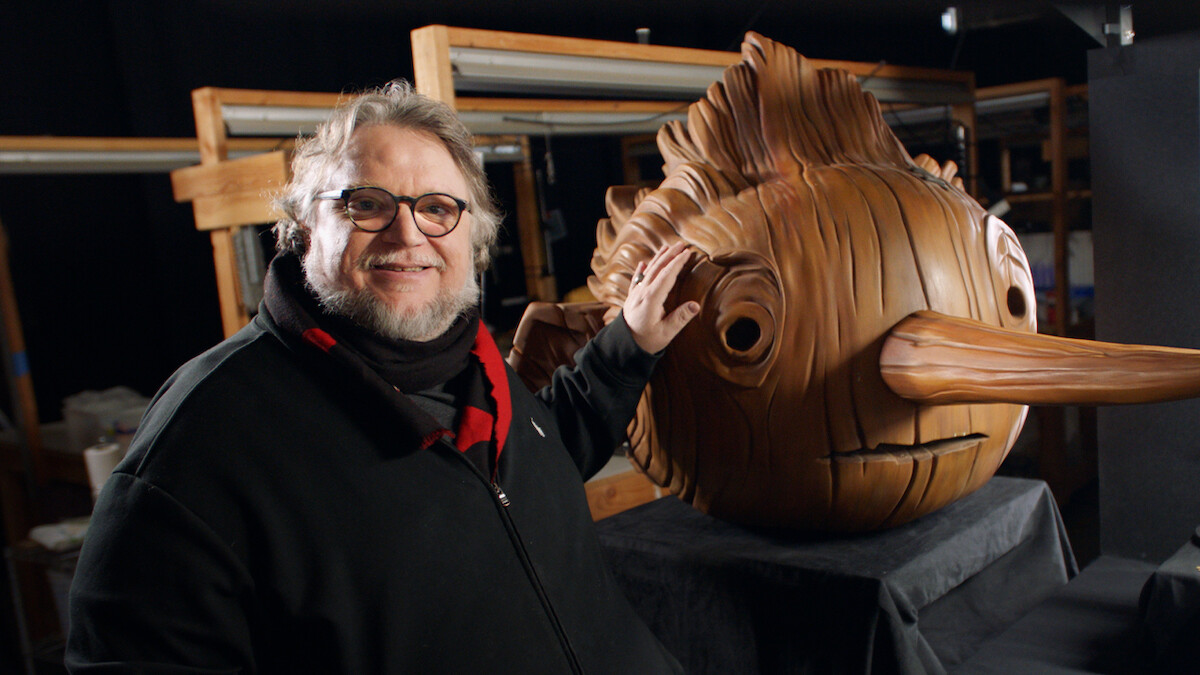
The story of Pinocchio is the story of one artist: Geppetto, the lonely woodcarver who crafts a wooden boy. However, there are far more artists involved in bringing Pinocchio to life on film. Don’t let the possessive title fool you: Guillermo del Toro’s Pinocchio is the product of hundreds of individual artists’ hard work, with Oscar-winning director Guillermo del Toro at the forefront. Fresh off of its Golden Globe and Critics Choice Awards for Best Animated Feature, Pinocchio is now firmly in the race for the Academy Award, with a nomination for Best Animated Feature. There’s no better time to dive into how the film’s animators carefully constructed its frame-by-frame reality.
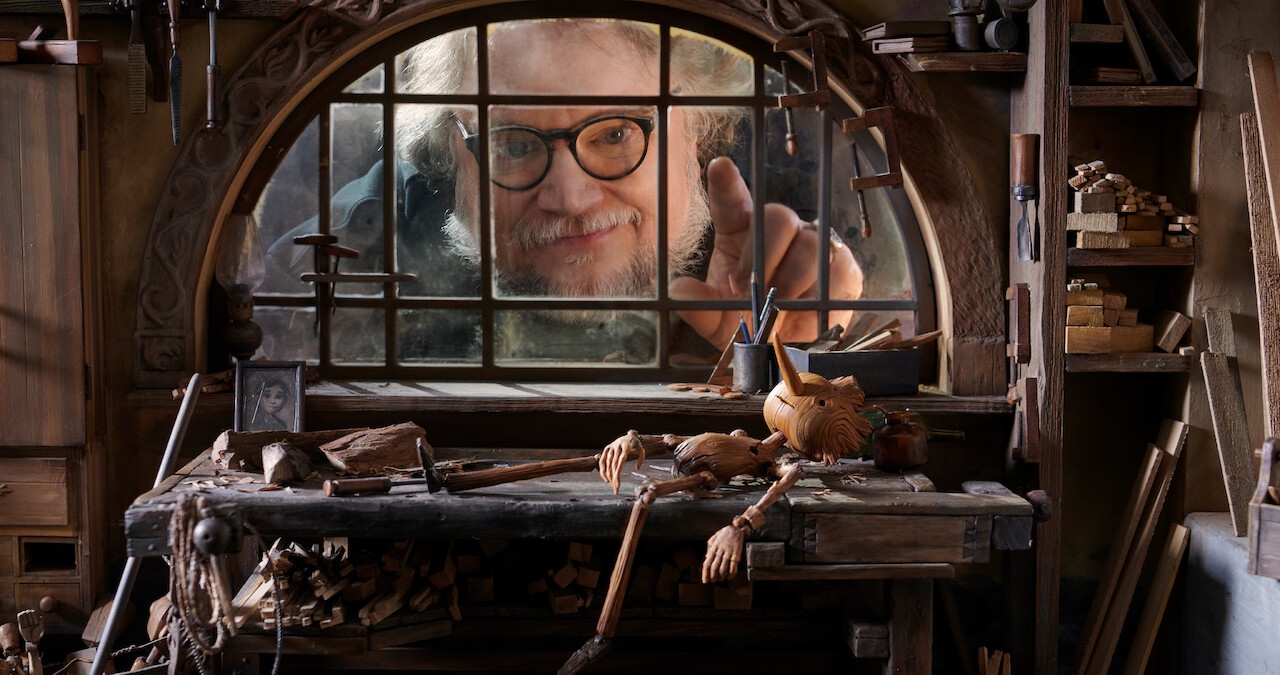
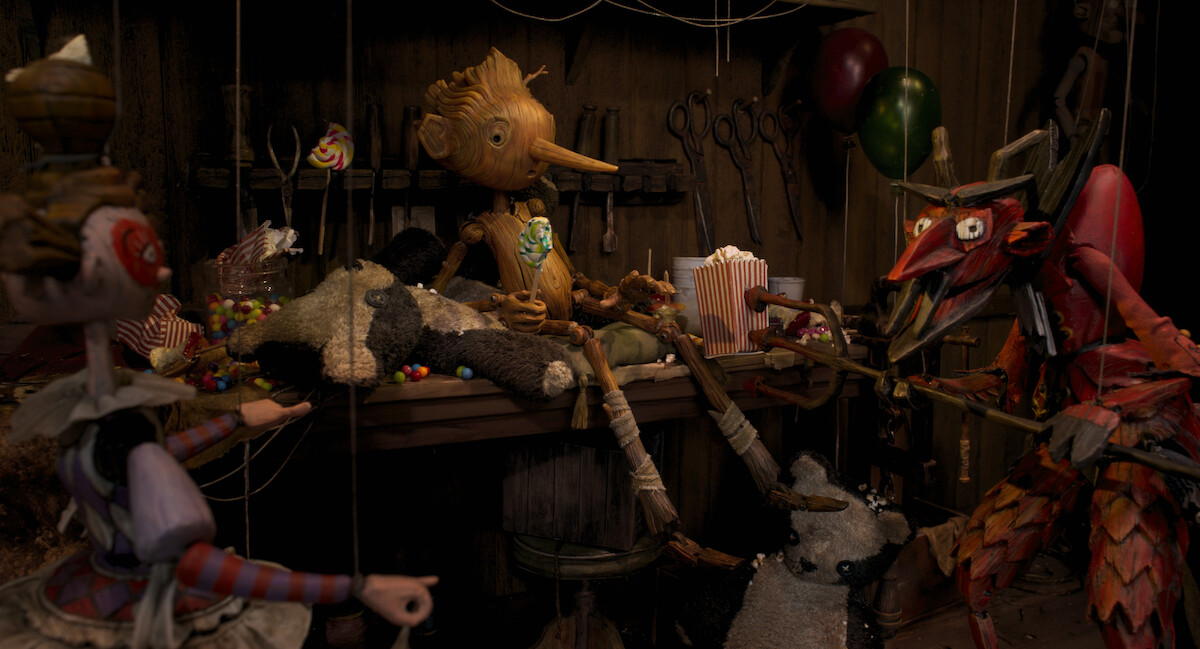
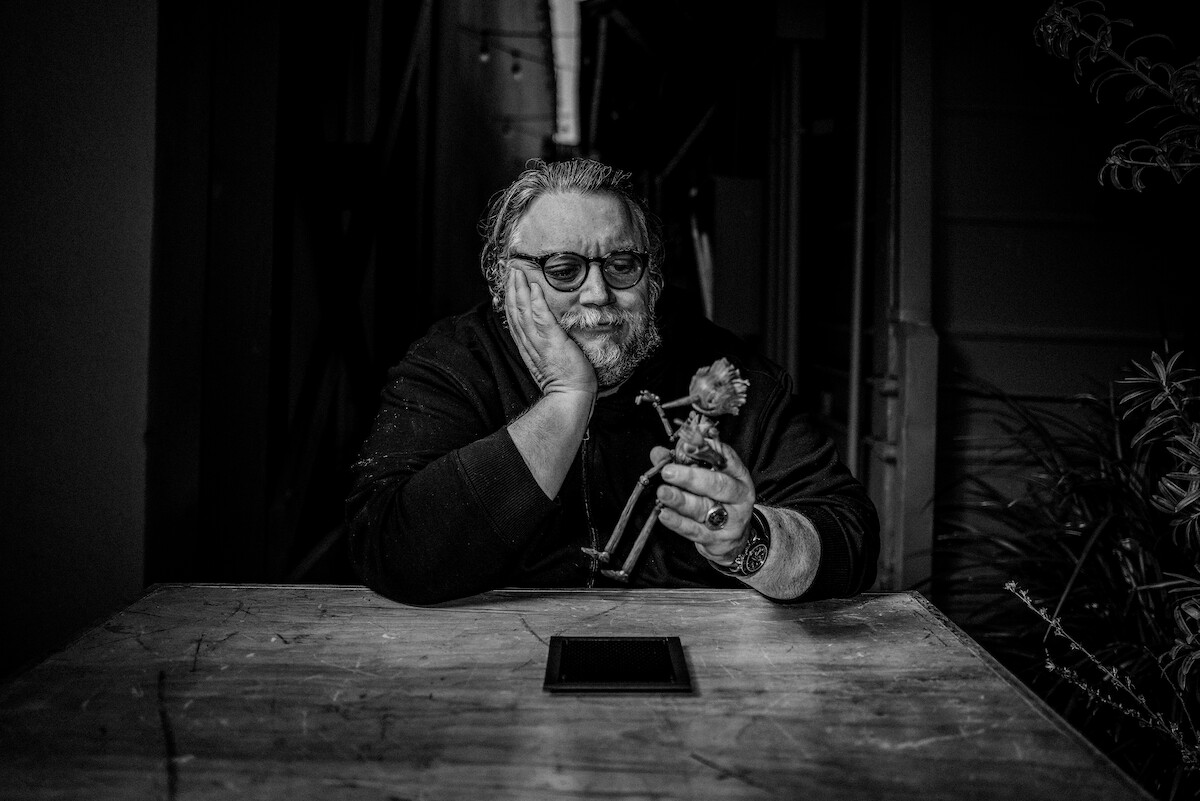
This new Pinocchio is quite literally handcrafted, just like the puppet himself. In the timeless tradition of stop-motion animation, each moment in the film was designed from the ground up, with puppets and backgrounds infinitesimally adjusted frame by frame to create the illusion of motion. From production designers to animators, it took a lot more than a wood sprite’s magic to bring this particular Pinocchio to life. We caught up with a few of these talented artists for a brief oral history of the gorgeous animation.
mandraketheblack.de/NETFLIX
Getting Started
Del Toro’s iteration of The Adventures of Pinocchio draws inspiration from author Gris Grimly’s illustrated edition of Carlo Collodi’s original novel.
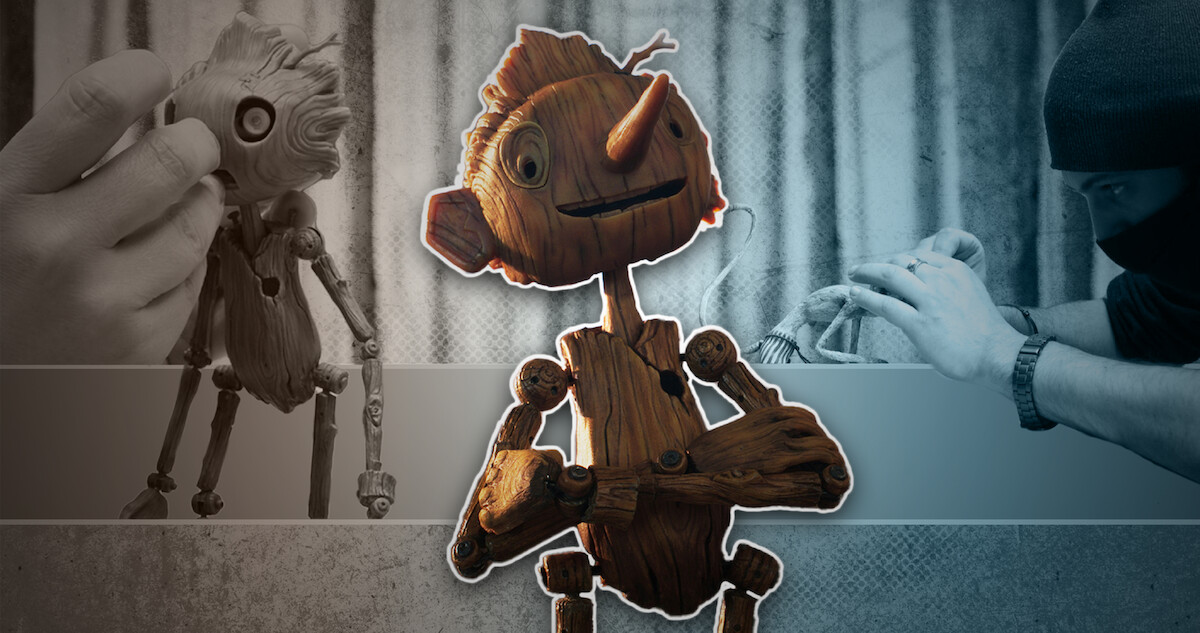
Georgina Hayns (character animator): Guillermo had always wanted to make Pinocchio, but he didn’t want to do the Pinocchio we’ve all seen before. He was looking for a new take. When he saw Gris’ illustration, he fell in love with it… We did change the head –– that was really to get the performance that we needed out of our wooden boy. Because he was going to be the lead character in a feature, we wanted to be able to get more emotion. The original illustration had a much simpler face. So Guillermo got Guy Davis to work on Gris’ illustrations just to bring it into a place that we were all happy with –– to get the performance, but still keep the magic of Gris’ Pinocchio.
Guy Davis (character designer): I originally started working on Pinocchio back in 2012. I was brought on board to redesign the characters from Gris Grimly’s original pass with concept artists Huy Vu and Rustam Hasanov, who would also come back in 2019 for the current version.
Curt Enderle (production designer): When some of the images were released from the nearly-to-production version, I was mesmerized. I was just starting to work on stop-motion film after a decade of doing primarily commercials, so, while I wanted to work to bring those images to life, I had no idea how to make that happen.
Bringing Pinocchio to Life
Years after the project’s inception, del Toro finally signed on to co-direct Pinocchio with Mark Gustafson for Netflix. He brought along a team of craftspeople new and old, some of whom had more experience in animation than others.
Davis: This was my first stop-motion film and an incredible experience, having primarily worked in live action and some 2D animated projects. For me, that approach and collaboration from live action to stop-motion was the same. On Pinocchio, everything from the design, research and fabrication was approached with the same hands-on care and attention to detail.
Hayns: We actually made 32 Pinocchio puppets. So each animator is working with Pinocchio, because he’s the one that’s in most of the shots.
Enderle: I’d say it’s actually more designed than live action. For live action, you could use or modify a location, you can purchase or rent and modify [clothing]. For stop-motion animation, you don’t have those options. If you want a location, you have to decide: what color is the dirt? What if anything grows in it? Are there buildings? What are they made of? What condition are those buildings in? Nothing is free.
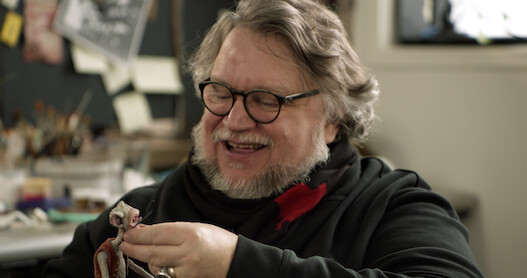
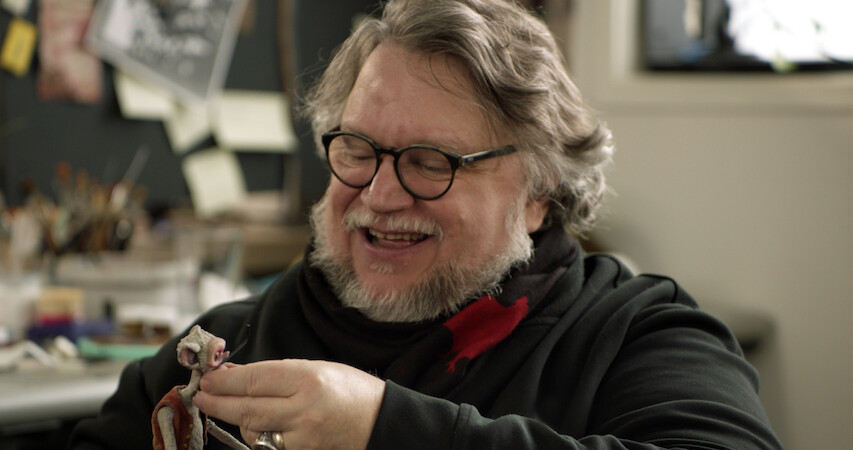
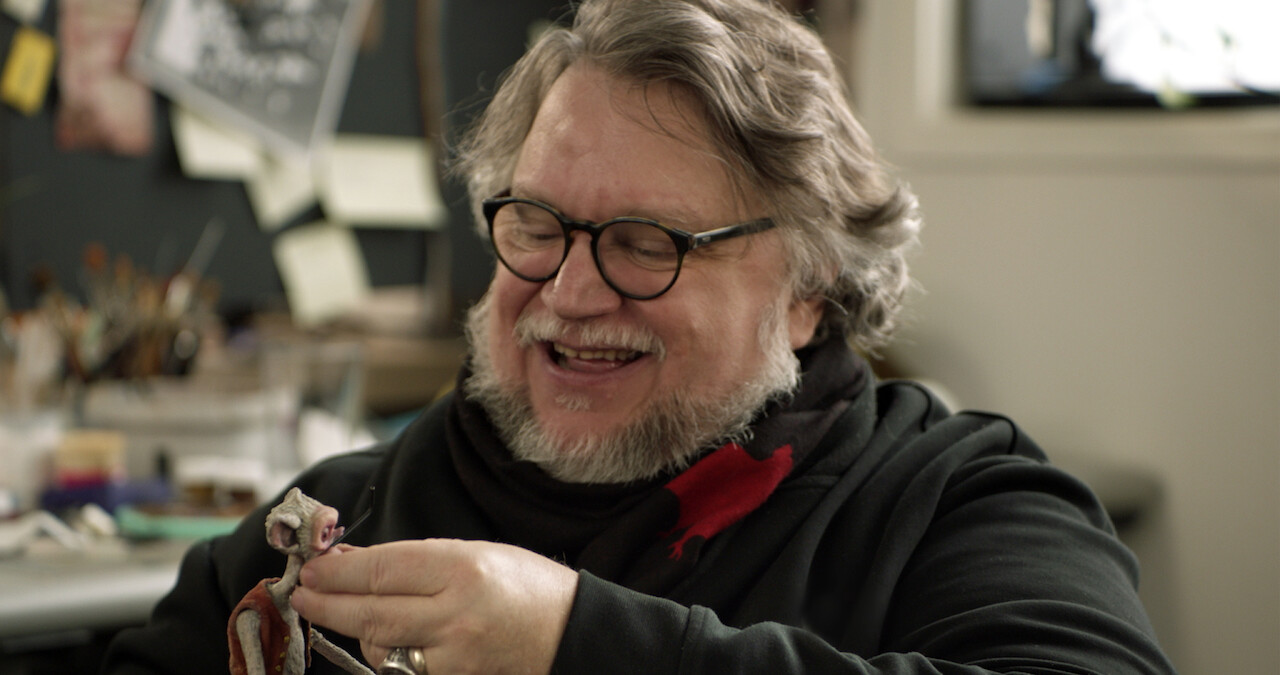
Hayns: I’m the director of character fabrication on the movie. That essentially means that I’m overseeing the look and the build of all of the puppets in the movie. It’s basically sitting down with the teams of puppet makers with a visual concept of what the puppet needs to look like, but then, also: how are we going to break that down, and turn it into a fully animated, moveable puppet?
Davis: Guillermo described the world and look he wanted as “perfectly imperfect,” so that the characters were never uncannily realistic. The world has a visceral texture and feeling of age that gives everything a sense of history.
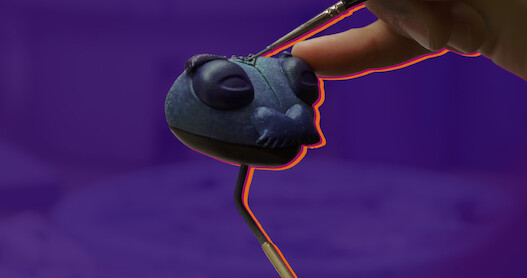
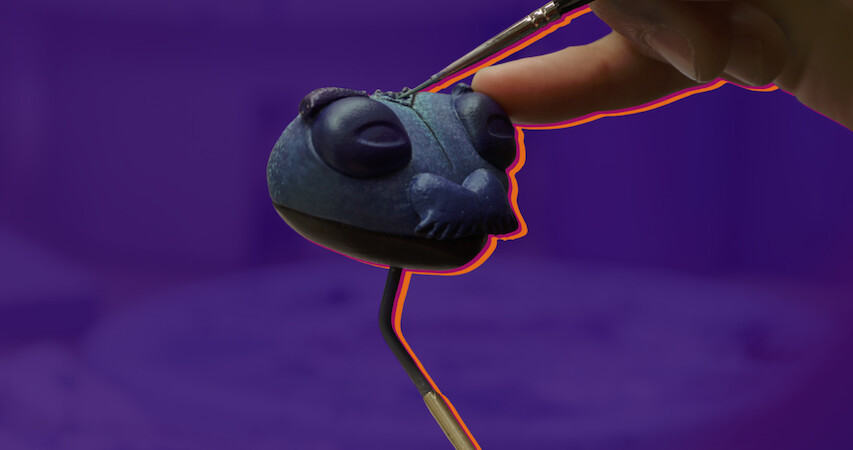
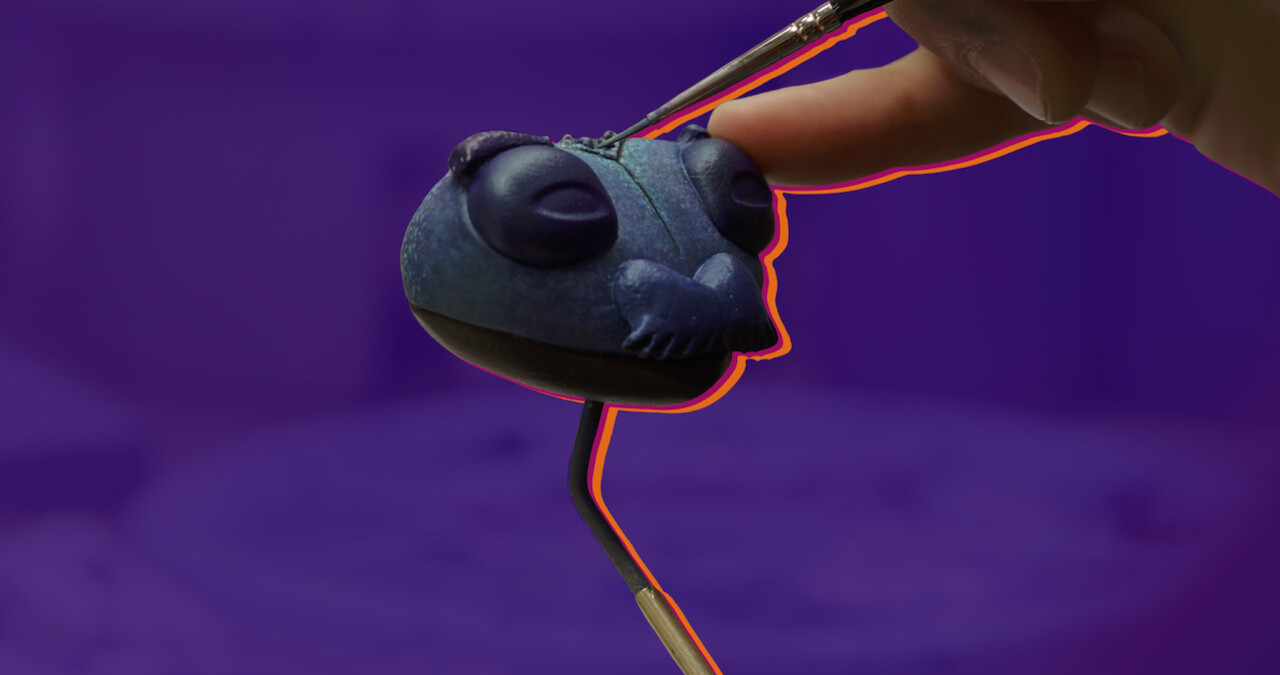
Hayns: We are constantly adapting the puppets. Our puppet hospital is adapting puppets for each individual shot. So maybe a puppet will need to stretch really far, and its arm just doesn’t stretch that far. We’ll add an extra joint to help it stretch that far. And each different animator wants a different tension of the puppet. They’ll come to us and say, “Oh, can you loosen the neck? Can you tighten the wrist?” Depending on what the action is, for that shot. So we’ll have to go in and literally get into the skeleton of the puppet through the costume and adapt that puppet for the animator’s needs.
Pinocchio, Alive at Last
Years after it entered production, Guillermo del Toro’s Pinocchio is finally complete. All in a (940) days’ work. The crew looks back on their favorite creations.
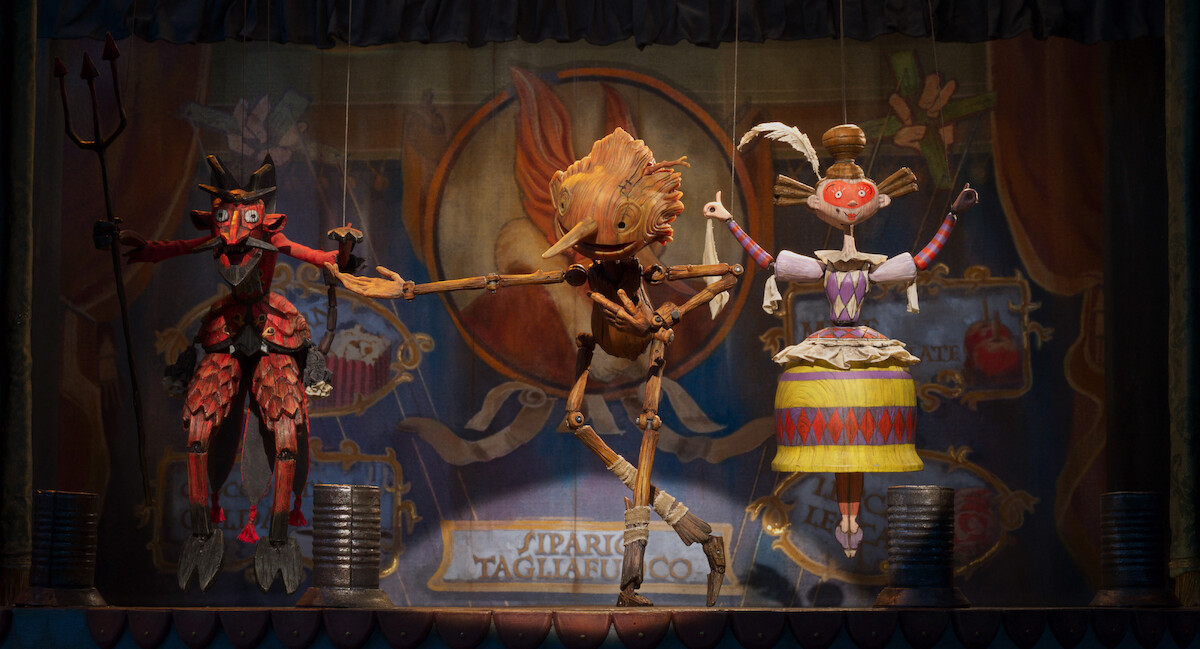
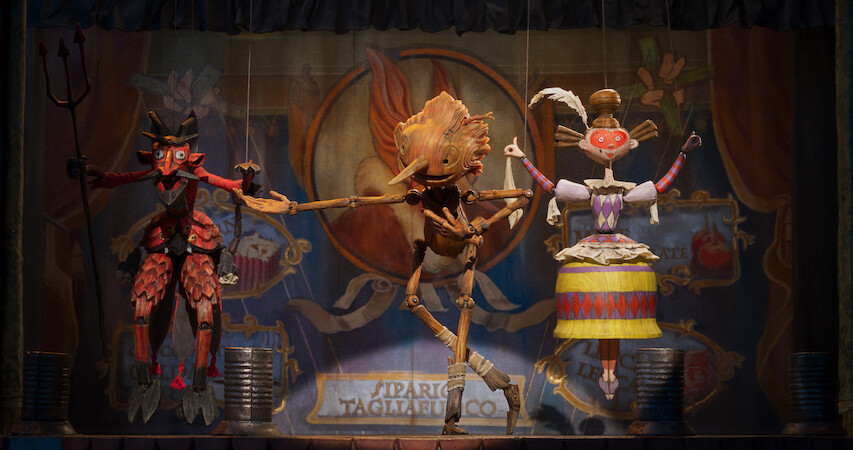
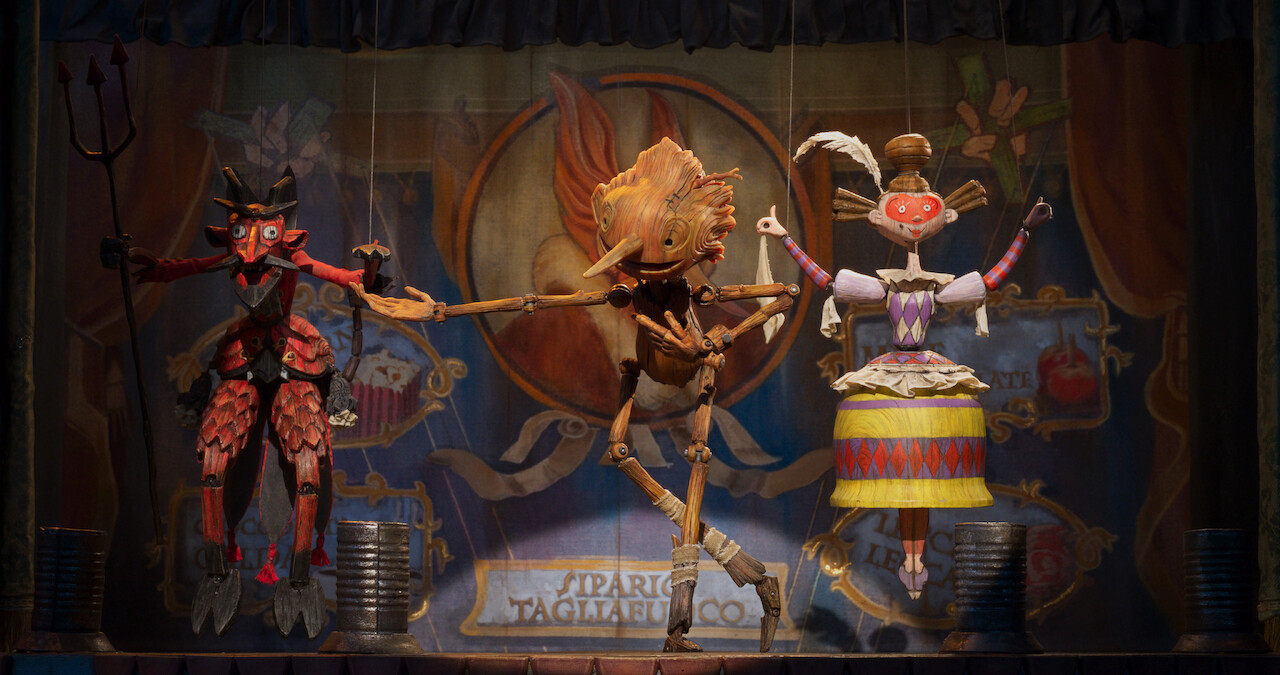
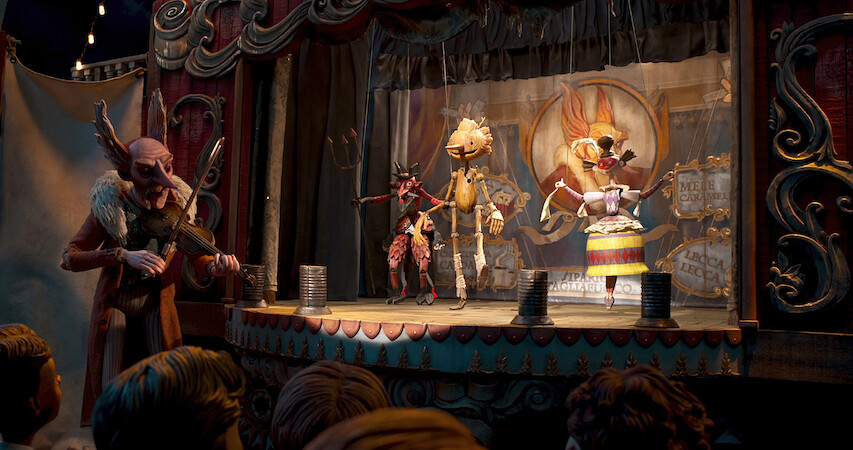
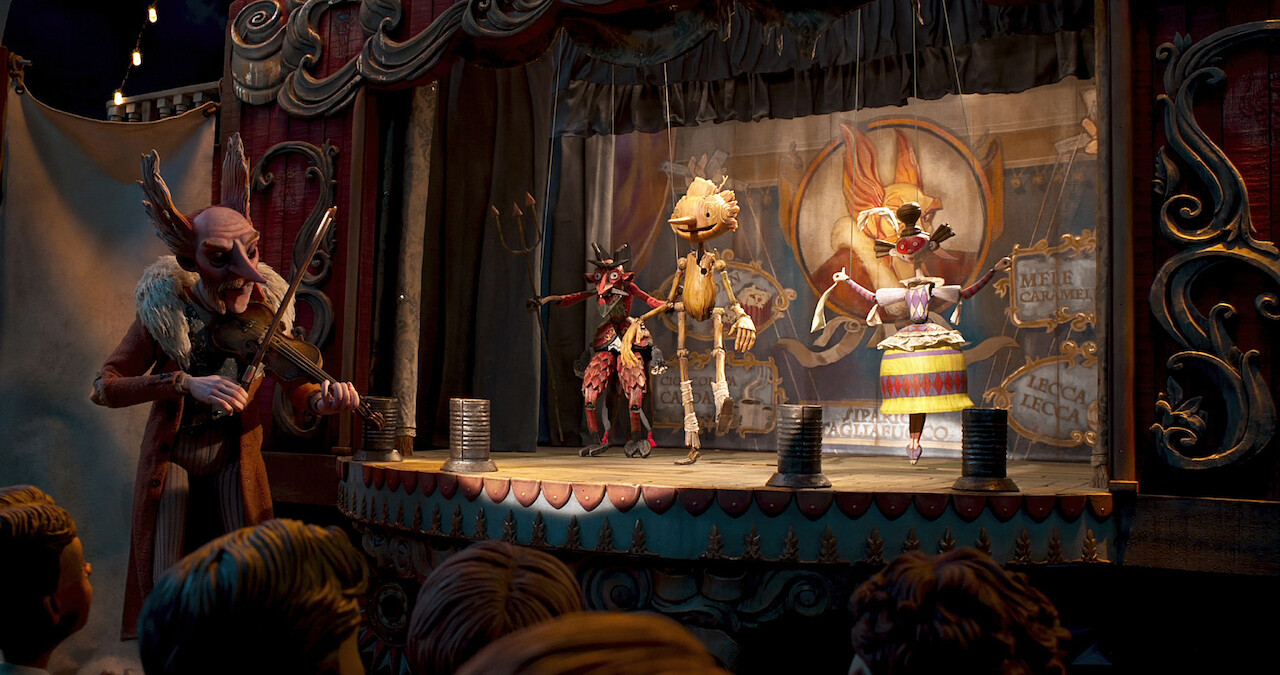
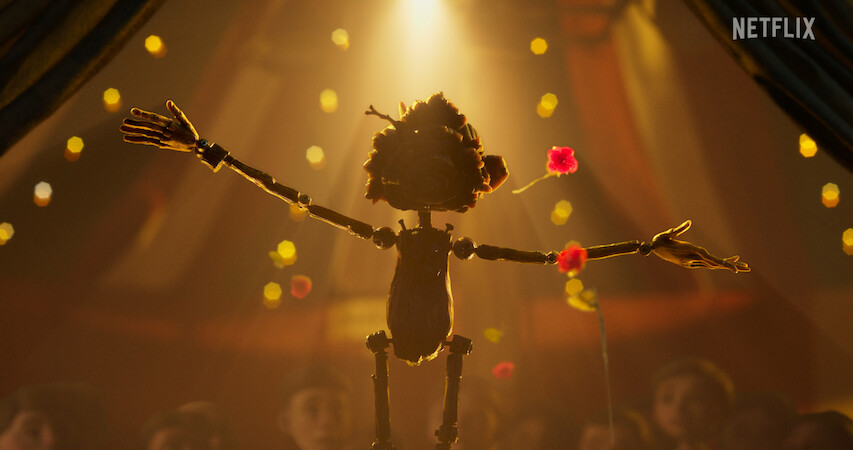
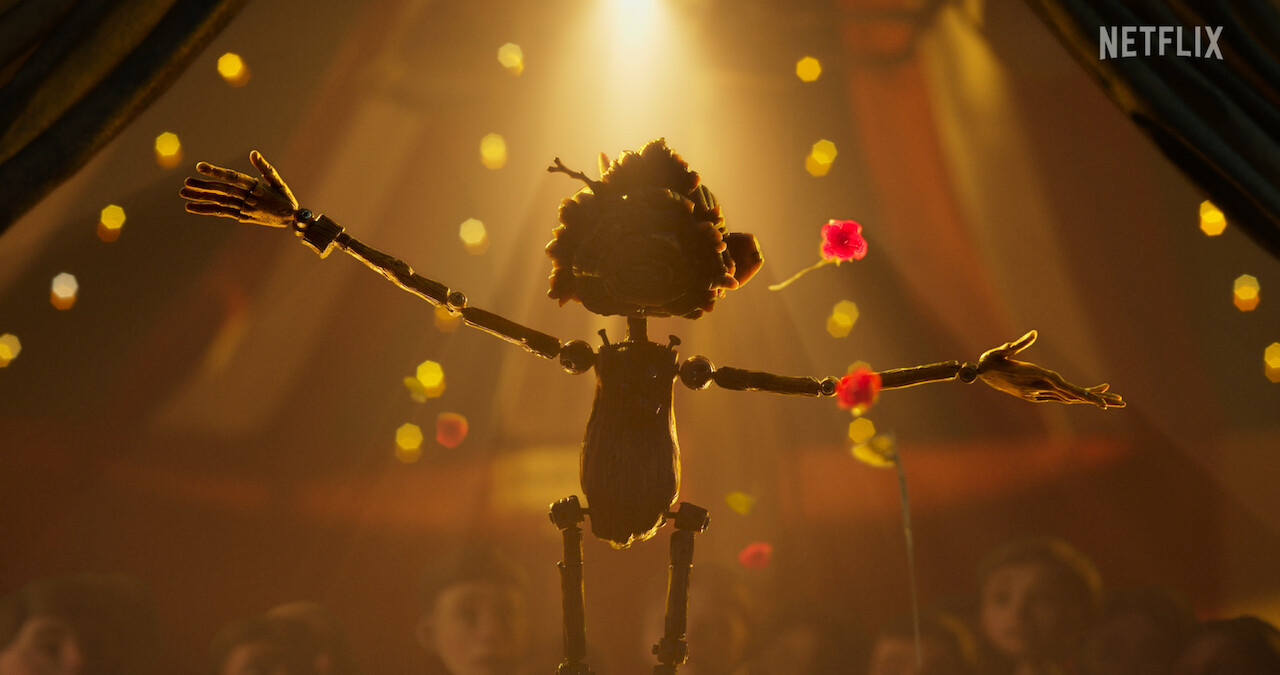
Enderle: I enjoyed bringing the detail of theater to the carnival [scenes]. The inspiration of the scenery, the backstage dressing and the details feel right. Not too slick or modern for a down-on-it’s-luck carnival. Painted drops, cut shapes, lots of ropes and slightly dodgy construction. And always a bit of a mess with things left over for the evolving show.
Davis: Overall, I really love how all the different locations of the film embraced unique styles, moods and atmosphere but always felt cohesive. From the greatly researched town and carnival –– which was such a rich blend of texture and color overseen by art director Robert DeSue and an incredible prop and fabrication department –– to the modernist (almost brutalist) fascist camp and Death’s limbo realm, all these areas stood out as unique but still worked with each scene as a whole. Never pushing the benchmarks of stylization too abstractly or fancifully, but staying grounded to one another’s reality.
Hayns: What happens throughout the movie is: when Pinocchio first comes to life, he’s just been born, he’s uncomfortable in his own body. There’s an arc of his performance through the arc of the movie. You watch him become more comfortable and more boy-like in his movements.
We just had a lot going on [while making Pinocchio]. We had the heat wave, we had some crazy political times, we had the pandemic. It brought the team closer together in a weird way. The movie gave us a focus. We were able to focus on this one thing and every day we still had a routine of coming together. And even if we couldn’t work on it, we were still part of the team.
These interviews have been edited for length and clarity.