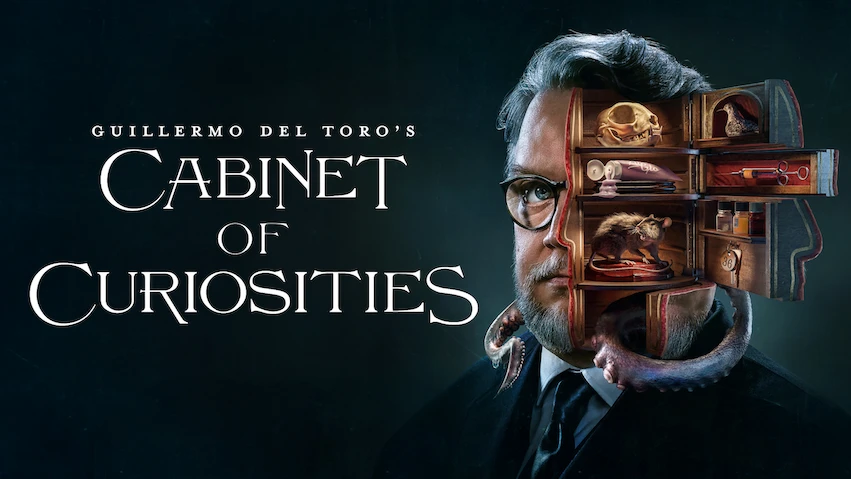
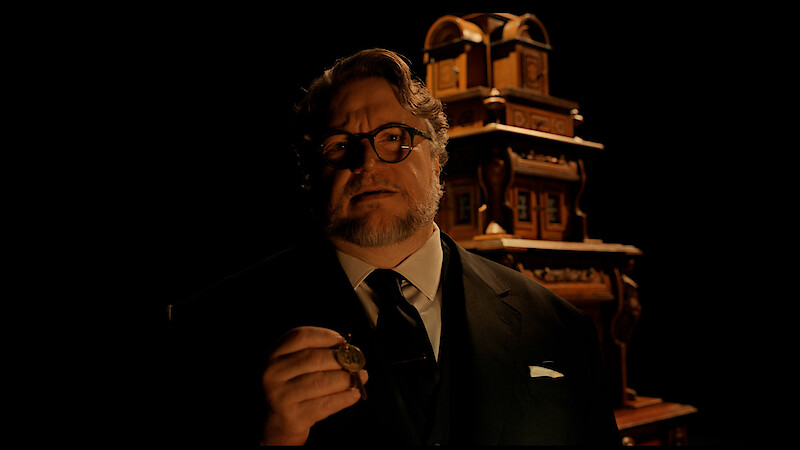
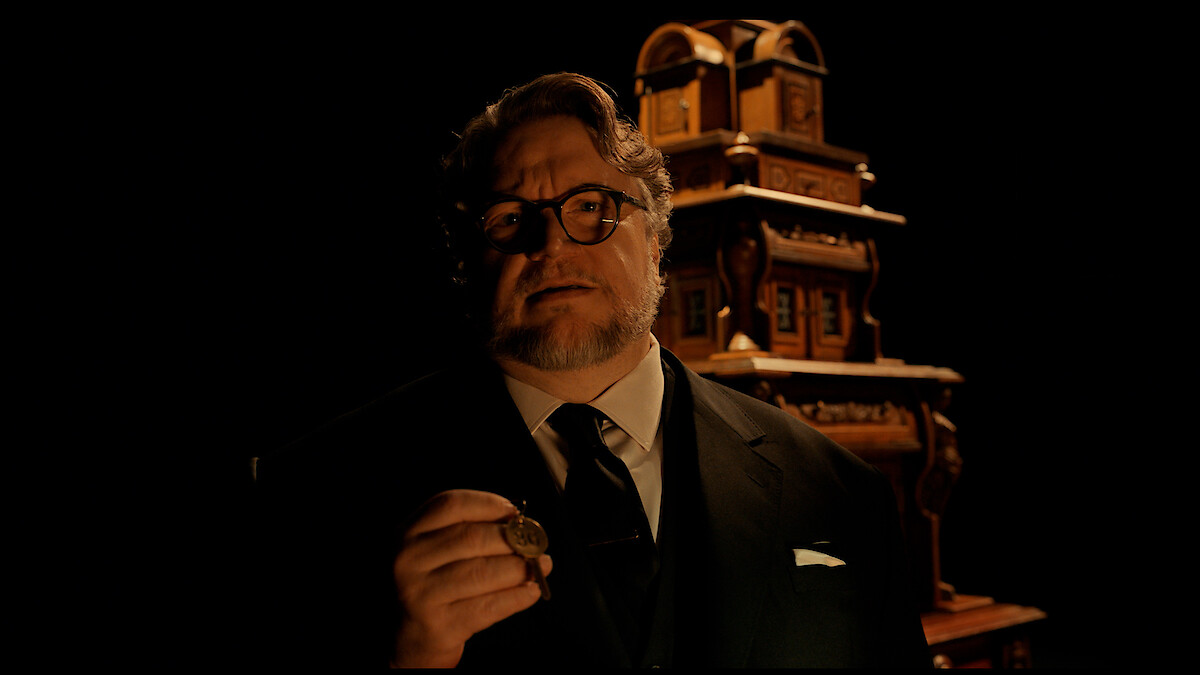
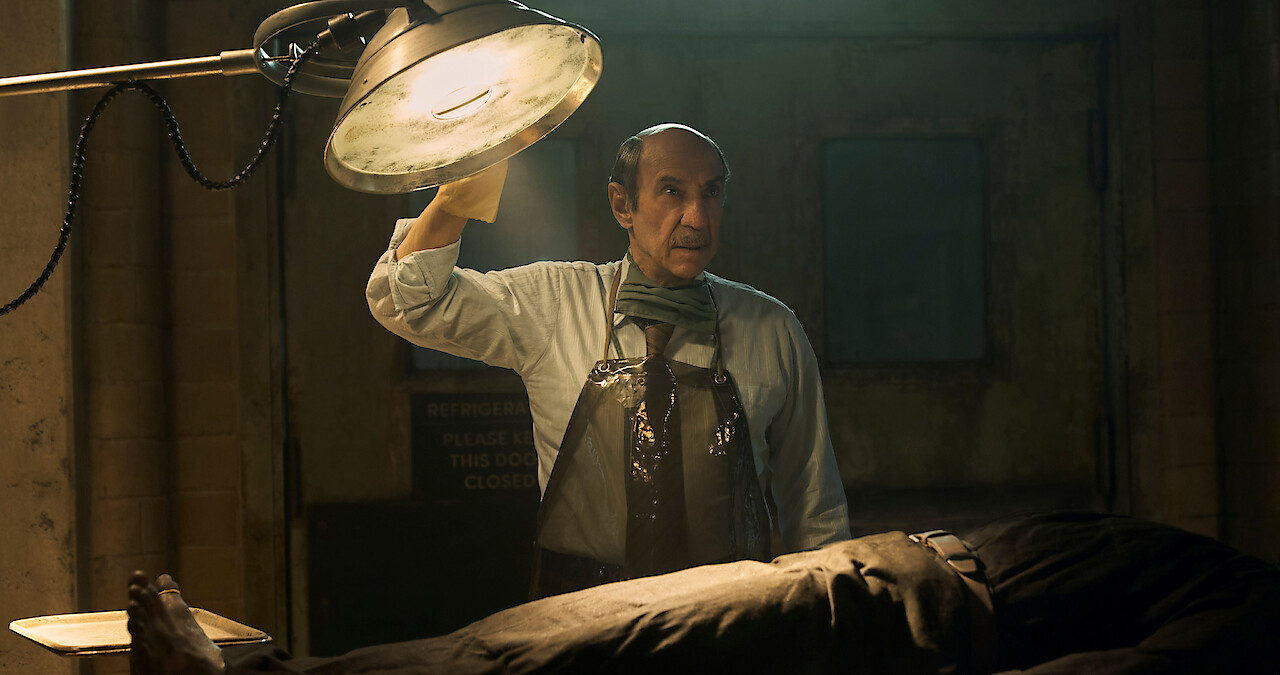
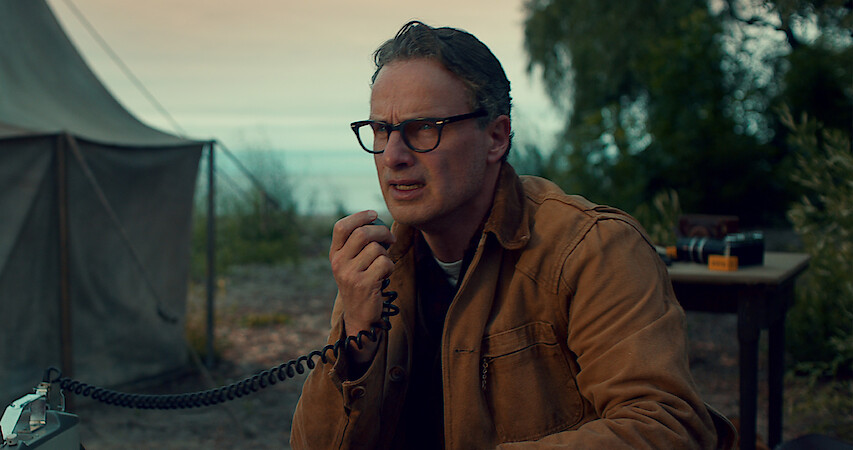
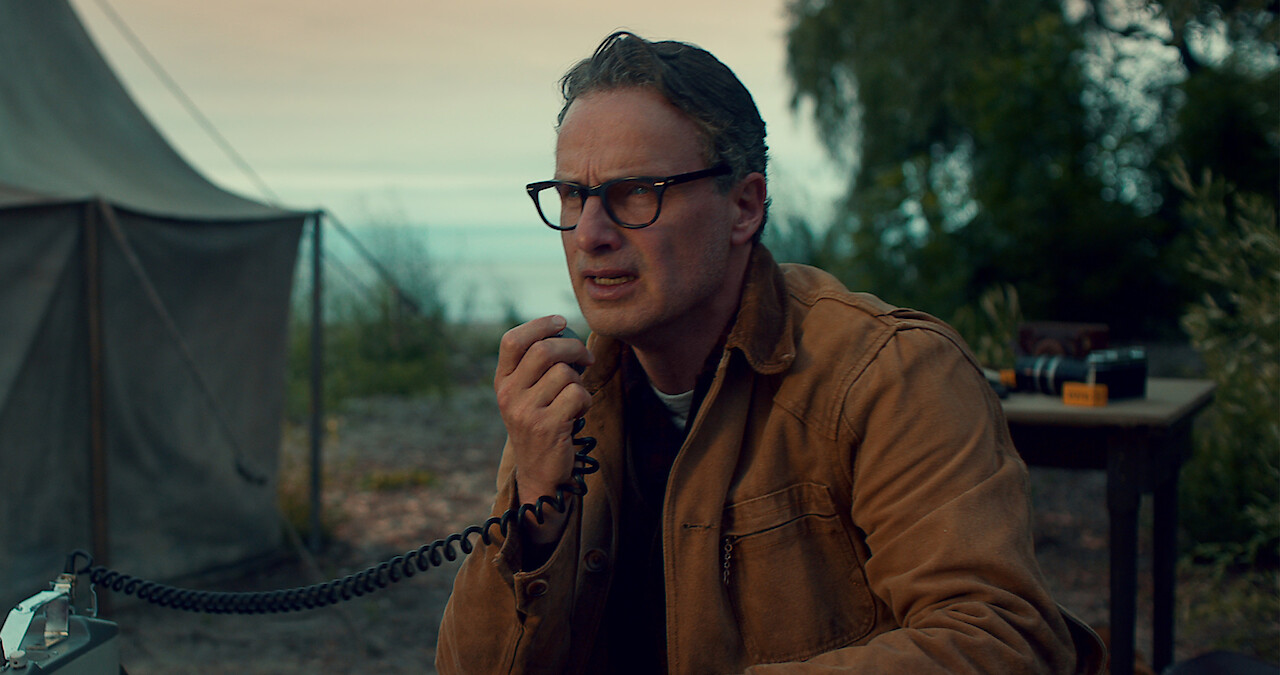
There are some natural limitations when shooting anything for television, even a horror anthology series helmed by the great Guillermo del Toro. But Vincenzo Natali, director of Cabinet of Curiosities episode “Graveyard Rats,” felt those limits break down to make the impossible a reality.
“When I wrote the script, which was a number of years ago, I just thought, ‘They’re never gonna make this, because they can’t! It’s just gonna be too complex, too expensive,’ ” the director says.
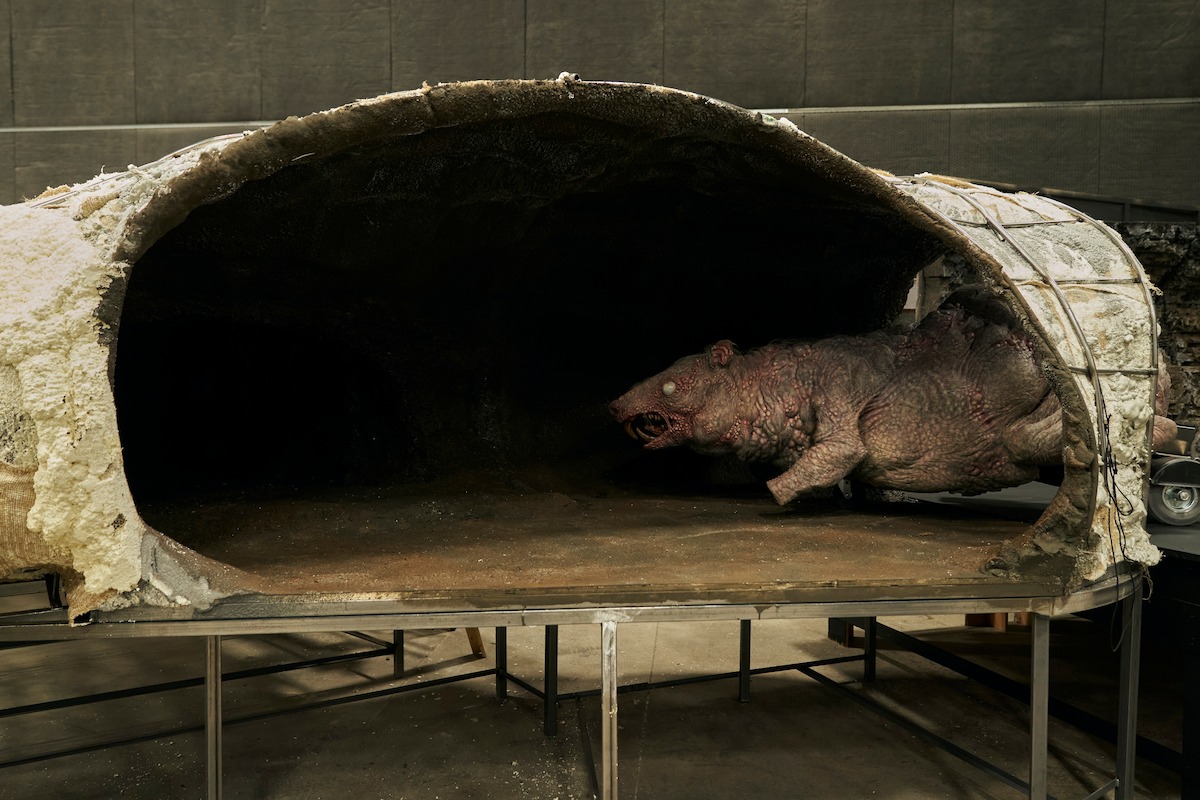
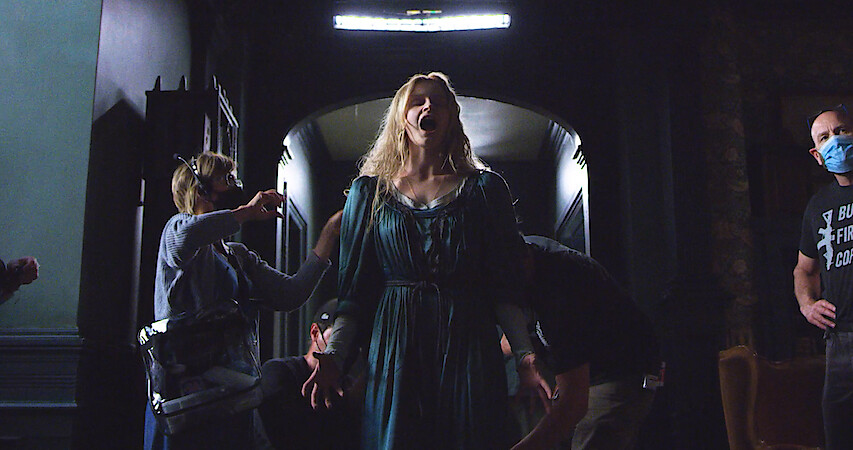
“We have two creatures, and this whole underground cavernous set, and some fairly — I don’t want to say ‘innovative,’ but some fairly out-of-the-box engineering went into how to shoot in these environments. A lot of stuff was designed from the ground up for this particular production. So this is completely outside the pattern of what a conventional television series would be. Even in the anthology format, I think it goes far beyond that.”
Special effects computer graphics vs. practical effects
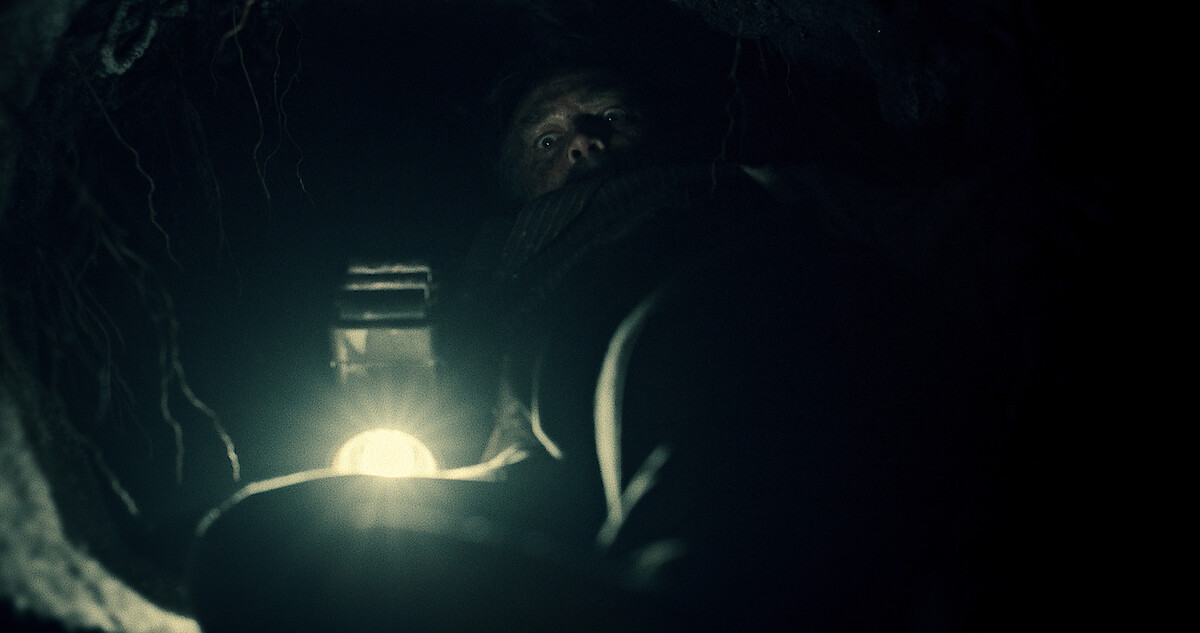
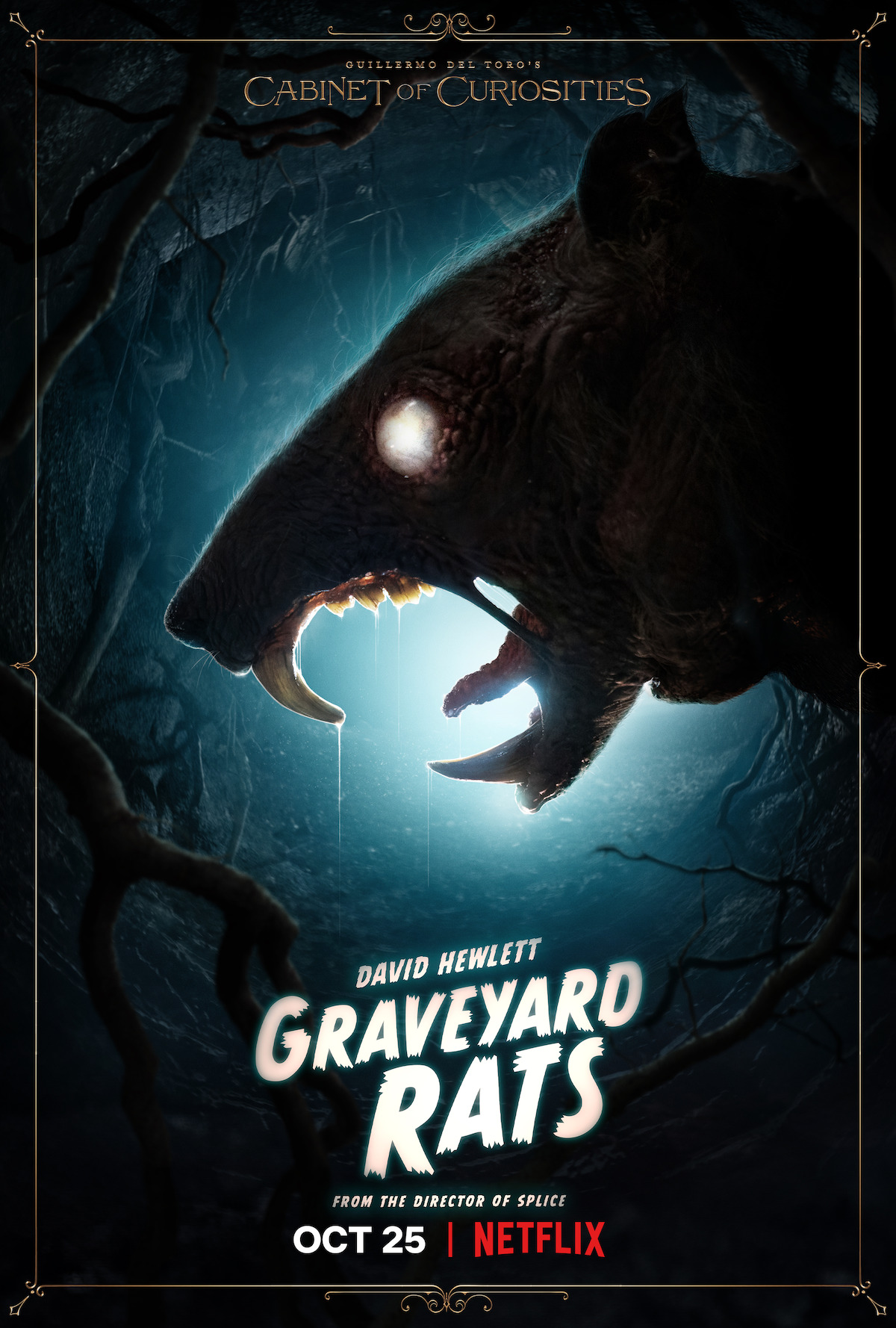
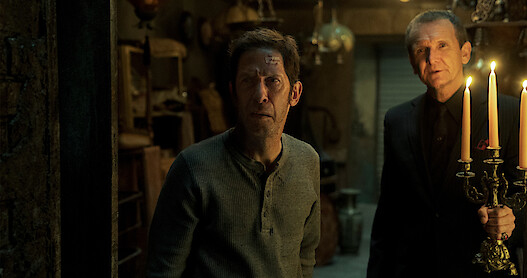
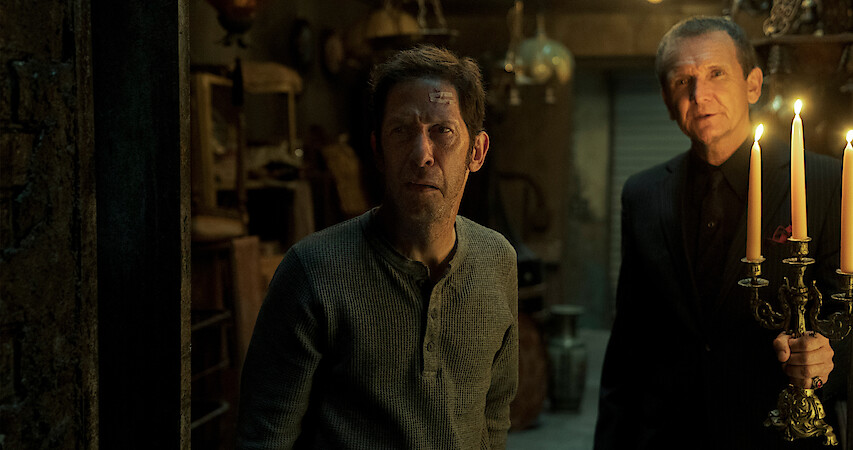
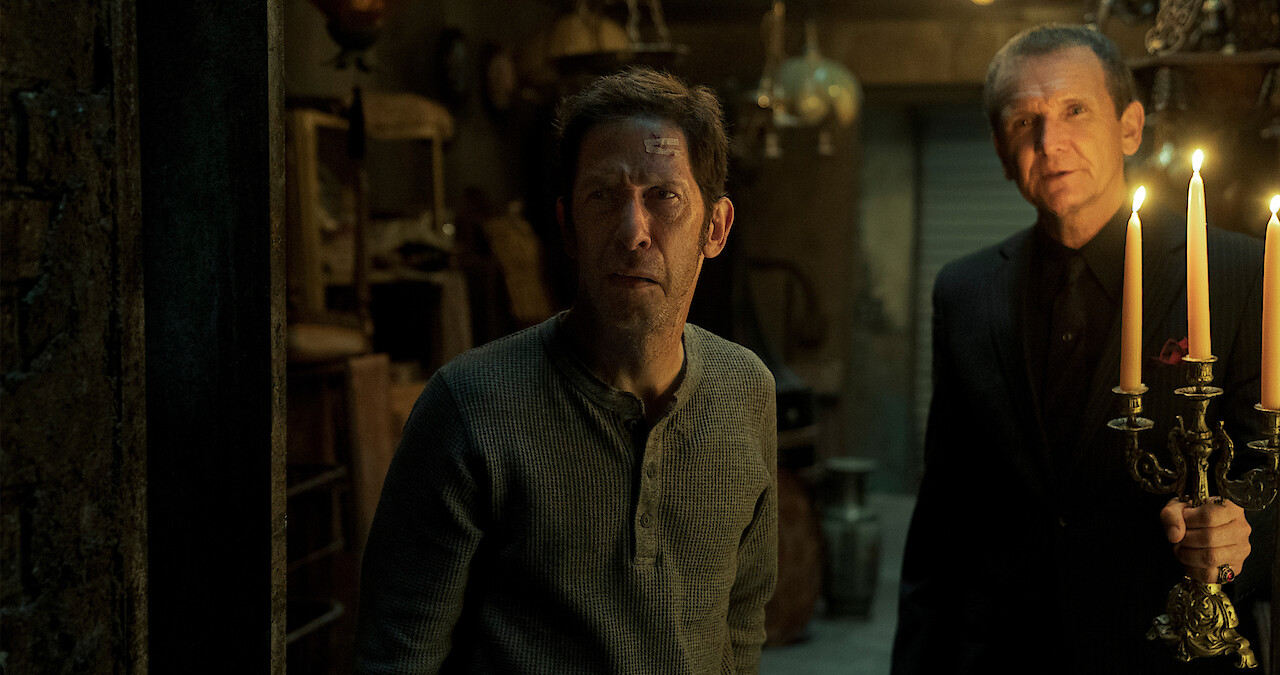
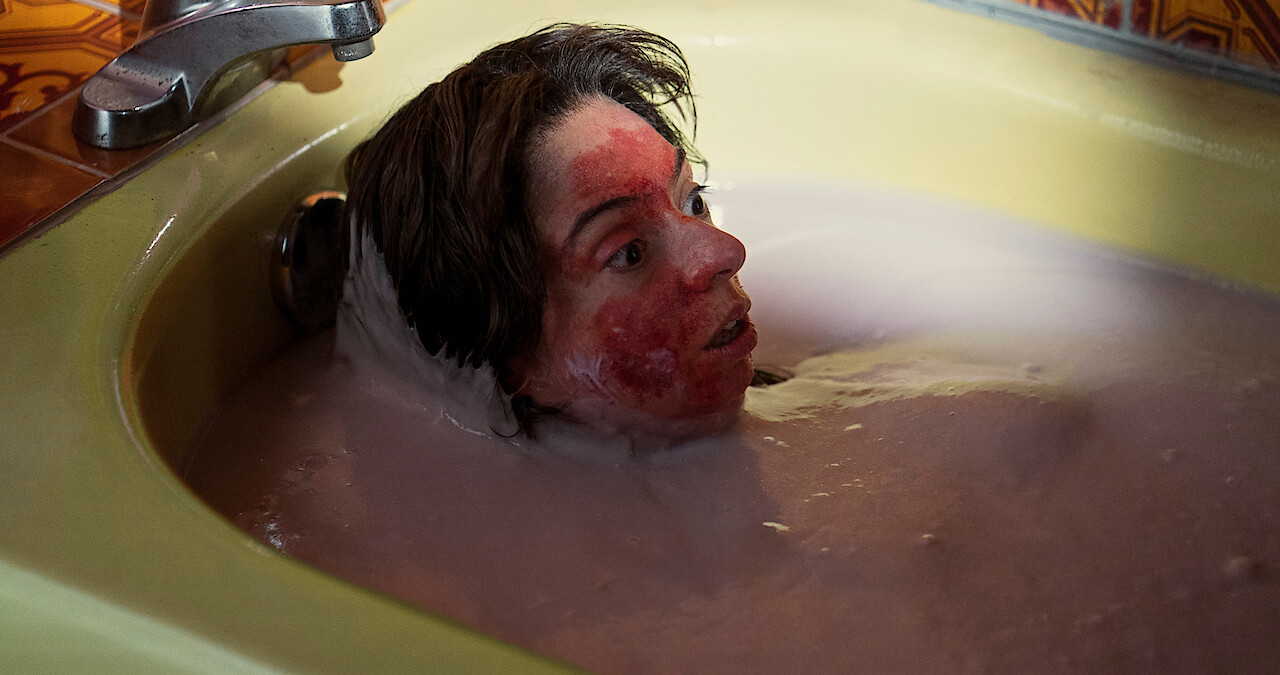
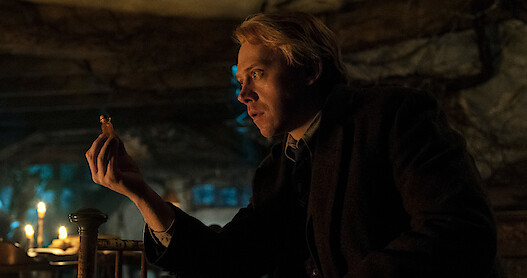
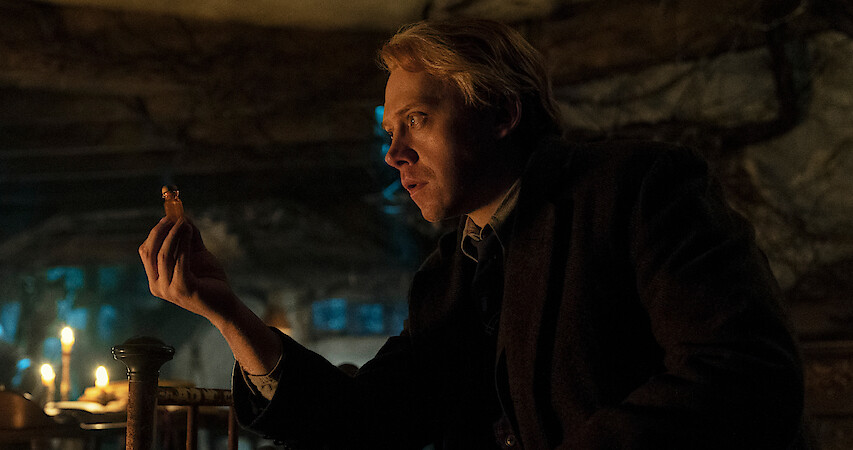
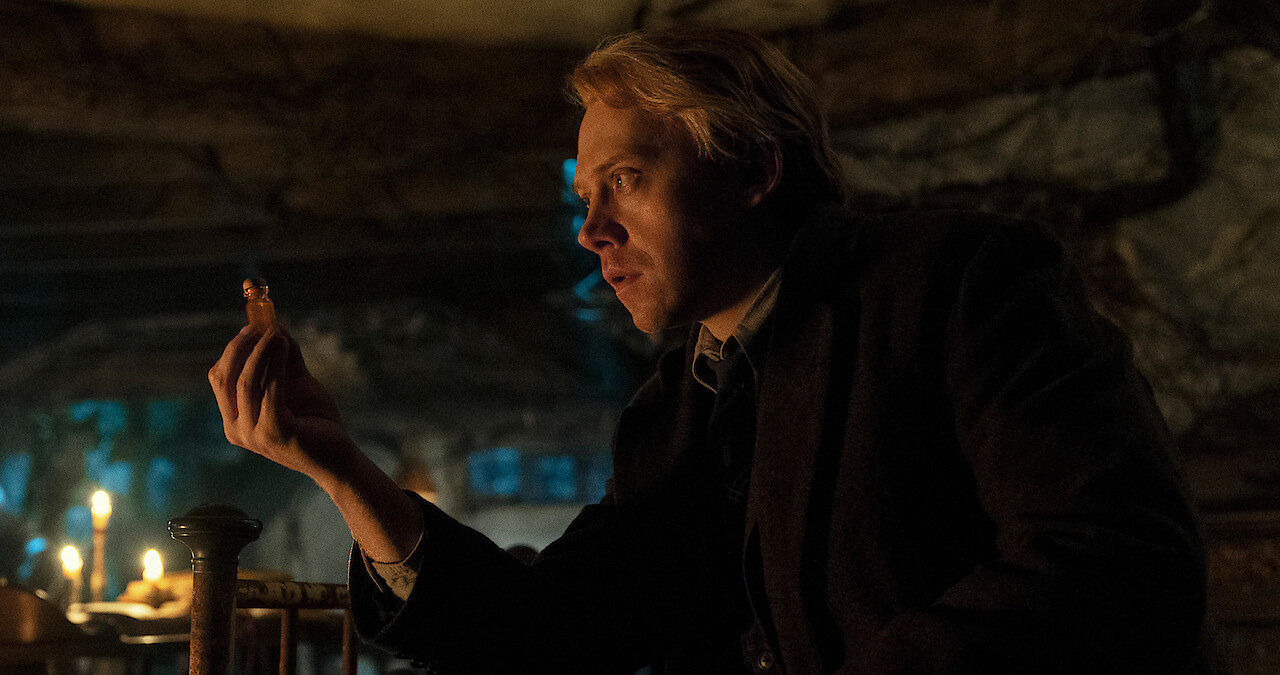
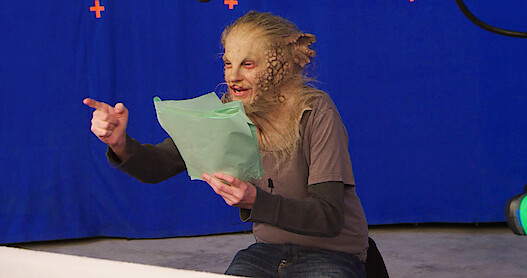
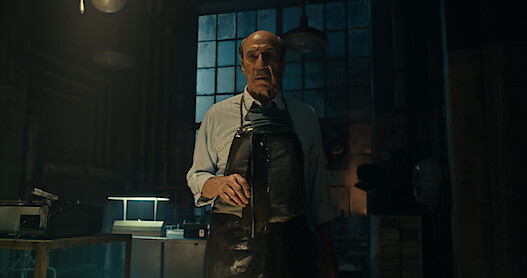
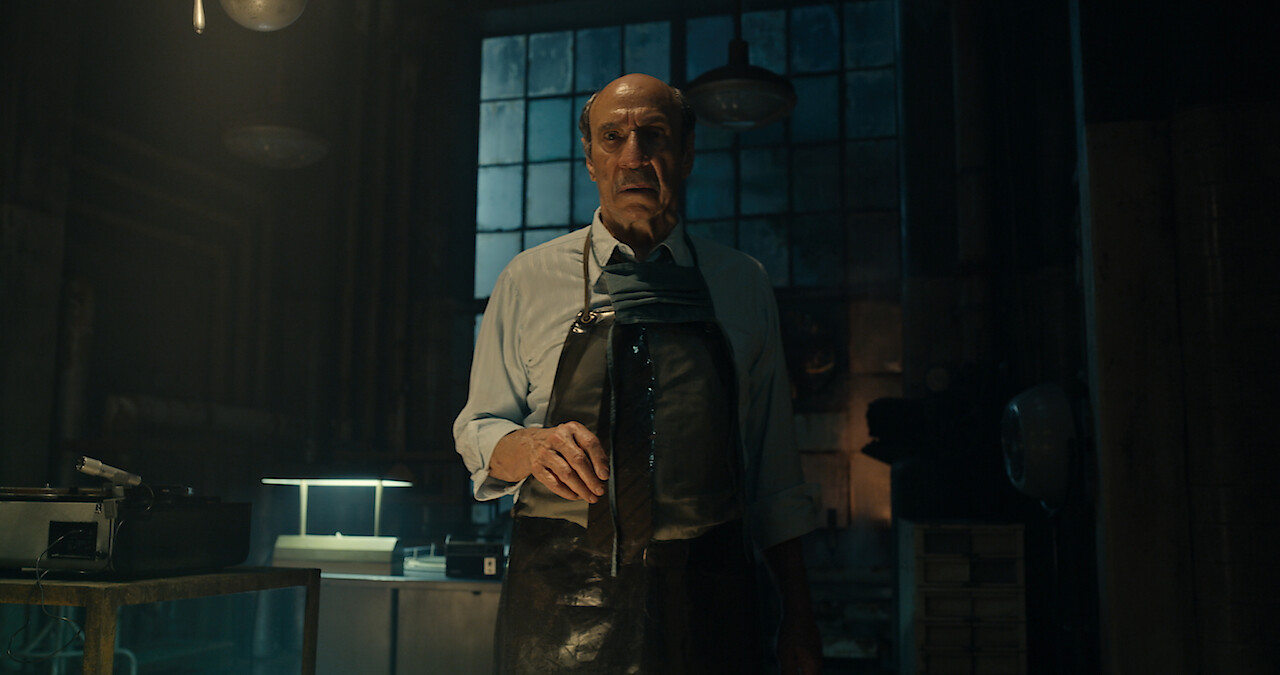
In “Graveyard Rats,” David Hewlett plays Masson, an opportunistic cemetery caretaker who robs graves to pay his mounting debts. Complications arise when an infestation of uncannily cunning rodents begin corpse-napping Masson’s charges before he can nab their valuables. Masson winds up trapped in a cramped underground labyrinth inhabited by more than mere rats.
It would have probably been easier to use digital effects for much of this, but Natali went a different route.
“We really leaned on the practical side of our effects work,” the director says. “The desire was always to make our creatures with physical, tangible materials and to do as little digital work as possible.”
How the Rat Queen was made
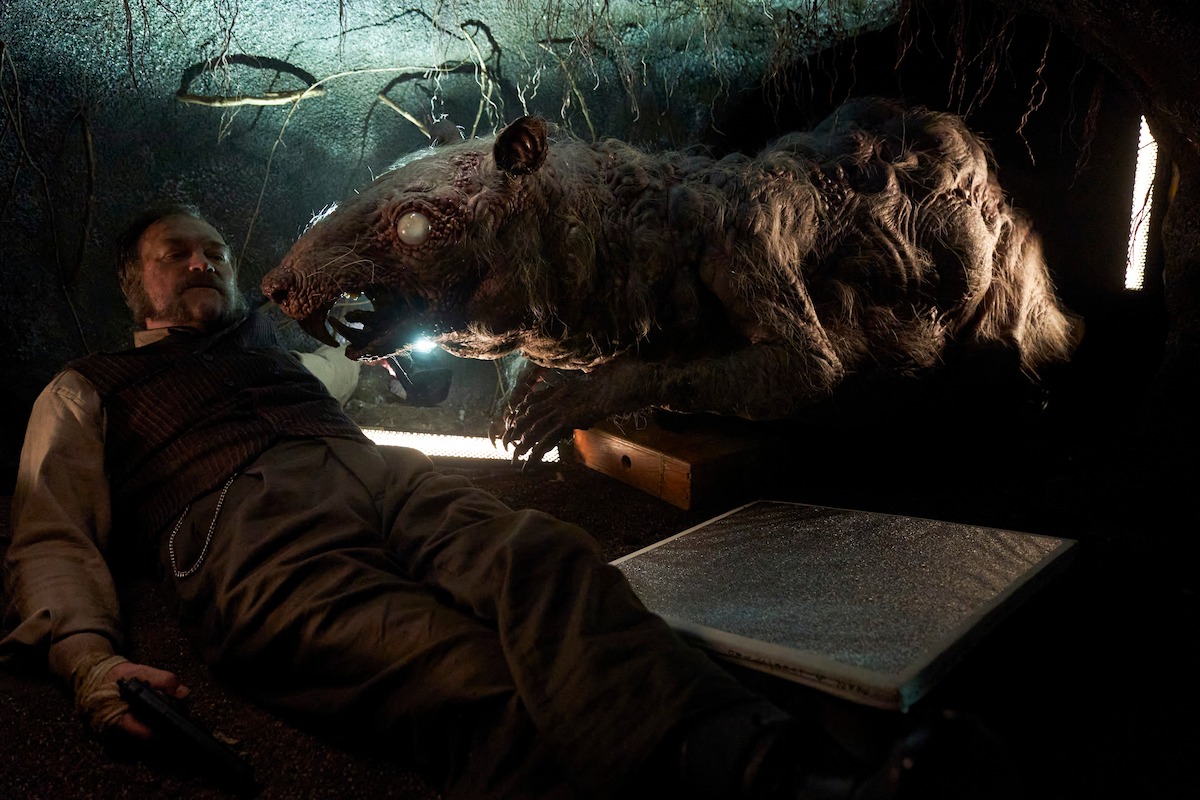
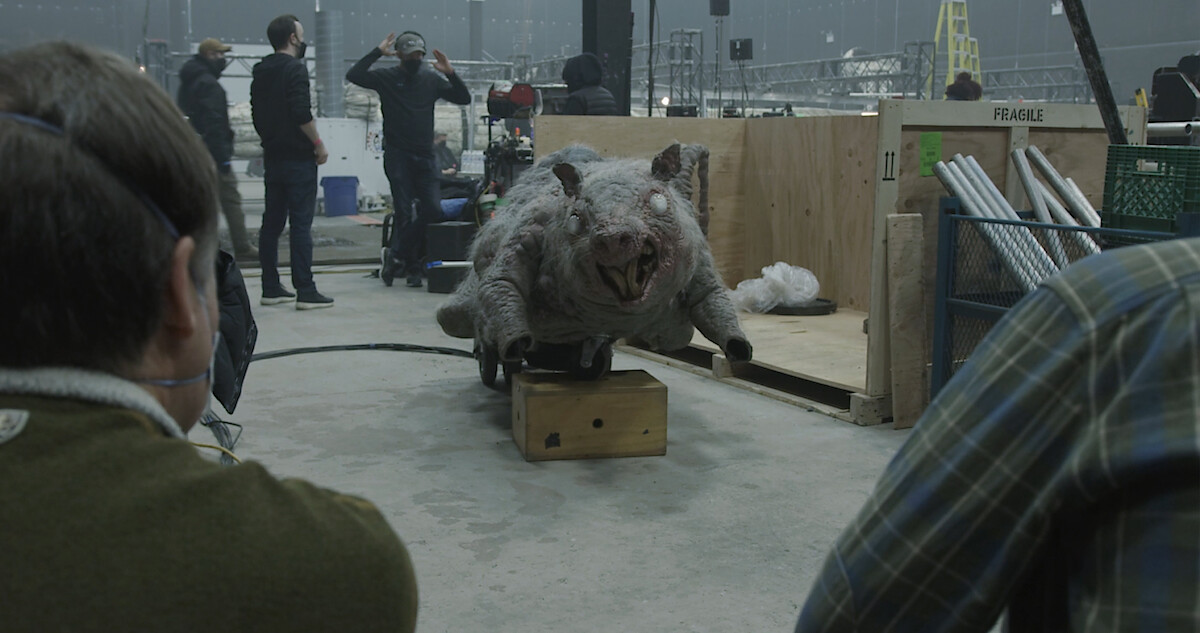
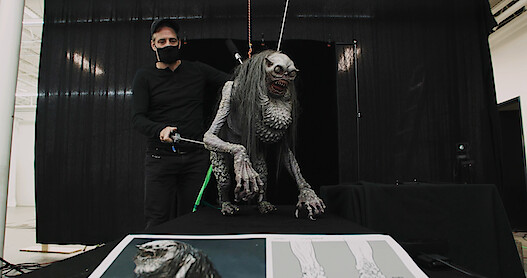
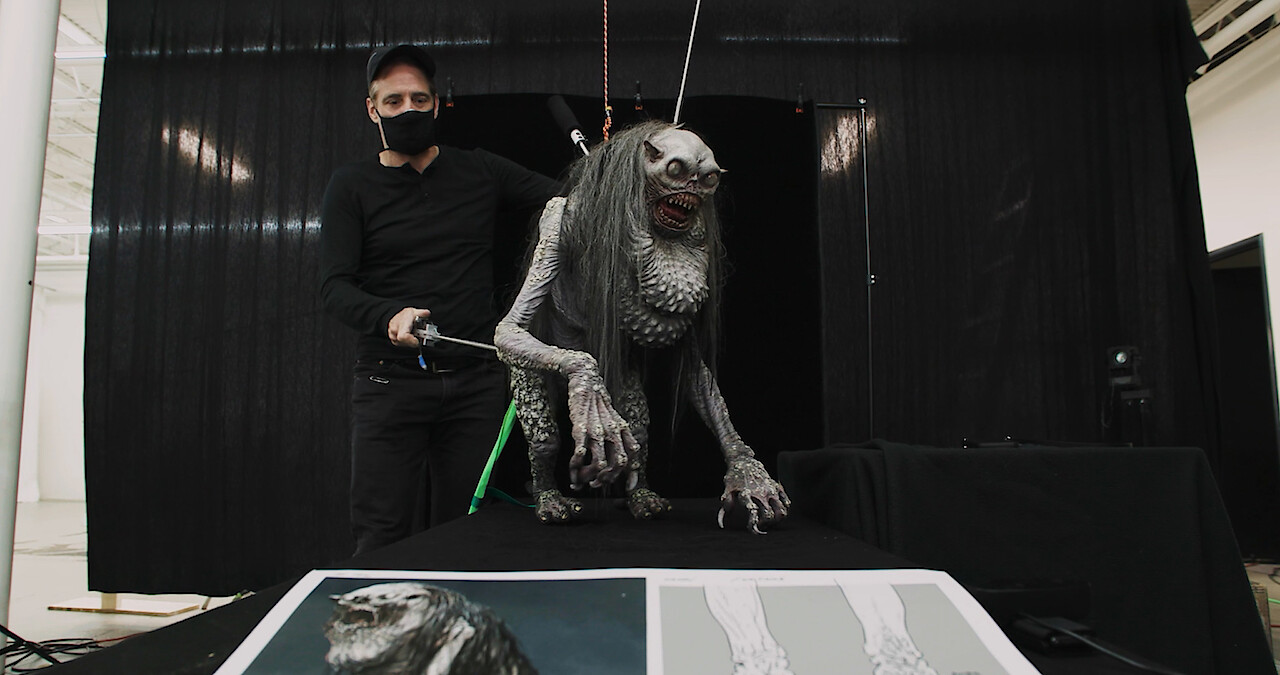
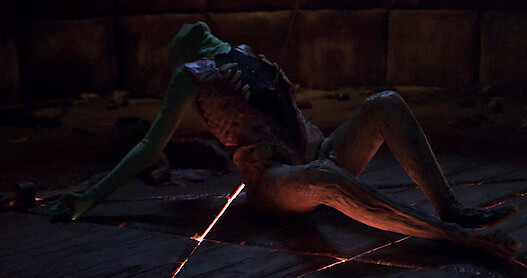
The pièce de résistance of “Graveyard Rats” is the Rat Queen, a slobbering, irate, plus-sized wretch of a rodent — and a life-sized puppet created by the masters at practical effects design house Spectral Motion.
“I think the Rat Queen is hugely successful,” Natali says. “I think the puppet that they made was extraordinary, and it was kind of magical to watch it.”
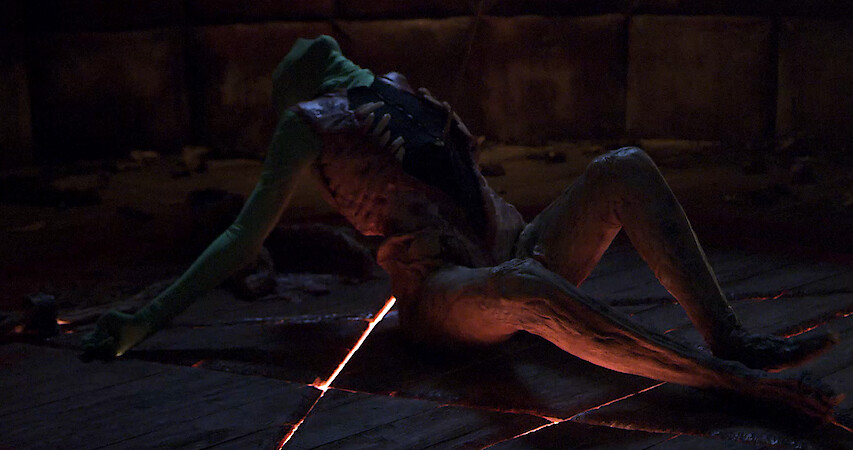
But the Rat Queen isn’t the only practical creature in this feature. The original short story, by 20th-century genre writer Henry Kuttner, featured a reanimated corpse that Natali was sure he’d have to cut. But del Toro had other ideas.
“I explained why I took it out... because it didn’t make sense to me. And [del Toro] said, ‘That’s precisely why you must put the corpse in the show!’ I think Guillermo’s understanding of horror — and this is very true — is that what truly disturbs us are the things that aren’t possible, that don’t belong, that don’t make sense,” Natali recounted.
“That’s one of the funniest script notes I’ve ever got, because, as any screenwriter will tell you, generally the note you get is, ‘Well, it doesn’t make sense, so try to make it logical.’ In this case, Guillermo’s saying, ‘Make it illogical, because that will be more frightening!’ ”
Getting back to their roots
Natali and Hewlett have been making movies together since they were 15, shooting with Super 8 cameras over summer break.
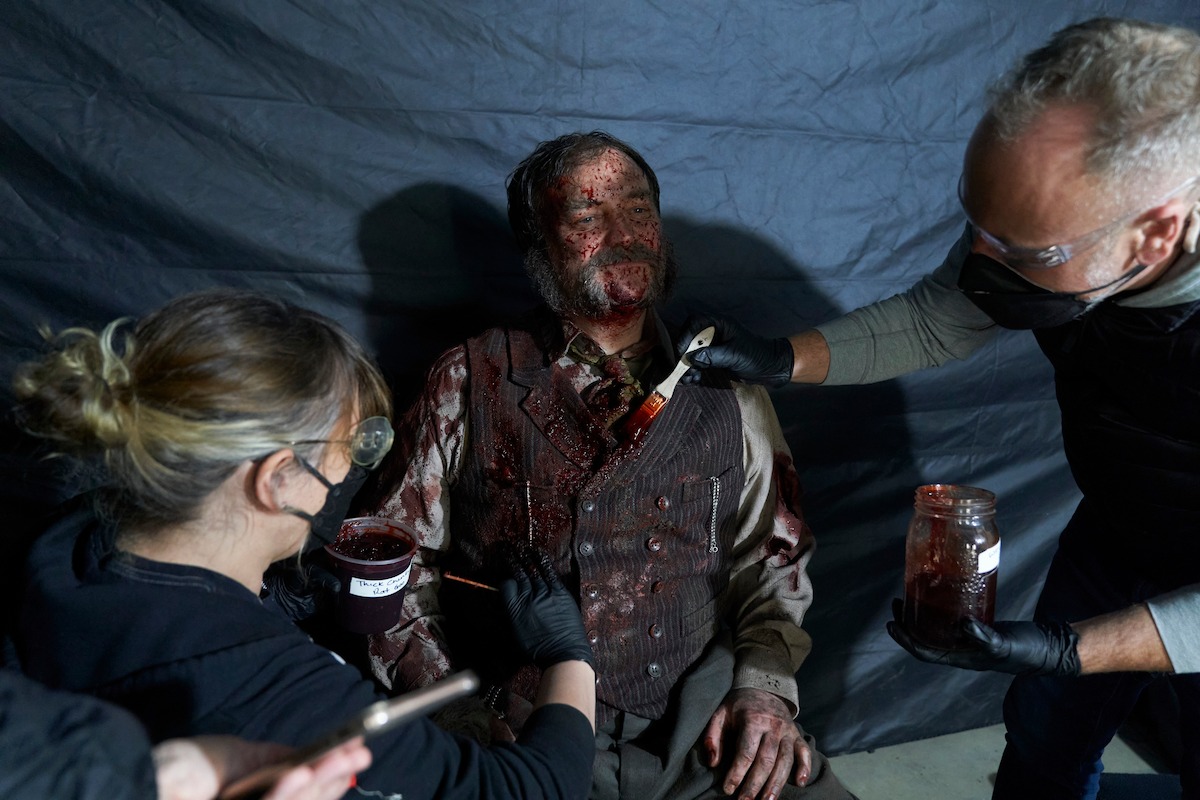
“My parents get such a kick out of it too, because they remember us as kids running around in Hyde Park, you know, coming home, going like, ‘Sorry I ruined my shirt, it’s got chocolate sauce all over it ’cause it’s supposed to be blood,’ you know?” Hewlett says. “The first thing I asked when we were doing this, I said, ‘Is the blood chocolate sauce?’ ”
“Nothing’s really changed,” Natali says. “We haven’t matured at all. I mean, in an odd way, this is like a very high-budgeted version of what we used to do on Super 8 when we were kids.”
One thing that has changed, though, is del Toro’s involvement.
“When you see someone who loves what they do and loves it to such an extent that it just, it permeates every aspect of their life, it’s inspiring,” Hewlett says. “He’s like the Gandalf of Hollywood. There’s kind of something almost magical about his approach to film. And I love that. I recognize that in Vincenzo as well.”
“Working with [del Toro], you feel very supported and empowered,” Natali says. “You don’t feel dominated by him. You feel like you’re being lifted. It’s lovely.”
How del Toro got involved with the making of “Graveyard Rats”
In the end, del Toro enabled Natali and Hewlett — and the other filmmakers and actors involved in Cabinet of Curiosities — to chase their own curiosities and fears and make something special.
“When you write these things alone in your room, you don’t really fully expect them to ever happen,” Natali says. “It just always seems too fantastical that we would actually be in this place shooting something like that, because I know how hard it is, how expensive it is. The reality is often — one can’t always get what’s in one’s head on the screen. But sometimes, on occasion, things exceed one’s expectations, and I feel like this is one of those instances.”
“When I thought of being an actor, this is the kind of stuff [I thought] of, you know — falling down tunnels and landing in bones and wrestling giant rats and things,” Hewlett says. “To me, that’s what movies were all about.”
Guillermo del Toro’s is streaming now on Netflix.