🤐 SPOILER ALERT 🤐
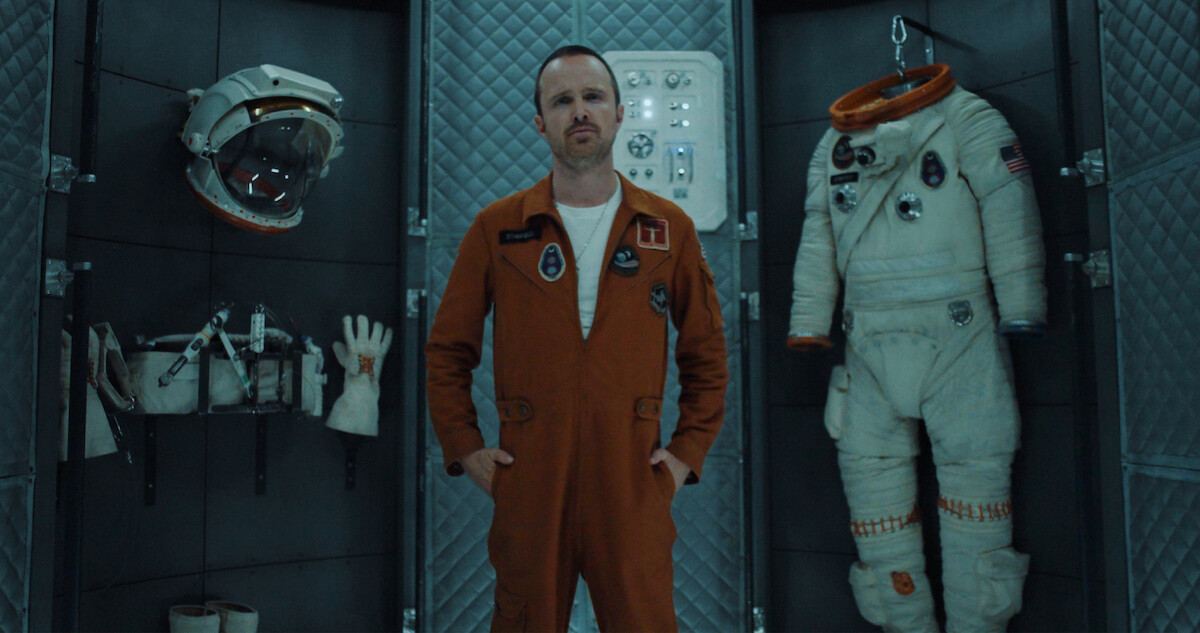
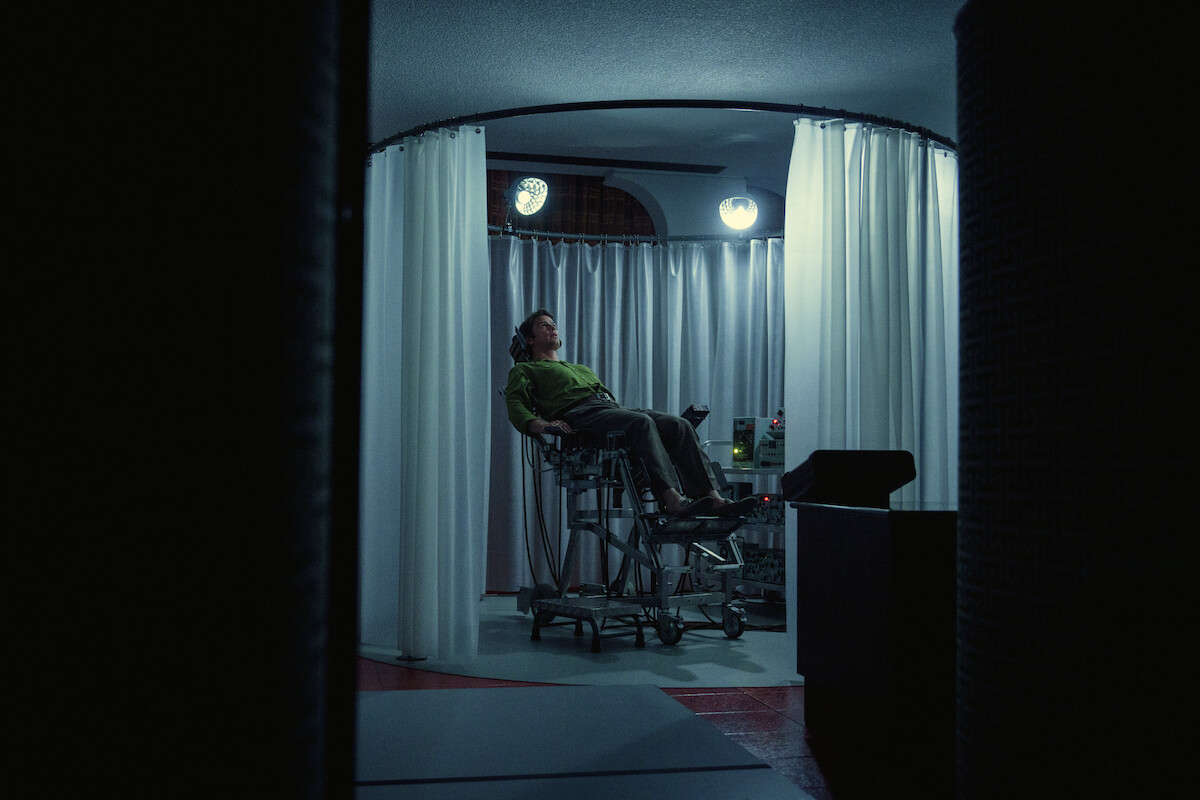
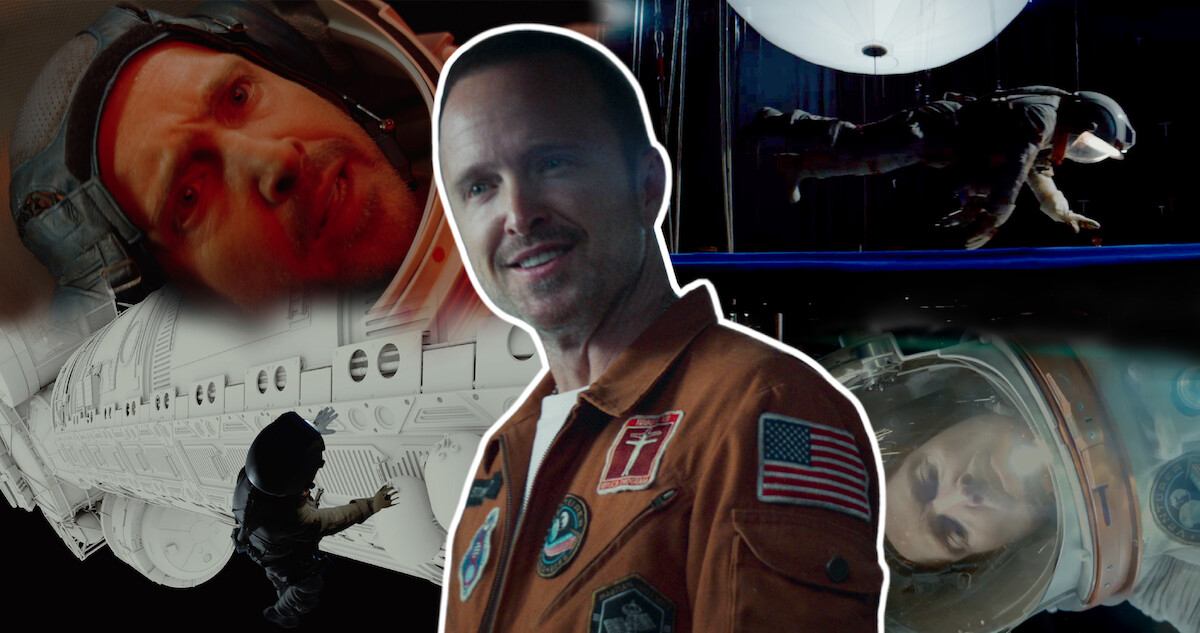
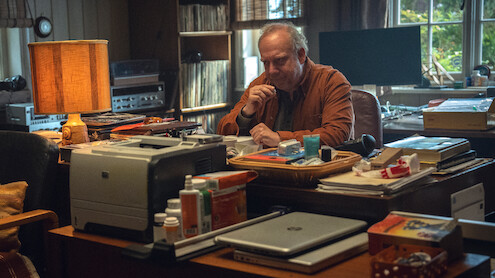
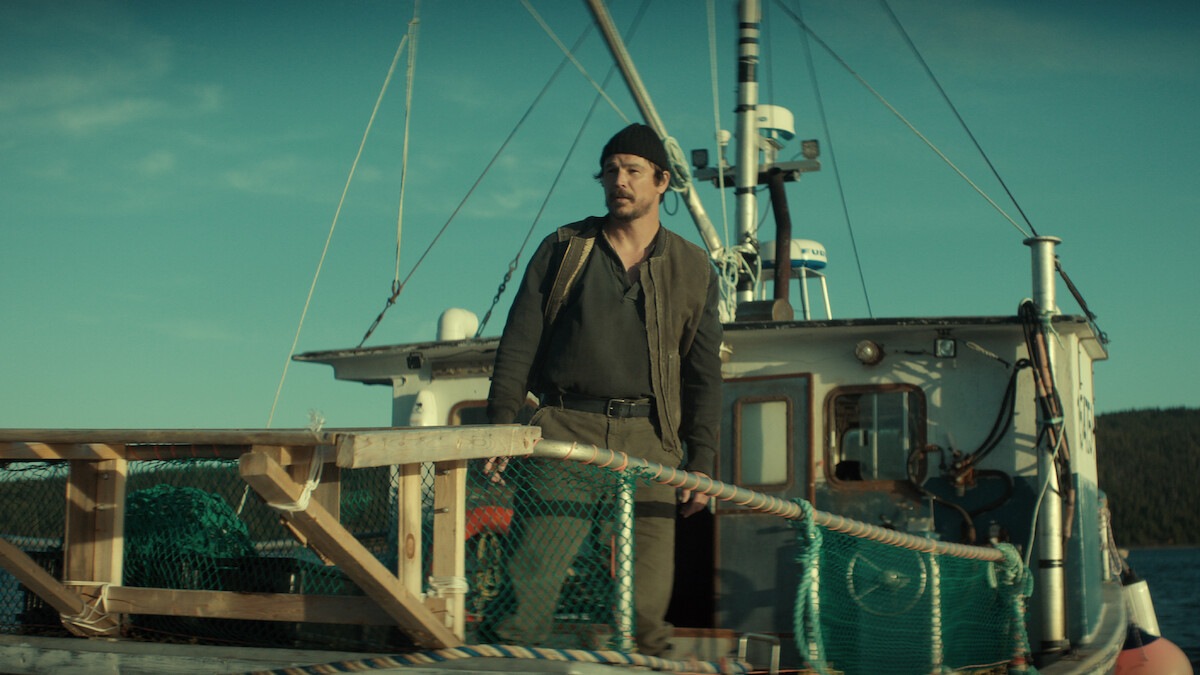
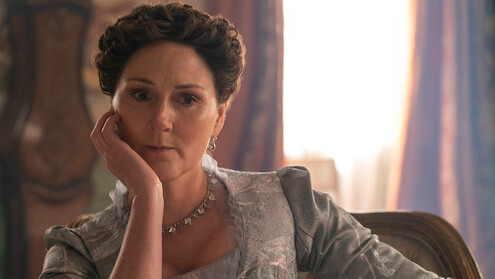
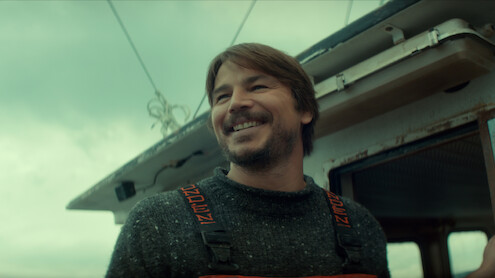
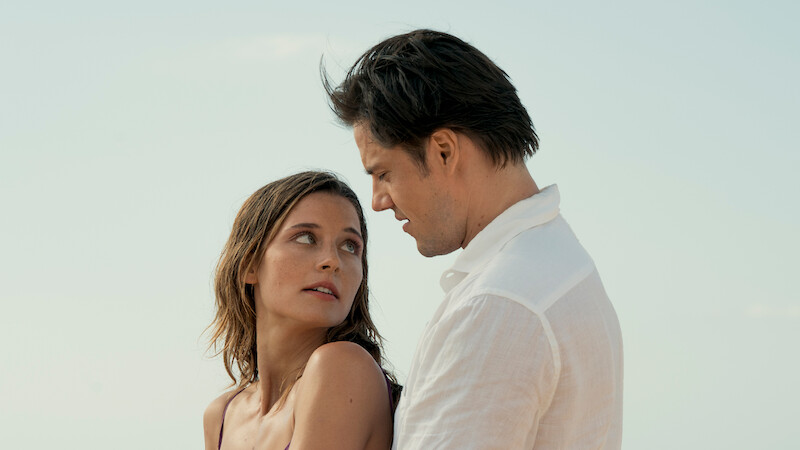
The sixth season of Black Mirror defies audience expectations in several ways, and the episode “Beyond the Sea” shakes things up with a retro-futuristic past setting rather than a speculative future. It also has one of the most quietly disturbing premises: In an alternate 1969, two astronauts, Cliff (Aaron Paul) and David (Josh Hartnett), live alone on a shuttle in outer space; because of the length of their mission, they’ve been given technology that beams their consciousness back to Earth so they can live out their everyday lives with their families in the form of lifelike mechanical replicas — android avatars, basically.
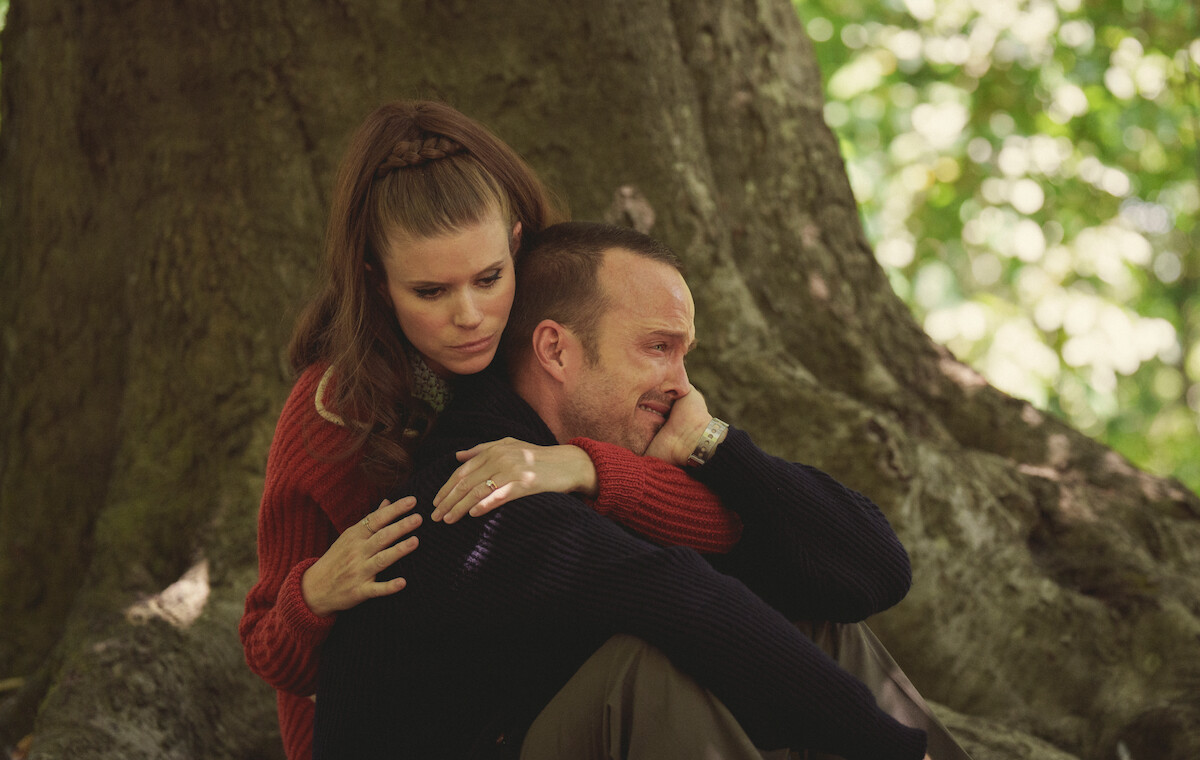
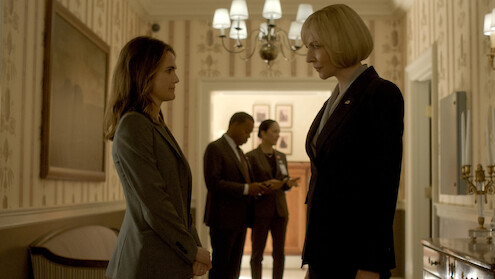
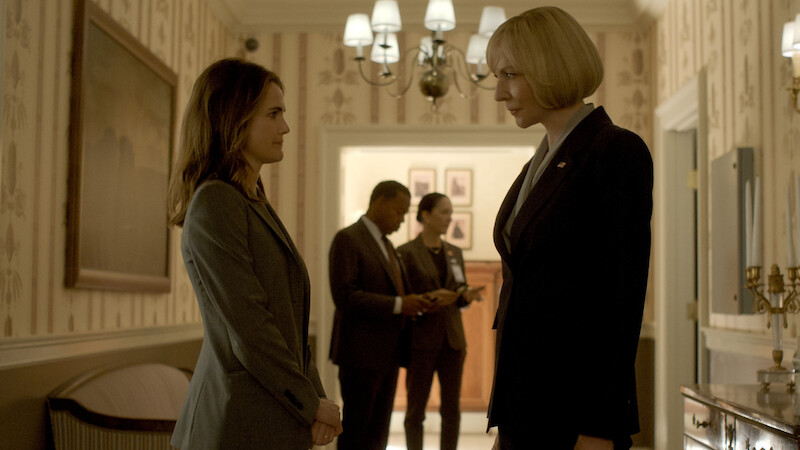
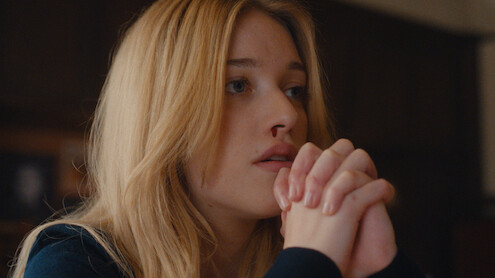
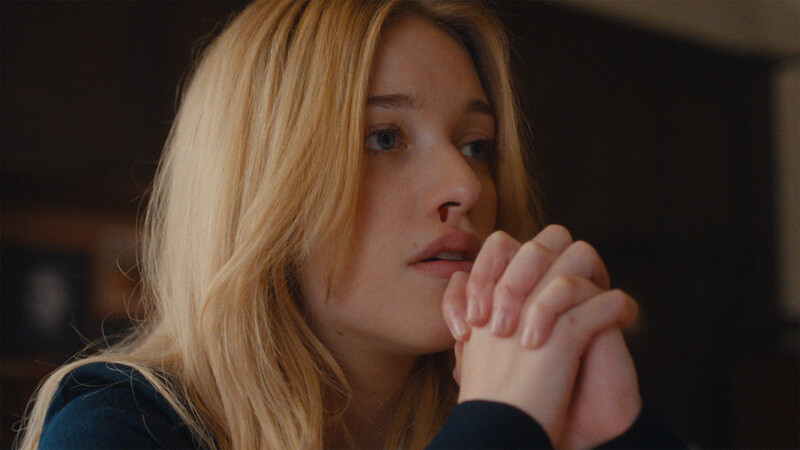
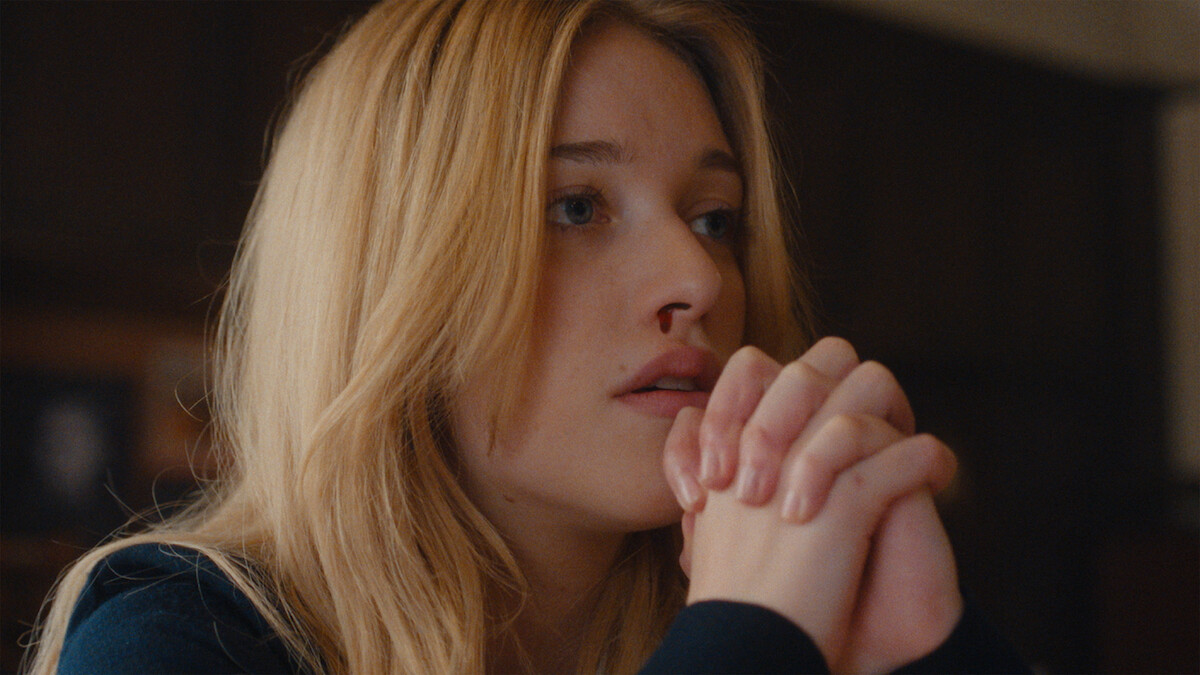
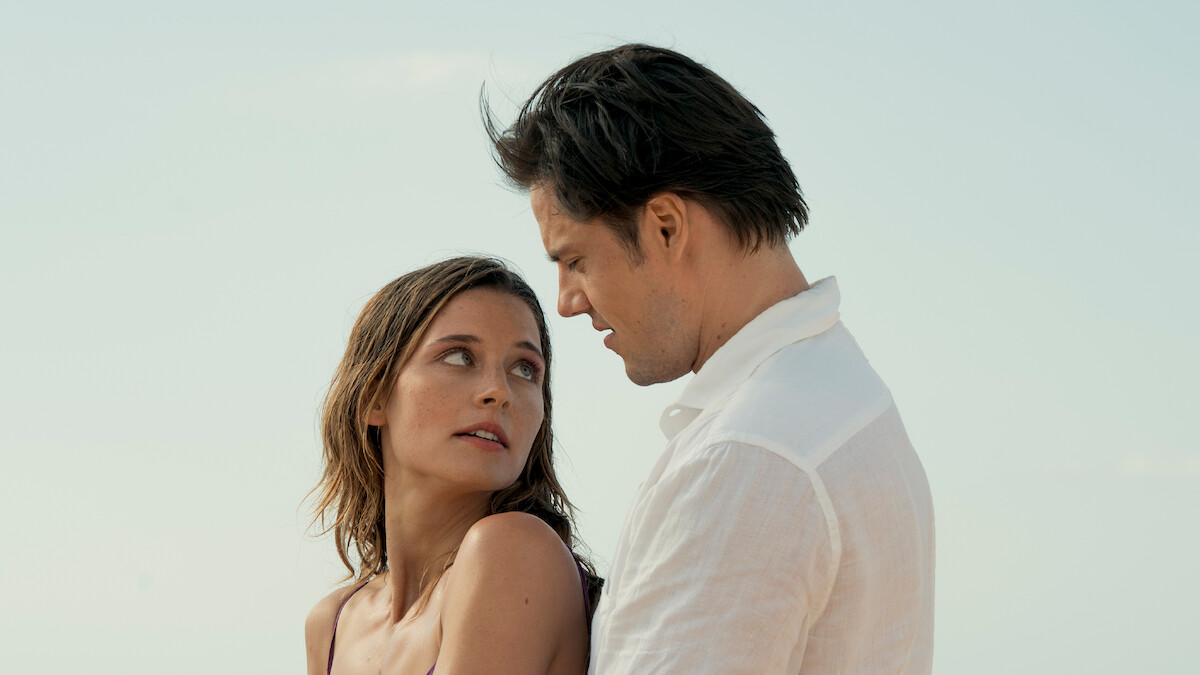
David’s space-to-Earth link is shattered when a Manson-like cult leader (Rory Culkin) murders his wife and two children and destroys his replica. Cliff decides to let his grieving partner borrow his link and replica — which also means letting him borrow his wife Lana (Kate Mara), his family and his life. David comes to see the times he inhabits Cliff’s replica as his only lifeline, and he enters into an emotional affair with Lana and crosses multiple other boundaries, including hitting Lana and Cliff’s son. The relationship between the two men deteriorates quickly, and in a rage, David invades Cliff’s replica without permission and murders Lana.
Why does David murder Lana?
The murder is a calculated act. David hatches a scheme to distract Cliff by creating a false emergency on the shuttle. When Cliff suits up to fix the supposed external damage, David locks him out and trespasses Cliff’s link. It seems David is motivated by grief combined with isolation, as well as envy following his affair with Lana — he sees what Cliff has and seemingly doesn’t appreciate. Because he’s also jealous, Cliff lies to David about Lana, saying, “The thought of you returning makes her vomit,” somewhat contributing to David’s rage.
However, Hartnett thinks of David as “more of a philosophical person,” the actor tells Tudum. “I think he was like, ‘Let’s just even the score, and then we can figure out where we go from here. We both will have a choice. We’re both starting in the same spot.’ And I think he thought of that as being the most logical and also the most fair.”
Why would Cliff allow David to use his replica in the first place?
It seems so obviously disastrous. Initially, Cliff feels compassion for David’s unfathomable loss. Lana, who’s possibly motivated by the emotional barrenness in the marriage, urges Cliff to give it a try. Also, it becomes a potential matter of safety — distracted by grief, David shows signs of endangering the mission and Cliff sees that he needs to “breathe some air” for his mental health.
Is “Beyond the Sea” a commentary on the pandemic?
While it didn’t start out that way, Black Mirror writer and creator Charlie Brooker sees the parallels. “One of our producers said to me, ‘This is your pandemic episode,’ ” he previously told Netflix. “I stopped and thought about it, and it kind of is. But not in the way you might think. The story does deal with isolation, loneliness and confinement — all things we felt during the pandemic. Something about the premise is very straightforward, but it’s also a real actor’s piece and needed a strong cast, which we were very lucky to have.” Executive producer Jessica Rhoades added, “It takes a hard look at how we communicate and connect remotely with one another in an unexpected way.”
Why doesn’t Cliff kill David in the end? Will he?
There are no clear answers, which isn’t unusual when it comes to Black Mirror. “Cliff knows that he can’t [kill David] — revenge on David is revenge on himself,” Hartnett theorizes. “He knows that. They’re mutually bonded in their destiny until they get back to Earth.”
Mara has a more decisive take. “They’re very scary,” she tells Tudum. “They’re probably going to just kill each other.”
Or, “Will they just have a good conversation about how meaningless life is and then just go jump off into space together?” poses Hartnett. “Or will Cliff just instantly jump across the table and try to throttle David — who knows? I don’t know. We’ll have to ask Charlie.”
Stream Black Mirror now.