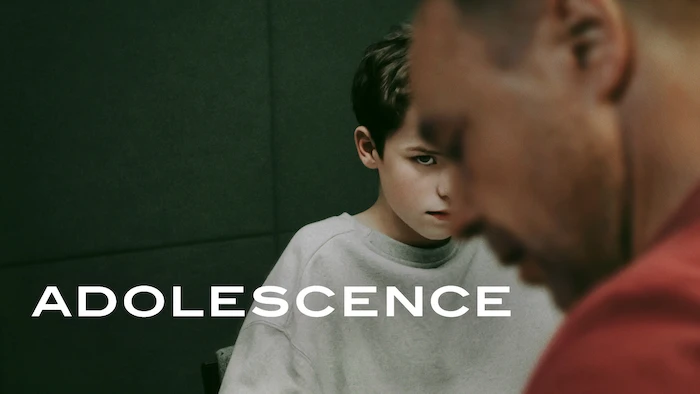
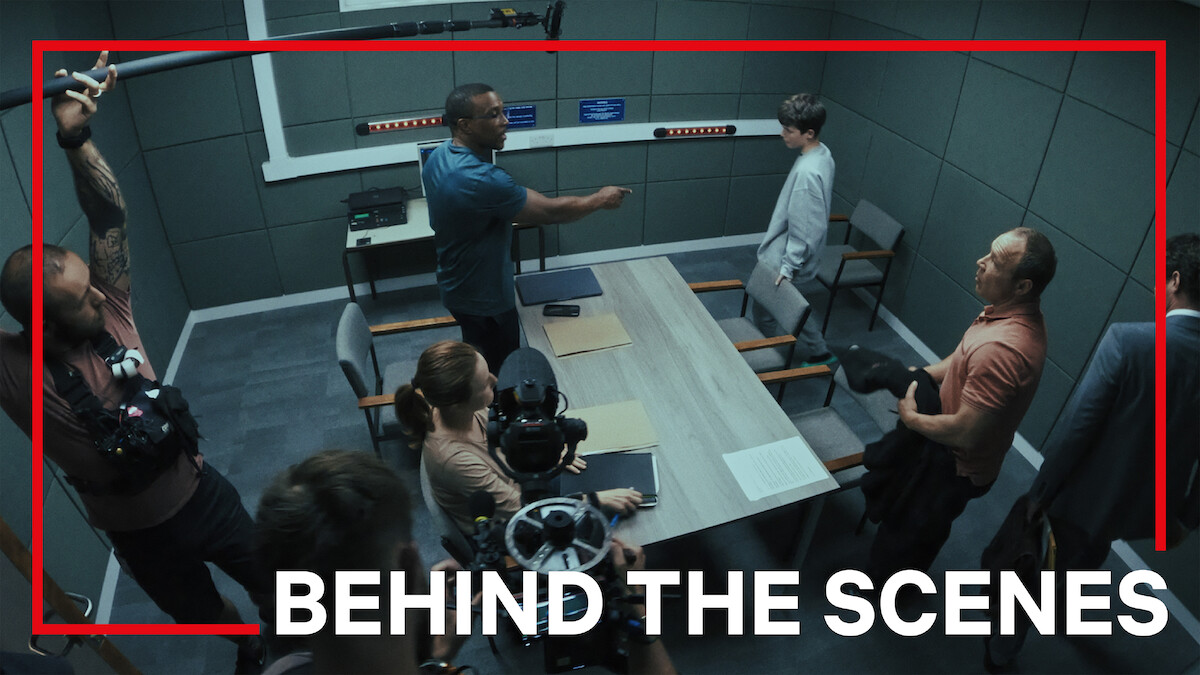
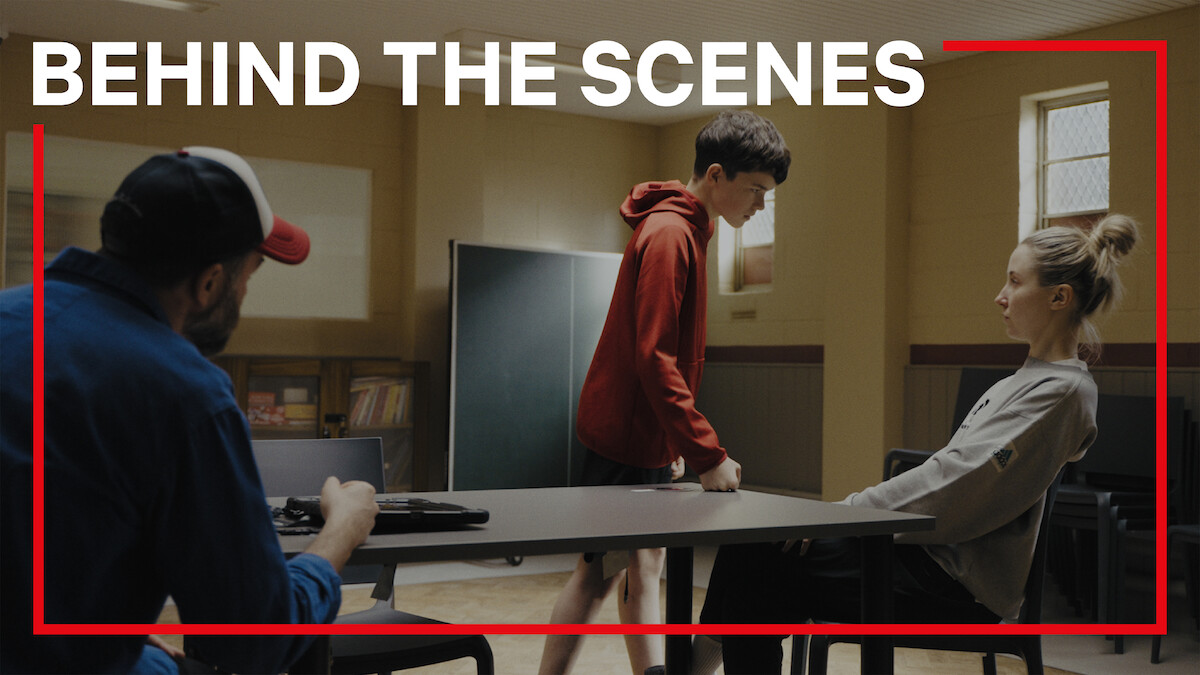
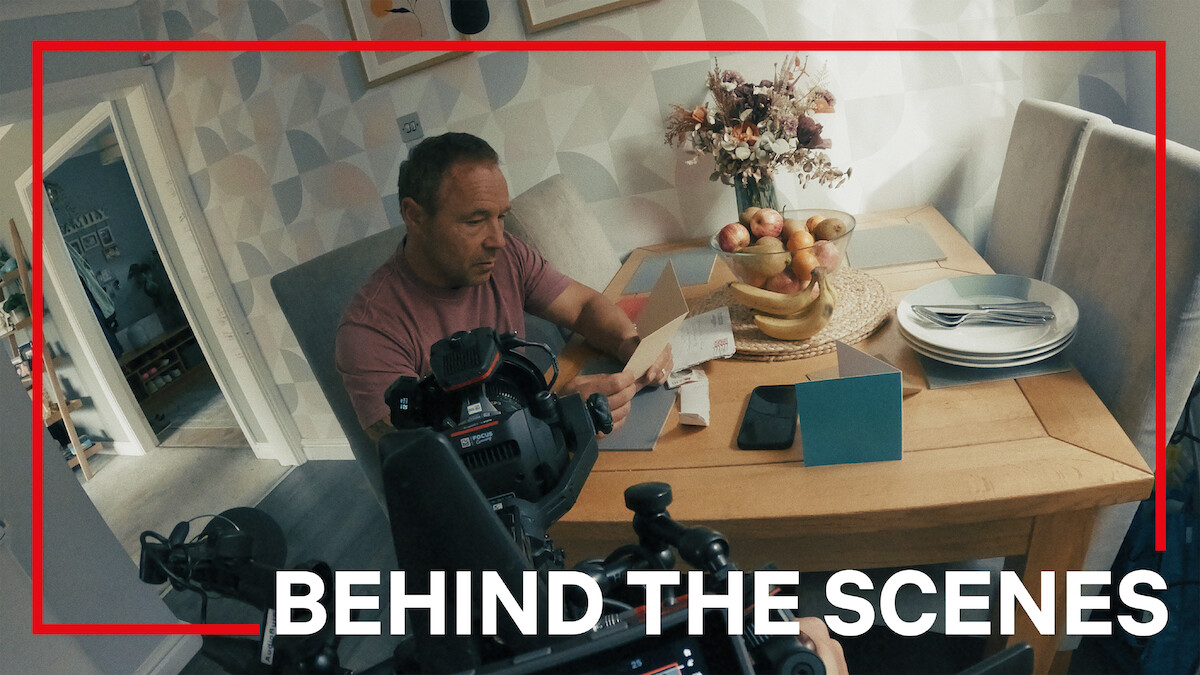
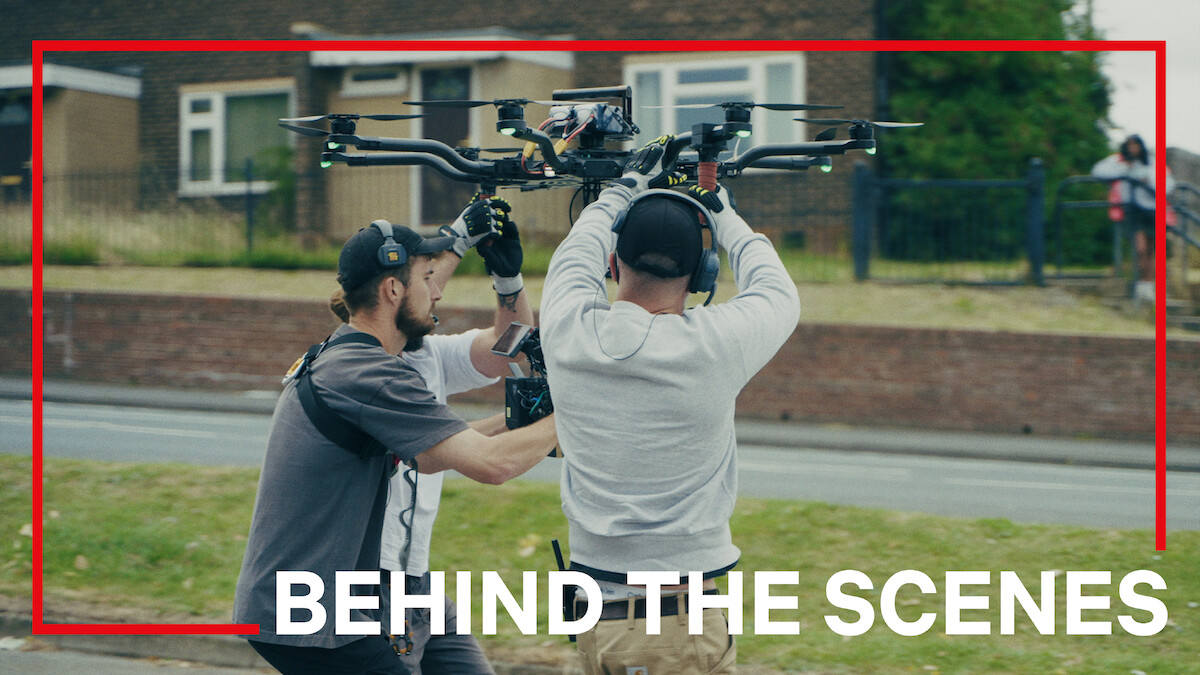
[Title card] EACH ADOLESCENCE EPISODE WAS SHOT IN A CONTINUOUS TAKE
[man 1] Go ahead, Jo.
[woman on radio] Yeah. Confirming 10-51. Ready to go. Over.
[man 1] Bravo Delta 5-0 to Bravo Delta 6-0. You ready to roll out?
[man 2 on radio] Yes, ready.
[man 1] Received.
[tense music playing]
Let's go, Jo. Let's go.
Yep. Yeah.
[engine turns over]
[Graham] You see a swan glide gracefully across the water. But its legs are flapping like mad. And that is basically what each one of these episodes are.
[indistinct chatter]
[tense music continues]
[music grows to crescendo]
[officer] Police! On the floor!
[woman] What's going on? Eddie!
[Lewis] With Adolescence being a single-shot format, it all runs very differently to normal. It took a few weeks to really understand that it was only one camera moving through space, that there was no cuts, and that whatever was shot is the episode. I have a warrant to search your premises. Where's your son? He's in his… he's in his bedroom!
What do you need me boy for?
Where is he?
[Walters] You kind of feel like you're in a theater space more than a TV space. Once the train starts moving, no one can stop it, know what I mean? Mr. Miller, I will arrest you for obstruction. Please stop. Please.
[man 1] I'm arresting you on suspicion of murder.
Do you understand?
Dad, I haven't done anything!
[Cooper] It's hard to get out of character, especially in episode one. If they get me in it, I can't get out of it the rest of the episode, which I love. I'm still feeling it when the camera's away from me. Your son's been arrested on suspicion of murder.
[Thorne] I'd say the one-shot format does two fundamental things that I find really exciting as a writer. The first is that it imposed a structure on the writing. You have the sort of theatrical unities, you know, the unity of time, place, action, sort of forced upon you. Jay, don't say nothing.
And you are constantly asking…
Excuse me.
[Thorne] …where the energy is.
Can you tell me when we can see me son?
Not long, Mr. Miller, all right? The second thing it does, and this is the thing that I think transformed the process for me, is it gives the actor the power.
[Graham] Episode one is looking at a particular situation and trying to be as impartial as possible.
[Barantini] It could happen to anybody. We thought it'd be interesting to be shine a light on the devastation that it causes. You know, the ripple effect that that has on everybody.
[Walters] It's gonna touch a nerve with a lot of different people, and it's important for us to represent in the right way and be accurate. He's a… he's a good kid. This wasn't about othering Jamie. Don't put this in the extraordinary. Make this feel like it could happen to you, because that is the reality of what is happening in our world. Your dad'll be by your side all the way through it, all right? Okay? Okay.
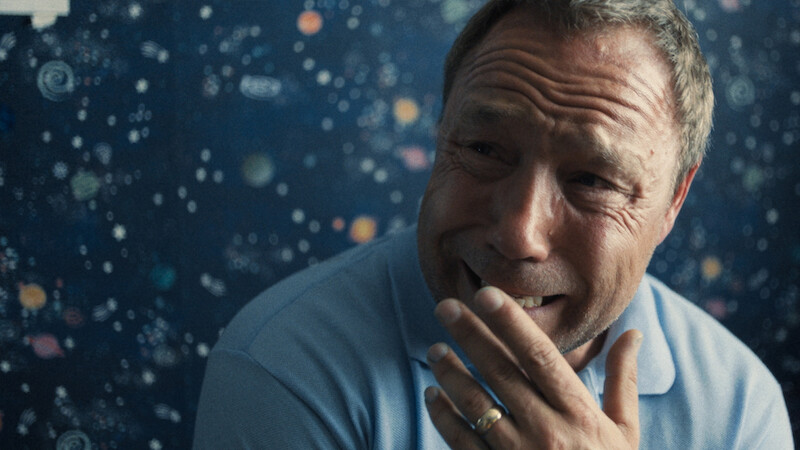
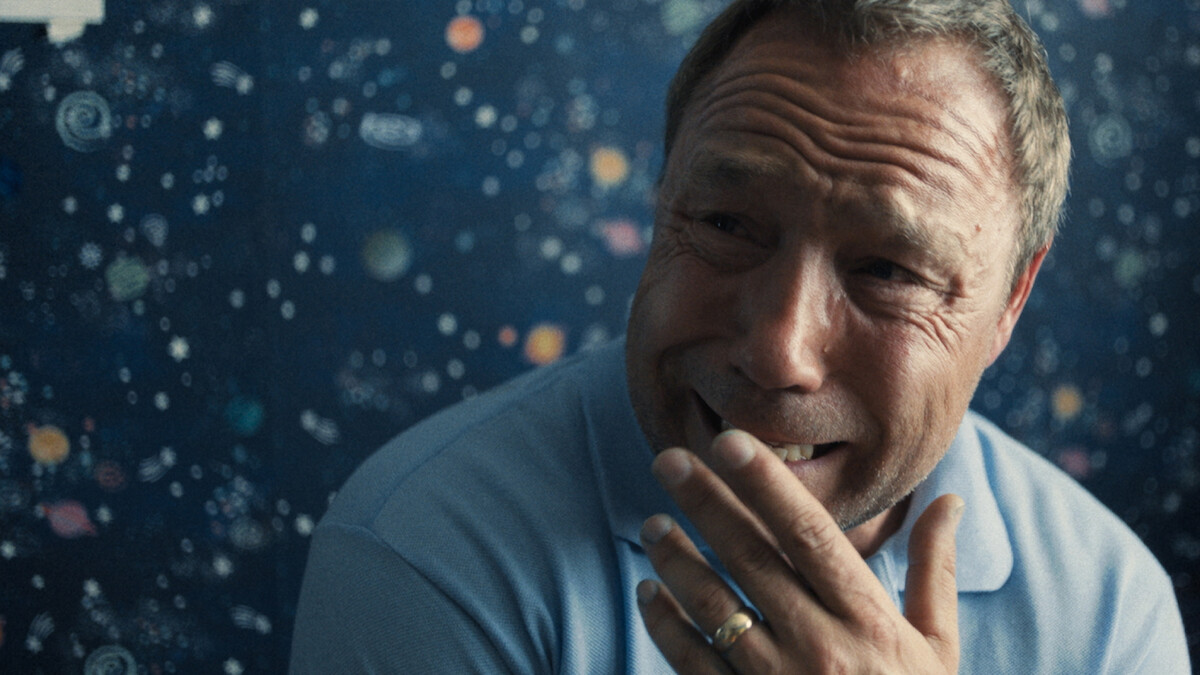
[Graham] We wanted the audience to be thinking, "There's no way he's done this. This kid couldn't do that." So for him to see this act committed by his boy, he's poleaxed, and his life from that moment on will never be the same again.
[music swells, then fades]
[sobs]
What have you done?
[dramatic music plays] Oh God!
[music fades]