🤐 SPOILER ALERT 🤐
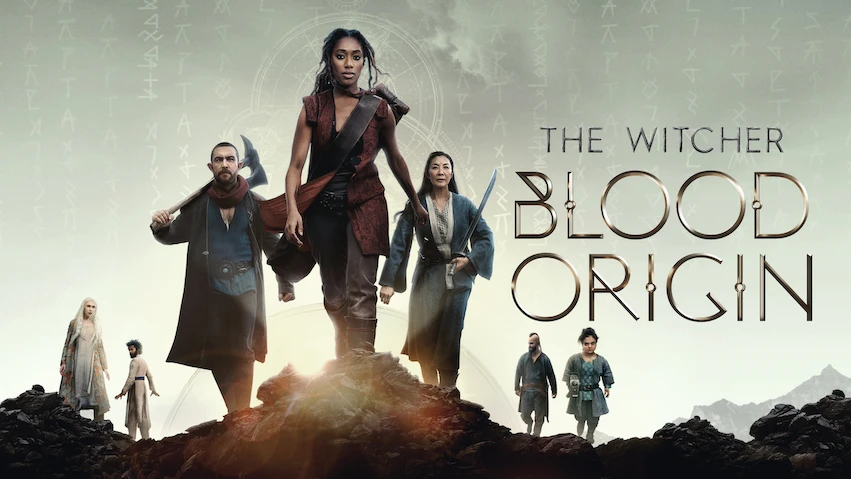
Now that you’ve finished The Witcher: Blood Origin and have the song of the seven stuck in your head, you probably have some questions about how the four-part series ended. What happened to Avallac’h and Eredin? How should you interpret Ithlinne’s prophecy? Why did humans show up on the shores? Grab a seat by the fire and learn more about how the forgotten tale of the Golden Age of Elves ties into the story of Geralt, Yennefer and Ciri.
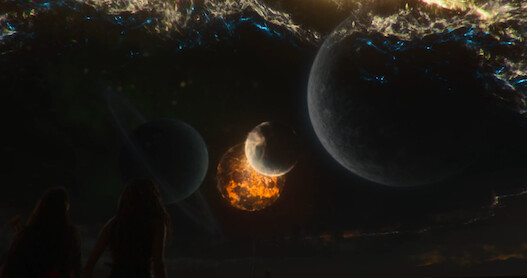
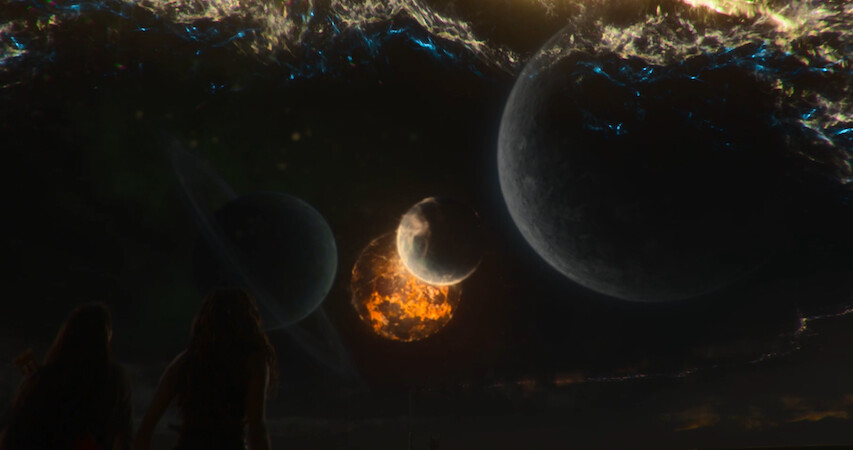
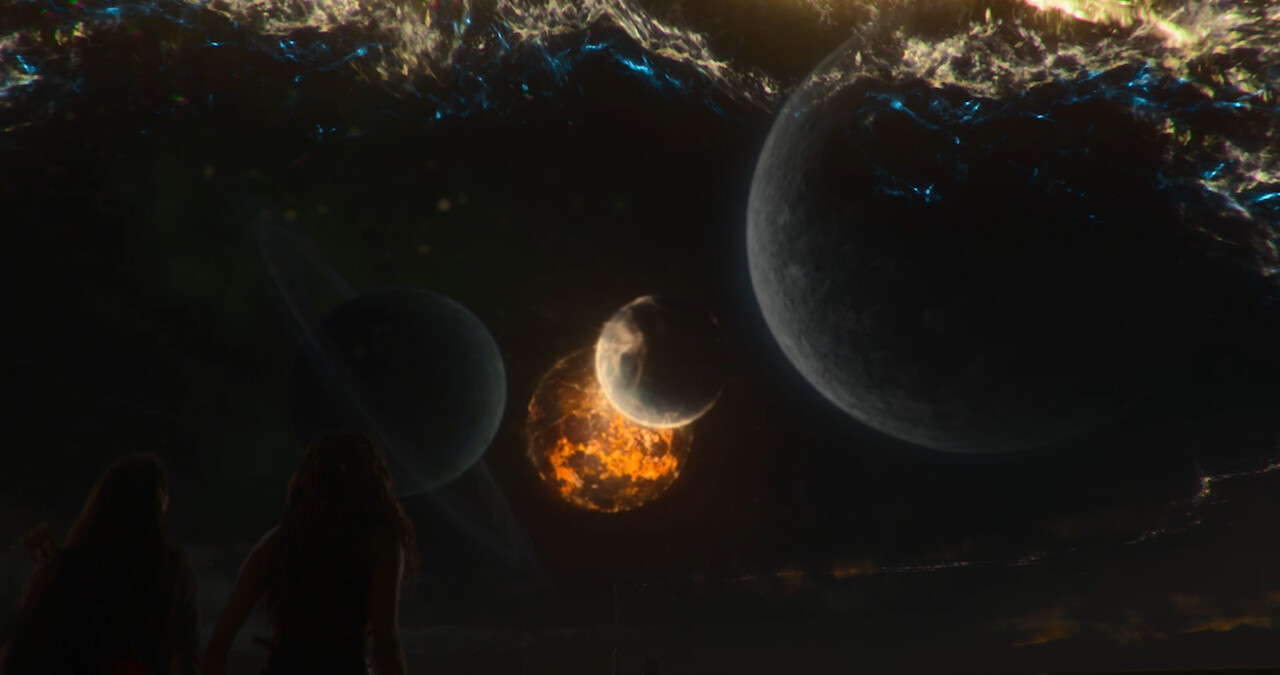
What is the Conjunction of the Spheres?
The mage Syndril (Zach Wyatt) sacrifices himself to destroy the Xintrean monolith because the Golden Empire planned on deploying armies through it — as well as the other Dwarven monoliths — to conquer different worlds. However, the magical explosion from Syndril’s heroic act aggravates tears in the veil between worlds created by the artifact.
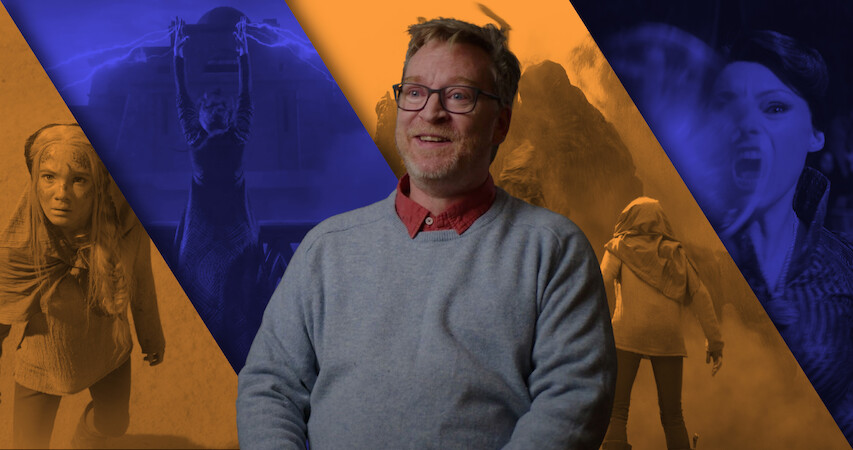
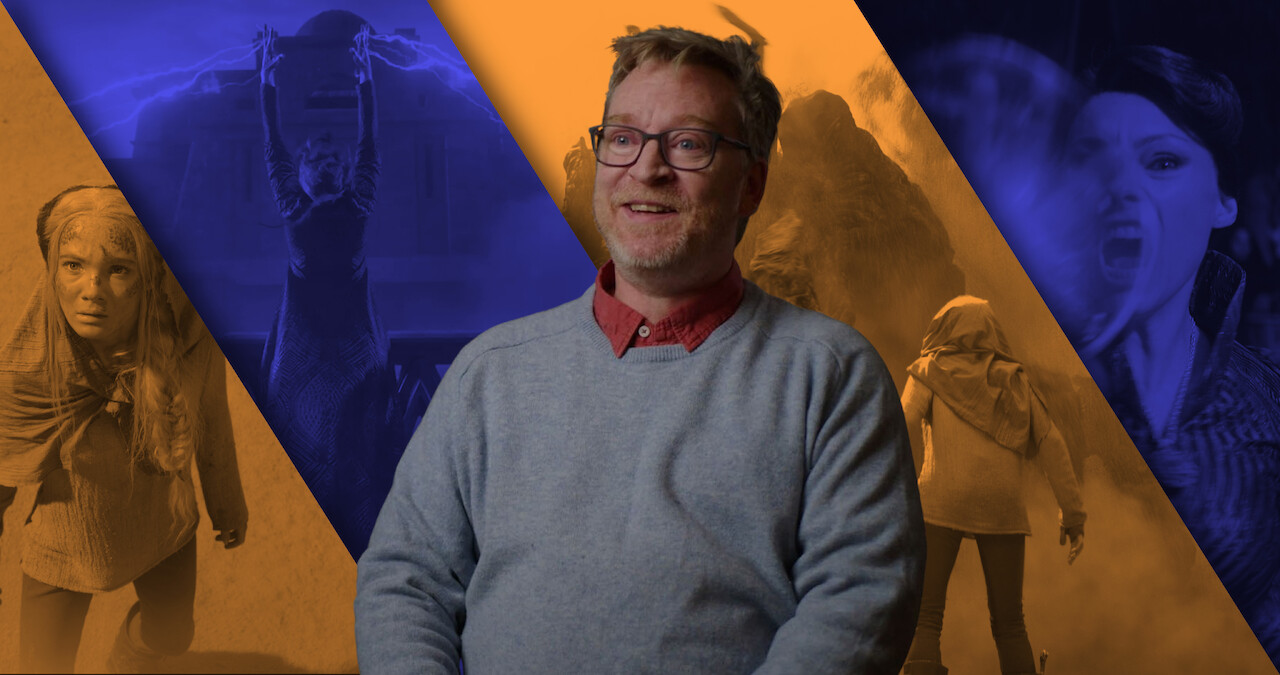
“We get to tell the tale of the Conjunction of the Spheres,” series co-creator Declan de Barra tells Tudum. “We only get a few lines in the [Andrzej Sapkowski] books about what it actually is, so we got to fill that out a little and it’s such a momentous thing.”
The cataclysmic event causes many worlds to crash together, shipwrecking humans — who will eventually war with and overwhelm the elves — on the Continent’s shores. Wanted posters seeking brave elves to slay vodniks — aquatic creatures from Slovak and Czech mythology who are mentioned in Sapkowski’s short-story collection The Last Wish — demonstrate that the Conjunction has also brought with it plenty of other dangerous creatures. The changed world will need skilled monster hunters to slay them!
What happened to Eredin?
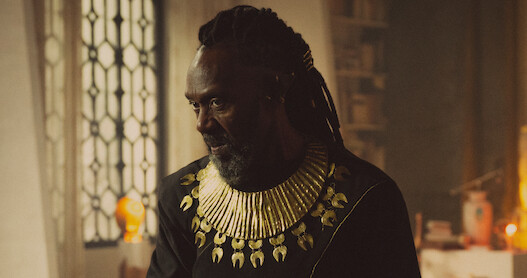
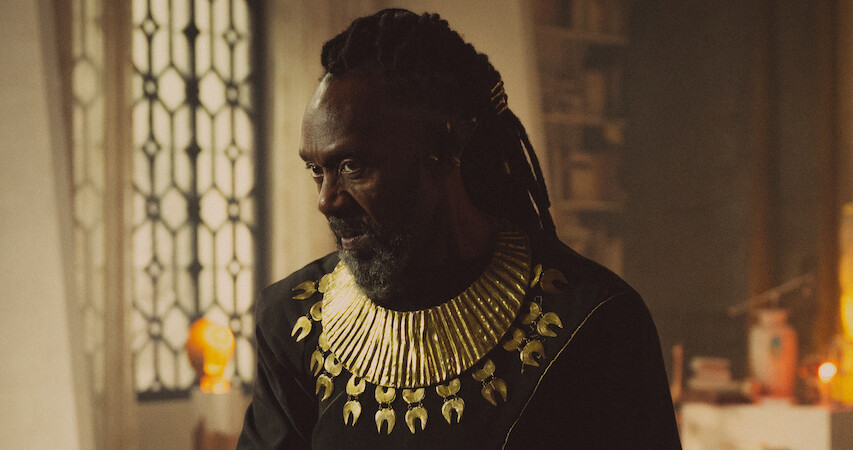
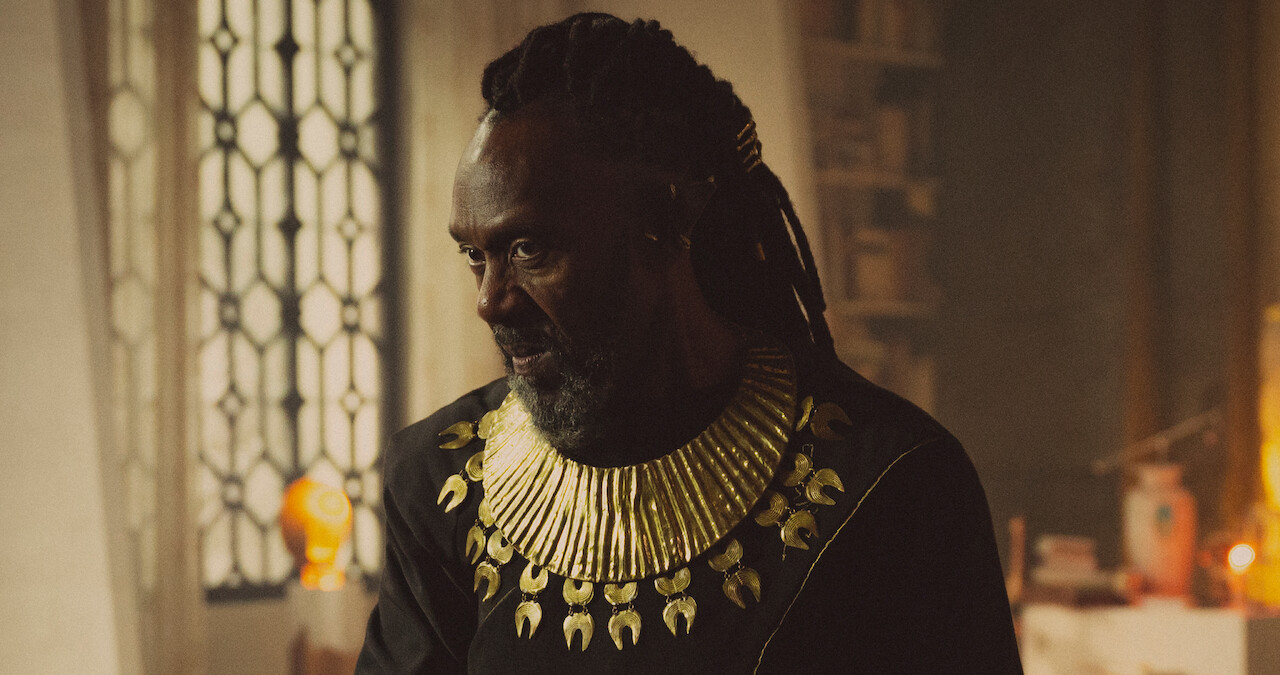
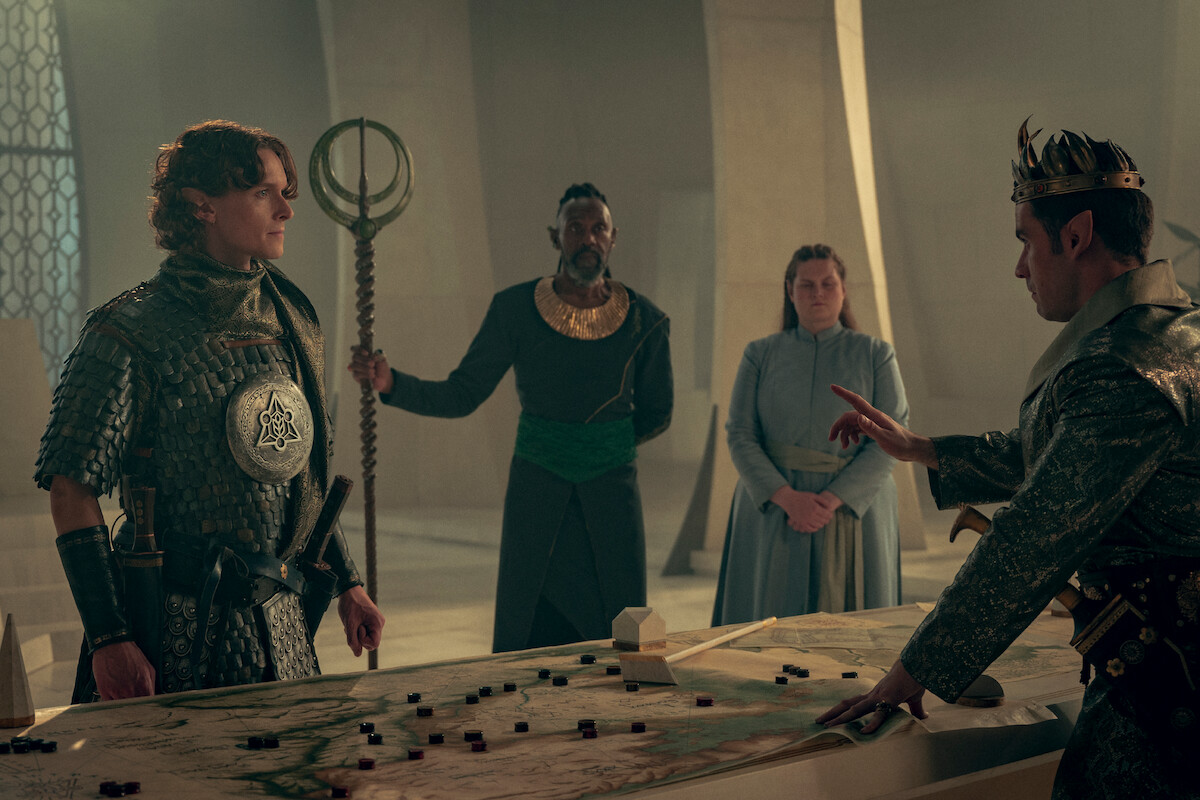
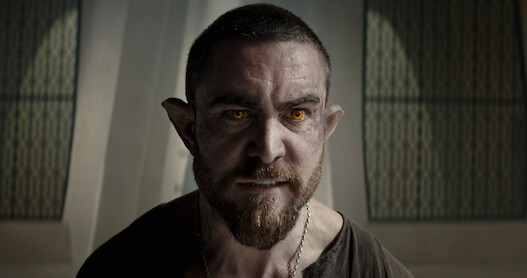
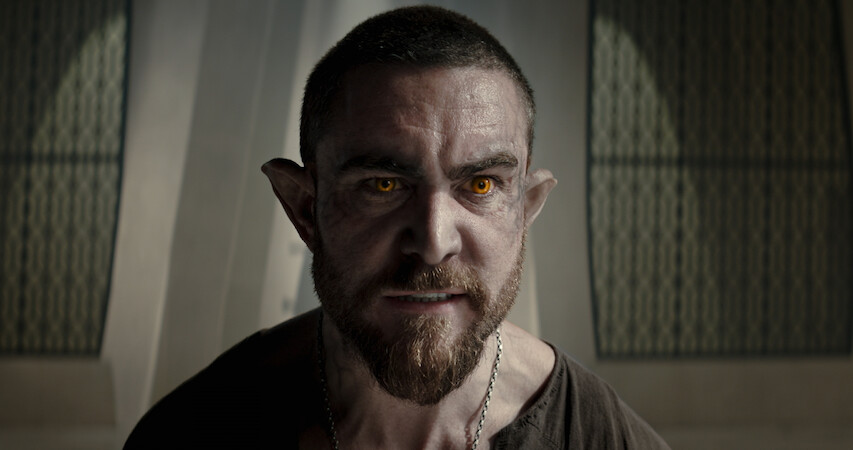
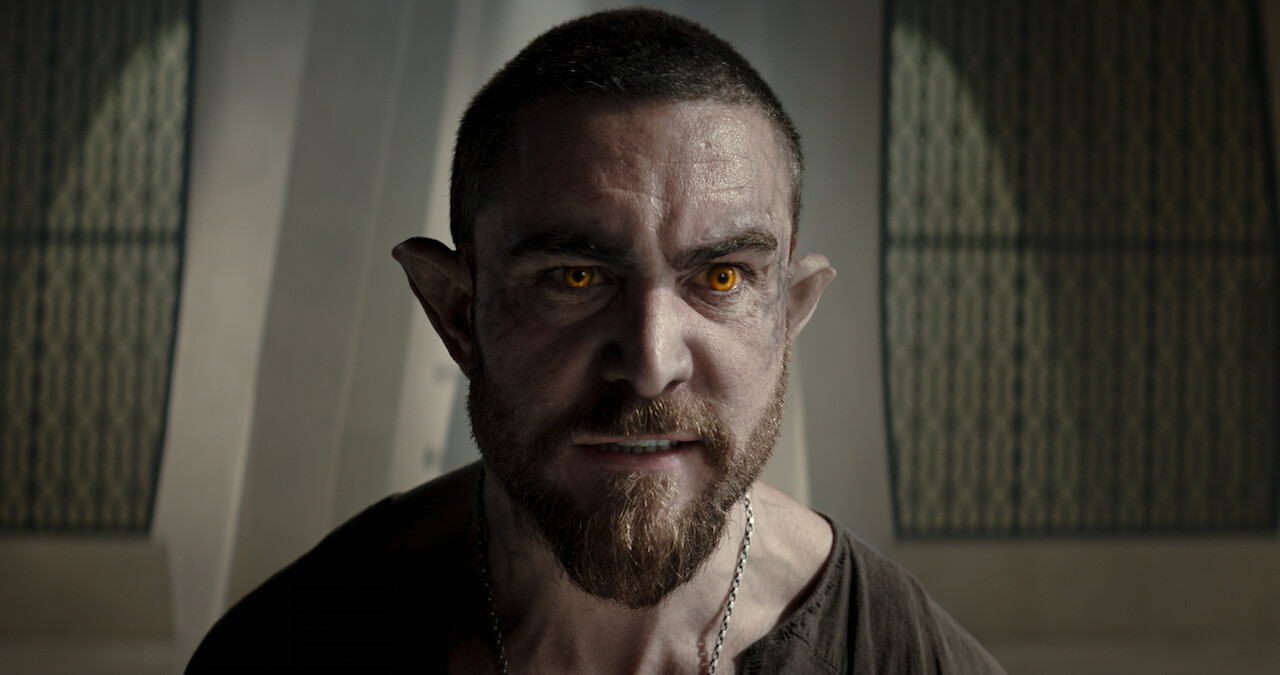
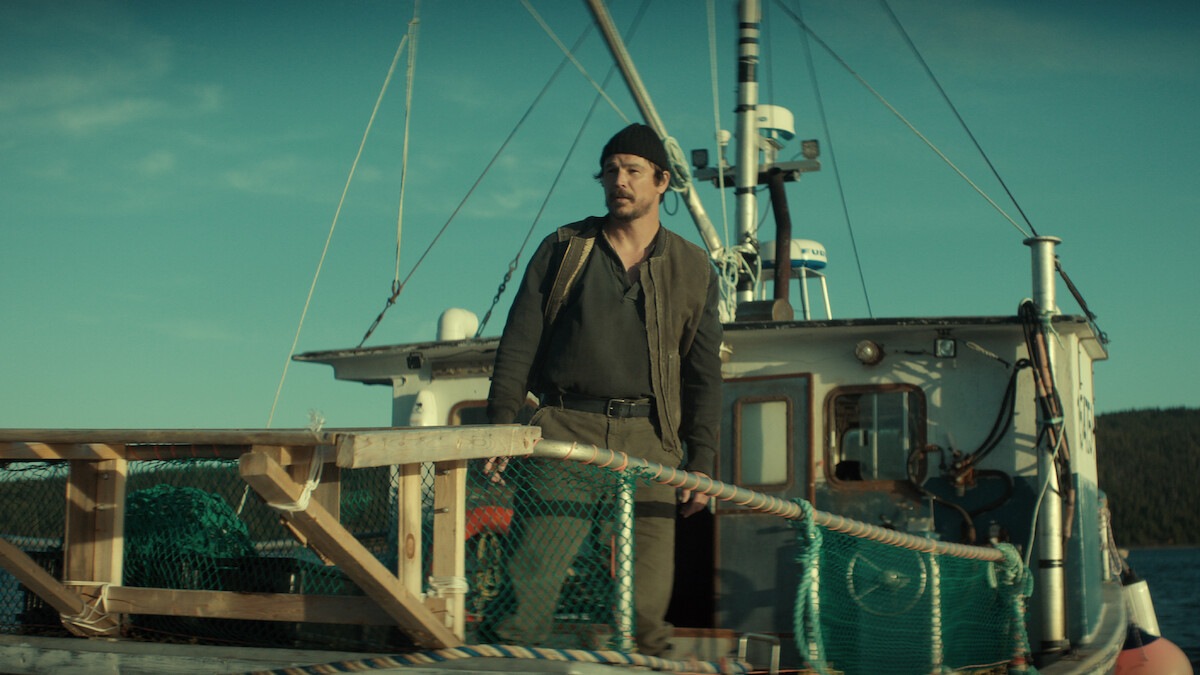
Empress Merwyn (Mirren Mack) persuades Captain Eredin (Jacob Collins-Levy) to betray Chief Sage Balor (Lenny Henry) so they can take control of the monolith gateways for themselves, but discover they still need him to activate the artifacts. The three form an uneasy truce, but Balor never really forgives Eredin’s treachery. When Balor brings Eredin and his soldiers through the portal –– meant to lead to a new world filled with resources to plunder –– the mage instead opens another gate, banishing Eredin and his troops to an unknown realm.
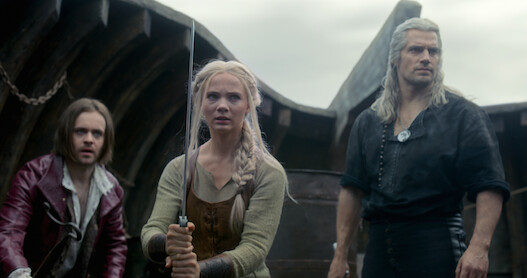
The warrior finds himself in a barren land where he discovers a buried skeletal helm and puts on. This is the first step in his long journey of transforming into the fearsome bone clad Eredin, leader of the Wild Hunt, the group of spectral elves seen in The Witcher Season 2 who wish to claim Ciri (Freya Allan) and her terrible power as their own. In other words, the creation of the first prototype Witcher isn’t the only origin story contained within the prequel.
What does Ithlinne’s prophecy mean?
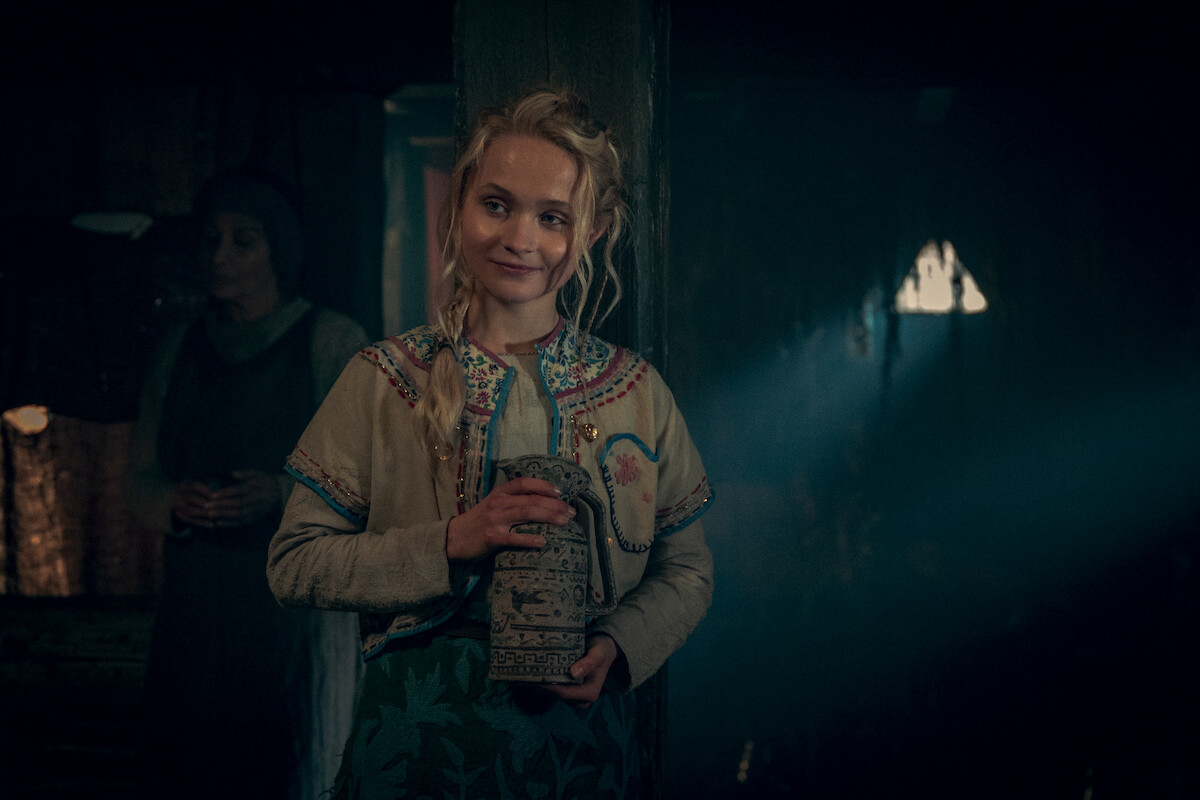
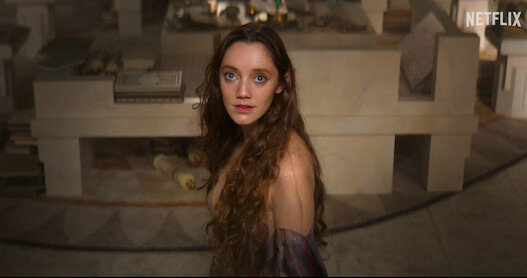
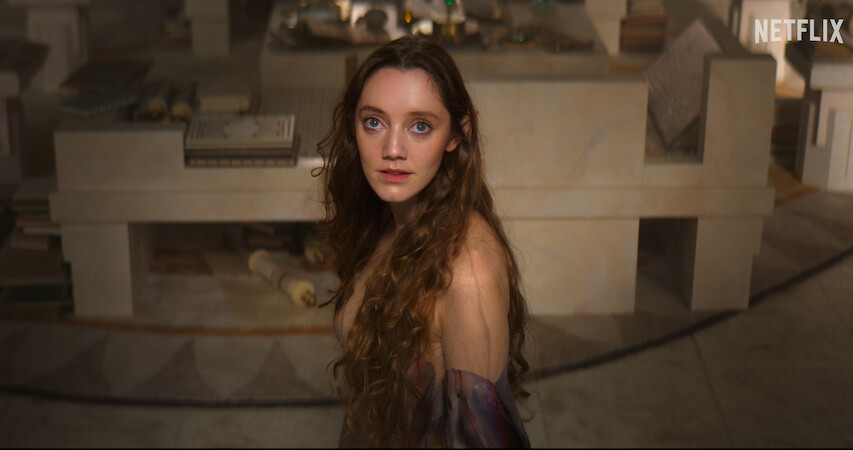
Ithlinne (Ella Schrey-Yeats) is the elves’ most revered prophet, foreseeing a time when the current world will be destroyed in an ice age and when the elves will once again rise to their former glory through the offspring of Elder Blood. Ithlinne is so trusted by the elves that the witch Voleth Meir (Ania Marson), another member of the Wild Hunt, impersonates her in The Witcher Season 2 to trick the elven leader Francesca Findabair (Mecia Simson) into helping her escape from her prison.
In the time of The Witcher: Blood Origin, Ithlinne is just the strange daughter of a tavern keeper, and word has not yet spread that what she says in her “fits” always comes true. She delivers two prophecies over the course of the series. The first predicts the coming of the Conjunction of the Spheres.
“We loved introducing Ithlinne here,” The Witcher: Blood Origin executive producer Lauren Schmidt Hissrich tells Tudum. “We hear a lot about Ithlinne’s prophecy in the main series. We play it off sort of like folklore. But the second that you meet her in Blood Origin and you see that she prophesizes and it comes true, it lends a layer of credibility to her. I think it’s going to bring a new layer into the main series.”
Ithlinne’s prophecies also have a lot to say about Éile (Sophia Brown), aka The Lark. Éile initially misinterprets Ithlinne’s line “Two apart shall become two as one, and The Lark’s most precious note shall be the key to all things” and believes it means she’s destined to fuse with the heart of the Ragnavyyrm and become the first Witcher. What it actually referred to was the product of her union with Fjall after he himself had undergone the Trial of the Grasses.
In the finale, Ithlinne touches Élie’s pregnant belly, triggering yet another prophecy: “The Lark’s seed shall carry forth the first note of a song that ends all times and one of her blood shall sing the last.” What is this family’s destiny?Just who is this one of her blood? You’ll have to keep watching The Witcher to find out.
“One of the things that we love about Sapkowski’s books is his attention to genes, to bloodlines, and to how families grow and develop,” Schmidt Hissrich says.
What happened to Avallac’h?
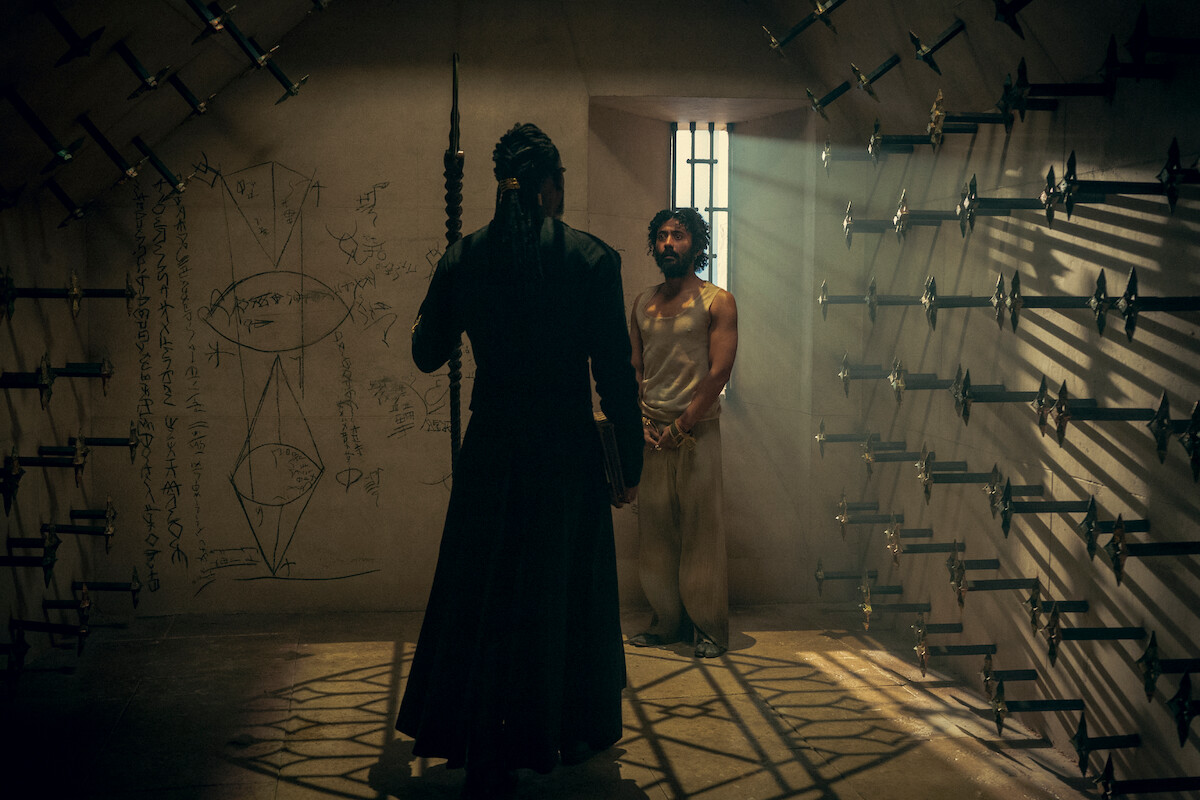
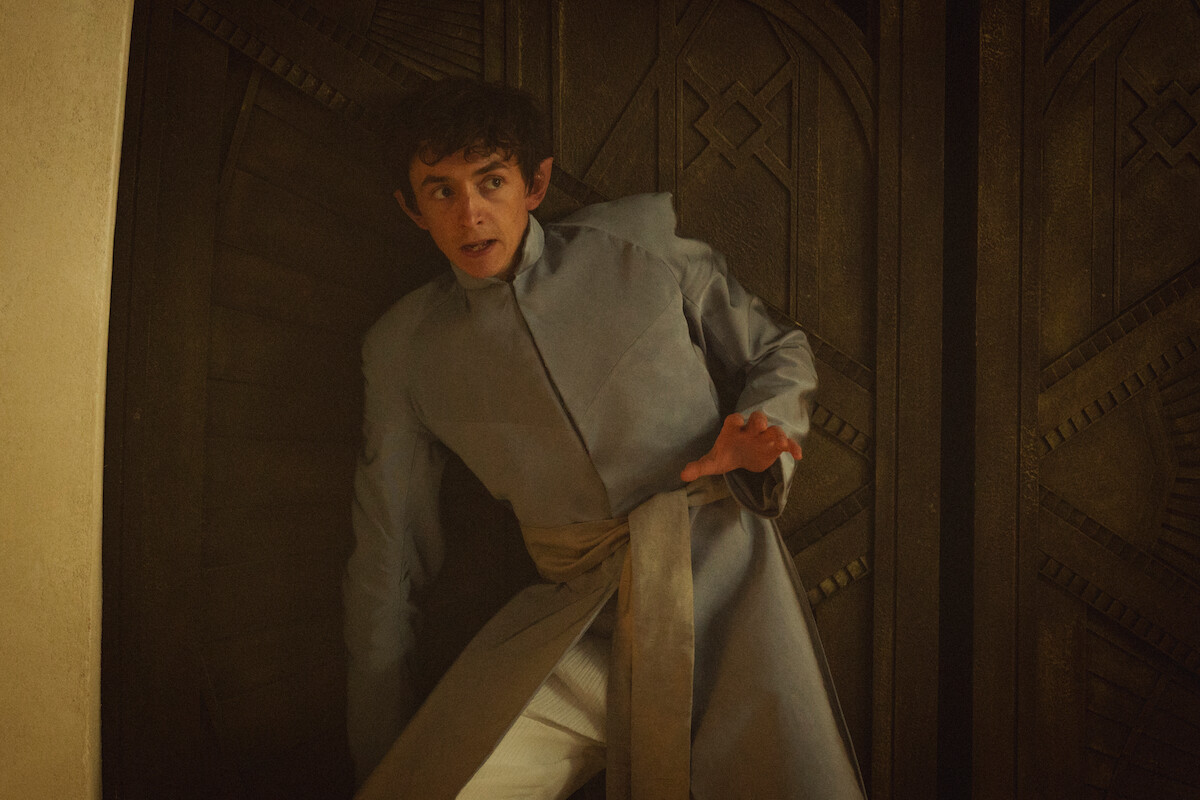
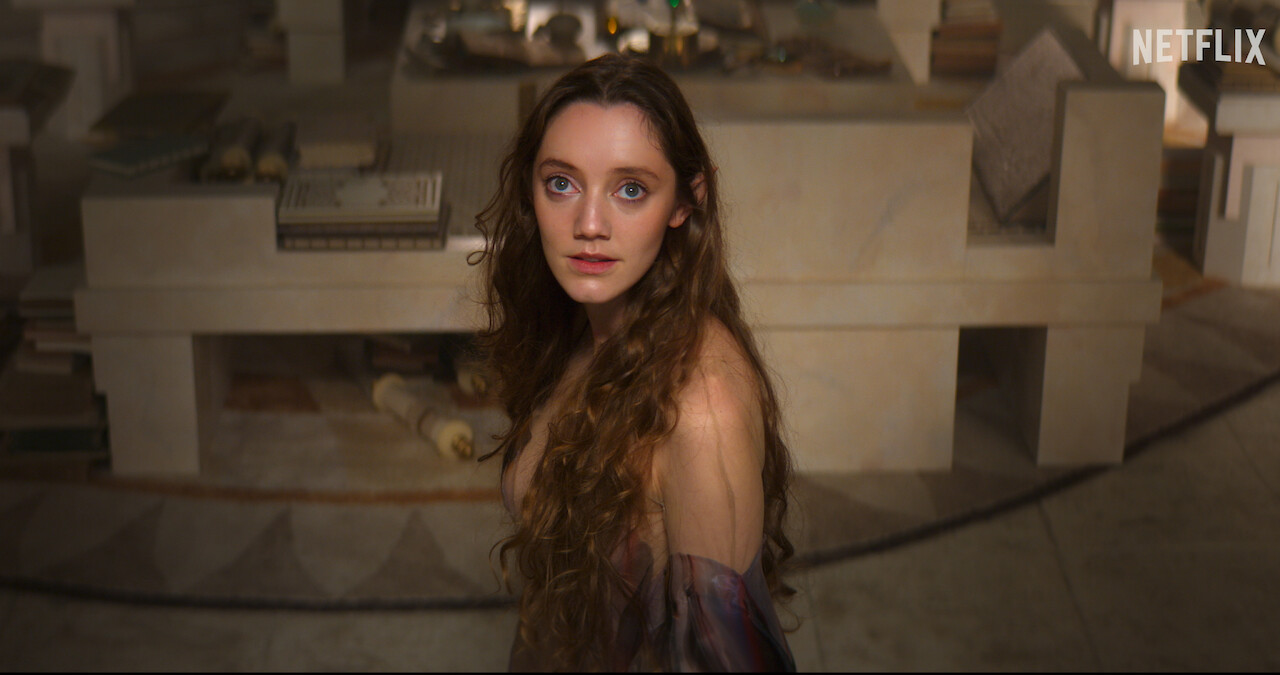
When the young mage Avallac’h fails to open a monolith gateway, he dives deeper into Syndril’s Book Of Monoliths and its magical equations. He discovers that they are able to transport people not only across the Continent and to different worlds, but through time itself. In the post-credits scene, we see a new angle on the first scene featuring Ciri in Episode 1 of The Witcher. Originally, the princess got distracted from a game of knucklebones and looked at a doorway that appeared to be empty. However, Blood Origin reveals that Avallac’h is there. He is holding Syndril’s book of the monoliths, this young mage has unlocked the key to time travel.
“The post-titles moment is something that came out of Declan’s brain that I loved, because it takes something from Season 1, a moment that all fans know, when Ciri turns around,” Schmidt Hissrich says. “To put Avallac’h in that doorway and to know that he has been following her through time and through space — I just love what that brings for us in the future when they eventually meet.”