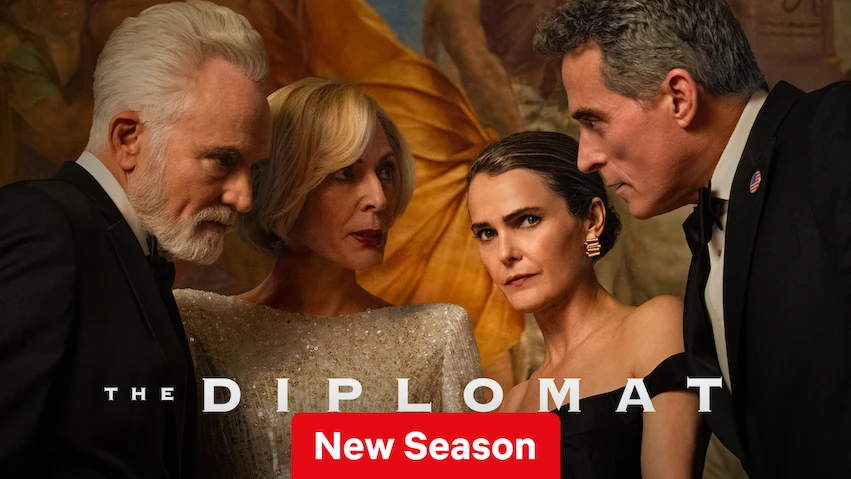
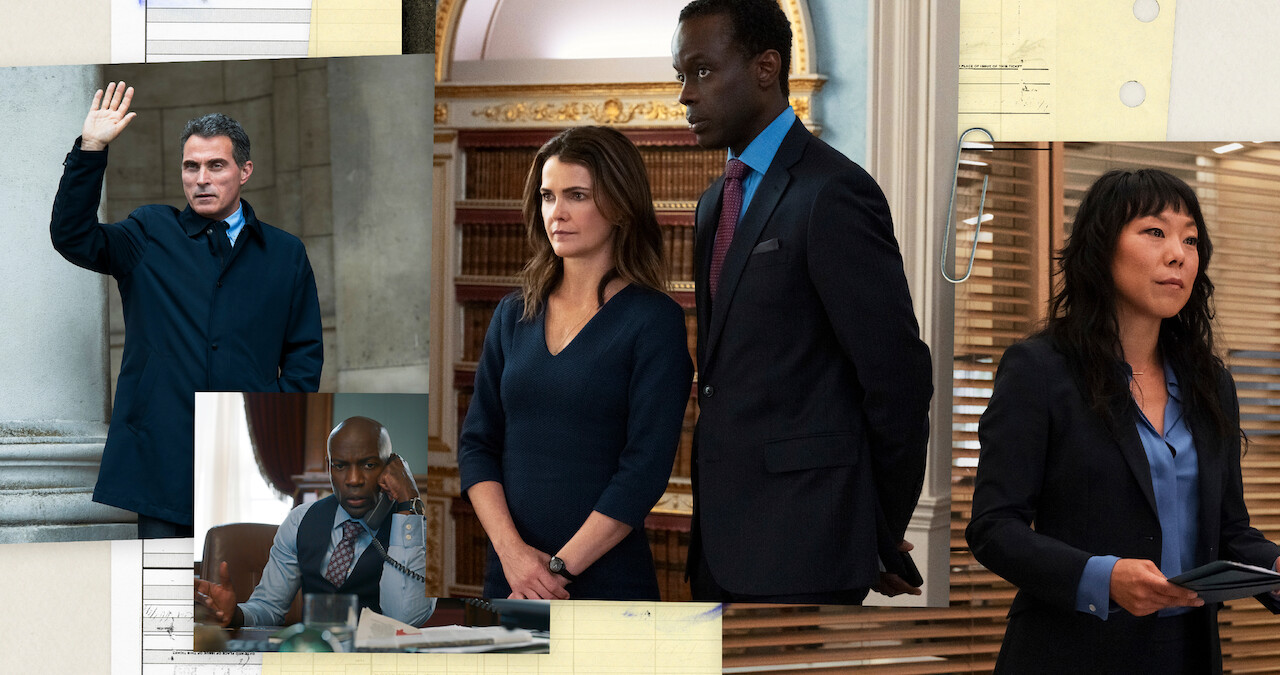
Many television writers cite The West Wing, the political drama created by Aaron Sorkin that ran from 1999–2006, as one of their all-time favorite shows, but few can say they wrote for the series that won 26 Emmys across 95 nominations. Debora Cahn is one of those few. Cahn, who won a WGA Award for her Season 5 episode “The Supremes,” calls writing on the show “one of the high points of my career.” Asked what she carried from her four seasons in The West Wing writers room into her own political drama The Diplomat, Cahn’s answer is simple: “Everything.”
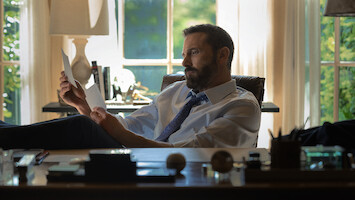
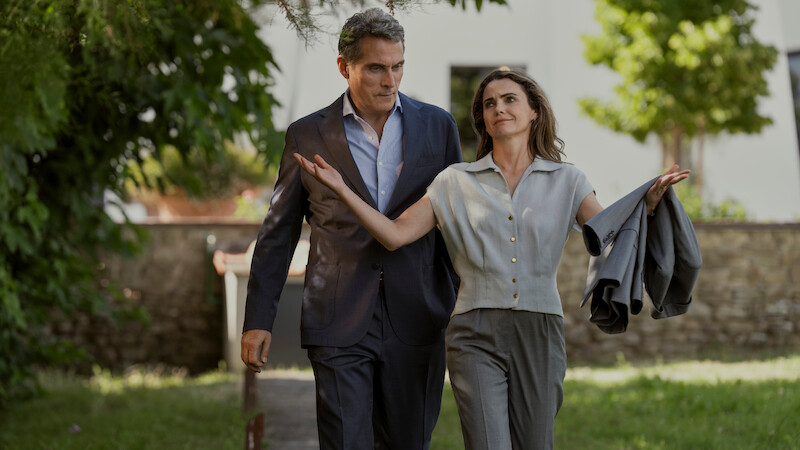
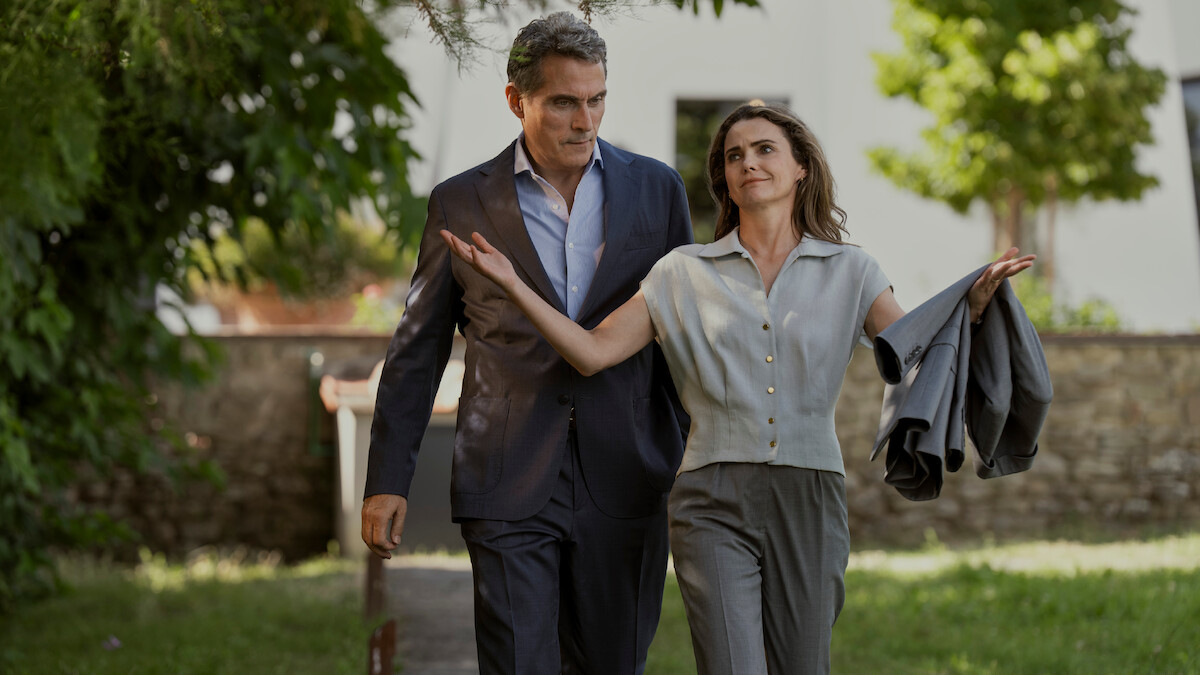
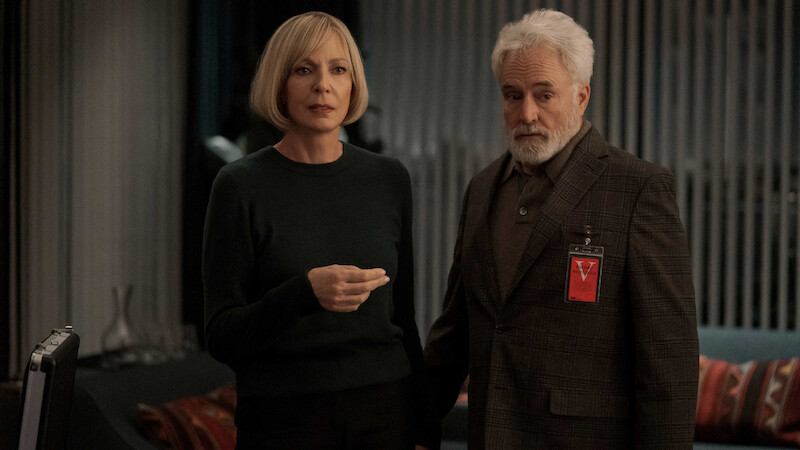
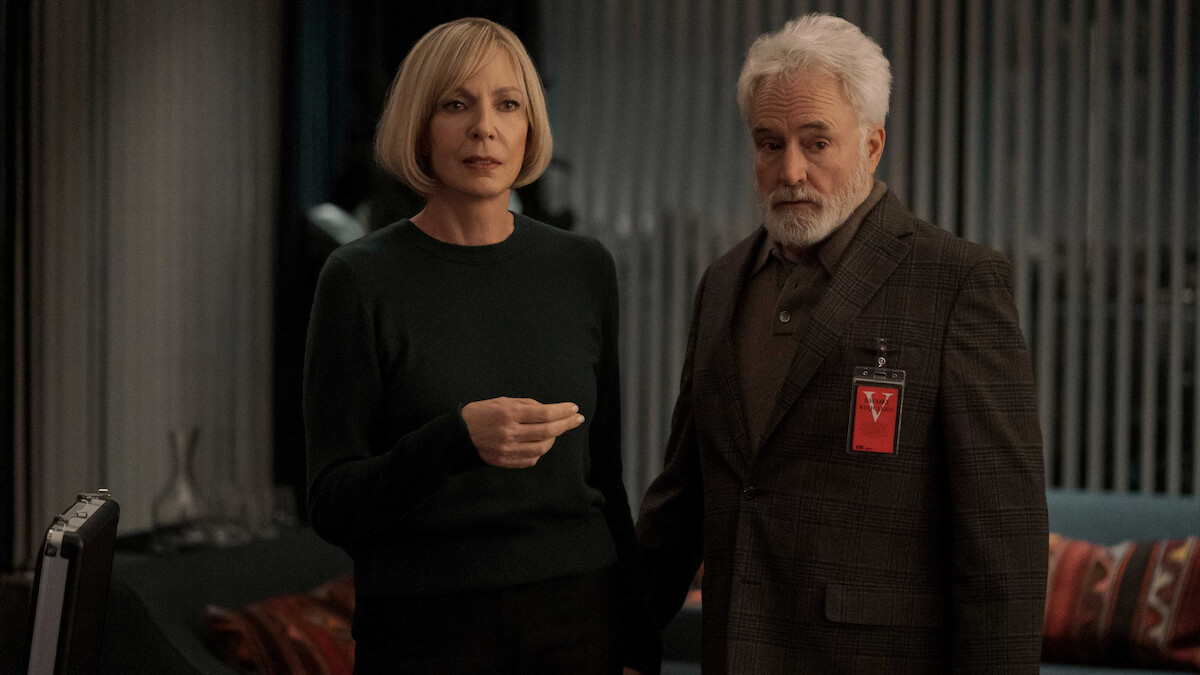
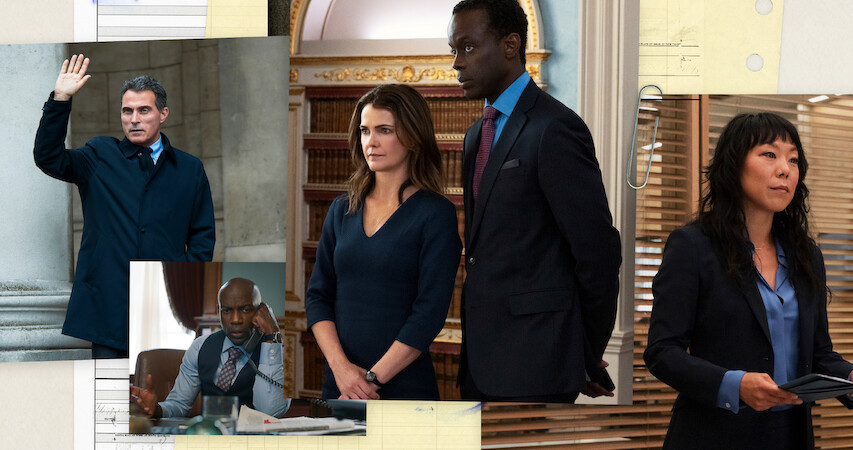
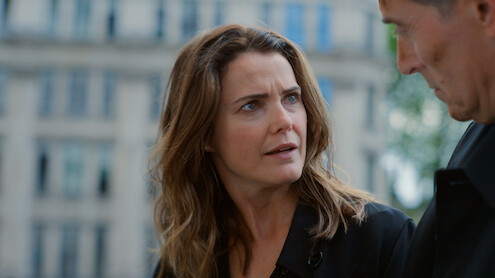
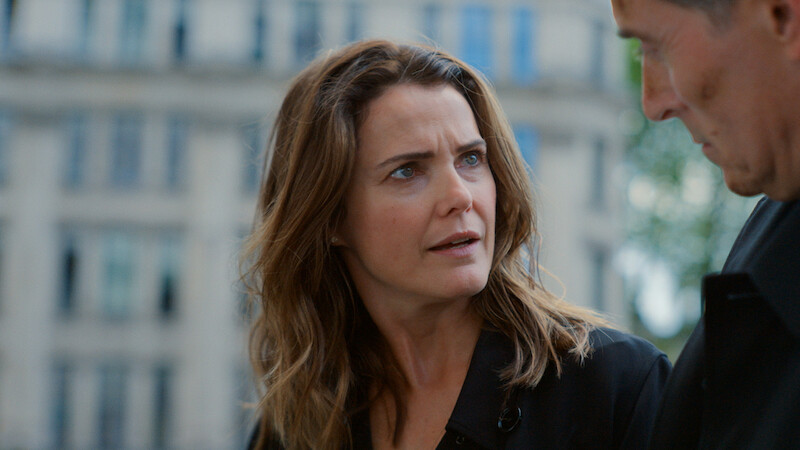
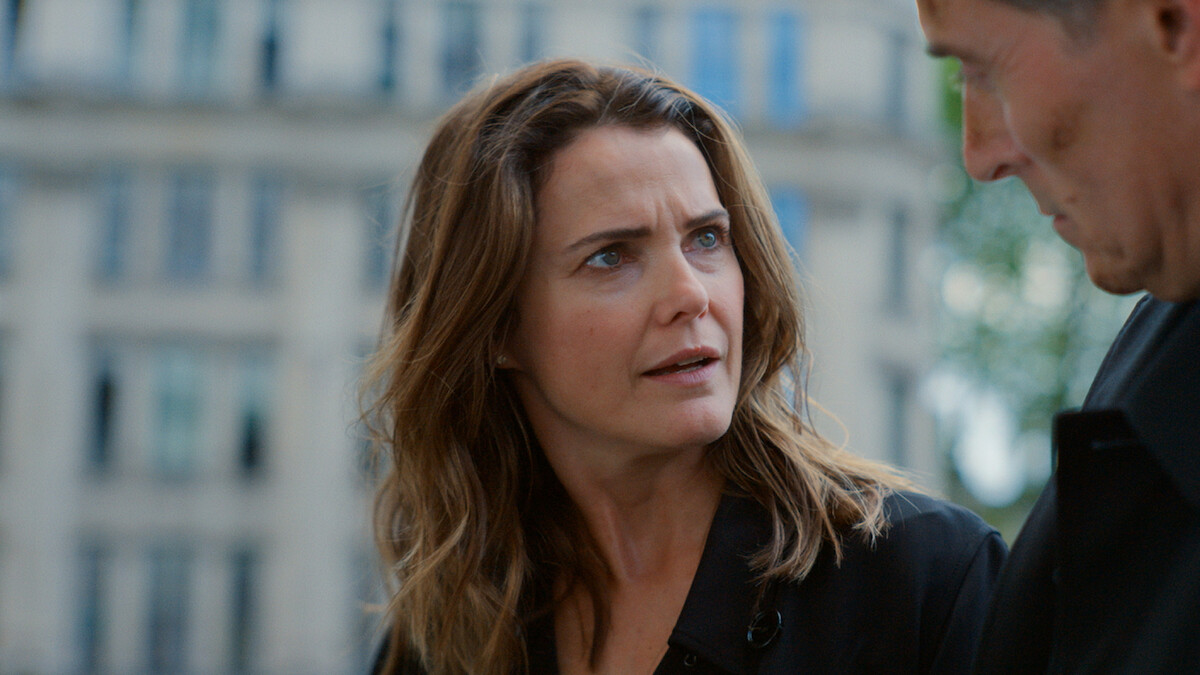
The Diplomat, now in its fourth season, reunites Cahn with West Wing alums Allison Janney and Bradley Whitford, as well as director Alex Graves. The series inhabits a similar space to its predecessor: a humorous, profound exploration of morality, humanity, and relationships, featuring a cast of characters so specific it feels impossible they aren’t real, all set against the backdrop of American civics.
“Allison and I were talking about the writing. It’s really intricate, very intentional, but there are a million different ways to play it,” Whitford says of the scripts for The Diplomat. “The magic of these shows is where the writer has a voice. That was true of The Sopranos, that was true of Breaking Bad. Every show you love has a voice, and Debora’s voice, it’s gorgeous.”
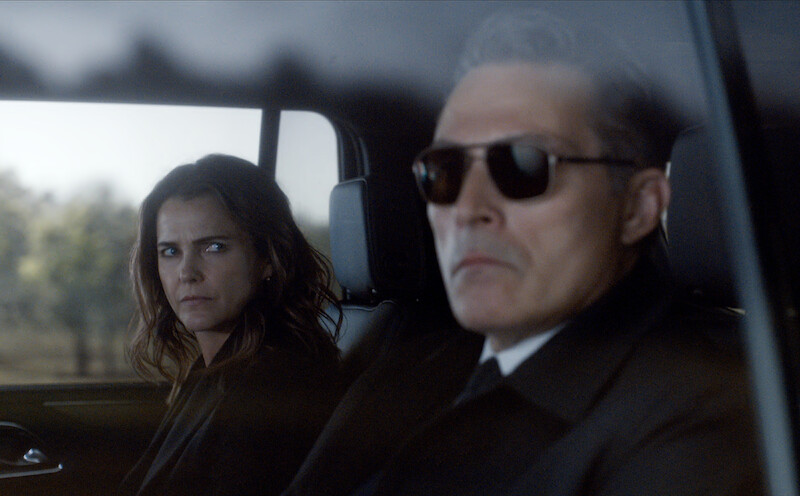
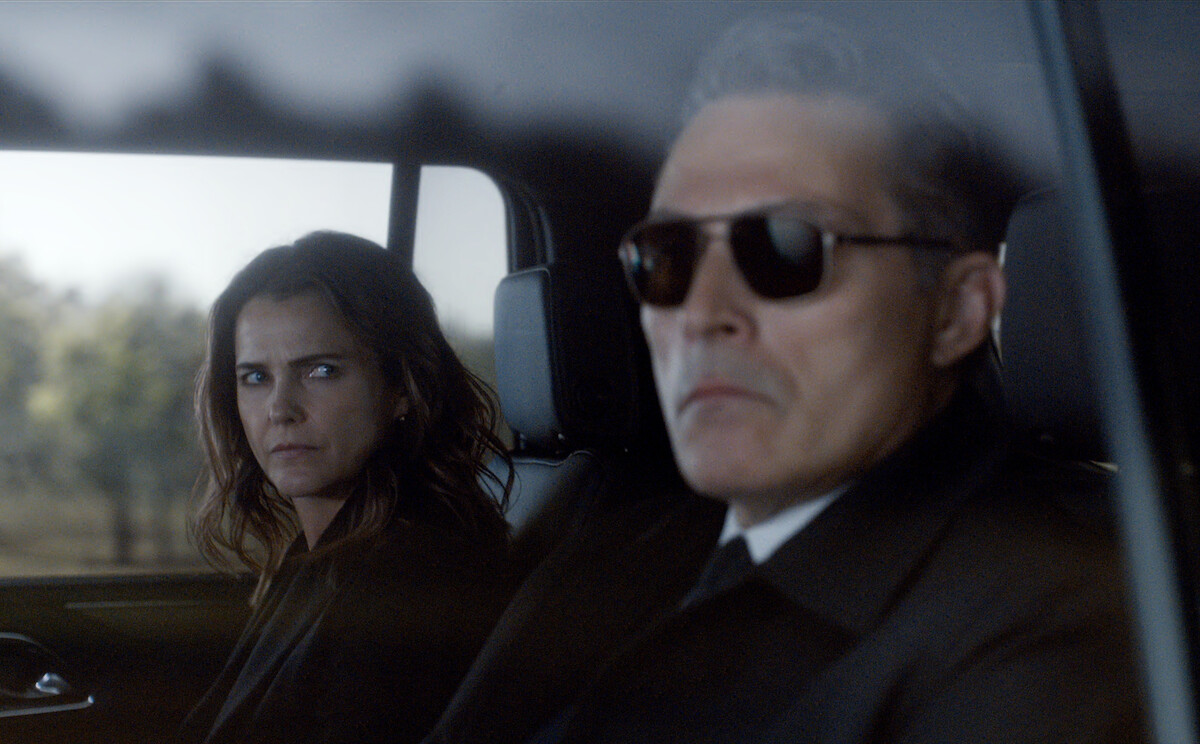
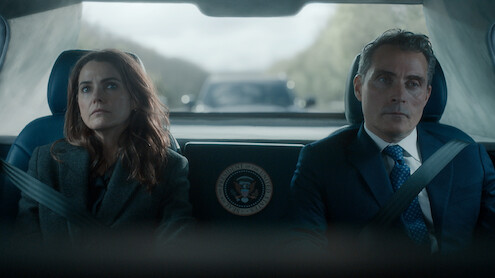
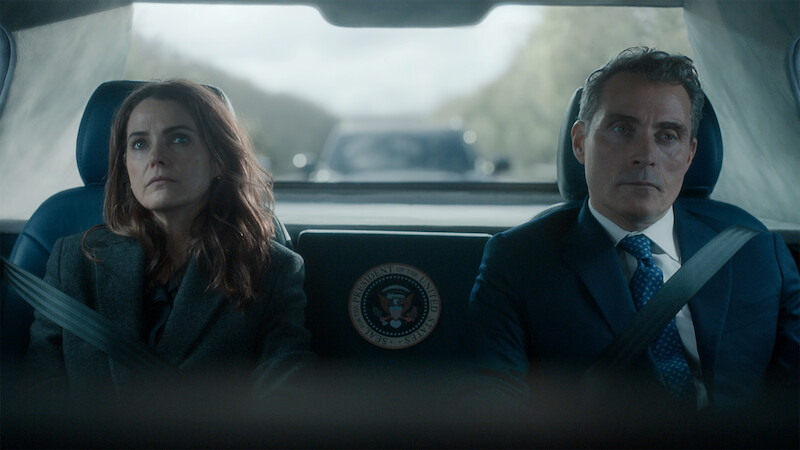
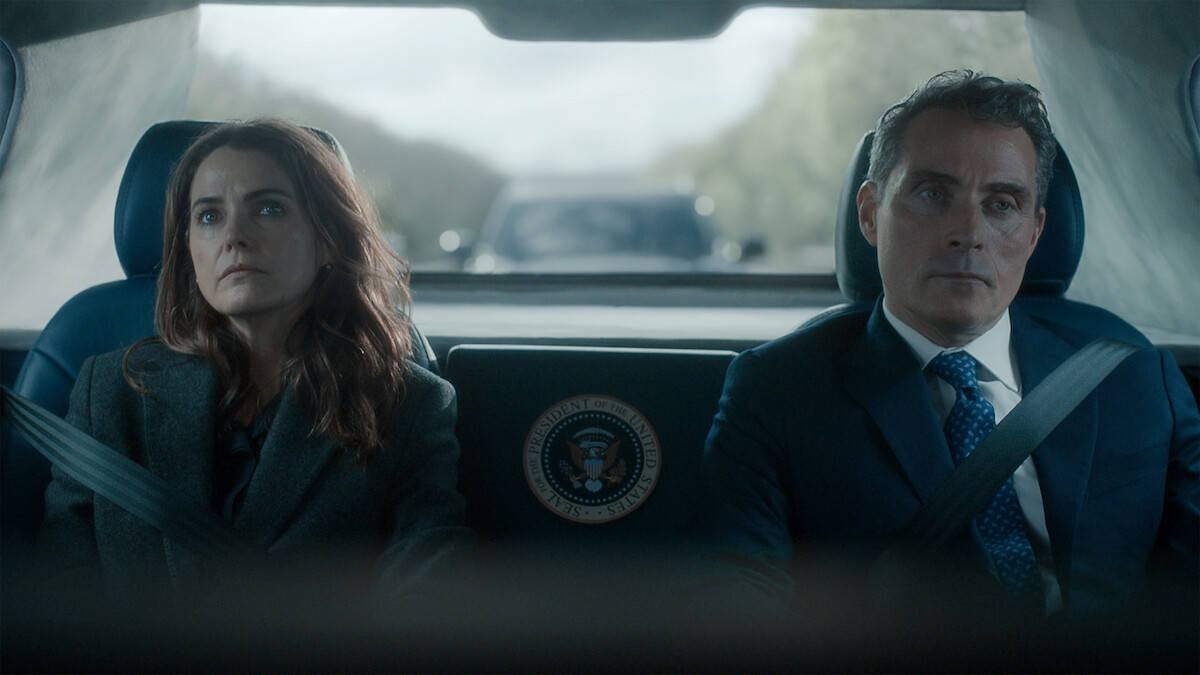
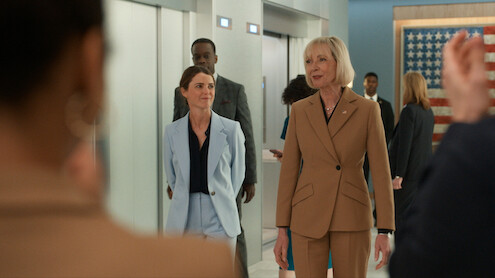
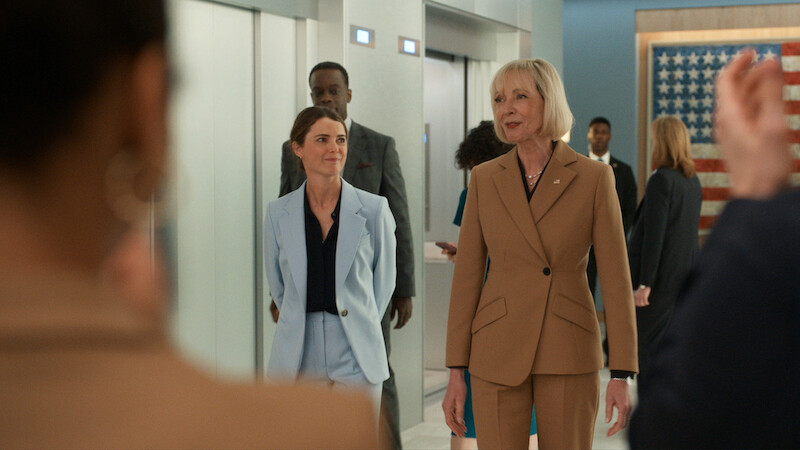
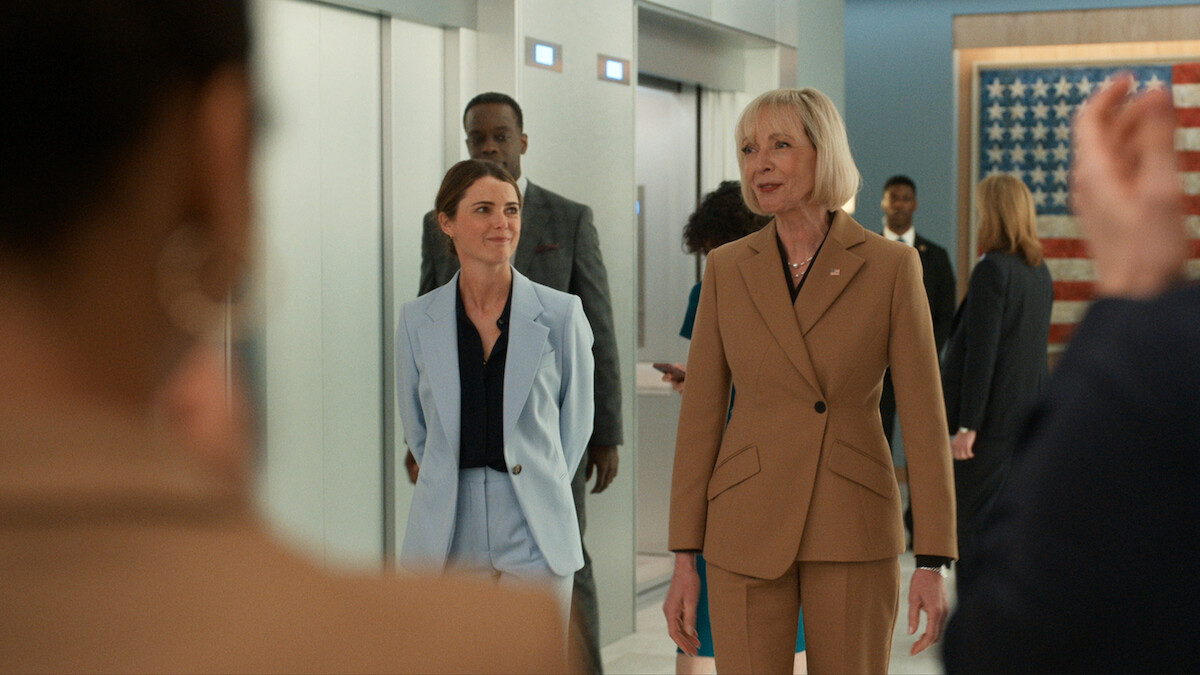
Cahn penned a dramatic start to Season 4 of The Diplomat, with Janney’s character, President Grace Penn, surviving an assassination attempt — a plot point that echoes The West Wing’s Season 1 finale, in which a similar attack nearly kills Josh Lyman (Whitford). “I think Debora wrote this [Diplomat] scene for Alex Graves to film because he loves to have all these different elements: the guards, the Secret Service, people scrambling,” says Janney. “It was really electrifying.”
The Emmy-nominated showrunner has once again created a season of television that bursts with intrigue, twists, passion, and brings its fair share of laughs. Here, Cahn thinks back on some of her favorite episodes of the series that launched her career.
The West Wing
Season 1, Episode 1: “Pilot”
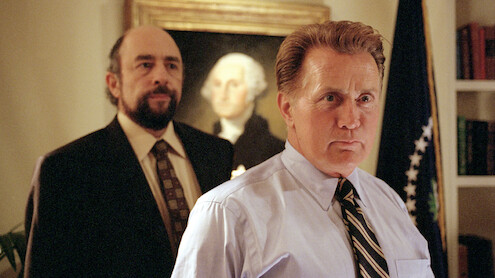
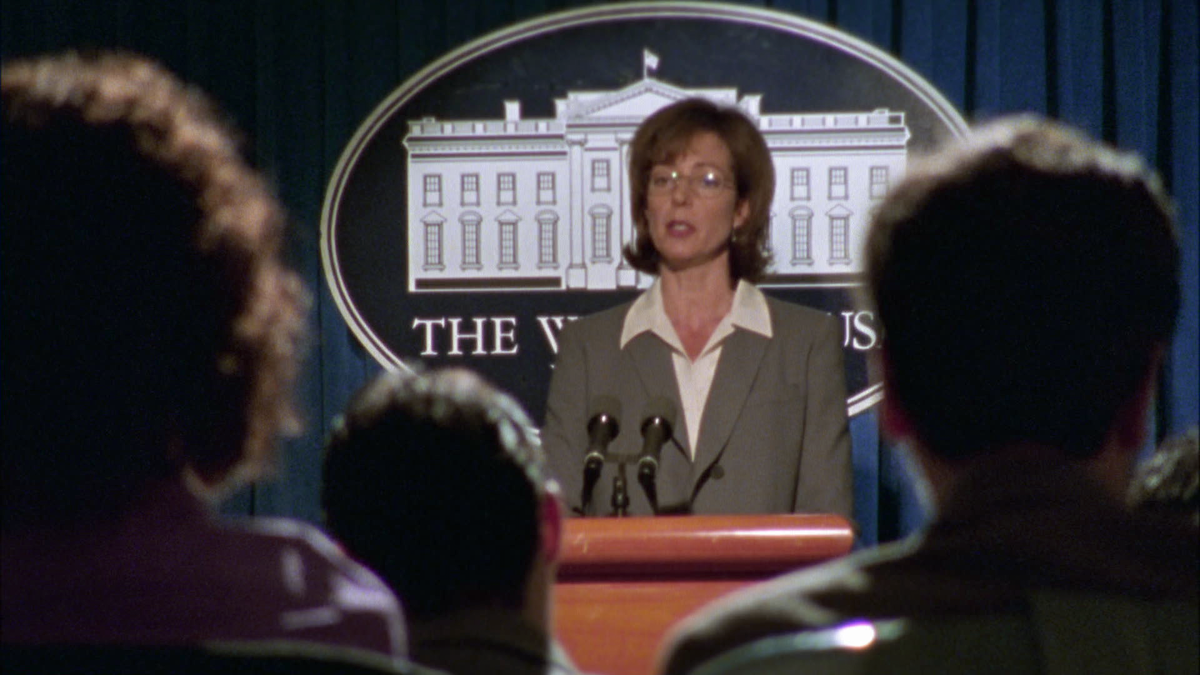
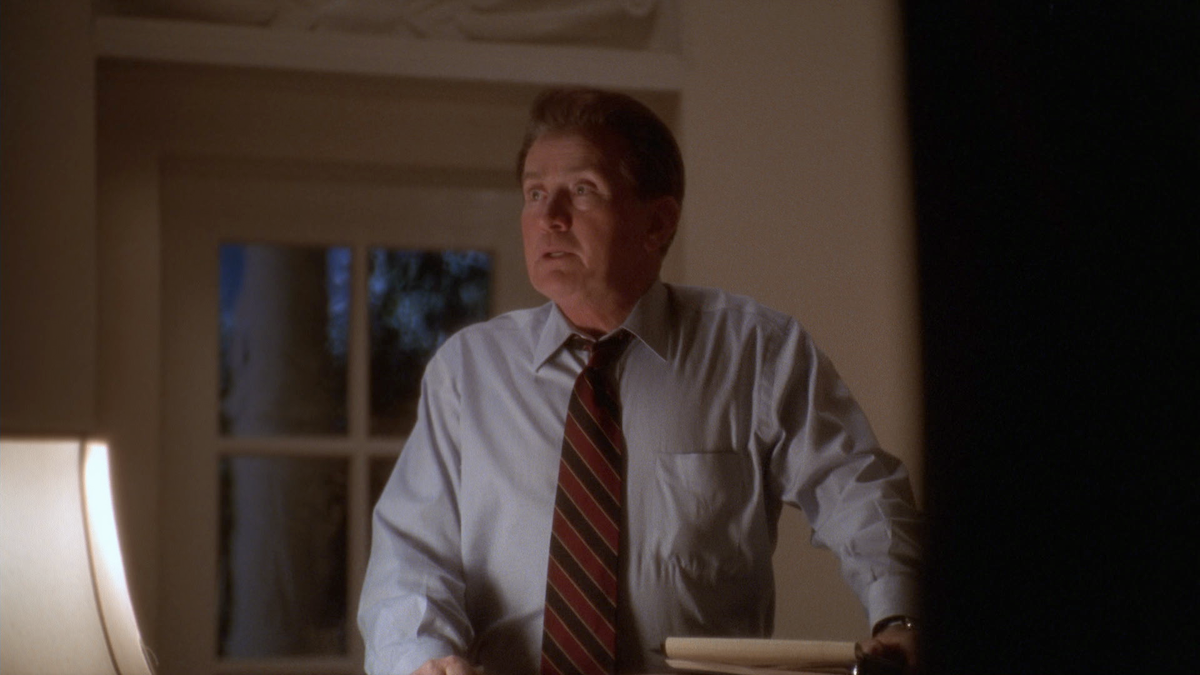
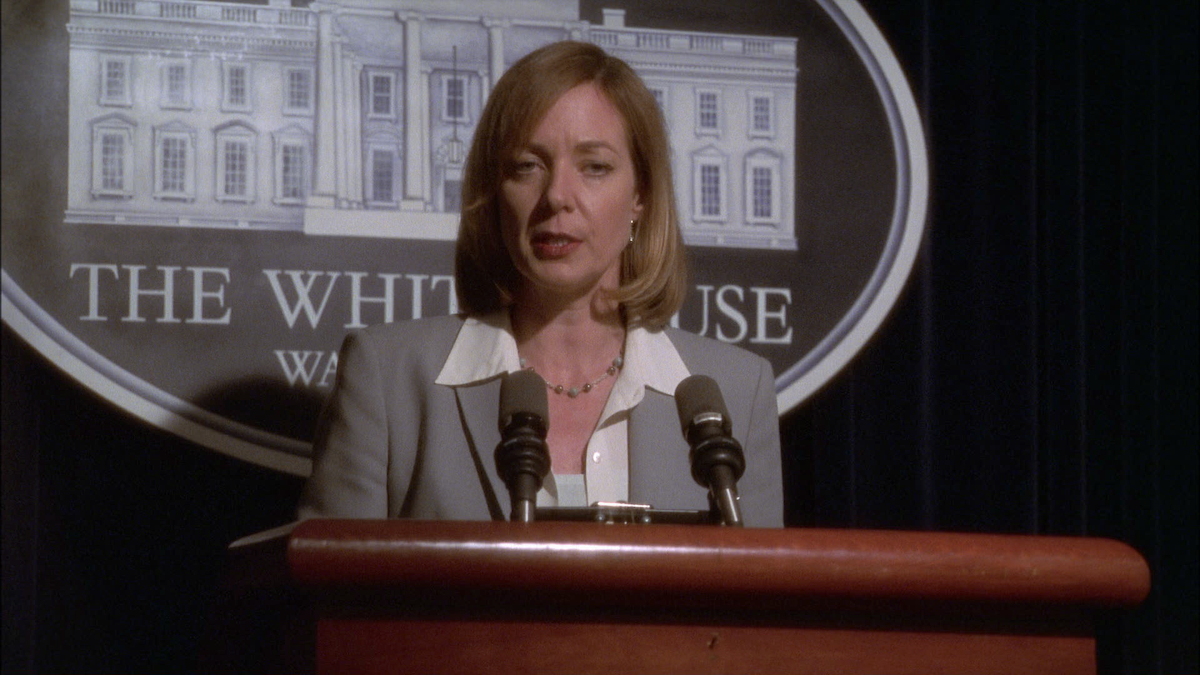
“When I was writing a pilot, I went back and watched Aaron’s (again) and then decided I couldn’t get anywhere near it, so I shouldn’t write a pilot,” Cahn says. “This happens a lot. I read one of Aaron’s scripts for inspiration and then decided I shouldn’t be a writer.” Sorkin’s pilot episode introduces audiences to the high-minded President Josiah Bartlet (Martin Sheen) and his menagerie of White House staffers, setting the groundwork for their endlessly hectic lives — and their devotion to their work. As Janney’s White House Press Secretary C.J. Cregg points out in the episode’s opening minutes, she gets exactly one hour a day to think about her own life. Every other second belongs to the Bartlet administration.
The West Wing
Season 1, Episode 22: “What Kind of Day Has It Been?”
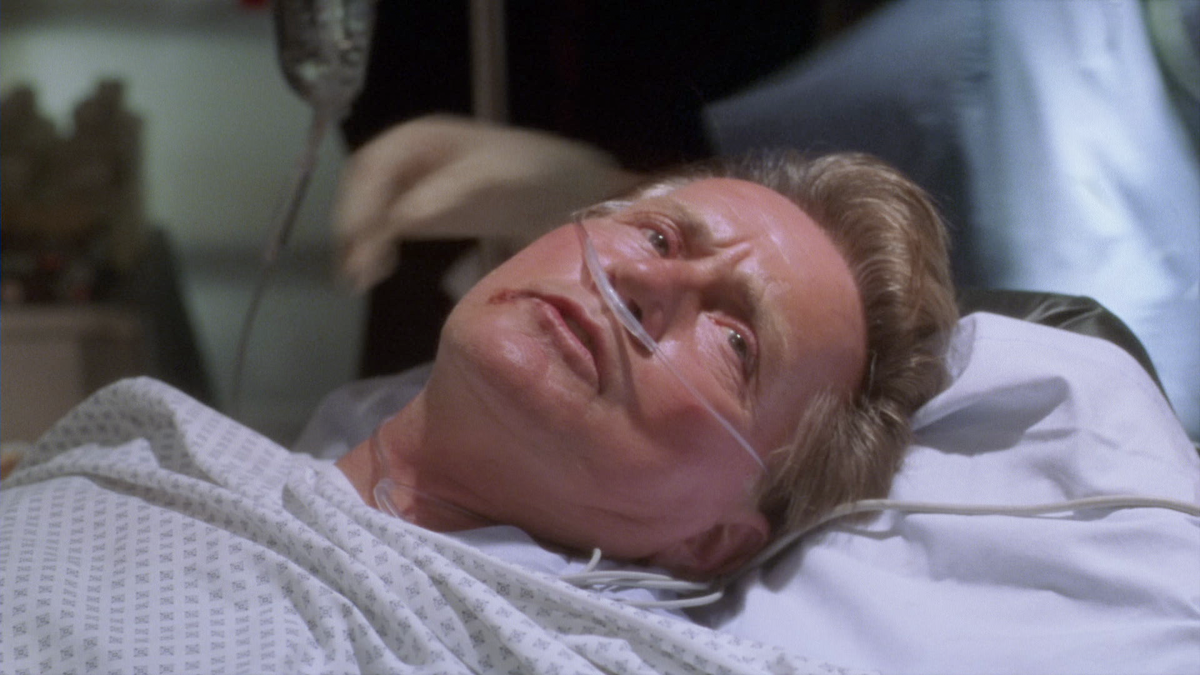
The West Wing’s first season concludes with that paradigm-shifting moment: Bartlet is shot upon departing a run-of-the-mill town hall event, leaving his staffers scrambling for answers. Cahn says the finale episode served as “direct inspiration for the first episode of Season 4 of The Diplomat … Not just the shooting of a president, but the banality of the moments before it and even after, when everyone has incomplete information.” The majority of the episode is spent in the lead-up to the fateful event, ending with a heart-pounding cliff-hanger. Audiences couldn’t be sure if Bartlet or any members of his loyal team would make it out alive.
The West Wing
Season 2, Episodes 1 and 2: “In the Shadow of Two Gunmen: Parts 1 and 2”
This two-part season premiere starts in the immediate aftermath of the finale frenzy. As Bartlet and his injured staffers are rushed to the hospital, the series revisits the events that brought Deputy Chief of Staff Josh Lyman (Whitford), Deputy Communications Director Sam Seaborn (Rob Lowe), and Communications Director Toby Ziegler (Richard Schiff) together on the Bartlet campaign three years earlier. Cahn calls the two-parter a “sensational use of flashbacks. Aaron makes it clear that flashbacks need to be their own complete story, not ballast for what’s happening in the present.”
The West Wing
Season 2, Episode 10: “Noël”
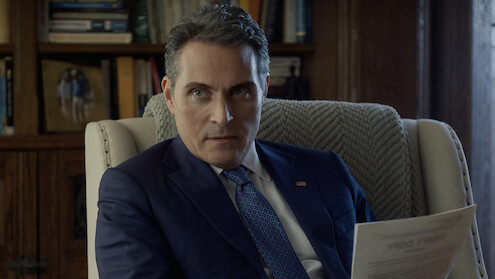
“Another flashback episode. Seems I really like this guy’s flashbacks,” Cahn says of this holiday episode. “This one’s framed by a conversation between Josh and a therapist, about PTSD, which he’s pretty sure he doesn’t have and the therapist’s pretty sure he does.” While Josh has (mostly) physically recovered from his near-fatal gunshot wound, his colleagues become concerned after he’s assigned to review the personal and military history of an Air Force pilot. Josh and the pilot share a birthday, and the pilot’s actions prompt some nasty impulses in Josh that lead him down a potentially destructive path.
The West Wing
Season 2, Episode 18: “17 People”
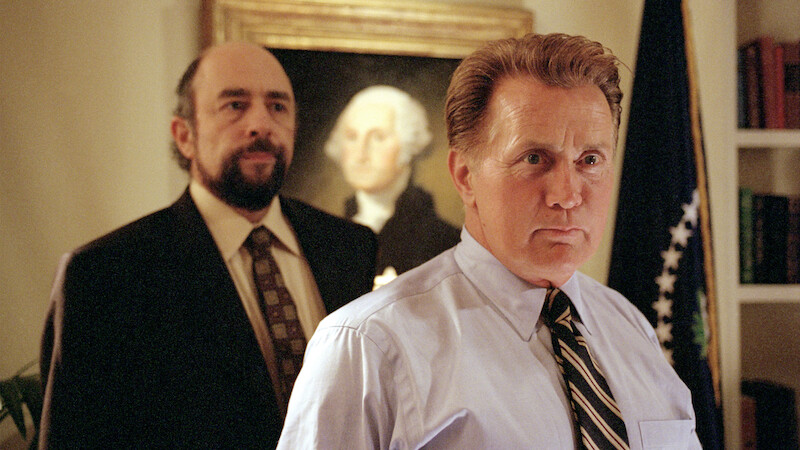
Cahn calls this Season 2 episode “a jaw-dropper.” After years of devotion, Toby learns that Bartlet and a handful of other people, including respected White House Chief of Staff Leo McGarry (John Spencer), have been keeping the president’s multiple sclerosis diagnosis a secret from him — and, more significantly, the American people. “16 people knew the President had MS and could go public. Toby reminds the President it’s 17,” Cahn says, adding Toby’s mic drop line: “‘You knew.’” The episode calls into question not only Toby’s dedication to a man he loves and admires, but also what a leader owes to their people.
The West Wing
Season 2, Episode 19: “Bad Moon Rising”
The fallout from the president’s long-diagnosed MS continues in “Bad Moon Rising,” in which audiences are introduced to White House counsel Oliver Babish (played “brilliantly” by Oliver Platt). In the episode’s “unforgettable” opening scene, Babish is on his way out the door for a much-needed vacation when Bartlet approaches him for his opinion on whether “I’ve engaged 16 people in a massive criminal conspiracy to defraud the public in order to win a presidential election.” Cahn calls Babish’s response — using a judge’s gavel to pulverize a tape recorder on his desk — “the gold standard for use of a prop.”
The West Wing
Season 2, Episode 22: “Two Cathedrals”
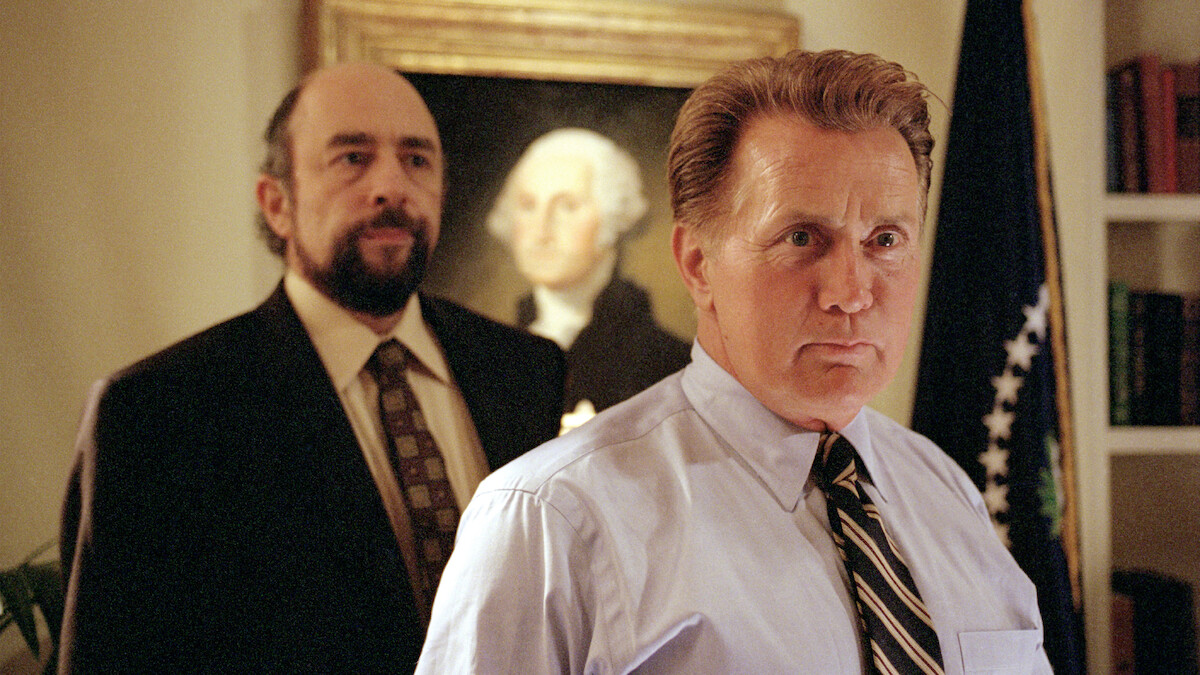
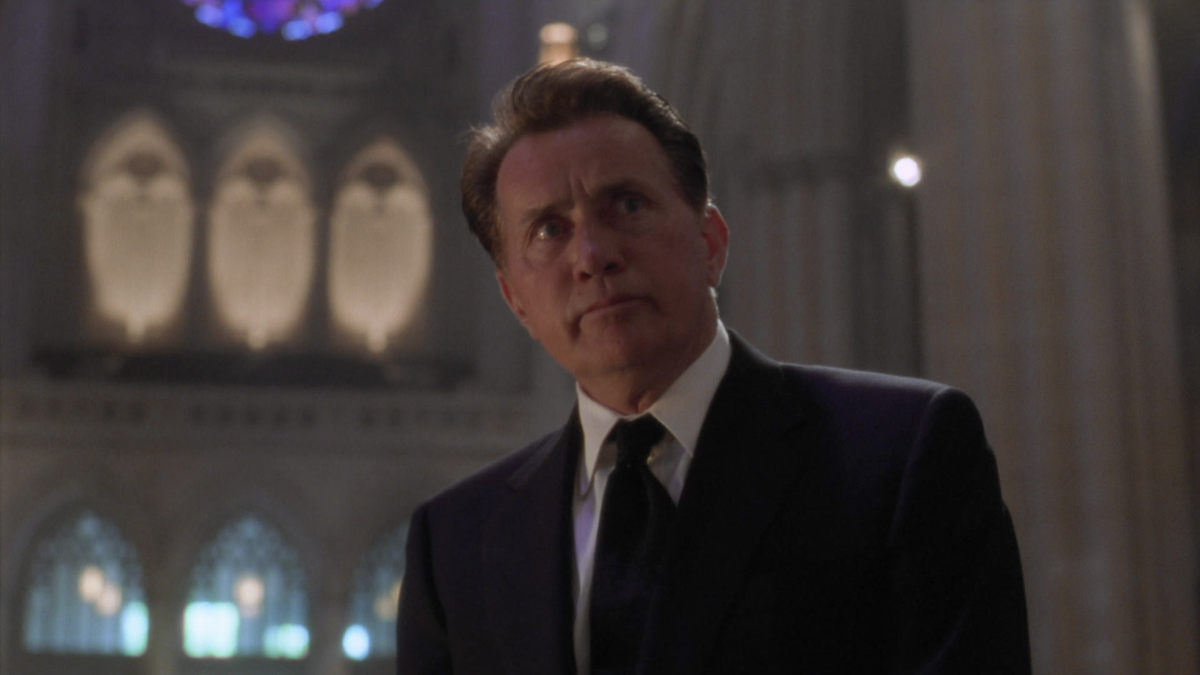
Cahn isn’t alone when she calls The West Wing’s Season 2 finale “one of the best episodes of television that exists.” It’s a sentiment that many would hang their hats on. As his allies question whether Bartlet is fit to run for reelection, he and his staff also attend a funeral for one of their own. Overcome by grief, Bartlet, a devout Catholic, delivers a righteous, TV history–making monologue. “The president in the National Cathedral yelling at God in English and Latin and then putting a cigarette out on the floor of the nave is one of the greatest scenes on television,” Cahn says.
The West Wing
Season 6, Episode 16: “Drought Conditions”
Fast-forward to Season 6: With Josh now working to bolster a new presidential campaign, Bartlet’s White House staff is worn thin. Vice President Russell (Gary Cole) is expected to be the Democratic nominee for president, but rumors swirl about Bartlet favoring a different candidate. Meanwhile, Toby has taken the changes especially hard — and struggles to find meaning in his brother’s recent death. “[This is] my favorite of the episodes I wrote, in part because it was so hard to crack,” Cahn says. “To this day, when I’m stuck, I go back to it to remind myself that something I believed was unsolvable … wasn’t.”
Number of recommendations may vary by region.