
Culture
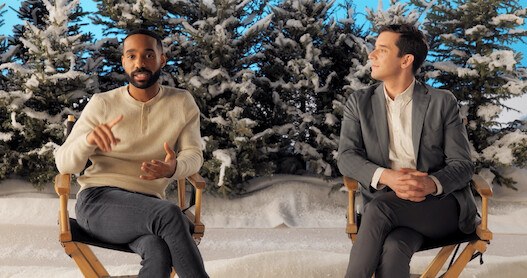
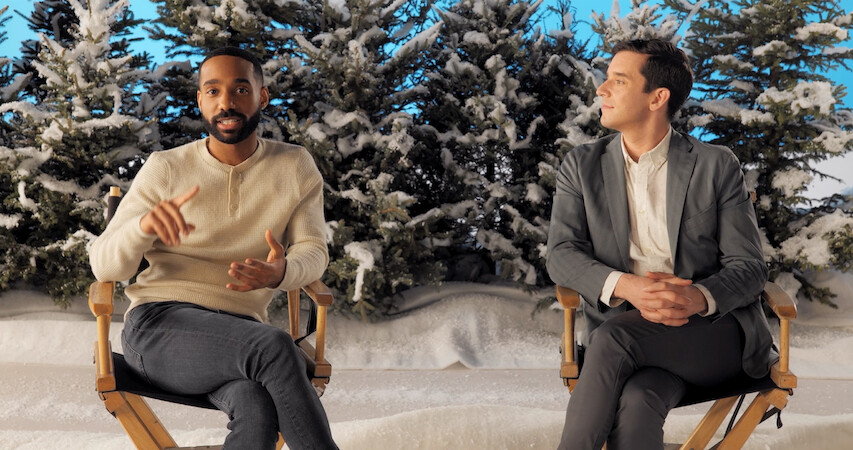
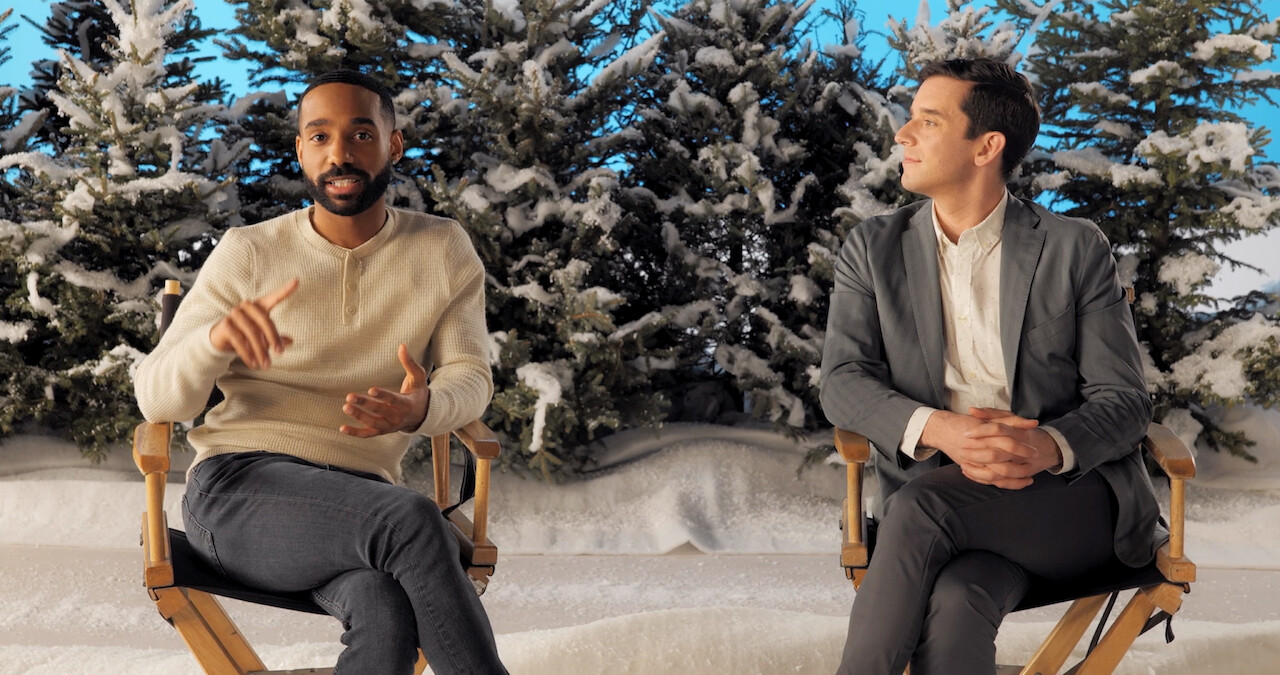
‘Single All the Way’ Roundtable: Michael Urie and Philemon Chambers on Queer Joy
The leading men share what the new holiday rom-com means to them.
Dec. 21, 2021
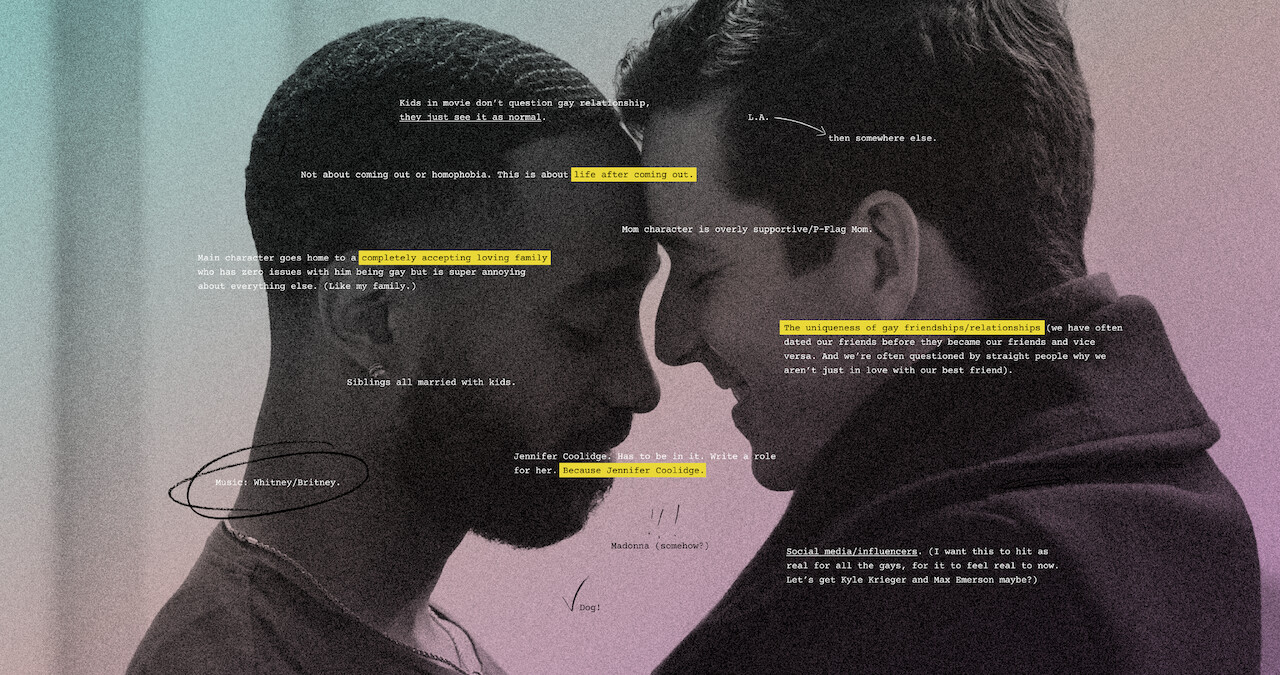
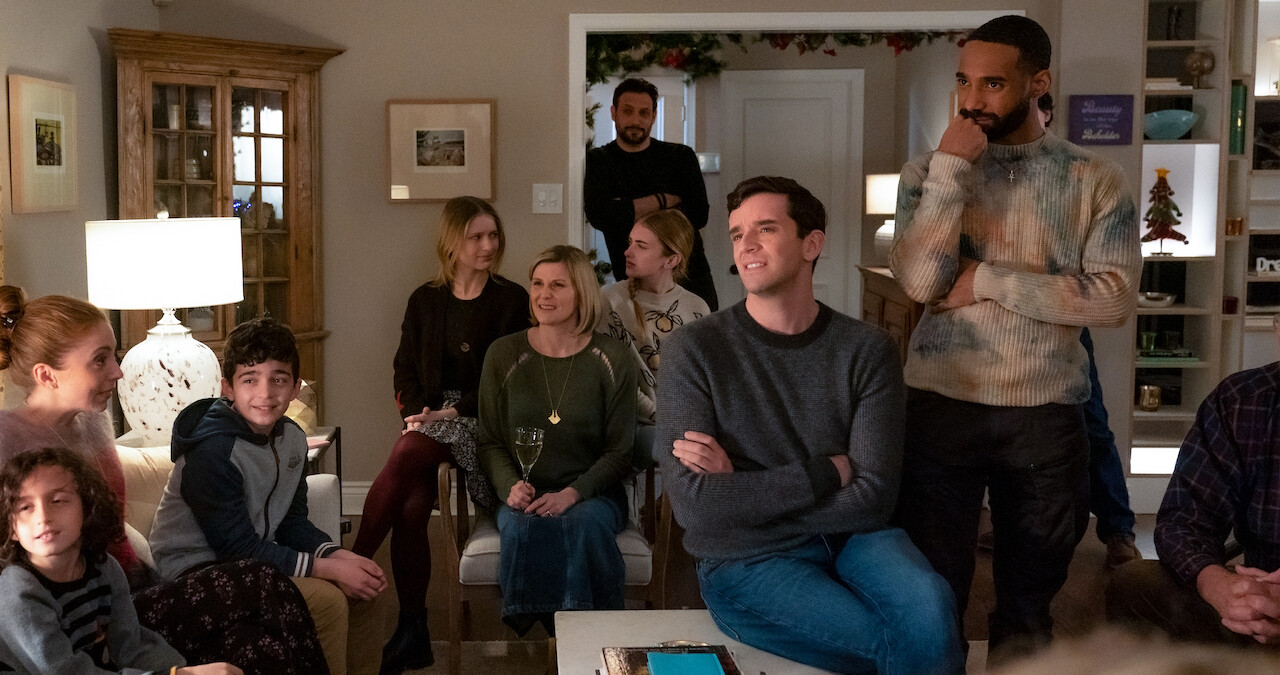
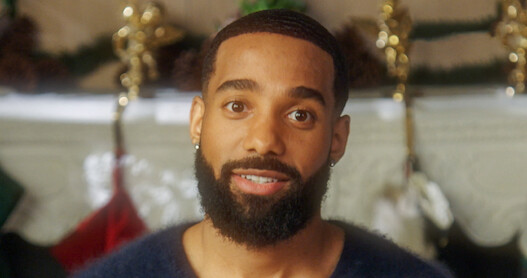
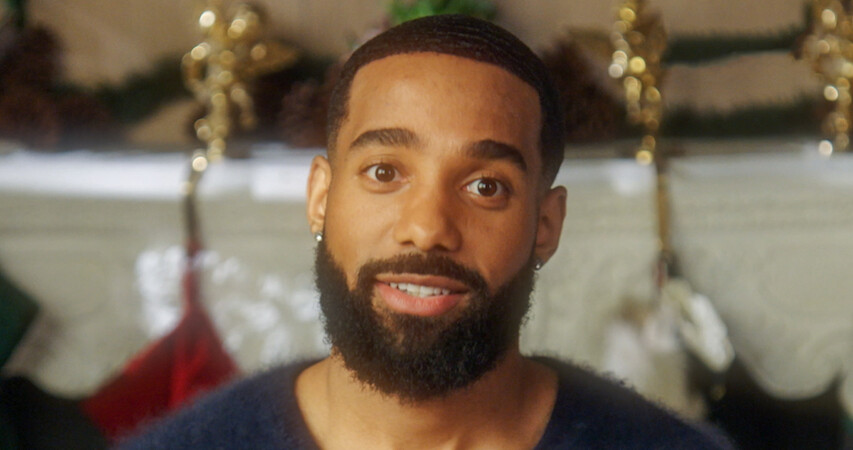
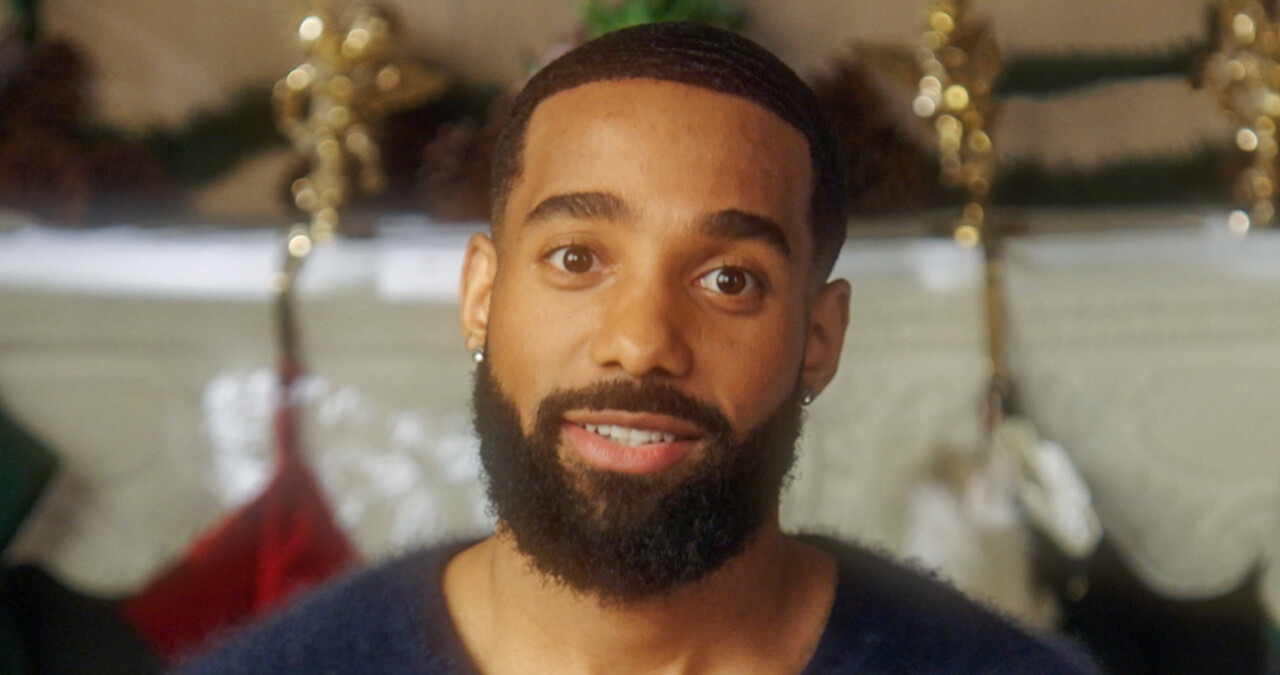
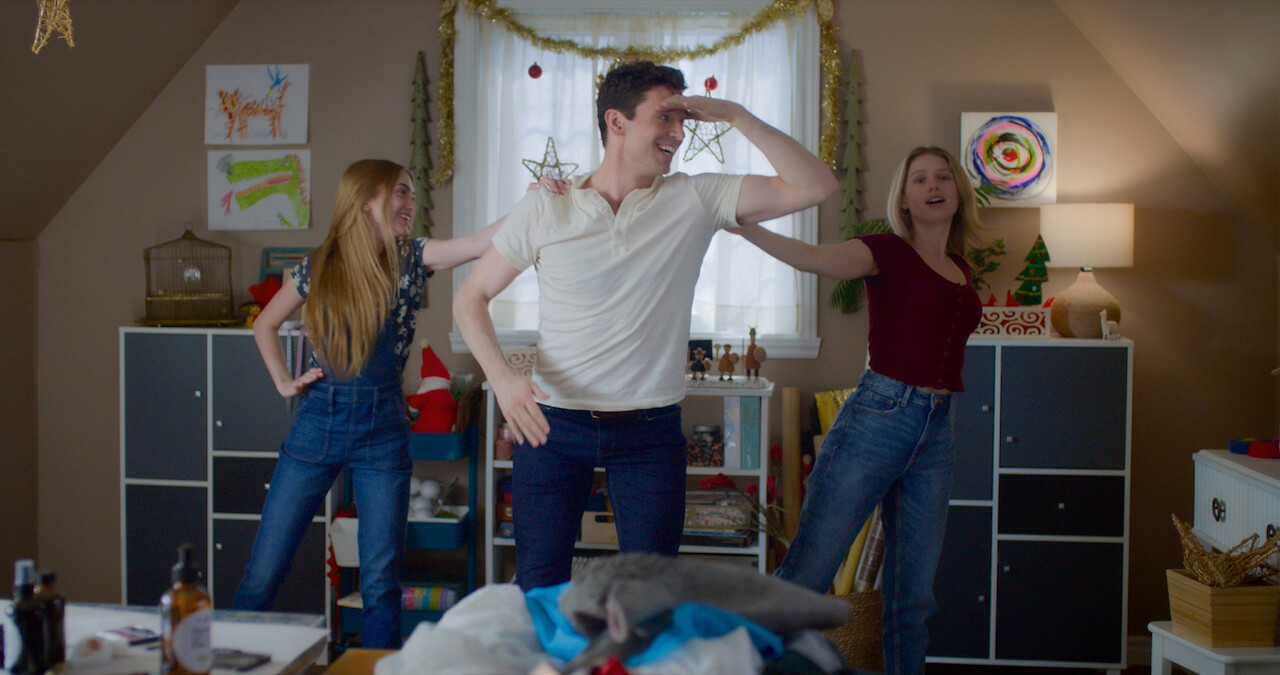
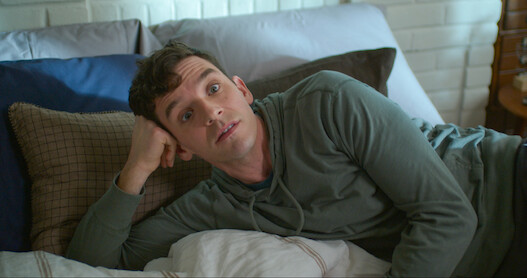
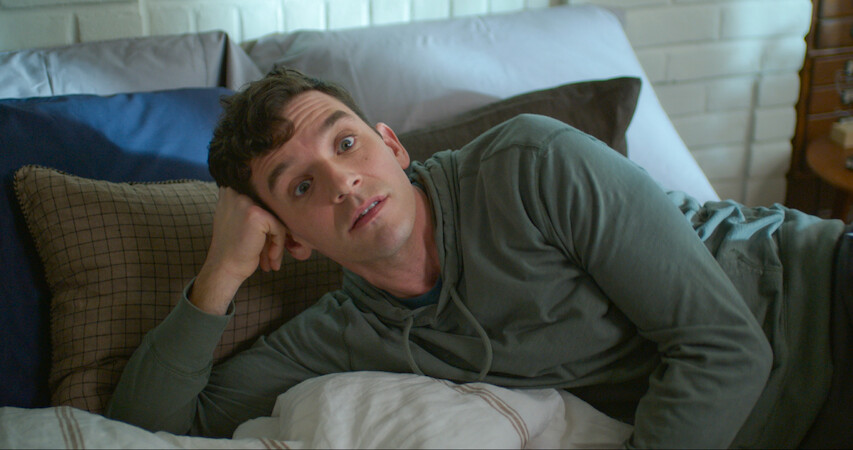
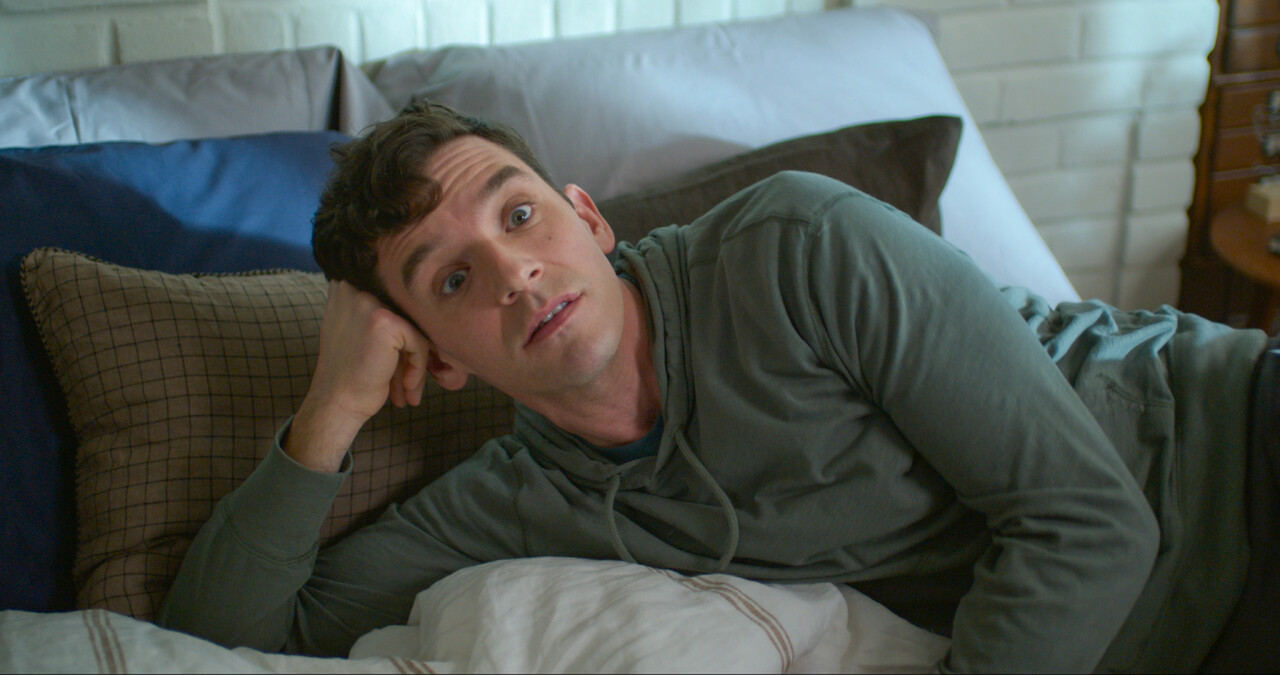
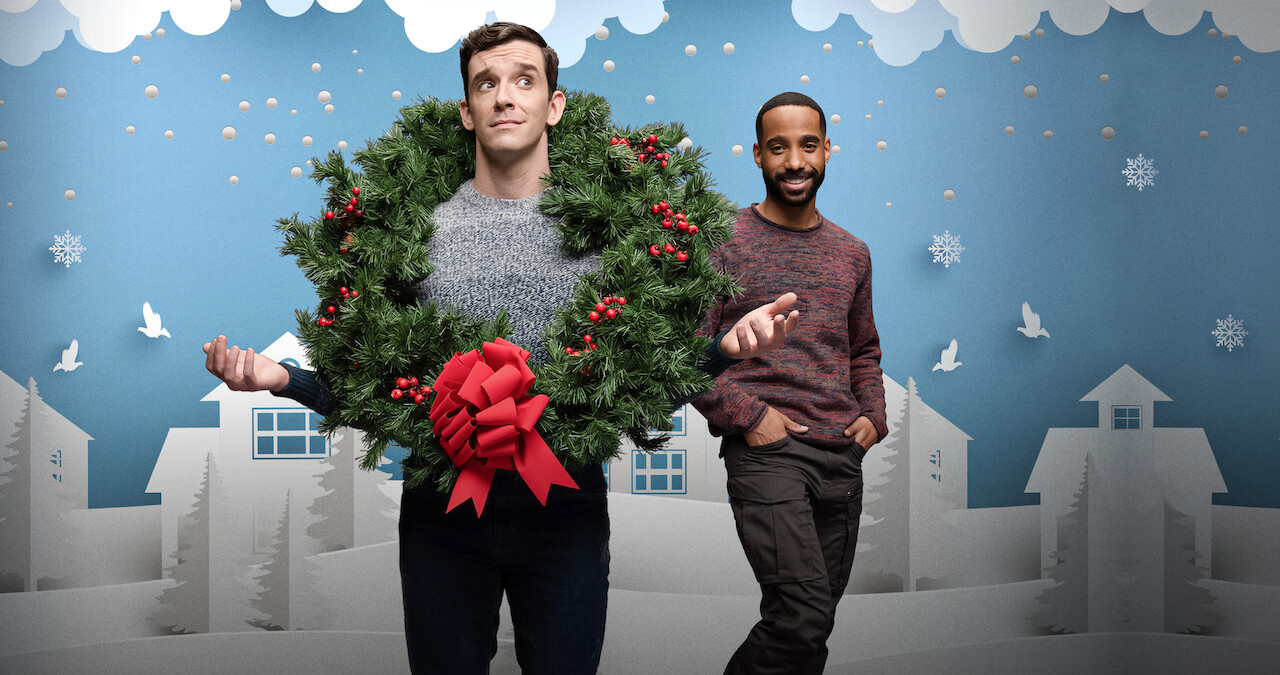
Single All the Way is here, is queer and has all the Christmas cheer. Written by Chad Hodge and directed by Michael Mayer, the new film isn’t just another holiday movie; it’s Netflix’s first gay Christmas rom-com. Queer characters are often written as sidekicks to the protagonist looking for love, but not this time. The film centers on two best friends, Peter (Michael Urie) and Nick (Philemon Chambers), and with a little help from Peter’s loving family, the friends realize their relationship may be more than just platonic.
As queer people, we deserve to have feel-good holiday movies where we can see ourselves sipping lattés, dancing to Britney Spears and finding love. Single All the Way lets us into a world where queerness isn’t used as a dramatic plot device or conflict point. For Urie and Chambers, the film is a reflection of how the world should be. The leading men discuss what makes the film different from other LGBTQIA+ movies and why it’s important to tell stories that celebrate queer joy and unconditional love.
Since Single All the Way is the first gay Christmas rom-com for the streaming service, did you guys feel some pressure taking on this kind of project for Netflix?
Michael Urie: I wasn’t nervous; I was really excited. I felt like it was time for a lot of outlets to get into the gay Christmas arena. And I’m really proud of Netflix for doing it, and I’m proud to be part of it. I’m a little nervous about how many households it’s going to be in. A lot of people have that Netflix subscription. But as far as the content goes, when I read the script, I was like, “Once this is in our hands, then it’s ours to screw up.” Chad Hodge wrote a funny, charming, romantic and tight script. Sometimes you read a script and then you see the product, and you’re like, “That’s not what I thought we were doing.” And sometimes you see it and it’s exactly how you hoped it would be. This is exactly what I wanted it to be.
Philemon Chambers: I will piggyback off of that. I didn’t necessarily feel pressure. I felt like everybody was so solid in the cast and it just showed, especially in Chad Hodge’s writing. It was just one of those things where it was time for a project like this that was so filled with unconditional love. To have this moment with Netflix as their first gay holiday rom-com and the stereotypes that are being broken, I felt no pressure.
You both have great chemistry in the film. Michael, you’ve been in lots of things, both on-screen and onstage. Philemon, this is your first feature film. What was it like coming together to bring these characters to life?
Chambers: It was horrible. He’s so bad. [Laughs] No, honestly, from the day Michael and I met on Zoom, the chemistry was automatically there. The trust was there; the vulnerability was there. Michael is so easy to play off of and he allows you that space to play. In some cases when you work with actors, you don’t really have that wiggle room. When we were in Montreal, I literally felt like I knew him all my life. It made it so much easier for our characters’ relationships on-screen to have that because as time passed, our relationships got stronger. I literally consider Michael my family now. I harass him a lot, but it comes with the territory. But it was so easy and so nice. He’s such an amazing talent.
Urie: Well, thank you. I’m glad we’re recording that. I could tell immediately on our Zoom chemistry read that he was responding to what I was doing and I was responding to what he was doing. I liked him the minute I laid eyes on him. He just seemed cool and I saw the truth in his eyes. When he was sad, it made me sad. And that’s what actors are supposed to do. It was really easy.
Being on set, we were there every day and we had this great crew. When you’re the leads of a project, you set the tone. They can sink a ship or they can make it a happy place to go to work. Because we liked each other, we liked the material and we were surrounded by great people, it was a great place to work.
Was there a particular scene or moment in the film that was your favorite or gave you the feels?
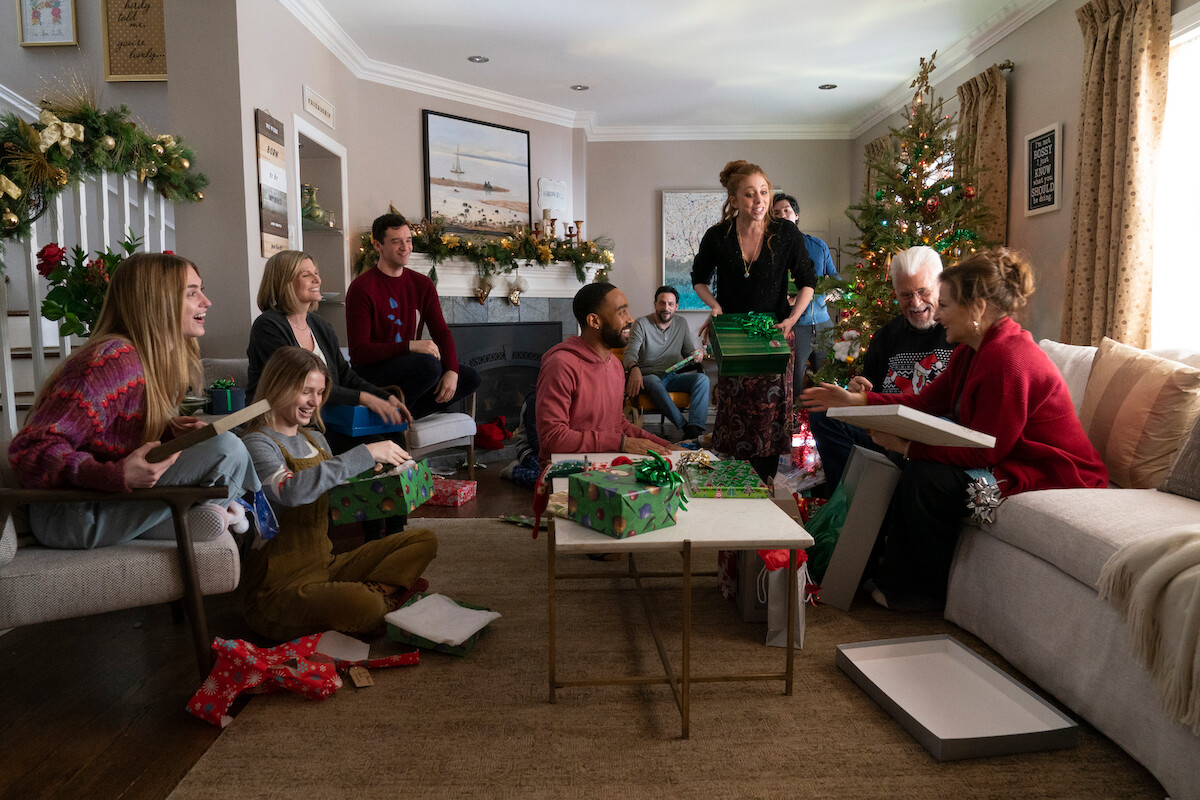
Chambers: Anything where it was the whole entire family. We were in a COVID-strict environment and sometimes we couldn’t be within three or six feet. Anytime the family got together, we could use our 15 minutes each day and just be with each other. The ending scene when we’re all opening up gifts — that’s a genuine take. There was no pre-planning and it felt like Christmas morning.
The scene that got me with the feels is Peter and Nick’s beginning in a sense of them acknowledging the love they share with each other. That scene got me every single time, every single take. Nick hasn’t really had that family dynamic since his mom was gone and he’s moved away. But when he says, “I’ve been ready for a family for a long time,” actually being accepted by Peter’s family, that’s a big, monumental thing for him.
Urie: For me, it was the scene between my dad, Harold (played by Barry Bostwick), and Nick in the basement. Harold says to Nick, “I always thought that you and Peter might end up together,” and proceeds to give him advice. It’s so sweet to watch an older, straight white man give advice to a young, queer Black man. It’s very moving. People will sit down with their families and watch this movie, and that’s something they haven’t seen before. There might even be a father or two who see that father giving advice and realize how easy it is to do the same.
You’re not born homophobic. You’re not born racist. Somebody has to teach you to be those things. In the same way, those things can be untaught. Watching that scene between Harold and Nick could open doors for people.
It made me think about how so many queer stories are rooted in pain, trauma and ignorance. You don’t see any of that in Single All the Way. It celebrates queer joy and queer love. Why do you think it’s important to tell that kind of story?
Chambers: We’ve had the coming-out stories, but this story is so important because this is what people are experiencing now. A lot of people are becoming way more accepting of seeing this on TV. If we don’t push that narrative, then it won’t happen. This family showcases unconditional love for their son who’s a gay man, and they want him in a relationship on Christmas. But also, they want him in a relationship with another gay man. It’s one of those things where it just shows how a family can support their son, their brother, their uncle and their guncle in a positive way. It speaks toward hope. It speaks toward what can be as a society if we just accept each other as we are.
Urie: Yeah, there are families like this. So many stories that we tell in queer cinema are coming of age, which means coming out — or they are cautionary tales, which means homophobia, hate crimes, AIDS or people being kicked out of their homes. There are so many versions of important queer cinema that we need, but now, we need examples of the way the world can be, is and should be. That’s why family movies about queer people without homophobia, without coming out, without any trauma are so vital and so important. There are a lot of families out there that need a little nudge.
One thing that Single All the Way explores really well is the blurred lines between the relationships of queer folks. Being friends, being platonic and being romantic are very muddled for us. How do you think the film portrays queer relationships?
Urie: Nick and Peter met in line to get a gym membership and they overheard a couple in front of them getting a discount. Without even discussing [it] or knowing each other, they pretend to be a couple in order to get the discount. That’s how they met and became friends. There’s this theory I’ve heard about the “gay window”: When you’re friends with a gay person, there’s always a window where you might have hooked up or become an item. And [Peter and Nick] skipped over their window to pretend to be boyfriends. Then they became best friends immediately. I think that’s a little bit why it’s taken them so long to see what’s right in front of them.
Chambers: There’s a thin line trying to navigate queer friendships. For Peter and Nick, it’s this automatic connection, automatic trust and automatic vulnerability. Who’s to say you can’t fall in love with your best friend? Those turn out to be the best relationships. This beautiful journey happens with Peter and Nick when certain things start to become realizations.
What are some of your favorite queer references in the film?
Chambers: “Thanks, Trish.” No, I'm just joking.
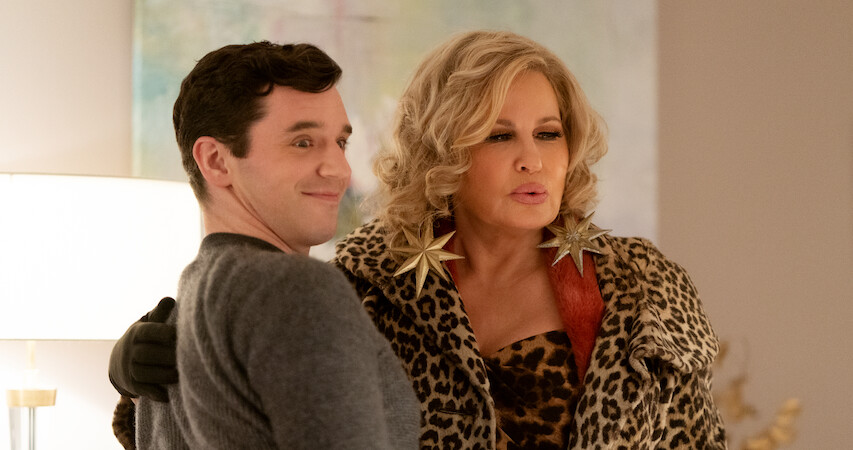
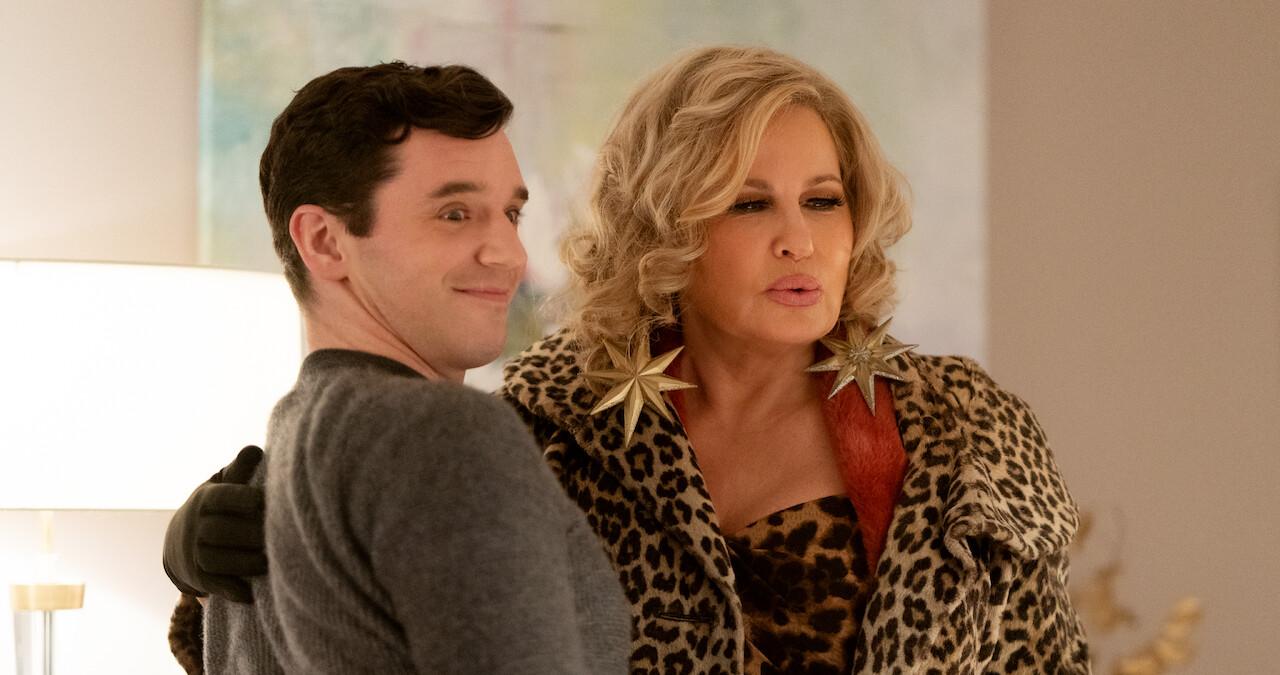
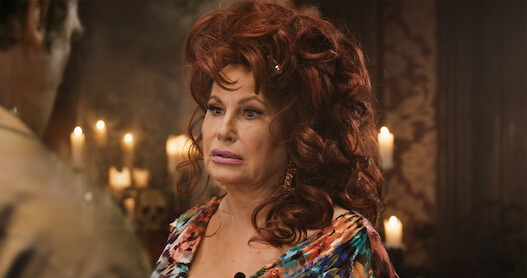
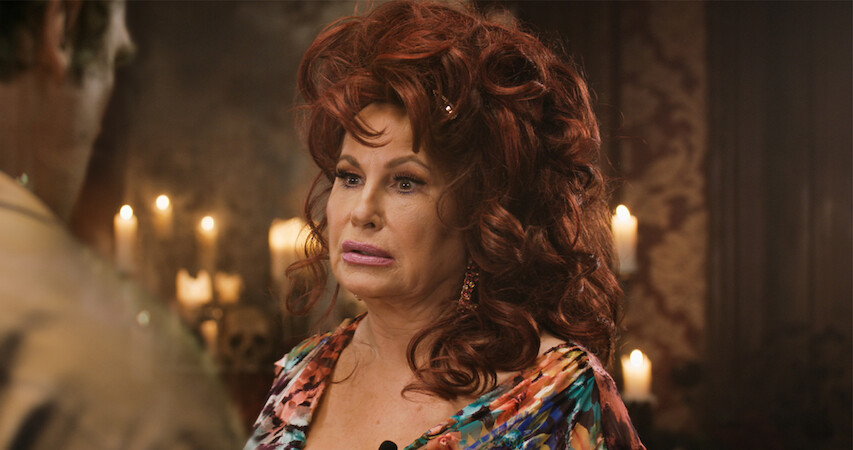
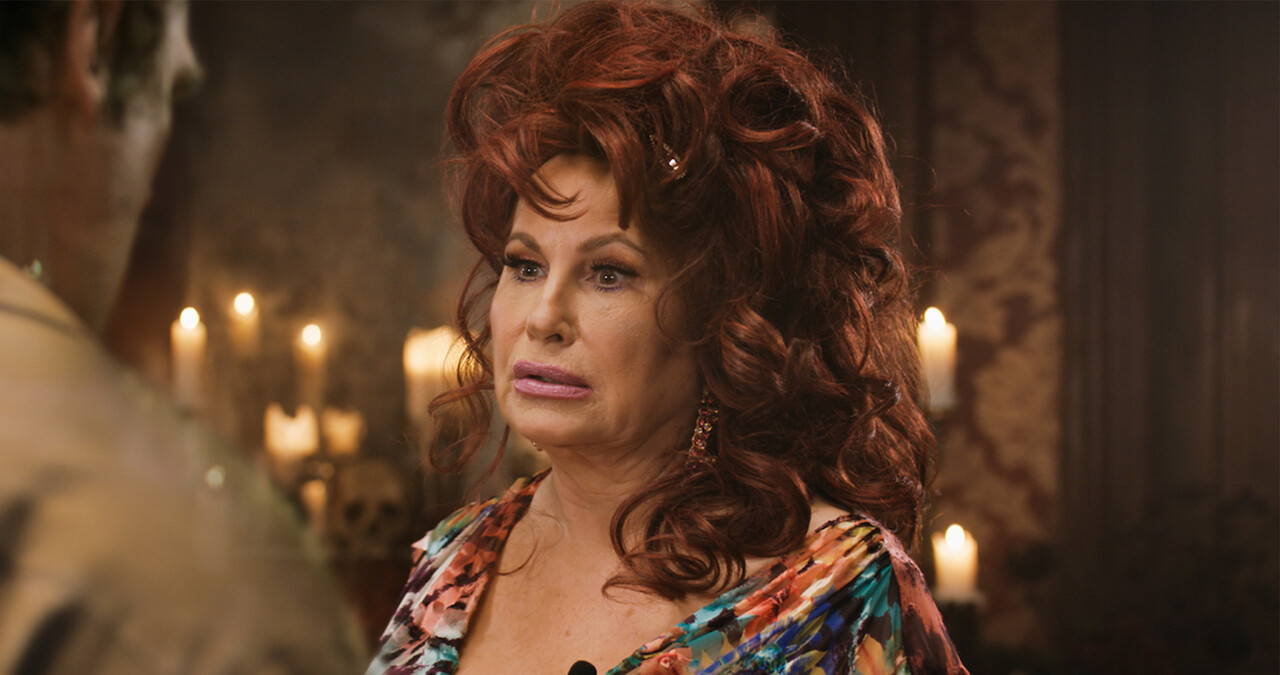
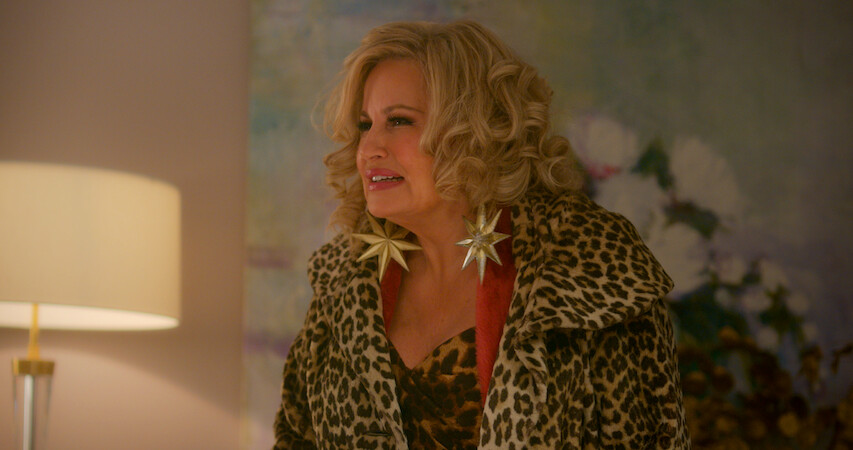
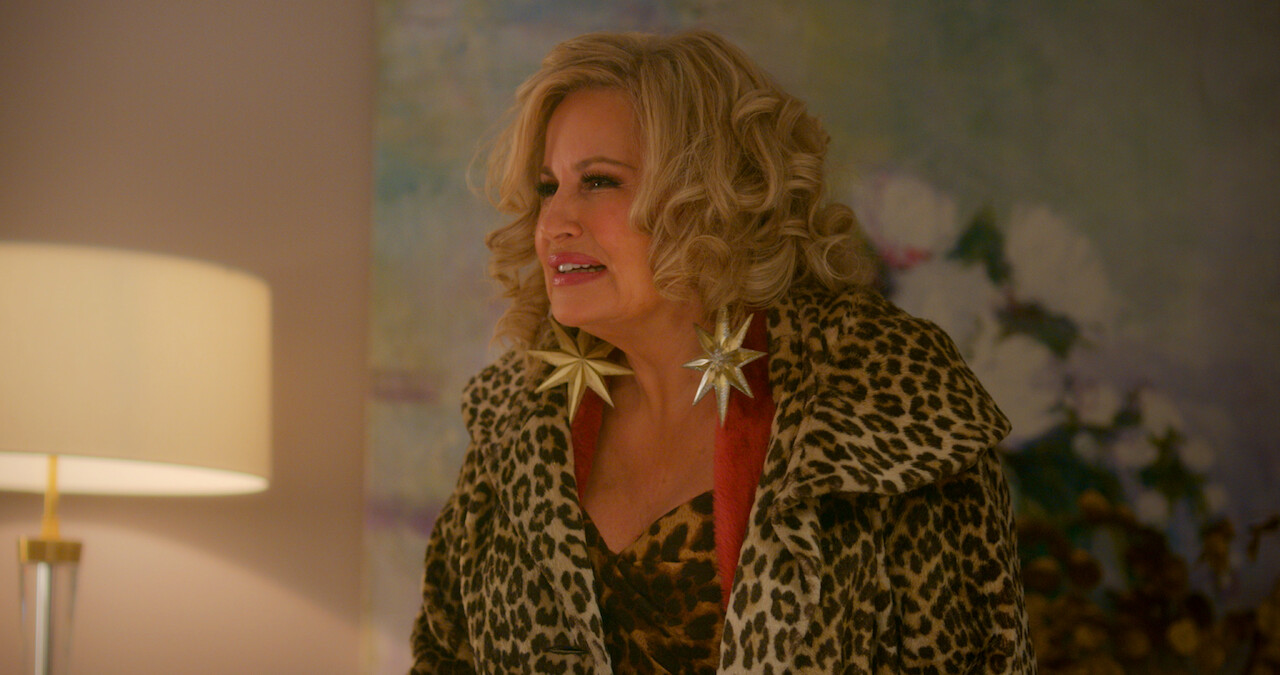
Urie: That’s going to become a reference. That’s when Jennifer Coolidge gets out of the cab.
Chambers: That was so funny. No, mine would definitely be, “From Grindr?” It’s so funny because it’s so pure, and I’m like, “Oh, Jesus.”
Urie: Mine is when I’m getting a series of annoying texts from my boss. I say, “I hate you so much. Flames, flames on the side of my face.” It’s from Clue, which is a queer mainstay. Chad Hodge and I share a love of that movie, as do many homosexuals. Chad reached out to me and was like, “I’m thinking of putting this in there. Do you know what I mean if I say, ‘Flames, flames?’” and I said, “Of course I do.” And then he put it in there in full. Now I get to do this impression of Madeline Kahn from Clue and it’s on Netflix for the rest of my life. It’s so cool.
This interview has been condensed and edited for clarity.