Interview
Charlie Sheen Gets Candid
The actor unpacks the process behind his revealing documentary, aka Charlie Sheen.
May 22, 2026
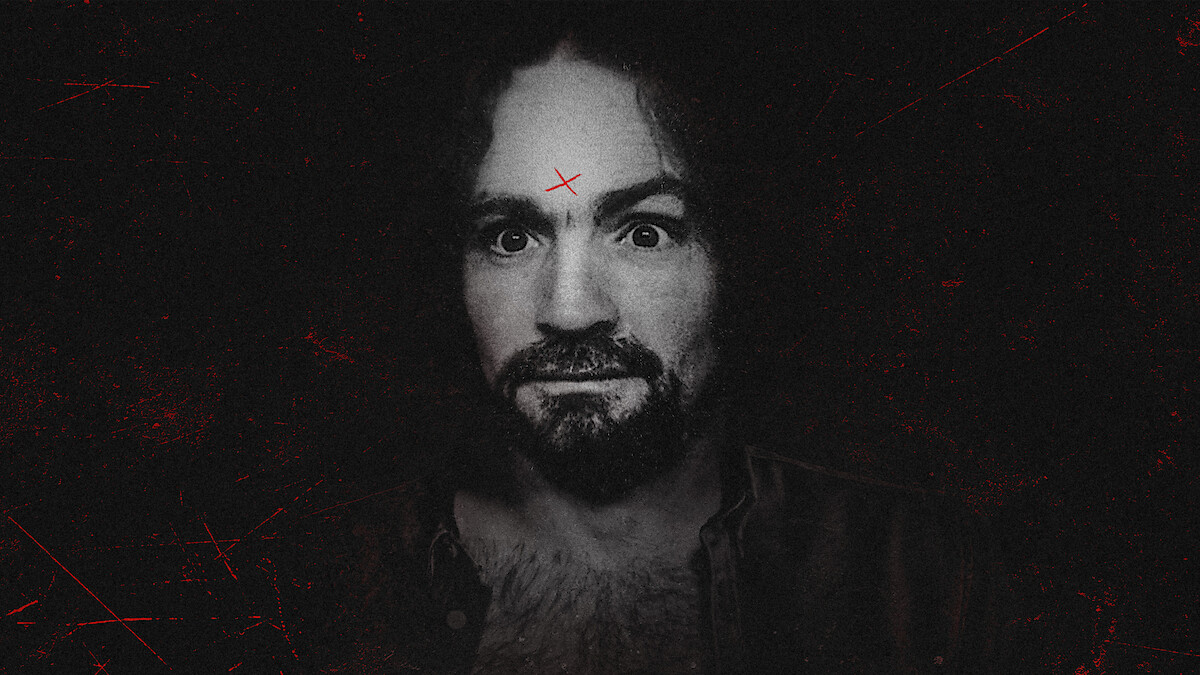
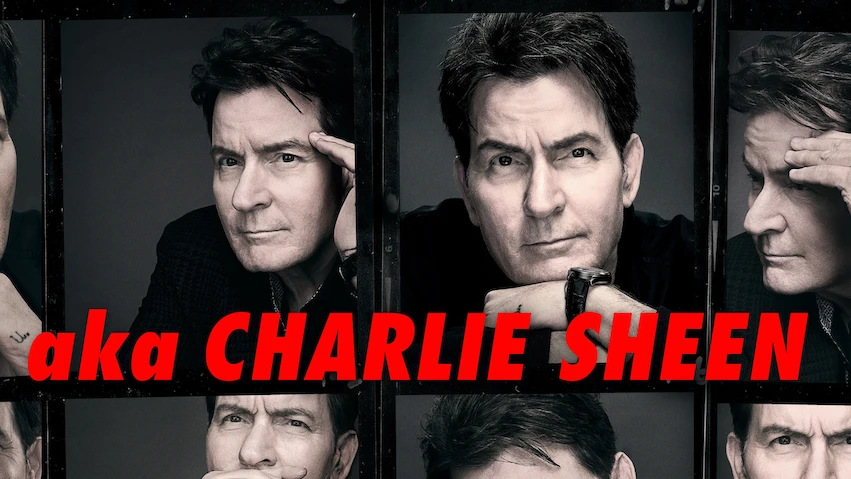
For decades, the messiest details of Charlie Sheen’s life have been splashed across tabloids, dissected on TV news, and memed into infinity. Alongside blockbuster roles in films like Platoon and Wall Street and his moment as the highest-paid actor on television came a steady stream of scandals, culminating in a 2011 unraveling the world couldn’t look away from. But the real story, the one behind the chaos, remained untold. In aka Charlie Sheen, director Andrew Renzi’s two-part documentary, the actor finally tells it himself — and holds nothing back.
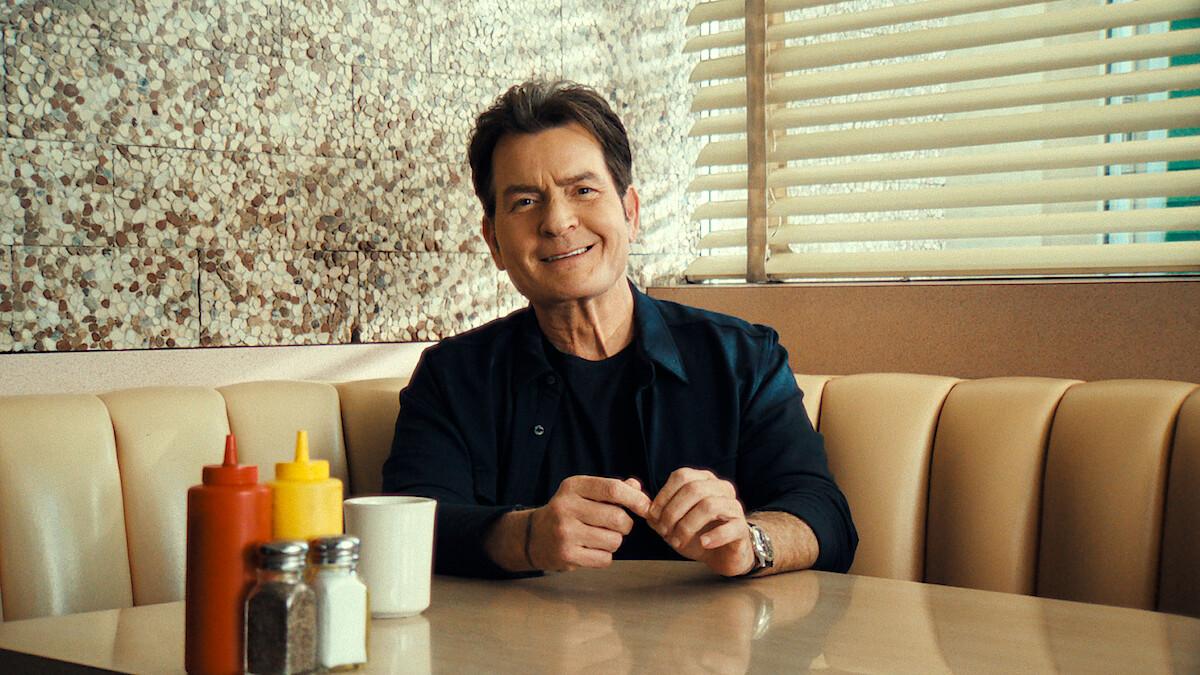
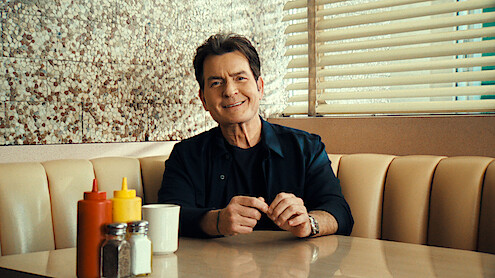
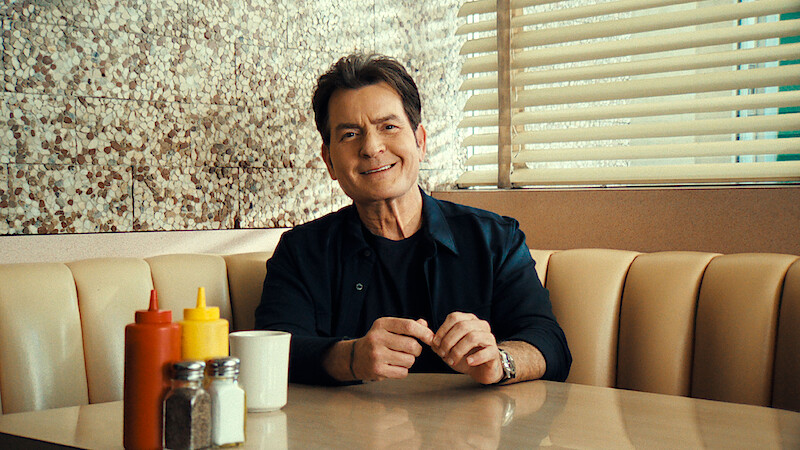
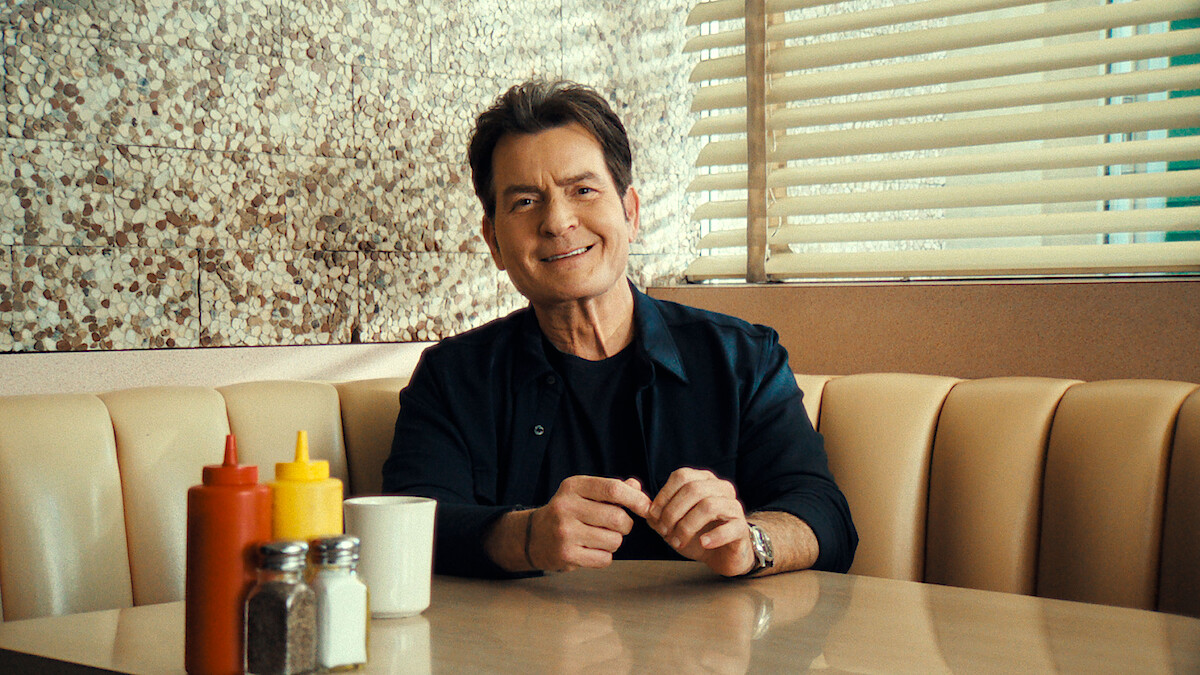
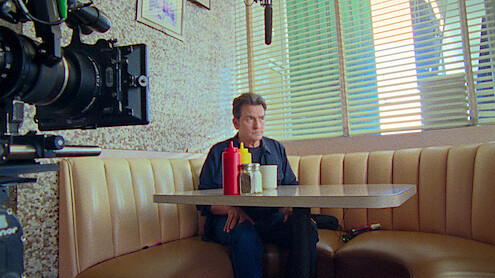
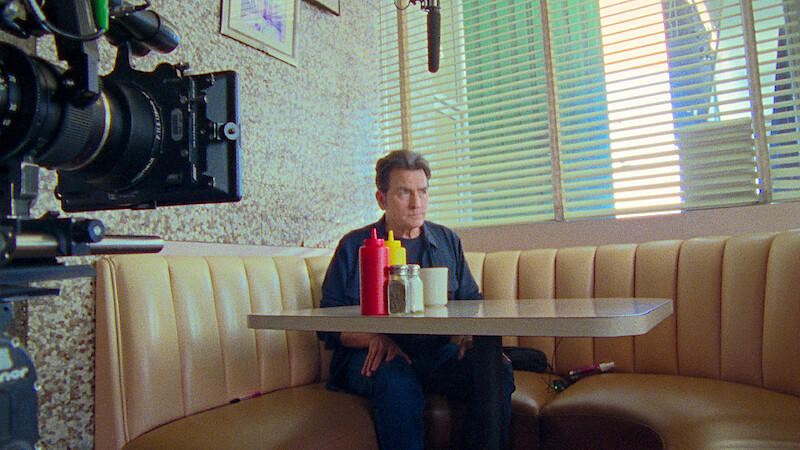
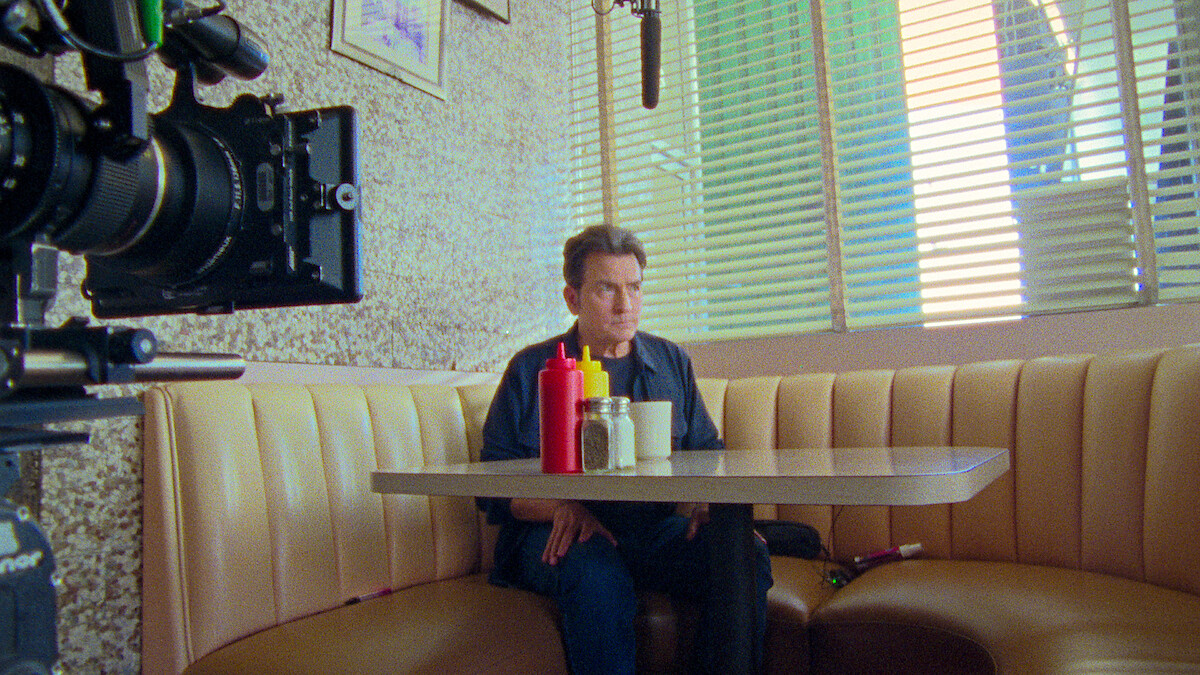
Though packed with wild revelations and painful reckonings, the documentary is neither a greatest-hits reel of bad behavior nor a redemption tour. It traces Sheen’s trajectory from Malibu childhood to Hollywood stardom to the drug- and alcohol-fueled spirals that nearly took him down for good. Family, friends, ex-wives, his former drug dealer, and even media personality and former “Hollywood Madam” Heidi Fleiss all weigh in, but at the heart of the documentary is Sheen himself, sitting in a booth at Chips, a classic Southern California diner. Eight years sober, he speaks candidly about his career, his battle with addiction, living with HIV, his relationship with his family, and the parts of his story he’d never shared publicly before.
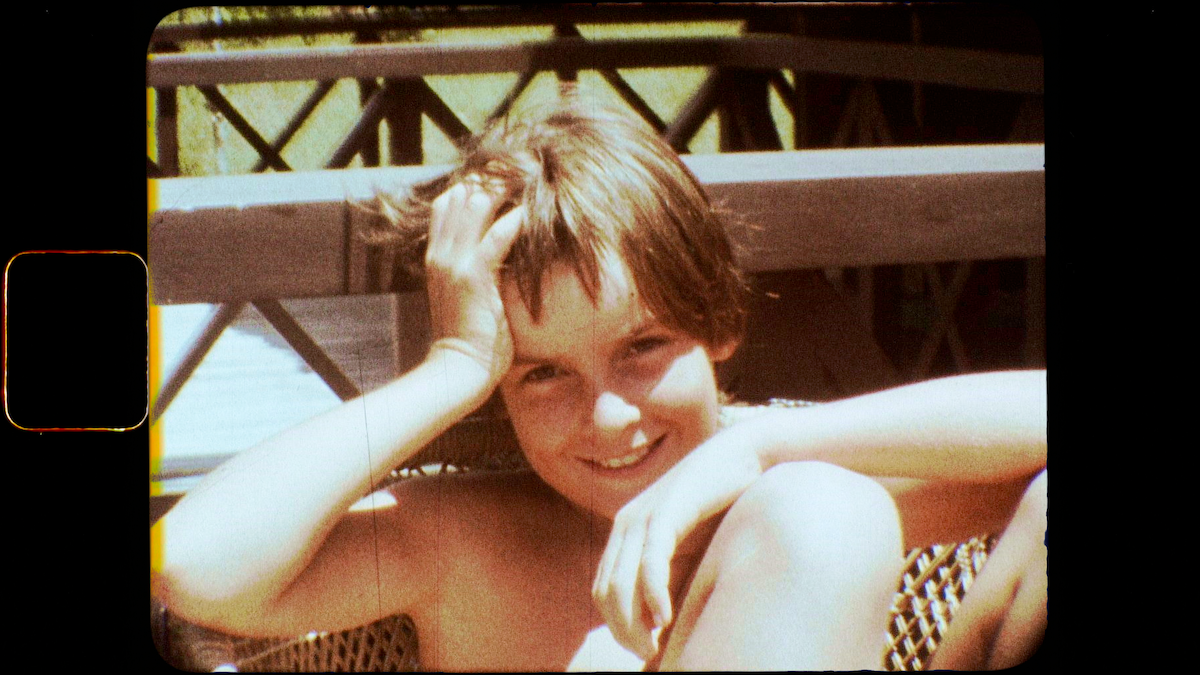
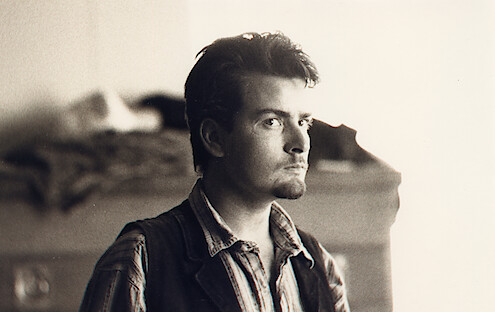
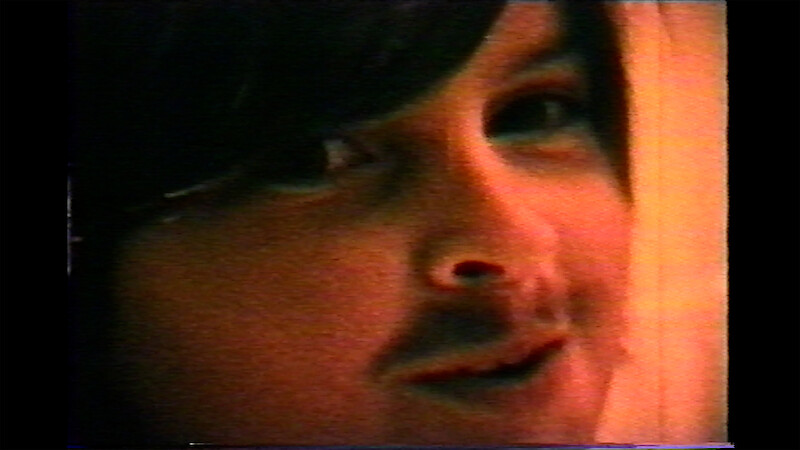
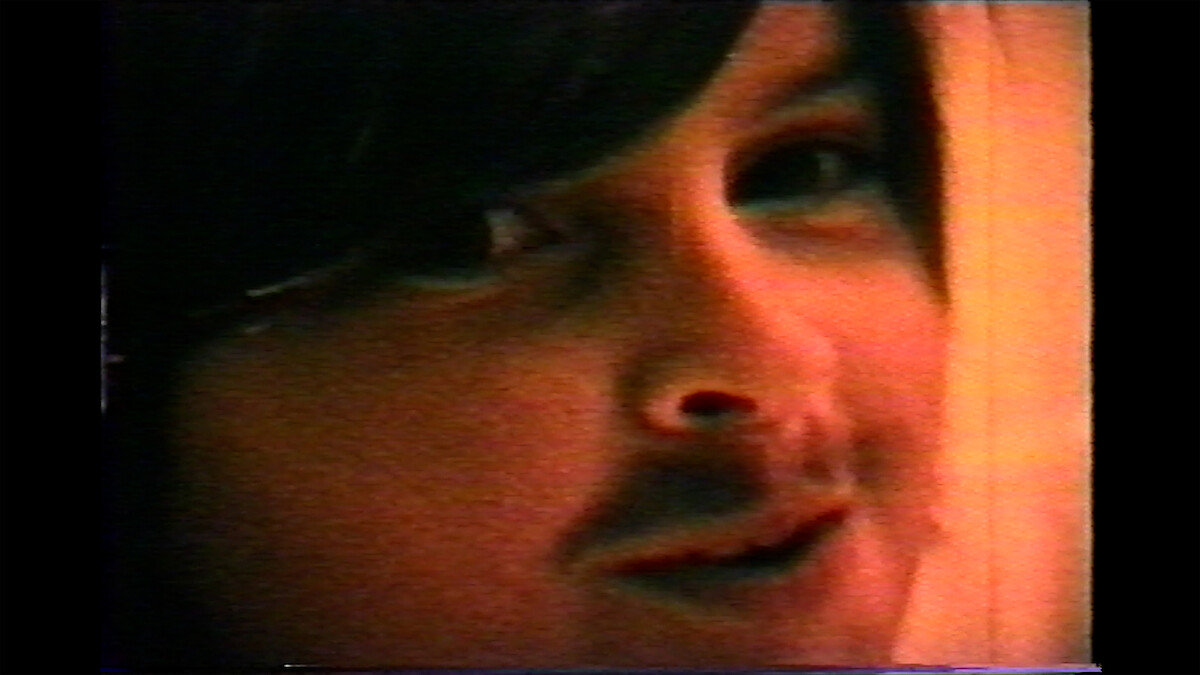
Director Andrew Renzi features never-before-seen Super 8 footage from Sheen’s childhood throughout the documentary.
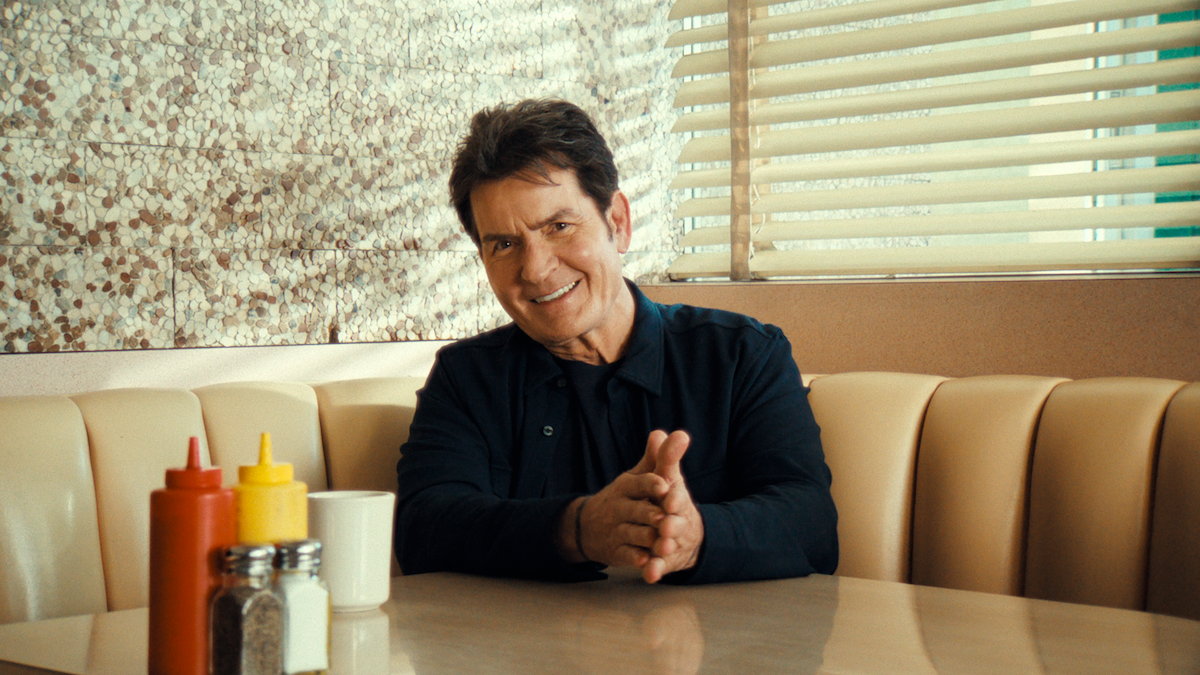
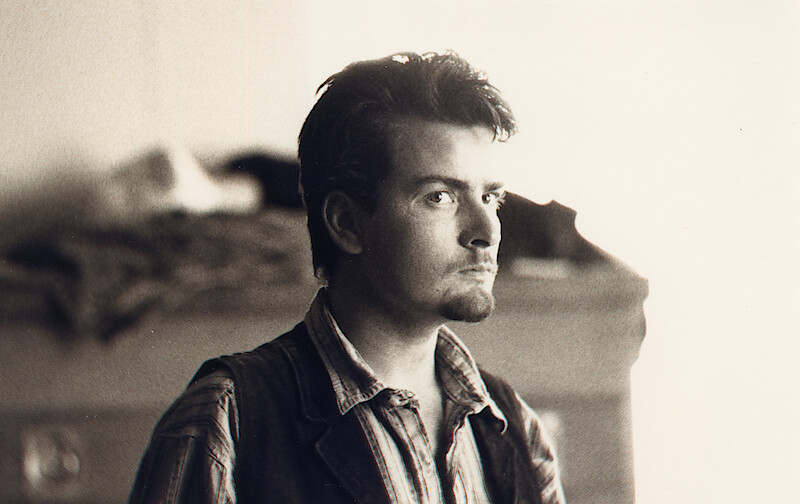
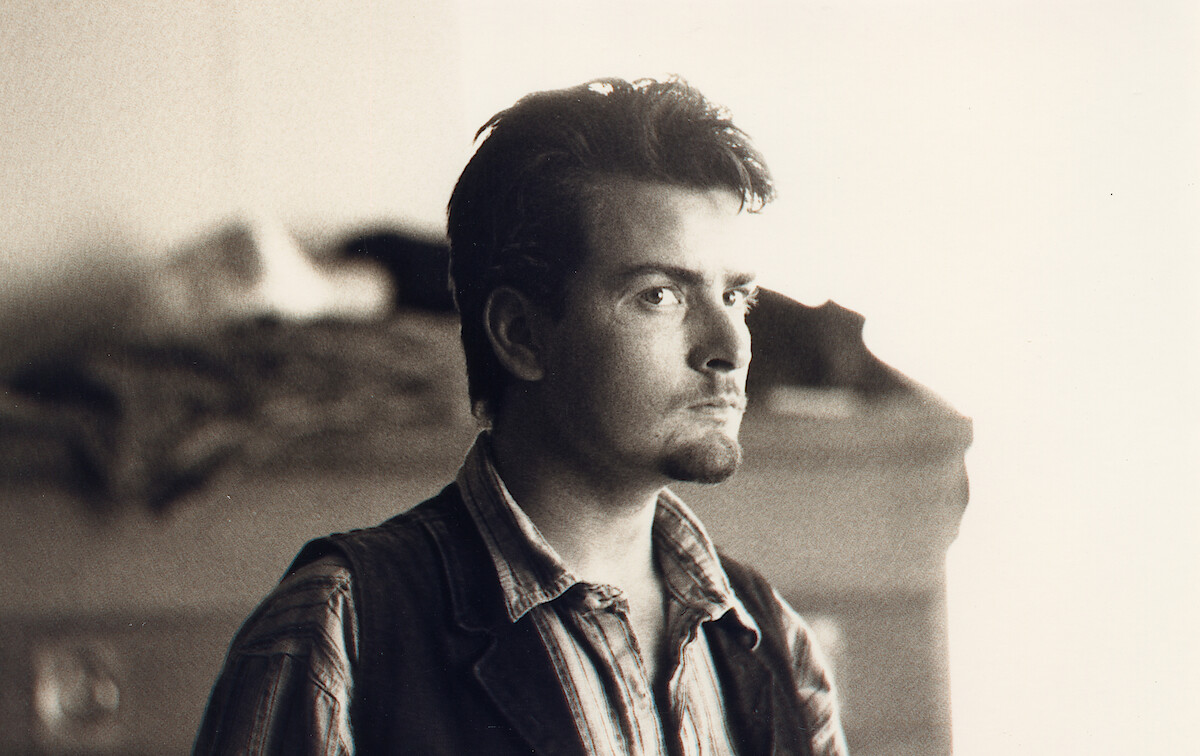
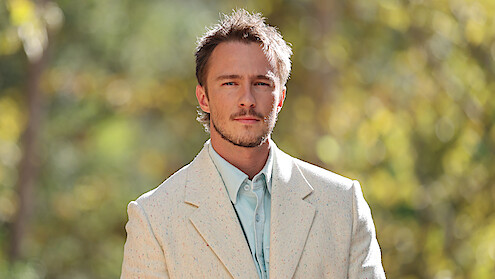
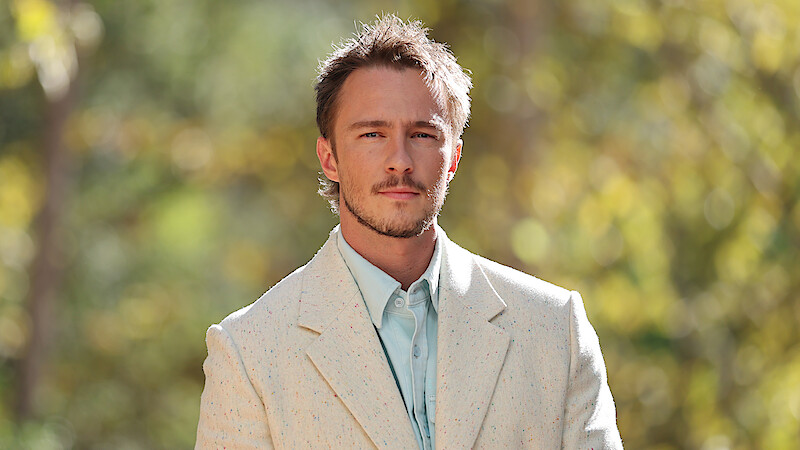
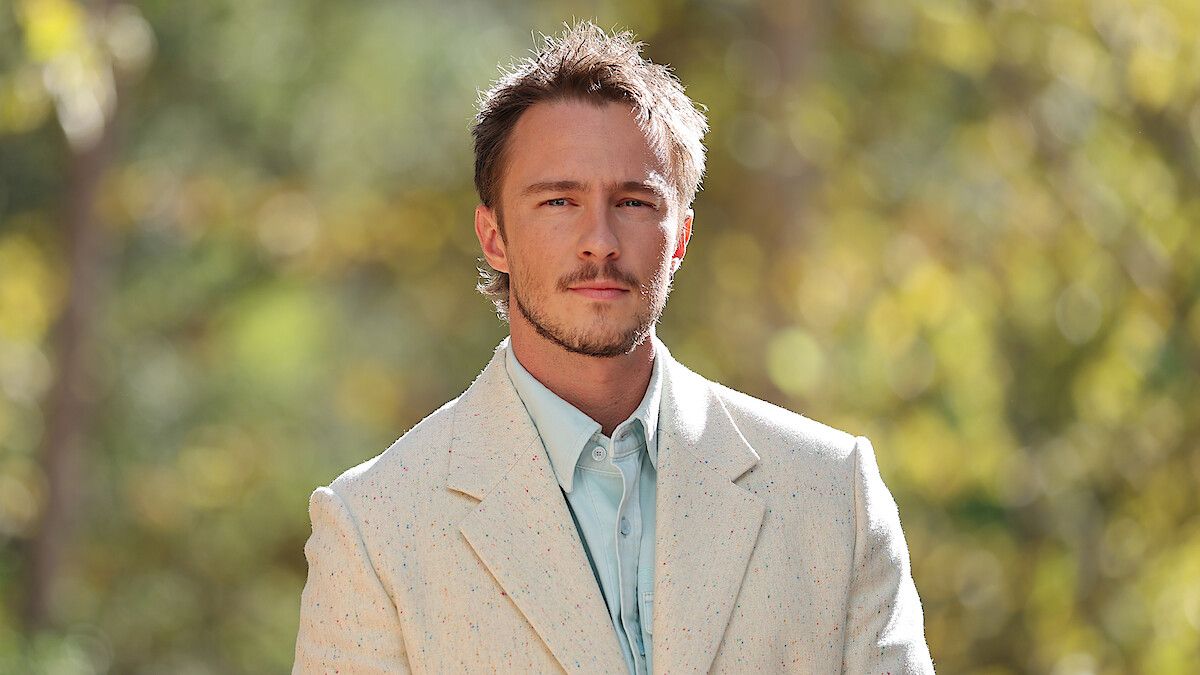
Charlie Sheen, present day.
“This wasn’t a giant mea culpa,” Sheen says. “These are the areas where everybody’s been radically misinformed for so long that now I get an opportunity to deliver the stories as they happened, [in the] first person.”
Getting there wasn’t easy. Sheen was hesitant to take part in the project at first and Renzi spent about eight months building a relationship with him before cameras ever rolled. “The way we got over that was a shared interest in telling a story about a drug addict,” Renzi says. “Charlie Sheen is probably the most legendary drug addict in Hollywood history. He is miraculously still alive and he turned his life around. I was very drawn to that.”
Sheen says that as he got to know Renzi, “We found each other to be wonderfully, mutually flawed human beings, guys that embrace their battle scars.” And he began to see the documentary as an opportunity to put his past on the shelf and usher in a new chapter. “On the doorstep of act three of my life, my career, whatever’s supposed to happen next, I could park all this shit.”
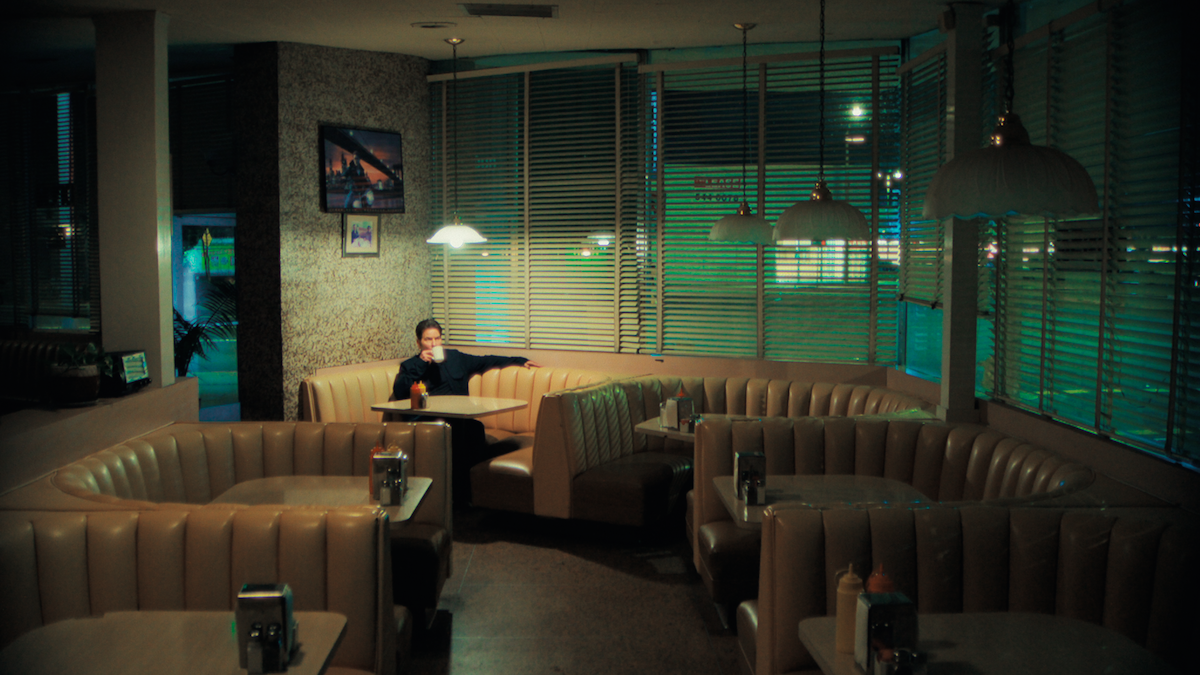
The diner where Charlie Sheen filmed interviews with Director, Andrew Renzi.
Once they were both ready, Renzi set up the filmed interviews as marathon sessions — three 12-hour days at the diner — to break through the surface. “I wanted to get Charlie to a place where he wasn’t just thinking about the shared history he has with the audience, but also his own [personal] history,” he says.
Notably, Sheen had no say in the final cut of the two-part documentary. “I knew it was important to not be a producer on the film,” the Two and a Half Men star says. “It creates the vibe that people might [read] as protected or inauthentic or controlled.” Letting go of that control and embracing the long days brought him into unexpected territory, including his sexuality — something he’d never discussed publicly before shooting the documentary. In the film, Sheen doesn’t label the hypersexuality that he attributes to crack addiction. He uses a metaphor: flipping over a menu to see what’s on the other side. “It would’ve felt inauthentic to omit that stuff, especially with the incredible, semi-unbelievable stories of crack,” he says. “It’s really hard to believe someone went that deep into that world and the other thing didn’t cross over.” Ultimately, talking about those experiences proved to be freeing, he says: “The ceiling didn’t cave in … all the stories we write about the results, our predictions are always off.”
For Renzi, it was one of the documentary’s rawest revelations. “It was the most vulnerable thing for him, and I find the way he approached it to be brave and amazing. I am grateful that he trusted me enough to tell this part of his story,” he says.
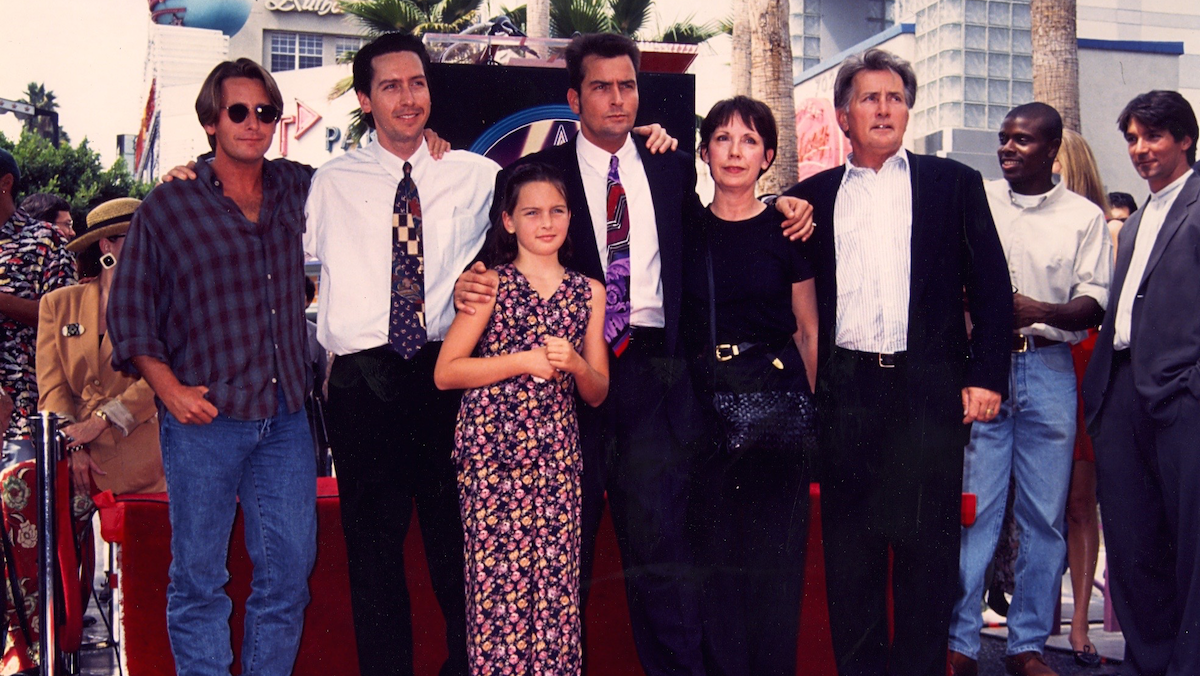
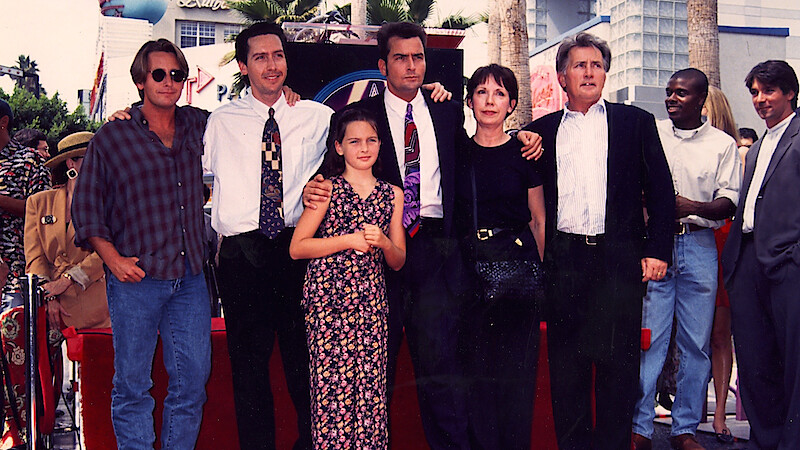
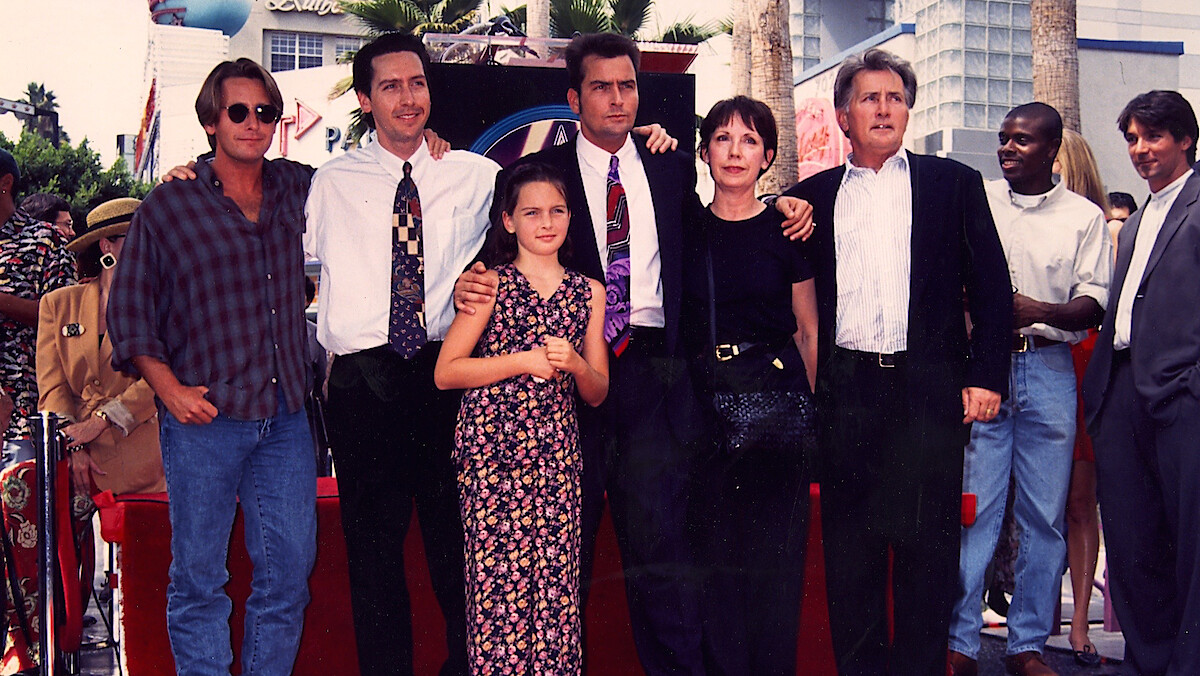
Charlie Sheen in 1994 photographed with family during his induction ceremony to the Hollywood Walk of Fame.
That trust extended to the way the film handles family. Sheen’s father, Martin, and brother Emilio Estevez chose not to participate on camera, but according to Renzi, their support was unwavering. “They wanted to let Charlie have this moment,” Renzi says. “But I imagined it would be very painful for them to revisit some of this.”
Still, Sheen’s father’s presence looms large in the film. The documentary explores the elder Sheen’s struggle with addiction during the filming of Apocalypse Now, which Charlie witnessed firsthand — and foreshadowed his own battles to come. Footage from films they appeared in together, like Wall Street and Cadence, parallels their offscreen dynamic: tough love from a father who never gave up on his son. “There is not a father-and-son duo in the history of entertainment who have shared the screen [like] Charlie and Martin have,” Renzi says. “It felt meta. They were living this journey together while taking on roles that told this story.”
In the documentary, Charlie expresses a quiet hope that his father “sees some of this as the love letter to him that it is.” When Martin Sheen finally saw the film, that hope was confirmed. “Dad said, ‘I’m already in it. I’d rather see that younger, handsome version of myself than old-guy me in the now,’” Charlie says. “He was grateful. He felt really celebrated.”
Since the documentary came out, Sheen says his relationship to it has transformed. Releasing it was like “hitting the most epic version of send with that giant whoosh out to the universe. There’s finality about that.” And with that came tremendous relief: “I went from being on my heels to on my toes.”

Charilie Sheen hugging daughter, Lola Rose Sheen, in “Aka Charlie Sheen.”
Renzi sees something universal in Sheen’s story. “I hope people see that the sum of our parts is better than the individual pieces that exist in all of us,” he says. “Charlie is the perfect indication of that.”
When Sheen takes stock of everything aka Charlie Sheen unearths, he’s struck by a question he says he could never neatly answer: “What were you trying to prove?” For years, he never stopped to ask himself. Watching his whole life projected back at him helped clarify what sobriety had already begun to reveal. “I don’t feel like anything’s missing,” he says. “It just is.”