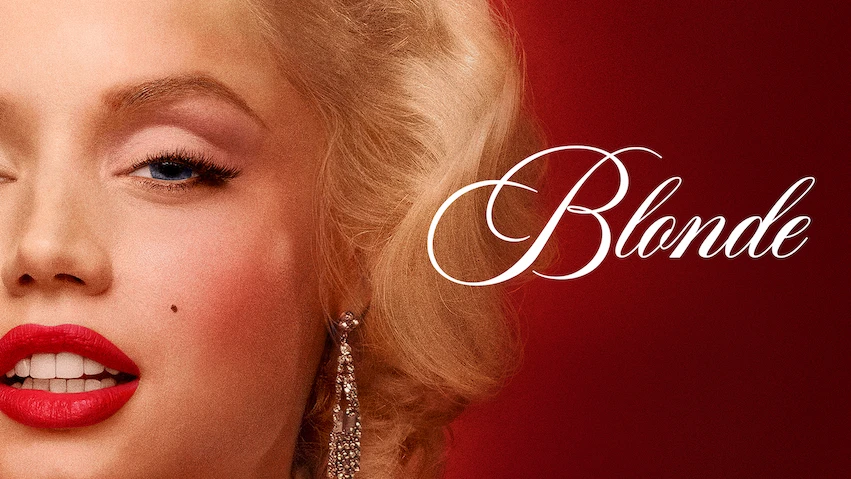
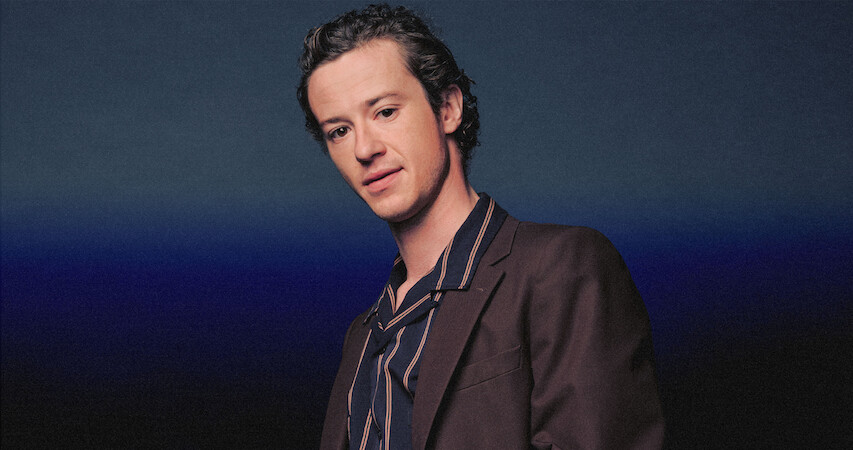
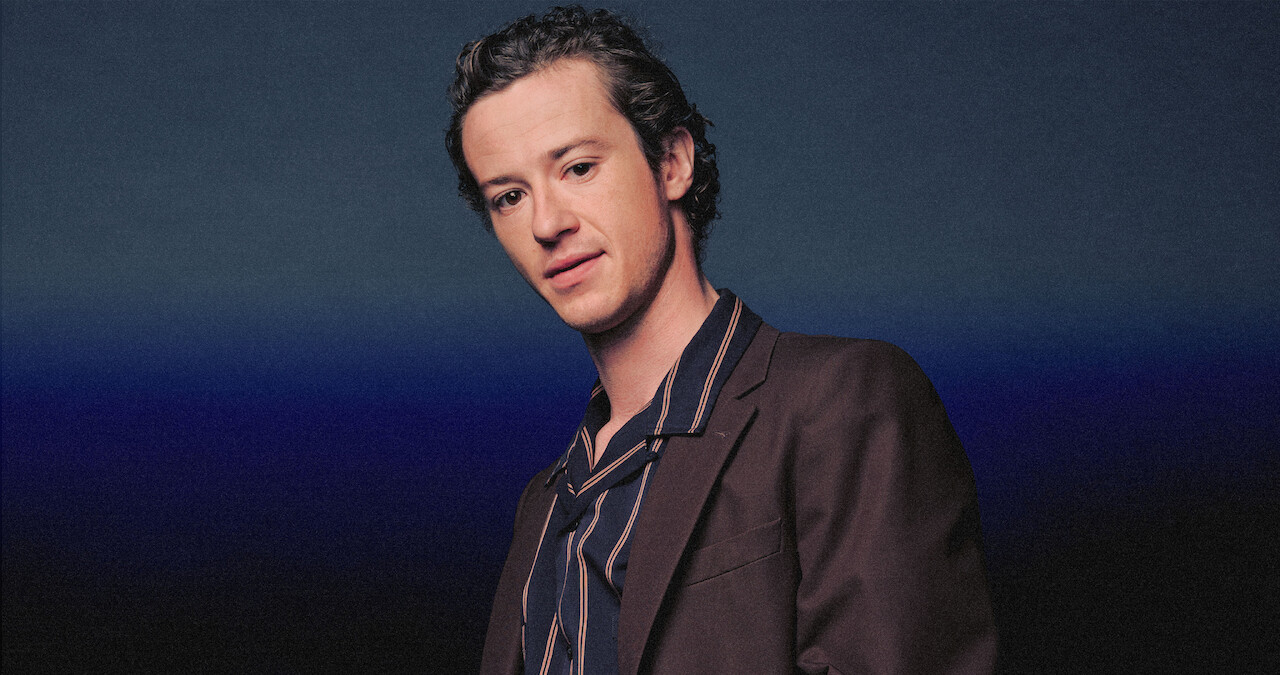
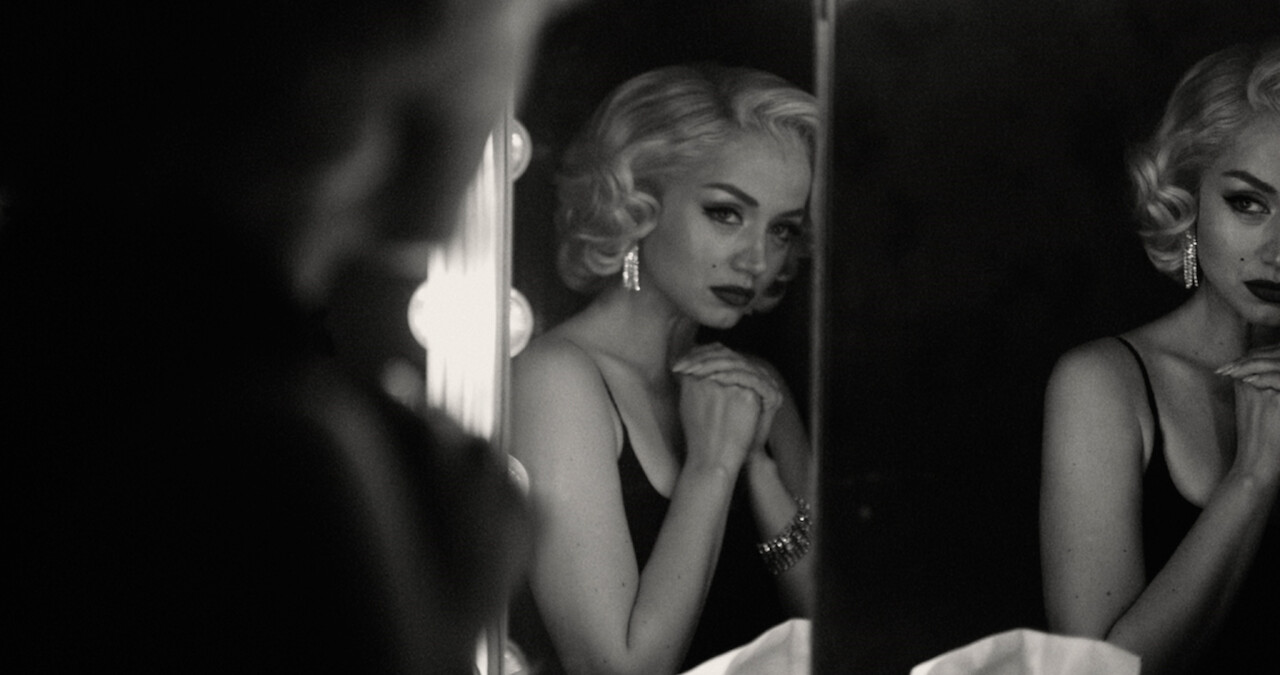
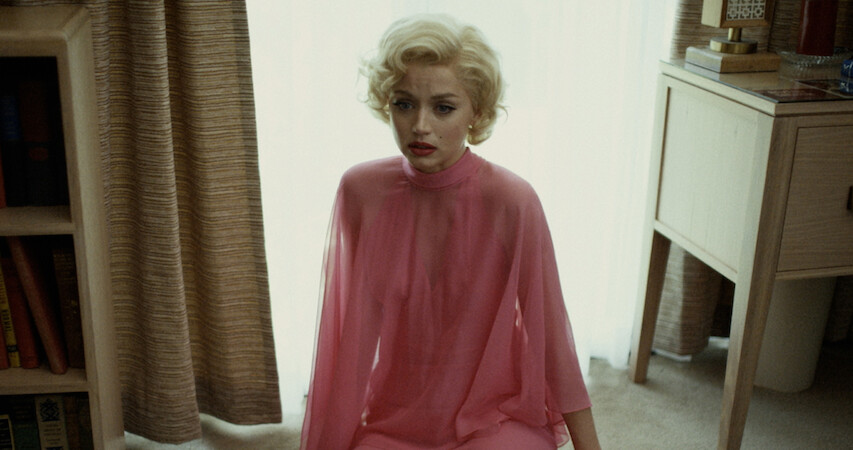
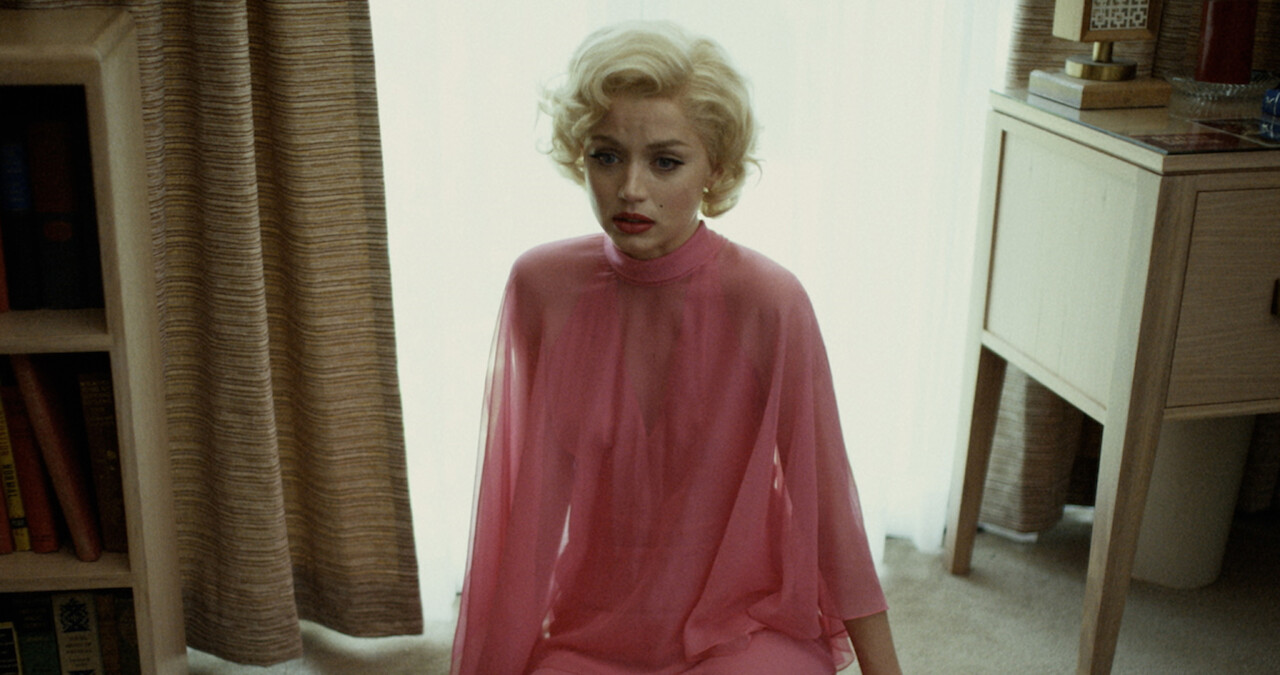
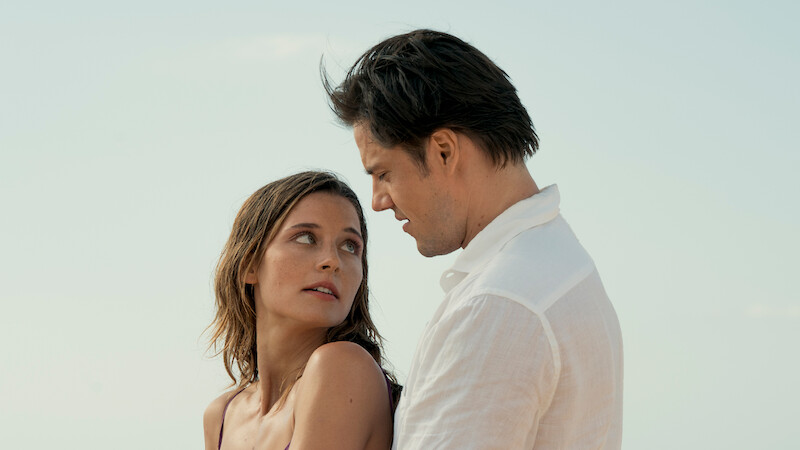
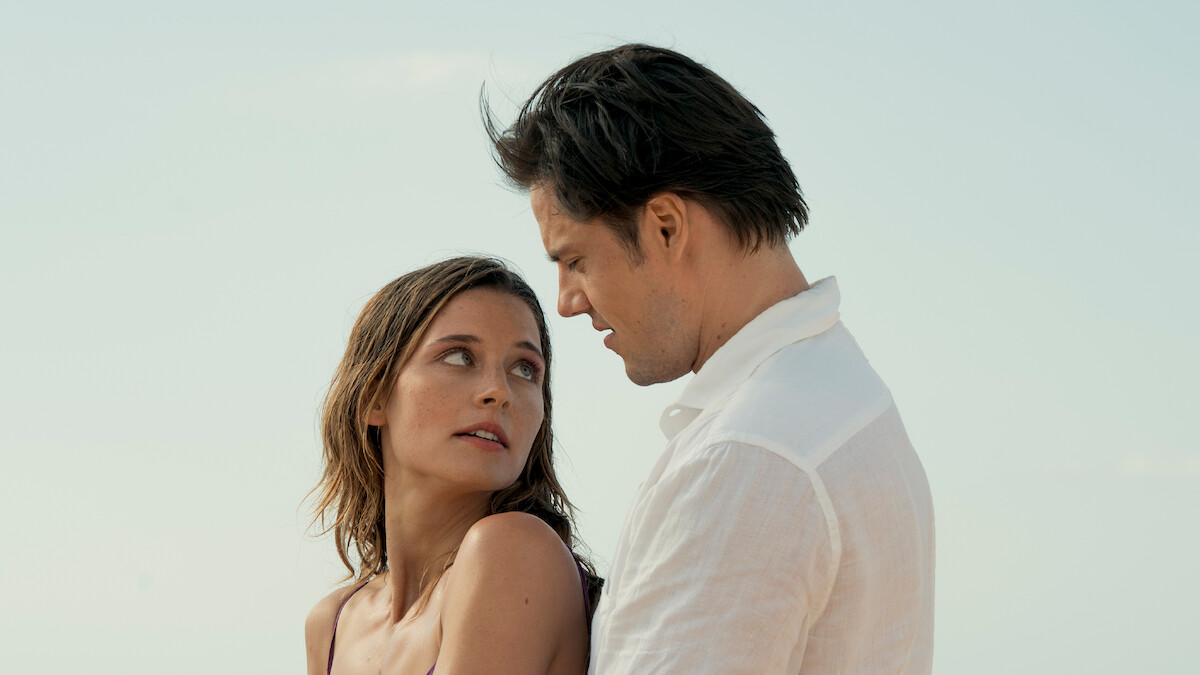
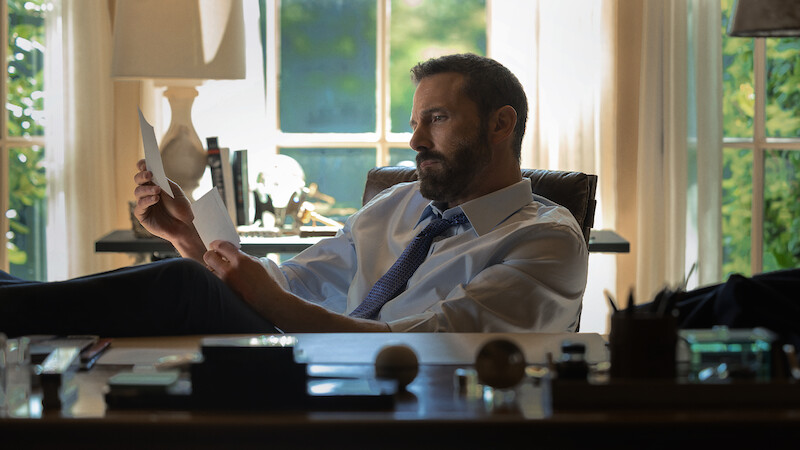
It’s not that director Andrew Dominik refutes Marilyn Monroe’s provocative legacy or denies that he holds her sexuality under a microscope in his upcoming Netflix film, Blonde. And he doesn’t dispute the NC-17 rating it received. He just wants viewers to understand that his movie earned the classification for being something other than racy or pornographic.
“I think that audiences have been misled a little bit as to how salacious and difficult the film’s going to be,” he says of the rating. “I think the film is remarkably unsexual.”
It’s an unlikely angle for a filmmaker to take when approaching an icon like Marilyn Monroe, but for Dominik, that was his whole point. “People are actually fine with exploitative presentations of sex in ways that are designed to titillate. People are not fine with displaying trauma or vulnerability or any kind of dissociation from situations, which I find very strange.”
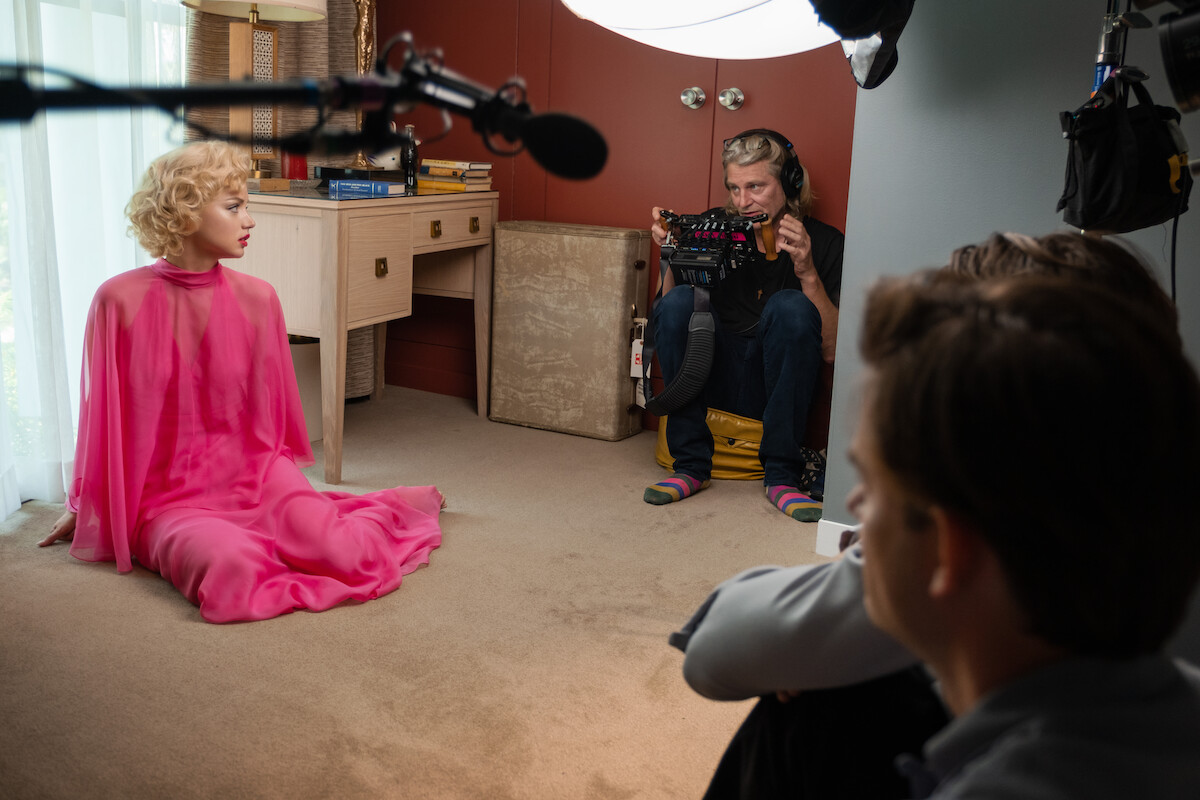
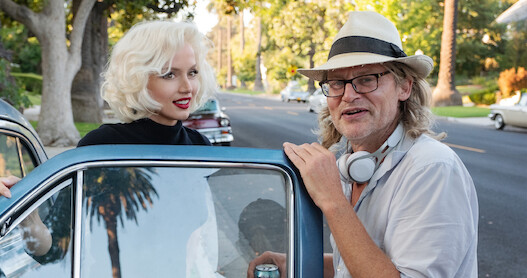
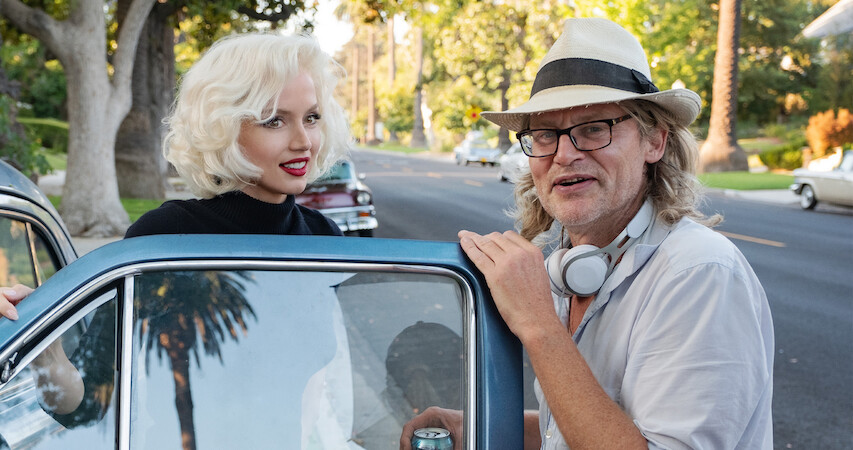
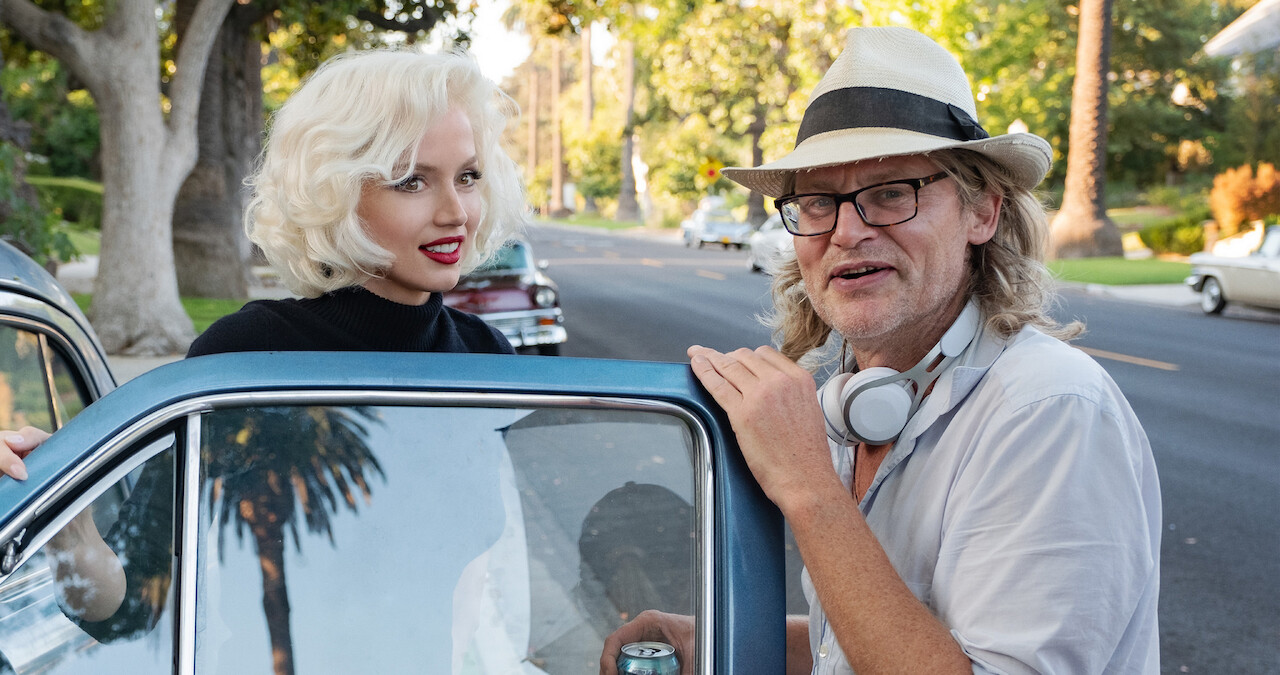
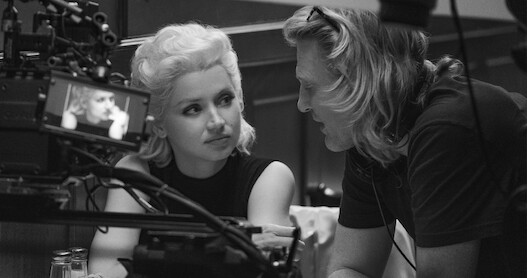
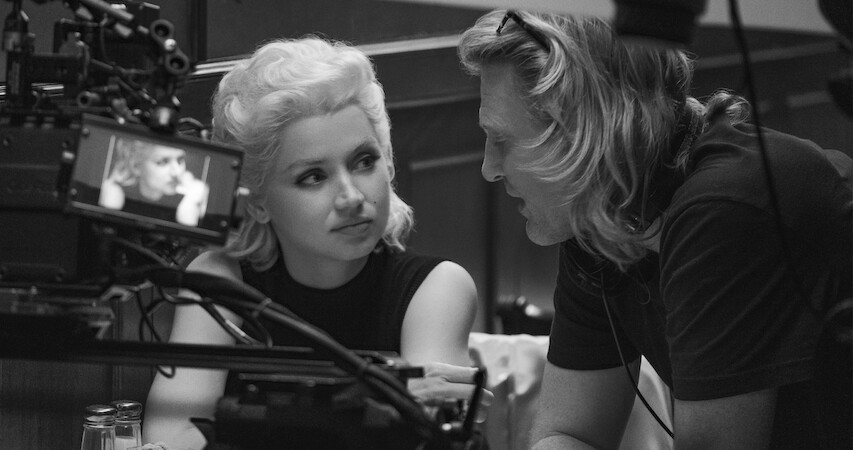
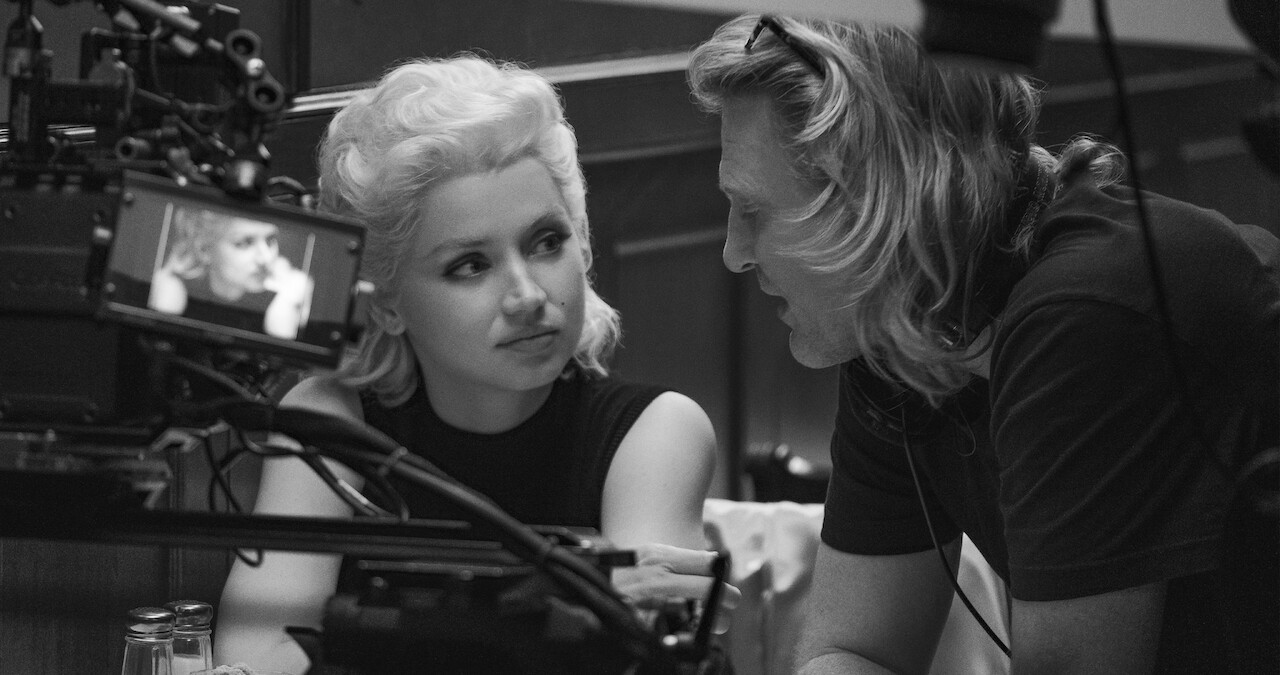
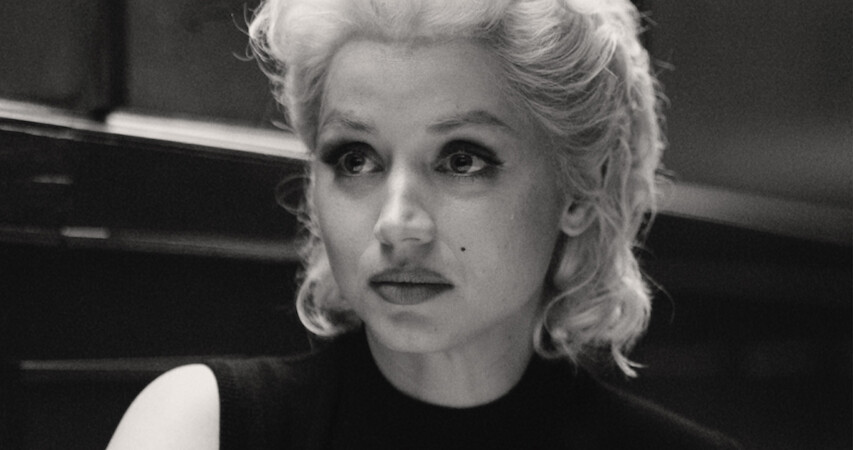
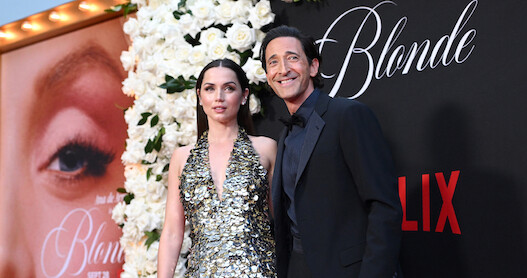
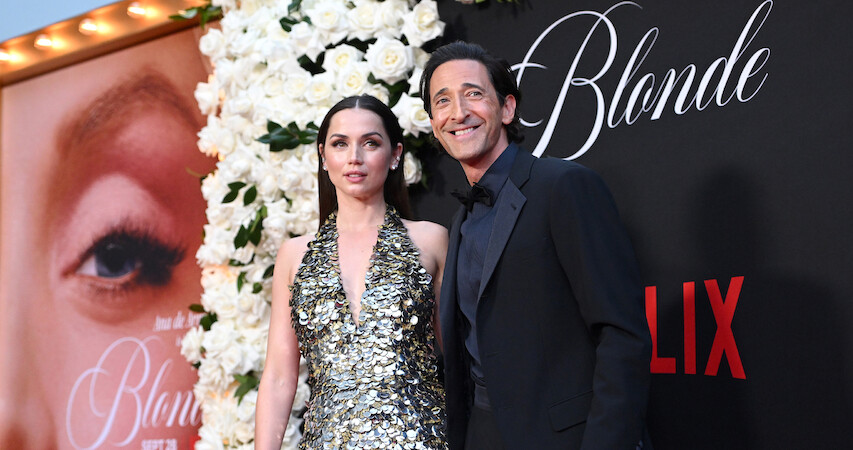
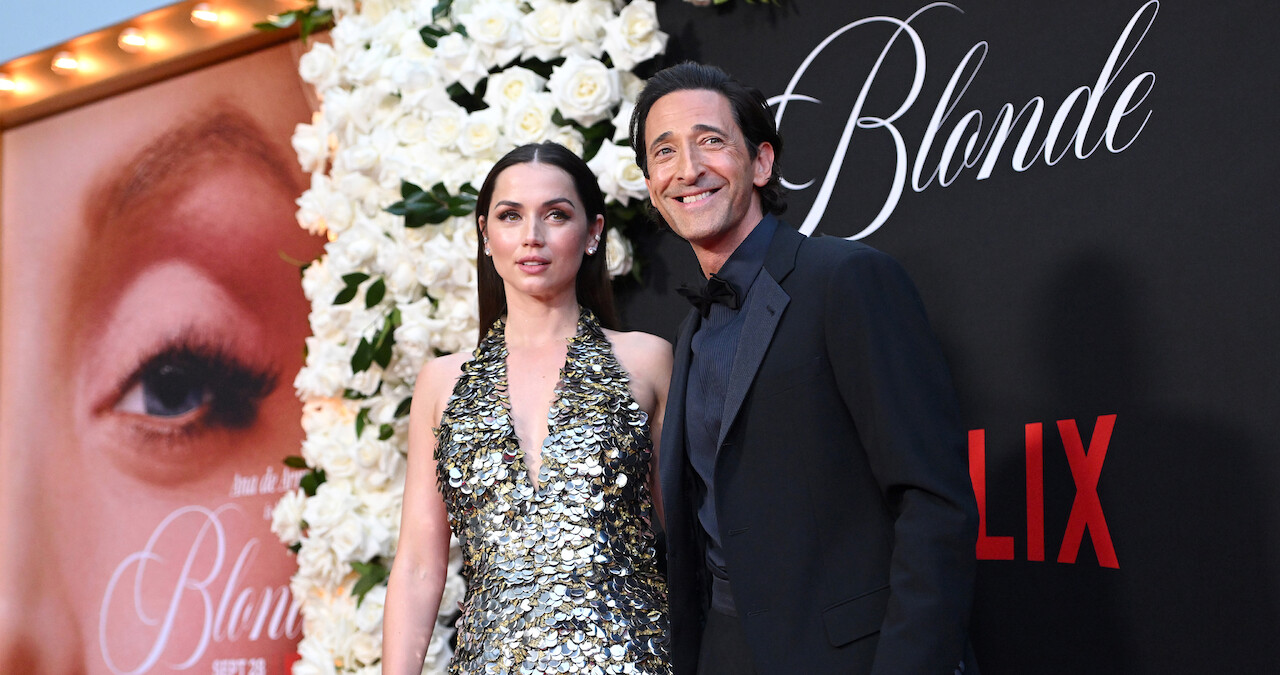
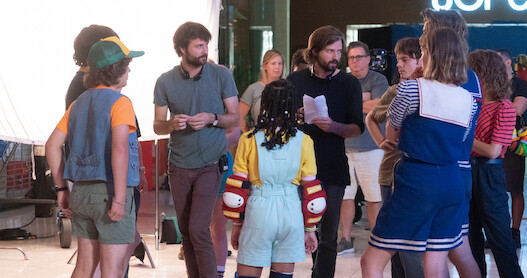
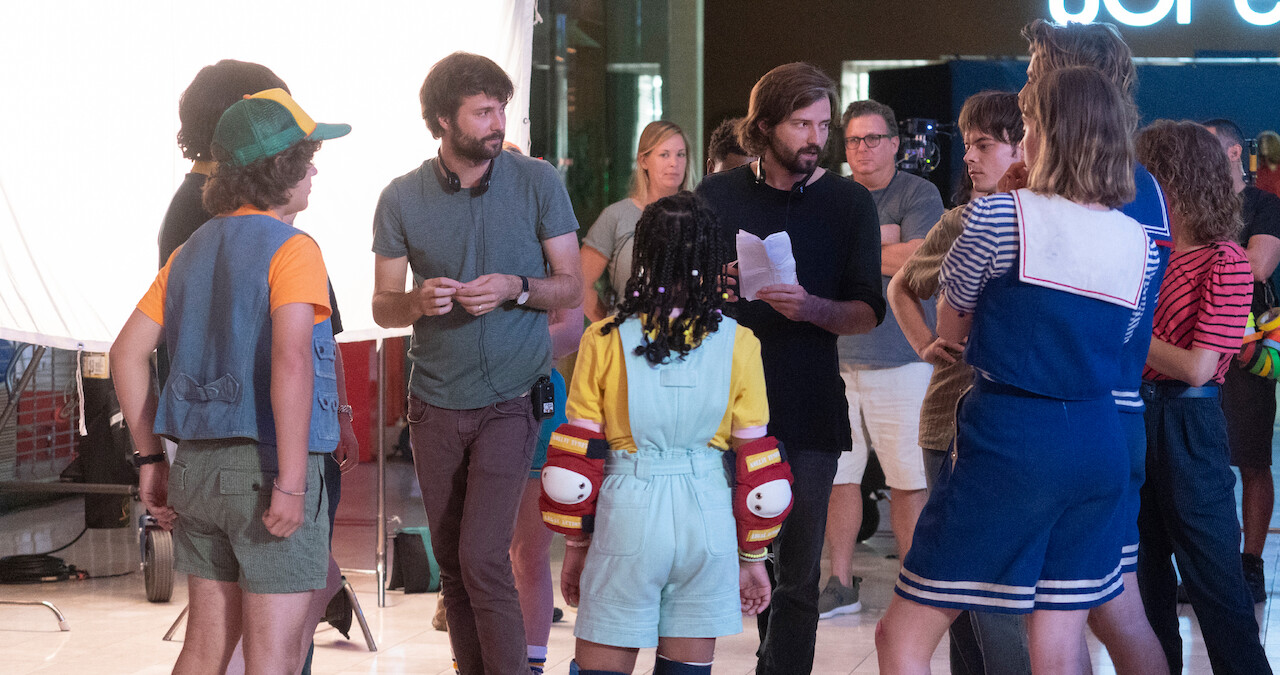
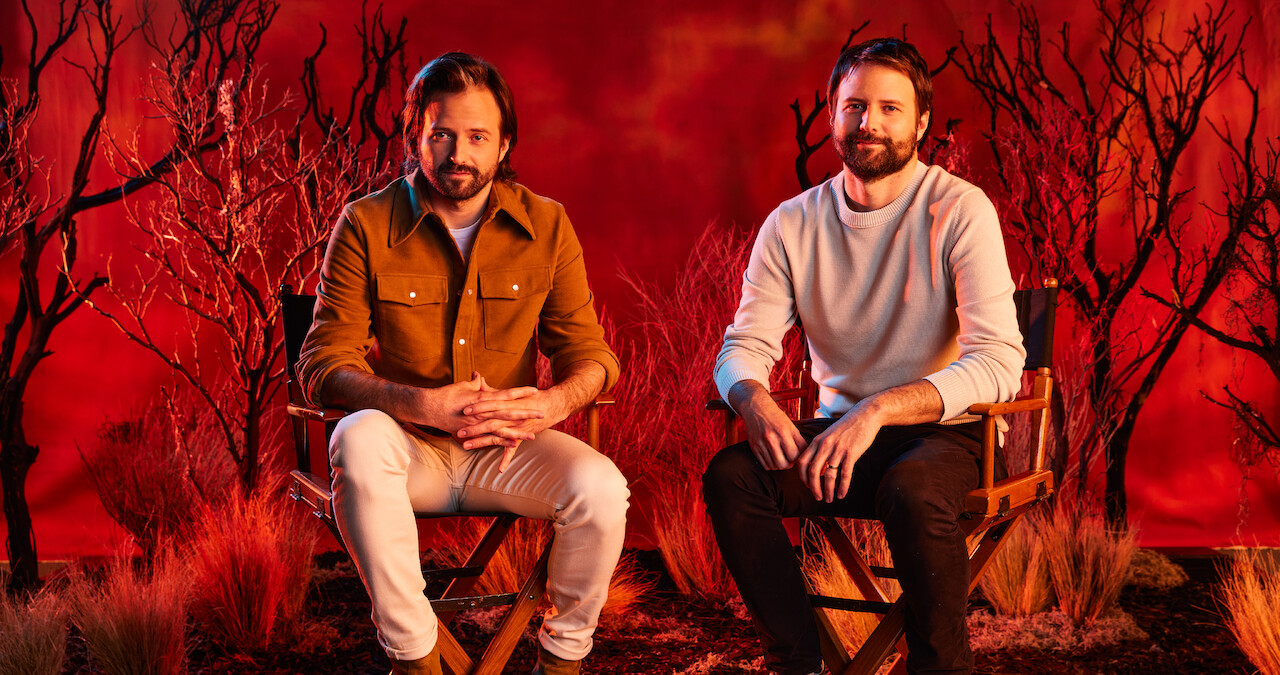
Andrew Dominik (center) worked closely with Ana de Armas to capture Marilyn Monroe’s life.
In fact, throughout the process of making his film, Dominik and actor Ana de Armas (Marilyn) trace the proliferation of moments in Monroe’s life — many of which were well documented and released for public consumption — when she was stripped of any sexual agency or fulfillment. This was always in the interest of others and unfailingly to the detriment of her mental health.
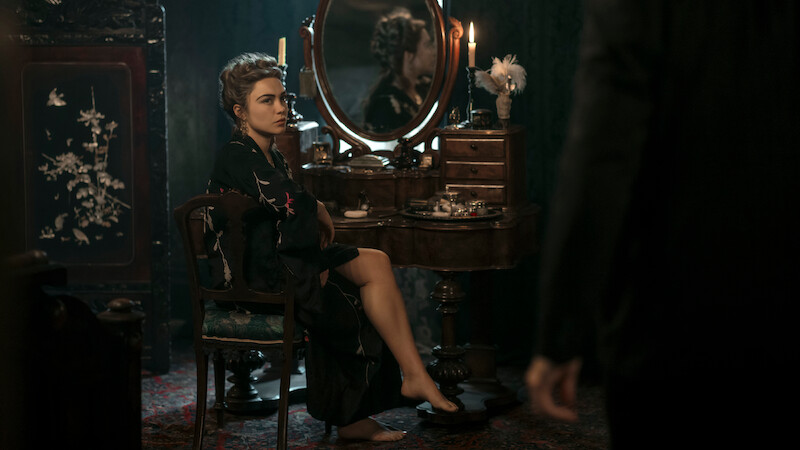
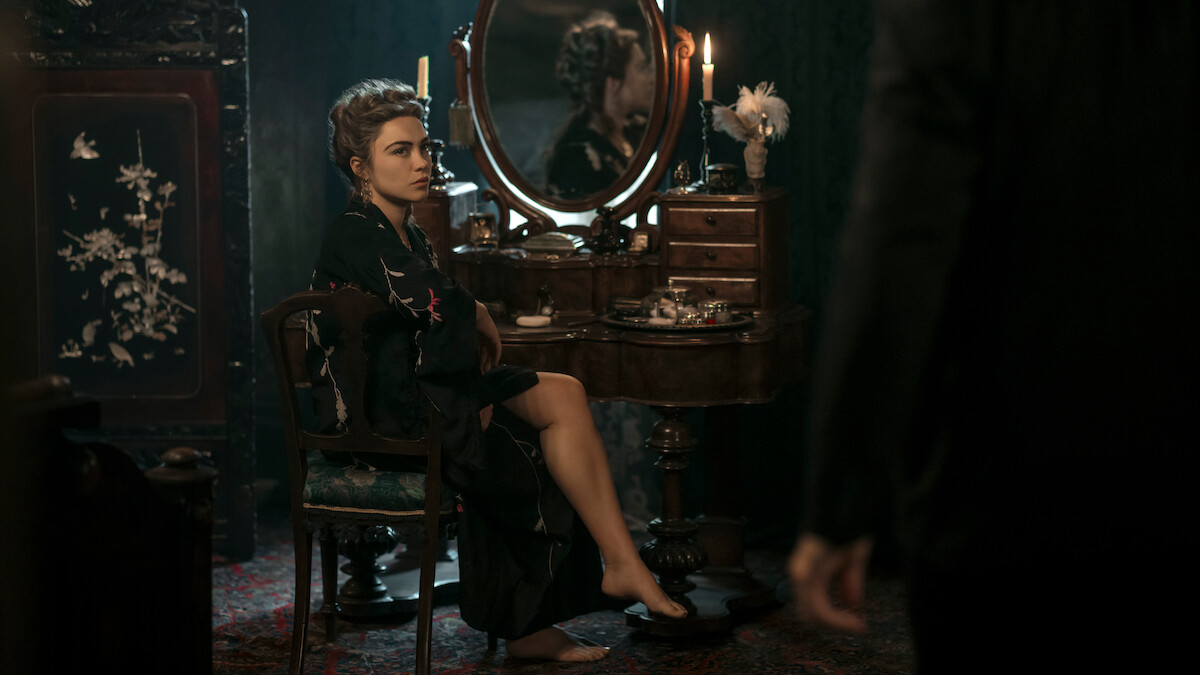
“Obviously, the movie is dealing with a lot of sexual situations, but they’re almost completely desire-free from [Marilyn’s] side. And they’re generally uncomfortable and unpleasant. That’s what you get when you make a film about the sex symbol. And that’s the thing that upsets people.”
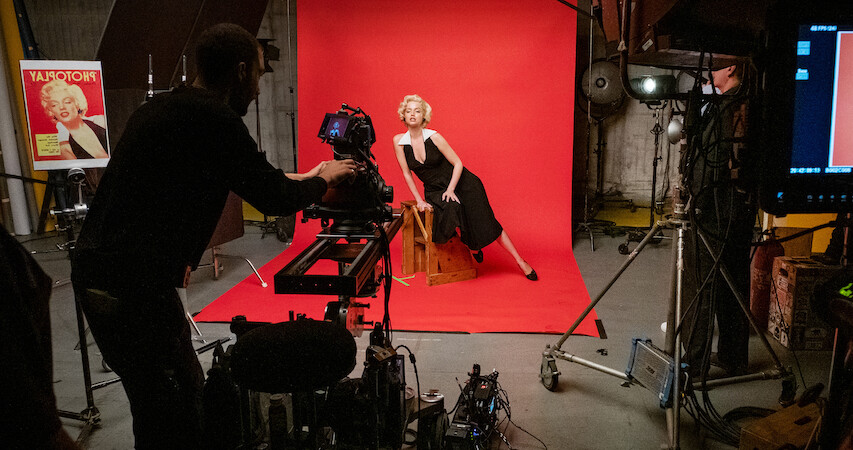
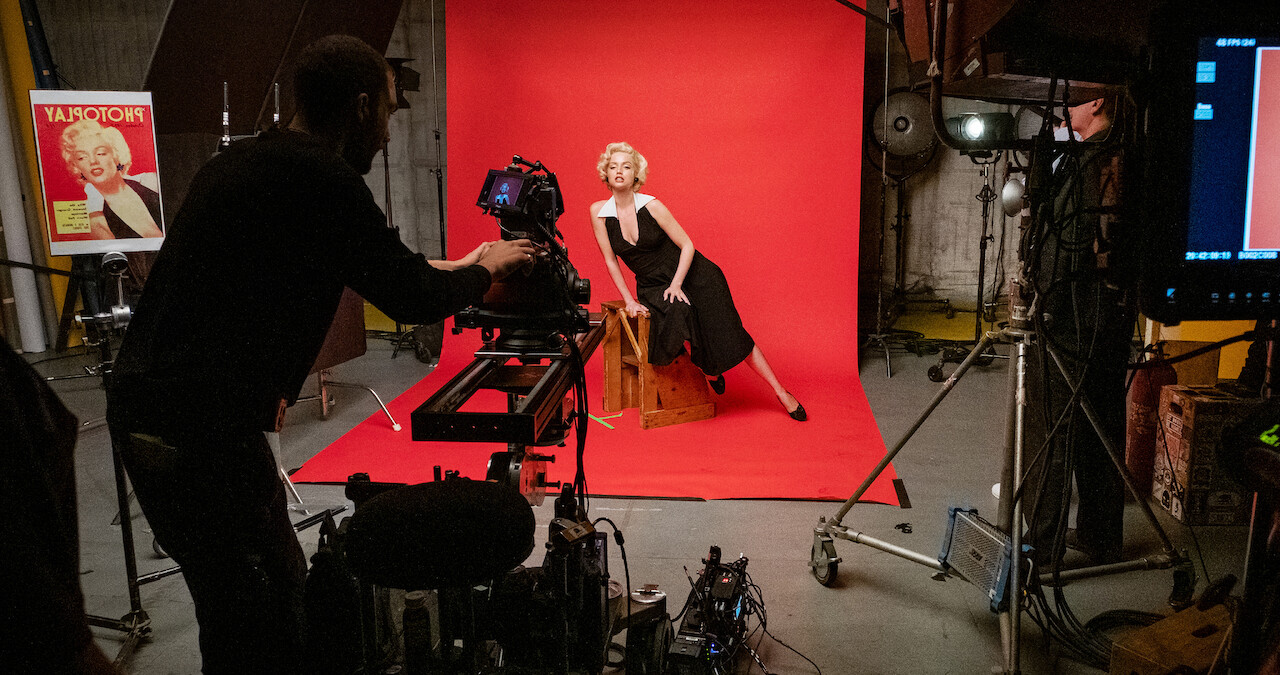
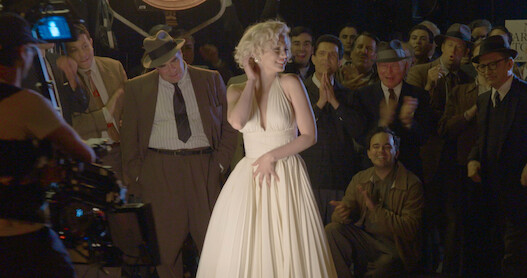
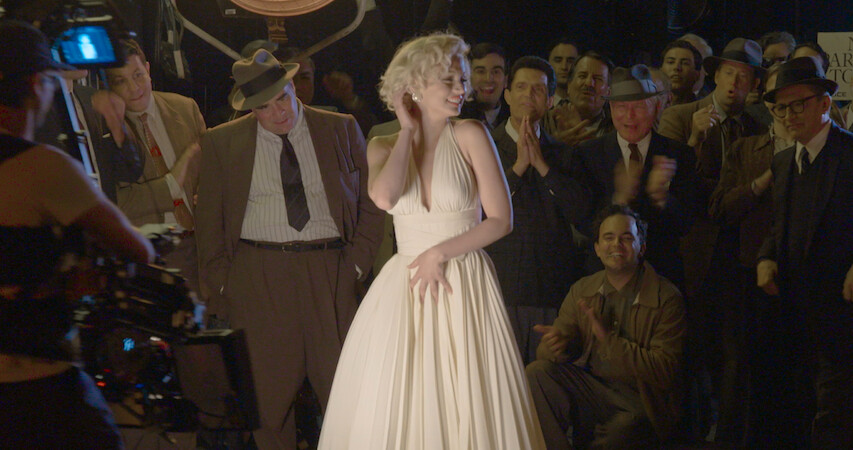
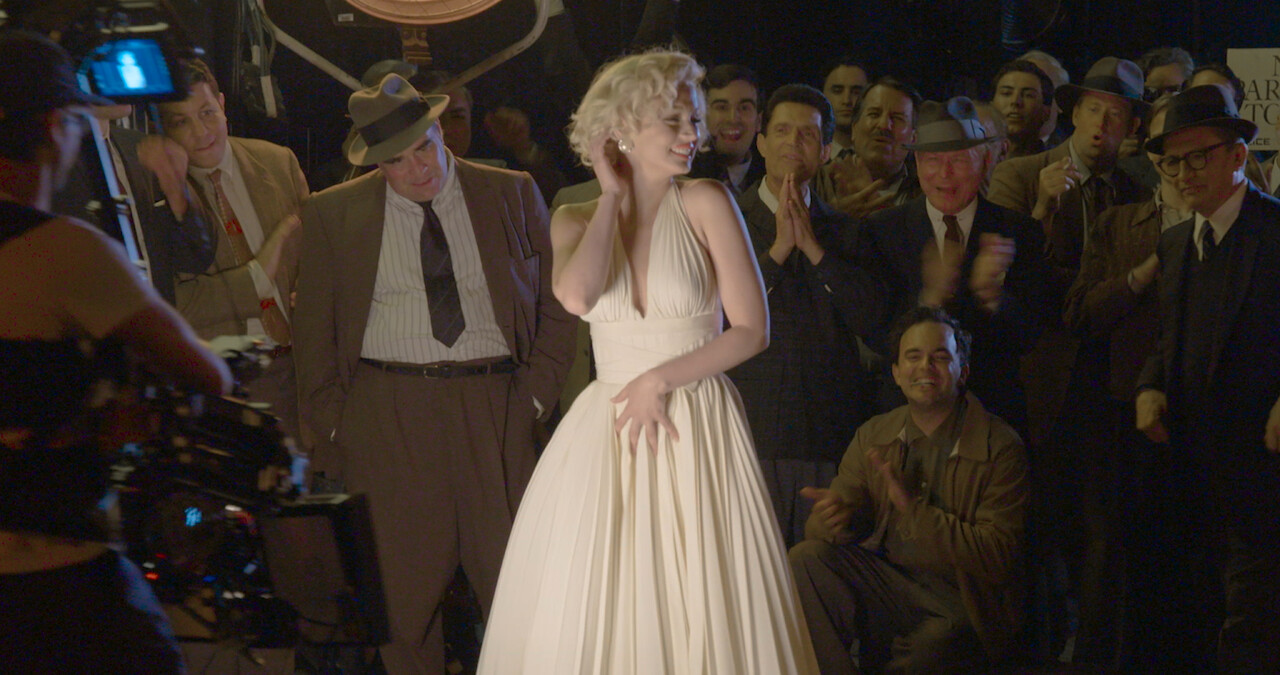
As a result, the film can feel like a barrage of assaults and an amalgam of abuses, which is how Dominik wanted to depict Monroe’s life, one she tragically ended with a barbiturate overdose in 1962 at the age of 36. Whether she’s meeting monstrously powerful men or completing any number of photo and film shoots, including the subway grate stunt for 1955’s The Seven Year Itch, everything about Monroe was seemingly up for grabs. Everyone — from family members, studio bosses, politicians, boyfriends, husbands and the American public — gobbled her up until there was nothing left.
While Dominik didn’t shy away from portraying these episodes as anything other than horror shows — and he never sought to make viewers comfortable — he was careful to ensure de Armas was onboard with all of his choices, working with an intimacy coach and keeping an ongoing dialogue with the lead about what was and wasn’t working for her throughout filming.
“We talk about it all before we get there, and the boundaries are pretty clearly established, so she understands what the scenes are and [what] she wants them to be.”
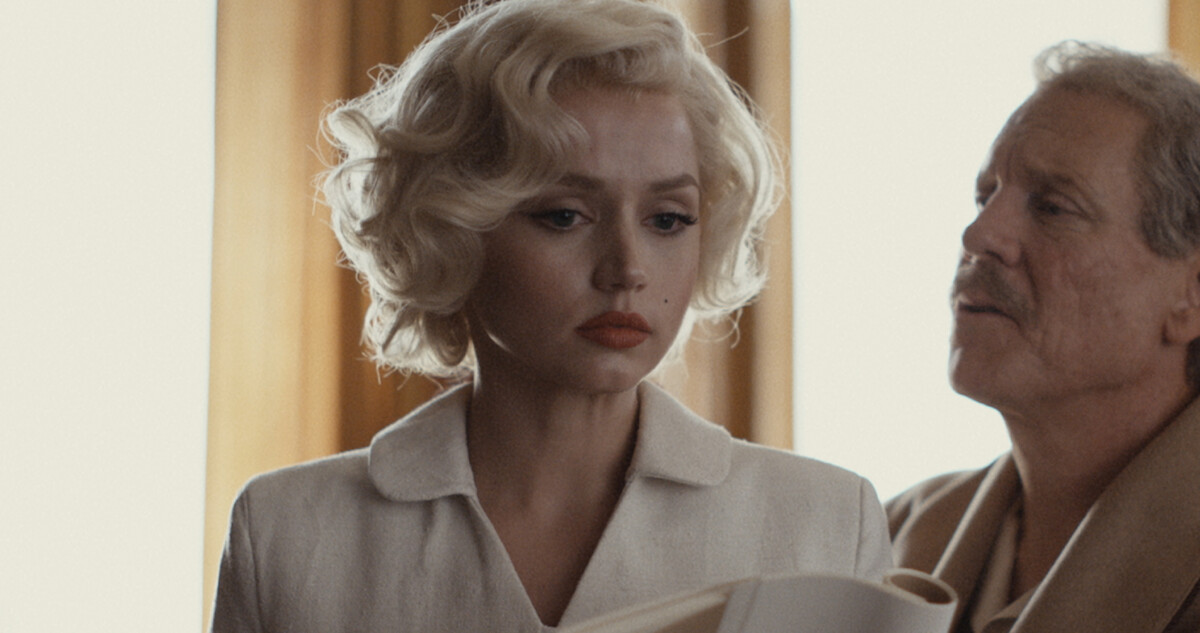
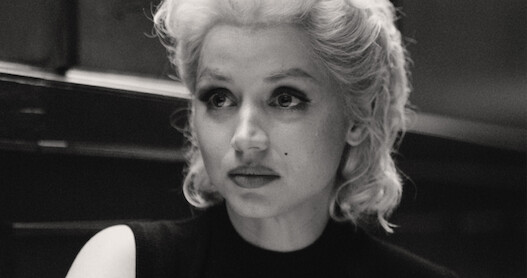
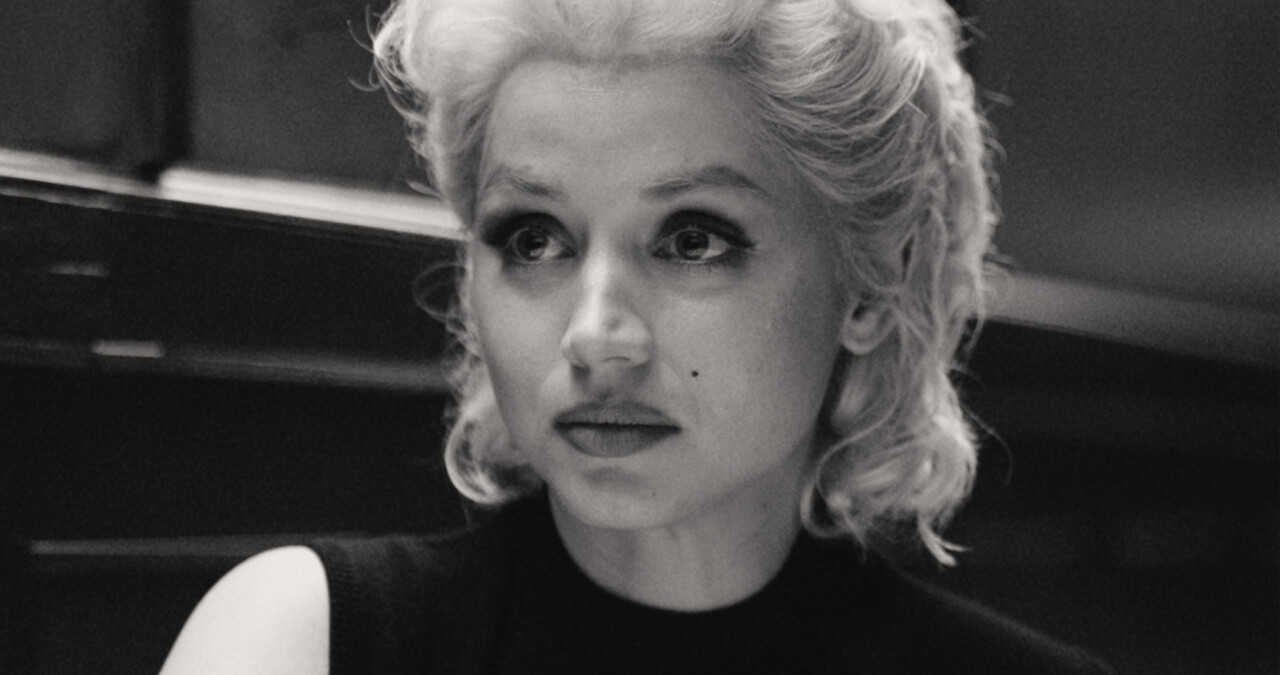
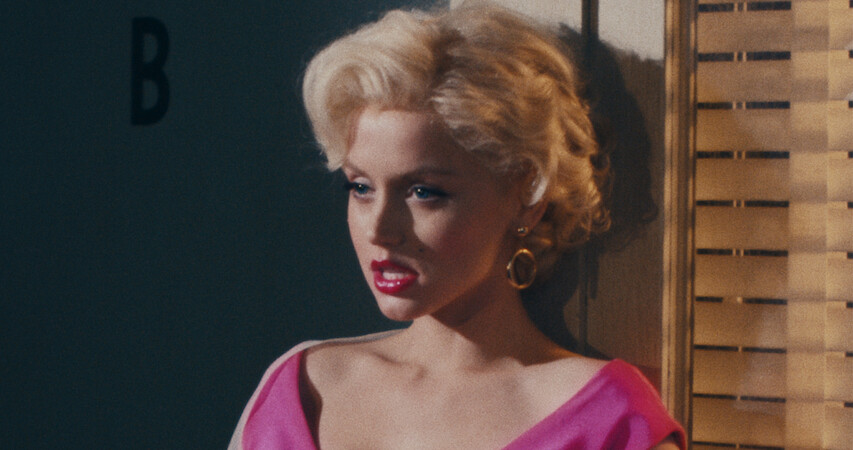
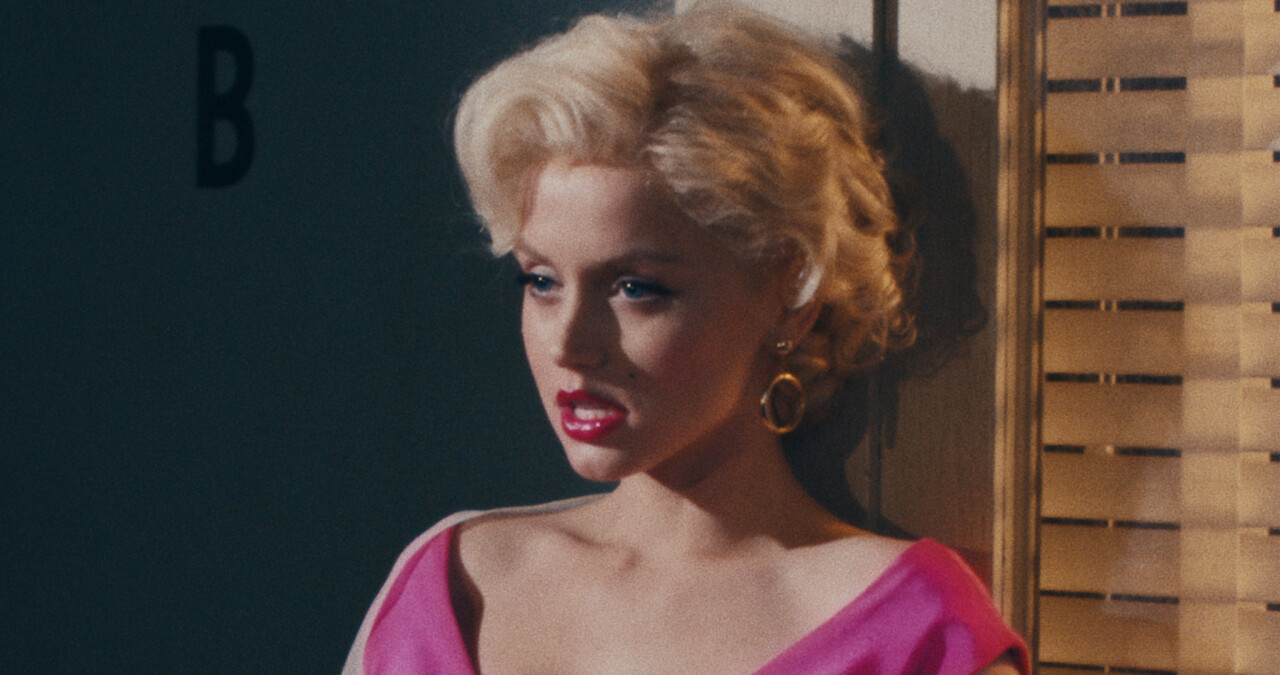
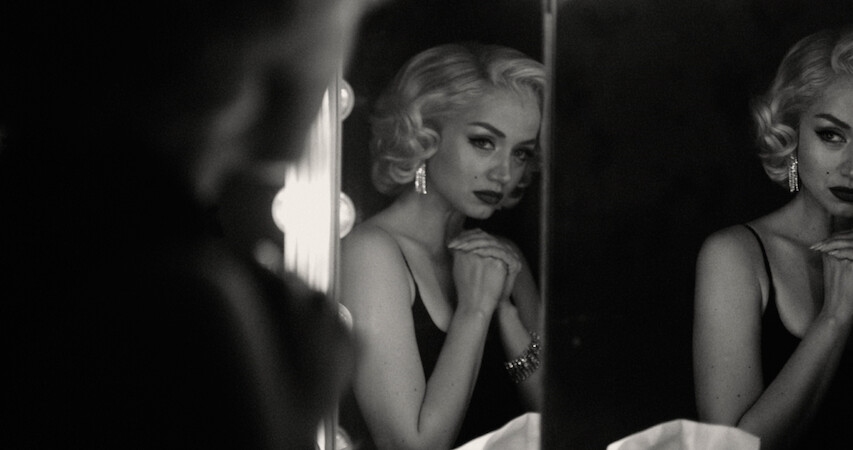
De Armas does a phenomenal job of re-creating the remarkable allure of Marilyn Monroe, but her performance does far more than delight. Blonde challenges its audience to question where it came from, what it cost Monroe, and what it truly felt like to be her, which at times makes watching a harrowing experience. As Dominik says, “The film is made with love, it really is. And it’s on Marilyn’s side completely. And it’s not interested in anybody else’s point of view. It’s only interested in hers.”