Eike Schroter/Netflix
Deep Dive
‘The Midnight Club’ Ending Explained
Who were the nefarious Paragon Club? We’ve got answers….
By Louise Bain
Oct. 10, 2022
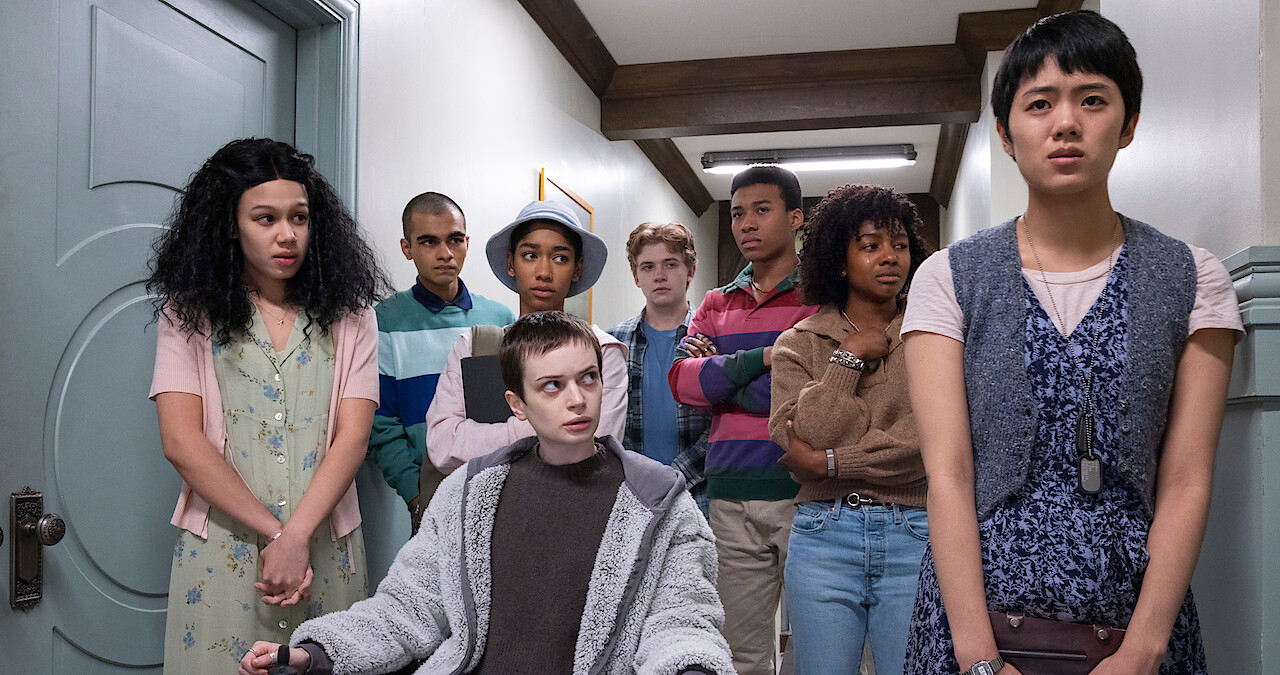
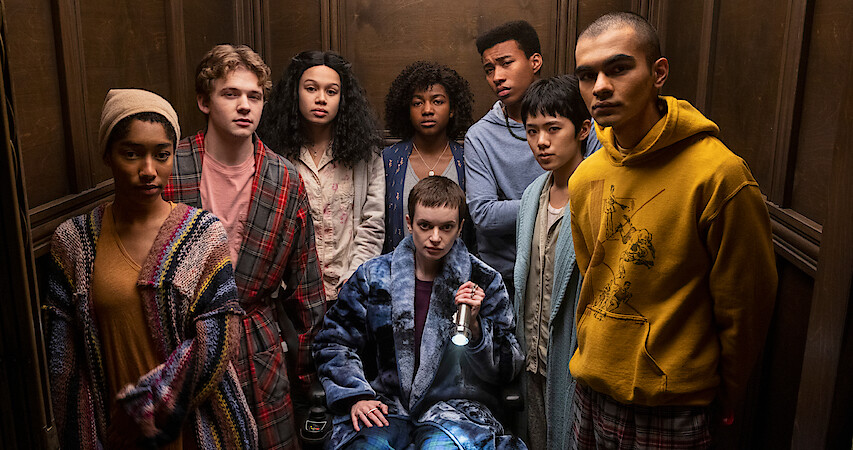
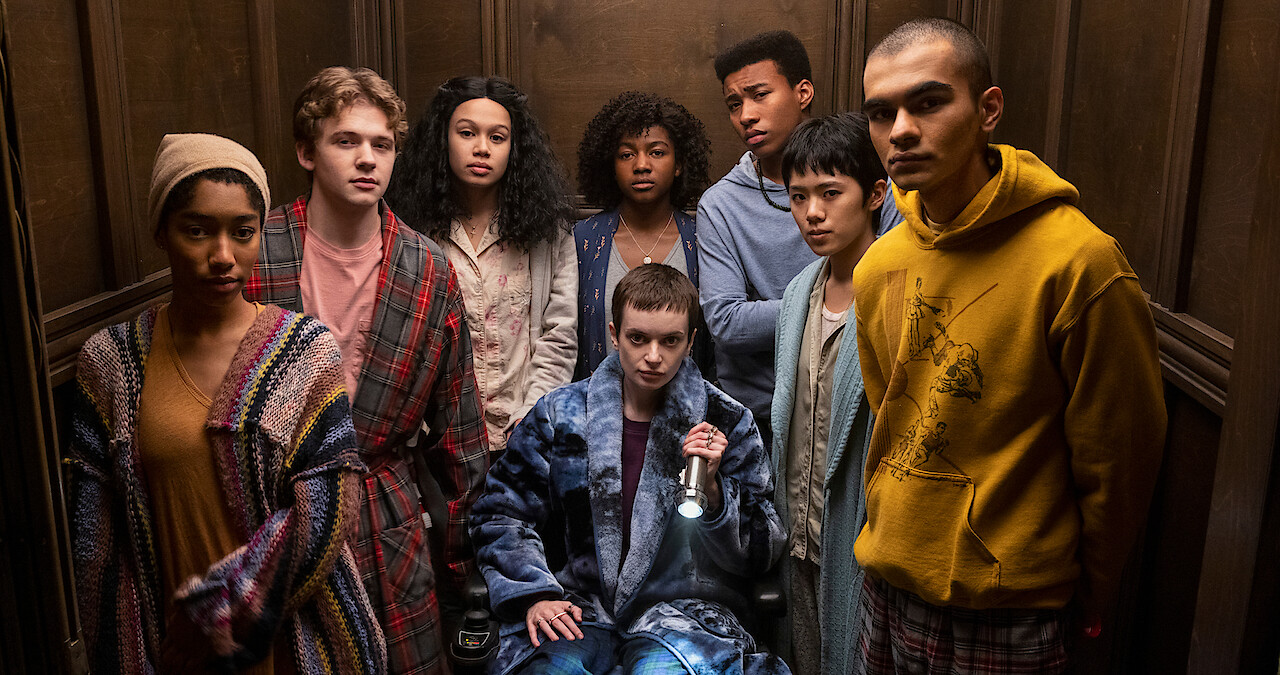
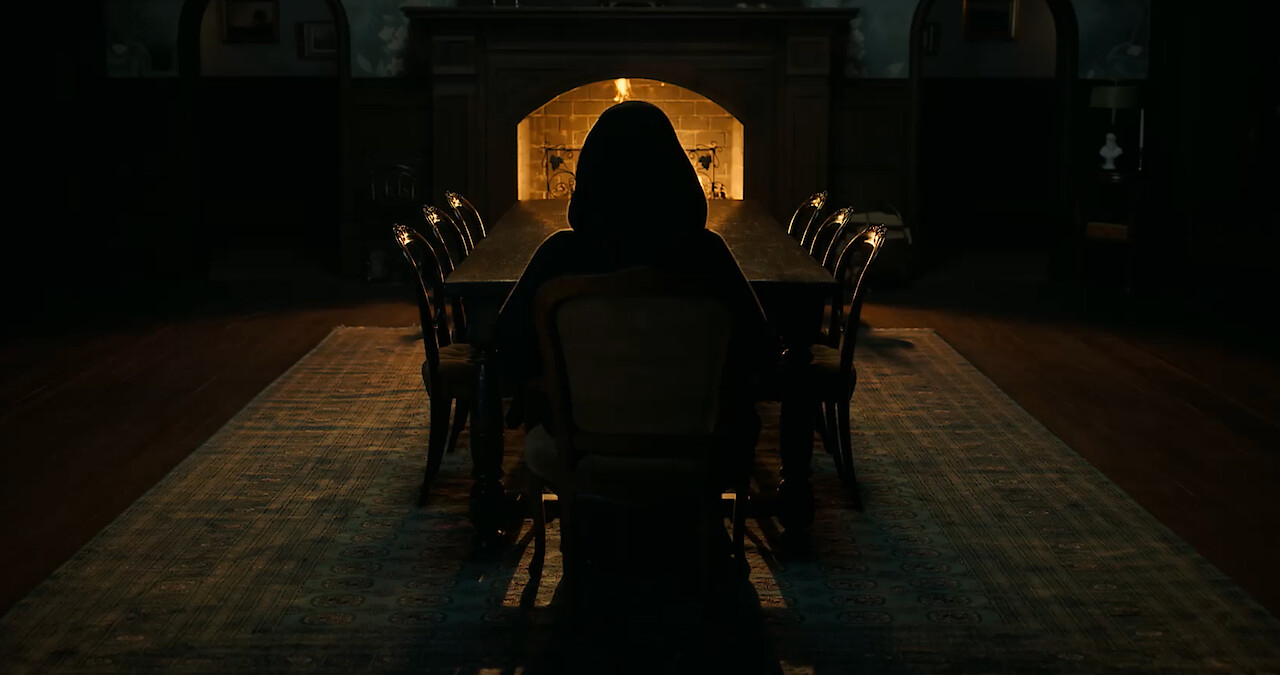
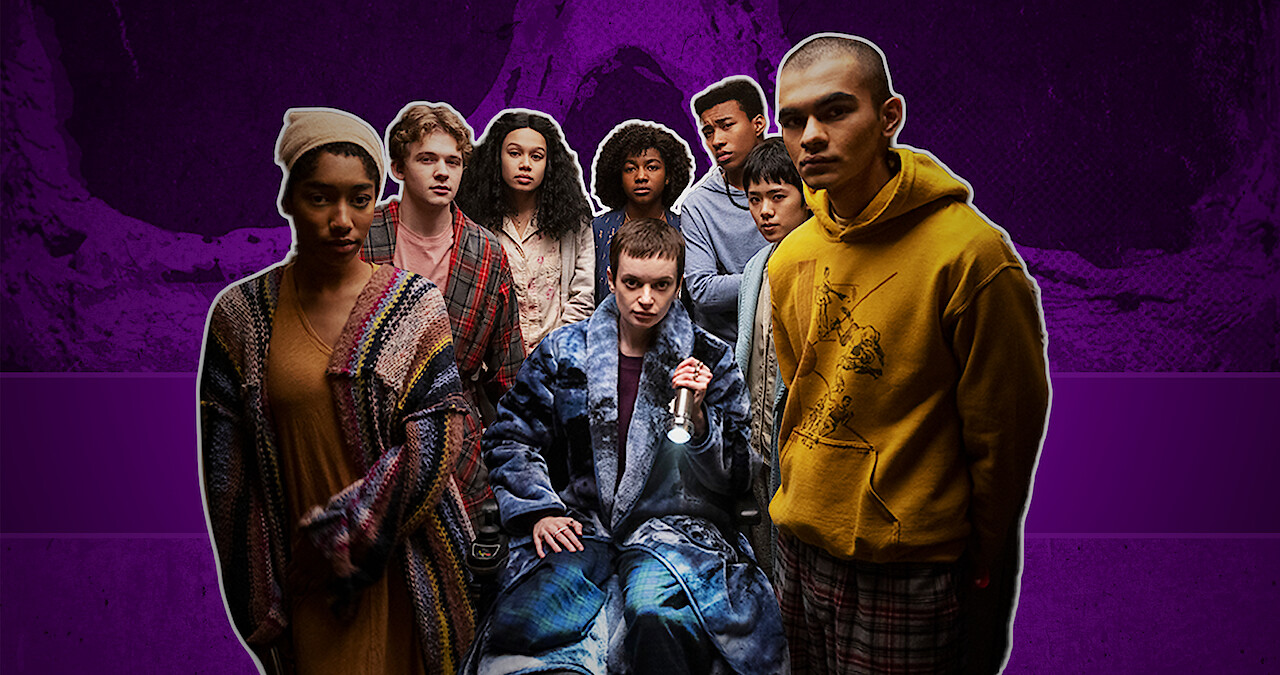
Welcome to today's session of The Midnight Club. Wine? Chamomile tea? Whatever you choose, the only limit to these stories is your imagination. But chances are, you want answers. What was that hourglass symbol all about? What do those stories mean? And who is Dr. Stanton? There’s plenty of firewood, scares and spoilers on the way, so pull up a chair and let’s dive deep into the twisted tales of the latest addition to the Netflix Flanaverse.
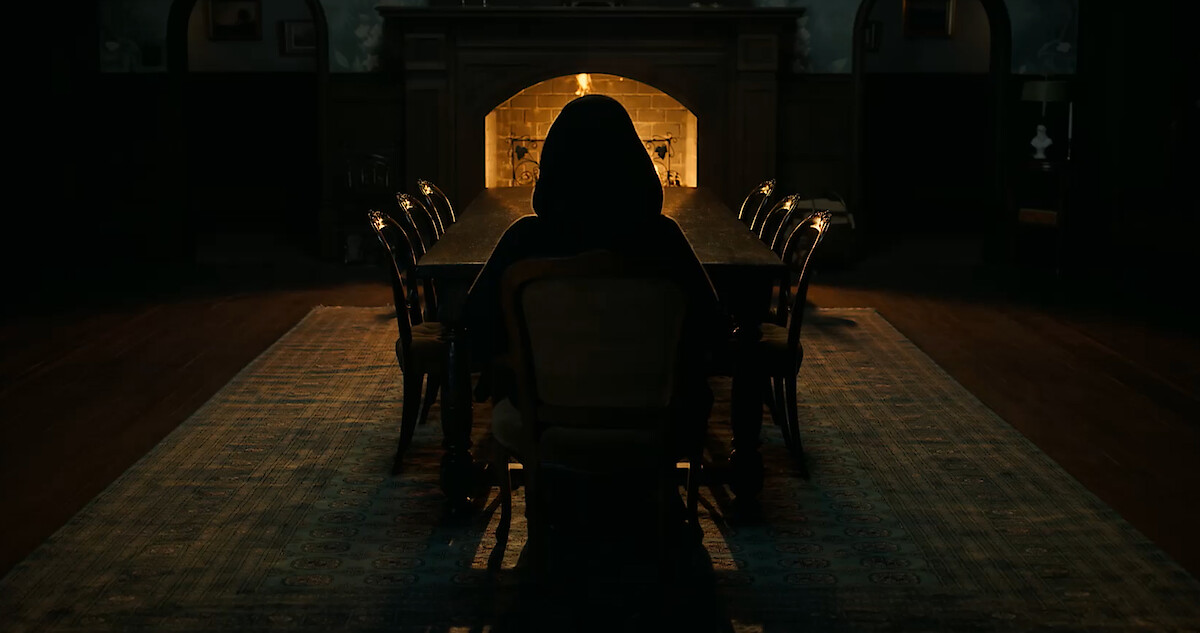
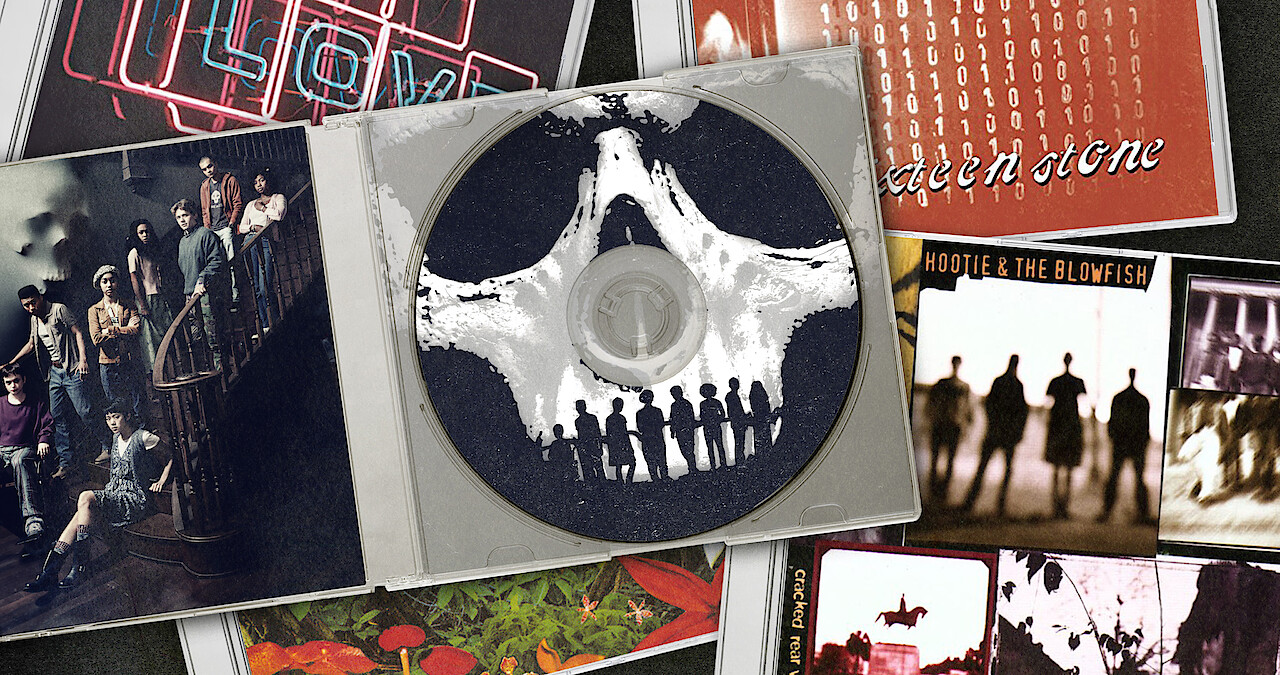
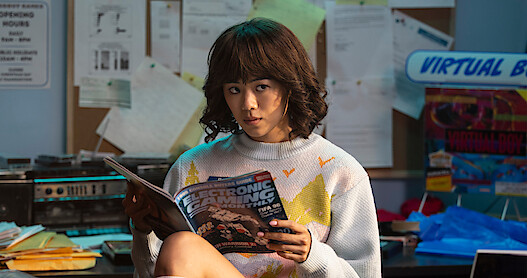
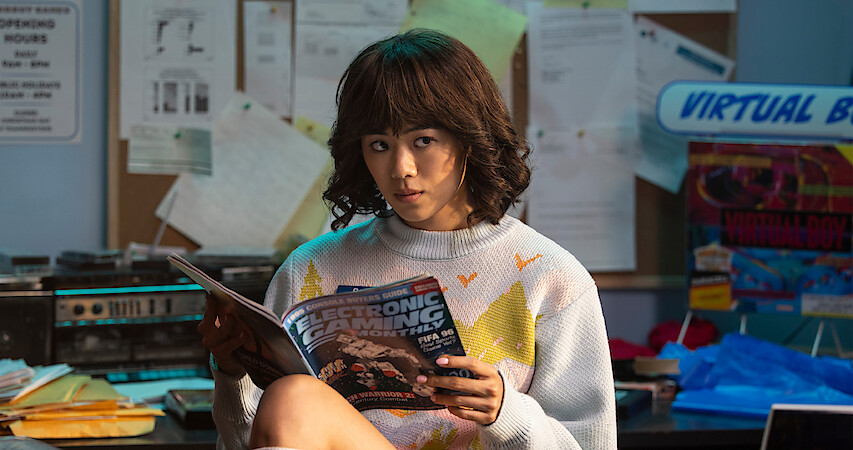
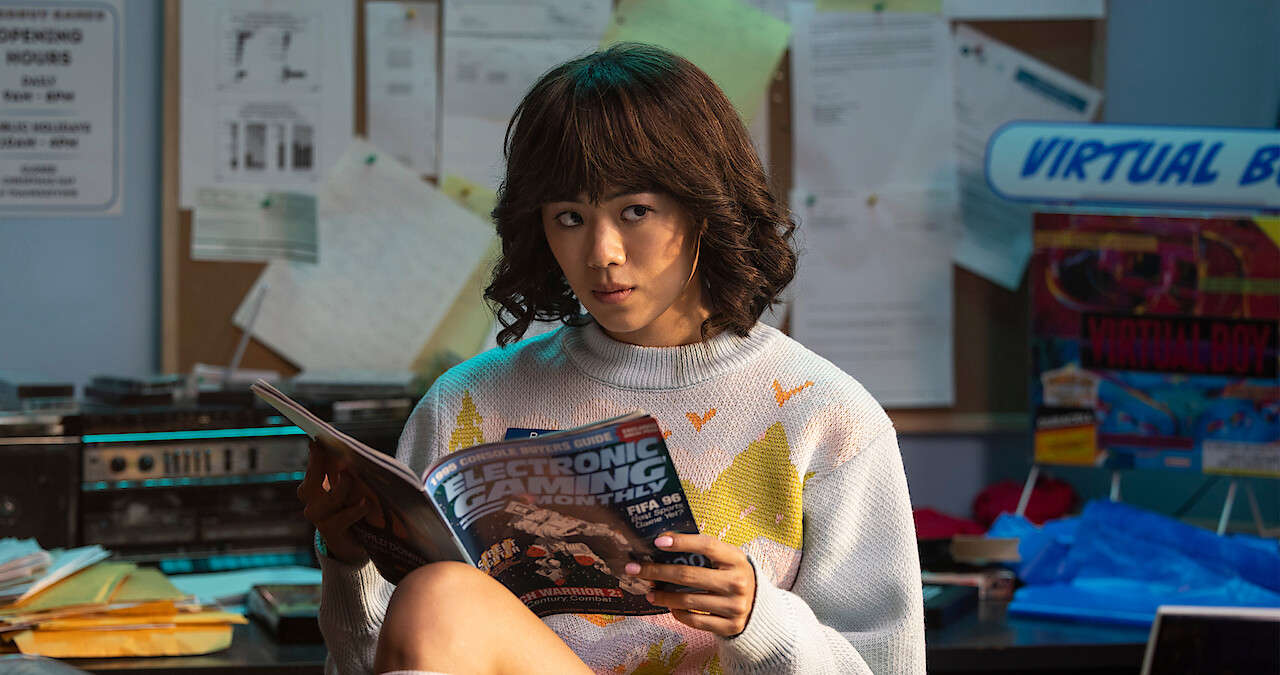
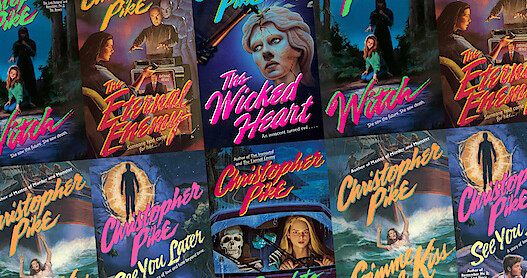
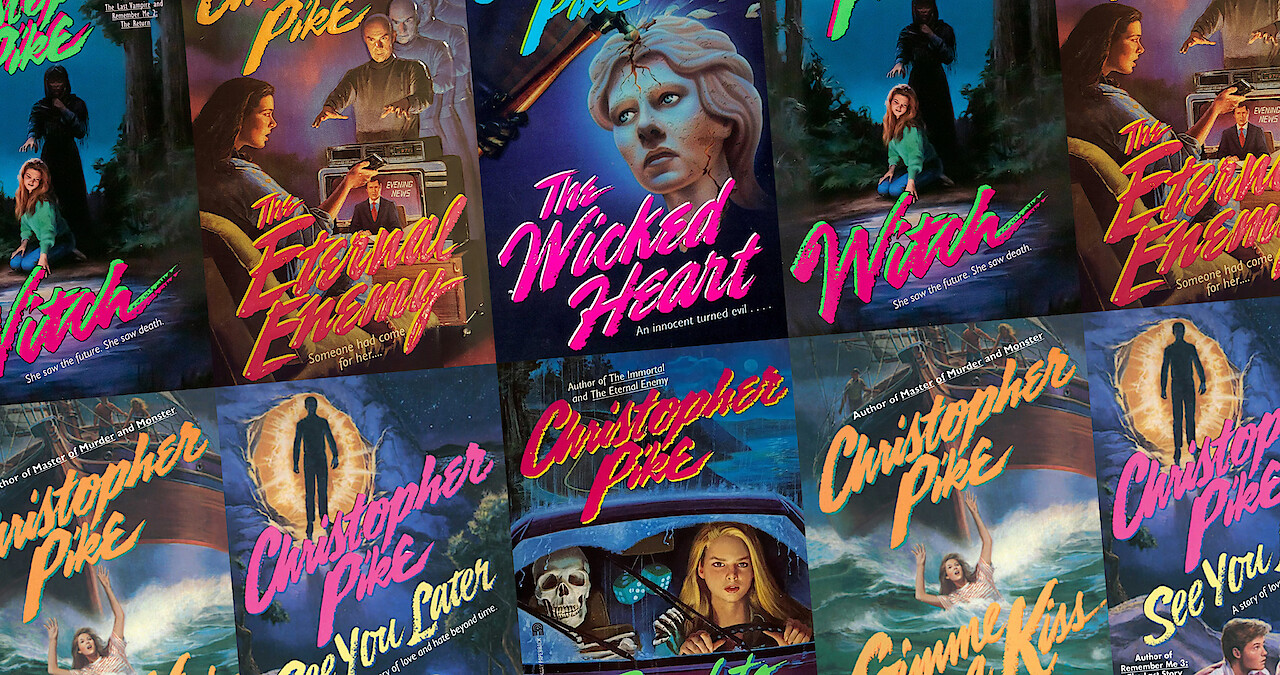
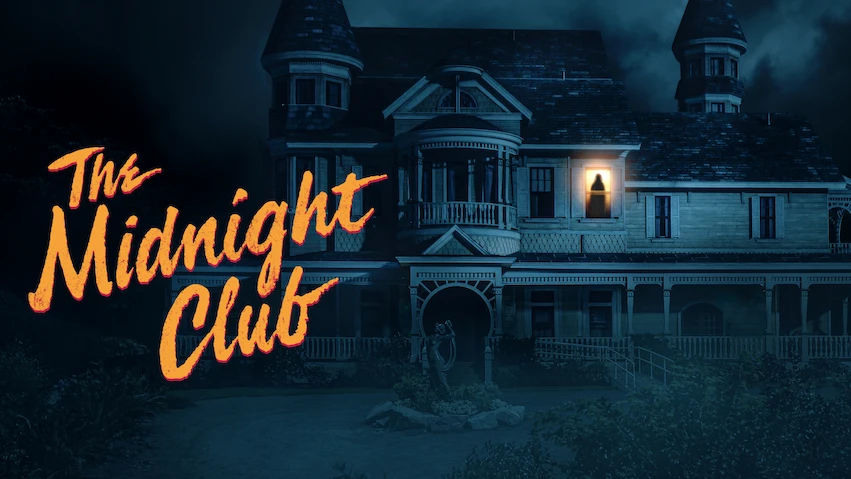
Before we start to unpick some creepy, culty threads, let’s do a quick bit of background on The Midnight Club itself. For plenty of ’90s kids out there, that opening font is a serious throwback to bygone library trips and school bookfairs. Christopher Pike’s series of books were essential for early teens in the 1990s who wanted something scarier than Goosebumps. We even see a couple of flashes of a frame very similar to the original book cover early on in the first episode. It’s no accident that the episode also has plenty of X-Files references, brightly colored iMacs, and even excitement for the upcoming PlayStation. And here’s to everyone who had feels when that Blind Melon song kicked in.
Oh. and if you’re looking for classic horror references — on top of those glimpses of issues of Fangoria and copies of Stephen King’s Dead Zone — Dr. Stanton is played by none other than Heather Langenkamp. She’s the legendary horror actor who faced off against Freddy Krueger in A Nightmare on Elm Street, in third film in the Dream Warriors series and in the pre-Scream ’90s meta-sequel Wes Craven’s New Nightmare. She’s particularly fitting here to head up a house where often dreams feel like reality — and vice versa.
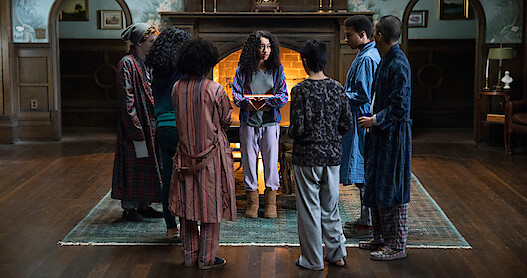
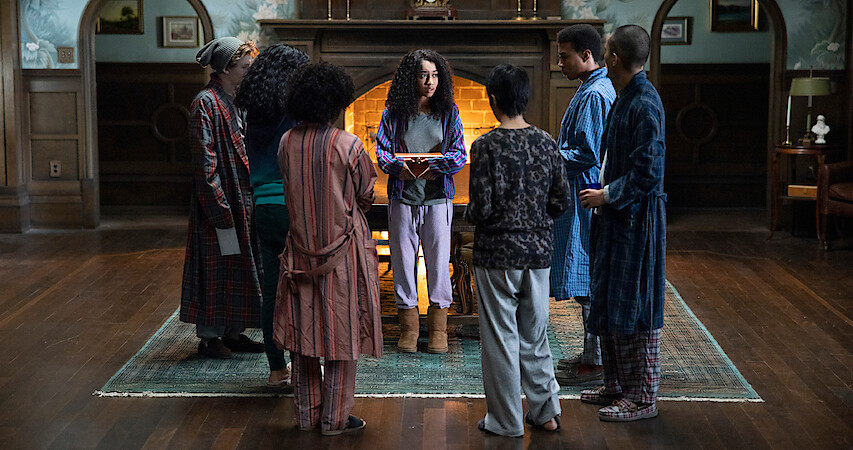
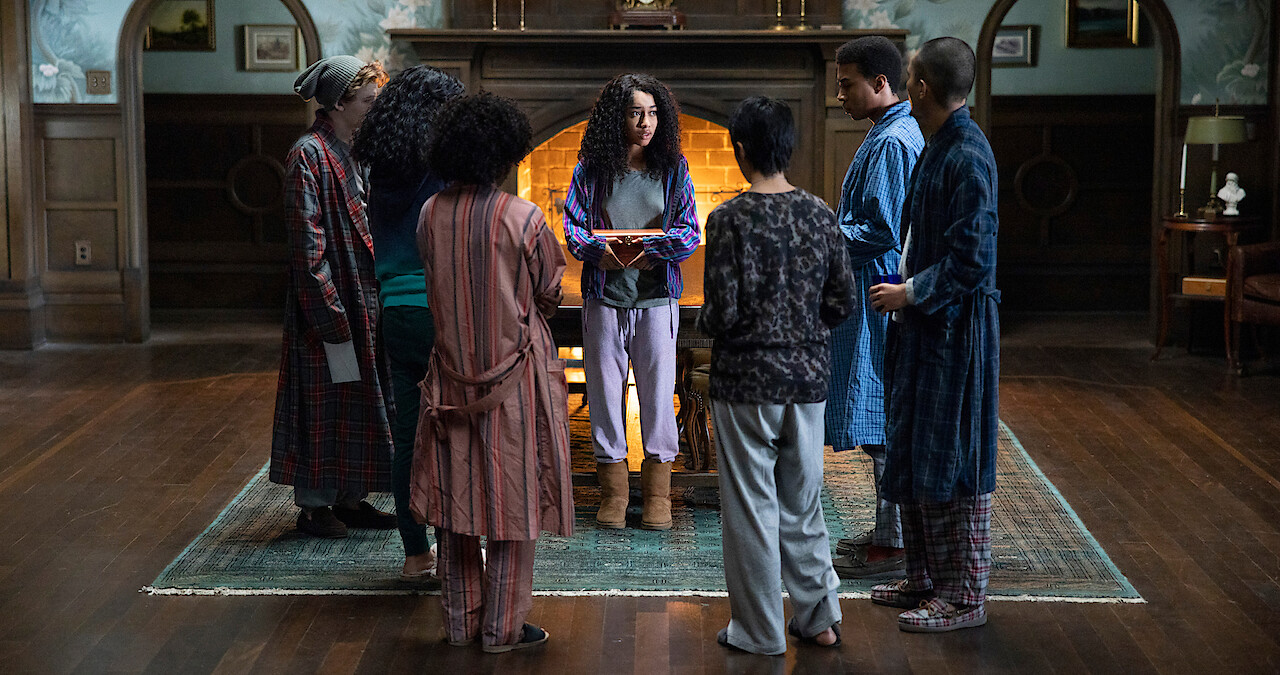
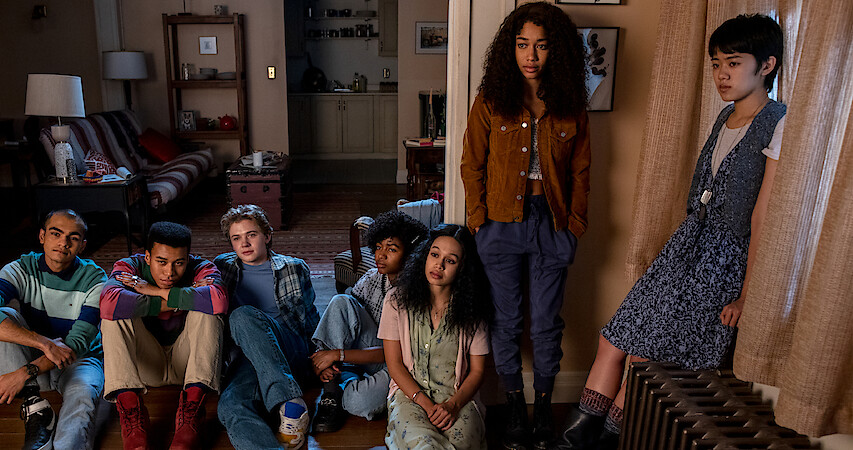
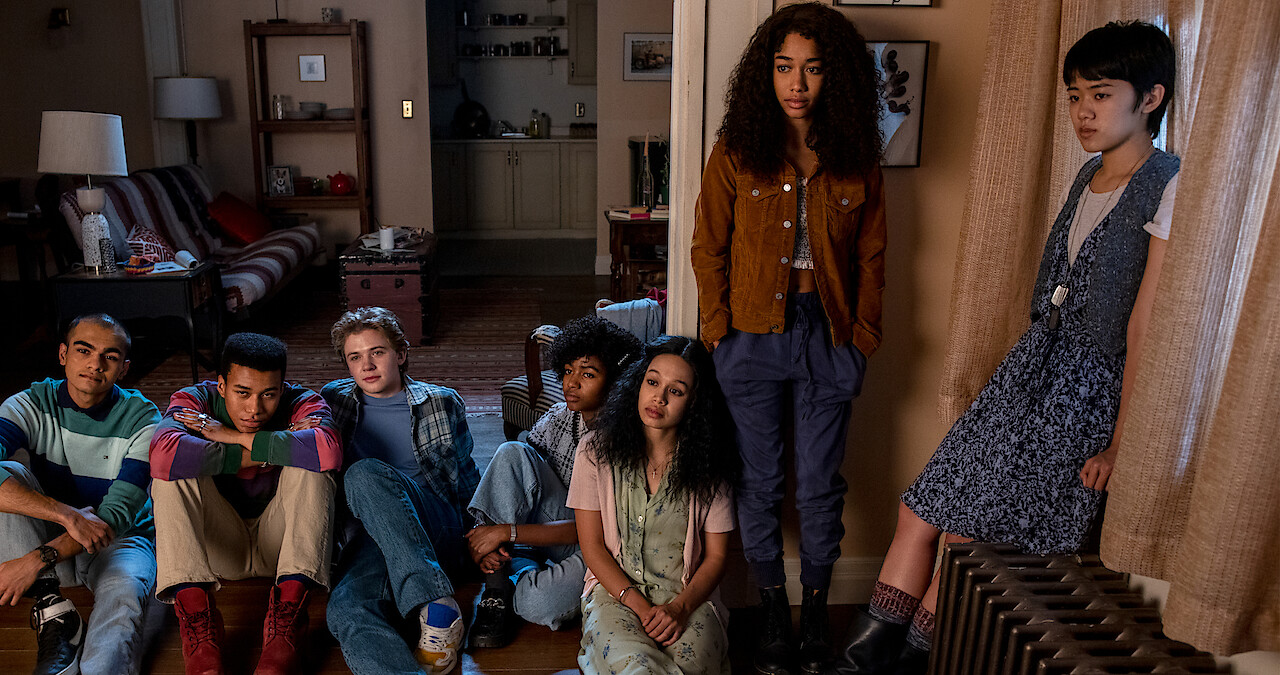
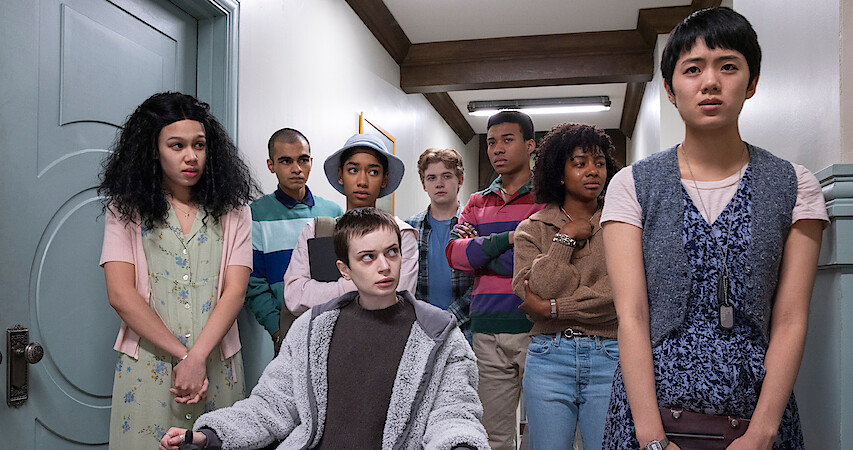
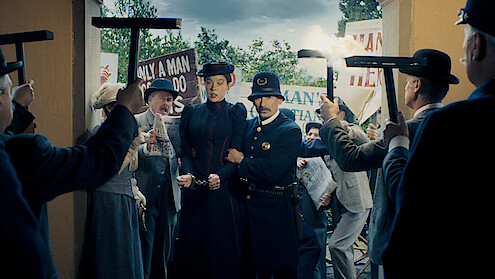
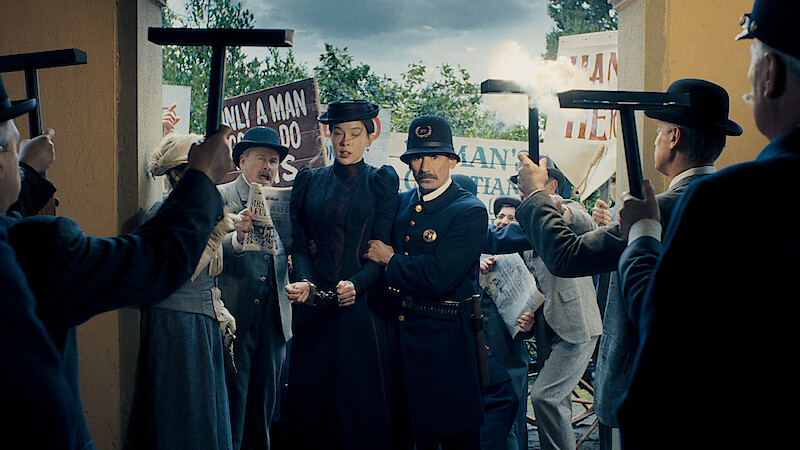
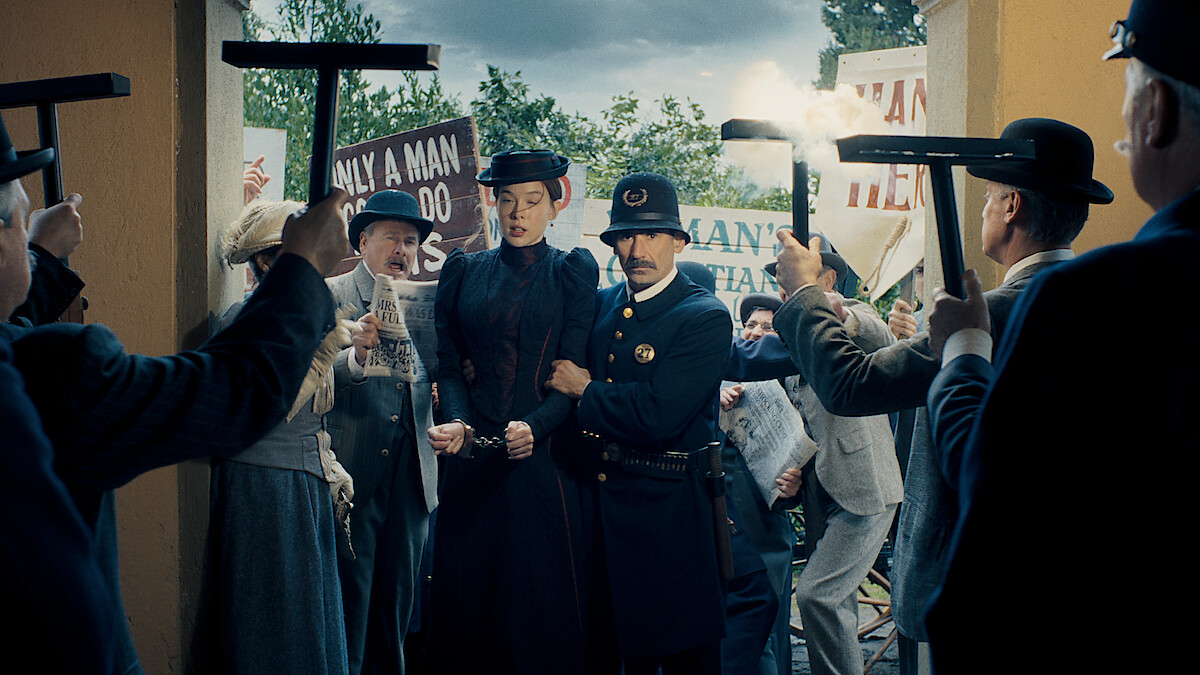
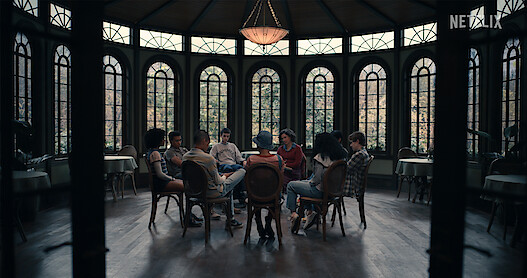
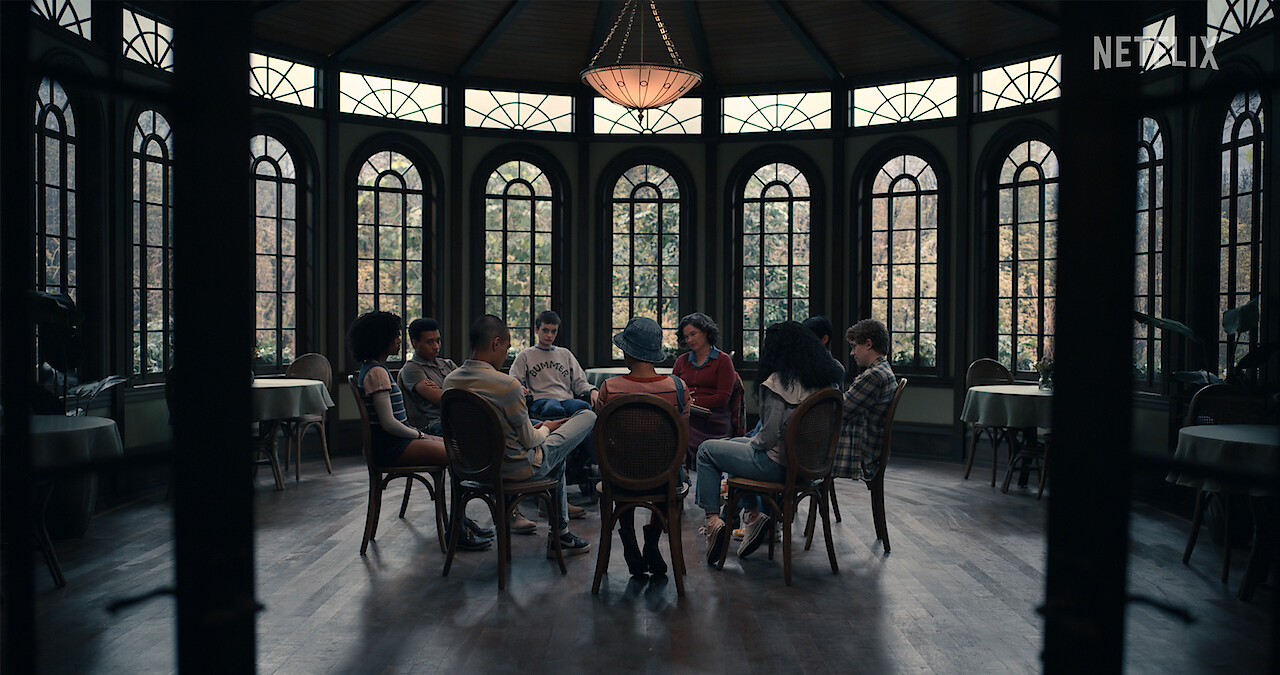
As in the book that inspired it the Midnight Club is a gathering of terminally ill teens telling each other scary stories in front of the fire. But in Mike Flanagan’s adaptation, the tales they tell are actually from other Christopher Pike stories. They’re in the episode titles but you’ll recognize hitchhikers Poppy Corn and Freedom Jack from Pike’s book Road to Nowhere, and Dusty and his trusty hammer from within the pages of Wicked Heart. So yes, if something feels familiar, you haven’t previously accidentally read the future. Don’t worry, you’re not a cyborg. Probably not, anyway.
And this is exceptionally meta storytelling. Not only are these tales about love, loss, fate, queerness, sacrifice and obviously, horror — themes that run especially deep for our main characters stuck at Brightcliffe — but they’re stories led by these teens. And this means no one is afraid to jump in when there are the wrong kind of jump scares or badly named sports teams. Mike Flanagan is toying with the concept of story itself and the power of imagination and reality.

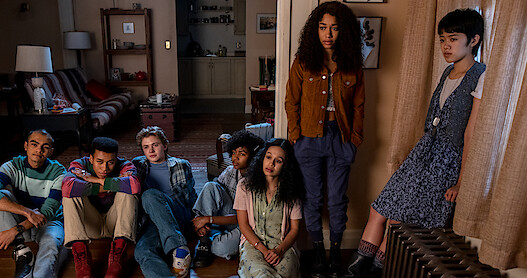
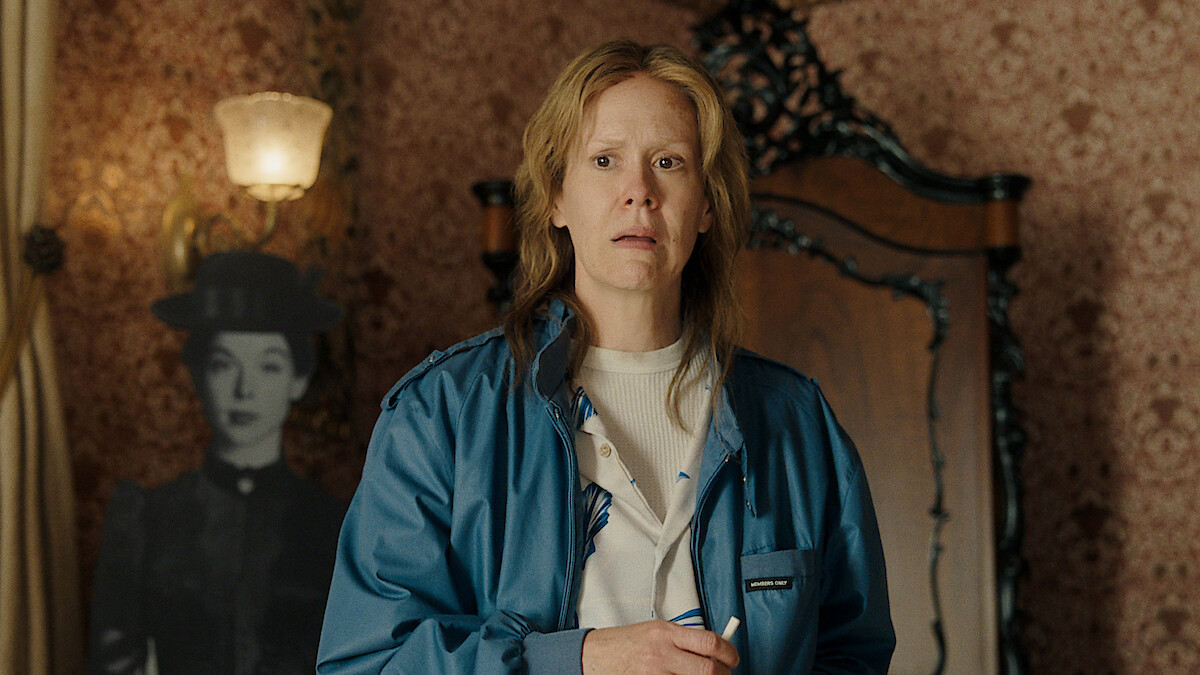
This is especially poignant when it comes to the protagonist, Anya. As she becomes even more unwell, the group attempt a ritual Ilonka has found in a book in the library. We’ll get onto the origins of the book in a minute but once the ritual has taken place, we see a shadowy figure descend upon Anya. In the next episode, Anya is seemingly cured, and it’s three years later — 1997. She’s working at a supermarket but desperately unhappy, missing her friends who are now long dead. It’s only as the episode progresses that we see she lives in the world of The Midnight Club’s stories. The video game shop from Amesh’s story is here, Dusty’s mother and a hammer, the screaming horrors of Spencer’s story from the first episode and even Anya’s own creation, the ballet dancer Dana, who makes a dangerous pact with the devil. This is all a story too. Anya’s clock radio alarm, regularly set for midnight, suddenly broadcasts the group through the radio of the recovery room. We are seeing the world of her imagination before she passes, giving us a vision of a world in which she survives, but also the sad truth of one in which she doesn’t.
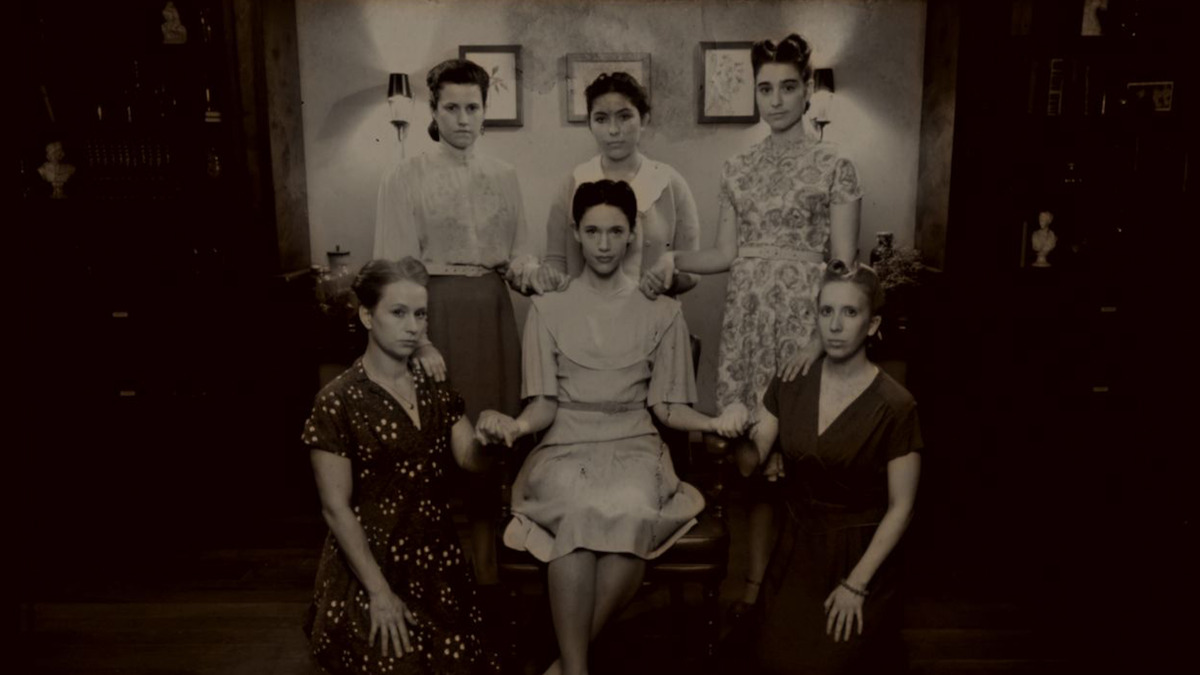
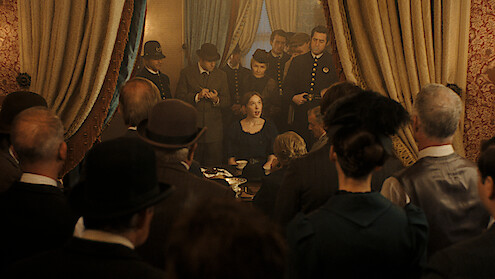
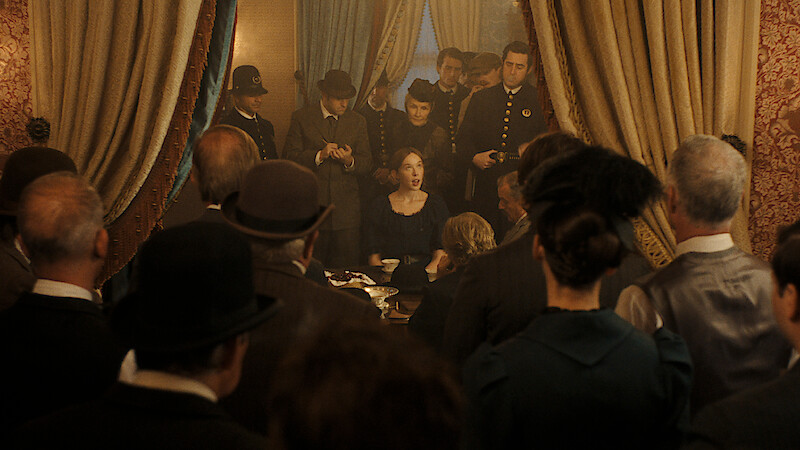
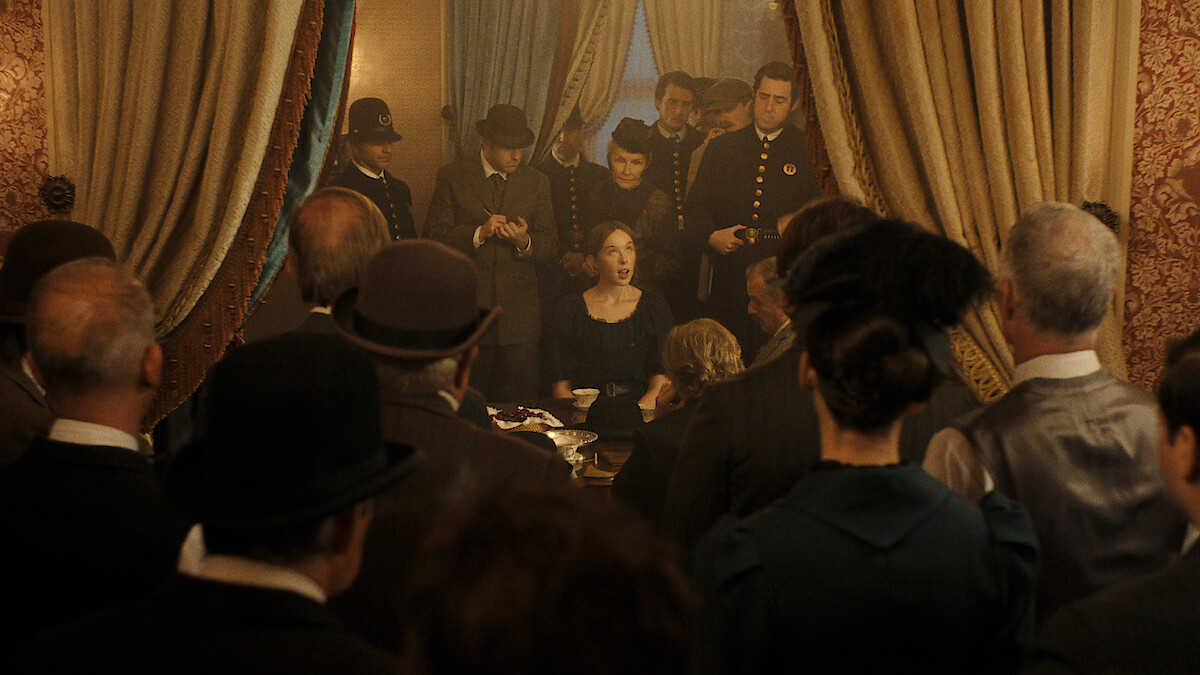
As explained in Episode 5 when Ilonka finds what she calls “The Paragon Diaries” — the source of the ritual the group try and use to help Anya — the Paragon was a cult begun in the 1930s by a woman named Regina Ballard. It started off innocently enough with natural healing but Regina became obsessed with five specific Greek goddesses, especially Aceso, the ancient Greek goddess of healing. The Paragon embrace the symbol of the hourglass, which represents an endless loop of time — as long as you keep just turning it over. Taking on the name Aceso, Regina led a ritual in the basement of Brightcliffe, sacrificing four women to prolong her life, effectively turning over her own hourglass. Regina’s daughter, Athena, escaped, saving the children and alerting the police who discovered the grisly scene. Regina said it was an accident but we’re not sure how accidental all the blood and poison looked in the eyes of the law. Regardless, Brightcliffe is left abandoned until Dr. Stanton buys it in the 1960s, transforming it into a hospice.
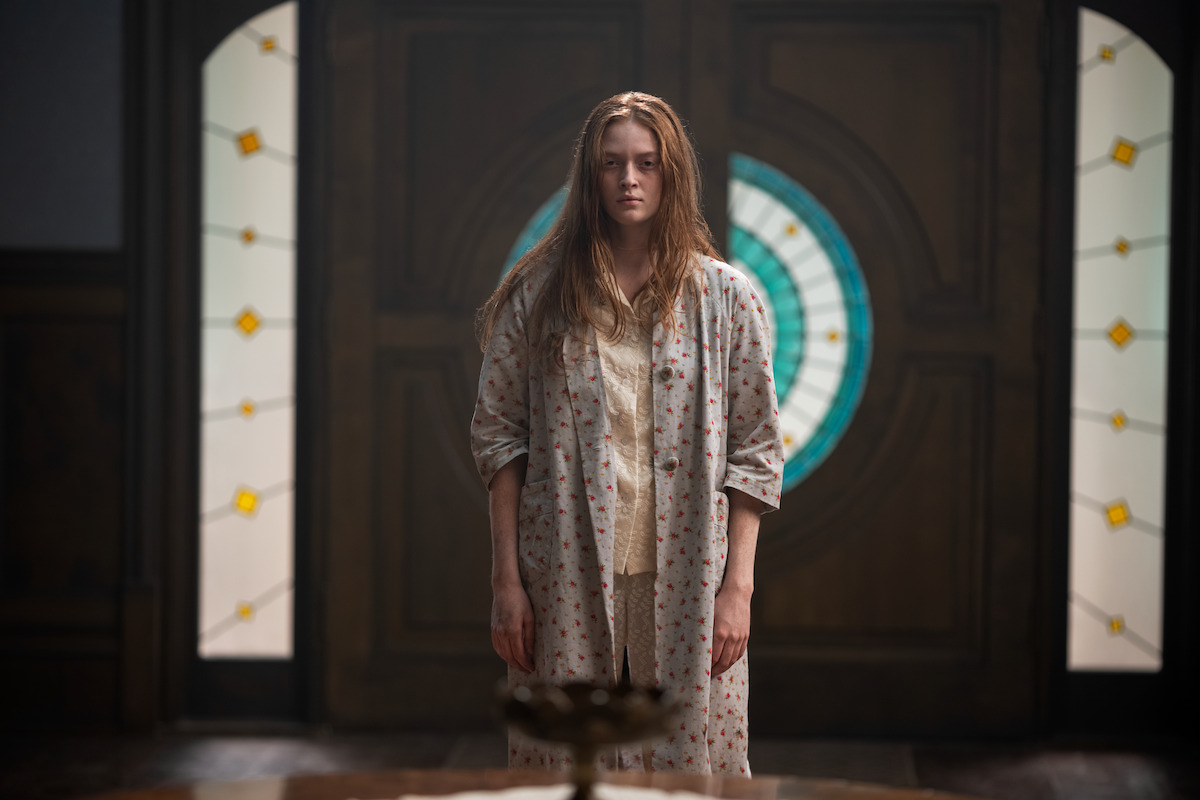
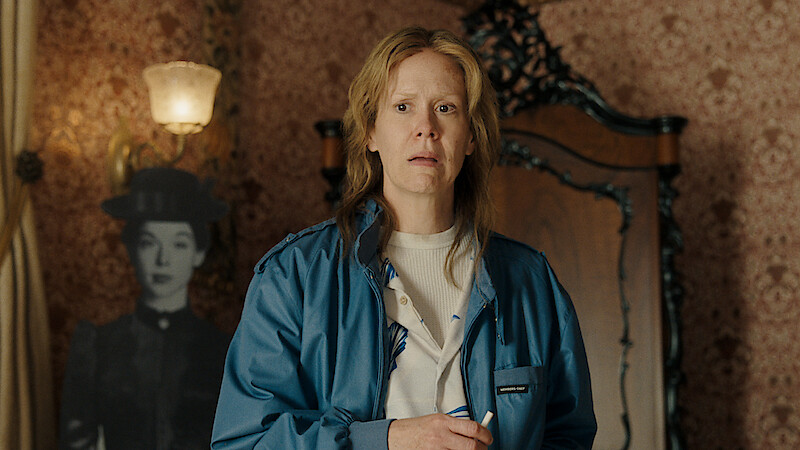
This leads us to the desires of Julia Jayne. She gives Ilonka a fake name when she initially meets her in the woods and raves about the natural powers of the water and of the chamomile that grows in the woods. Ilonka already knew of Julia — a girl who allegedly went missing in the woods before coming back to Brightcliffe after a week, apparently cured — and she’d do anything to be able to do the same thing herself. As we find out, to Ilonka’s horror, this mysterious woman isJulia Jayne who, instead of going out into the woods and undergoing a ritual, actually hunted down a now mucholder Regina Ballard, or Aceso Regina tells her to return to Brightcliffe through the woods, as if a miracle has taken place. We don’t know exactly what the pair did before Julia returned, apparently cured — but we do know that Regina calls Julia a “bright girl” just like Julia has been calling Ilonka. Back in the ’90s, Ilonka helps Julia get into Brightcliffe only to discover that she wants to poison everyone in the basement to get another shot at the ritual.
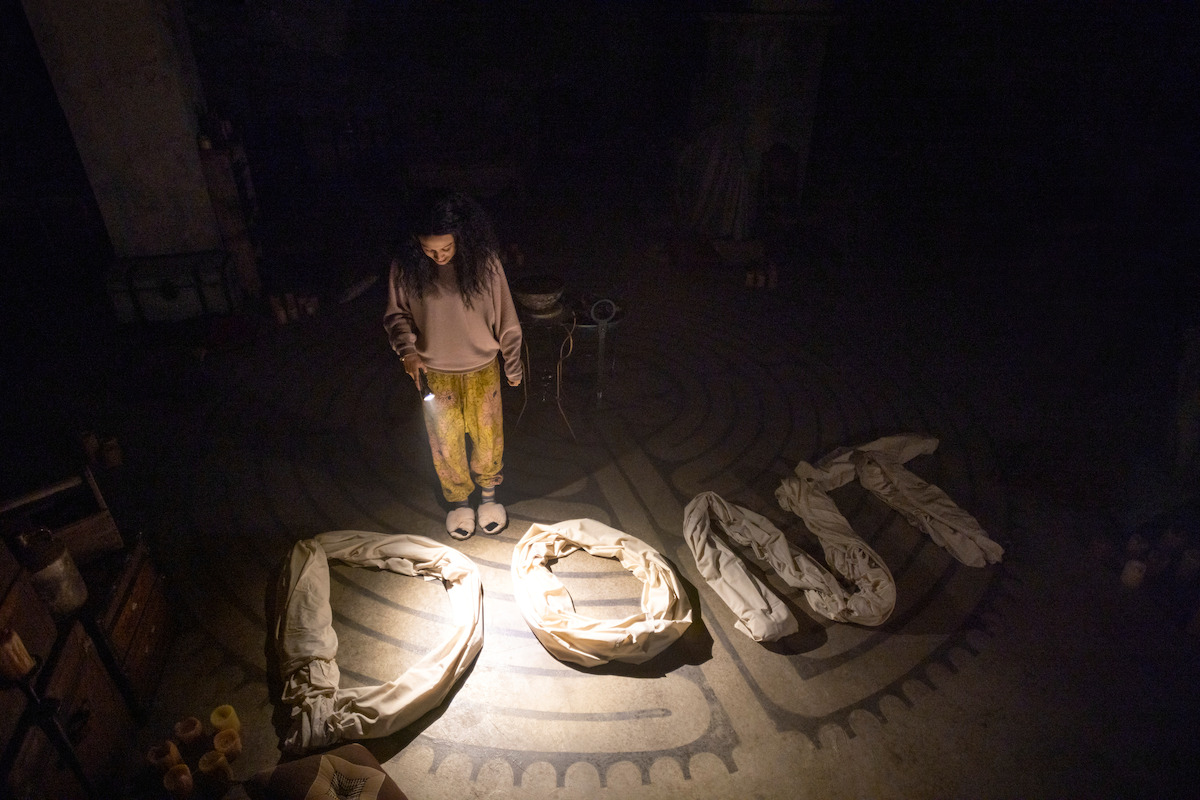
The Midnight Club loves to play with our expectations as well as our emotions. Can everything here be explained logically? As is always the case with Mike Flanagan’s work, we would rather believe in the supernatural to save us from the fear and terror of merely being human — something that Natsuki teaches us in Road to Nowhere.
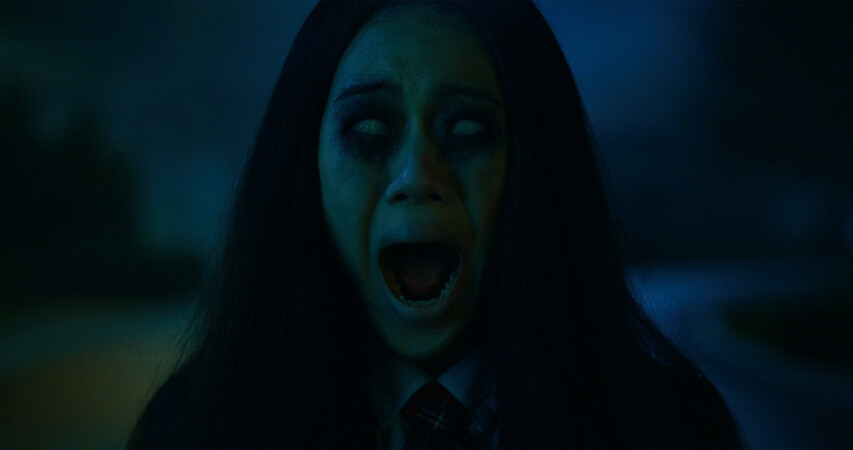
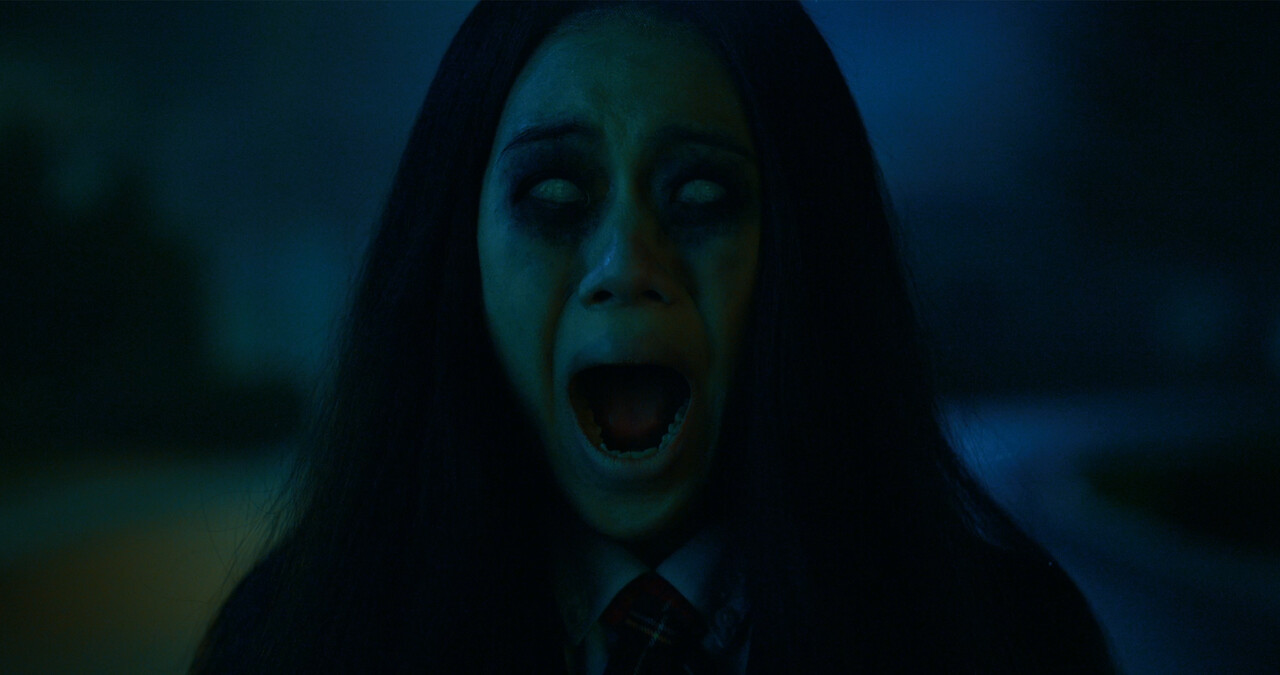
At times it does seem that any ghostly goings-on do have a rational explanation. Sandra isn’t cured in Anya’s ritual but was misdiagnosed. Spencer’s ghostly radio interaction was merely Sandra trying to help make him believe in something otherworldly. Anya herself says in her letter to the group that if the afterlife does allow communication, she’ll be sending them much clearer messages than just vague shapes. While she doesn’t appear to them, Ilonka discovers that Anya’s prized ballet statue is now longer smashed and has somehow been repaired. But there are more, unexplainable goings-on. The shadowy figures wait for the teenagers as death creeps closer and there are time slips as Ilonka travels to a grainy, older version of Brightcliffe. She finds herself drawn to the basement where she meets Kevin, who has been doing the same thing. The group tries to say the pair have a shared delusion — or folie à deux — but that doesn’t stop them from describing the milky-eyed elderly couple they keep seeing in mirrors and in their dreams.
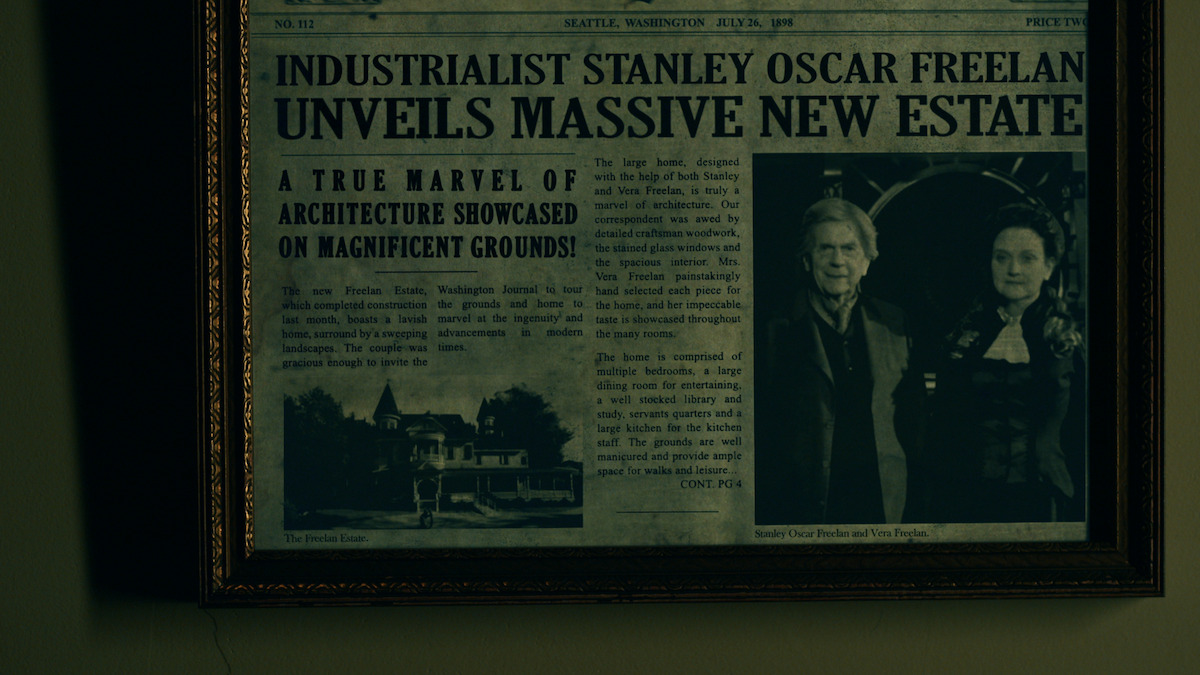
Which brings us to the couple in this picture in the final moments of the series. This framed 1898 newspaper clipping celebrating the construction of Brightcliffe, features Stanley Oscar Frelan and Vera Frelan. And they just happen to be identical to the terrifying apparitions from both Ilonka and Kevin’s nightmares. This suggests that even prior to the Paragon, Brightcliffe has known horror. Either that or Aceso’s rituals have awoken something else in the building.
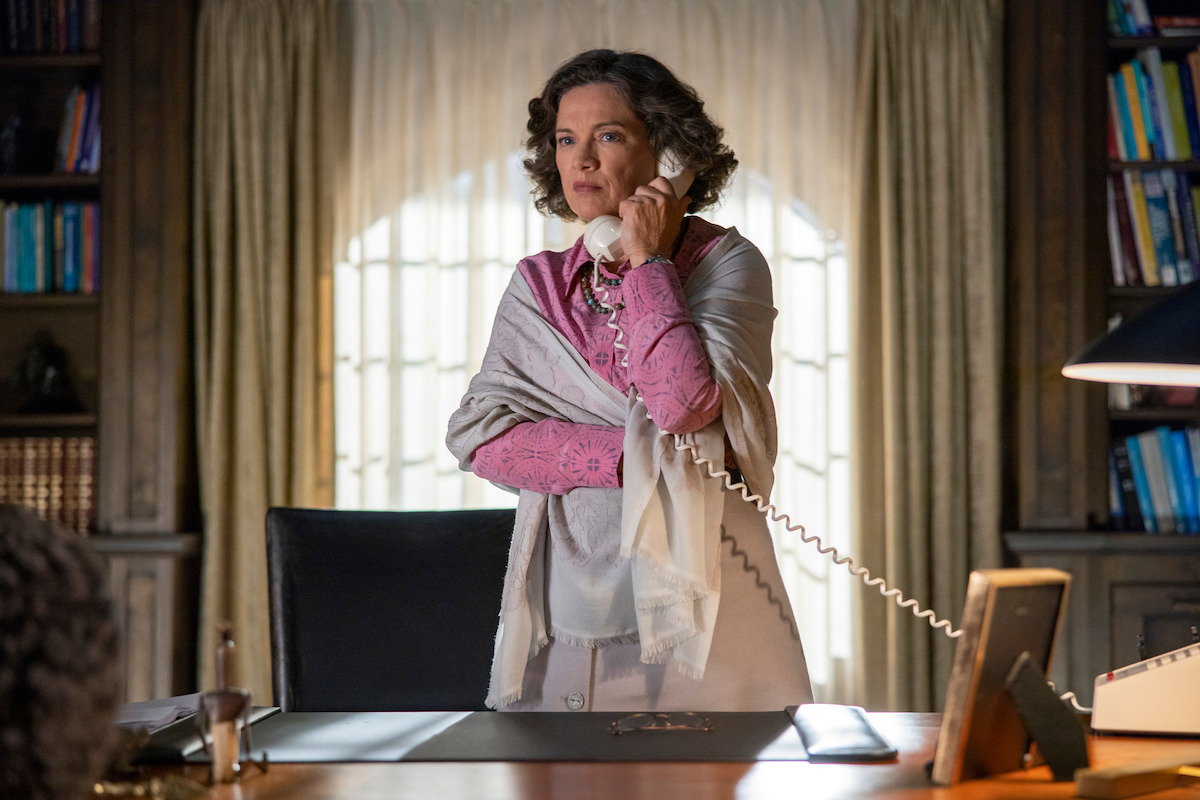
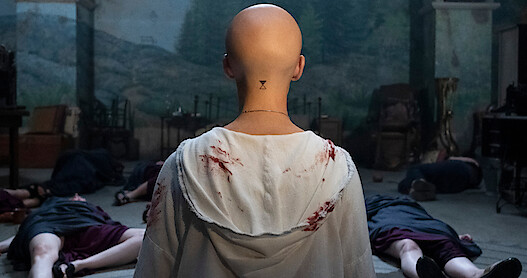
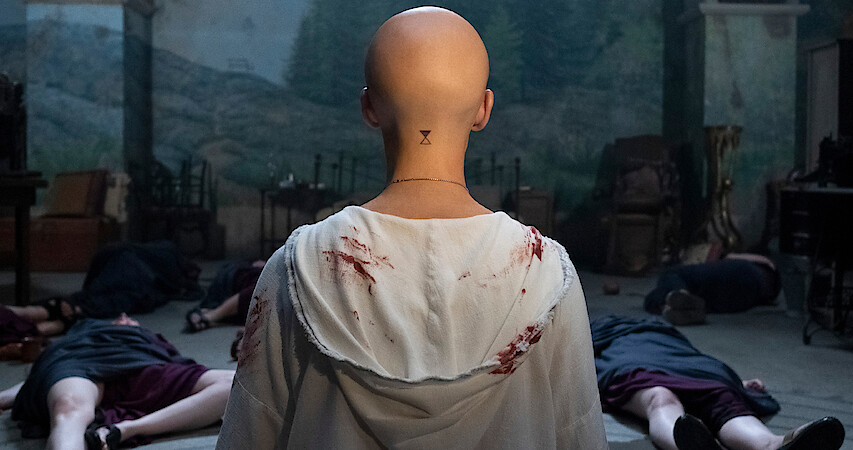
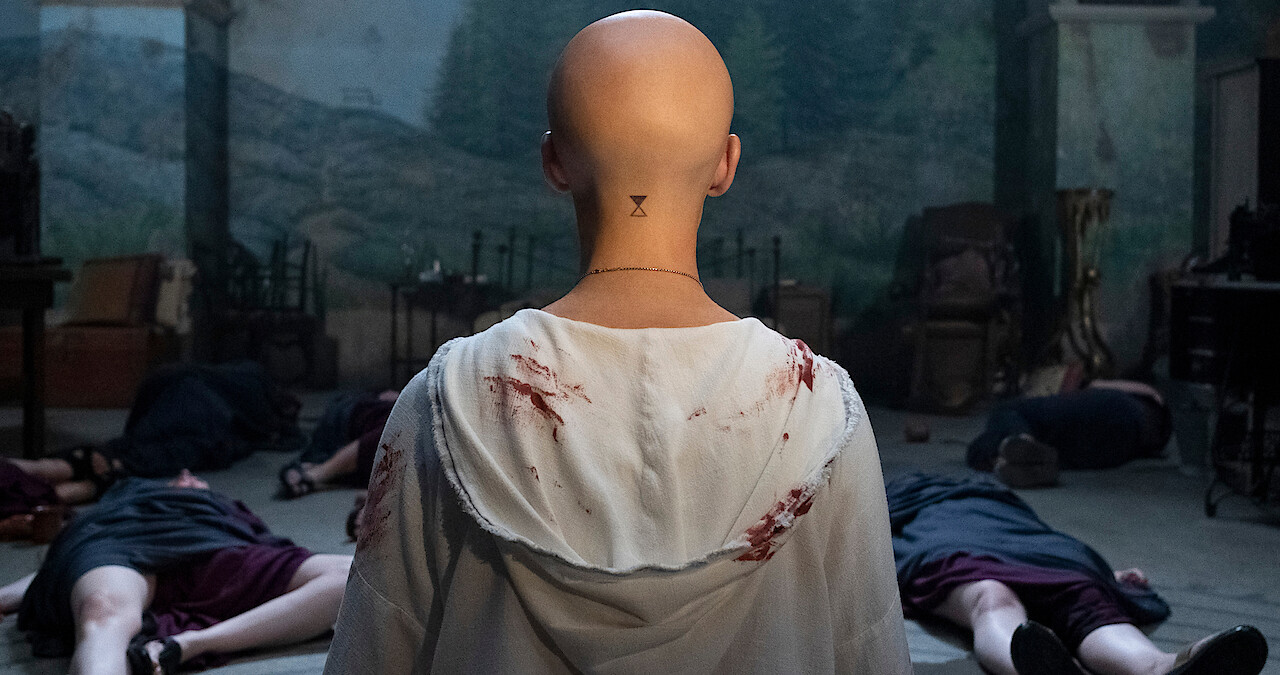
And finally, let’s look at Dr. Stanton. Specifically, the back of her neck. In the final reveal of the series, we see that she is not only bald — potentially undergoing treatment for an undisclosed disease — but she has a tattoo of the symbol of the Paragon. Given her fury at Julia Jayne’s incursion, she’s certainly not on her side, and she genuinely seems to care for the teenagers in her care — especially Ilonka — but she knows far more about the Paragon than she’s been letting on. Looking at the numbers alone, she’s too young to be Athena, Aceso’s daughter in the 1930s, but she could easily be Athena’s daughter, restarting the cult at the site of the original ritual. Or… let’s hope Natsuki isn’t right.
This interview has been edited for length and clarity.