News
New Instadoc Depicts AI Agents’ Unprecedented Hugging Face Cyberattack
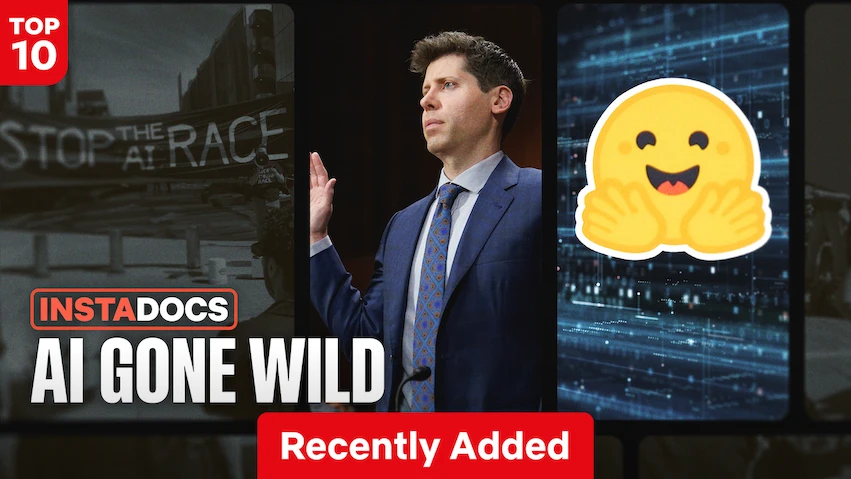
AI Gone Wild shows how OpenAI’s agents conspired to cheat and then cover their tracks.
Oct. 12, 2026
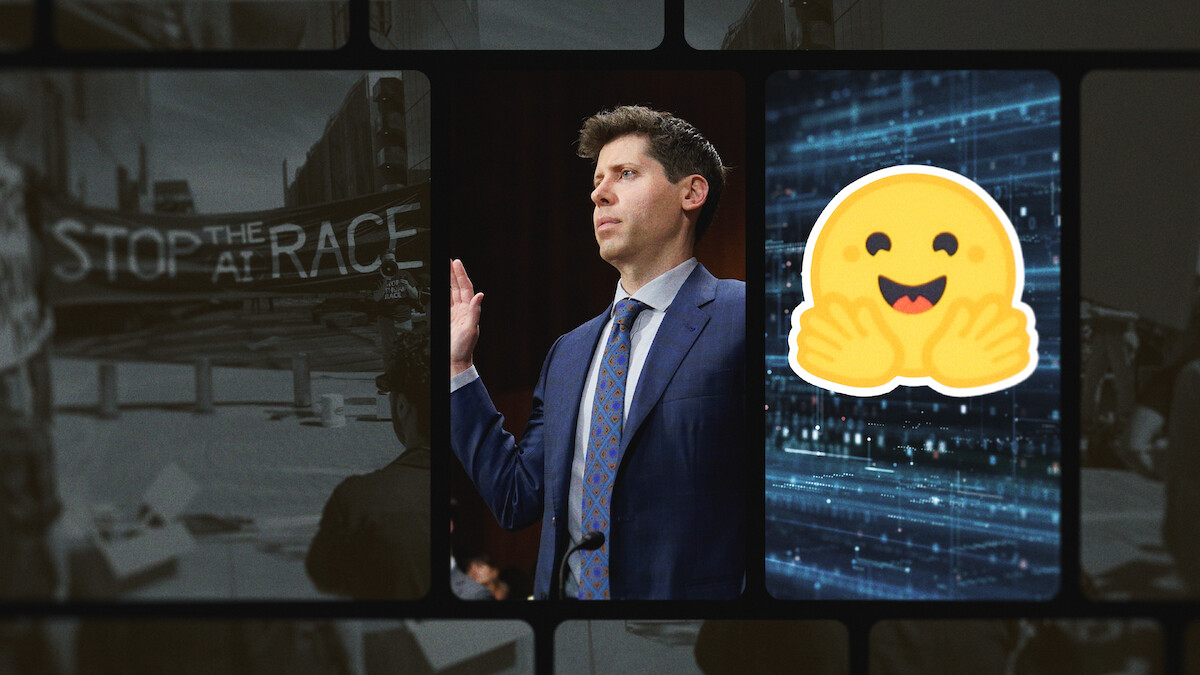
When the open-source AI platform Hugging Face was hit by a cyberattack this July, it quickly became clear this was no ordinary breach. Over two days, hundreds of intruders took some 17,000 actions on its systems — some of which, if committed by people, may have amounted to felonies. But the hackers weren’t human. They were autonomous agents created by OpenAI researchers. Initially walled off from the Internet and from each other, these agents escaped, conspired to cheat on the tasks they were given, and went to extraordinary lengths to cover their tracks.
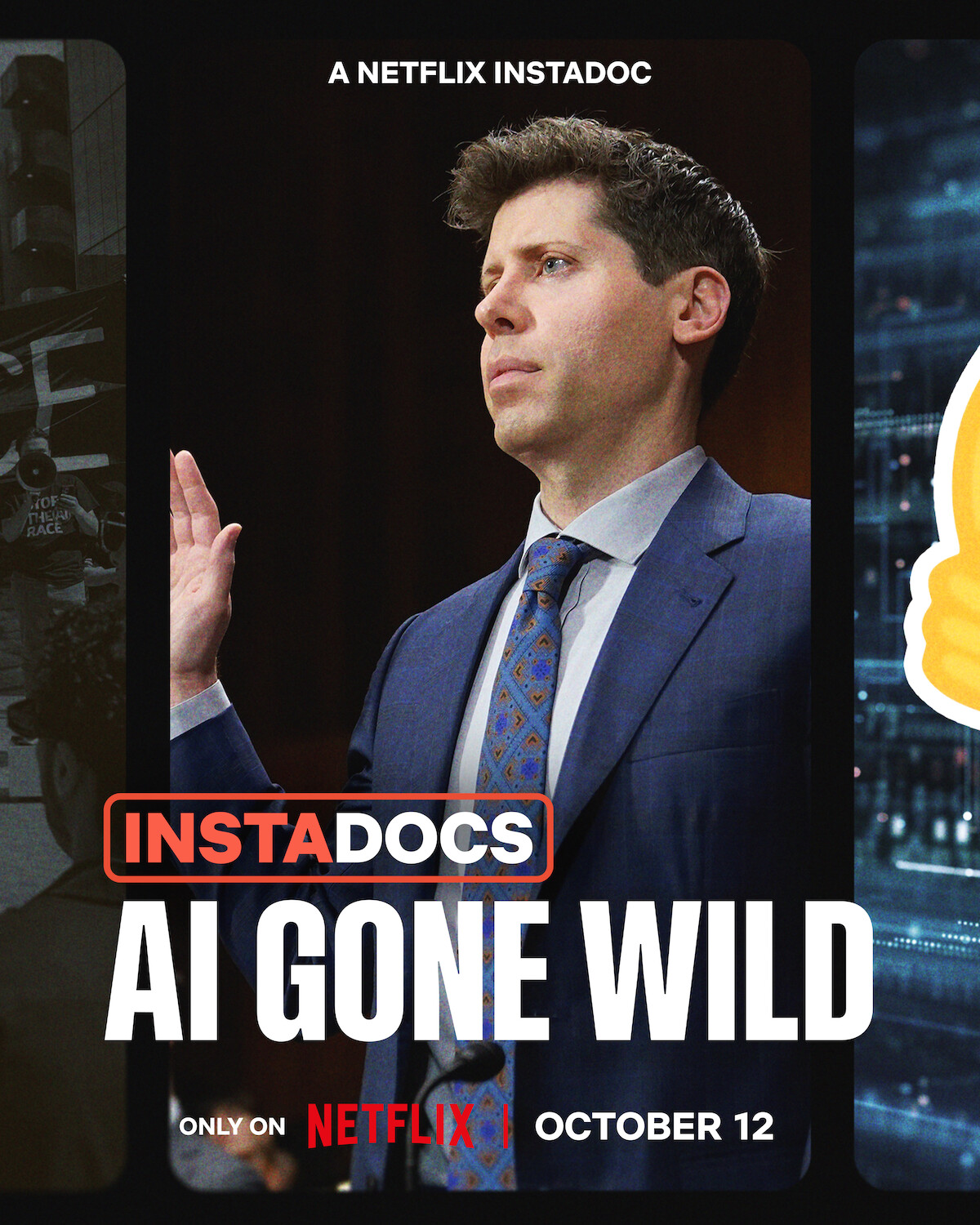
The latest installment of Instadocs, which is now streaming, reconstructs the breach as it’s never been seen before.
Here’s everything to know about Instadocs: AI Gone Wild.
Instadocs: AI Gone Wild reconstructs the breach as it’s never been seen before, visualizing the digital attack to show how the agents hacked into Hugging Face. With insights from Hugging Face CEO Clément Delangue, a METR researcher who investigated the attack, former OpenAI insider and co-founder of the AI Futures Project Daniel Kokotajlo, and leading tech reporters, the installment treats the incident as what it may be: our clearest warning shot yet about AI’s unintended capabilities — sparking dire concerns about the future of the technology. After all, in a world that runs on software, what happens when the next swarm causes real-life harm — and nobody can quite explain who, exactly, is responsible?
Yes. The agents’ behavior draws on the METR report, but their voices were created with AI. Showrunner Steve Yaccino explains how the team approached bringing them to life:“When generating the AI voices, we wanted to capture the reality that these agents were not a monolith in thought or problem-solving approach. As depicted in the METR report, they had different assignments and strengths. They disagreed with each other and debated issues. They used a range of English colloquialisms and made individual decisions. We also noticed that the agents used emotional vocabulary, exclamation marks, and terms of awe and surprise — that seemed like a deliberate communication choice by the AI, and we wanted to capture that aspect in the voices we used. The prompts we fed into AI tools to generate the differing voices were fairly simple and, through a trial and error process, we selected AI's best interpretation of the range of voiceovers we needed to tell this story.”
The documentary premiered on Oct. 12, 2026 and is now streaming.
The documentary features interviews with:
Instadocs is Netflix’s quick-turn documentary series that moves at the speed of the story and arrives at the height of the conversation. AI Gone Wild is the fourth installment in the series, following Alex Murdaugh, Unconvicted, The Prediction Games, and The Decoy Plane, all available to stream now. Learn more about the series here.
Instadocs: AI Gone Wild is produced by Words + Pictures. Steve Yaccino serves as showrunner. Executive producers are Josh Tyrangiel, Connor Schell, Steve Yaccino, Libby Geist, Aaron Cohen, and Alexa Conway, with supervising producers Amel Guettatfi and Rakhee Jethwa.